Effective Self-Defense Techniques: How to Fight
Fighting is a conflict where two or more people battle for dominance and respect. Although it's best to avoid physical confrontation, if you find yourself in a situation where you must defend yourself, it's important to know how to protect yourself and effectively attack your opponent. Understanding the correct stance and identifying your opponent's weak spots can be crucial for your safety. If you want to learn how to fight properly, keep reading.
Attack
Step 1. Take a fighting stance.
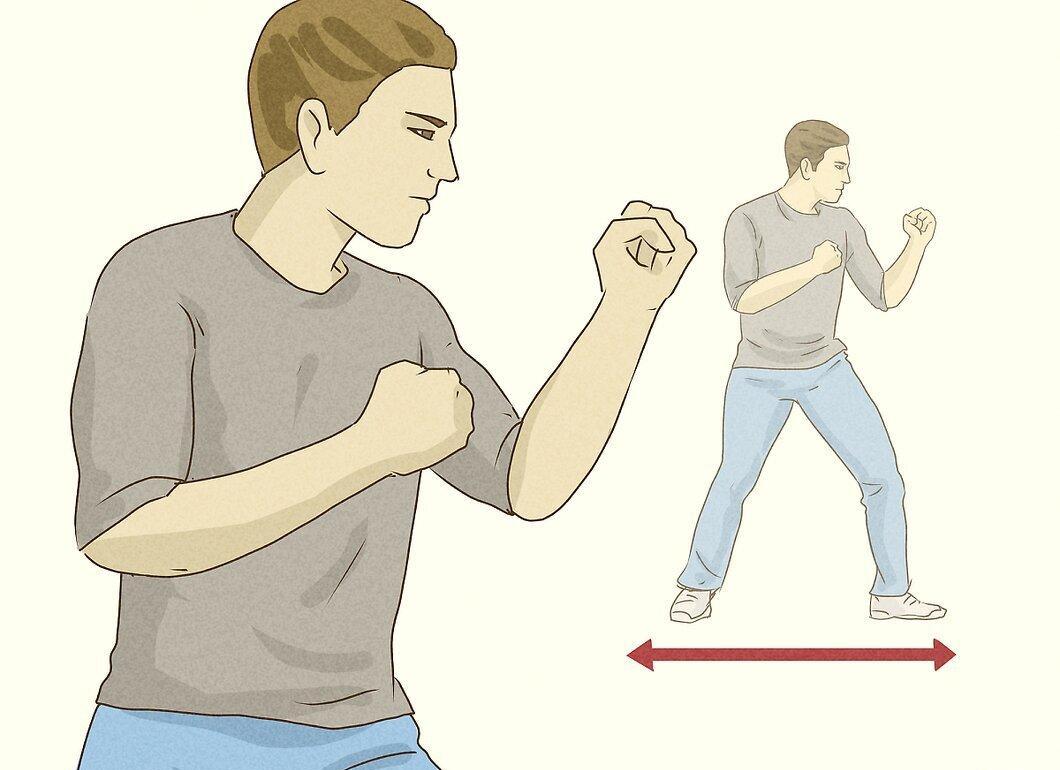
First, assume a fighting stance. Stand with your feet shoulder-width apart and slightly bend your knees. Maintain your balance to make it harder for your opponent to knock you down. Stay mobile: take small steps sideways and keep your hands up in front of your face for protection.
- Keep your jaw clenched to avoid a fracture if you get hit in the face.
Step 2. Strike your opponent.
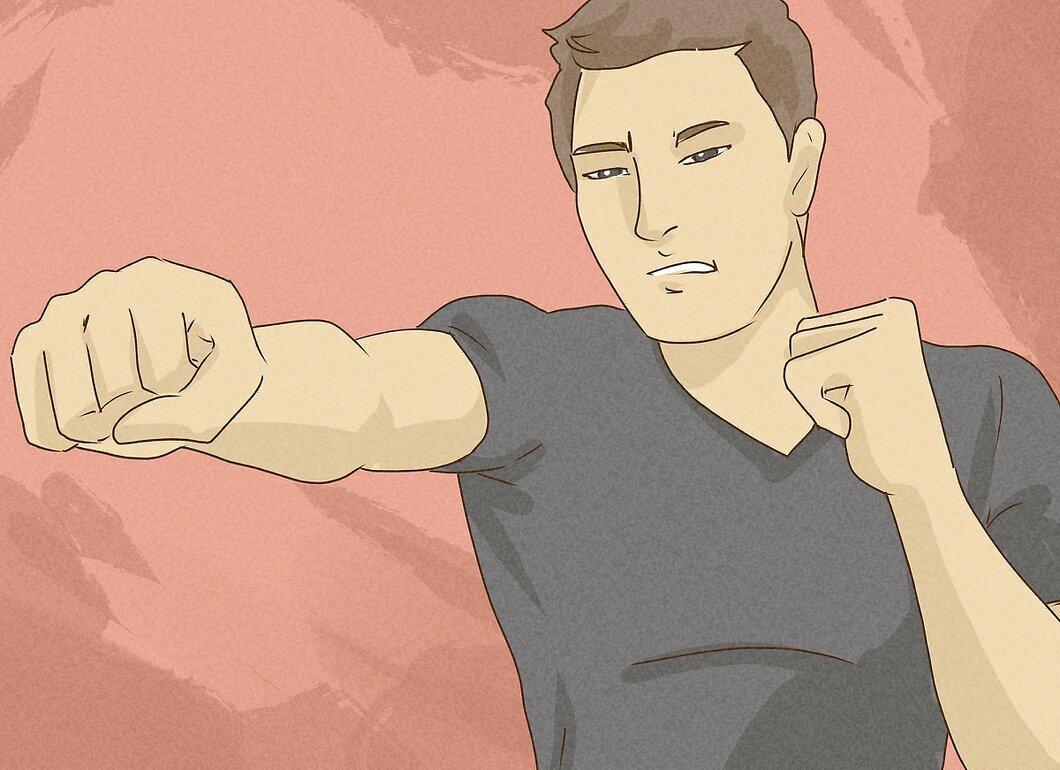
Now that you're ready, it's time to attack. Make a fist by curling your four fingers and placing your thumb on top to avoid injury. Aim for your opponent's nose or stomach for maximum effect. A simple straight punch is a great choice for beginners. Here's how to execute it:
- Keep your hand in front of your face, bending your elbow at a 30-45 degree angle.
- Start straightening your arm, pushing your fist forward.
- Use your body weight to enhance the punch.
Step 3. Make the first strike.
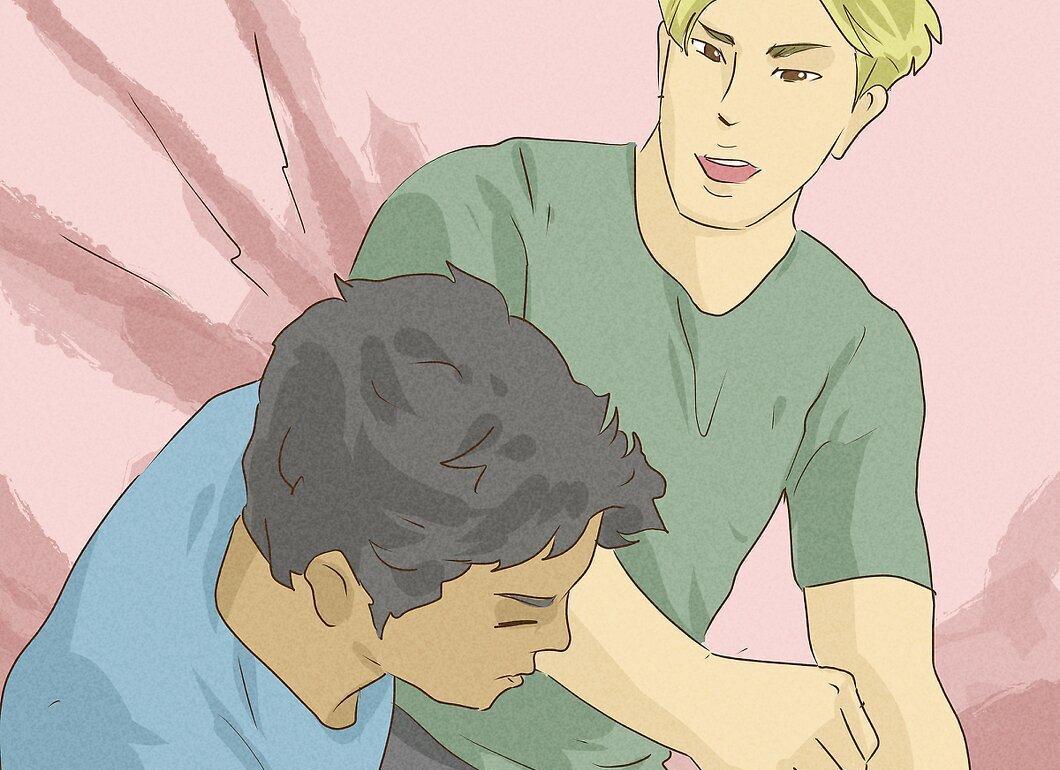
If you're standing confidently, don't hesitate. Making the first strike can throw your opponent off balance and give you a dominant position. Don’t waste time searching for the perfect moment—just aim and hit.
Step 4. Adapt to the situation.
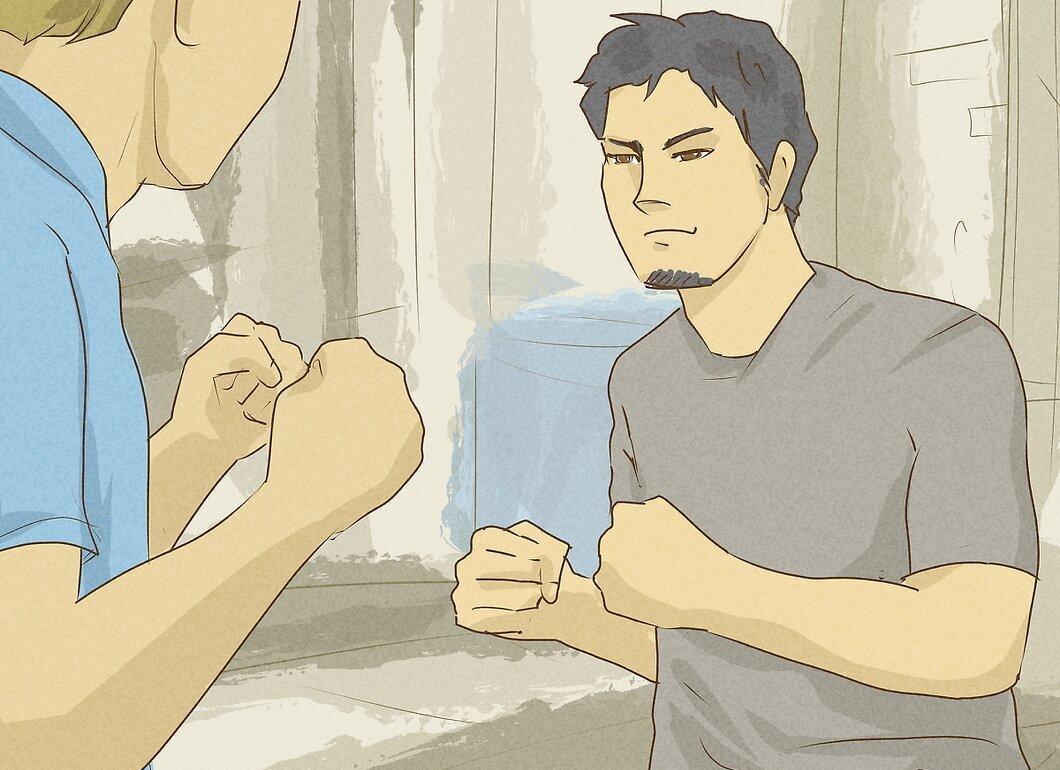
At the beginning of a fight, try to understand your opponent's tactics. Base your strategy on your strengths while considering your opponent's weaknesses.
- If you're taller, keep your opponent at a distance to strike without giving them a chance.
- If you're shorter, be quick and close in to attack.
- If you're agile, make quick strikes and retreat. Stay dynamic.
- If you're slower, take your time. Let your opponent come closer.
- Know your advantages and use them wisely. One precise move can be more effective than multiple failed attempts.
Step 5. Defend if your opponent grabs you from behind.
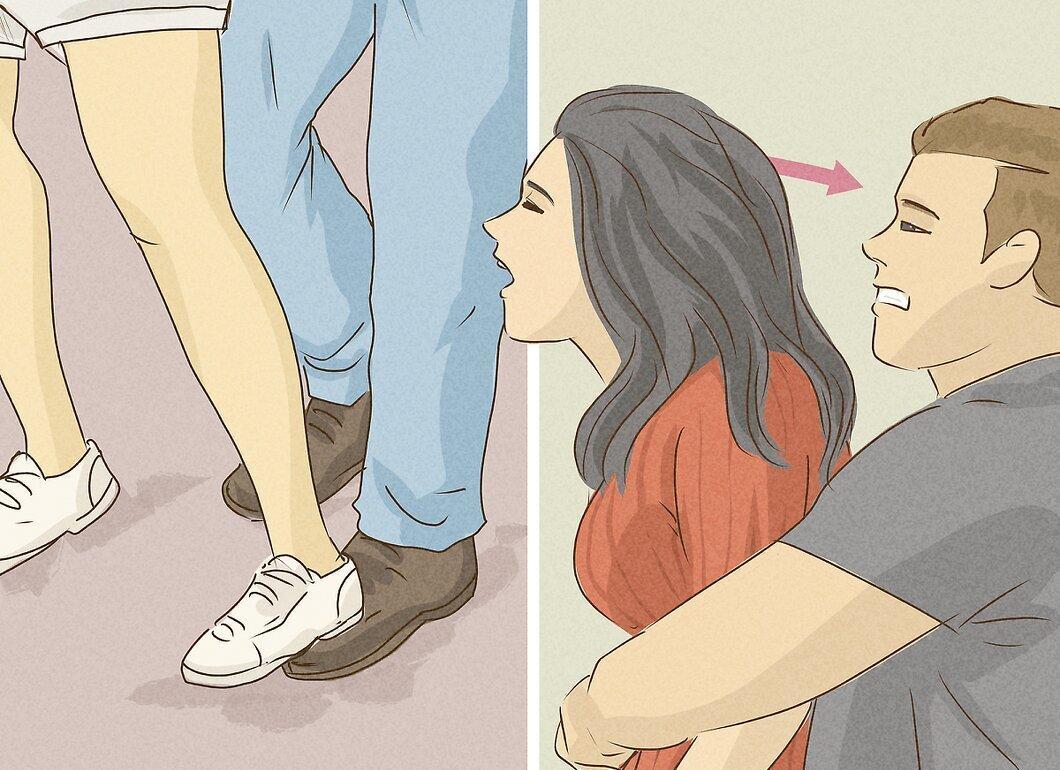
If your opponent grabs you from behind, try to escape as quickly as possible to avoid being taken to the ground. Here are a few ways to do this:
- Strike their leg with your heel to weaken their grip.
- Hit their nose with the back of your head to potentially loosen their hold.
- Avoid grabbing their wrists; use your fingers to twist and free yourself.
Defense
Step 1. Keep an eye on your opponent.
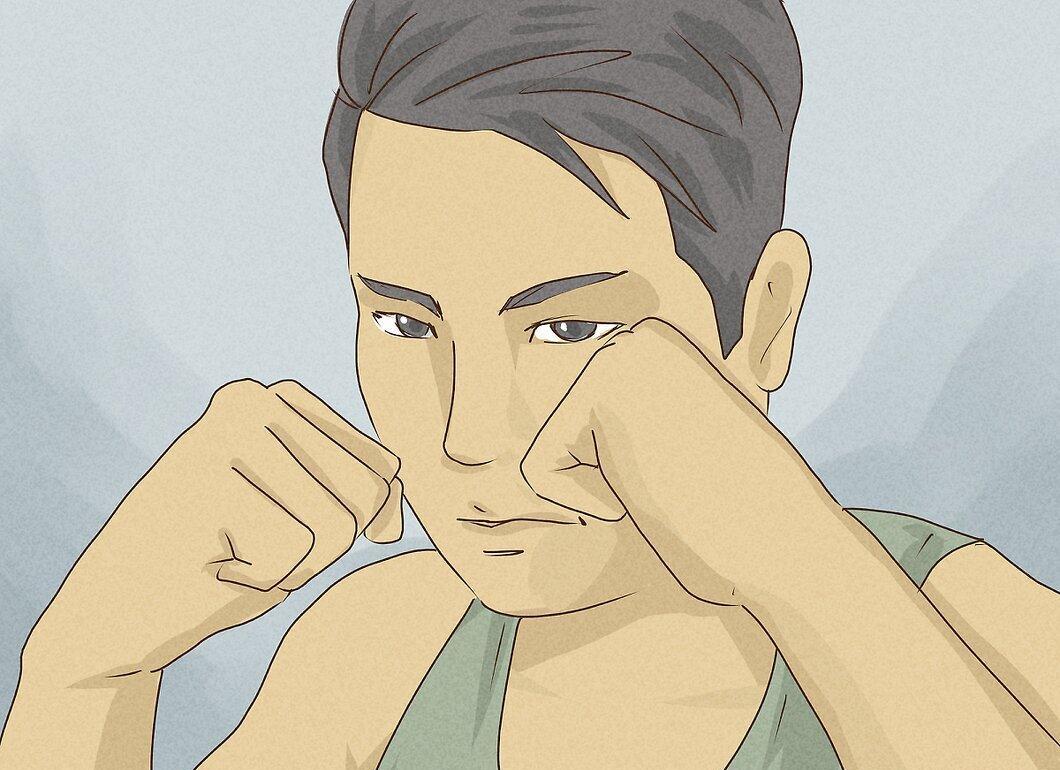
Do not take your eyes off your opponent. Some fighters might not capitalize on your distraction, but more experienced opponents surely will.
Step 2. Feint your attack.
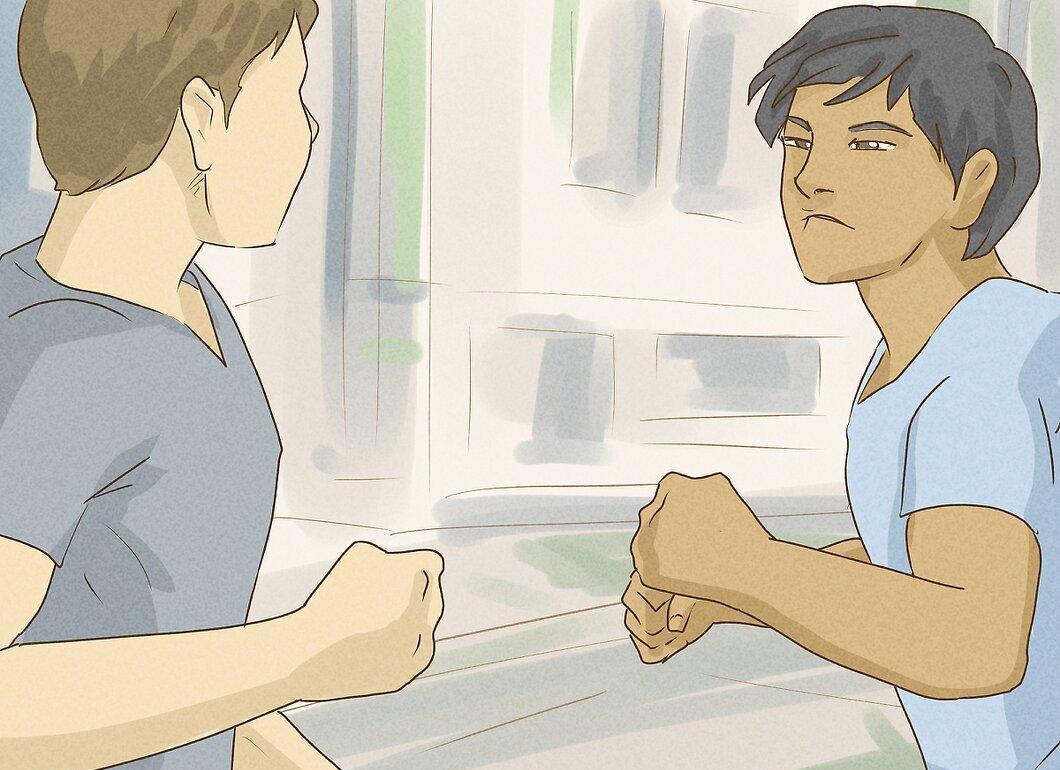
Every time you attack, you become vulnerable. If your opponent anticipates your attack, they may counter. However, if you feint your attack, it can force them to respond and become vulnerable themselves.
- Combine fake punches with real ones to confuse your opponent.
Dirty Fighting
Step 1. Head strikes.
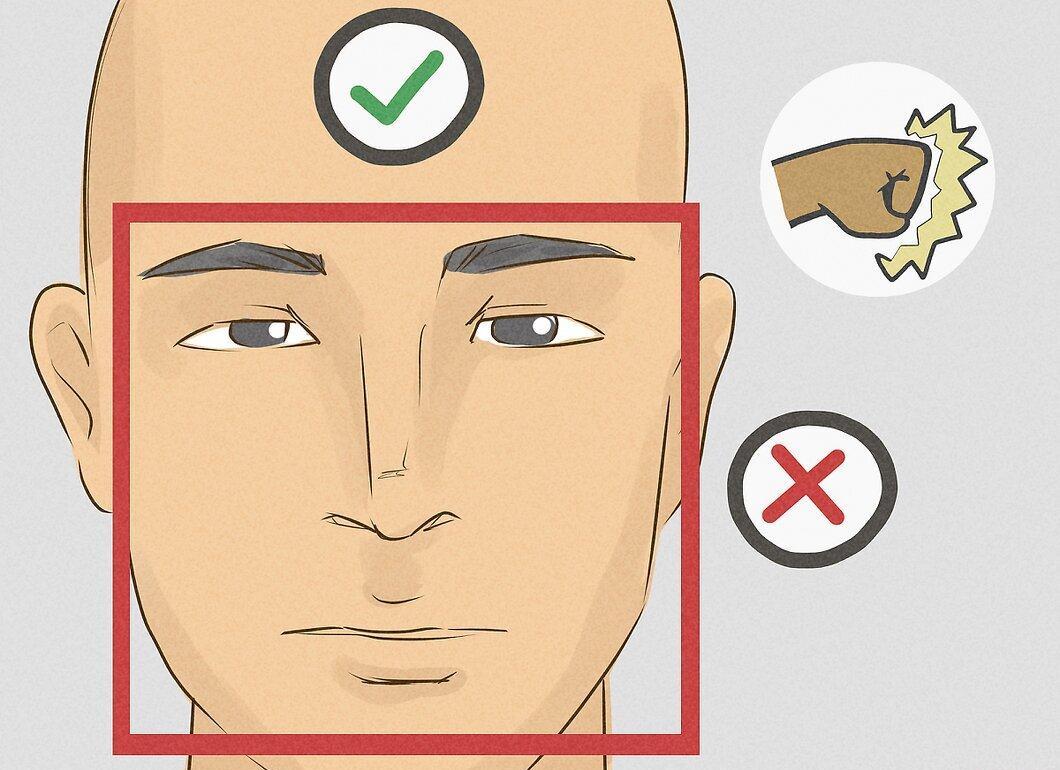
While it's best to avoid head strikes, if you're in a fight, it's important to know how to minimize damage. To block a punch, move to the side of the strike and tighten your neck and jaw to reduce its force. Try to make your opponent's fist hit your forehead instead of more vulnerable areas.
- Moving to the side of the punch helps reduce its power, as your opponent has less time to accelerate.
Step 2. Body strikes.
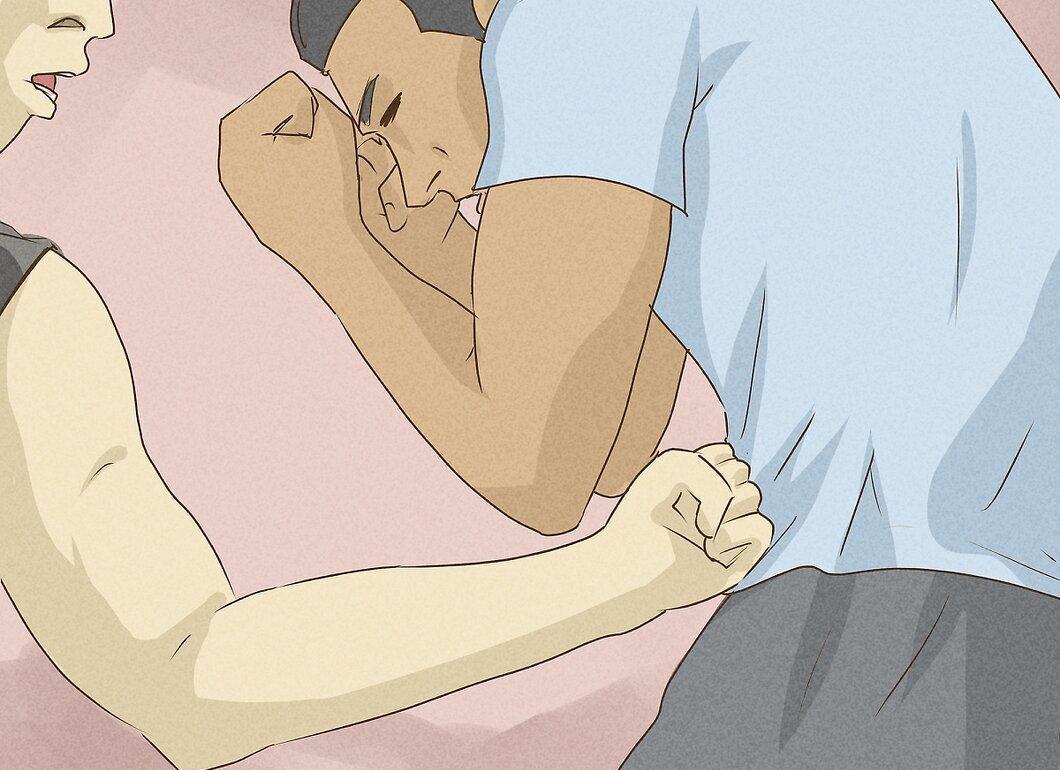
If a punch lands on your stomach, tighten your abdominal muscles without sucking in your stomach. If possible, dodge or turn to take the hit on your side instead of the center of your stomach.
- Do not hold your breath, as this can lead to choking. It's best to exhale slightly before the impact, so your abdominal muscles automatically tighten.
Step 3. Don’t let your opponent grab you.
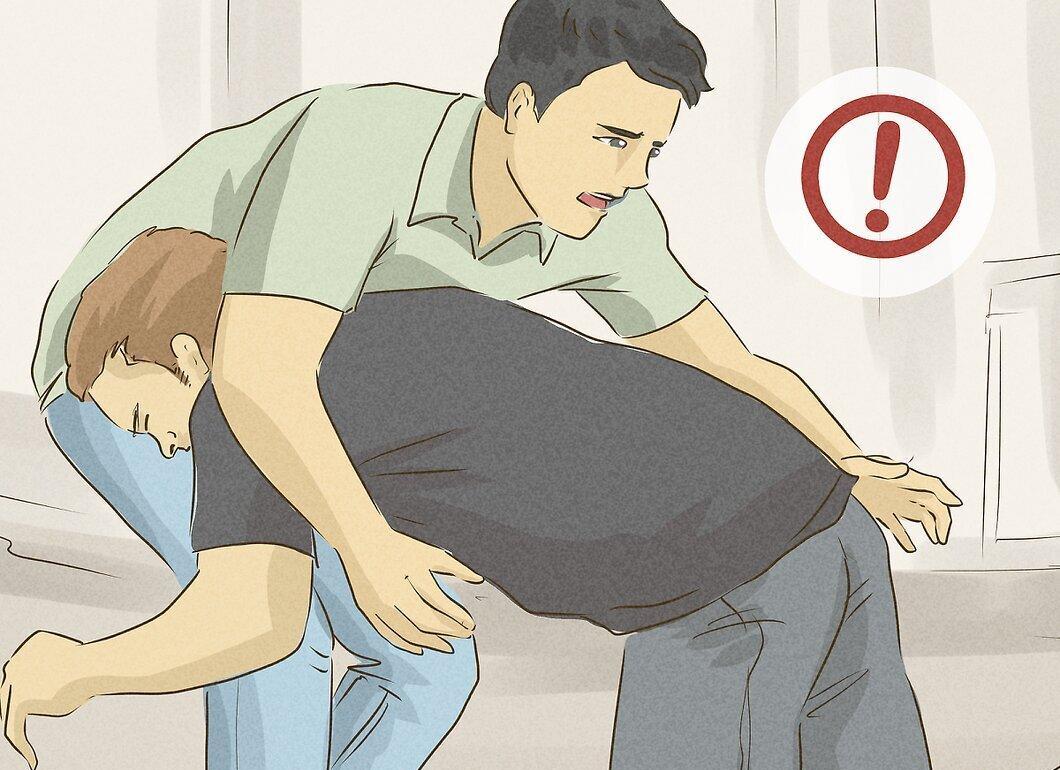
If your opponent tries to grab you, they aim to throw you off balance. Do not try to grab their head; instead, push them away from your hips or upper body.
- After that, you can attempt to strike them in the groin or leg.
Step 4. Avoid chokeholds.
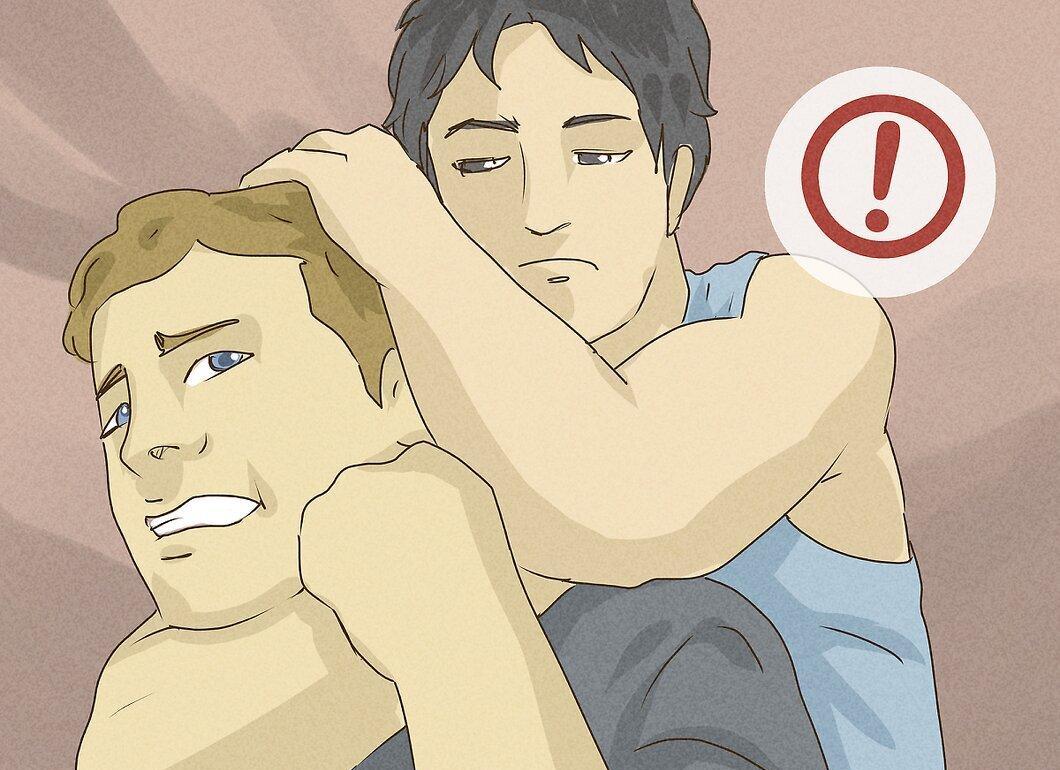
If your opponent is applying a chokehold from behind, do not attempt to throw them over your back. This will only strengthen their grip. Instead, grab the arm that is around your neck and turn towards them to escape the hold.
- If you manage to turn, you might even be able to take them down.
Step 5. What to do if you’re taken to the ground.
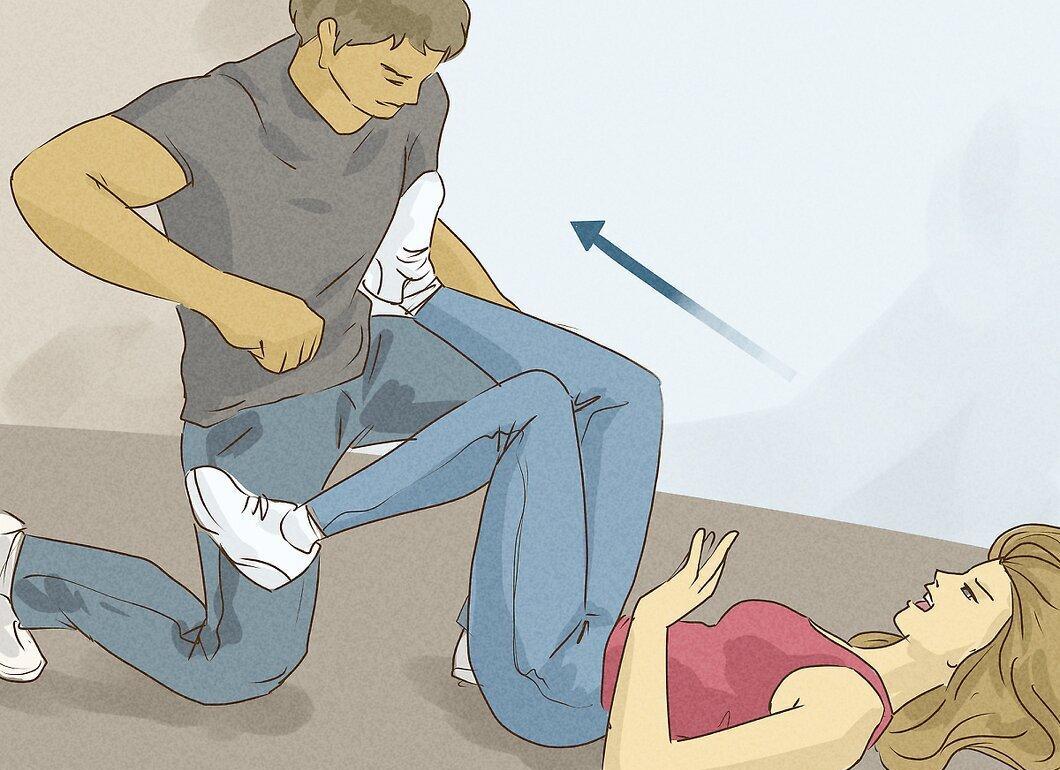
If your opponent has taken you to the ground, do not just try to get up. If you turn away, you risk getting hit. Instead, keep an eye on them and try to strike their knee, shin, or groin. If they’re close to the ground, try to hit their face.
- After hitting, push your opponent away and start to rise.
- Keep your eyes on the opponent even while getting up.
Step 6. Don’t let your opponent pin you down.
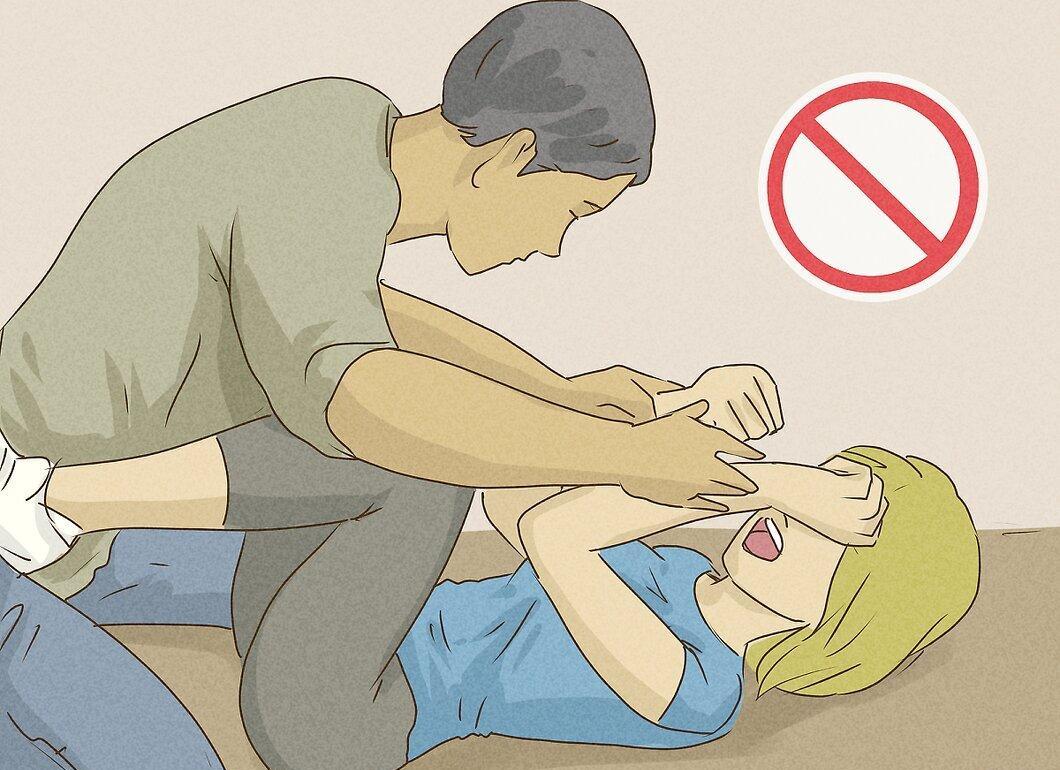
If you find yourself on the ground, try not to let your opponent gain the upper position. It's best to lie on your side or stomach, as this gives you a better chance to escape. Aim to get up as quickly as possible.
- If your opponent pins you down, they can strike—avoid this at all costs.
Step 7. Yell.
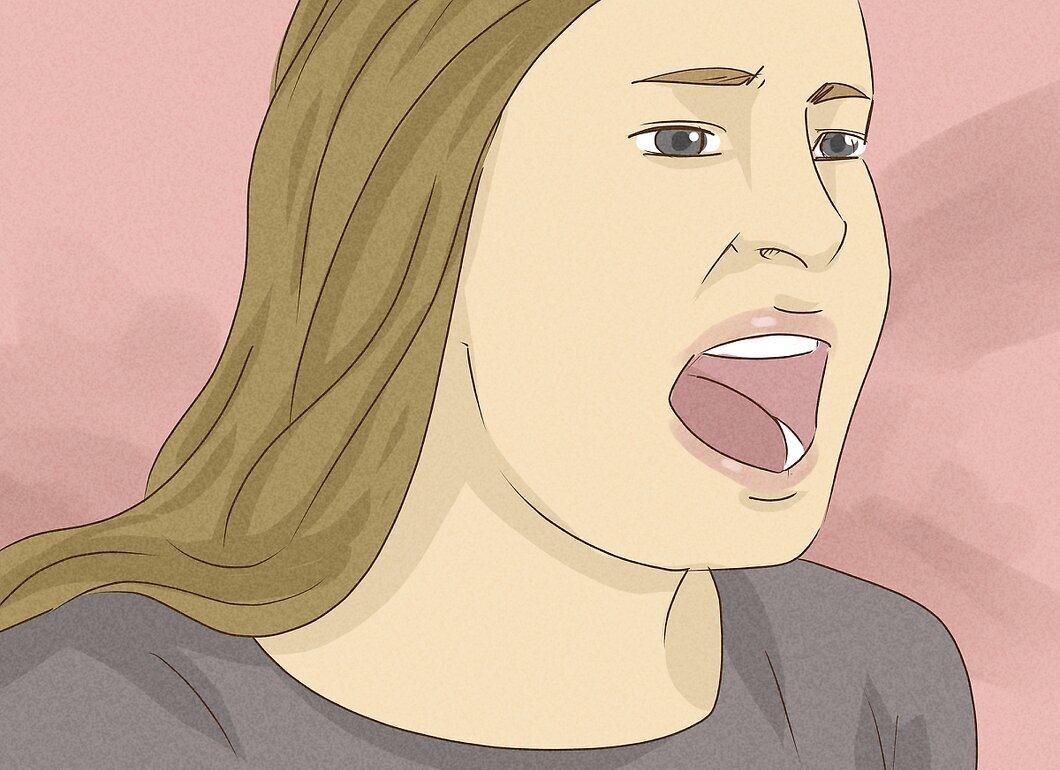
If you want to end the fight quickly, start shouting. This can attract attention and scare your opponent. Even if no one is around, keep yelling—it may confuse your opponent.
- Even if no one comes to help, shouting can make your opponent think that someone might intervene.
Part 4
Step 1. Strike your opponent in the face.
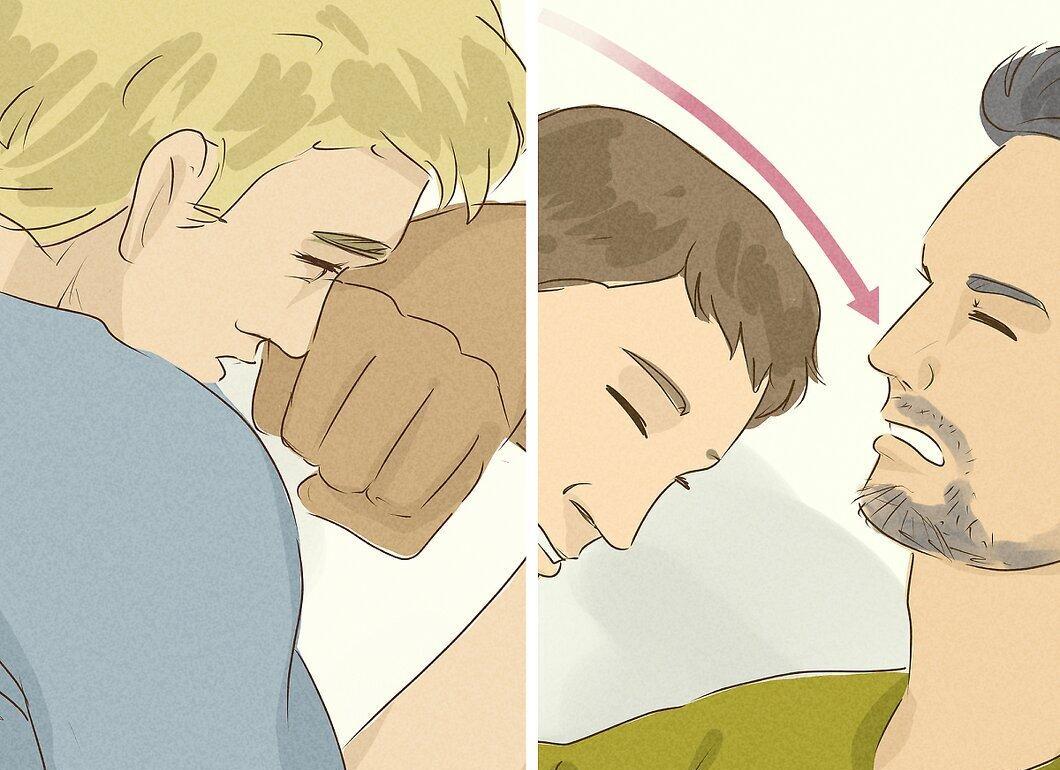
The face is a vulnerable area. Strikes to the eyes, nose, and face can cause significant pain and slow your opponent down. Here are some tips:
- Strike their nose with your forehead. A proper hit can break their nose.
- Apply pressure to their eyes with your fingers—this will cause pain and may temporarily blind them.
- Hit them in the nose—this will also cause intense pain.
Step 2. Strikes to the neck and throat.
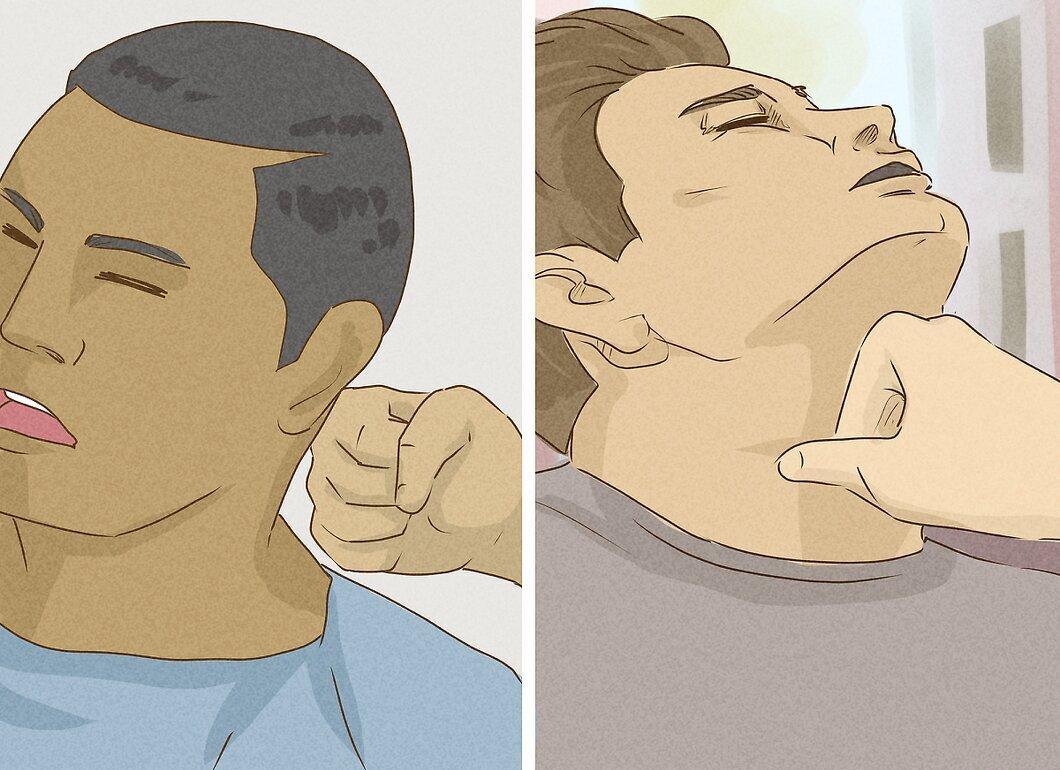
A strike to the neck can temporarily incapacitate your opponent. Try these strikes:
- Hit the back of the neck to cause temporary vision impairment.
- Strike the throat to disrupt their breathing.
Step 3. Target vulnerable areas.
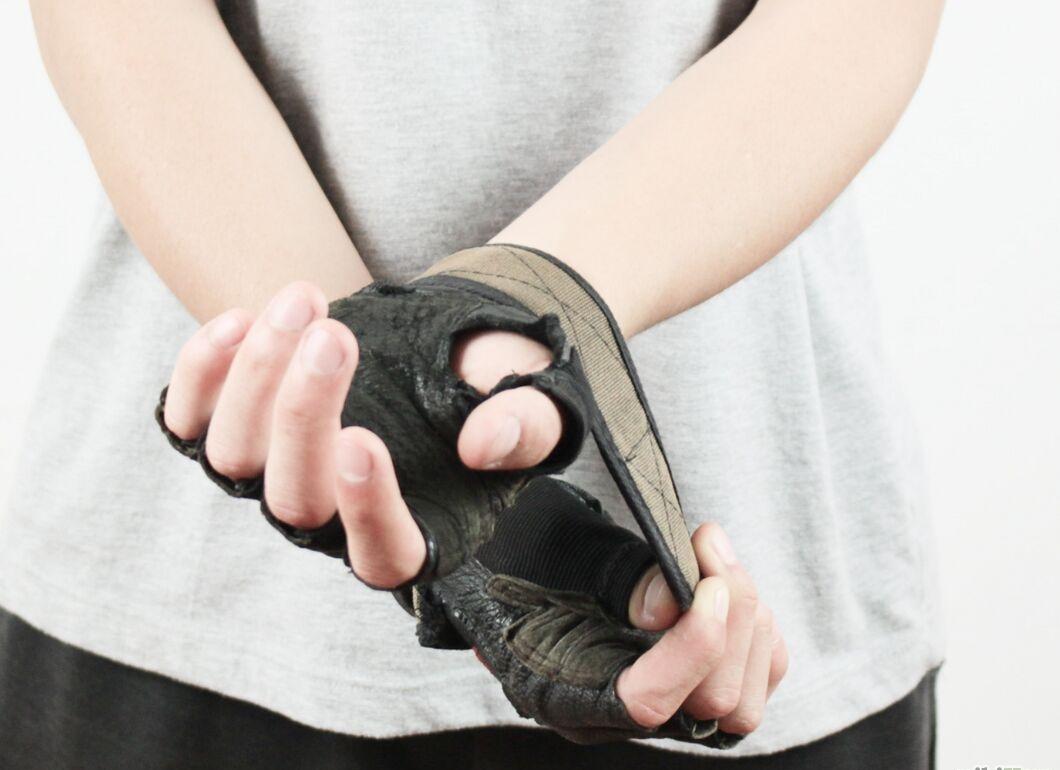
If it's a no-holds-barred fight, your goal is to win. So don’t hesitate to use any means necessary to take your opponent down or injure them. Here are some ways:
- Knee them in the groin—this will surely stop them.
- Kick them in the groin, knee, or stomach, maintaining balance and speed—otherwise, you could be easily thrown off.