
If sports are your passion, your drive for success is completely justified. On this journey, you'll need skills and abilities that require patience and determination. However, successful athletes also pay attention to other important aspects. While skills play a crucial role, achieving true heights requires the right mindset and team spirit.
The Right Mindset
Step 1. Set ambitious yet achievable goals.
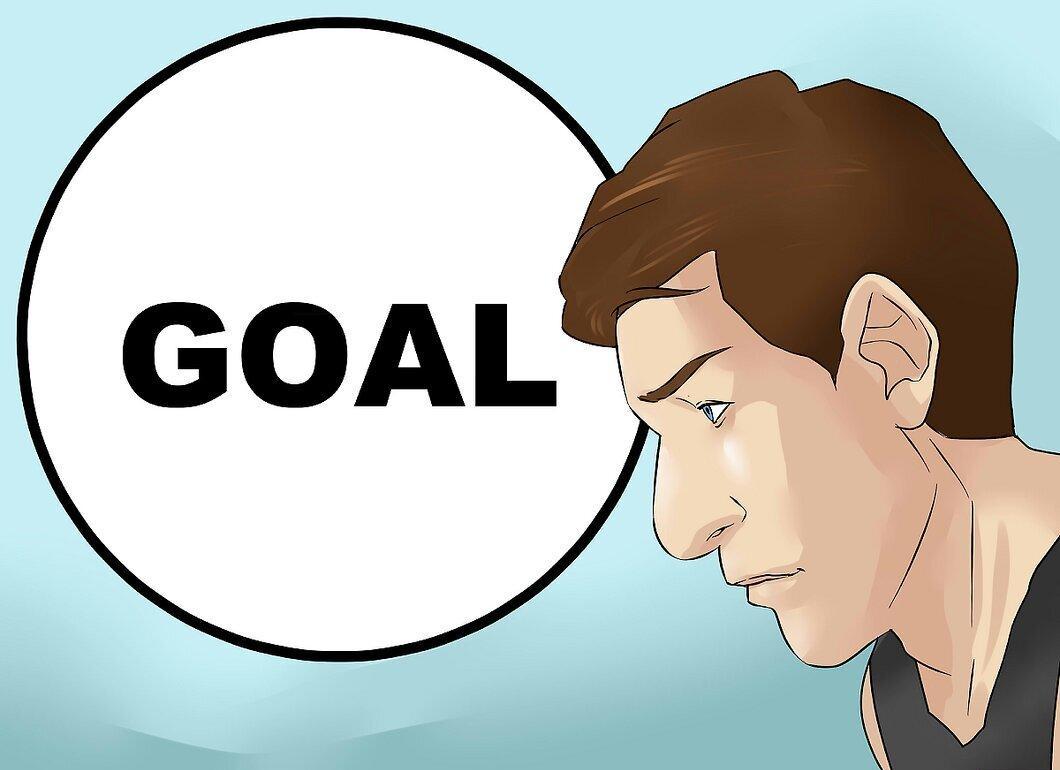
Formulate ambitious yet realistic goals. This does not mean you should disregard reality and dream of becoming a professional in just one year. Assess your current fitness level and define what you want to achieve. Calculate how much time you’ll need to reach your goal and break the path into smaller stages if the end goal seems distant.
- For instance, if you aim to become a professional athlete, research the requirements and work towards meeting them. You might first consider becoming a semi-professional.
- Focus not on the big picture as a whole, but on specific aspects, like improving your technique.
Step 2. Respect your opponents.
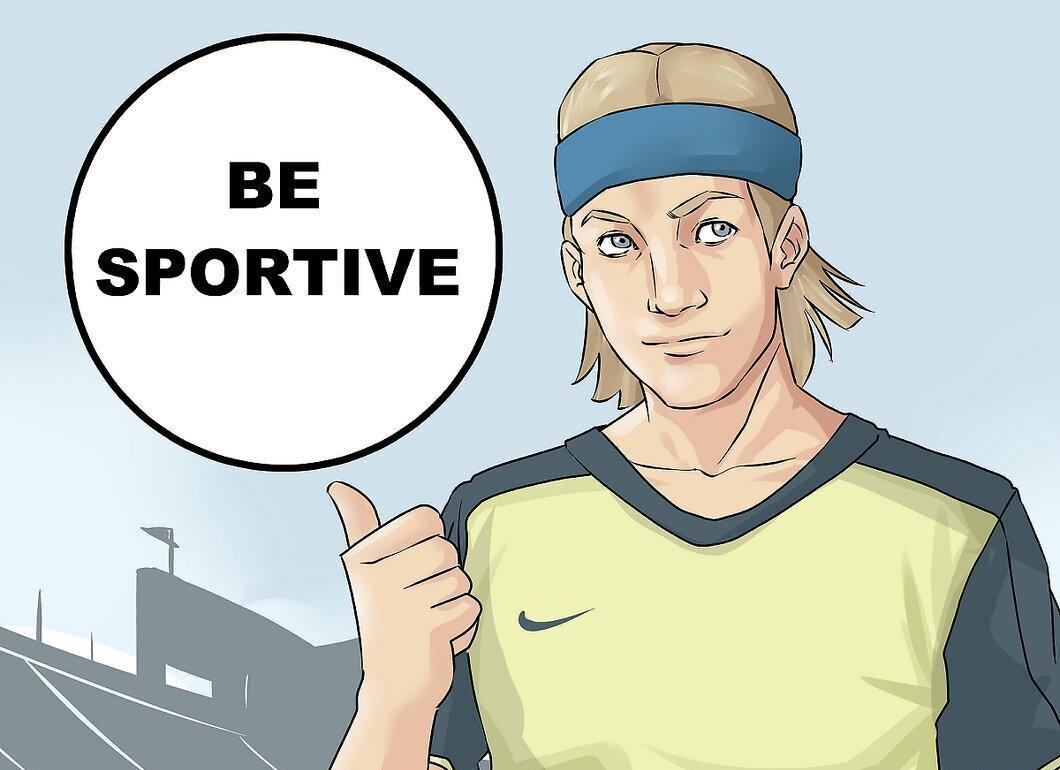
Always respect your opponents. True athletes embody not just speed and strength but also kindness towards others, even rivals. Accept defeat gracefully after a loss and show respect to the victors.
- Be a model of sportsmanship, and you will also earn respect after your victories.
- View losses as opportunities to learn. Try to understand what went wrong and adjust for the future.
Step 3. Be patient.
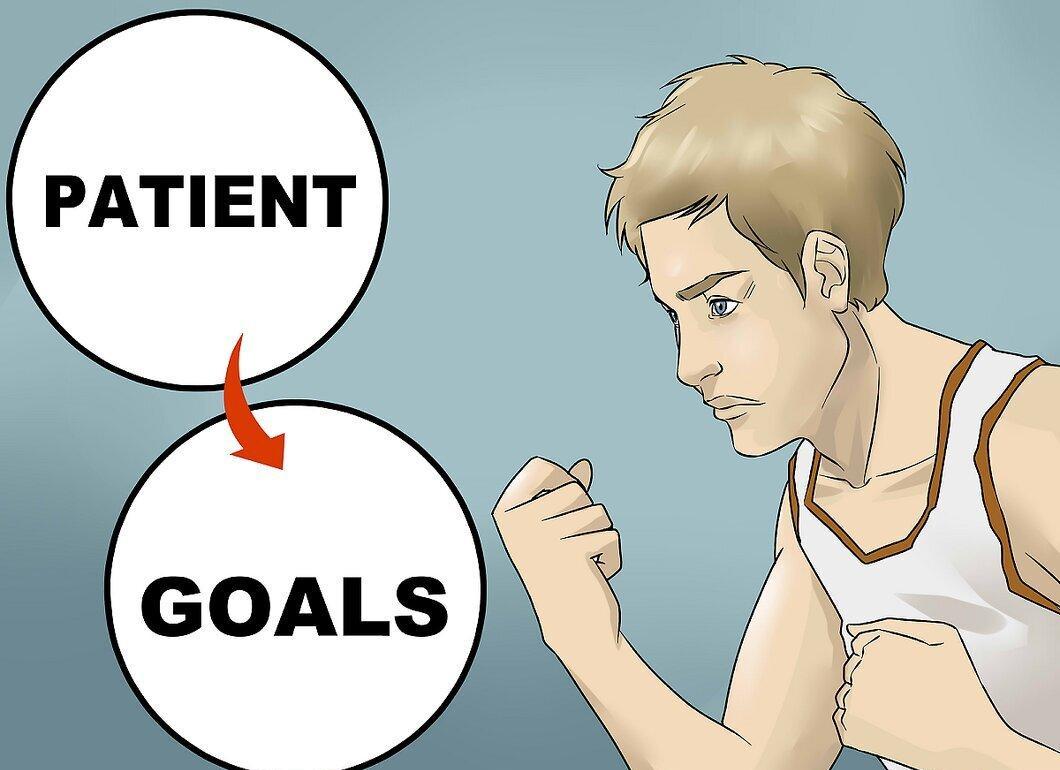
Learn to be patient. Any skill requires extensive practice. There will always be someone better than you. Impatient athletes rarely achieve success. Without patience, one might attempt to master complex elements without even having basic skills. The lack of immediate results can undermine motivation. Keep your end goal in mind and cultivate patience—it's an essential attribute on the path to success.
- Remember: someone will always be better than you, especially in the beginning. Impatient athletes rarely succeed.
Step 4. Accept criticism.
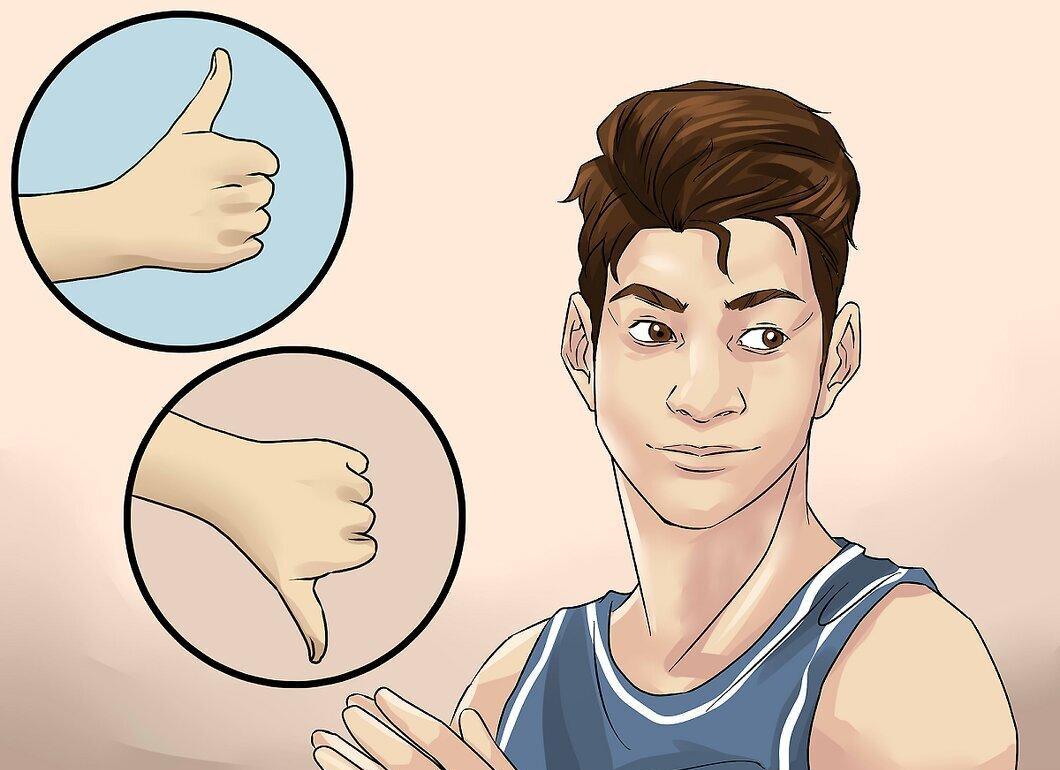
Learn to accept criticism. In sports, you will inevitably face critical remarks. These can come from coaches, other players, or spectators. Approach criticism with a healthy dose of skepticism and strive to use it to your advantage. Is someone disappointed with your performance or genuinely wishing for your improvement? Learn to distinguish between constructive criticism and baseless comments. Often, criticism helps us grow.
- Don’t take criticism too personally. When emotions take over, one tends to think narrowly.
- Control your ego. Even if you consider yourself the best, be ready to accept useful feedback.
Step 5. Make friends with other athletes.
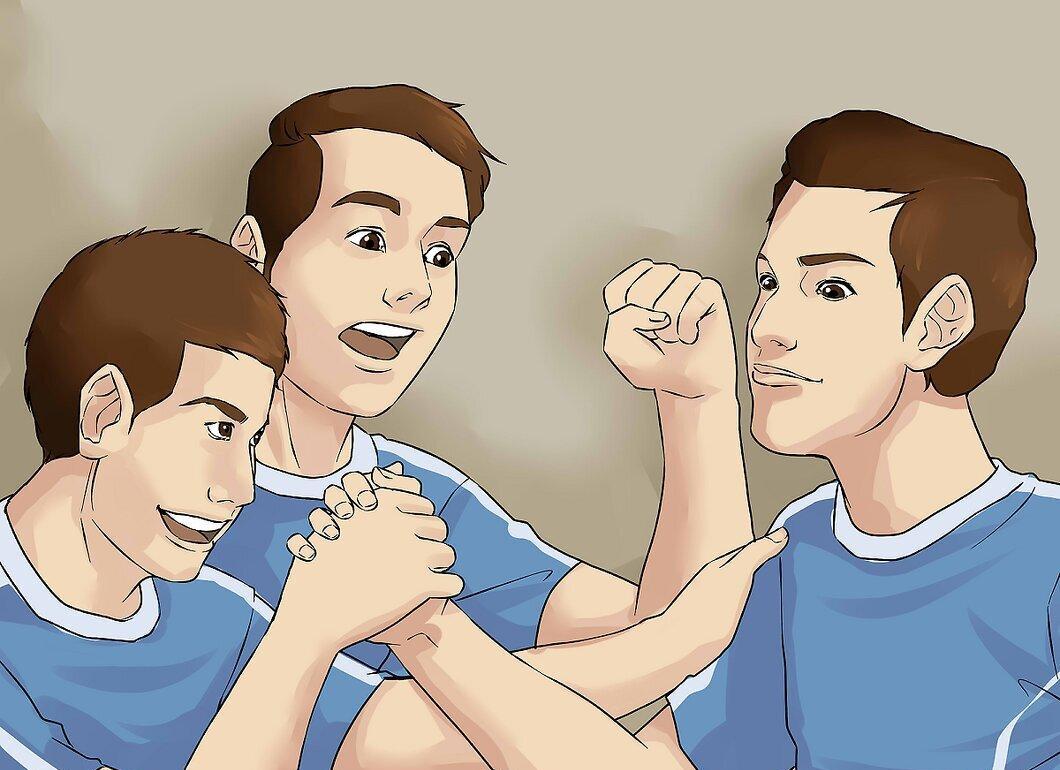
Build friendships with other players. One of the main reasons people start playing sports is to make friends. In a team, you will interact with many people, and you are likely to forge friendships with some of them. Don’t forget to spend time with friends to become a successful athlete. You can train together during leisure time, which also boosts team spirit and morale.
- In team sports like soccer, certain skills are better developed individually, but others cannot be mastered without partners (e.g., goalkeeper skills, passing technique). It would be great if your partner were your friend—training would become even more enjoyable.
Step 6. Have fun.
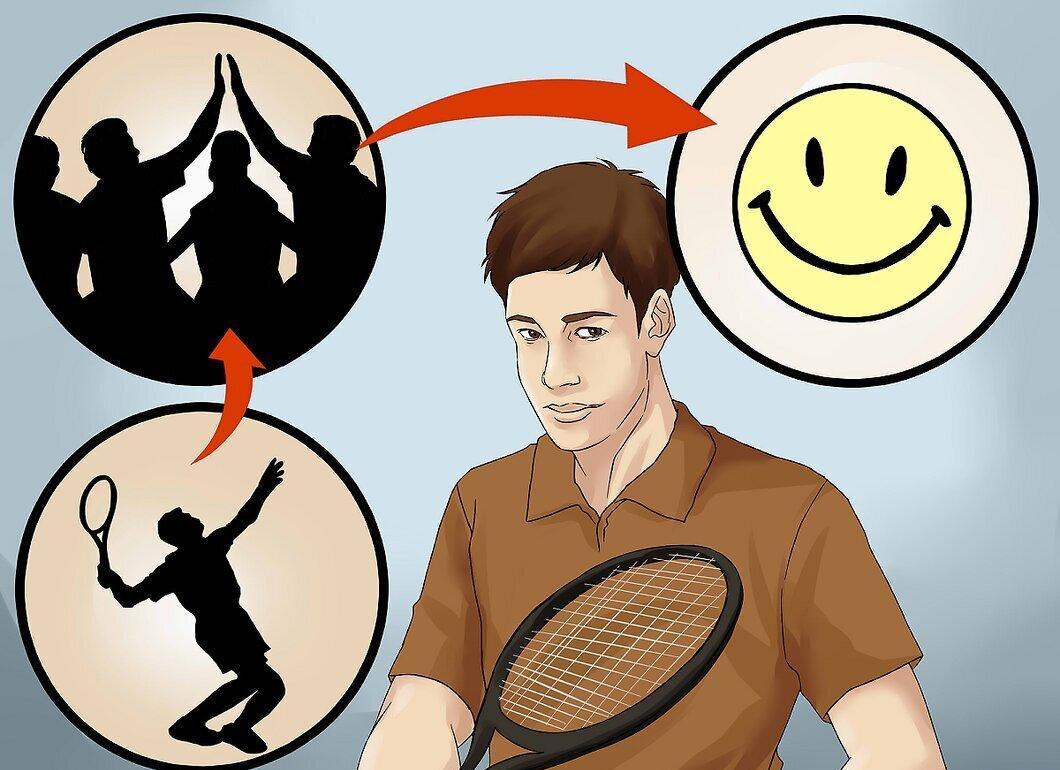
Don’t forget to enjoy yourself. In the pursuit of success, it’s easy to lose sight of the true reasons why you chose sports. If your activities aren’t enjoyable, you can quickly lose interest. Remind yourself of the other motivations that inspire you to engage in sports when you show up for training or competitions.
- For example, you might enjoy physical activity or the socializing with friends that comes with it.
Developing Skills and Abilities
Step 1. Join a team.
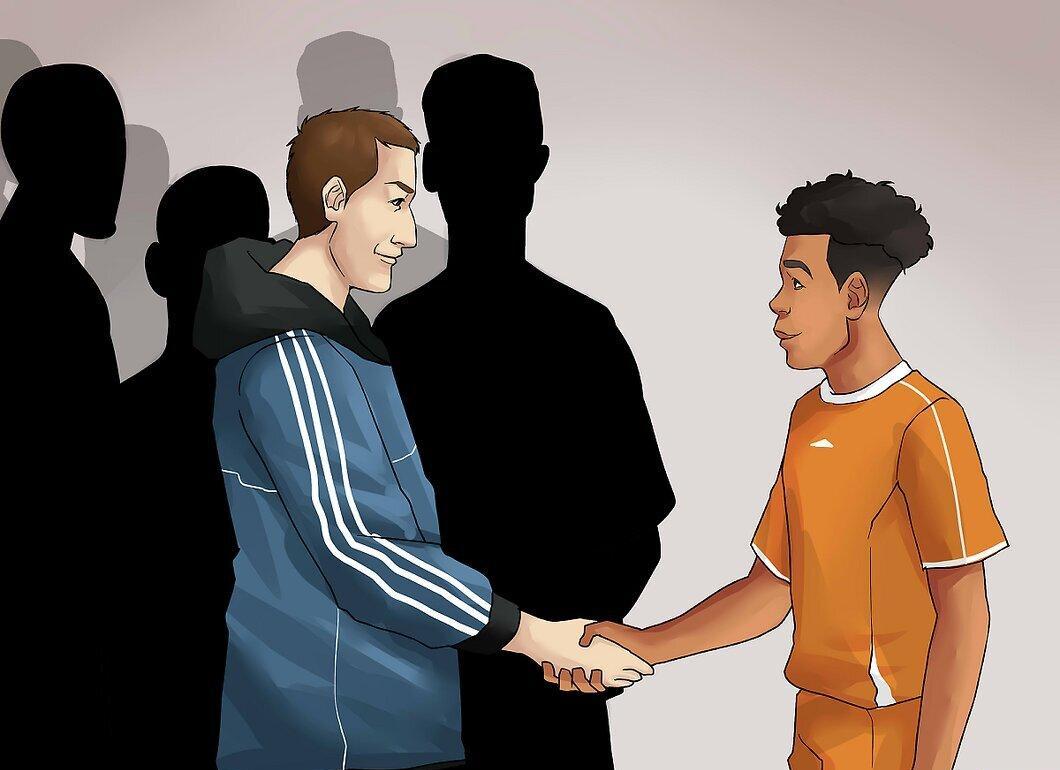
Become part of a team. If you want to succeed in sports, it’s crucial to be part of a team. Participating in amateur competitions can help you develop necessary skills. Sports teams exist everywhere, and most are free. If you're in school or university, try to join a local team. Also, look into sports clubs and camps.
- If you have already finished school, search for teams online or create your own.
Step 2. Find a suitable coach.
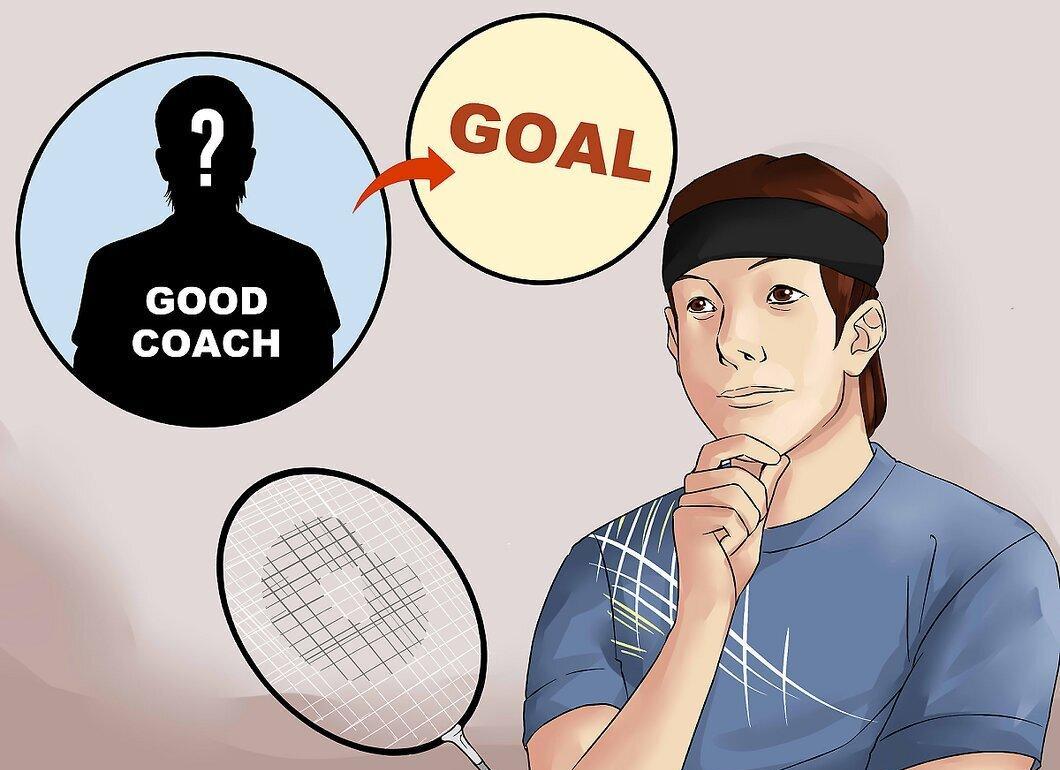
Choose a good coach. This can be either a professional or an amateur. The key is that they should fit you on a personal level. The ideal coach is someone who genuinely wants you to succeed. At the beginning of your journey, enthusiasm often matters more than a scientific approach.
- Communication skills are one of the key traits of a good coach.
- Different coaches work at different levels. Most in school teams are volunteers who have a general understanding of the sport and are genuinely passionate about the game. You can also find a professional coach with education and experience, but this can be costly.
Step 3. Develop diverse skills.
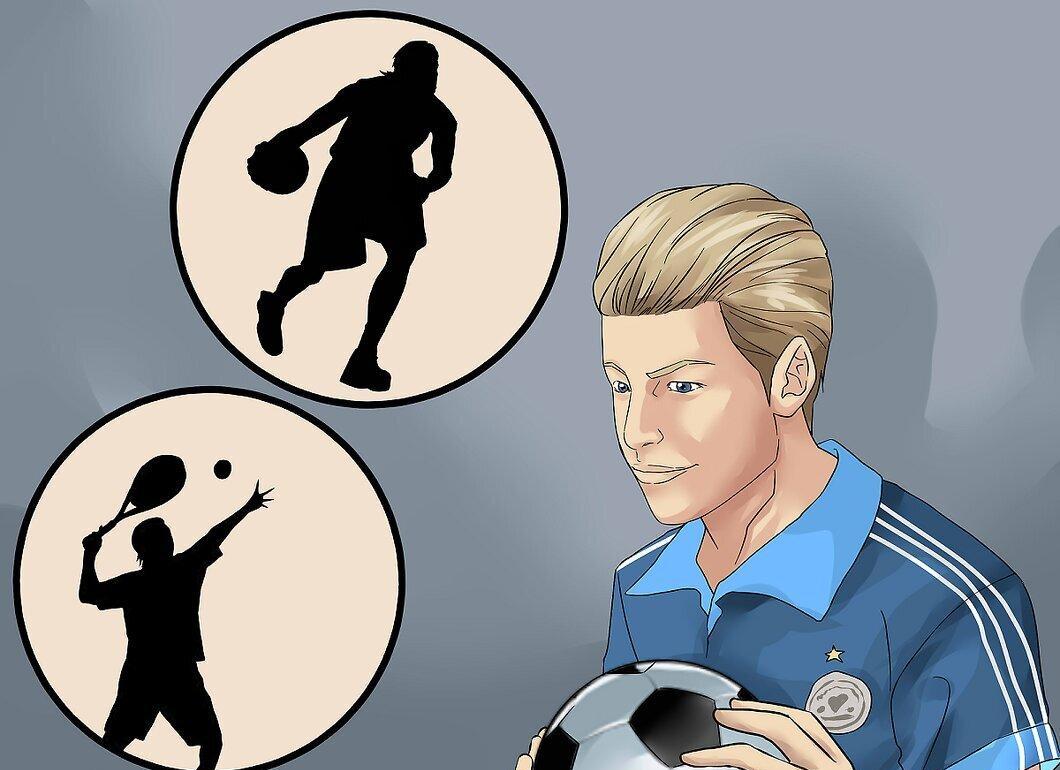
Engage in diverse activities. If you aim for success, don’t limit yourself to just one sport. Your training should be varied. Specialization comes later—first, it’s important to develop all muscle groups. Participate in various sports and perform compound exercises.
- Many successful athletes do not limit themselves to one discipline.
Step 4. Master the basics.
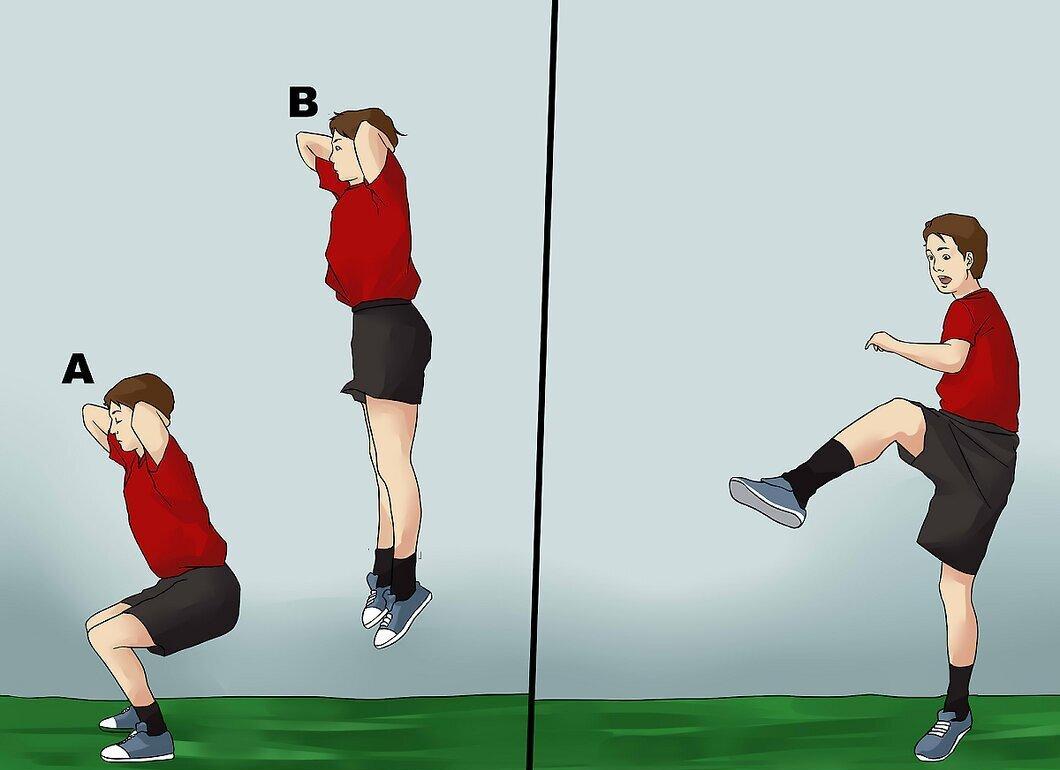
First, focus on basic skills. A common mistake among young athletes is rushing to more complex tasks. This approach to training is ineffective. You need to build a foundation first before constructing complex structures. If you are just starting in sports, take the time to learn the basic movements. This will simplify the process of further growth and mastering professional skills.
- There’s a notion that you should first master basic motor skills (like jumping and striking) before moving on to specialized techniques.
Step 5. Be flexible in your approach.
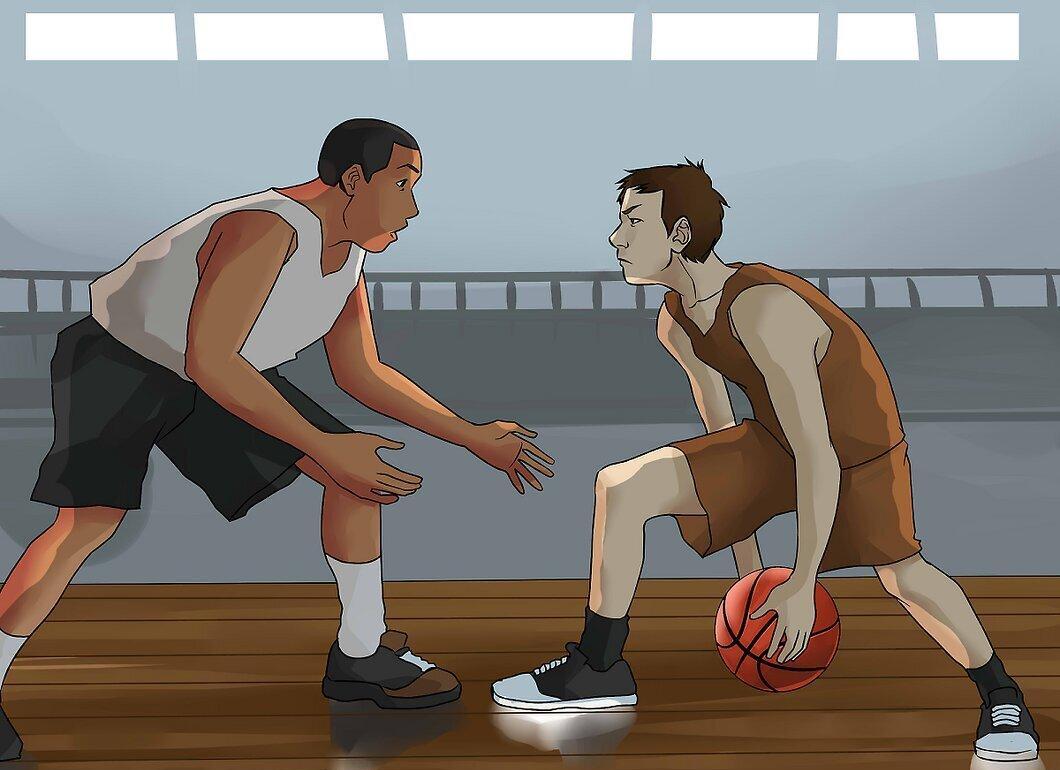
Be flexible in your approach. In real competitions, events rarely unfold according to a predictable script. During practice, you find yourself in optimal conditions. It’s important to be able to adapt to the situation to anticipate unexpected turns of events. Consider whether you are developing a skill or learning to apply it in a competitive setting.
- Remember: “Train as you want to play.” While it’s not always possible to create a competitive atmosphere during practice, playing with others helps you handle various situations.
Step 6. Increase the workload.
Increase the difficulty of tasks. Our bodies can adapt to the current level of stress. Progress slows down if you don’t set higher goals. Athletes engaged in strength training gradually increase the number of repetitions or weight. If you are participating in competitions, try to train under fatigue conditions to avoid stagnation.
- Research shows that reactions slow down when fatigued, so developing endurance is also important.
- Work on speed, but don’t rush until you master the basic skills.
Step 7. Automate your skills.
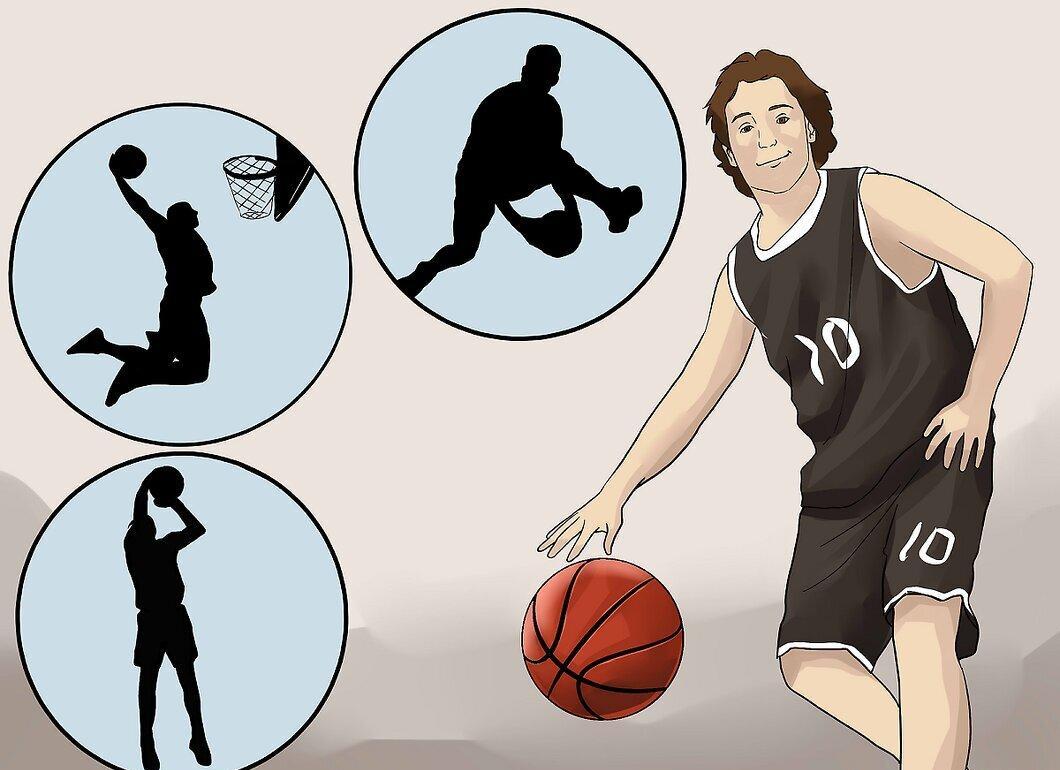
Automate your skills. When can a skill be considered mastered? When you can perform it automatically without thinking about your actions. This level of preparation allows you to compete successfully. It takes time and numerous repetitions. During a match, players don’t have time to think about each action, so everything depends on technical training.
- For example, in soccer, you often need to receive the ball surrounded by opponents. Recreating such a level of tension in training is difficult, so work on the precision of your movements.
- Keep training. There is no limit to perfection. Even the best athletes can become better. If you stop developing, you will be overtaken by more driven competitors.
Taking Care of Your Physical Condition
Step 1. Join a gym.
Sign up for a gym. The best athletes understand that training is not limited to specialized skills. Your body must be fully prepared for competition. Besides sport-specific training, it’s essential to monitor your overall physical condition. This might seem expensive or complicated, but every minute and penny spent will pay off. Gym workouts can be very beneficial. Group training also helps maintain motivation.
- Before purchasing a membership, try to gather all the necessary information. Attend a trial session and clarify details. The gym should be conveniently located and meet your requirements.
Step 2. Ensure adequate sleep.

Don’t forget the importance of sleep. This obvious aspect often goes overlooked, especially during intense training when all tasks fit into a 24-hour day. However, the body needs proper recovery.
- Teenagers need to sleep 8-10 hours a night. Adults require 7-9 hours.
Step 3. Maintain a healthy and balanced diet.
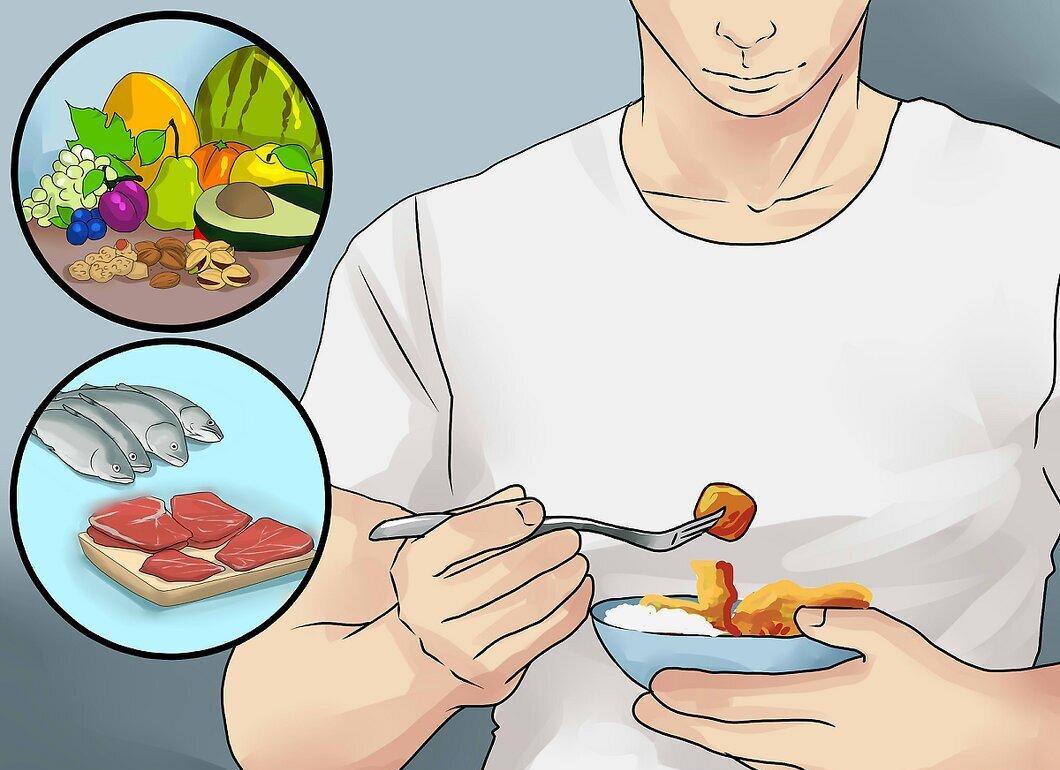
Follow a healthy and balanced diet. Your diet should be as nutritious as possible, especially when engaging in professional sports. Unhealthy food undermines the efforts put into training. Leafy vegetables and legumes should form the basis of your diet. Avoid "empty" calories, such as sugary sodas, and replace them with healthier options.
- If you have lactose intolerance, eliminate dairy products. This may seem challenging at first, but you will notice positive changes after a month.
Step 4. Drink plenty of water.
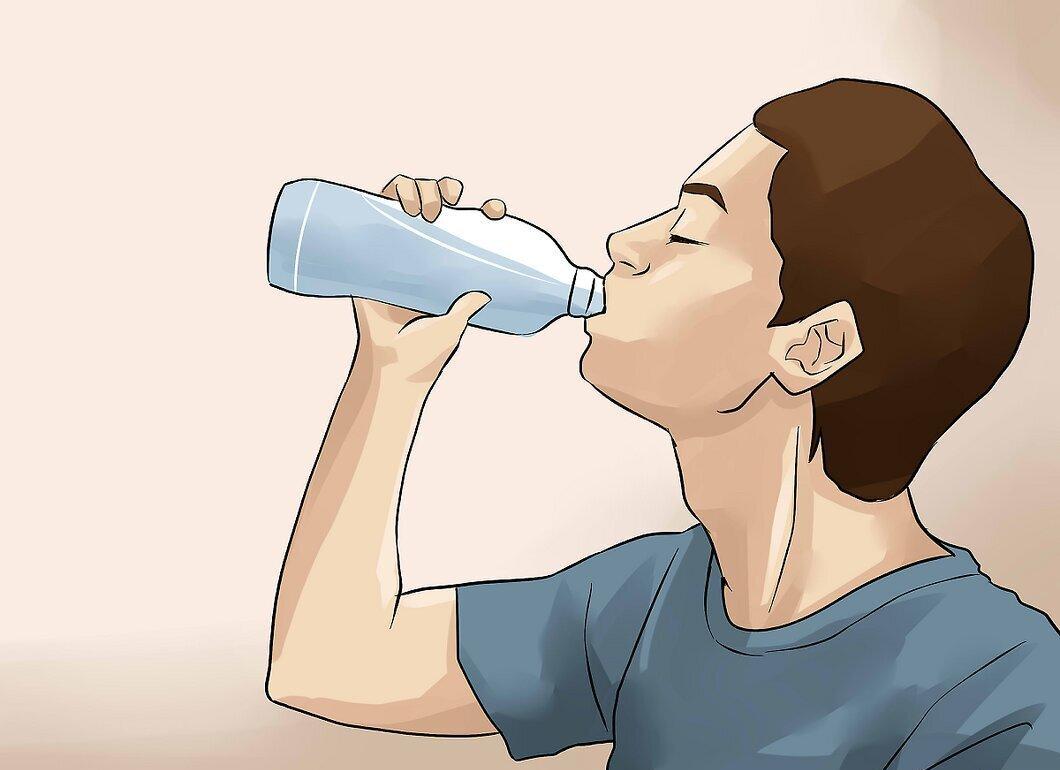
Stay hydrated. Water plays a crucial role in a healthy diet. Generally, the more liquids you consume, the better you feel. Water is involved in all processes in the body, and during workouts, we lose moisture through sweat.
- The recommendation to drink "8 glasses of water a day" is not a strict rule, but try to always carry a water bottle, especially during training.
- Keep a water bottle handy and replenish your supplies regularly. This approach will help you subtly increase your fluid intake.
Step 5. Avoid harmful habits.
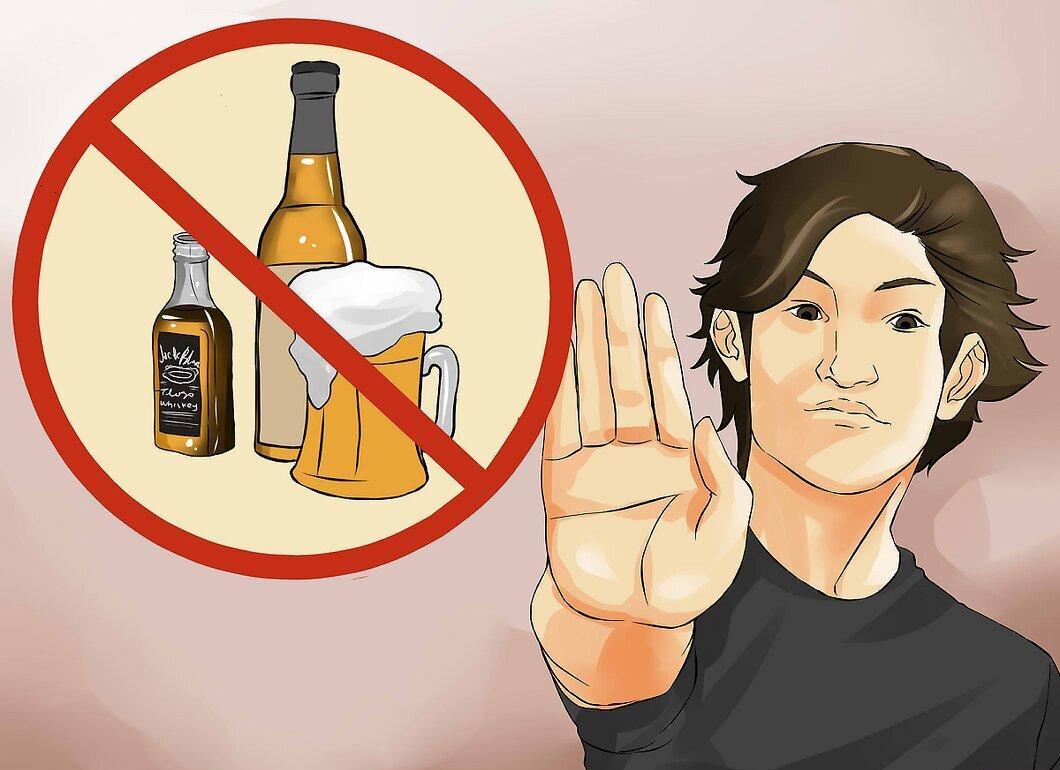
Steer clear of harmful habits. Alcohol and drugs are poor companions for those seeking success in sports. Alcohol has a diuretic effect and leads to dehydration. The body expends its resources trying to get rid of alcohol, negatively affecting athletic performance.
- In the long run, calories from beer or cider can seriously harm your digestion.
Success in Competitions
Step 1. Rest well before competitions.

Ensure you get good rest before competitions. A regular sleep schedule is important, but it's especially critical to get adequate sleep before a major match. Competitions require significant effort, so it’s best to approach them well-rested, ideally with at least 8 hours of sleep.
- If you have trouble falling asleep, try deep breathing exercises or meditation.
Step 2. Carbohydrates before the game.
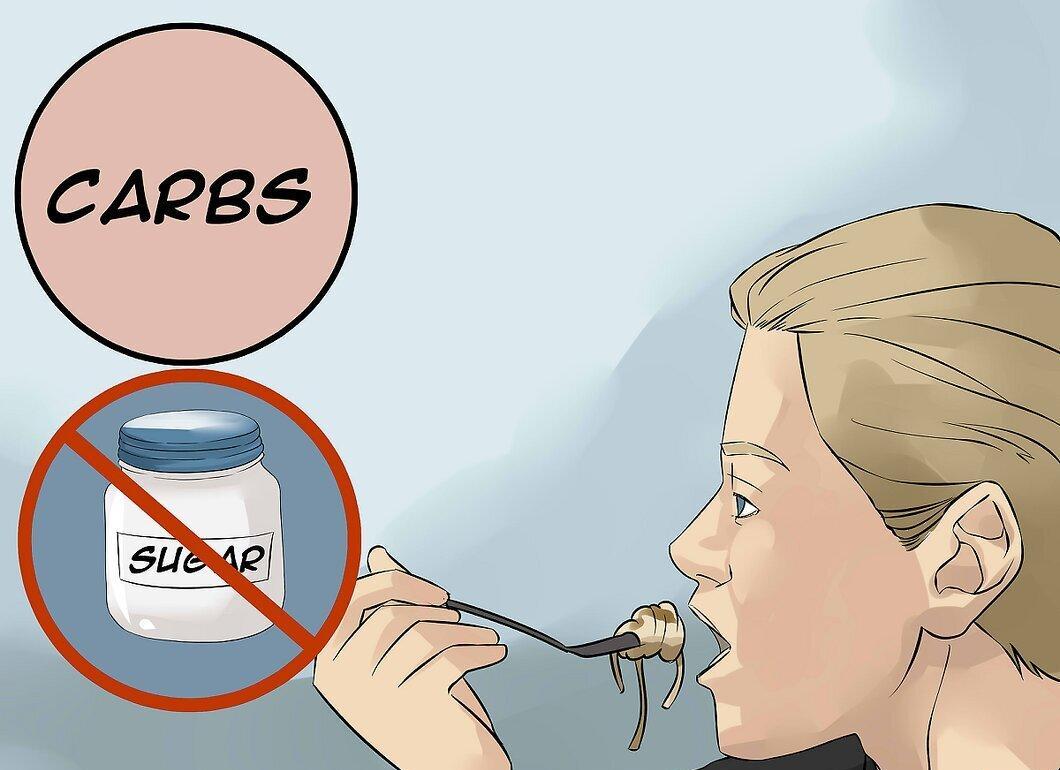
Take care of your carbohydrate intake before the match. This nutrition isn’t suitable for everyday meals, but before a game, athletes need to stock up on carbohydrates. They provide the energy your body needs during exhausting competitions.
- A few hours before the match, avoid foods high in sugar. Sugar and starch can lead to dehydration. Don’t deprive yourself of winning chances.
- Find an opportunity for a snack, especially during long matches, where a small nutritious bar can help restore your energy.
Step 3. Warm up before physical activity.
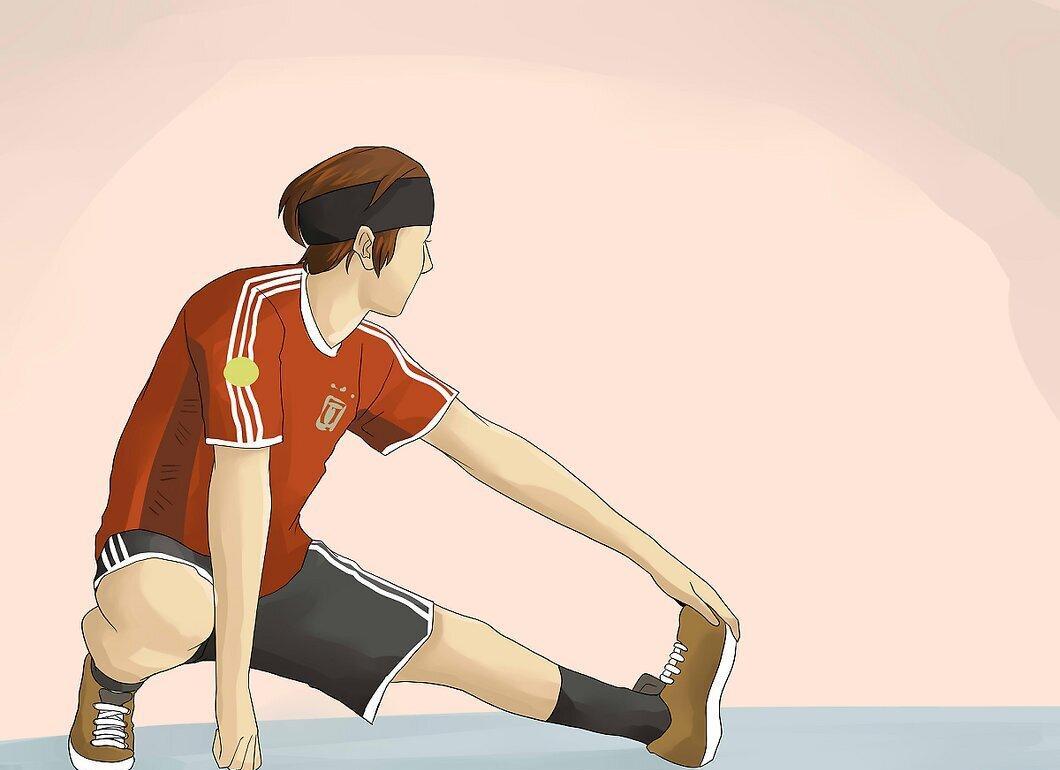
Don’t forget to warm up. A warm-up is essential before any physical activity. Proper exercises help prevent fatigue and injuries. A full warm-up should take about 30 minutes. Warm up your arm and leg muscles, and do some jogging in place to prepare your body for the demands ahead.
- Warming up also helps manage anxiety. Many athletes feel nervous before a match, and warming up allows them to focus.
Step 4. Study your opponent.

Analyze your opponents. It’s important to know what to expect from your rival, whether in individual or team competitions. Start analyzing your opponent's playing style days or weeks before the match to prepare for the important game. Watch available videos of your opponent's games.
- An analytical approach allows you to identify both your team's and your opponent's strengths and weaknesses. Sports analysts assist in evaluating the tactical and technical actions of athletes.
Step 5. Focus on your game.
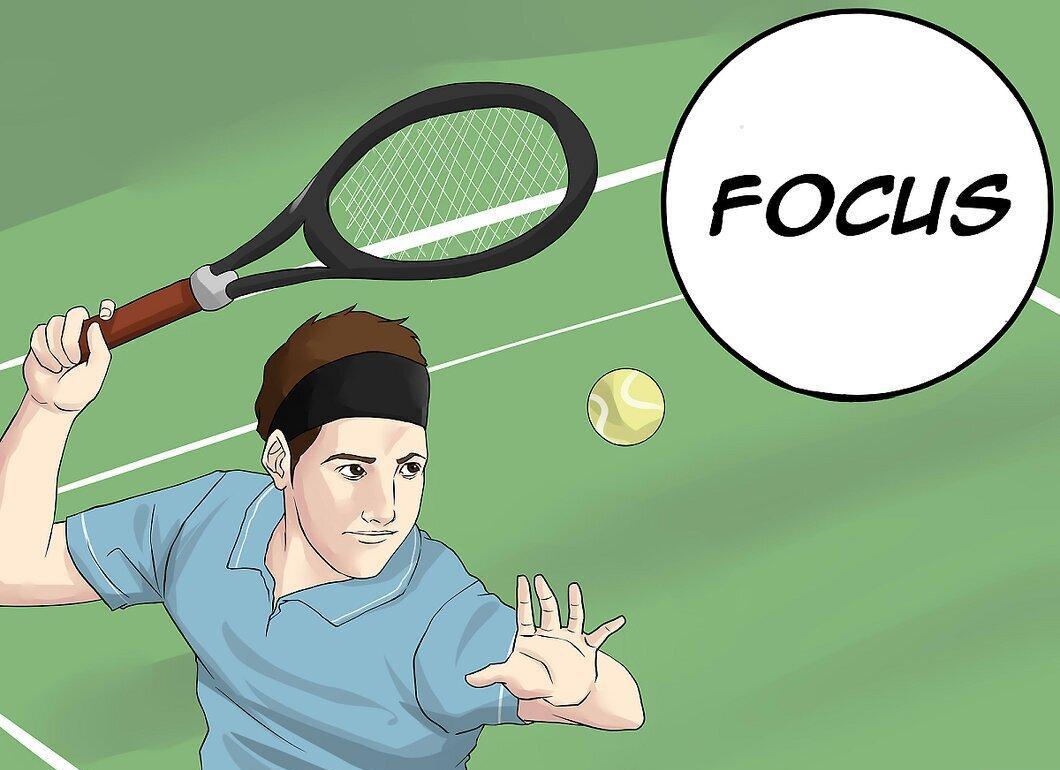
Concentrate on your game. If you get distracted by outside issues, success will be out of reach. Life is full of challenges and worries, but during the match, it’s essential to leave all that behind. It’s easier said than done, but if winning matters to you, focus on that.
Step 6. Never give up.
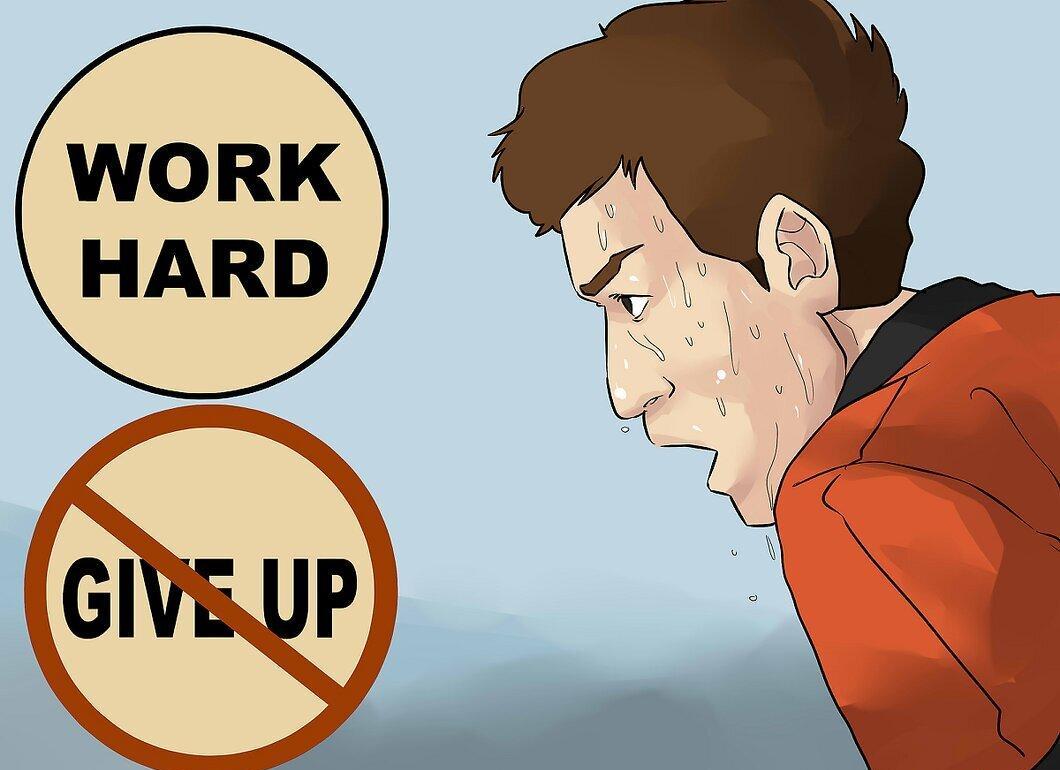
Keep fighting and don’t abandon your goals. Many athletes achieve success through natural talent, but the primary driving force is often an unyielding desire to win. This quality is difficult to cultivate, but if the desire to win is strong enough, you will be ready to do whatever it takes to make your dreams come true. This is crucial both in training and during competitions.
- The desire to win will propel you forward, despite fatigue and opposition from rivals. Sometimes victory and defeat are separated by mere inches—at such moments, attitude and readiness to give your all at the finish line are what matter.
- Passion is the key to success in any sphere, including sports.