Mastering Silent Movement: Tips and Techniques
Would you like to learn how to move through the woods unnoticed or sneak up on someone without giving yourself away? The art of silent walking is accessible to everyone, and you can master it quickly. Let’s dive into the steps that will help you become a master of quiet movement.
Move Cautiously
Step 1. Watch where you place your feet.
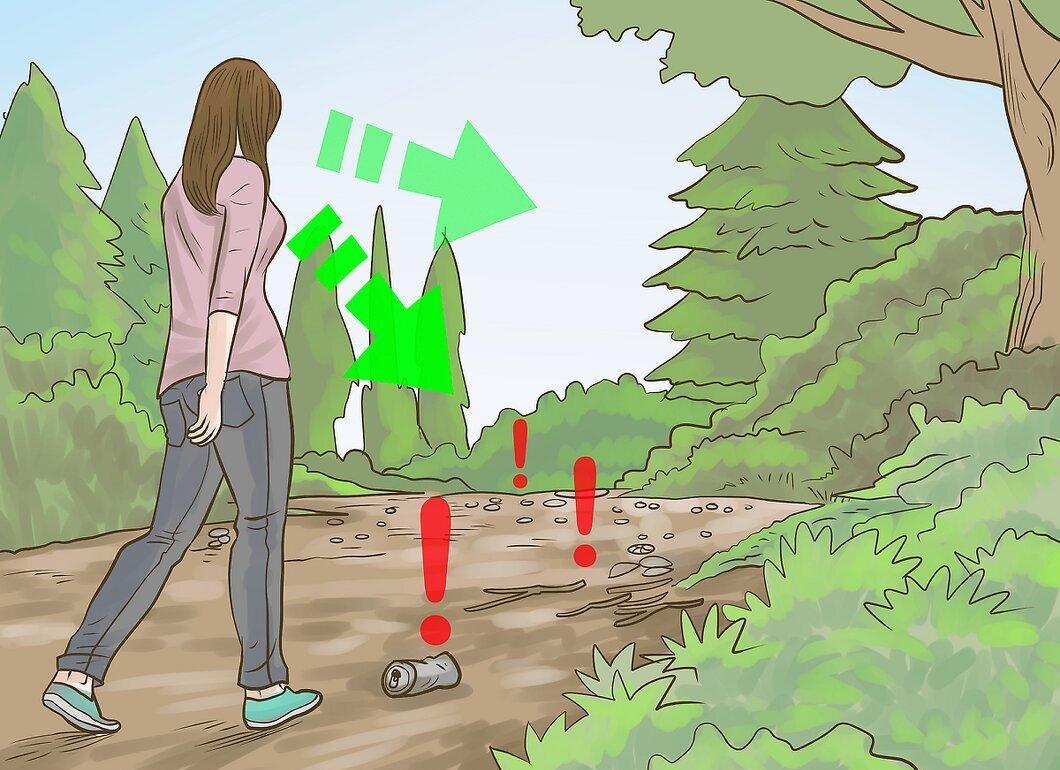
Pay attention to the surface you’re walking on. It’s much harder to move quietly over crunchy gravel or rustling leaves than it is over soft grass or dirt. Assess your surroundings and choose the path that will be the quietest. In any location, whether it’s an outdoor area or indoors, try to select surfaces that won’t make noise.
- If you’re in a forest or park, walk on soft grass or damp earth. It’s better to step on wet leaves that don’t crunch than on dry ones.
- When moving over open areas, look for stones or roots that are silent compared to dry twigs. Carefully shift your weight onto them to ensure they won’t move.
- In urban settings, avoid wooden surfaces and gravel areas where footsteps are particularly loud.
- Inside buildings, try to walk on carpeted surfaces.
Step 2. Be mindful of your surroundings.
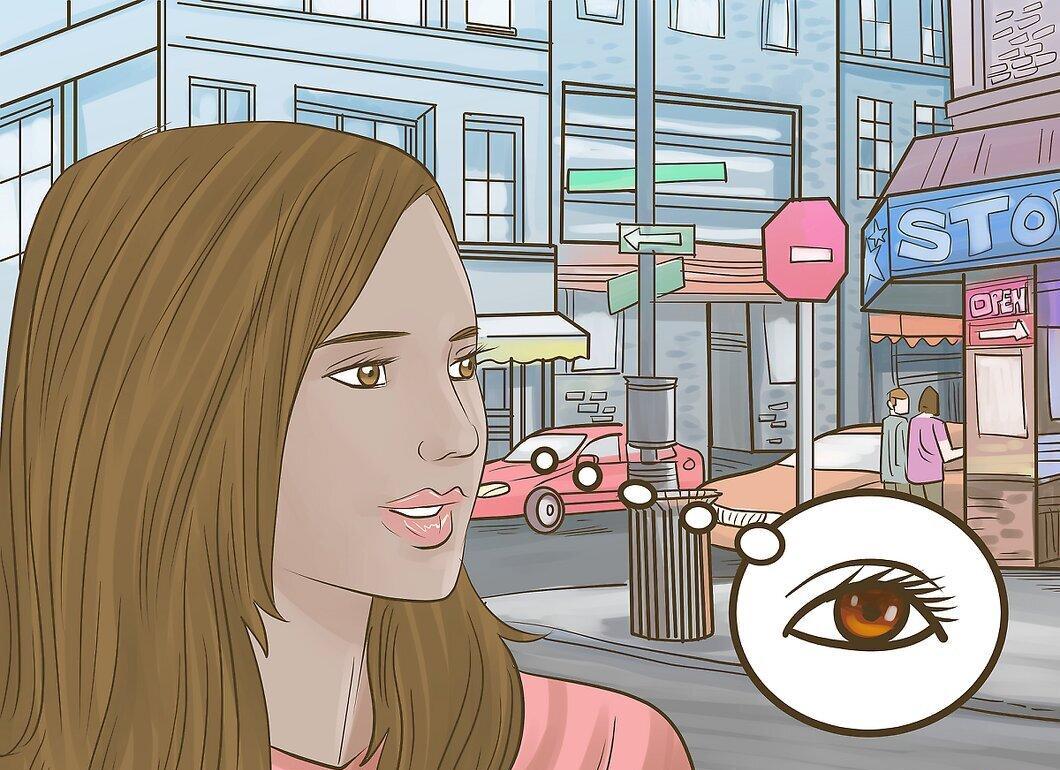
Nearby objects can create noise, so stay alert. To move unnoticed, try not to touch anything that might give you away.
- Watch for branches and twigs that could snag on your clothes.
- Avoid gates and fences that may creak.
- Don’t bump into objects that could make noise.
Step 3. Lower your body closer to the ground.
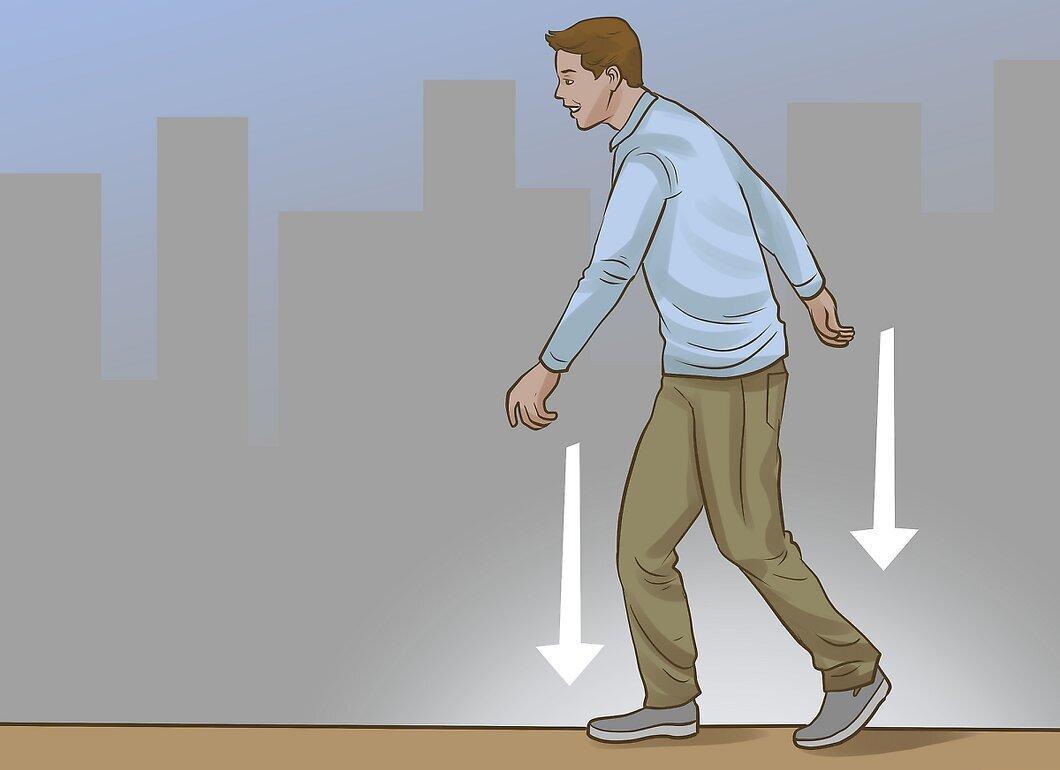
Bend slightly at the knees, using your muscles to move. This will help reduce the impact of your foot hitting the ground with each step, allowing you to move more quietly. Try to distribute your weight evenly to avoid stomping.
Step 4. Step from heel to toe.
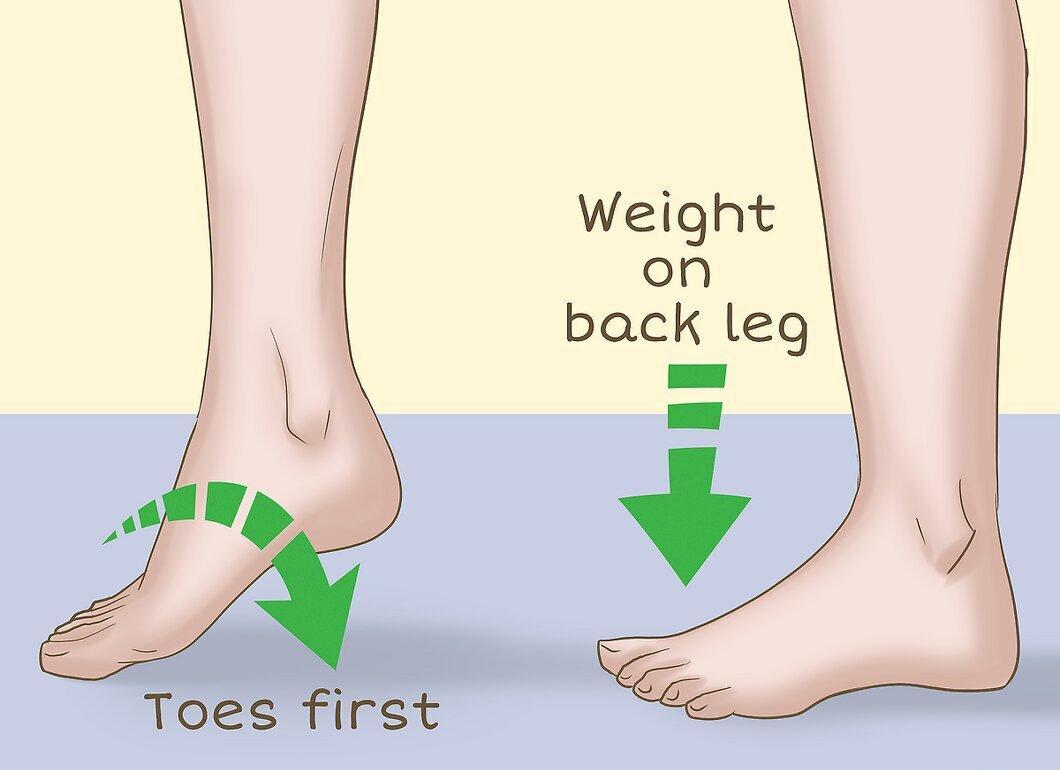
Start your movement from the ball of your foot, then slowly roll onto your heel. Most of your weight should be on your back leg. If possible, step lightly on the outer edge of your foot.
- If you need to move quickly, stay low and run while maintaining the same principle—heel to toe.
- Running on your toes can be quieter but requires more strength in your legs and ankle flexibility. Additionally, footprints on soft surfaces may be more noticeable.
- Land softly. To run or jump quietly, you need to learn how to land softly. Land with bent knees, keeping your body compact.
Step 5. Keep your arms close to your body.
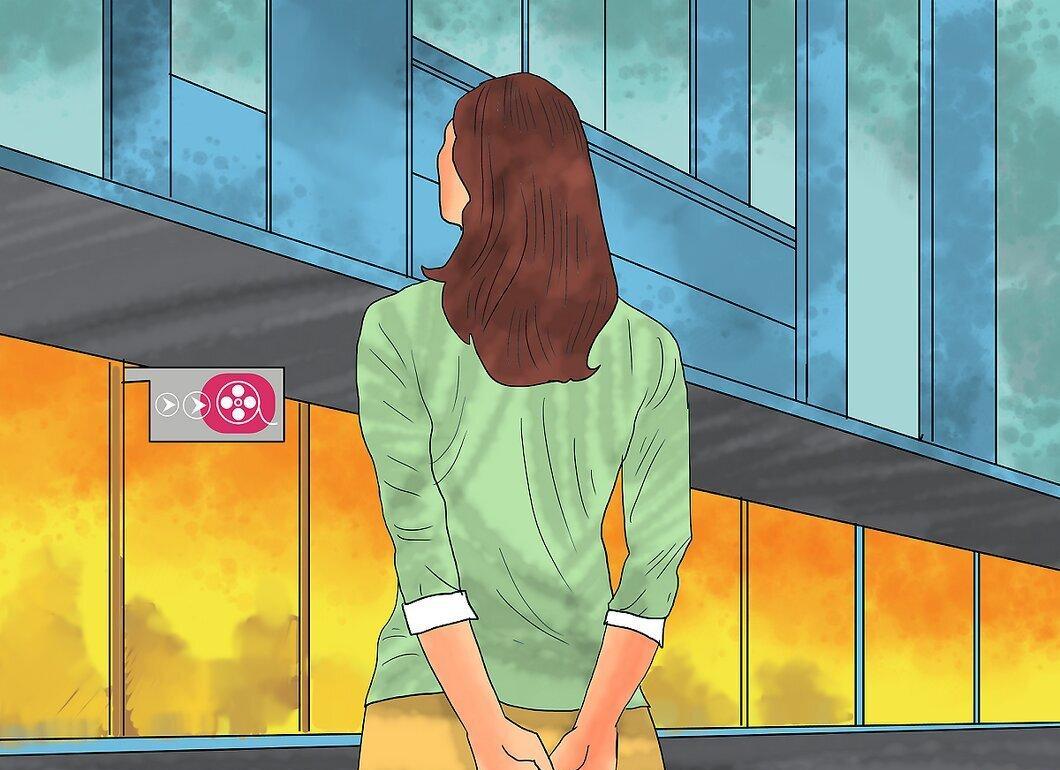
Try not to use your arms for balance, so you don’t accidentally bump into something and give yourself away. Keep your arms at your sides, close to your torso, in a natural position.
Step 6. Don’t put all your weight on your feet.
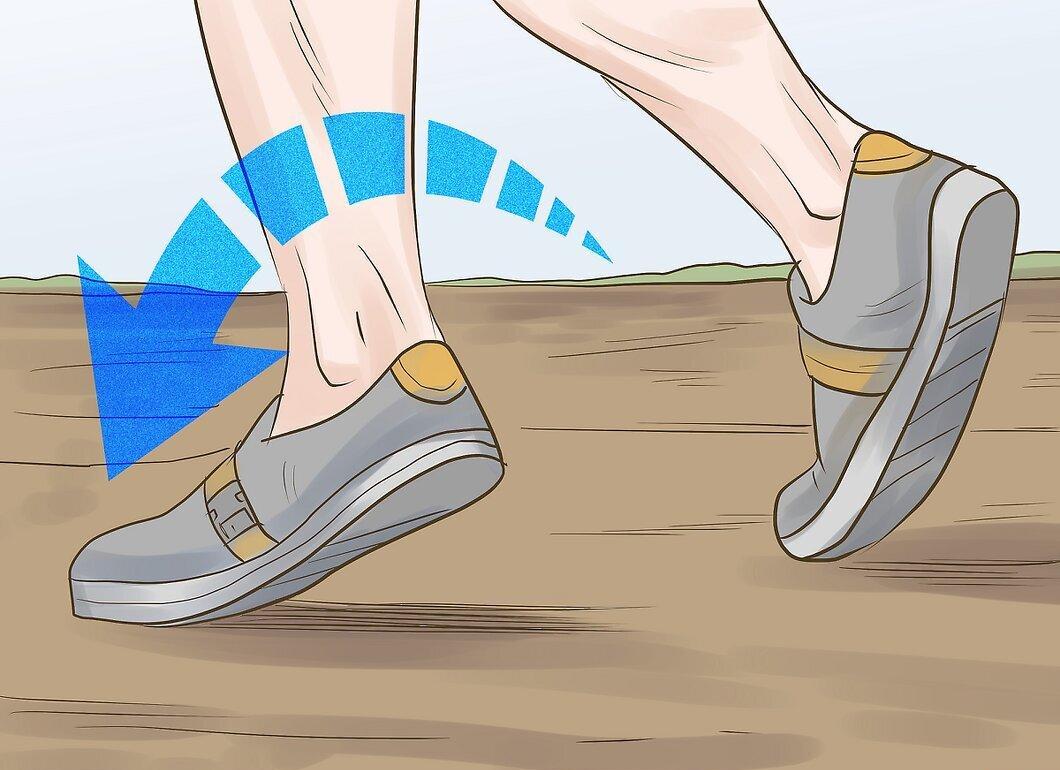
While it's impossible to completely lift your weight off your legs, try to make them feel light and focus your weight in the center of your body. This will help you notice details in your surroundings better and increase your awareness. This technique is especially useful for jumping. If there are dry leaves, leap over them and land on quieter areas.
Dress Appropriately
Step 1. Choose soft footwear.
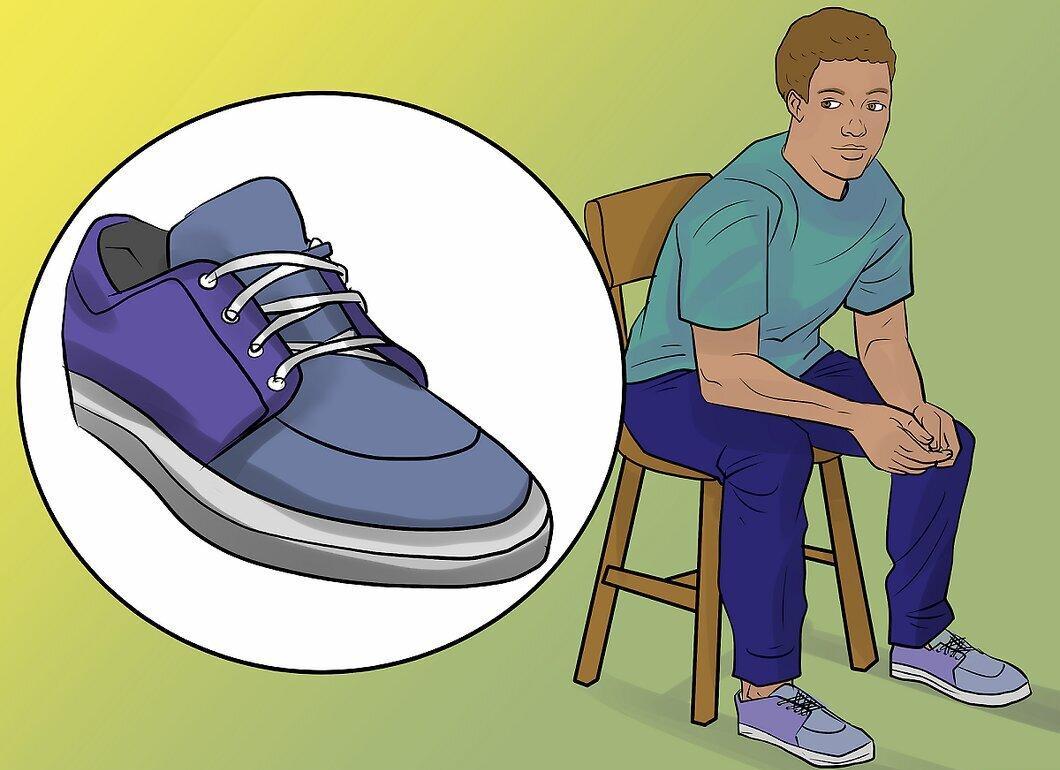
Shoes with hard soles create more noise. For silent movement, opt for socks, leather moccasins, or comfortable sneakers. Avoid shoes with thick soles and heels.
- If your socks are damp from sweat, this can cause noise. If your feet sweat a lot, consider wearing two pairs of socks to reduce sound.
- Walking barefoot can be quiet but is risky—you might step on something sharp and make noise from the pain. Additionally, your feet might stick to the surface, making noise as you move.
- Ensure your shoes are dry. Wet shoes not only make noise but also leave tracks that could reveal your presence.
Step 2. Check that your shoes fit snugly.
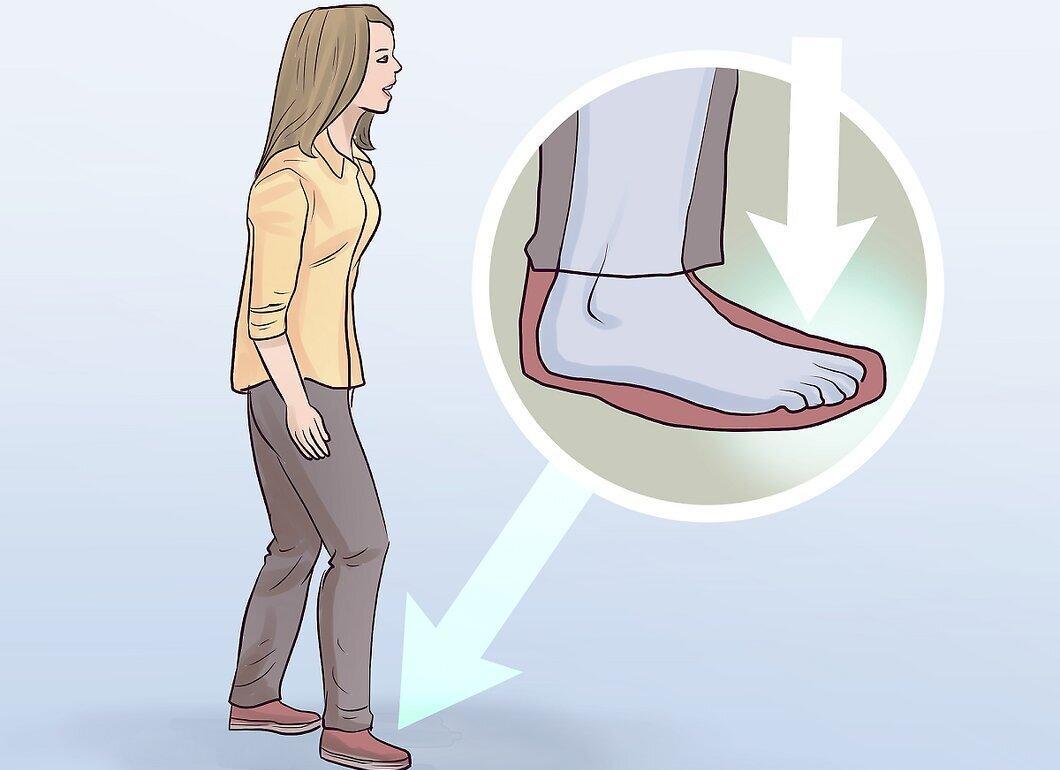
Loose shoes can squeak, especially if your feet are sweaty. If you’re wearing lace-up shoes, make sure to tuck the laces in.
Step 3. Wear fitted clothing.
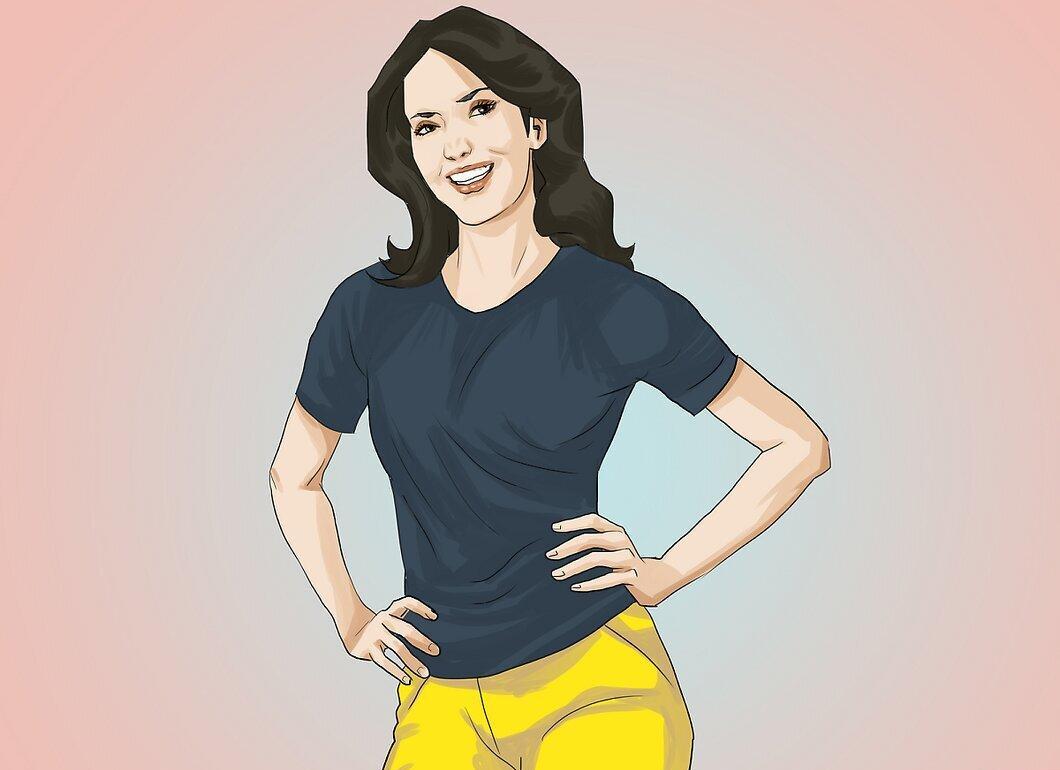
Baggy pants can rustle when you walk. Fitted pants are less likely to make noise. Lightweight athletic pants made of cotton will also be quieter.
- Tuck your shirt into your pants and your pant legs into your socks to avoid snagging.
- Shorts generally rustle more than long pants, so if possible, opt for trousers.
Maintain Silence
Step 1. Prepare your body.
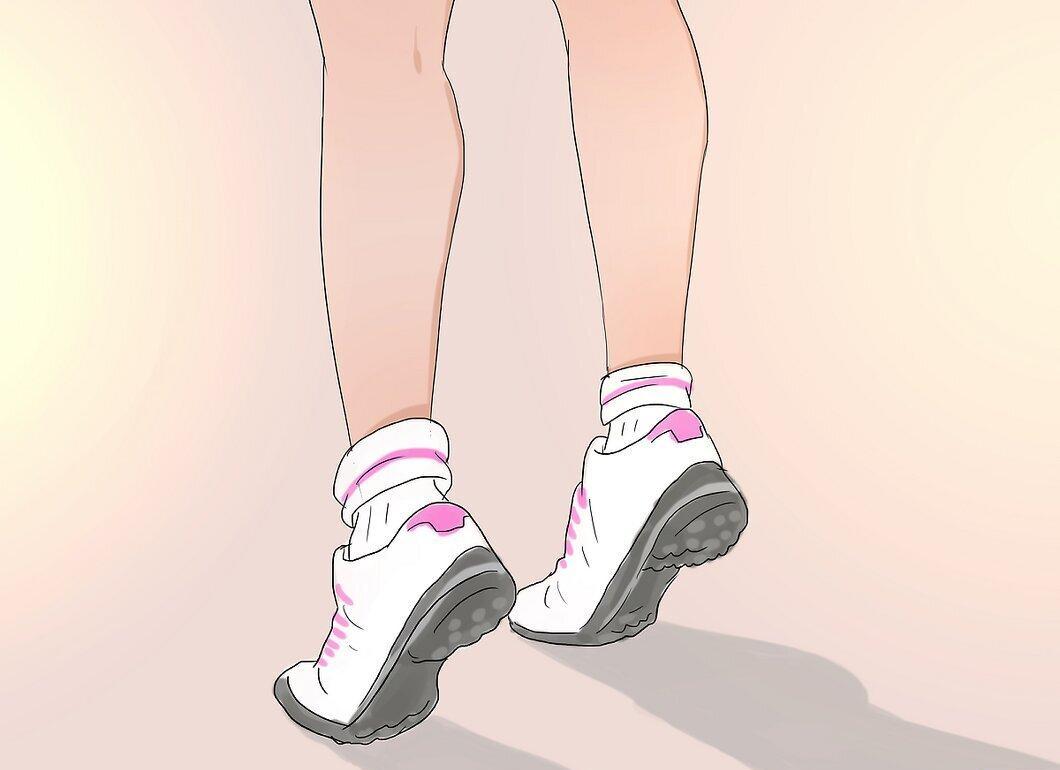
If you have the opportunity to prepare, do a few simple things to minimize noise while walking:
- Stretch before starting to avoid joint clicks.
- Don’t go out on an empty stomach, but also don’t overeat—this will help prevent unnecessary noise.
- Use the restroom before practicing.
Step 2. Breathe calmly.
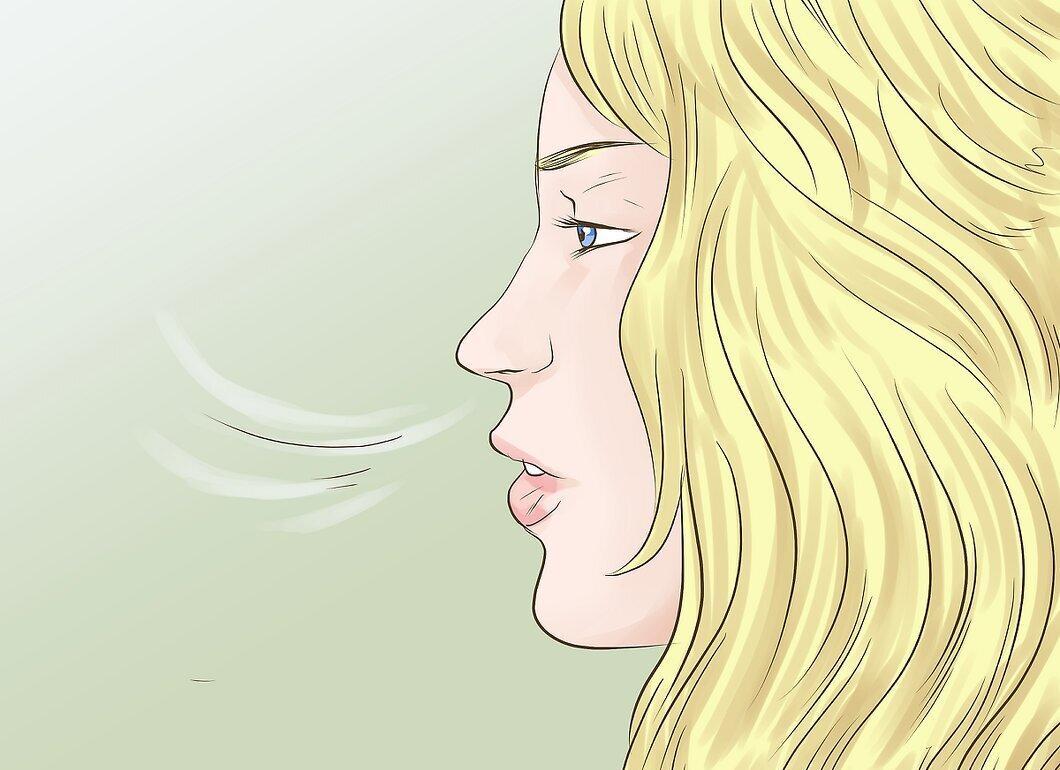
Breathe slowly and evenly through your nose. This will help avoid loud inhales or exhales. If you have a stuffy nose, breathe deeply through your mouth.
- If your breathing becomes rapid, stop to calm down and normalize your breath.
Step 3. Match the pace of another person.
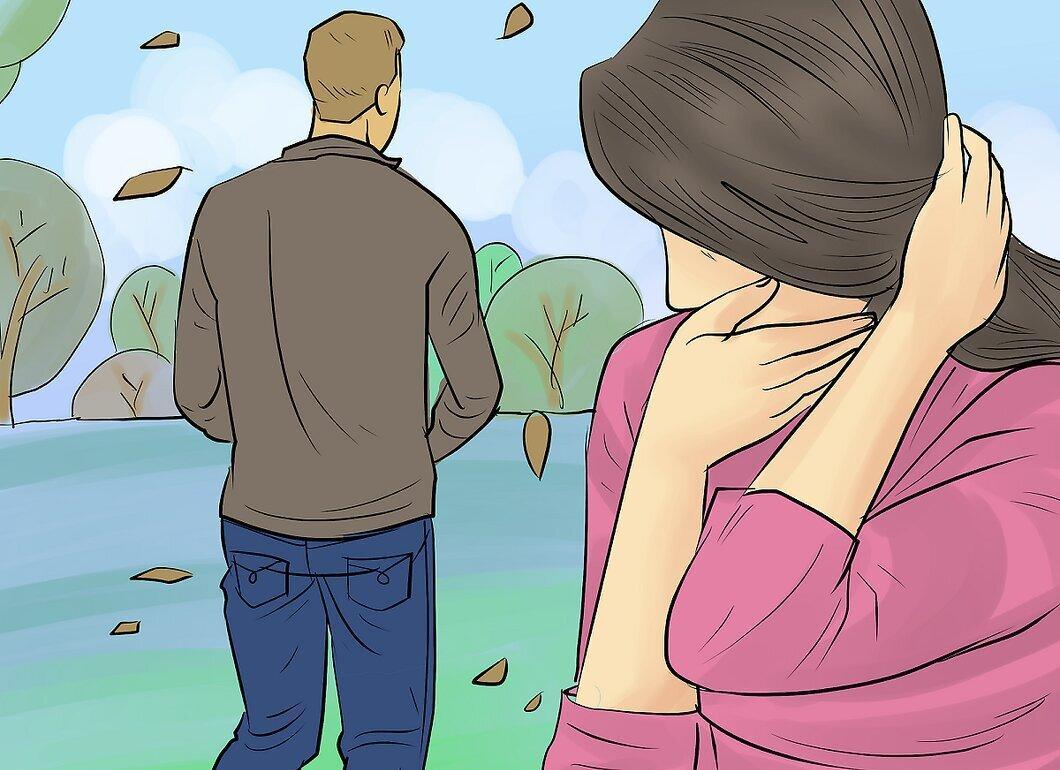
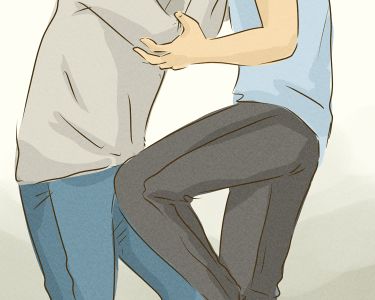
If you are following someone, try to move in sync with them. When they step with their left foot, you step with your left, and so on.
- Be careful not to get carried away and disrupt the silence.
Step 4. Blend in with your environment.

If you’re in the woods, move in short bursts and pause to avoid making noise.
- Mimic the sounds around you to mask your steps.
Step 5. Freeze if necessary.
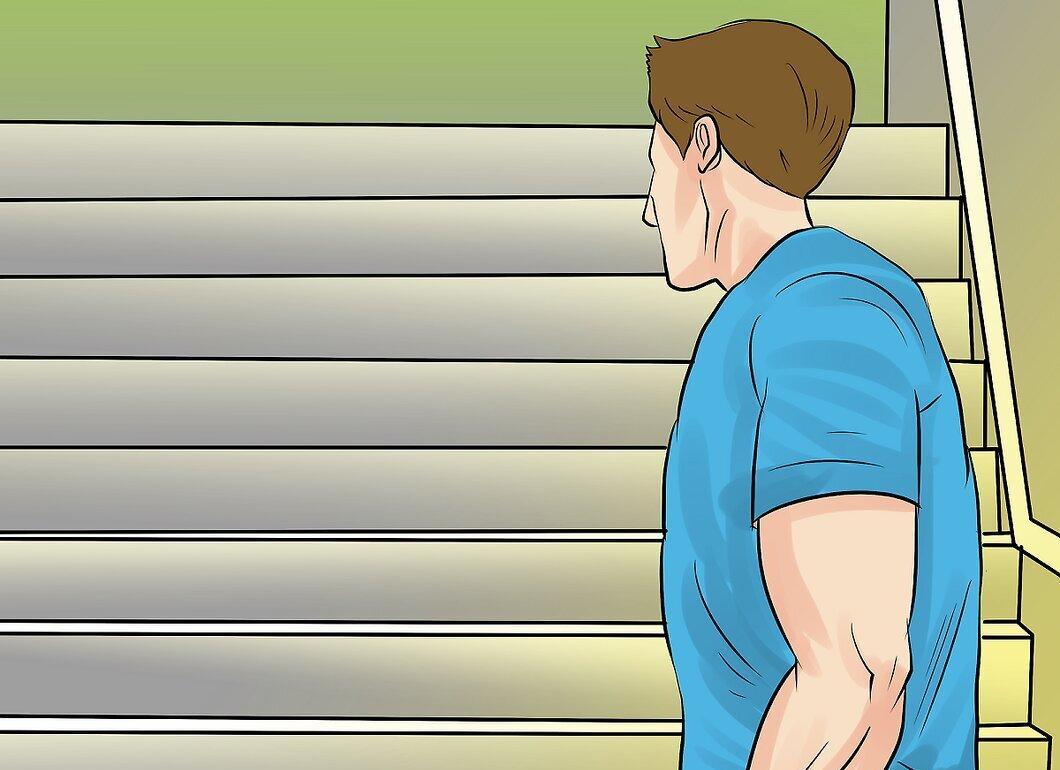
Sometimes, to remain unnoticed, it’s best to simply stop. Look around and ensure you’re not stepping on anything noisy before continuing.
- If you’re following someone, be patient and wait for the situation to become less tense before proceeding.