The runner's high is a state that occurs when the brain releases a specific combination of natural endorphins and other substances due to prolonged and intense physical activity. However, the likelihood and timing of this state depend on the runners themselves, their level of fitness, and the stress they place on their bodies. Unfortunately, this means that there is no guaranteed way to achieve the runner's high; however, there are several techniques that can increase your chances of experiencing it. Most importantly, you need to enhance your endurance so you can run longer distances and subject your body to stress for extended periods, and vary your training to prevent your body from getting used to the same activities.
Get in the Right Mindset
Step 1. Push Your Body Harder.
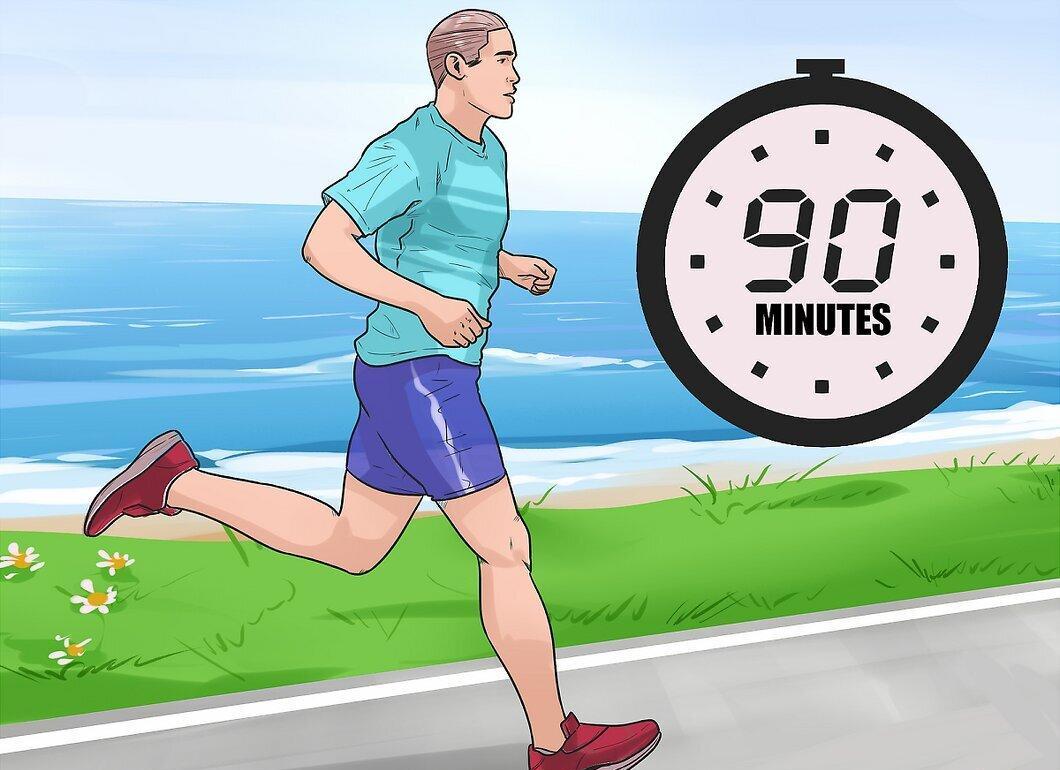
Push your body harder. The runner's high is the body's response to prolonged stress, so set challenging goals for yourself. Don't slack off or stop when you feel tired. Of course, different people will have different challenges, so it's essential to set difficult goals that consider your fitness level and experience. Some possible goals include:
- Running for 20 minutes without stopping;
- Running for 90 minutes;
- Reducing your mile time from 8 minutes to 7 minutes and 30 seconds;
- Adding repetitions to your interval training;
- Increasing the speed of your last set in interval training to match the speed of your first set.
Step 2. Vary Your Workouts.
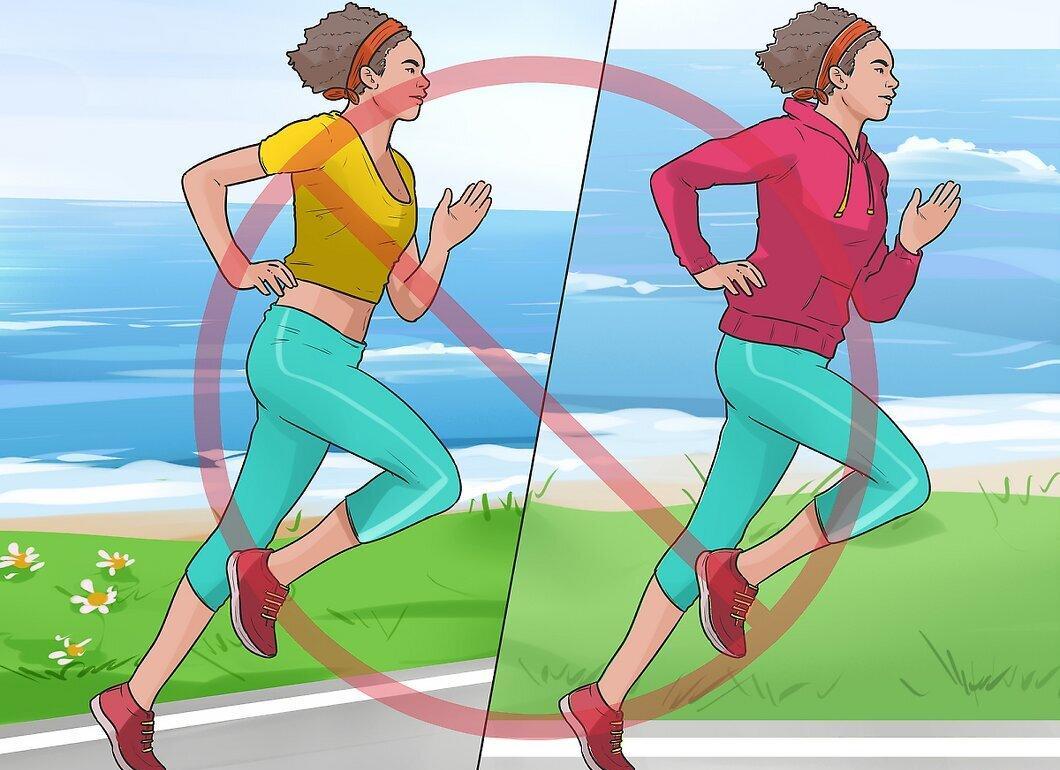
Vary your workouts. As you become more comfortable running over time, your body will adapt to the stress. This reduces the likelihood of experiencing the runner's high, so it's crucial to make your training diverse. Even if you can only dedicate 40 minutes to running each day, find ways to make each run different. For example: EXPERT TIP Tyler Courville Tyler Courville is a professional runner and brand ambassador for Salomon Running. He has participated in 10 ultramarathons and mountain races in the U.S. and Nepal and won the Crystal Mountain Marathon in 2018. Tyler Courville, an ultramarathoner and mountain runner, advises: "If you want to run better or feel better while running, alternate your training types during your runs. If you keep
- alternating tough runs with easy ones;
- running different routes on various surfaces;
- mixing running with high-intensity workouts;
- trying to run faster.
Step 3. Eat Properly.
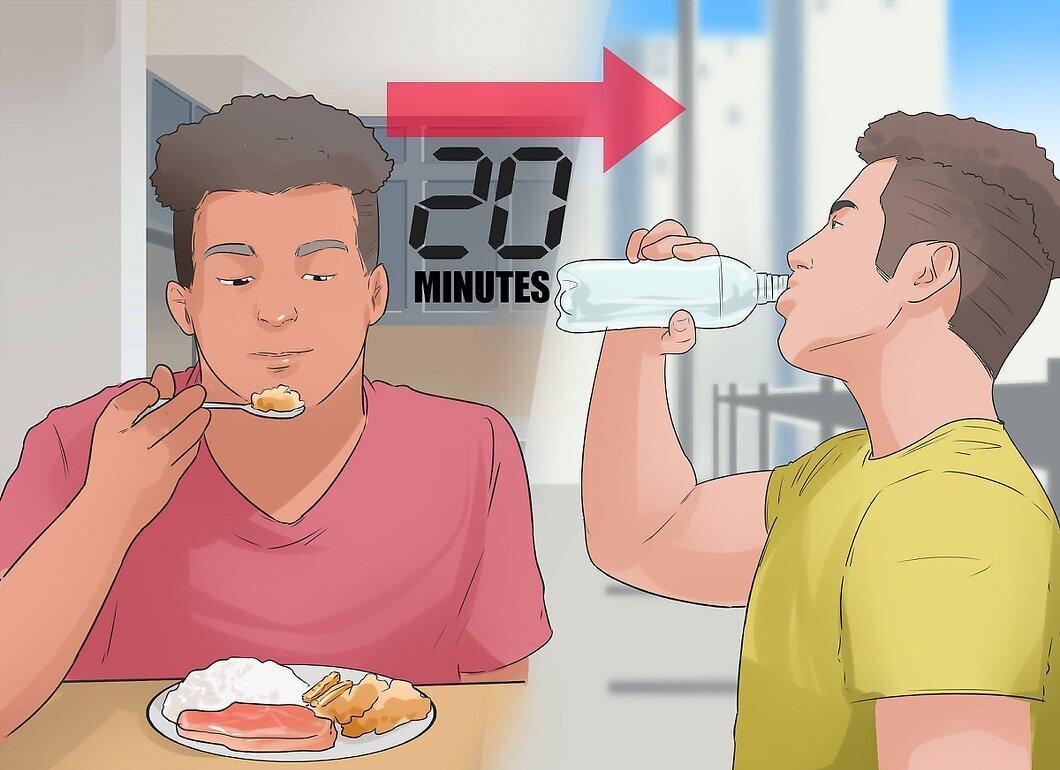
Eat properly. Fuel your body with the right foods. It's essential to consume enough so your body can perform at its best for extended periods. Aim to eat about 200 calories before your workout. After 20 minutes, drink 1-2 glasses of water (depending on the climate) to hydrate your body without disrupting digestion.
- Start running no sooner than 45 minutes after eating to avoid stomach cramps.
Step 4. Structure Your Training Wisely.
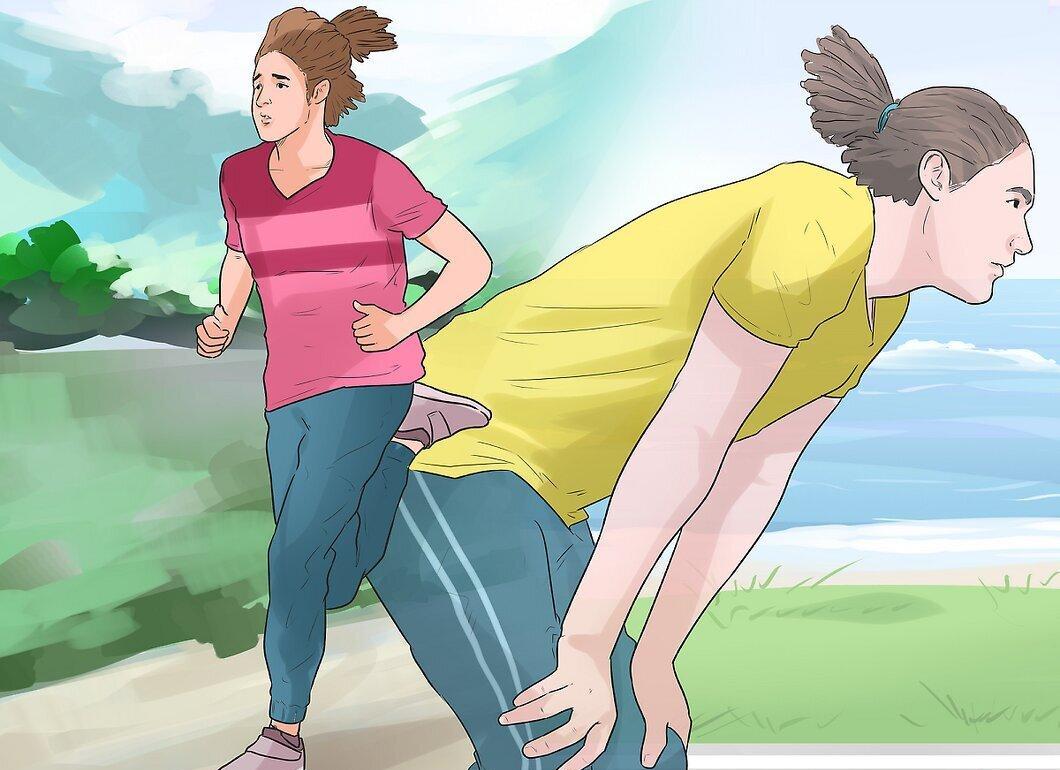
Structure your training wisely. Remember that the runner's high is a rare state. For it to occur, several different factors must align, which can be challenging to predict or achieve, so don't make achieving the runner's high your primary goal. Focus on improving your running performance. To increase your chances of experiencing the high, raise your standards.
- If you set goals that are too difficult, you will tire quickly, increasing your risk of injury. Therefore, it's crucial to come up with realistic objectives. If you exhaust yourself too soon or sustain injuries, you won't be able to run with the intensity required to achieve the runner's high.
- The runner's high can occur at different times. Don't think you're doing something wrong just because your running partner experienced it and you didn't, even if you trained the same.
- What worked today may not work tomorrow or ever again. Don’t try to replicate a previous workout exactly in the hope of experiencing the high again—vary your load and exercises during training.
Base Training
Step 1. Be Patient.
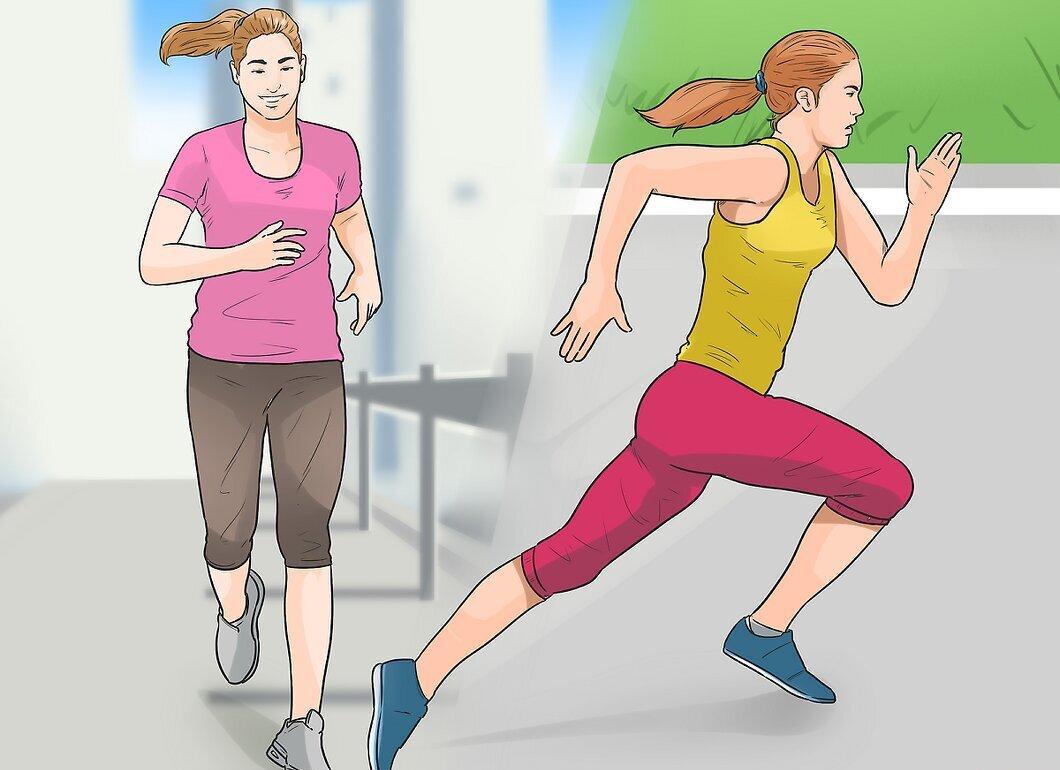
Be patient. If you're just starting to run, know that your chances of experiencing the runner's high during base training will be higher compared to experienced runners. However, don't expect it to happen immediately. First, build your endurance through base training. This will allow you to cover more distance at greater speed, which is when the runner's high typically occurs.
- If you overload yourself too soon, you may get injured or tire out too quickly, which will eliminate the chance of experiencing the high.
- Base training involves running at the same speed with gradually increasing duration.
Step 2. Start Small.
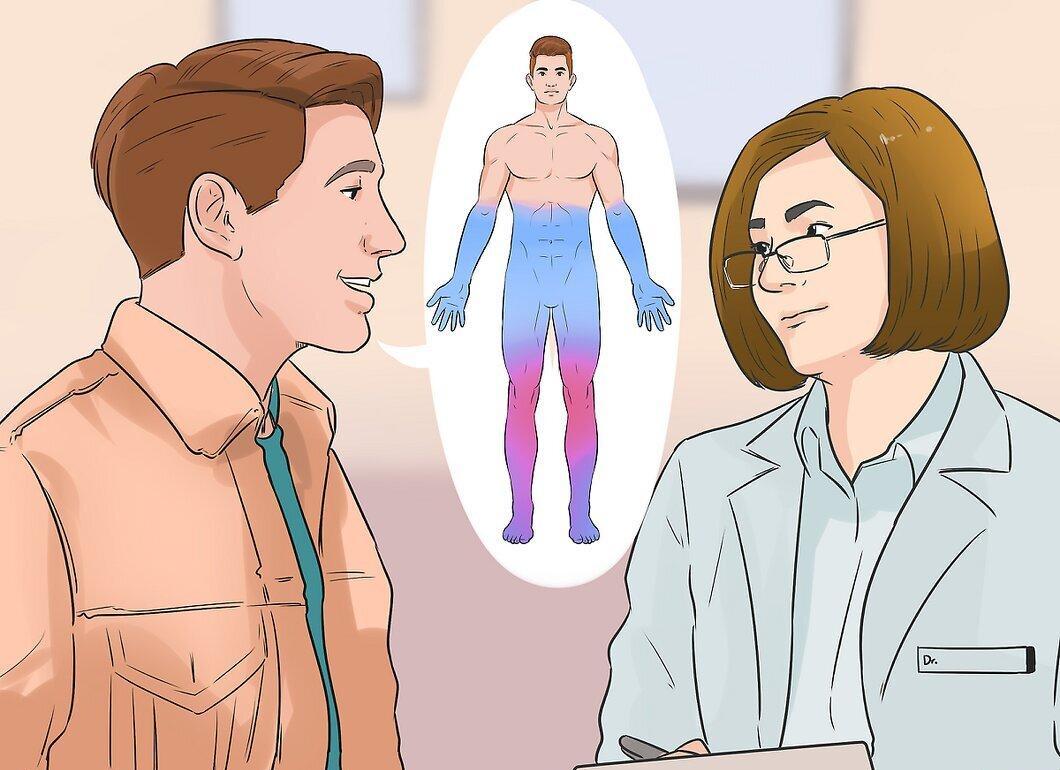
Start small. If you haven't run before, it's wise to consult a doctor first. Discuss any running and health-related questions you may have. If your doctor gives you the go-ahead, set your first achievable goals. If needed, alternate between running and walking during the initial phase. Don't force yourself to run if you can't, as this increases your risk of injury. Allow your body to adapt and grow. Once you achieve your goals, set new ones. Aim for ongoing progress from workout to workout, week to week. For example:
- Run for one minute, walk for four minutes, and continue this for half an hour. When you're ready, increase the running time to two minutes and decrease the walking time to three. Continue this until you can run continuously for half an hour.
- Some people experience the runner's high after just 10 minutes of steady running. Others may need much longer. In any case, it's essential to set new goals every week. Just because you felt the runner's high at the fifteenth minute of running last week doesn't mean it will happen again this week.
Step 3. Start Slow.

Start slow. Don't think about speed at the beginning of your training. Aim to run at a steady pace from start to finish. Choose a speed that allows you to talk while moving. If you can’t say simple sentences due to breathlessness, slow down. Check yourself as needed.
- Run with others to gauge your ability to maintain a conversation while running.
- To avoid injury, beginners should gradually increase their workload.
Step 4. Train Regularly.
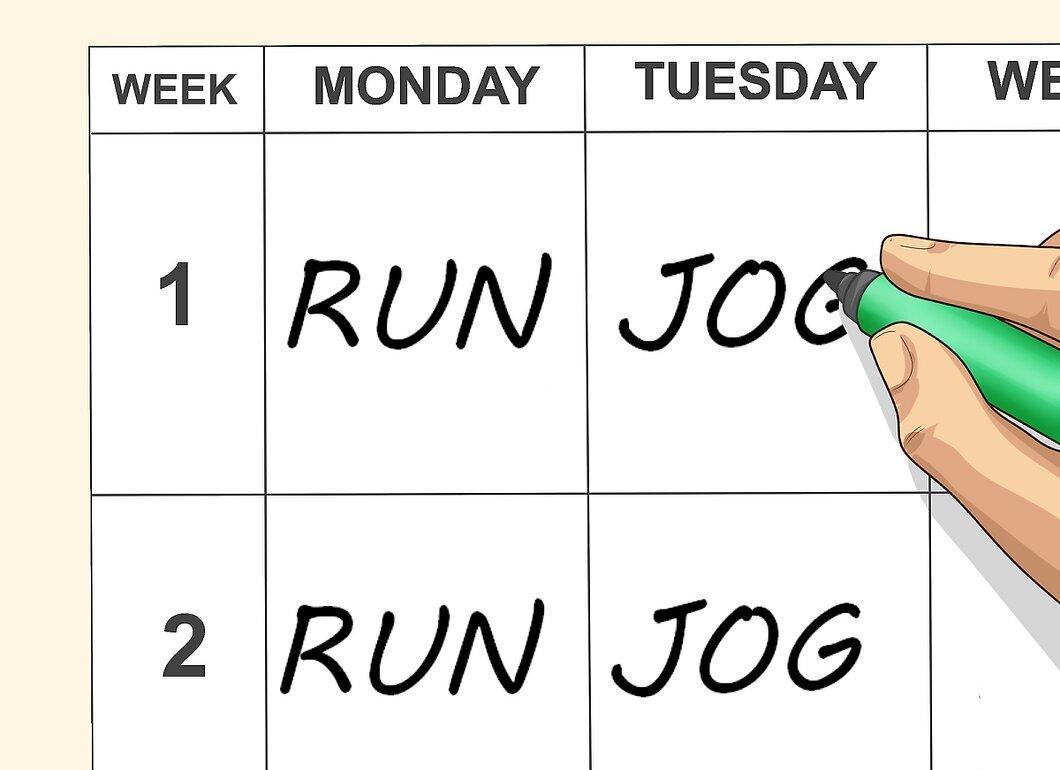
Train regularly. Try to run most days of the week. Stick to a consistent training schedule and allow for at least one rest day each week. Adjust your goals as needed to avoid overloading yourself and dropping out. The number of training sessions per week is more important than the distance covered. For example:
- If your current goal is to run 15 kilometers a week, break that down into 3 sessions of 5 kilometers or 5 sessions of 3 kilometers instead of two sessions of 7.5 kilometers.
- If you measure goals in running duration (say, 120 minutes), do the same. Divide that time into 4 sessions of 30 minutes or 5 sessions of 24 minutes, rather than two sessions of an hour.
- For the runner's high to occur, your body needs to experience stress, so excessive rest between workouts will reduce the likelihood of it happening.
Step 5. Alternate Between Hard and Easy Runs.
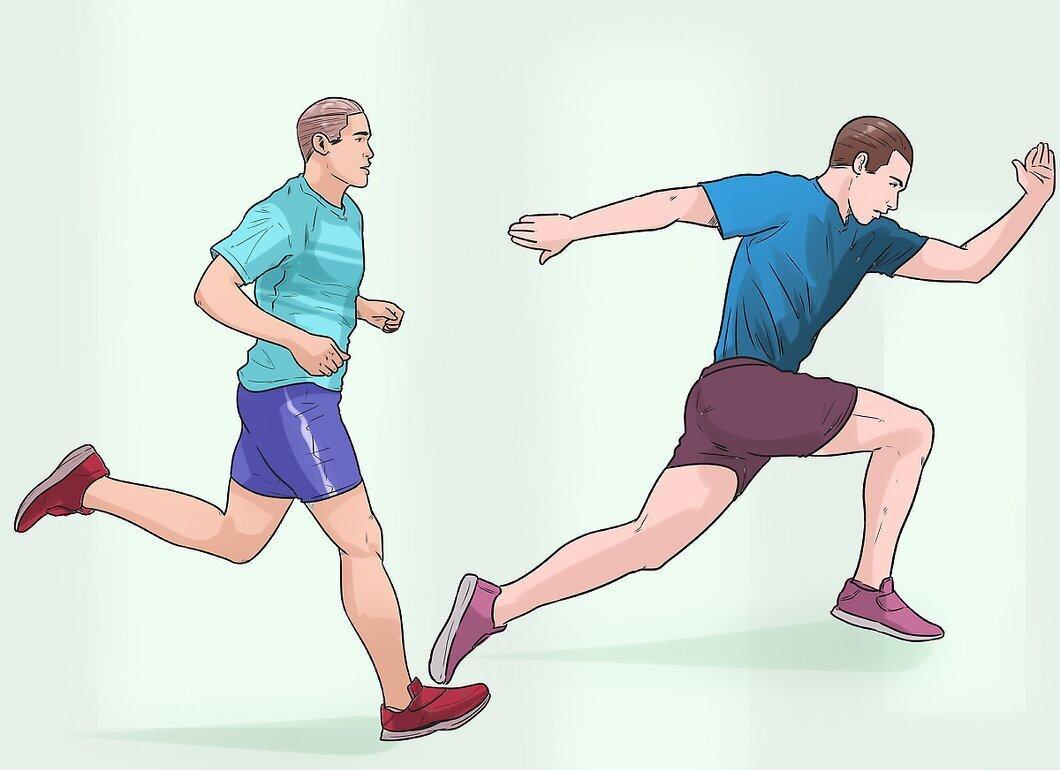
Alternate between hard and easy runs. Once you can run for half an hour without stopping, consider that an easy workout. Alternate between easy and hard runs: tough today, easy tomorrow, tough the next day, and so on. This allows your body to recover between tough workouts without losing training days.
- Gradually increase your goals on tough training days to achieve the runner's high. For instance, if an easy workout is a 3-kilometer run, aim for 4-6 kilometers on tough days. Or run three kilometers but at a faster pace.
- Keep increasing time or distance on tough training days each week. Aim to learn how to run for 90-150 minutes without stopping.
- The runner's high may occur before reaching that goal. However, as you adapt to longer distances, the chances of experiencing the high will decrease. To increase the likelihood of experiencing it during base training, increase your speed or distance.
Varying Your Workouts
Step 1. Don’t Just Run.
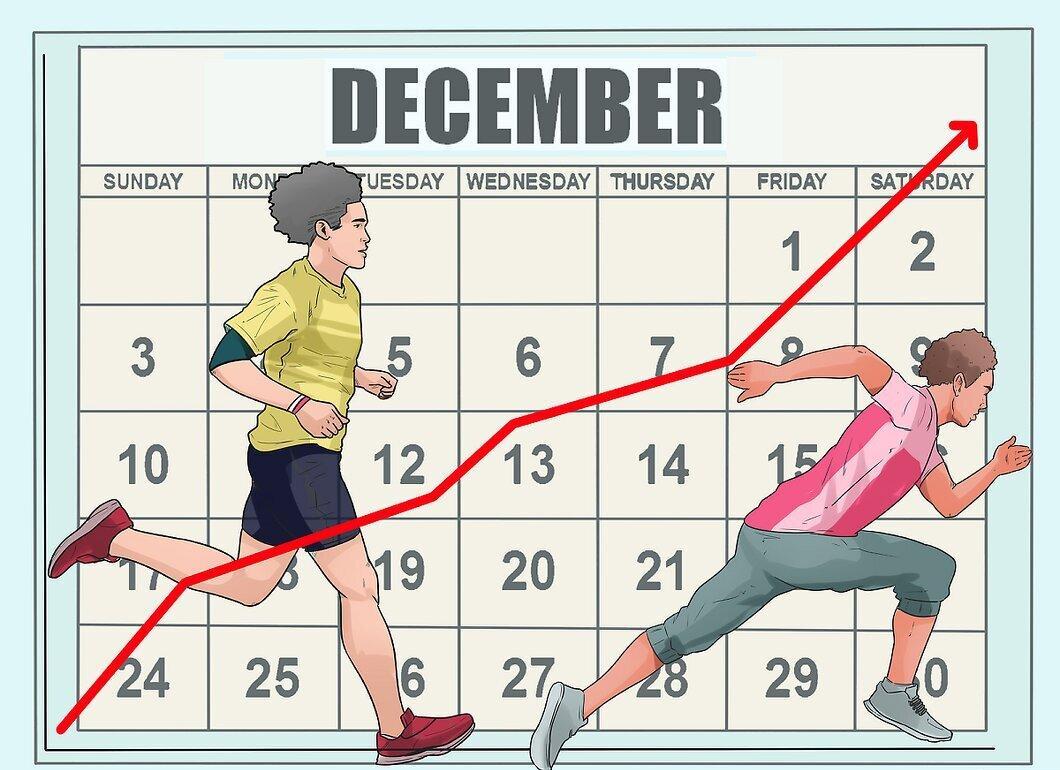
Don’t just run. Once you can run for extended periods, try to increase the distance or duration of your runs at least once a week during tough training days. At the same time, schedule at least one more day of tough training with other forms of exercise. To prompt the runner's high, expose your body to new types of stress.
- The runner's high most often occurs under prolonged stress. The more endurance you build, the lower the chances of experiencing the high during base training.
- If you add high-intensity exercises to your runs, your training will become less monotonous, and your body won't adapt to it.
- Focus on building your endurance for at least a month before you start incorporating high-intensity exercises into your program.
Step 2. Train Using Fartlek.
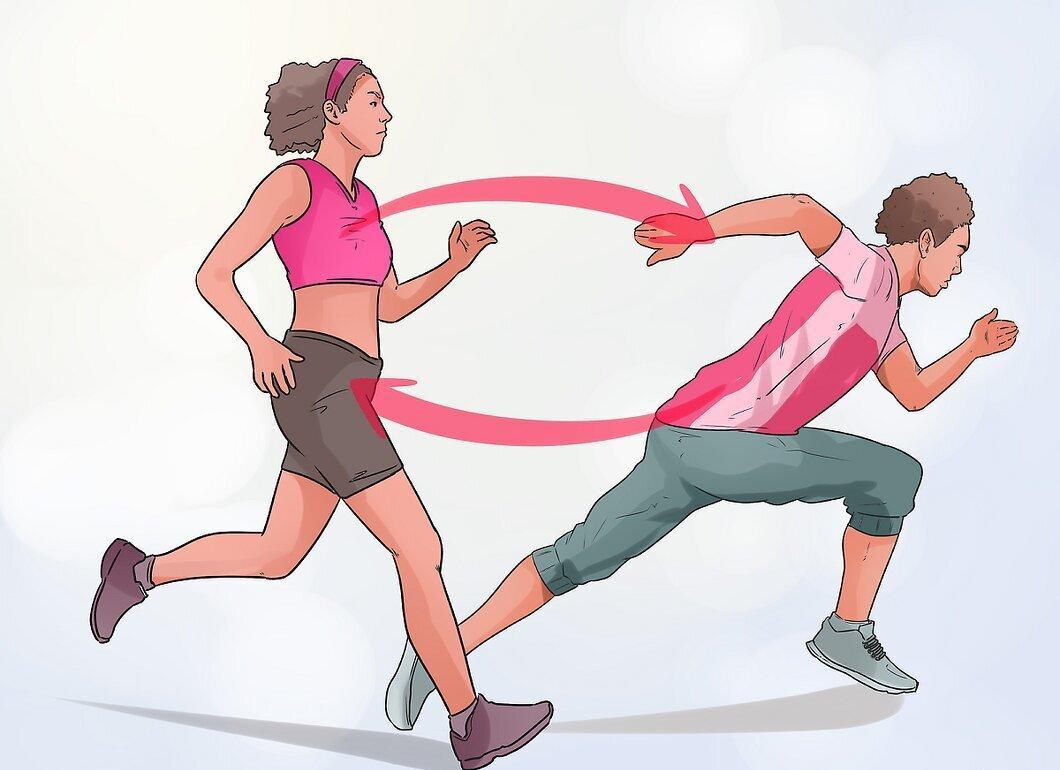
Train using the fartlek system. This system involves alternating between slow running and sprints within a single workout. Start by alternating slow and fast runs for 2 minutes each, then experiment with different combinations. Remember, to experience the runner's high, you need to expose your body to new forms of load, so the more often you change the intervals, the higher the likelihood of reaching the high. For example:
- During your next fartlek workout, try to increase the intervals for both slow and fast running for equal time. Run slowly for two minutes, then fast for another two, then run slowly for three minutes and fast for three, then four, five, and so on.
- In the following training session, increase the sprint interval, while keeping the slow running interval the same. Run slowly for two minutes and fast for two, then slowly for two minutes and fast for three, then slowly for two minutes and fast for four, and so on.
- On one of your next workouts, try to increase your slow running speed.
Step 3. Vary the Distance.
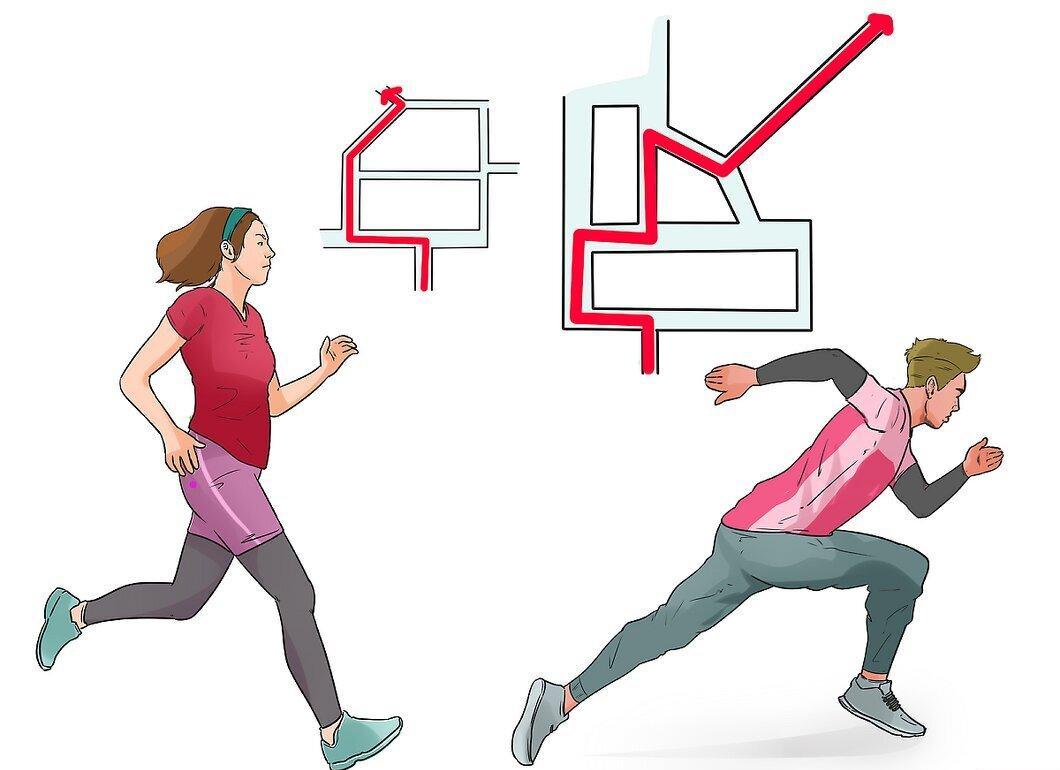
Vary the distance. You can run with different speeds not for an indefinite amount of time but for specific distances. Remember that to achieve the runner's high, you need to constantly vary the loads. Surprise your body with unfamiliar combinations:
- Short distances (400, 300, 200, and 100 meters);
- Long distances (3200, 1600, 800 meters);
- Same distances (for example, 10 repetitions of 400 meters);
- Different distances (for example, four repetitions, each consisting of 400, 300, 200, and 100 meters with walking or slow running in between).
Step 4. Run on Hills.

Run on hills. To complicate your fartlek training, run on hilly terrain or perform repetitions in the same area. It's best to find two locations with varying degrees of hilliness to diversify your workouts.
- Run for 1-2 minutes uphill on a steep slope (45 degrees or more). Complete several repetitions.
- Run for 2-4 minutes uphill on a less steep slope (about 25 degrees). Complete several repetitions.
- Change your training location every time if possible. The characteristics of the terrain (sand, grass, rocks) create unique challenges.
How to Increase the Chances of Experiencing the High
Step 1. Don’t Overload Yourself on Easy Training Days.
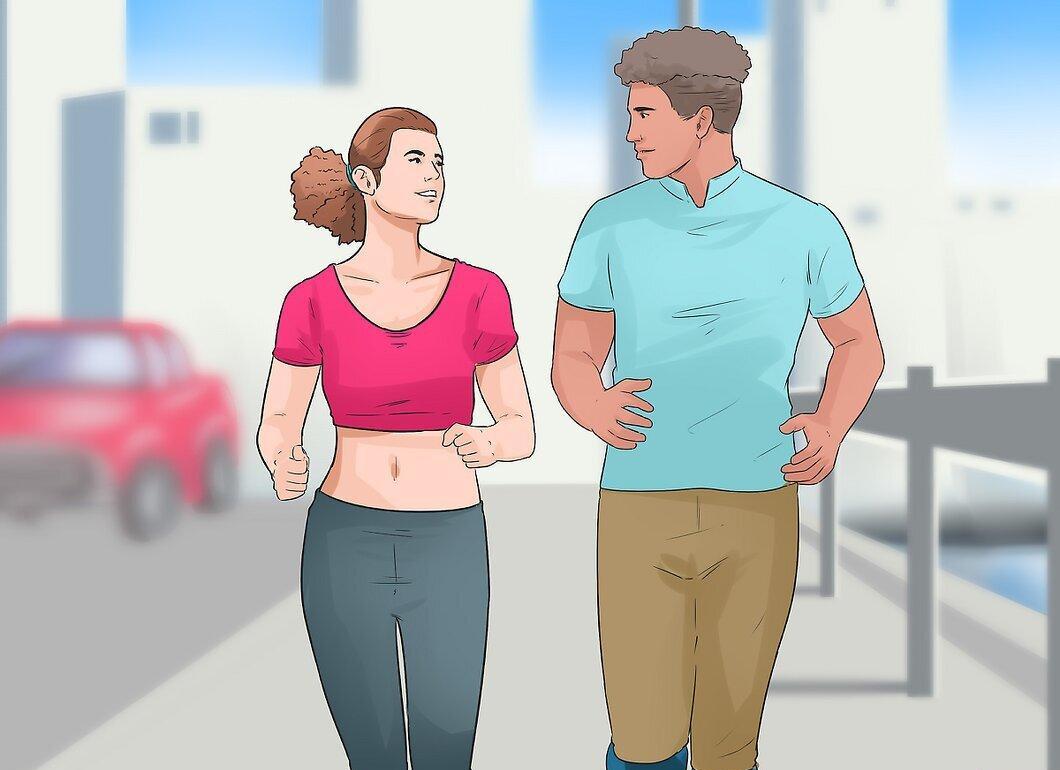
Don’t overload yourself on easy training days. As your endurance increases, you may feel tempted to push harder even on easy training days. However, to enhance your chances of experiencing the high in your next tough workout (whether running or gym exercises), it's crucial to allow your body to recover. Remember: you should run at a pace that allows you to have a conversation with your running partner.
- If you overwork yourself on rest days, your performance in tough training days will suffer. If you start a tough workout in a state of exhaustion, you won't be able to perform at your best, which is necessary to achieve the high.
- At the same time, the runner's high can also occur on an easy training day when your body is still recovering from the previous day's load.
Step 2. Reduce Your Mileage.
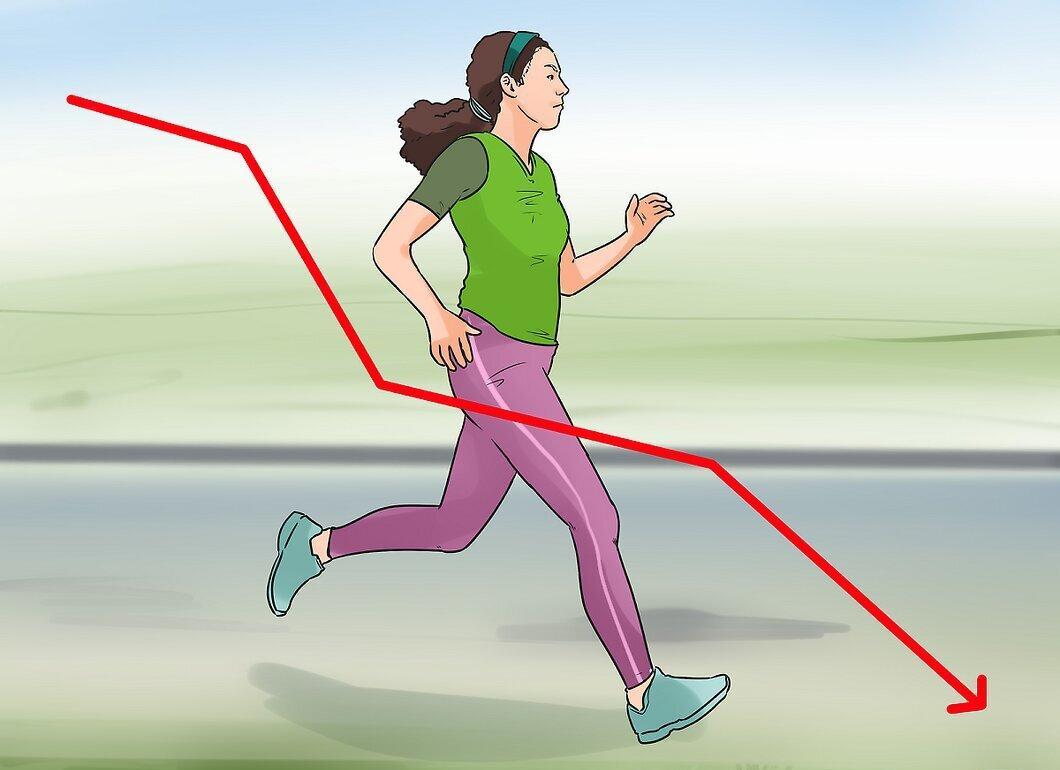
Reduce your mileage. Once you can run continuously for 90 or 150 minutes a couple of times, stop making distance-related goals more challenging. Start focusing more on high-intensity workouts rather than increasing distance. This will help minimize the risk of injuries caused by the constant impact on your feet, legs, and hips.
- You won’t lose your endurance. High-intensity workouts can help you build endurance without increasing distance.
- If you limit the number of long-distance runs, the likelihood of achieving the high during your next long training session will be higher.
Step 3. Pay Attention to Your Physical Condition.
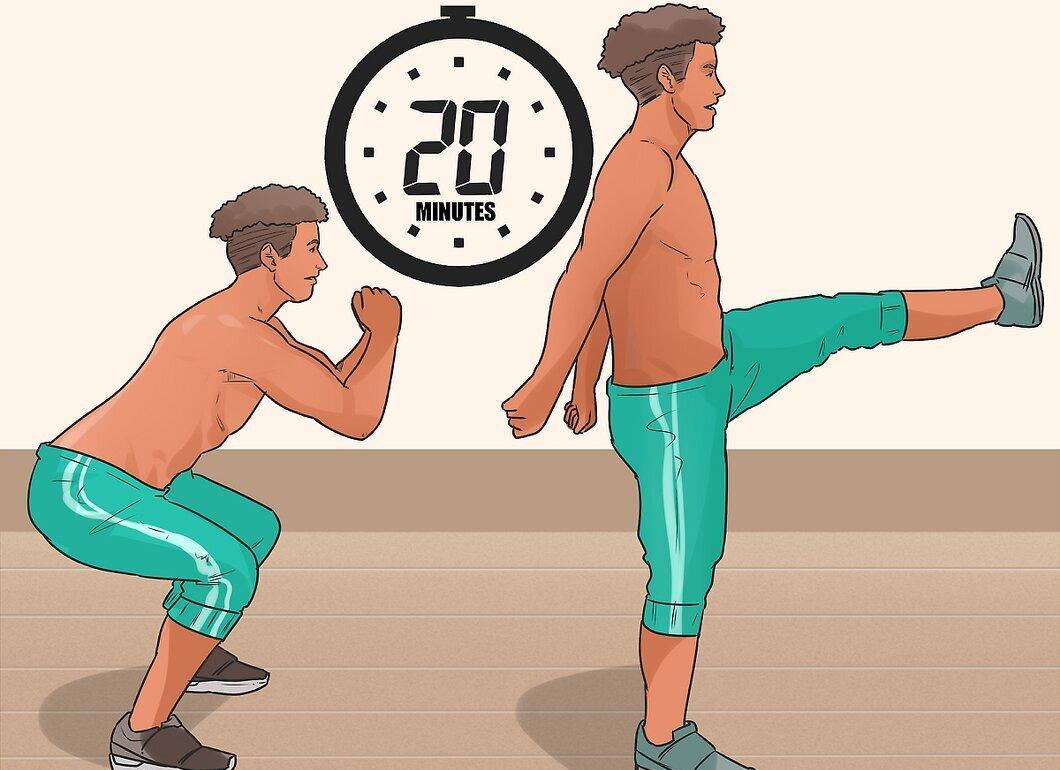
Pay attention to your physical condition. Don't expect the runner's high to override all feelings of discomfort. Take care of yourself to enhance your enjoyment of the high. Remember:
- Warm up for 15-20 minutes before training. Walk briskly or jog slowly before running, gym training, or competition.
- Eat well and drink enough water. Allow sufficient time between eating and training to avoid side stitches.
- Wear appropriate clothing and footwear based on the type of training and weather conditions.
Step 4. Don’t Risk Your Health for the Runner's High.

Don’t risk your health for the runner's high. Remember, there is no one-size-fits-all approach to achieving this state. Resist the urge to push your body beyond its limits. Avoid overloading yourself and prevent injuries, as these will lower your chances of experiencing the high. EXPERT TIP Tyler Courville Tyler Courville is a professional runner and brand ambassador for Salomon Running. He has participated in 10 ultramarathons and mountain races in the U.S. and Nepal and won the Crystal Mountain Marathon in 2018. Tyler Courville, a runner, says: "People experience the effects of running differently. I can't say I've had many moments of pronounced euphoria. That feeling seems elusive. However, I do have very...