Cutting steel can be necessary in a wide range of situations, and its use spans multiple industries. Steel comes in different forms and types, including low-carbon, ferritic, austenitic, and martensitic stainless steels. Additionally, it can be found in the form of pipes, sheets, bars, wire, and rebar. In this article, we will focus on how to properly cut sheet steel.
Part 1
Step 1. Determine which type of steel you need for your project – stainless or low-carbon.
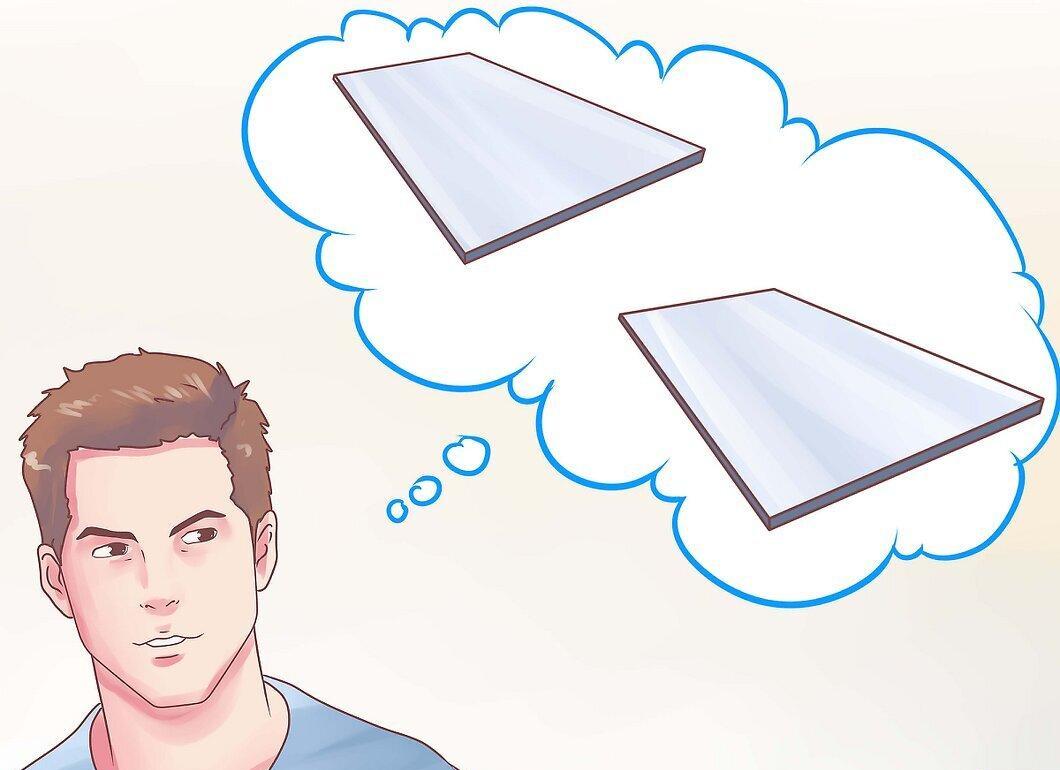
First, you need to choose between stainless and low-carbon steel. Remember that low-carbon steel is prone to rust, while stainless steel has high corrosion resistance.
Step 2. Decide if you need steel with strengthening properties.
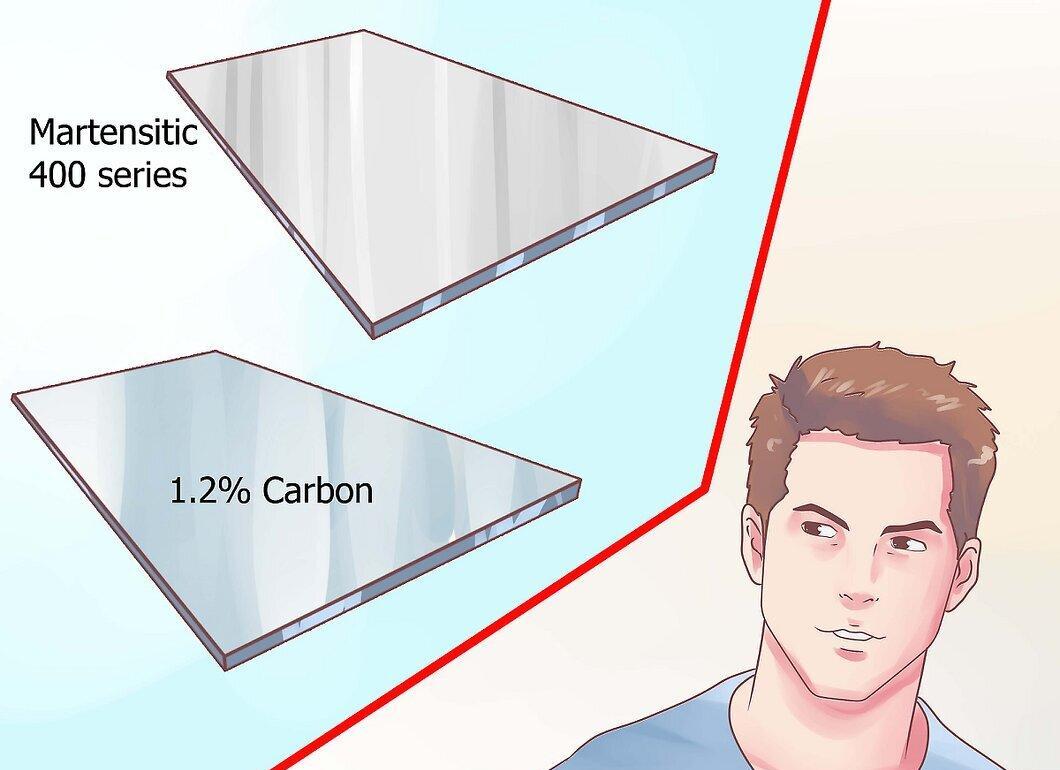
- If you want to reinforce a structure made of low-carbon steel, high-carbon steel (with about 1.2% carbon) will suit your needs. For stainless steel, you will require martensitic steel or steel from the 400 series.
Step 3. Determine the required thickness of the steel.
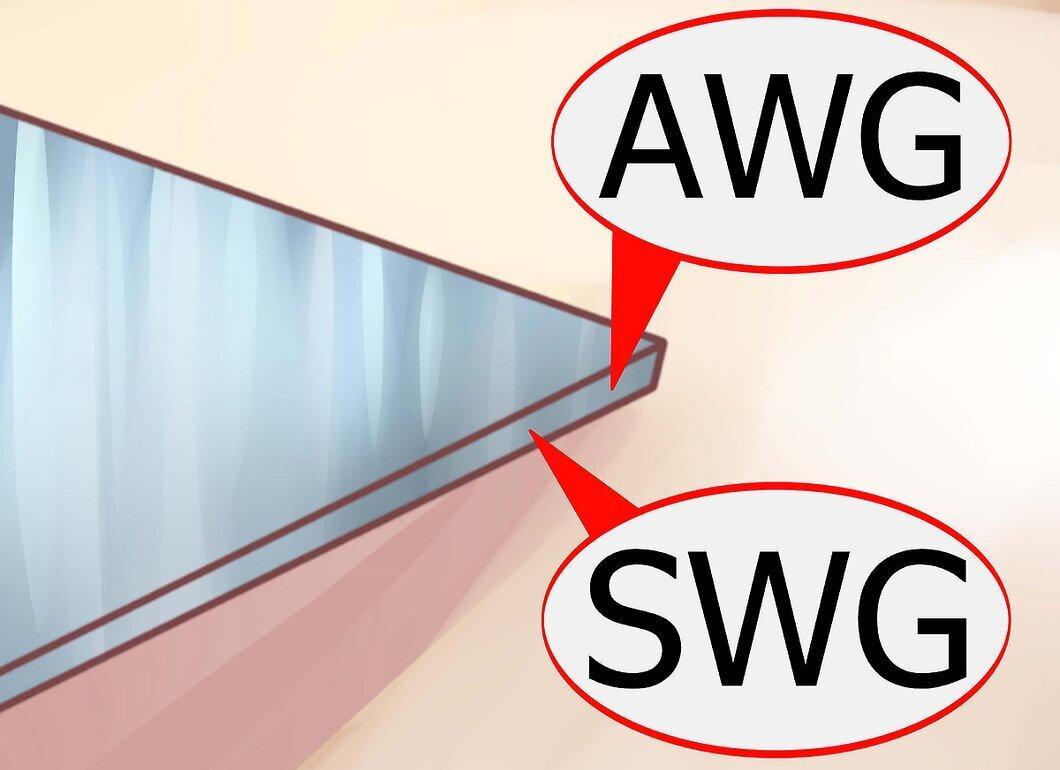
Find out what thickness of steel you need. The thickness of steel is also referred to as "gauge." There is the American Wire Gauge (AWG) and the Standard Wire Gauge (SWG) in the UK. In both cases, the smaller the gauge number, the thicker the steel. The thickness of steel and wire is comparable.
Step 4. Mark the contours of the future product on the steel with a non-removable marker.
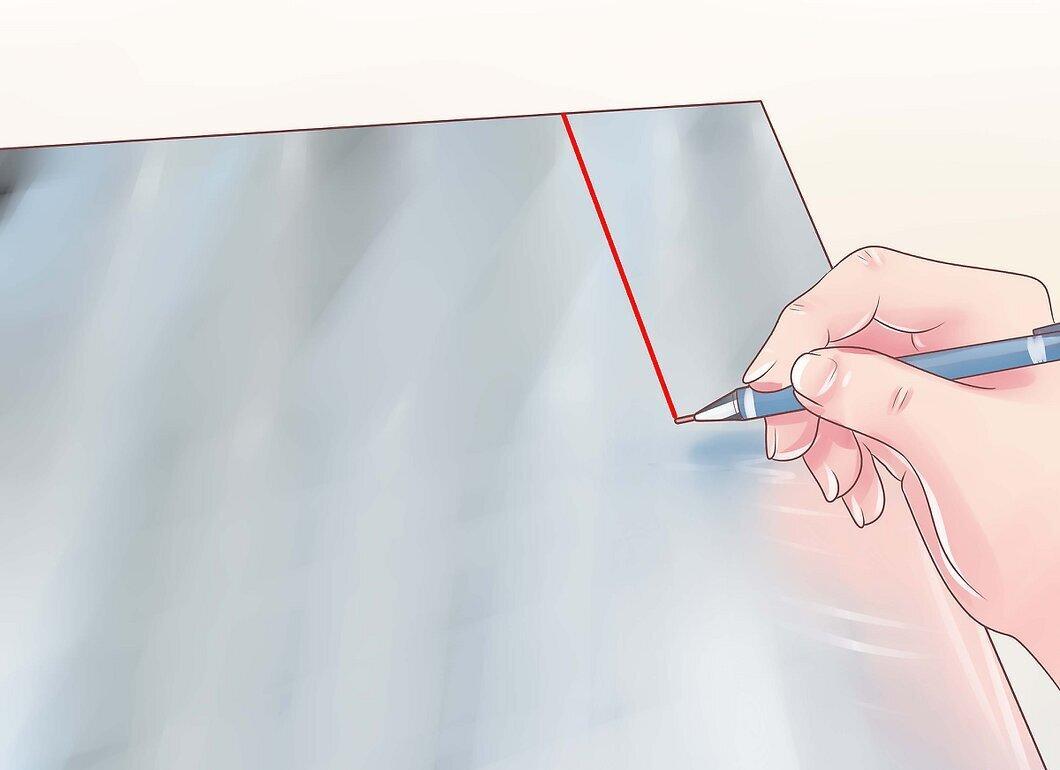
- If you are unsure about the shape or size of the part you want to cut, draw a template on sturdy paper. Cut out this template and use tape to secure it. If the template meets your expectations, proceed to transfer it onto the steel. If there are any mistakes, make corrections before starting the cutting process.
Step 5. Use the appropriate cutting tool for steel.
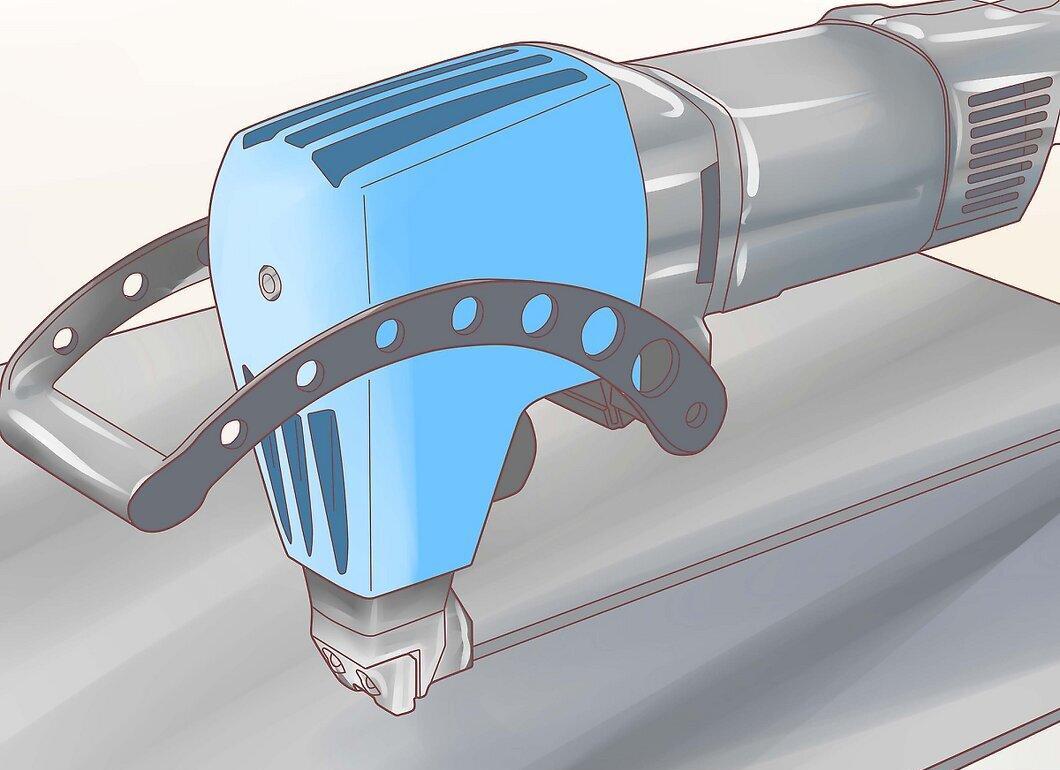
- There are many tools available for cutting steel. For thin steel, such as 18 gauge AWG or thinner, you can use tin snips. For cutting steel of any thickness, bench shears are suitable, which come in both straight and shearless types. Straight shears are ideal for cutting in a straight line, while shearless shears can handle both curved and straight lines, allowing for the creation of complex shapes.