
Cleaning Fiberglass: Tips and Recommendations
Fiberglass is an artificial material made from plastic resins and glass fibers. It is used to manufacture various items, including sinks, shower stalls, bathtubs, light fixtures, and even boats. To keep these products in excellent condition, it is crucial to understand their specific care requirements and take precautions, as fiberglass can be hazardous upon skin contact and when its particles are inhaled.
Choosing the Right Cleaning Products
Step 1: Start with a Mild Detergent, like Dish Soap.
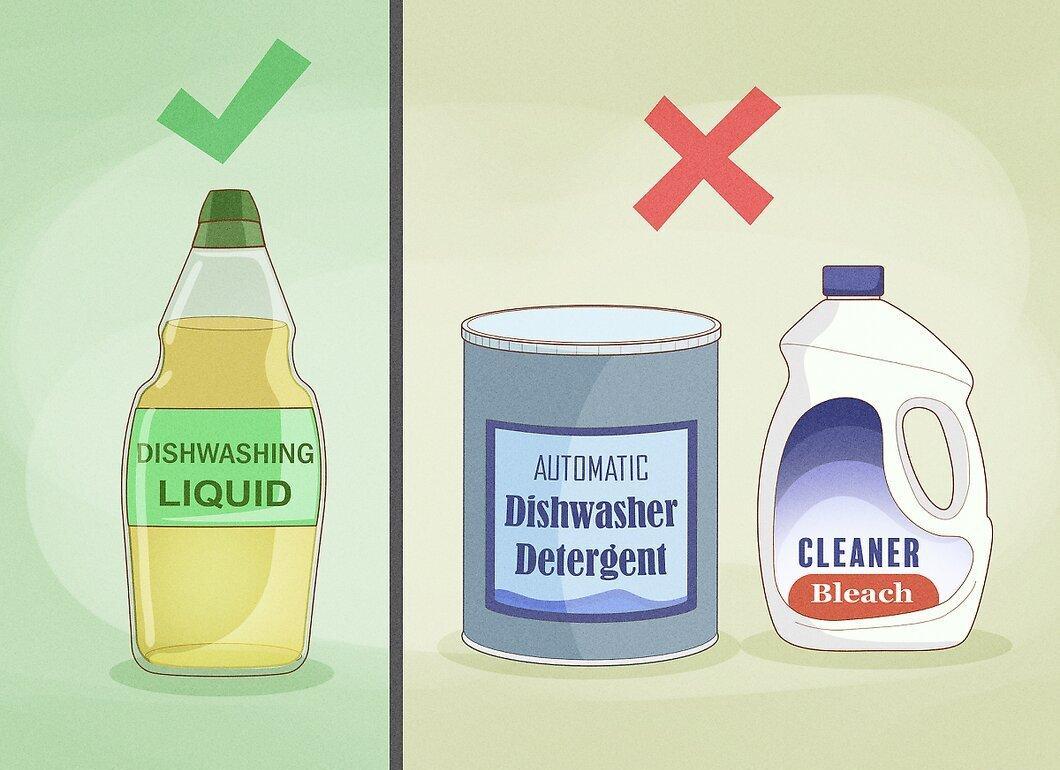
Use a mild detergent, such as liquid dish soap, to effectively remove greasy stains. Avoid using dishwasher detergents, as they may be too abrasive for fiberglass.
- Ensure your choice does not contain bleach, as it can damage the material.
- You can also create your own solution by mixing vinegar with regular dish soap, which works great for cleaning shower stalls.[2] X Source
Step 2: Use Baking Soda for Dried Dirt.
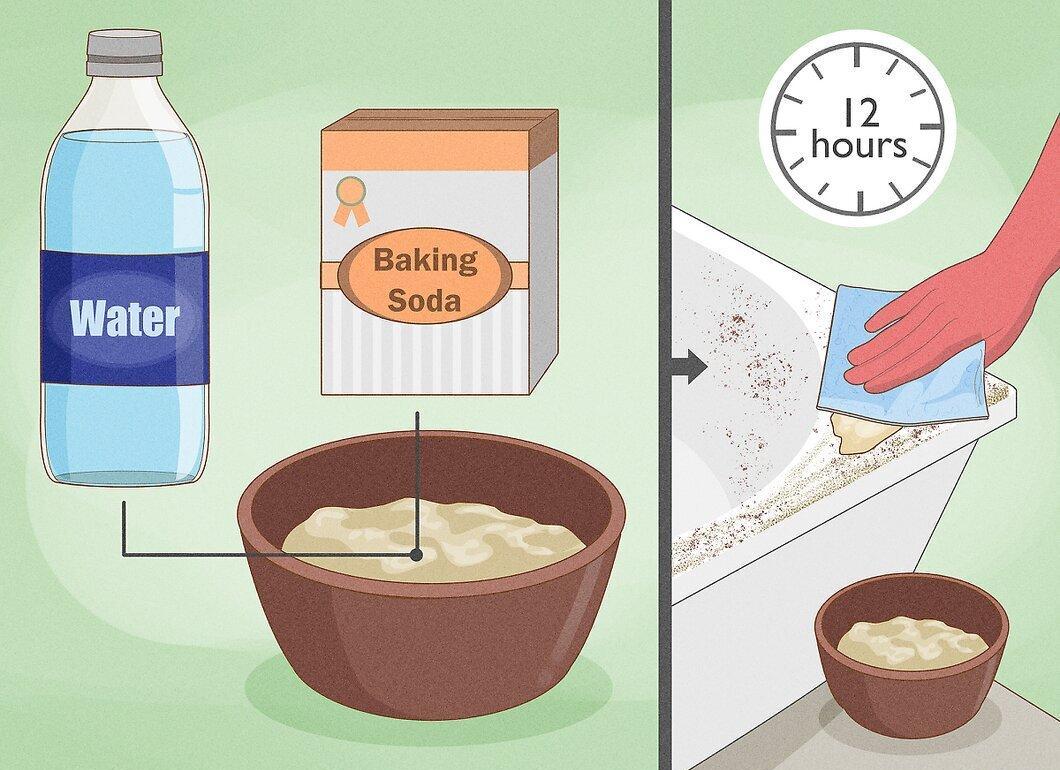
Baking soda will be your ally in removing old stains. Mix baking soda with water to form a paste and apply it to stained areas, such as shower doors or sinks. Leave the paste on for 12 hours, then rinse it off with soap.
- The paste may darken after absorbing dirt.
- For enhanced effects, you can use vinegar to activate the baking soda, creating bubbles that improve cleaning. Then simply wipe the surface to remove residues.[6] X Source
Step 3: Remove Paint Stains with Acetone or Solvent.
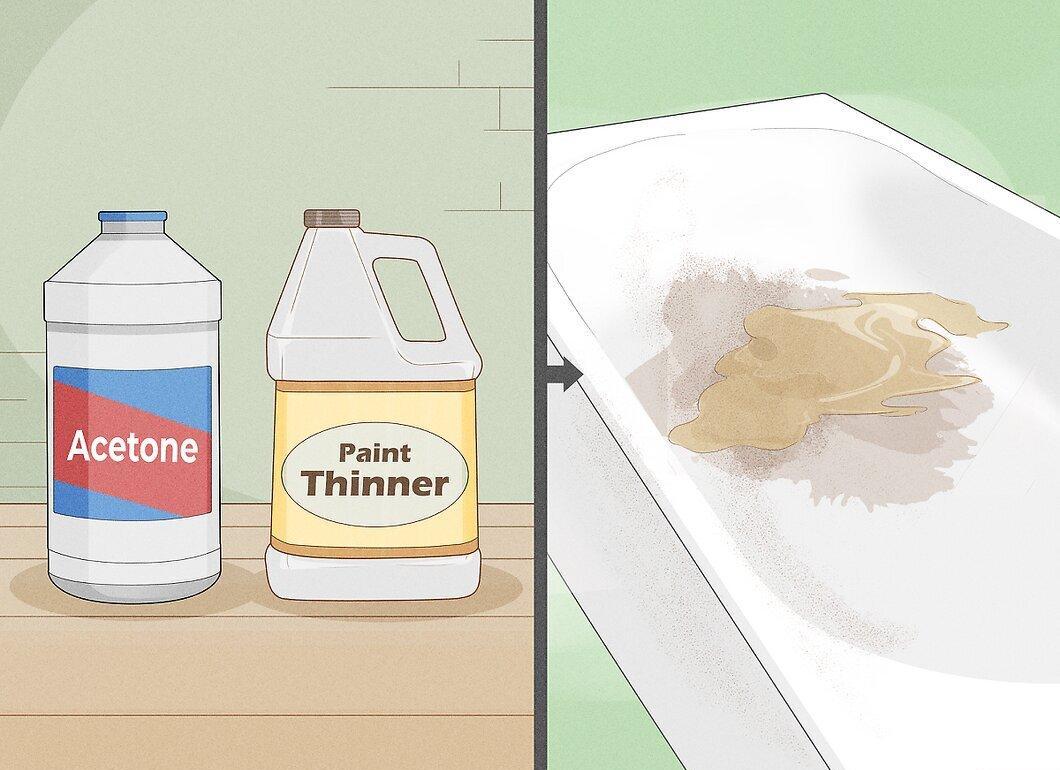
To remove paint stains, use acetone or solvent, but proceed with caution as these substances can damage fiberglass. Apply them only to the stained areas.
- Be sure to wear protective gloves and goggles to safeguard yourself from harmful substances.
Step 4: Try Phosphoric Acid for Stubborn Stains.
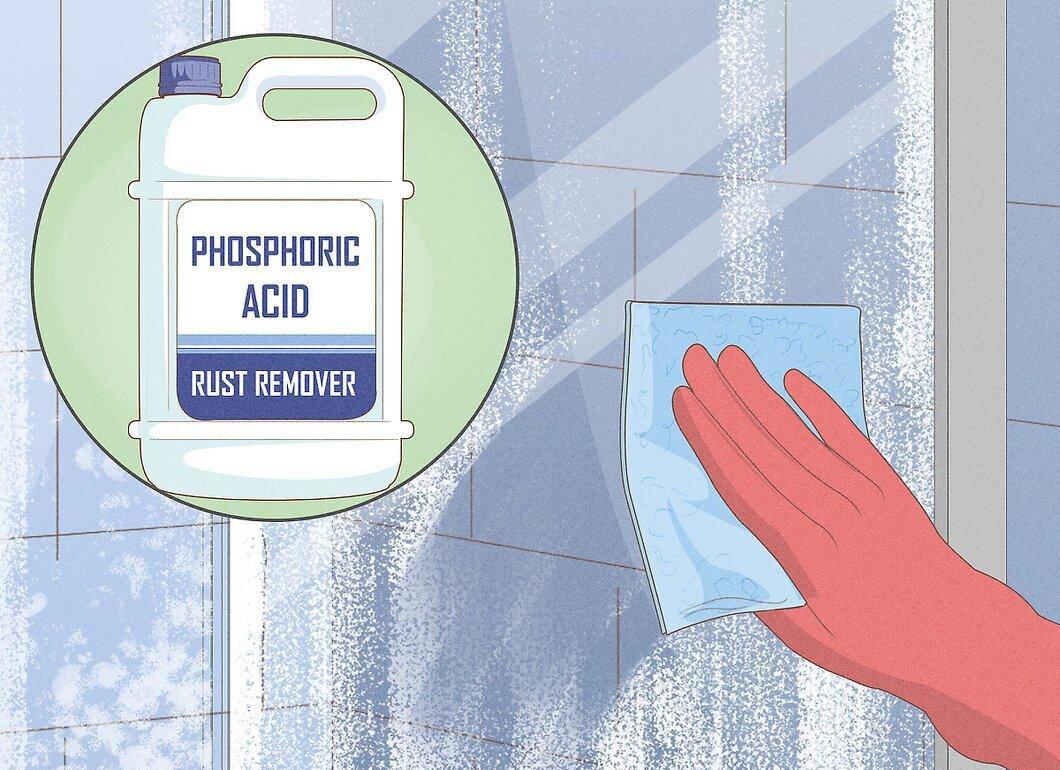
Phosphoric acid, used for rust removal, can help you eliminate stubborn water stains. Dilute the acid with water to reduce its concentration and risk of damaging fiberglass.
- Dilute the solution to 10% to make it less aggressive. Rinse it off with water immediately after application to avoid leaving it on the surface.
- Alternatively, try a paste made of white vinegar and baking soda—it's less hazardous and equally effective.[6] X Source
Step 5: Cleaning Fiberglass Boat Hulls.
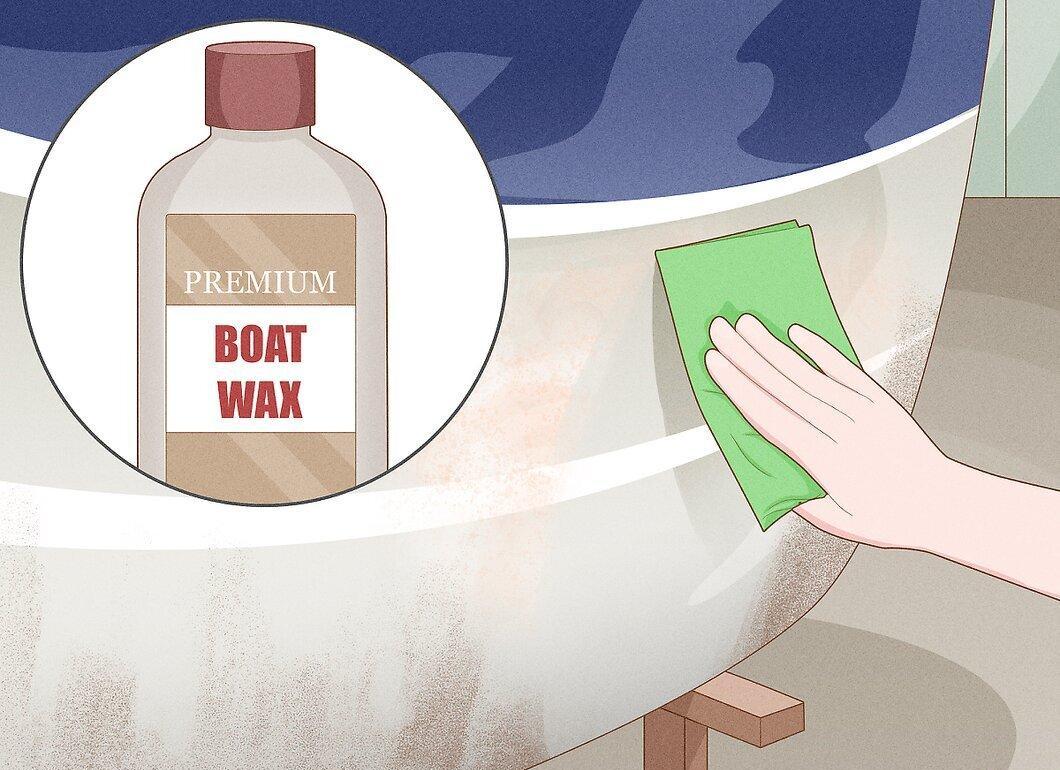
For maintaining fiberglass boat hulls, use wax, silicone, or cleaning agents. Keep in mind that silicone can complicate future repairs.
- Boat polish creates a protective layer that shields the hull from external factors while giving it a beautiful appearance.
- If the boat is old, consider applying silicone spray more frequently, as it penetrates the surface better.
- Remember to wash the boat thoroughly after use in saltwater to prevent fiberglass damage.
Proper Cleaning Methods
Step 1: Avoid Hard Brushes.
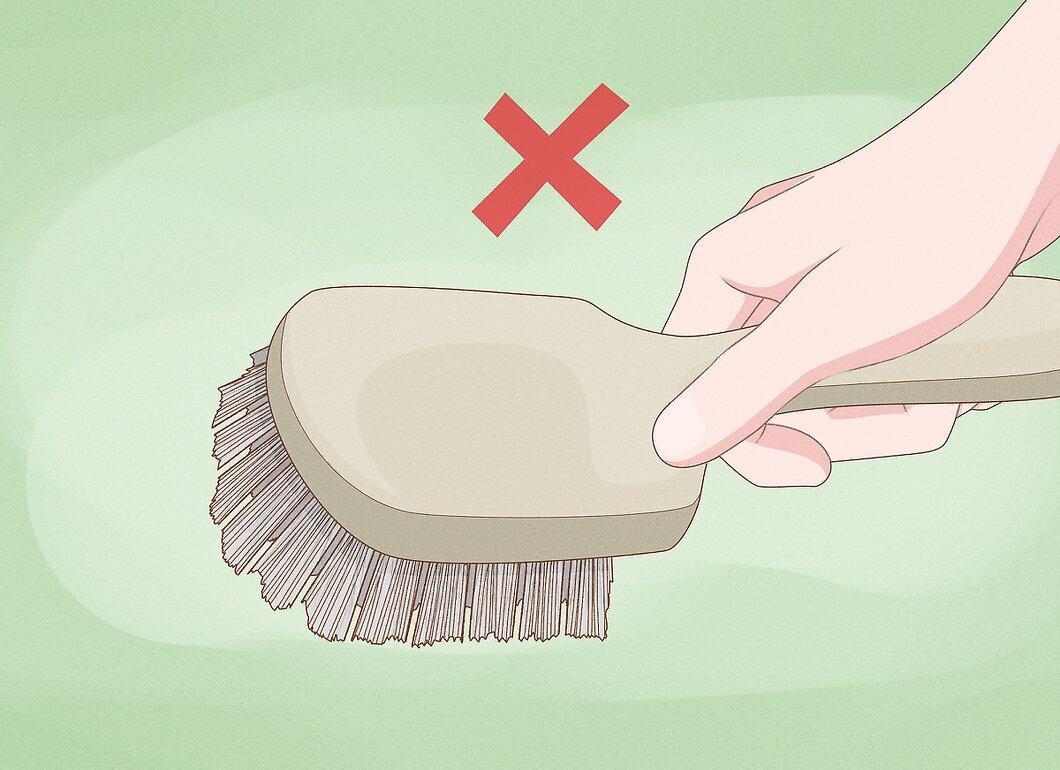
Do not use hard brushes or metal scrubs, as they can scratch the surface of fiberglass. It's best to avoid any tools that could damage the top layer of the material.
Step 2: Apply Cleaner with a Soft Cloth.
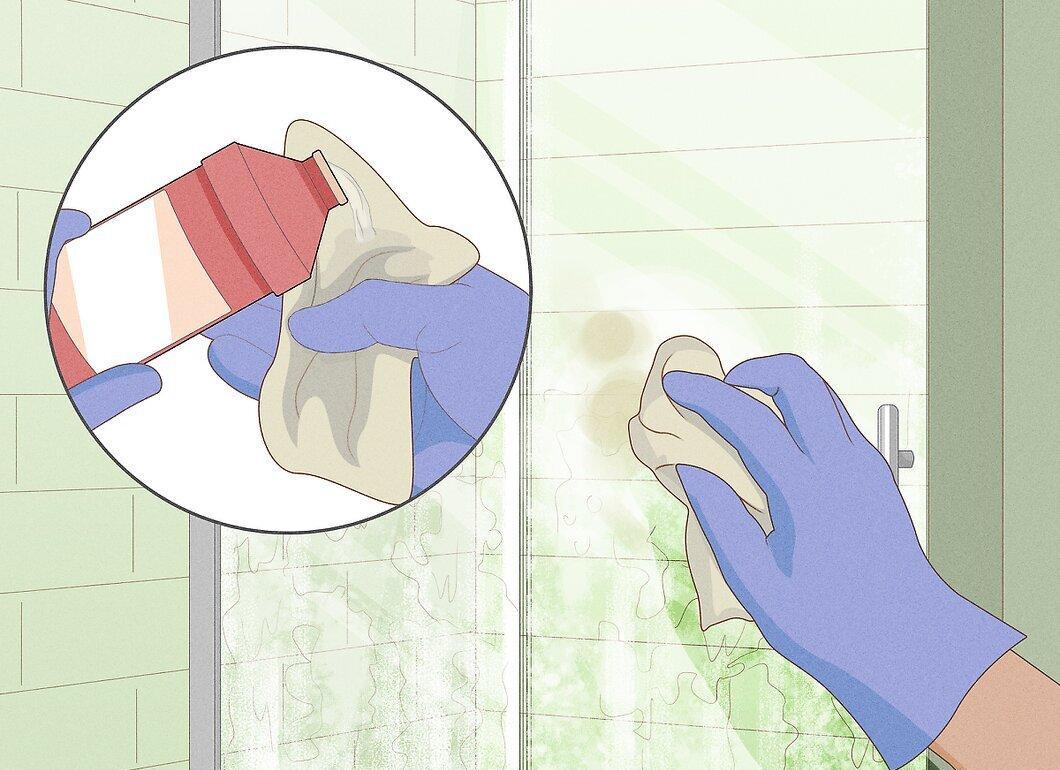
Use a cloth or a soft nylon brush to gently rub the cleaner into the surface. Act carefully to avoid damaging the material.
Step 3: Use a Sponge for Stubborn Stains.
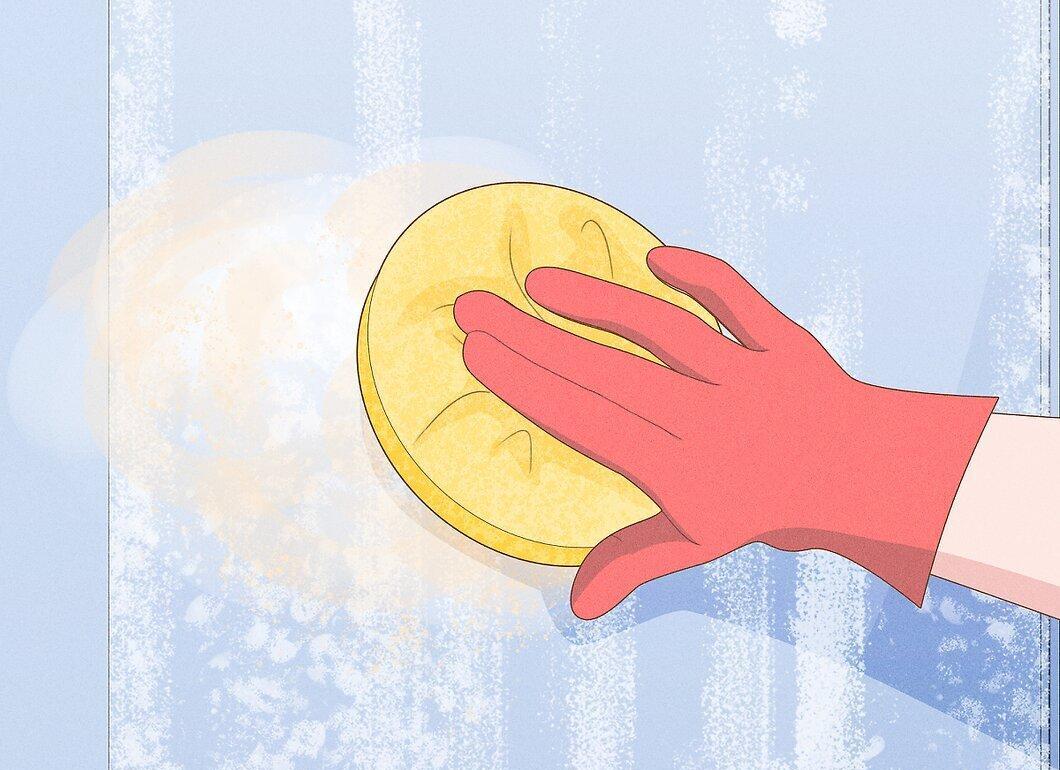
For tough stains, use a soft, non-abrasive sponge. It’s great for applying paste and removing dirt.
Step 4: Polish the Boat Surface.
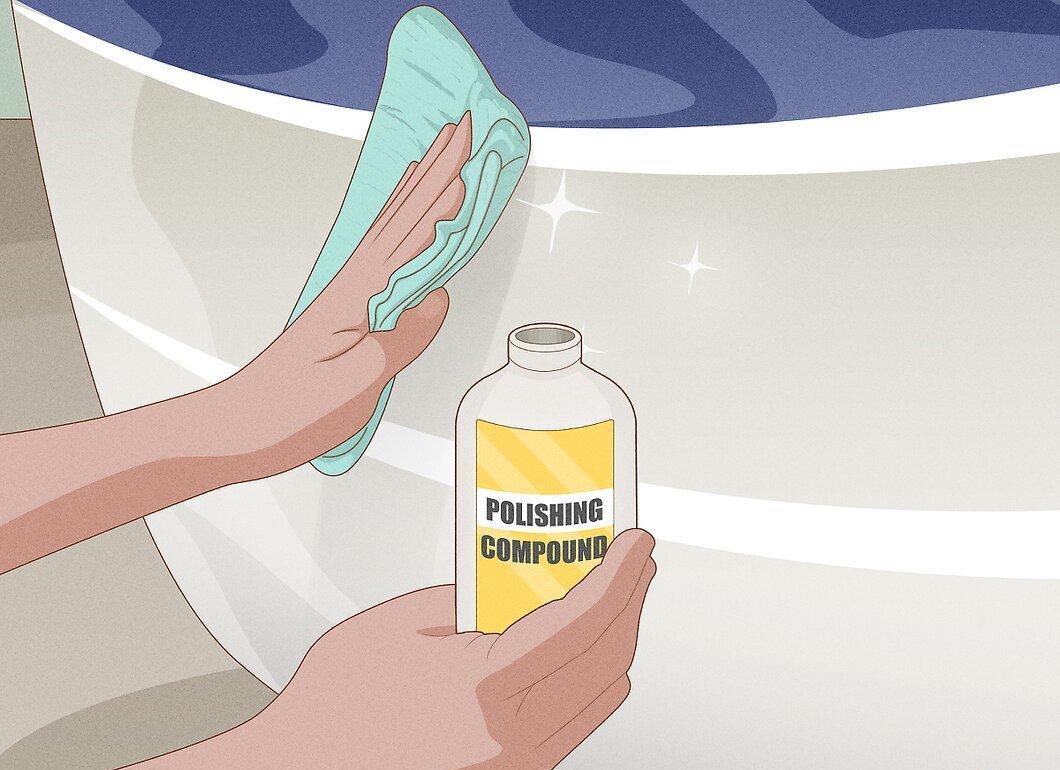
Apply a white polish using a clean cloth after cleaning. This will give your fiberglass a beautiful shine.
Safety When Working with Fiberglass
Step 1: Wear a Mask.

Always wear a mask when working with fiberglass to avoid inhaling harmful dust. This will help prevent temporary respiratory irritation.
Step 2: Wear Protective Clothing.
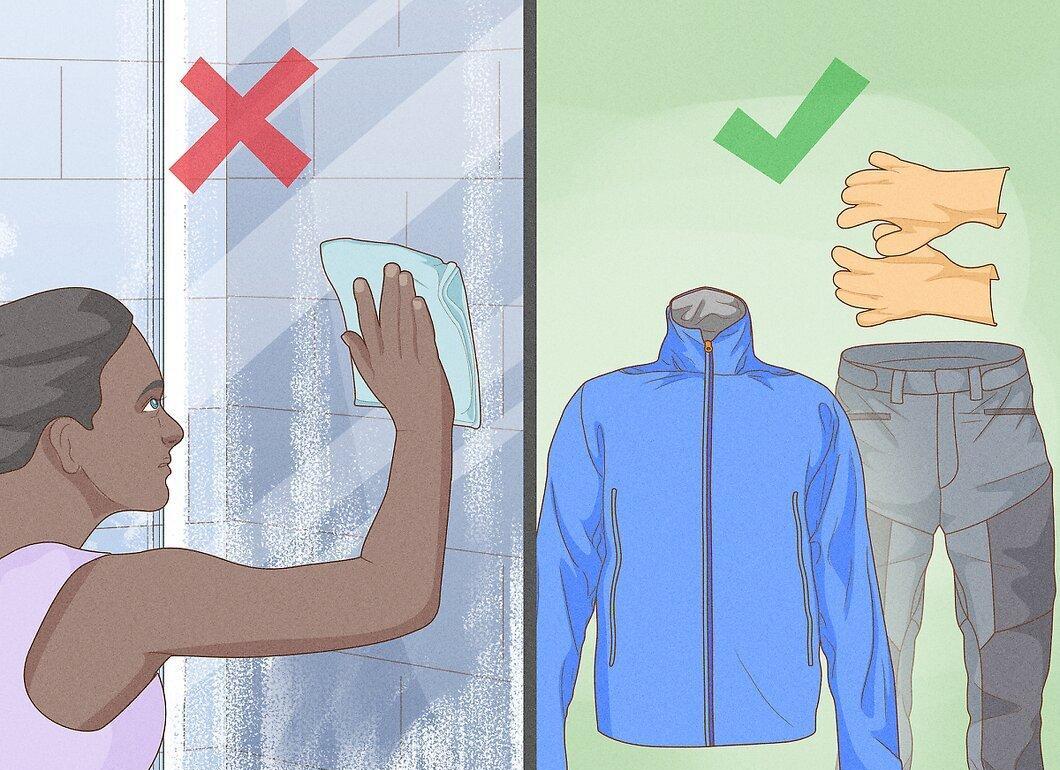
Wear long-sleeved clothing and gloves to protect your skin from irritation. Be sure to change your clothes after finishing work.
Step 3: Protect Your Eyes.
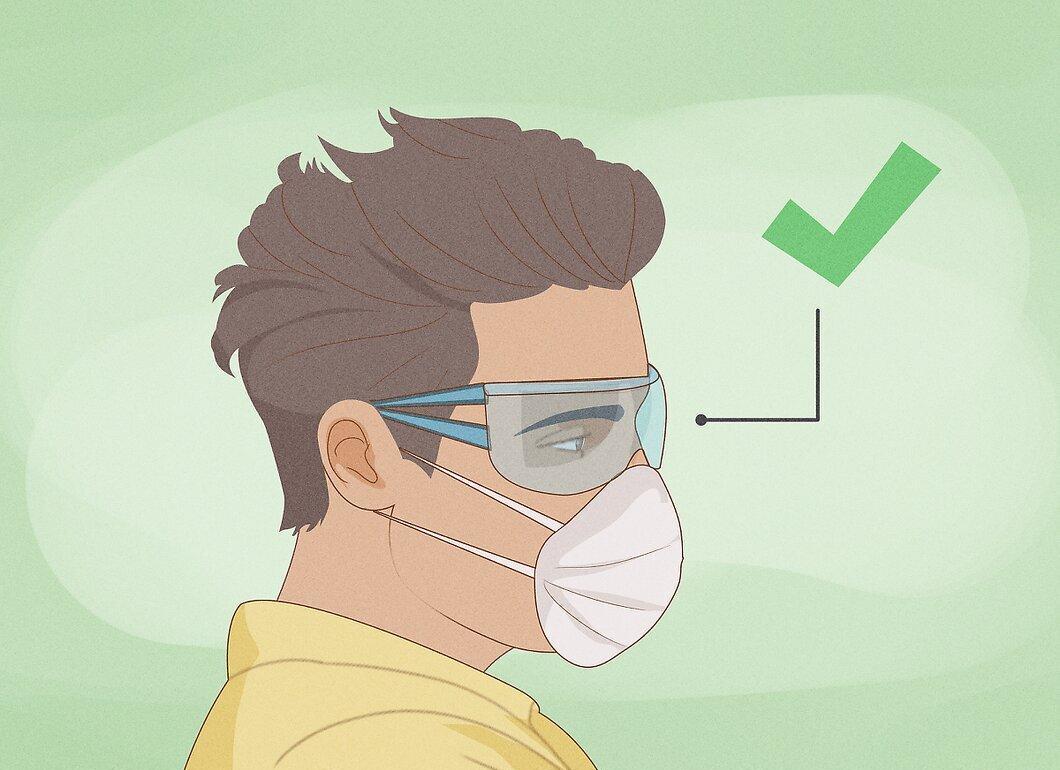
Don't forget about protective goggles to avoid eye injuries. This is particularly important as fiberglass can cause serious irritation and damage.