You can easily eliminate sugar ants. First, find out where they are entering your home. Then, place bait near all entry points and areas where they frequently travel. The ants will carry the bait back to their colony, leading to the destruction of the entire nest. You can buy bait from the store or make it yourself using natural ingredients.
Dealing with Sugar Ants
Step 1. Identify Ant Entry Points into Your Home.
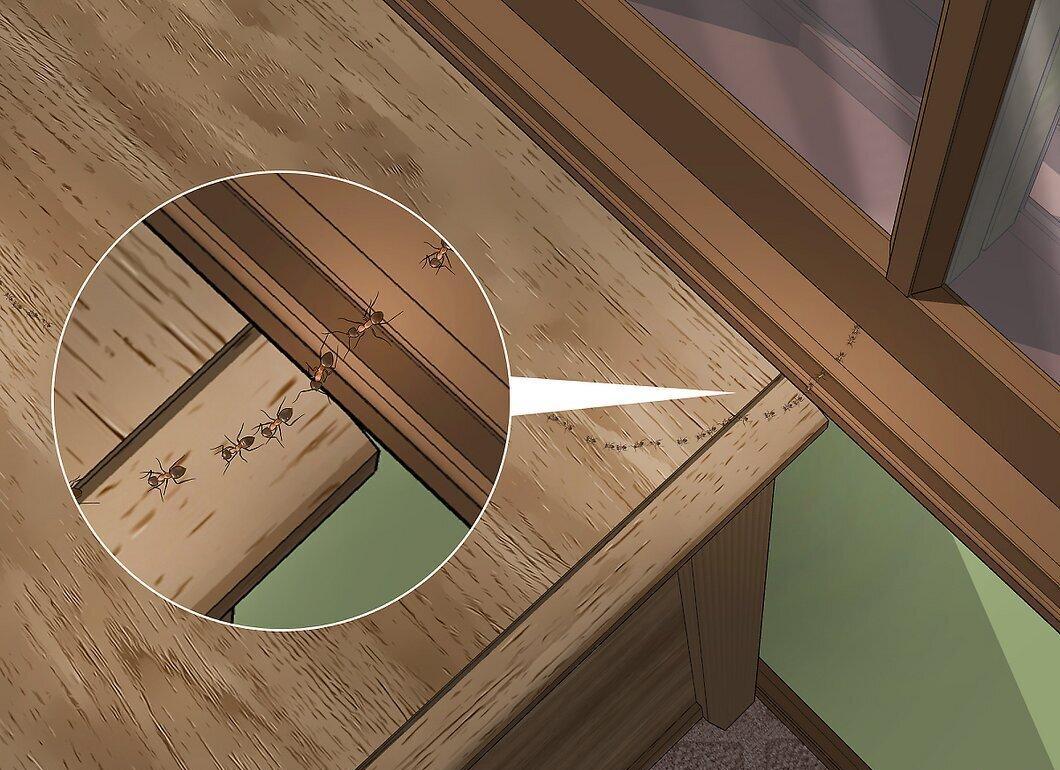
Determine exactly where the ants are entering your home. Before taking action, find out their access routes. The main entry points are windows and doors. They often also sneak in through cracks and holes in walls and floors.
Step 2. Set Bait Near Entry Points to Poison the Ants.
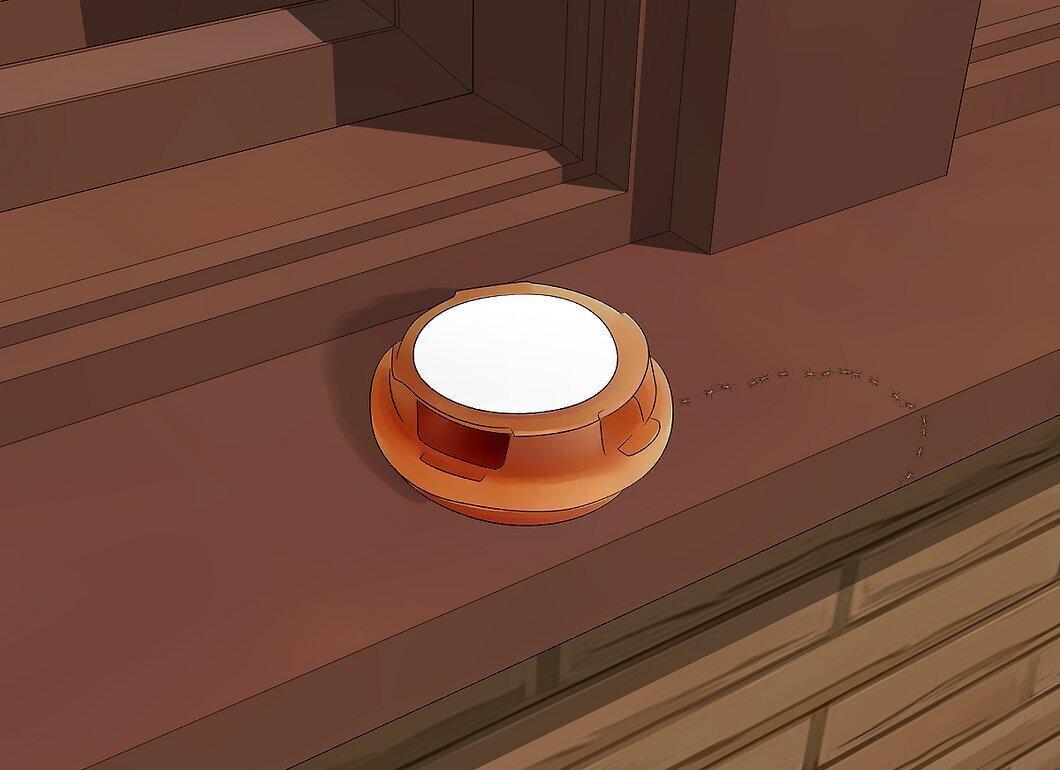
Place bait at all entry points to poison the ants. After identifying how the ants are entering your home, set up bait near those locations. The ants will take the bait back to the colony, leading to their extermination.
Step 3. Ensure Windows and Doors are Properly Sealed.
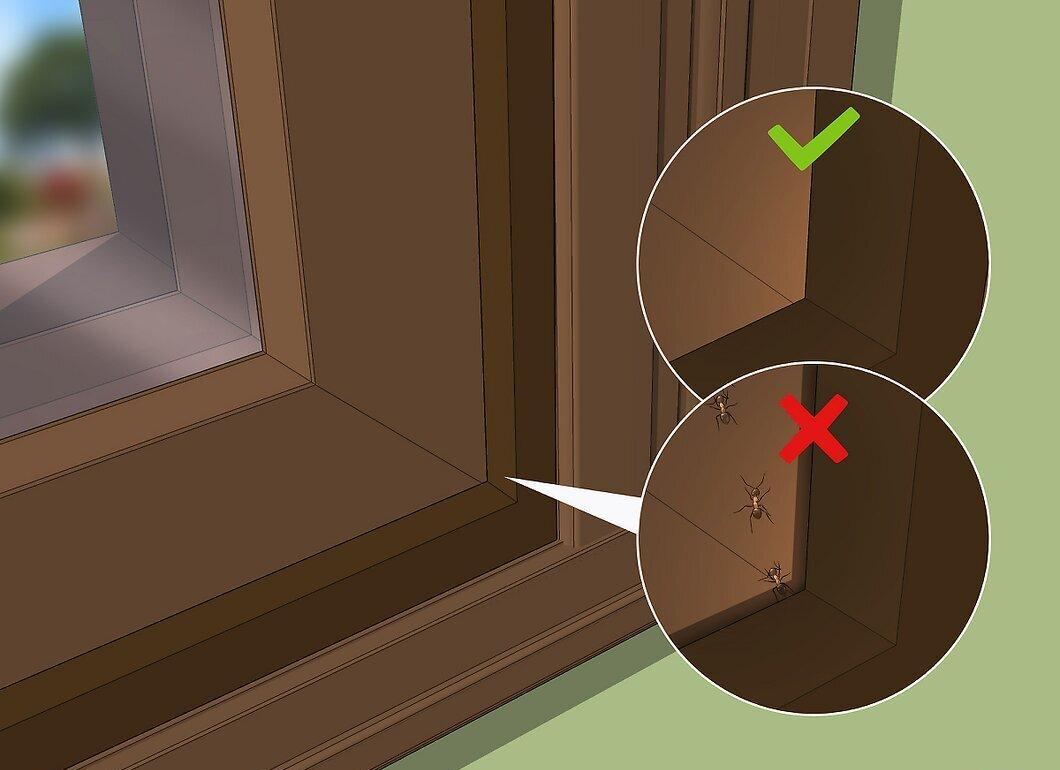
Make sure all windows and doors are sealed as tightly as possible. Ants can easily get in through them, so seal any gaps and cracks. These measures will help prevent the reappearance of sugar ants and stop their return after using the bait.
Step 4. Clean Up Crumbs After Meals.
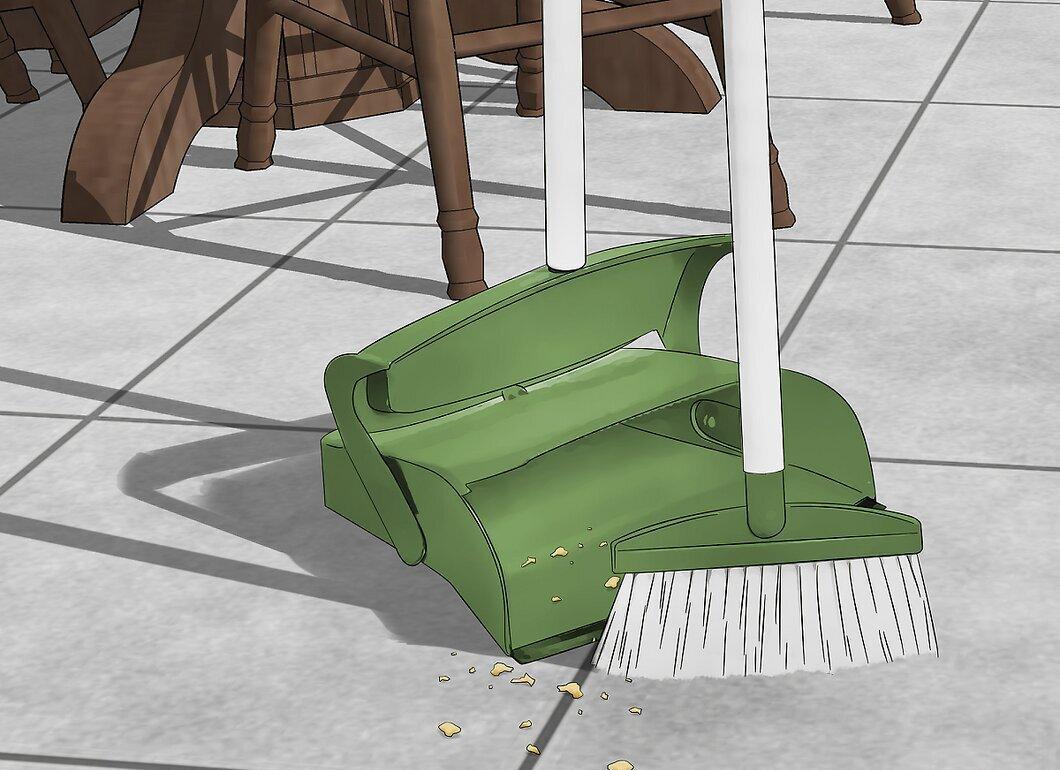
Collect crumbs from the floor after each meal. Cleaning up after eating will help prevent a sugar ant invasion. Vacuum or sweep the floor after every meal to get rid of food remnants. Afterward, mop the floor to remove sticky spots.
Step 5. Wash Dishes Immediately After Eating.
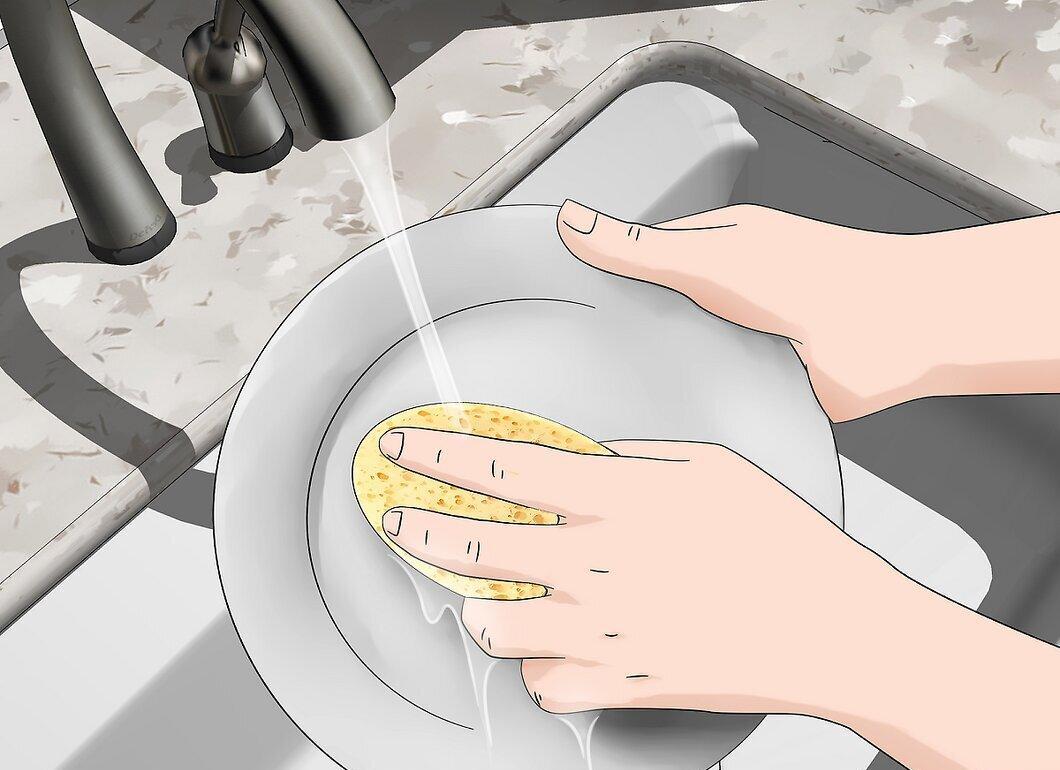
Try to wash dishes immediately after each meal. Keep the sink and surrounding area clean to avoid attracting ants. Dirty dishes and leftover food can attract sugar ants, so it’s better to wash everything right away. If you can’t, at least rinse the dishes thoroughly.
Step 6. Take Out the Trash Daily.
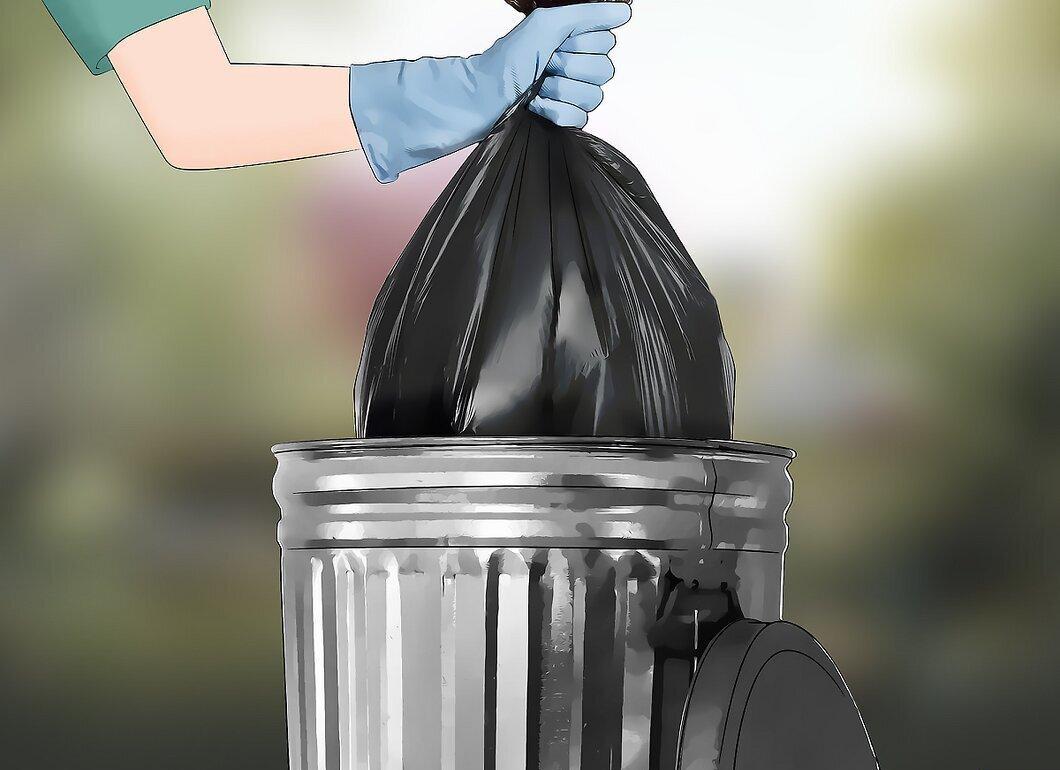
Don’t forget to take out the trash every day. This will help eliminate a potential food source for sugar ants. Make sure to take out the trash at least once a day. To prevent their appearance, use a trash can with a tightly-fitting lid.
Alternative Methods
Step 1. Prepare Ant Poison Using Boric Acid and Honey.
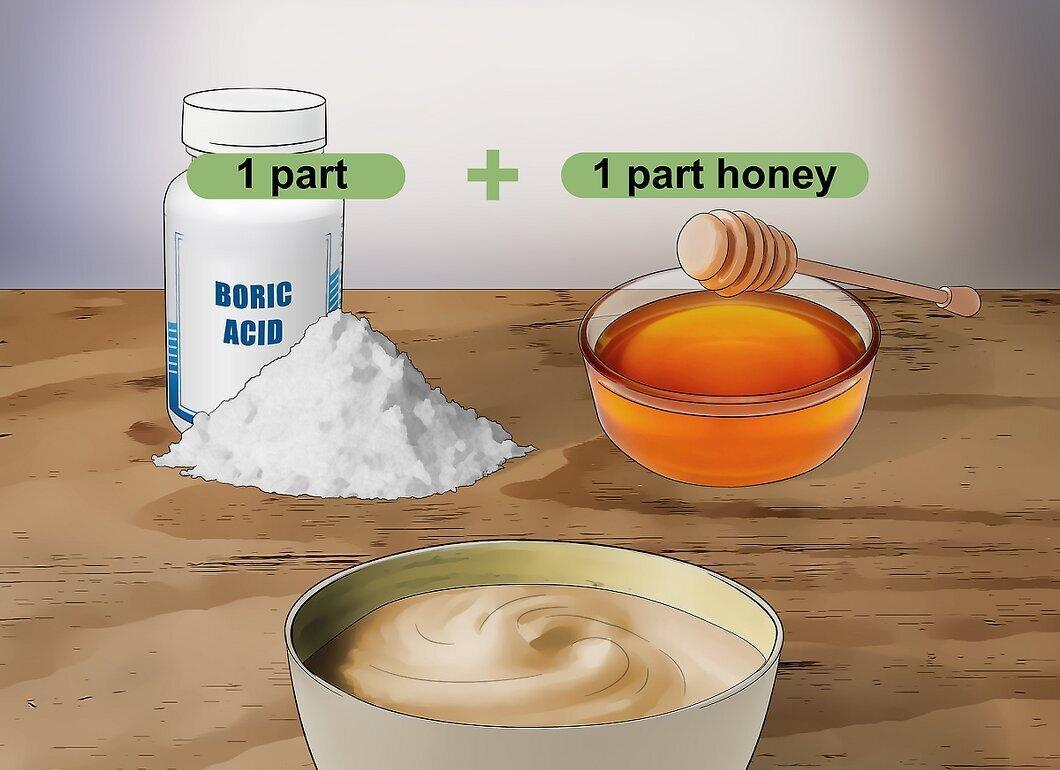
To poison the ants, use boric acid mixed with honey. Combine equal parts of honey and boric acid in a bowl to create a uniform paste. Apply the paste to cardboard and place it in areas where ants are entering the home. Refresh the bait every two days until the ants disappear.
Step 2. Try a Mixture of Borax and Sugar.
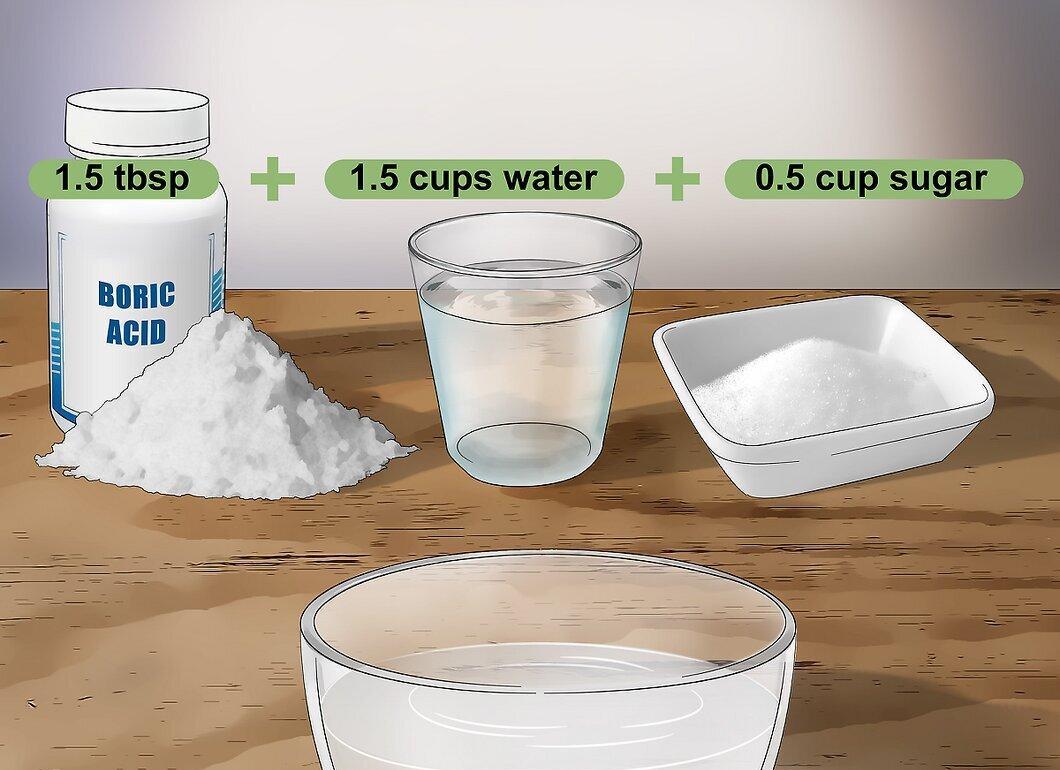
Use a mixture of borax and sugar to combat ants. Mix 11 grams of borax with 360 ml of water and 100 grams of sugar. Soak cotton balls in the solution and place them on lids in areas where you’ve seen ants.
Step 3. Spray Ants with Vinegar.
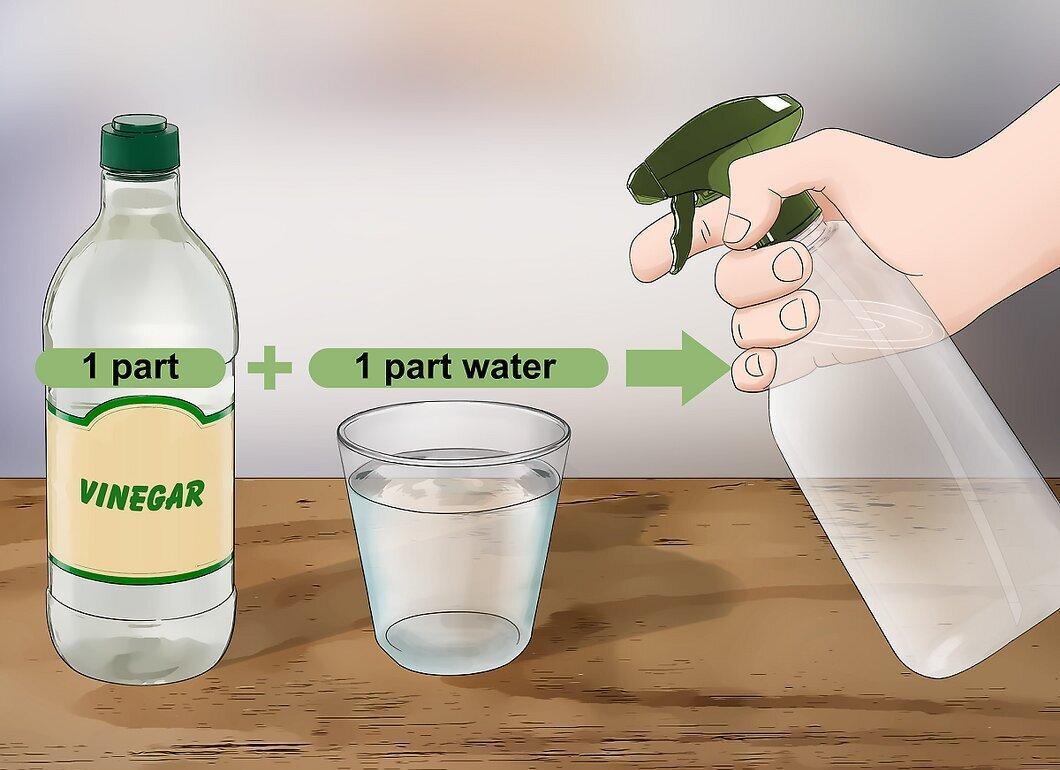
Use white vinegar to spray the ants. Mix equal parts of white vinegar and distilled water in a spray bottle. Spray the solution on the ants as well as on their entry points and trails. This will help eliminate their pheromone trails and deter them from your home.
Step 4. Spray Ants with Lemon Juice.
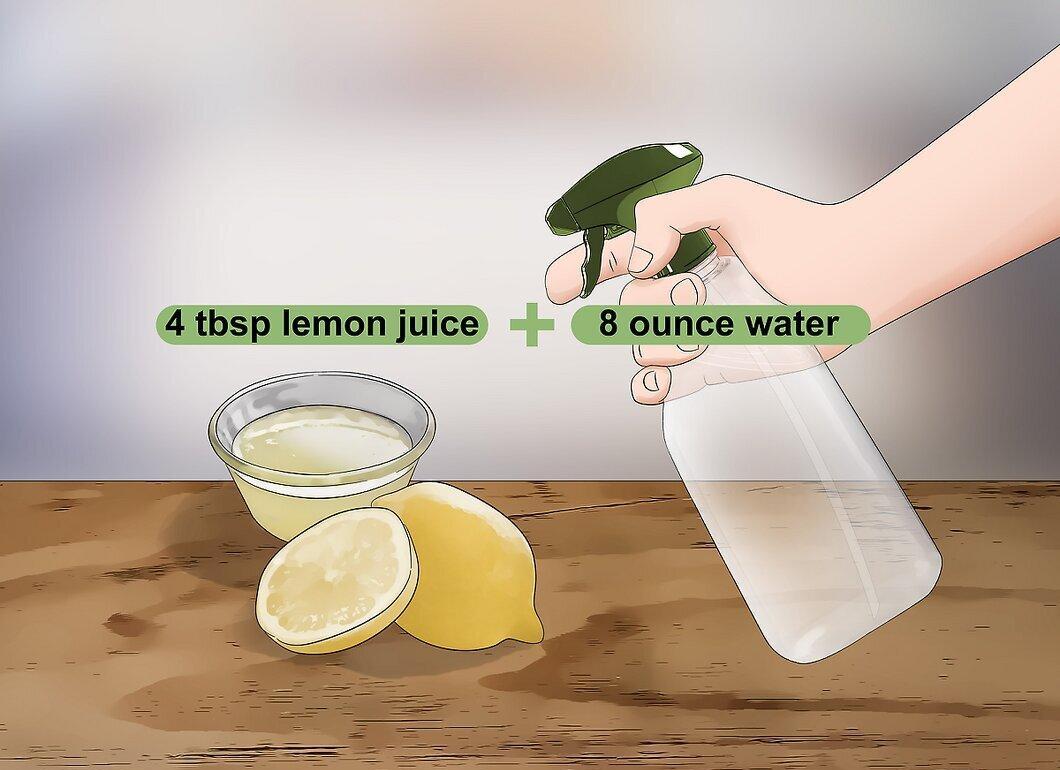
Lemon juice can also assist in fighting ants. The acid in the juice kills ants and disrupts their pheromone trails. Combine 240 ml of water and 60 ml of lemon juice in a spray bottle. Spray the ants and their entry points to get rid of them.
Use Store-Bought Solutions
Step 1. Purchase Ant Bait.
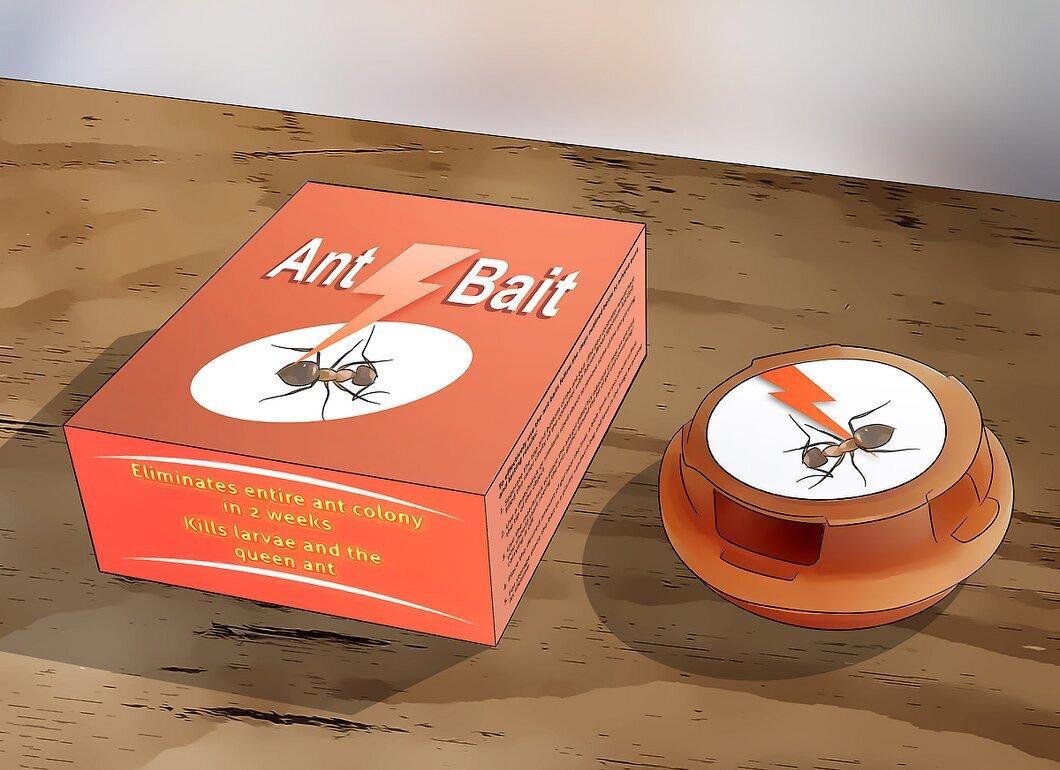
If you decide to use store-bought baits, ensure they are specifically designed for ants. Common ingredients in baits include abamectin, fipronil, sulfluramid, propoxur, and orthoboric acid.
Step 2. Follow Package Instructions.
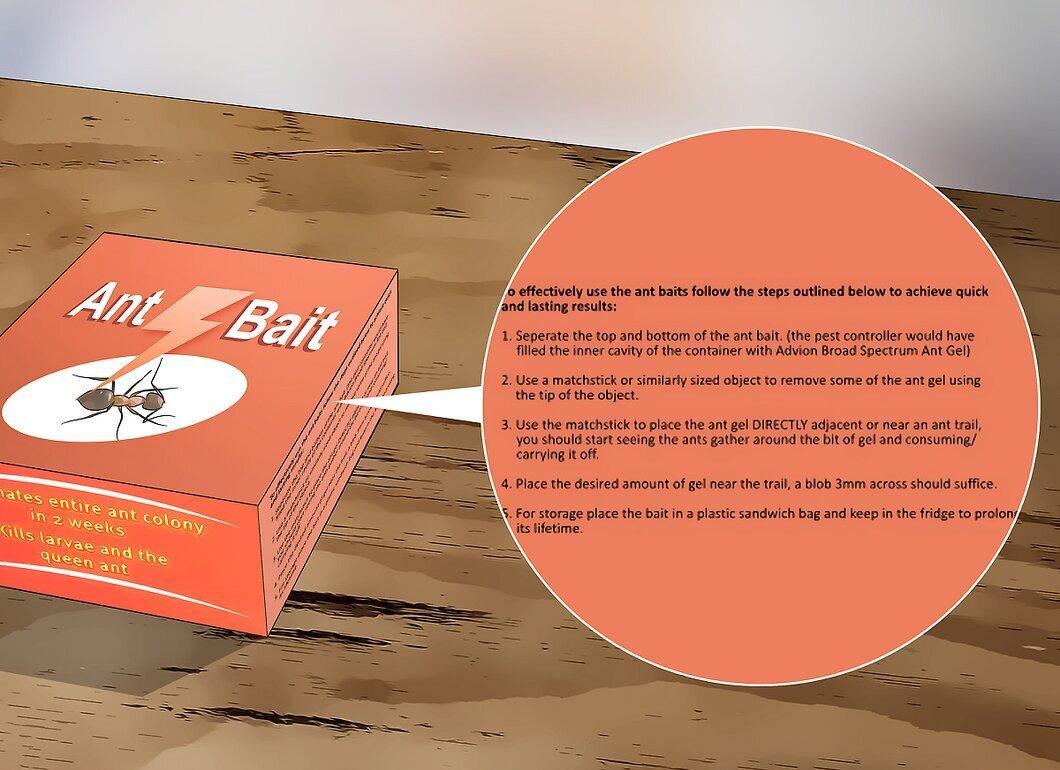
Carefully read the instructions for use. If the package includes safety precautions, such as wearing gloves, be sure to follow them.
Step 3. Remember that Aerosols are Ineffective Against Ant Colonies.
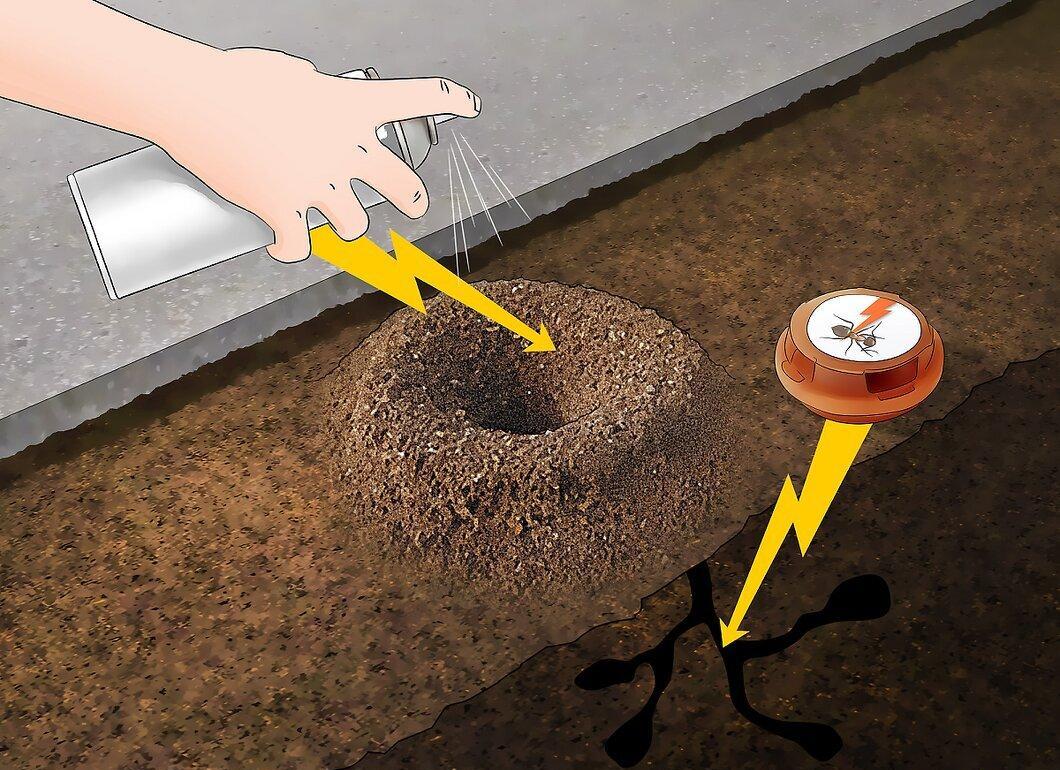
Keep in mind that aerosol sprays do not solve the problem of the ant colony. Baits, whether store-bought or homemade, are the most effective way to combat sugar ants. Aerosols may kill individual ants but do not affect the rest of the colony. If you decide to use an aerosol like permethrin, bifenthrin, or cyfluthrin, ensure it is intended for indoor use.