Effective Ways to Clean Silver Jewelry
Silver is not only a stunning but also a multifunctional metal that adds elegance to your jewelry, cutlery, and tableware. However, unlike many other metals, silver is quite vulnerable and loses its shine quickly, leading to tarnishing and scratches on the surface. Many may find it challenging to clean silver coins or jewelry, but don’t worry: you don’t need professional skills or expensive tools for this.
Cleaning
Step 1. Regular Cleaning
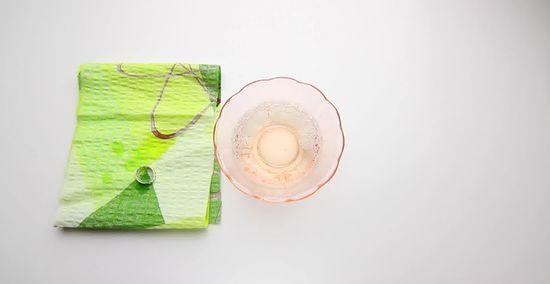
Clean your silver jewelry regularly, especially after wearing it. If you wear silver items often, they tend to tarnish less. As a preventive measure, simply rinse them in warm (not hot) water with a mild phosphate-free detergent.
Step 2. Separate Washing
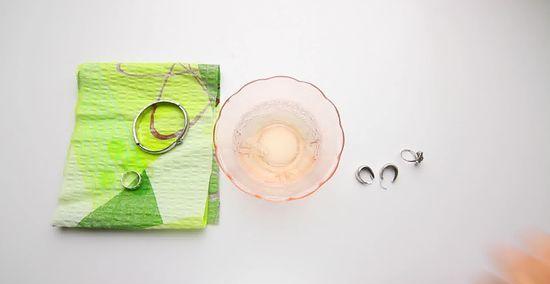
Wash silver separately from other dishes. This will prevent scratches from metal utensils and protect the finish from damage if silver comes into contact with stainless steel.
Step 3. Avoid Rubber Gloves
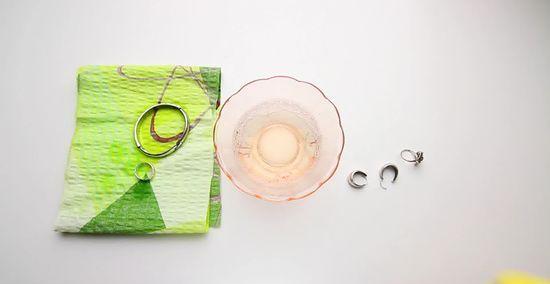
When washing silver, try to avoid using rubber gloves, as rubber can damage the surface of silver jewelry.
Polishing
Step 1. Gentle Cleaning
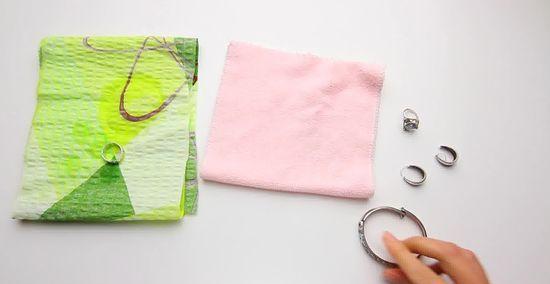
Use a soft cloth to gently wipe the silver, and dry it immediately with a clean towel.
Step 2. Polishing
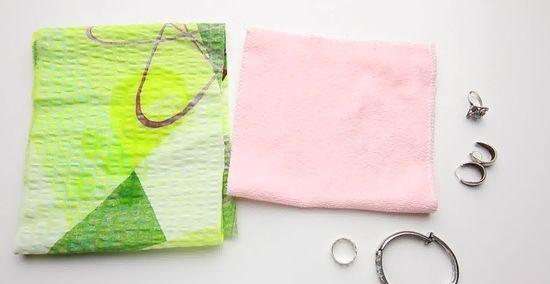
Carefully polish silver items using a soft cotton cloth.
Importance of Cleaning
Step 1. Quick Response
Quick cleaning is especially necessary if your silver jewelry has come into contact with sulfur-containing foods or acidic and salty substances. Such products include table salt, eggs, some fruits, onions, mayonnaise, and vinegar. Be sure to wash your silver items immediately after use or at least rinse them in warm water.
Polishing
Step 1. Polishing Items
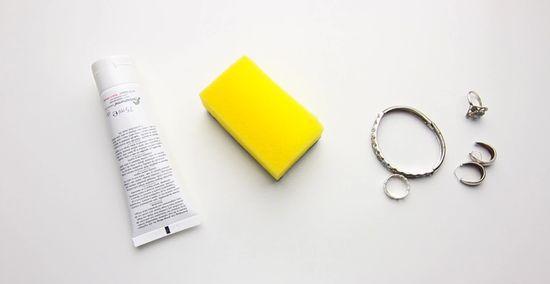
When silver starts to tarnish, simple washing may not be enough. If you have antique or intricate silver items, follow the manufacturer’s instructions for cleaning them.
Step 2. Polish
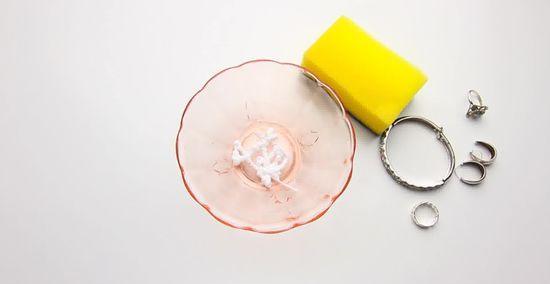
Step 3. Applying Polish
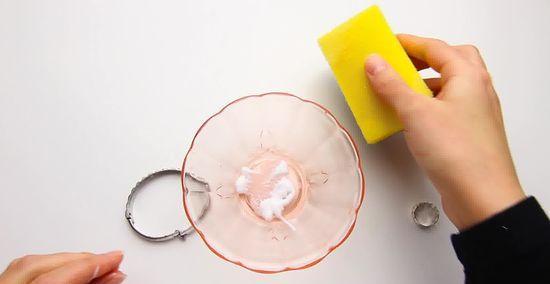
Dampen a soft polishing cloth or sponge with polish and gently rub the silver, following straight lines and avoiding circular motions.
Step 4. Rinsing
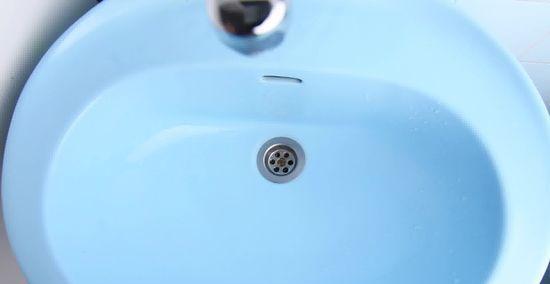
Step 5. Rinse
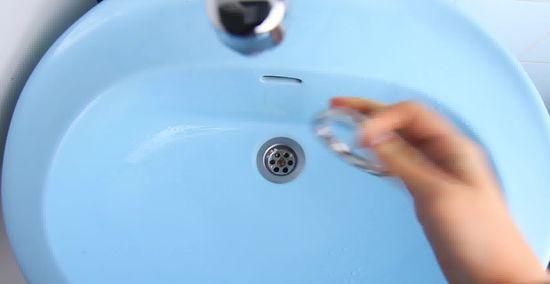
Step 6. Drying
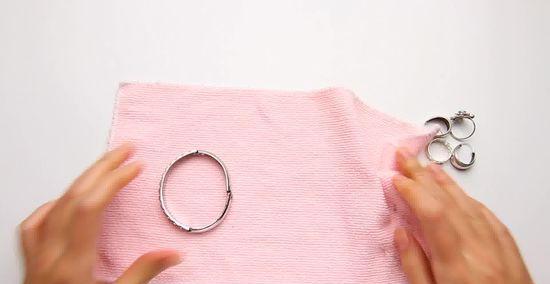
After that, dry the item with a soft cloth. For less valuable pieces, you can use common household products, but do so at your own risk, as they may damage the silver.
Toothpaste
Step 1. Use Toothpaste
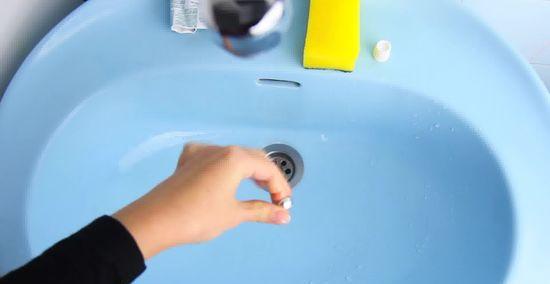
Try a simple white toothpaste without bleaching agents. Apply a small amount of toothpaste to a damp cloth or sponge and gently rub the silver in a back-and-forth motion. If you have a silver coin, you can apply the toothpaste directly to the surface. Be careful: if you notice scratches, stop immediately and rinse off the toothpaste. Once the cloth gets dirty, add new toothpaste to a clean part and continue polishing. Rinse thoroughly in warm water and dry with a soft towel.
Baking Soda
Step 1. Use with Caution
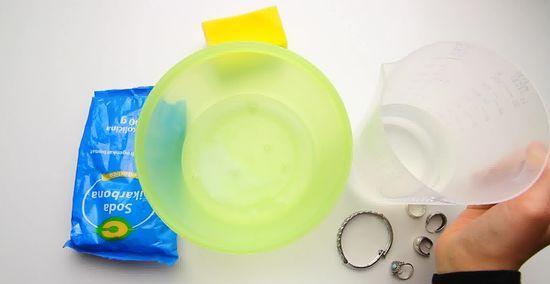
Baking soda can effectively remove tough stains, but use it cautiously to avoid damaging the silver. Make a paste with baking soda and warm water.
Step 2. Polish
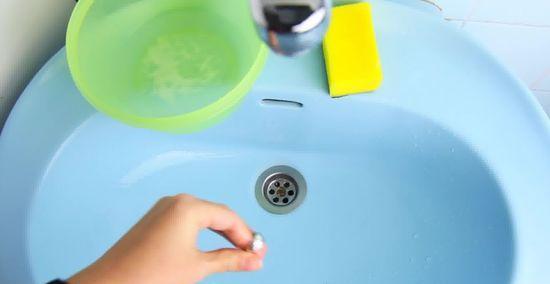
Follow the same recommendations as for toothpaste.
Soaking
Step 1. Prepare a Soak
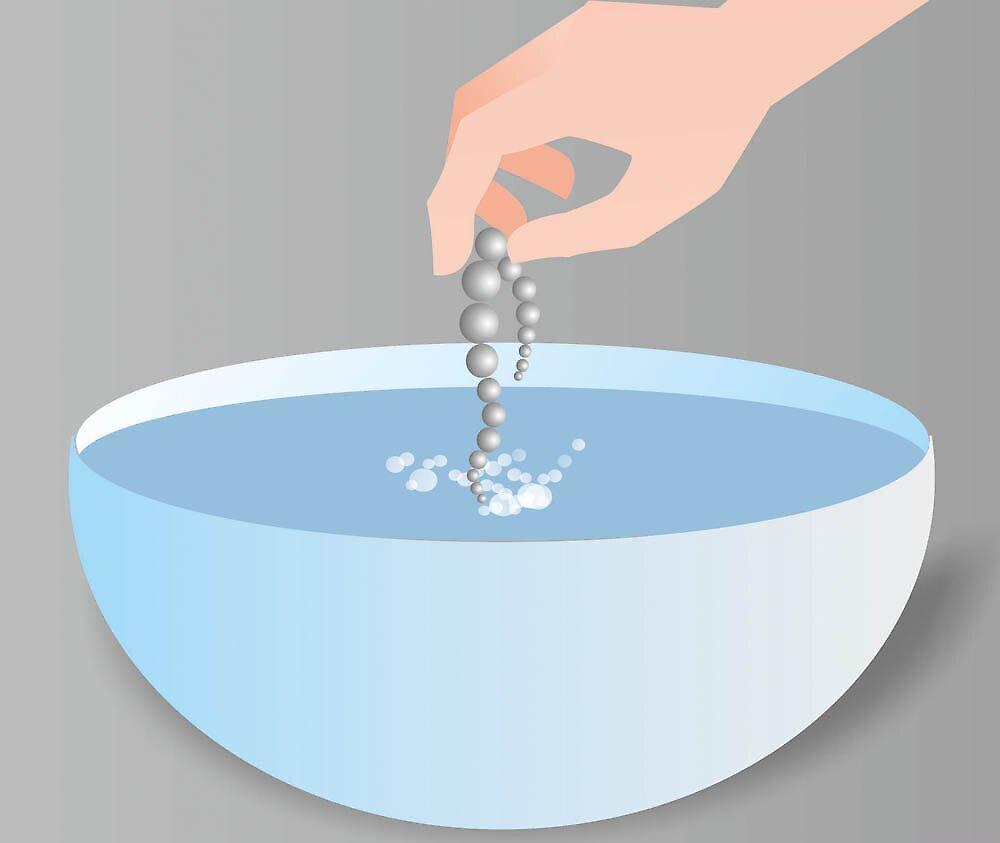
Create a soak for your silver items. Commercial solutions work well for removing tarnish without scrubbing. However, be cautious as they may contain harsh chemicals. You can also prepare a gentle solution at home using electrochemical reactions, but keep in mind that such solutions can harm the silver.
Salt
Step 1. Prepare a Salt Soak
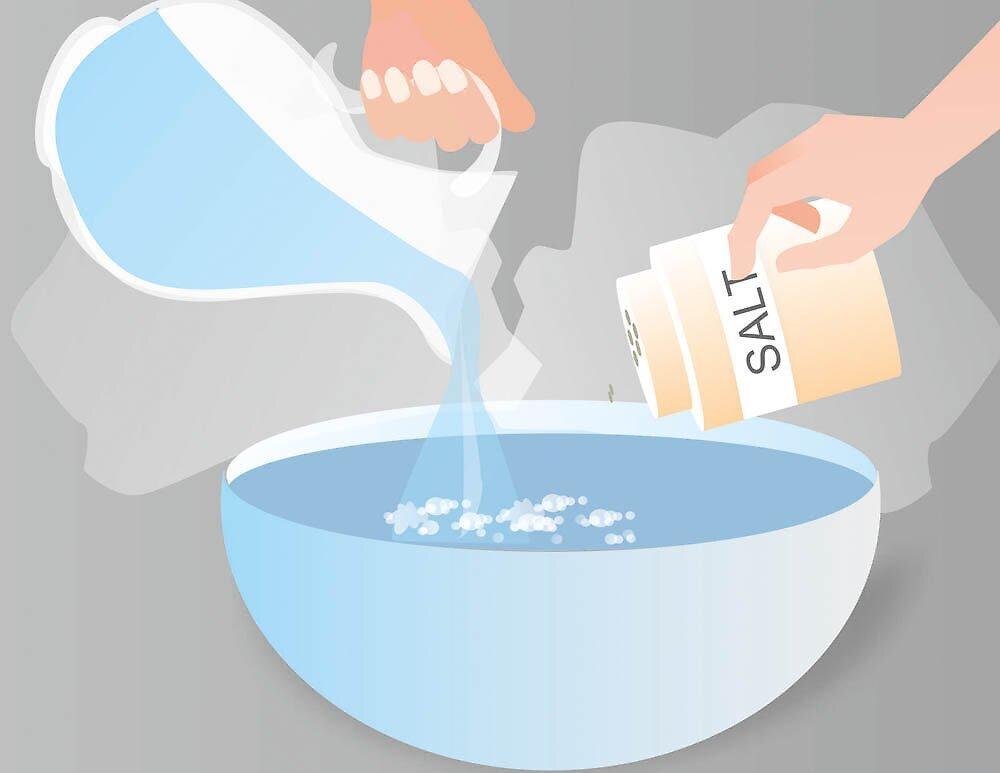
Heat a container of water and dissolve a large amount of table salt in it. Stir constantly to ensure the salt completely dissolves. Use aluminum foil to create a liner in the container, and place the cleaned silver in for a few minutes. This should help restore its shine. If the tarnish is severe, wipe the item with a damp cloth and repeat the process.
Storage
Step 1. Proper Storage
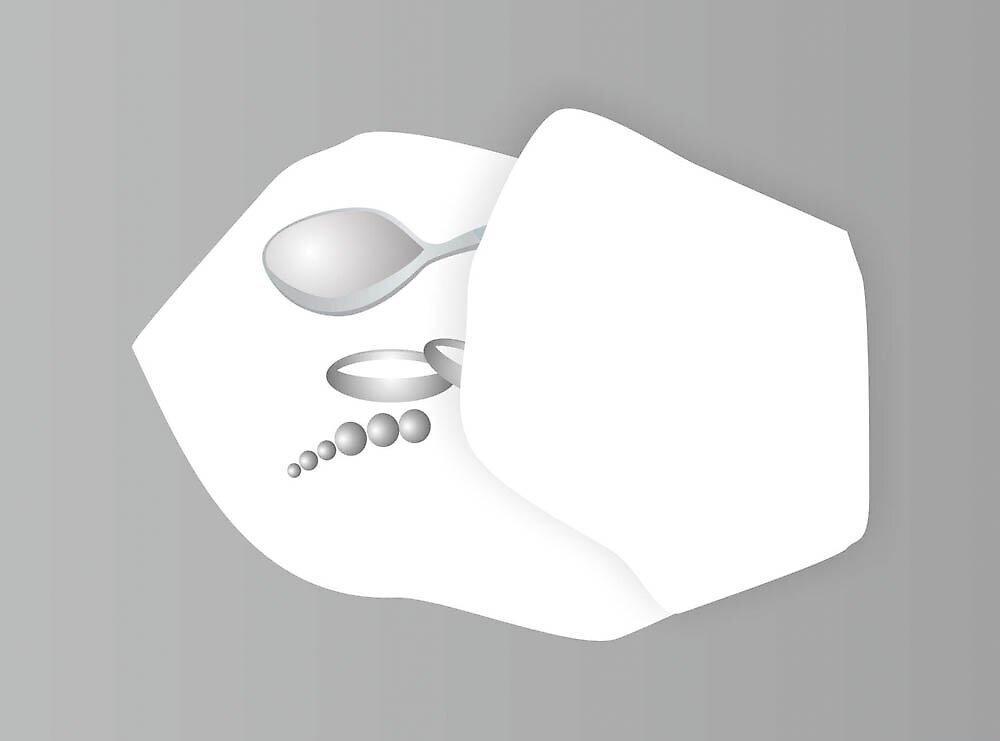
To preserve your silver jewelry, store it properly. Make sure each item is completely dry before putting it away.
Step 2. Wrapping
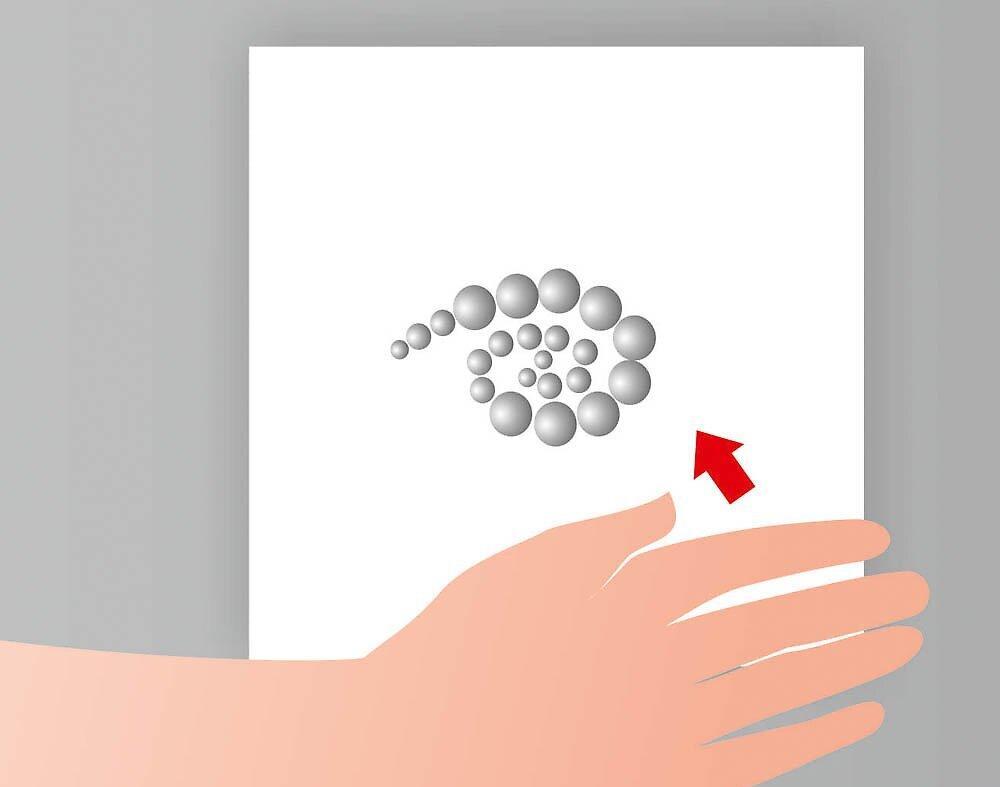
Wrap each silver item in acid-free cloth or anti-tarnish paper. Flannel is also suitable.
Step 3. Sealing
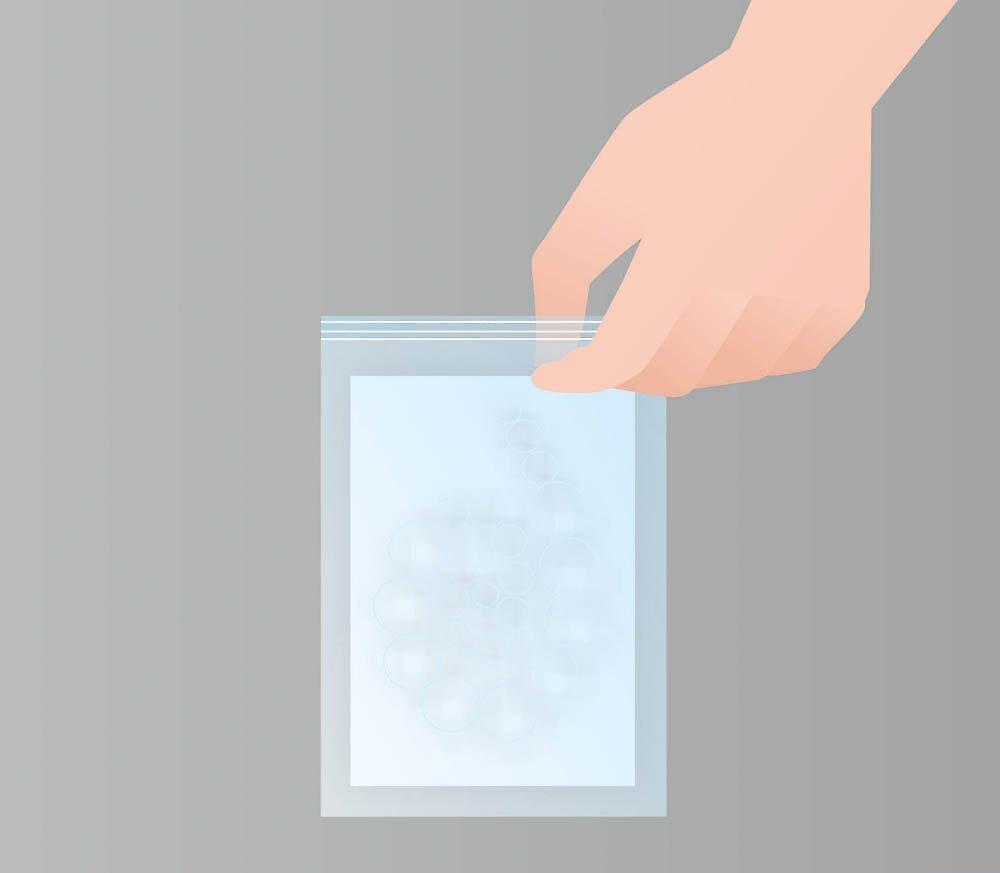
Use a sealed plastic bag to secure the wrapping. If you store silver in a bag or display it, add a silica gel packet to reduce humidity and prevent tarnishing. Avoid storing silver near rubber, stainless steel, or paint.