Mineral deposits can lead to various plumbing issues. Over time, showerheads and faucets may start to function incorrectly. Cleaning a clogged showerhead is quite simple, but it may require soaking it overnight.
Soaking in Vinegar
Step 1. Identify the cause of the clog.
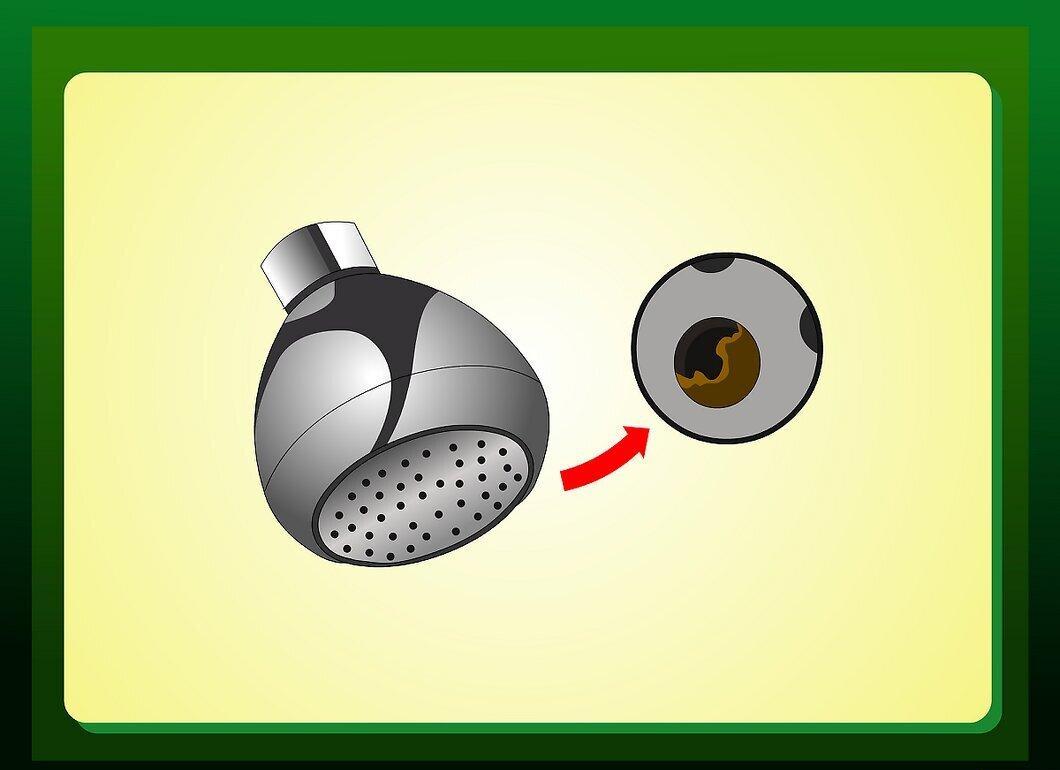
Start by identifying the source of the problem. Mineral deposits accumulate in the mesh and holes of the showerhead, hindering water flow. These deposits usually consist of hardened residue and other solid particles.
Step 2. Unscrew the nut securing the showerhead to the mount.
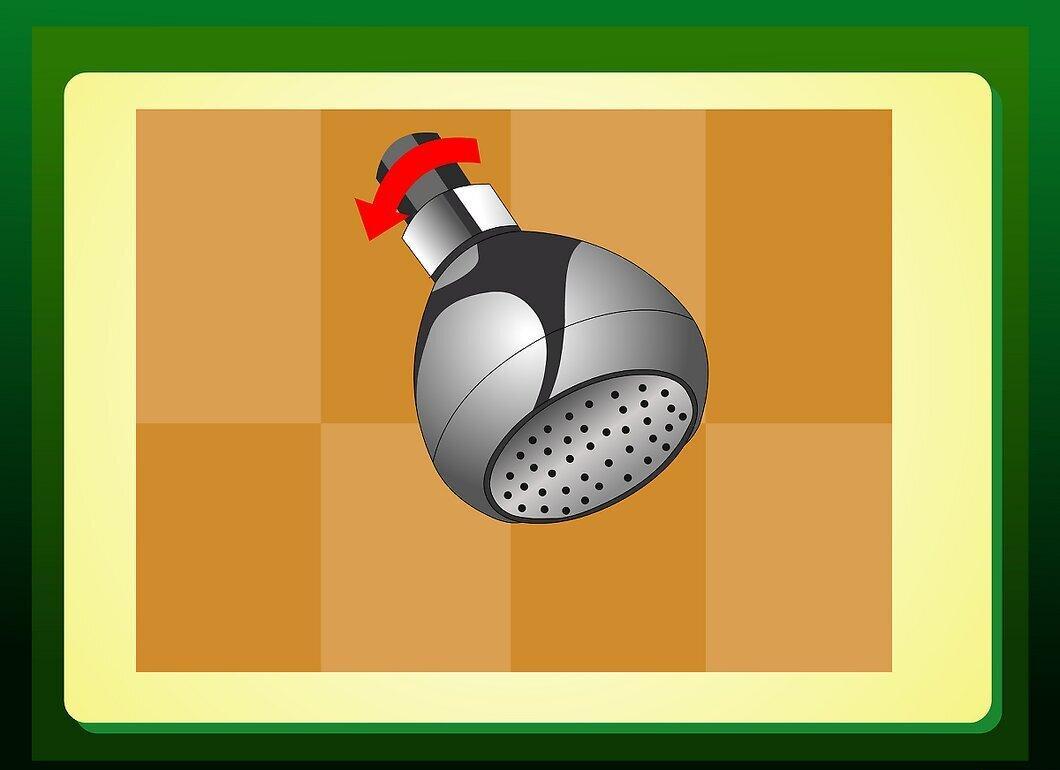
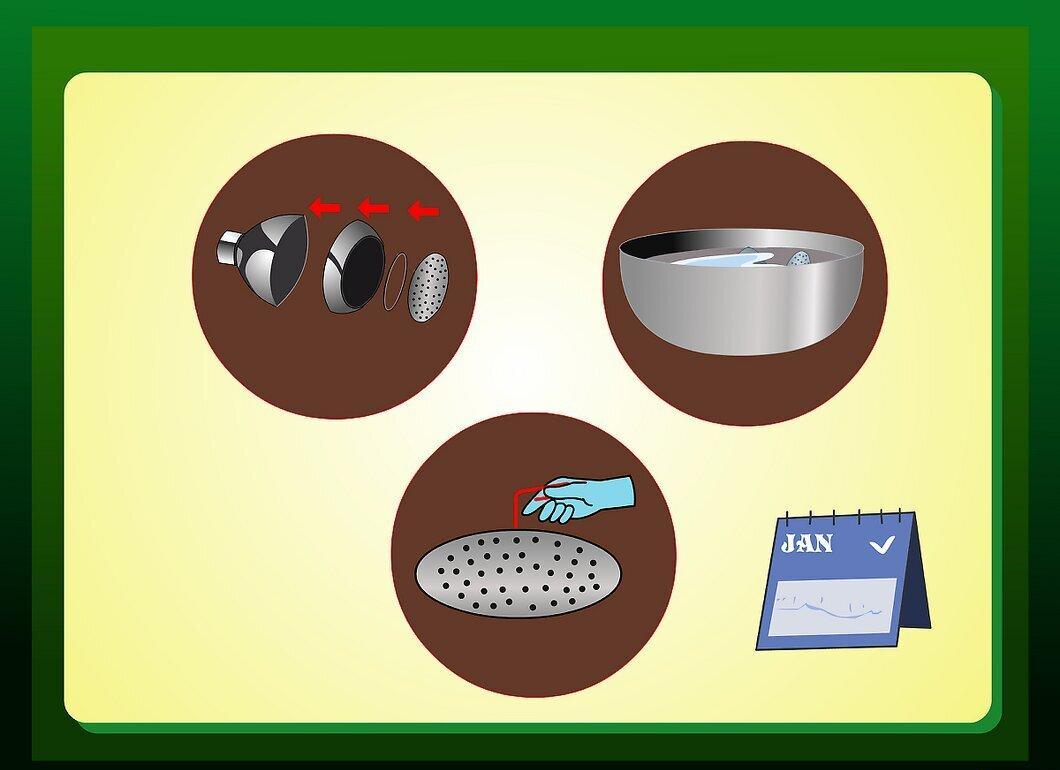
Unscrew the nut that holds the showerhead in place. Then, carefully remove the showerhead. The internal parts of the showerhead can be easily detached, but you will need a wrench to remove the showerhead from the pipe.
Step 3. Remember the assembly order before disassembly.
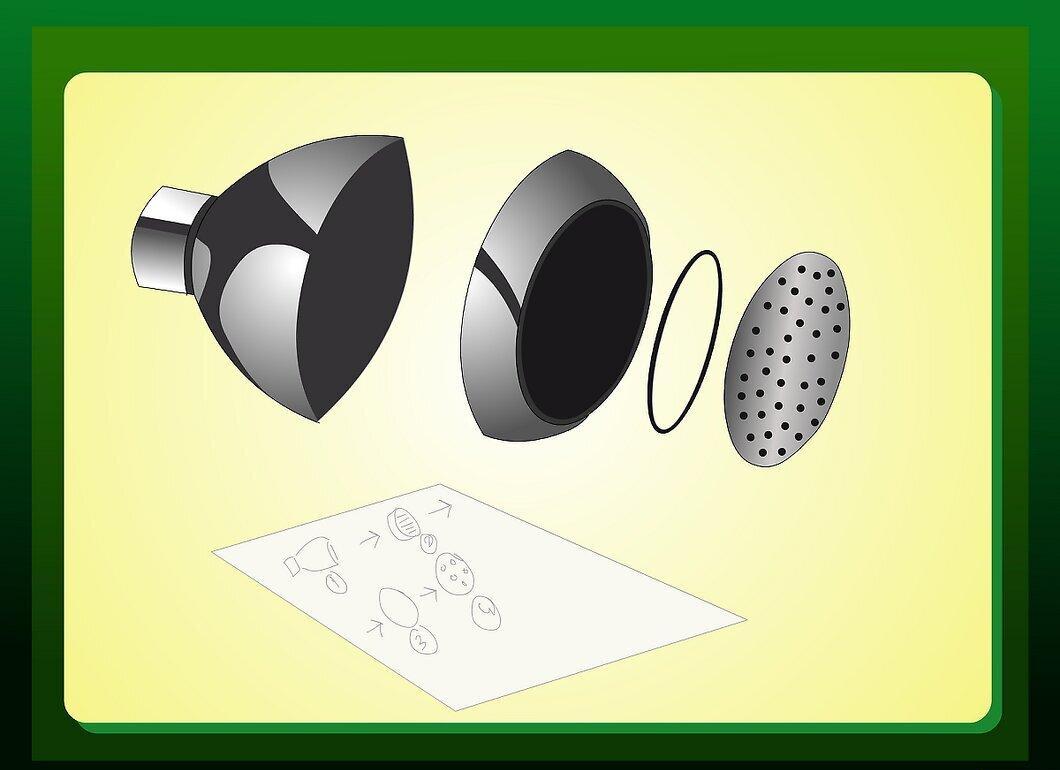
Before disassembling the showerhead, take a moment to remember how it was assembled. This will help you reassemble it correctly after cleaning. The washer needs to be positioned correctly, so don’t forget its original placement. You may draw a diagram or take a picture of the parts to retain this information.
Step 4. Soak the parts in white vinegar or a descaling solution.
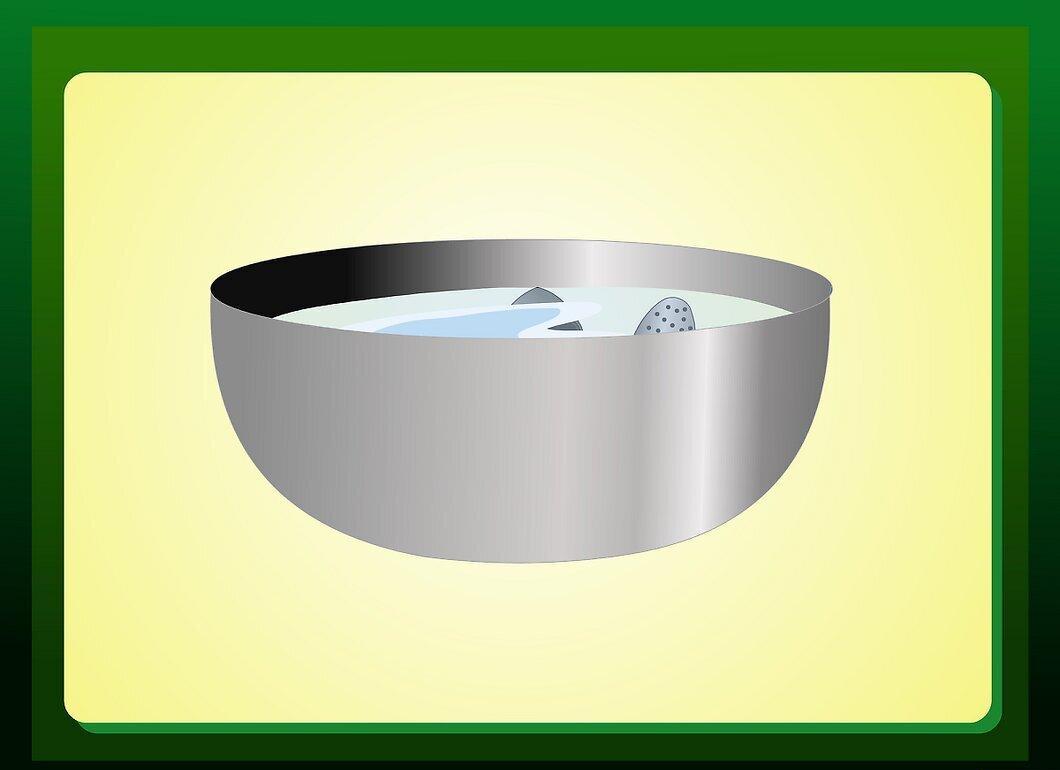
Place the disassembled parts in white vinegar or a descaling solution. If you notice significant buildup, heat the vinegar in the microwave until it is hot. The cleaning process may take 5-6 hours, so plan it for a time when the shower is not needed. Most of the buildup should dissolve, but there may be some residue left on the mesh and in small holes.
Step 5. If any dirt remains after soaking, use a wire brush or a straightened paperclip.
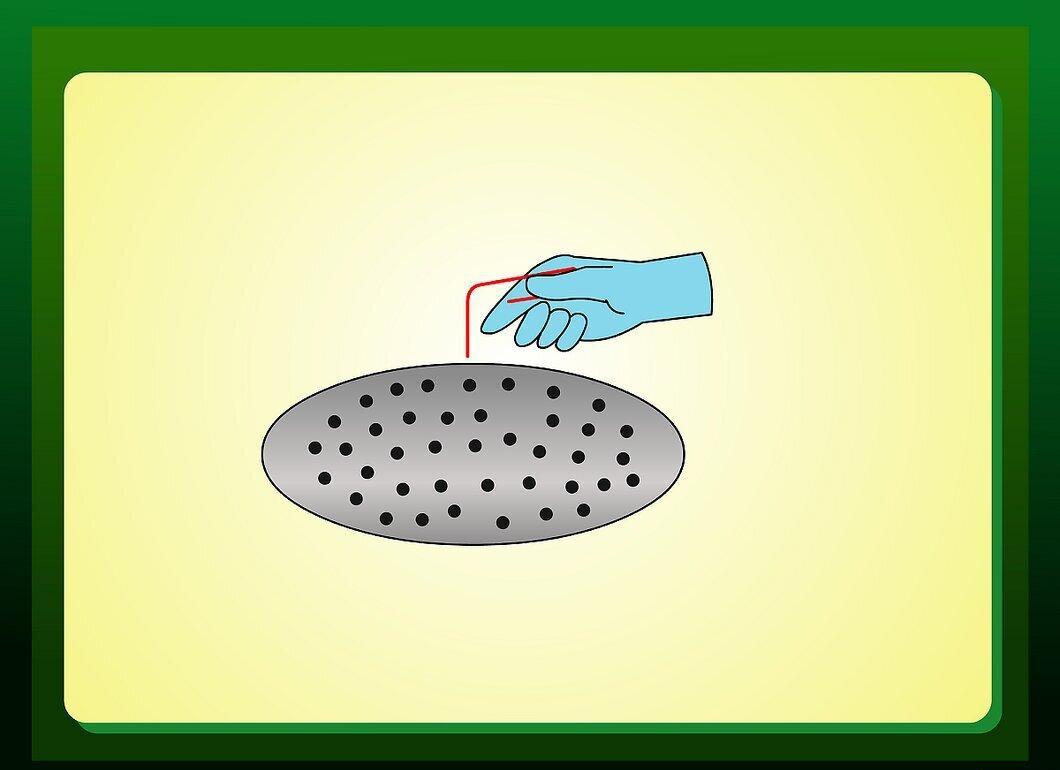
If some areas are still dirty after soaking, clean them with a small wire brush or a straightened paperclip. Afterward, soak the parts again for a few minutes and rinse thoroughly.
Step 6. Reassemble the showerhead using your diagram.
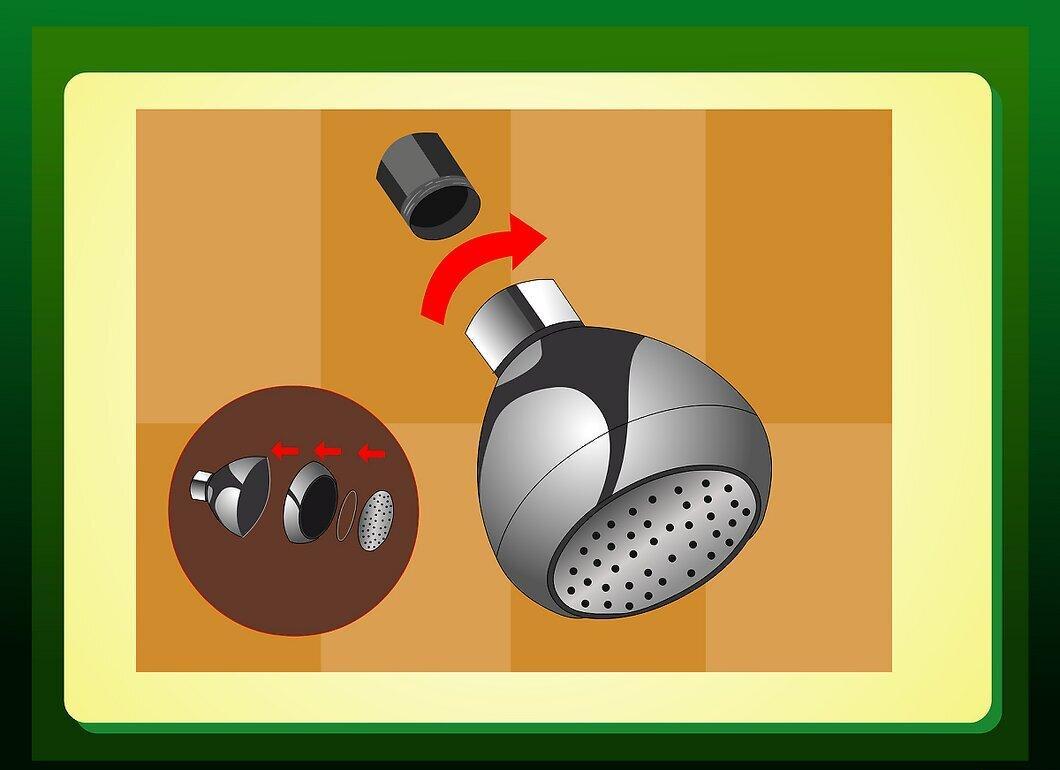
Reassemble the showerhead by referring to your diagram. Apply silicone grease to the threads. Turn on the water and check for leaks. To ensure a free flow of water through the showerhead, it is recommended to perform this cleaning at least once a year. This method is also suitable for faucets, toilets, and refrigerator water dispensers. If you cannot fully submerge the object in vinegar, dampen a cloth with vinegar and wrap it around the clogged element.
Boiling in Vinegar
Step 1. Unscrew the showerhead from the shower hose.
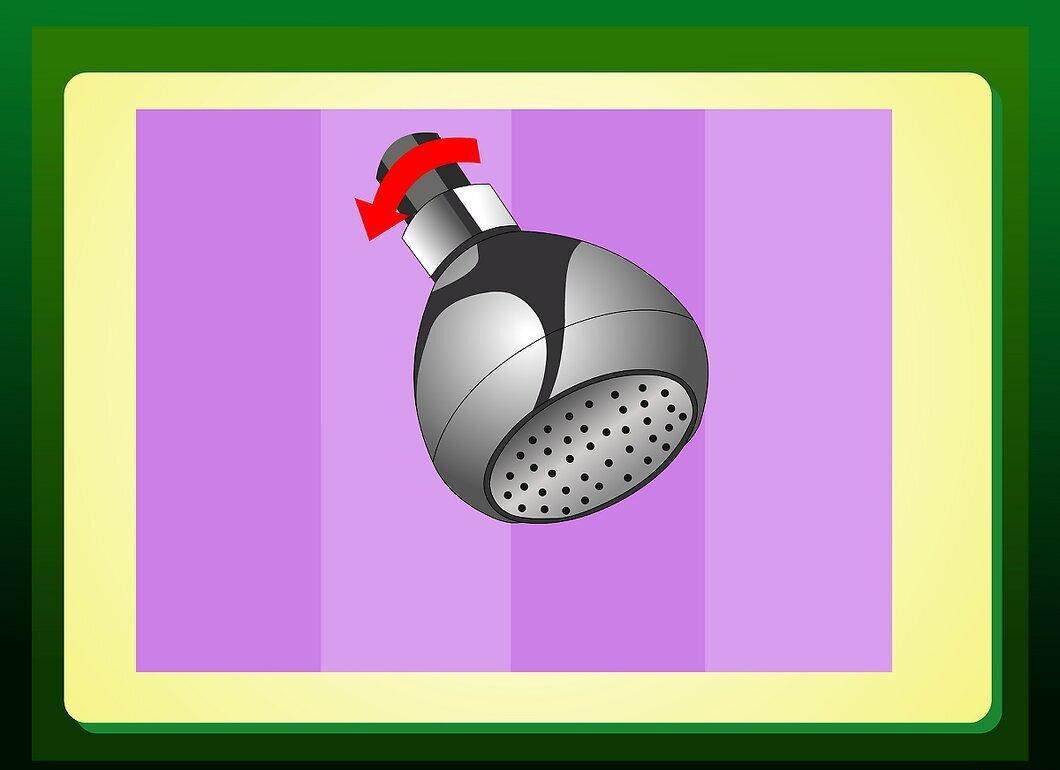
Unscrew the showerhead from the shower hose. If the showerhead easily disassembles, you can remove it along with the hose. (For additional information on the removal process, refer to the first method).
Step 2. Prepare a large pot with a 1:1 solution of water and vinegar.
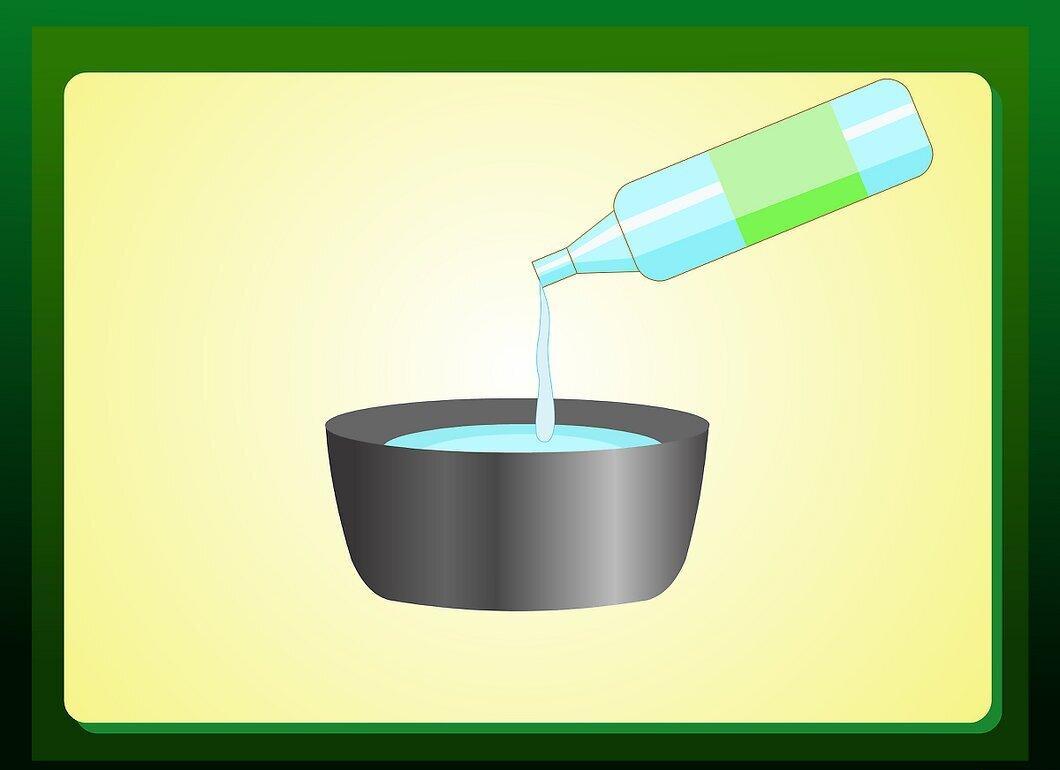
Take a large pot and fill it with a solution of water and vinegar in a 1:1 ratio. If the buildup is particularly stubborn, you can add more vinegar.
Step 3. Bring the solution to a boil and immerse the showerhead in it.
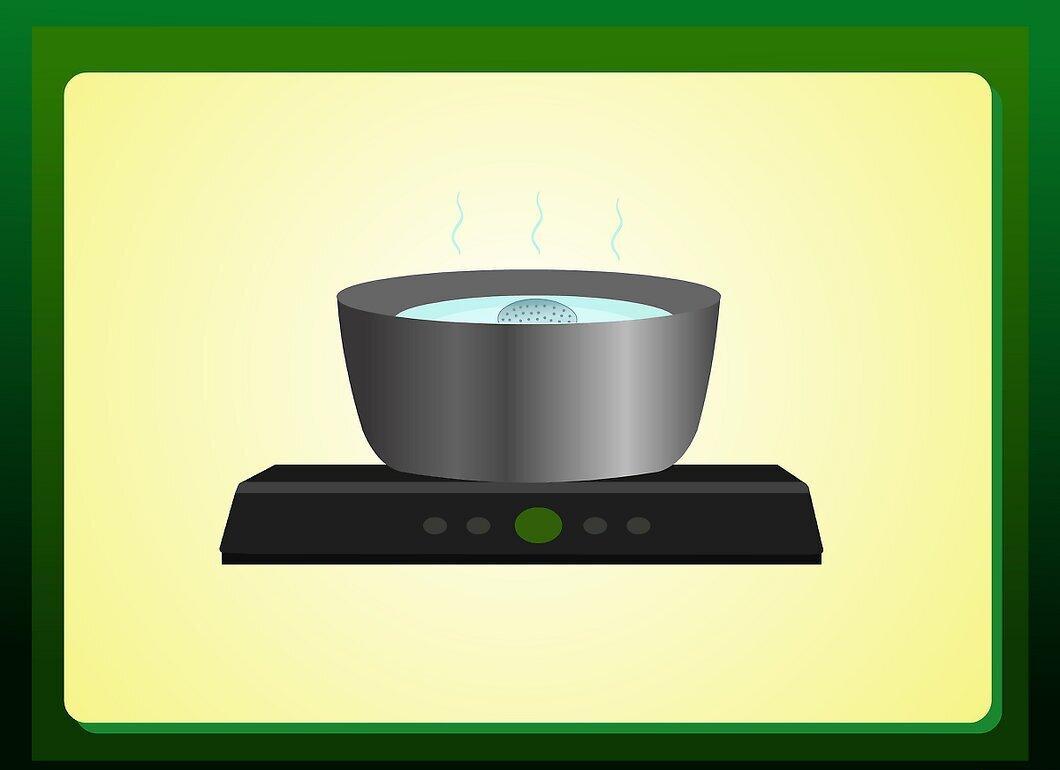
Bring the solution to a boil and carefully place the showerhead in it. Ensure that all dirty parts are fully submerged in the solution.
Step 4. Boil for 10-15 minutes.
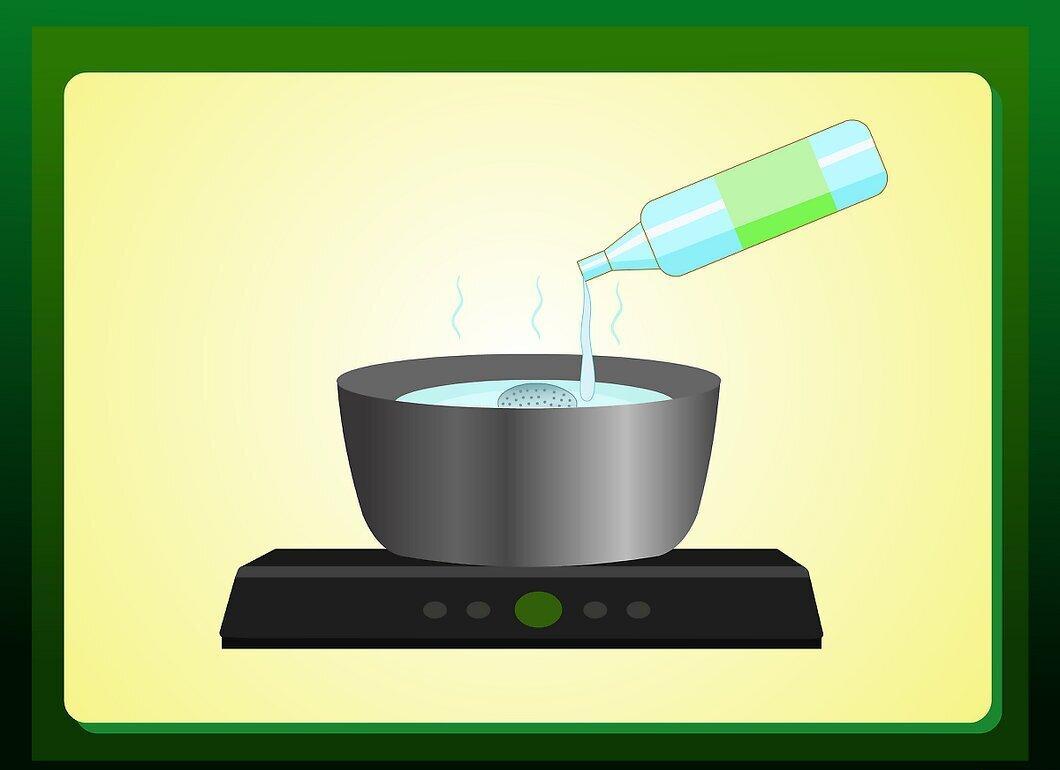
Boil the showerhead for 10 to 15 minutes. In some cases, longer boiling may be necessary; however, considering we are working with plastic, it’s better not to exceed 20 minutes. You can also periodically remove the showerhead from the pot to prevent overheating.
Step 5. Rinse the showerhead with cold water and reinstall it.
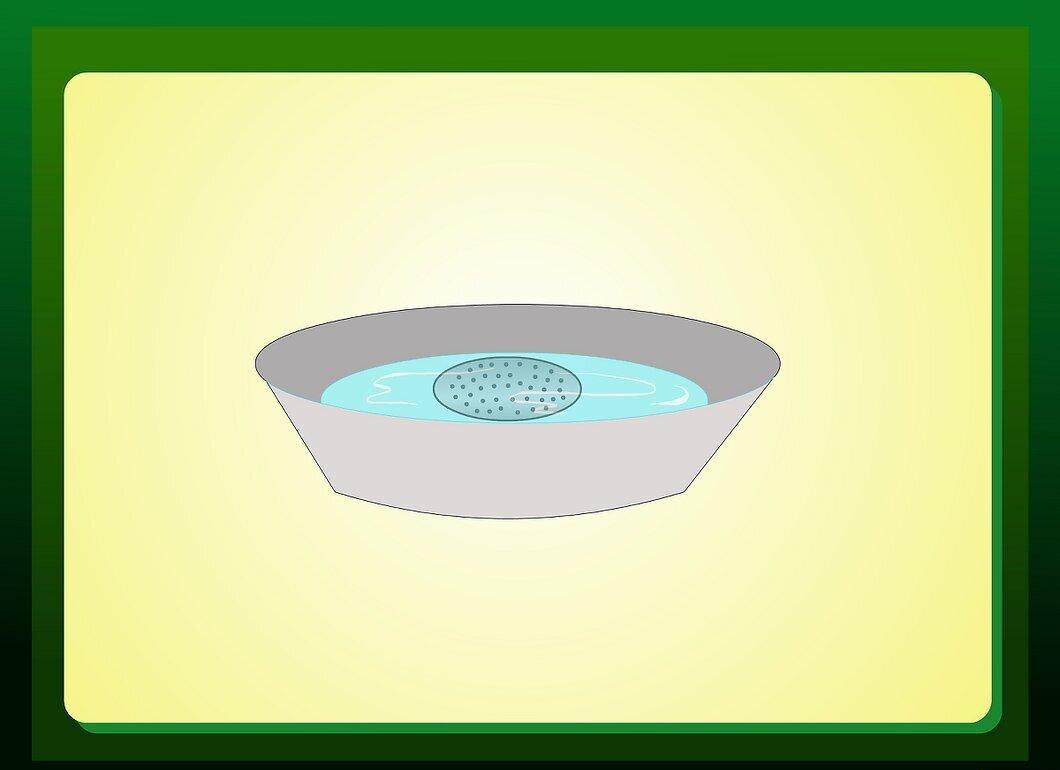
Step 6. Regularly clean the showerhead.