Are you fed up with black algae in your pool? These algae are known to be the most stubborn of all types. Follow our recommendations, and your pool will be sparkling clean in no time.
Part 1
Step 1. Check the Water Conditions.
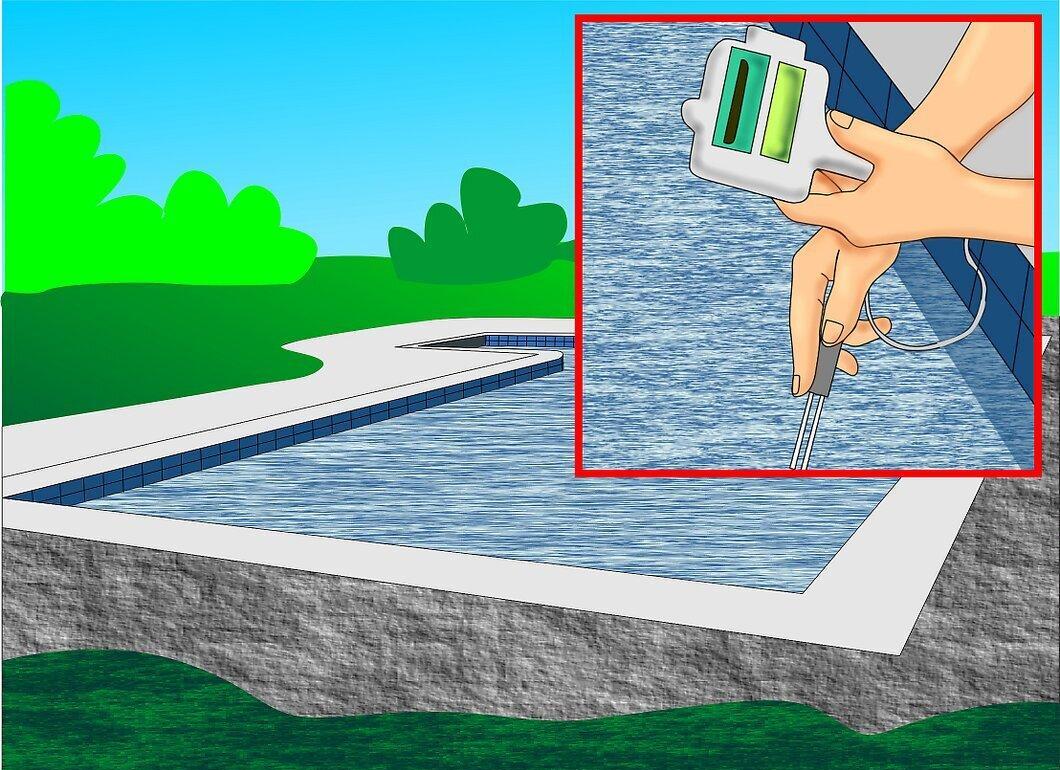
The first thing you need to do is check the water conditions in your pool. The main reason for the appearance of black algae is a lack of chlorine. To prevent their growth, you should check the water quality daily, regardless of the situation. Check the chlorine level, pH, alkalinity, calcium hardness, and stabilizer. A small amount of water and a home testing kit will suffice. We recommend taking a water sample to your nearest pool store for a professional analysis. Most reputable stores offer free water testing.
Step 2. Adjust the Water Chemistry.
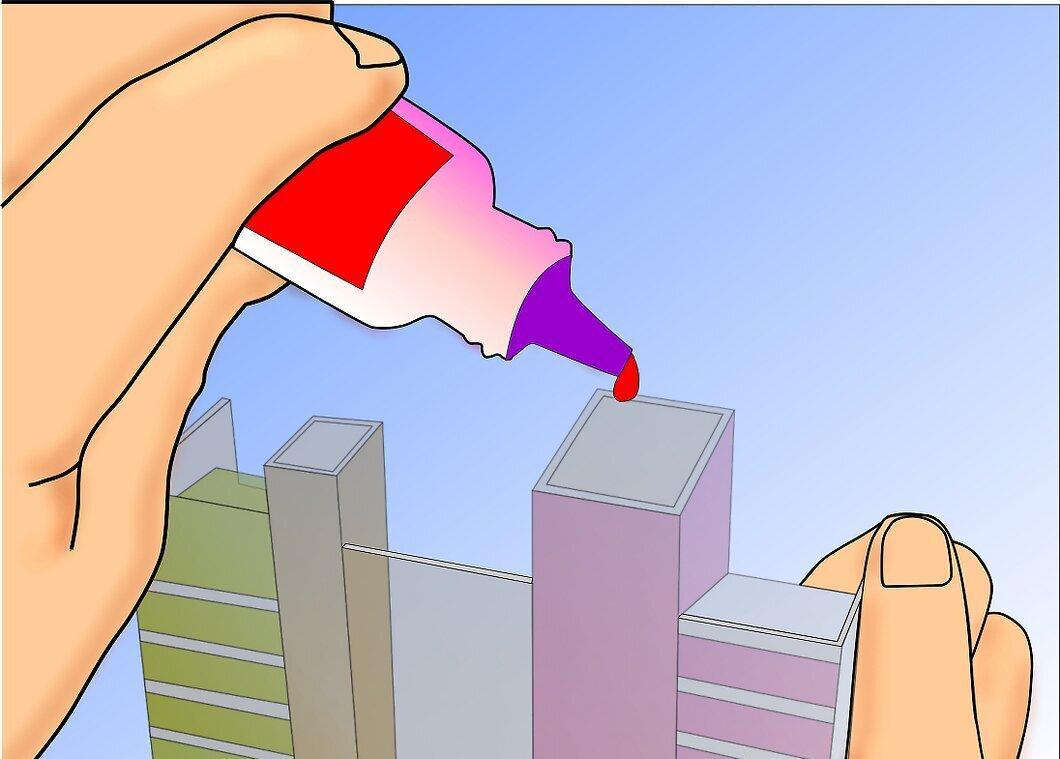
Once you receive the test results, adjust the chemical parameters of the water. This depends on the surface type of your pool, but aim for the following values: chlorine 2.0-4.0, pH 7.4-7.8, total alkalinity 80-120, calcium hardness 200-500, stabilizer 50-80.
Step 3. Use Algaecide.
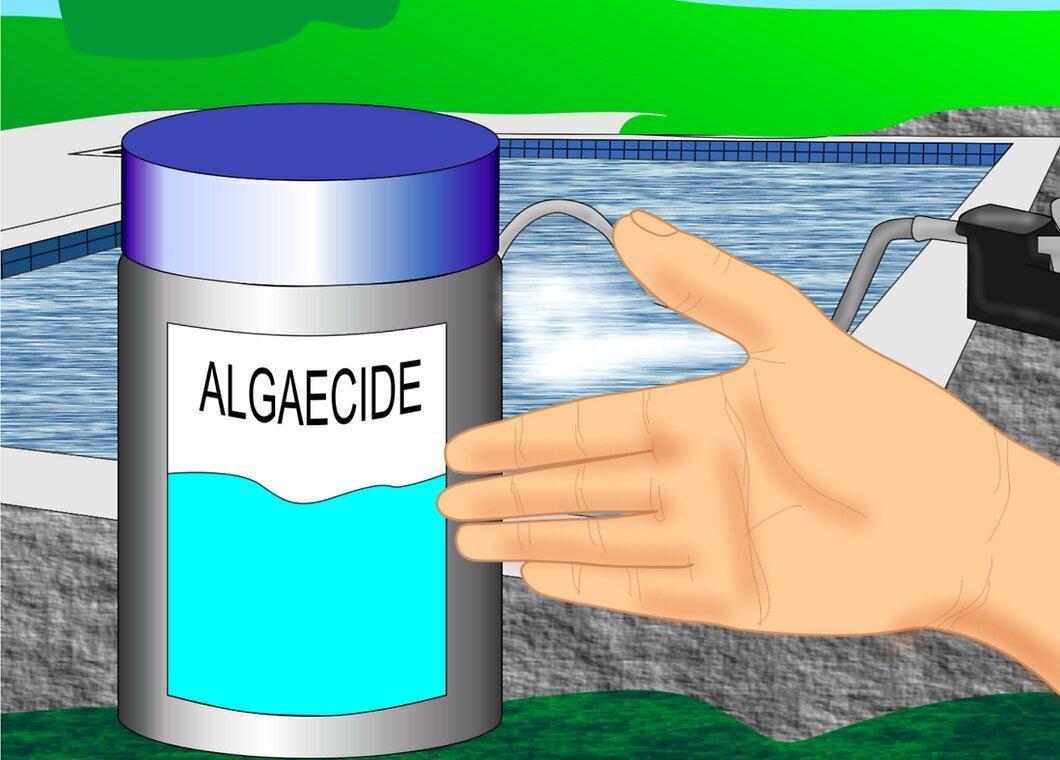
Adding algaecide is an essential step, as black algae are highly resistant to chlorine. Algaecides are specifically designed to kill and prevent the growth of algae. We recommend maintaining algaecide in the water consistently. If you haven’t used algaecide yet, add it as soon as possible. Opt for copper-based algaecides, as they are the most effective. Pour it directly onto the affected areas.
Step 4. Shock the Pool.
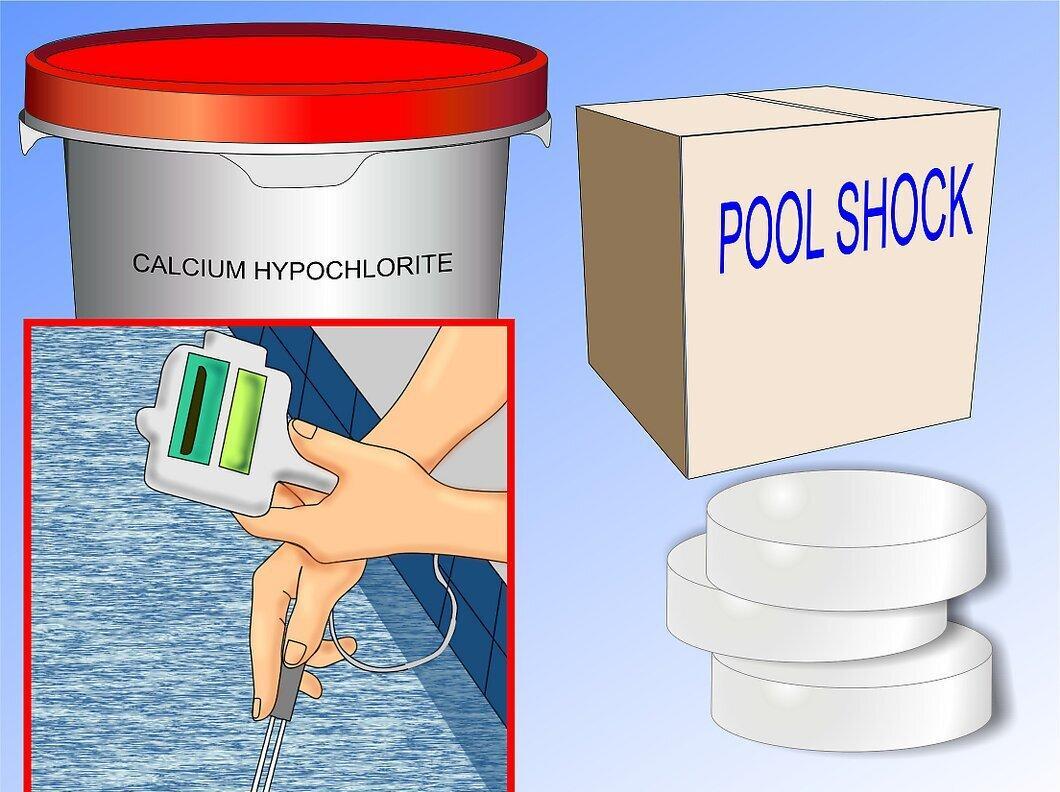
When shocking the pool, use only calcium hypochlorite or sodium hypochlorite. These substances contain only pure chlorine. Measure the volume of your pool and follow the manufacturer’s instructions for effective application. It’s also a good idea to add a shock dose to the areas with the highest concentration of algae.
Step 5. Clean the Pool Walls.
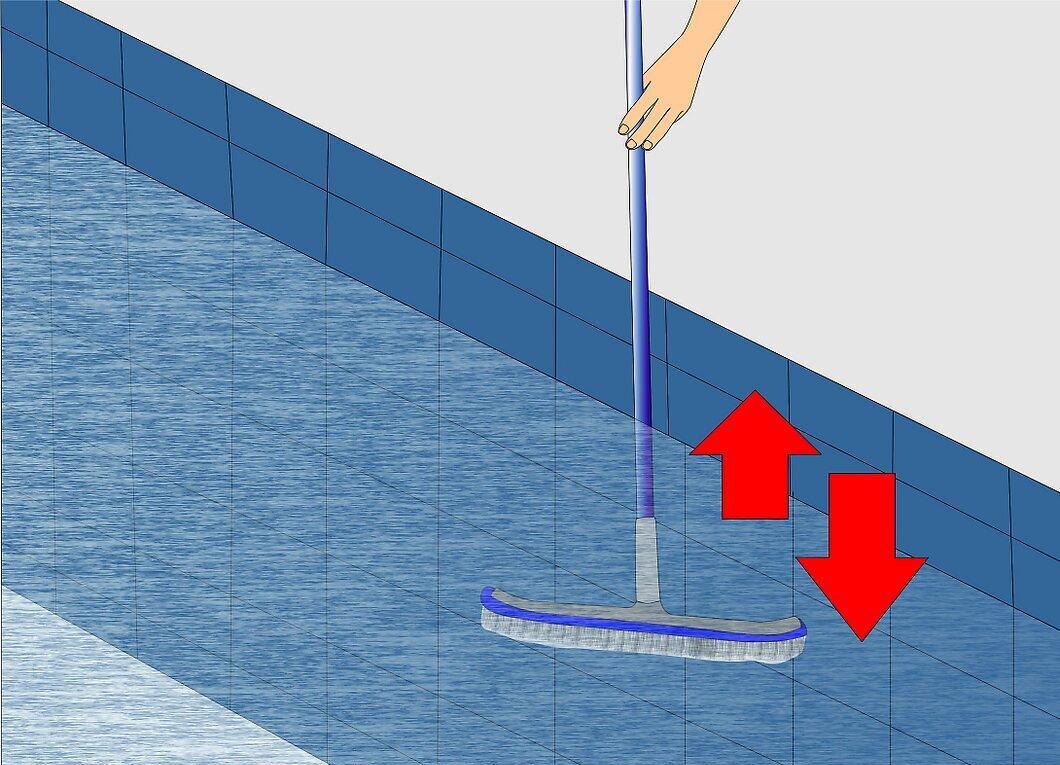
It’s important to thoroughly clean the walls, as black algae create a protective barrier. Use a stiff brush to scrub the affected areas so that the chemicals (chlorine and algaecide) can take effect.
Step 6. Improve Water Circulation.
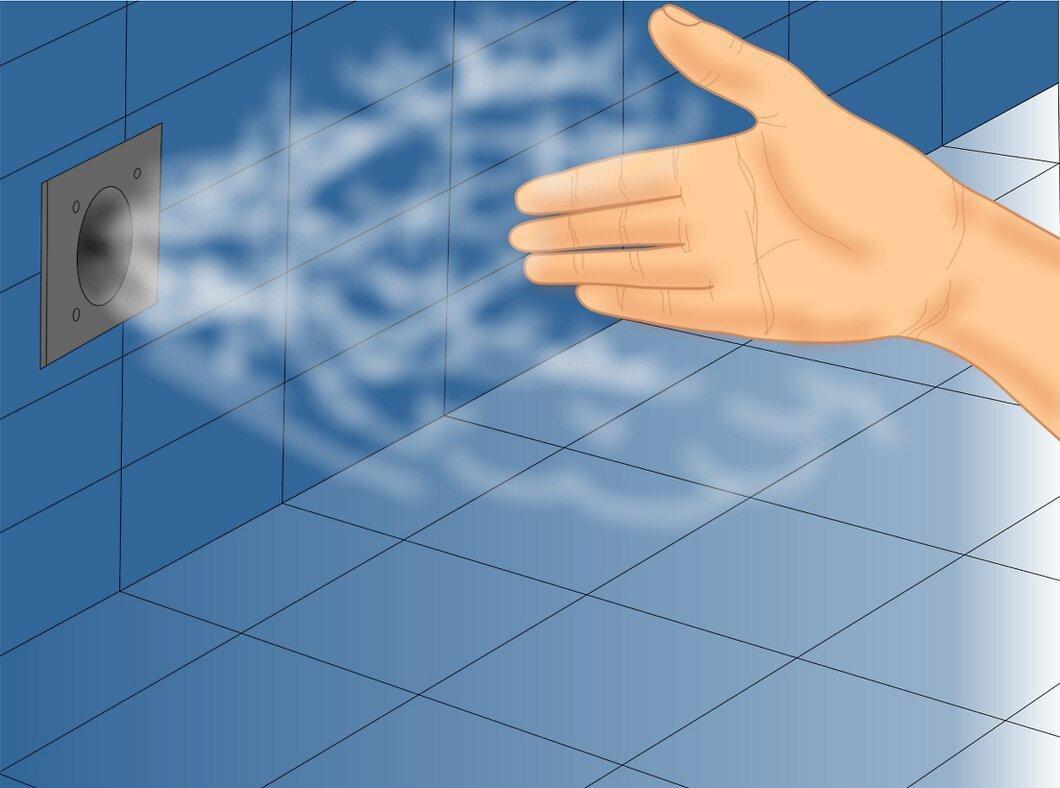
Black algae often appear in areas with poor circulation. Try to direct the water jets to ensure maximum circulation. The best approach is to create a whirlpool effect in the pool.
Step 7. Apply Chlorine Directly to the Algae.
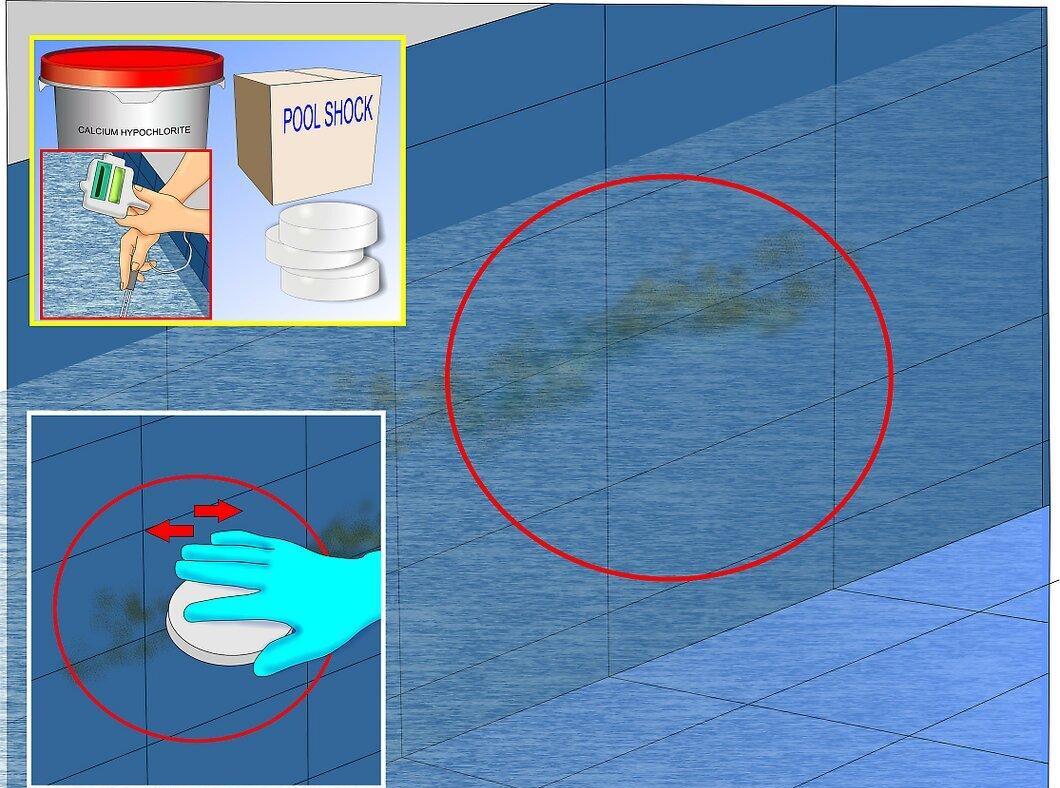
As mentioned earlier, black algae form a protective layer around themselves. Regularly remove the top layer of algae and add chlorine as needed. You can also sprinkle chlorine granules directly onto the affected areas and leave them. They will effectively eliminate the black spots. Alternatively, rub chlorine tablets into the areas after brushing them clean. Don’t forget to wear gloves!
Step 8. Repeat the Process.
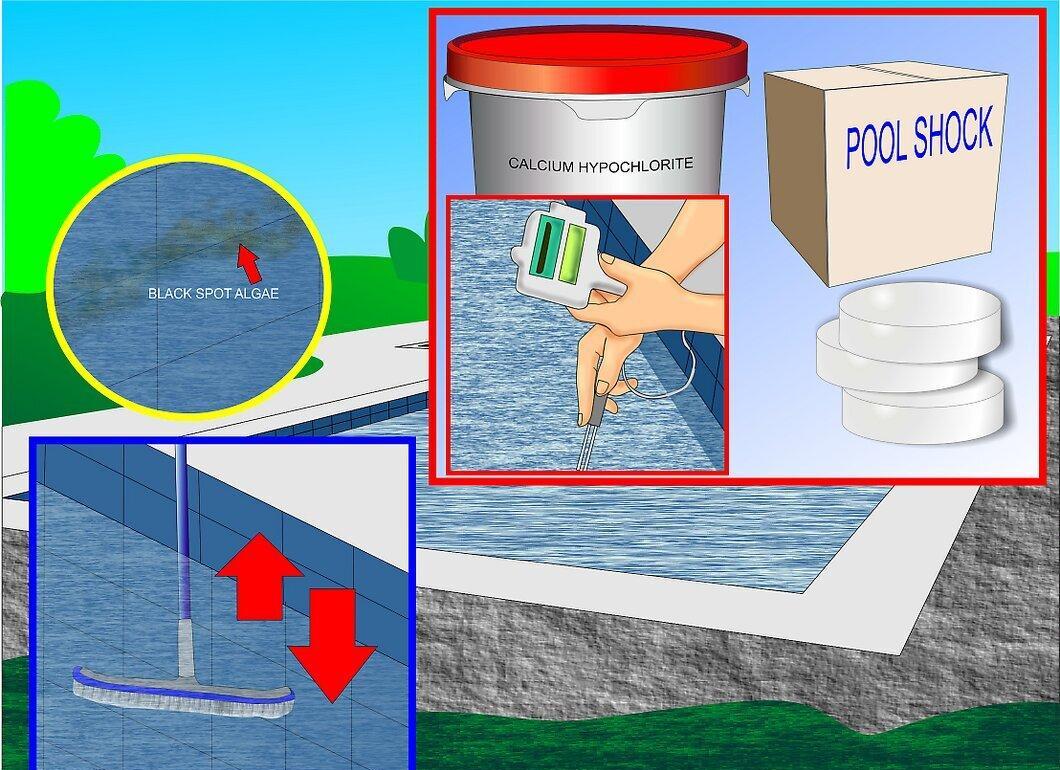
Continue testing and improving the water, removing black spots, and adding chlorine as close to them as possible. In the end, you will triumph over the algae! Don’t worry if they reappear; their growth rate depends on the conditions. The right balance and regular cleaning are your best measures in combating them.