Fungal infections on lawns can present themselves in various forms: brown and gray patches, red streaks, as well as orange-red powder. To stop the spread of these diseases and prevent total lawn destruction, it’s important to act quickly and effectively. After eliminating the fungus, focus on improving soil drainage and ensuring better air circulation. The best way to combat fungi is to prevent their appearance, which can be achieved through both chemical and organic fungicides.
Part 1
Step 1. Water your lawn wisely.

Moderate watering is key to your lawn's health. On average, a lawn needs 2.54 cm of water per week to stay in good condition. Most lawn fungal diseases, such as Rhizoctonia and Phytophthora, thrive in moist environments. Remember that drought stress can also lead to powdery mildew and rust.
- Water your lawn early in the morning, allowing the grass to absorb moisture and dry by noon.
Step 2. Prevent the spread of fungal infections.

Preventing the spread of fungal infections across the lawn is crucial. Some that appear as spots can quickly take over the entire area. Avoid walking on affected areas and be sure to wash gardening tools after use, especially if they have contacted infected spots.
Step 3. Fertilize your lawn.

Ensure your lawn receives enough fertilizer. A lack of nitrogen and potassium makes grass vulnerable to fungal diseases that are difficult to manage later. Fertilization is as essential for the lawn as vitamin C is for humans in cold weather. Choosing the right fertilizers can help combat rust and powdery mildew.
- However, be cautious: too much fertilizer can harm your lawn. Apply according to the instructions on the package.
- Consider using fertilizers with low nitrogen content and slow release to help prevent gray mold. Grass lacking nitrogen is more susceptible to fungal diseases, but excess nitrogen can weaken its defenses.
Step 4. Mow regularly to maintain grass health.

Timely mowing will help keep your lawn in top shape. Set the mower blade to the highest setting and avoid cutting more than one-third of the grass height at one time. Dense, tall grass is better equipped to resist fungal diseases.
- Ensure the mower blade is sharp and clean. A dull blade can damage the grass, while a dirty one can spread diseases.
- Mow the grass slightly shorter before snowfall. Short grass in warm weather can easily become infected, while taller grass retains moisture during cold months, which may lead to gray mold.
Step 5. Don’t rush into action.

Don't rush to solve problems. Many fungal diseases can resolve themselves with proper lawn care. If temperatures drop to 4°C, gray mold will disappear, especially with a subsequent rise in temperature. Rust fungi will also vanish in the summer when heat dries them out. Such diseases don’t require immediate lawn destruction.
Step 6. Rake leaves in the fall.

Collect leaves on the lawn in the fall. A thick layer of leaves can trigger gray mold. Remove leaves or shred them with a mower to mulch your lawn effectively.
Step 7. Use a lawn aerator.

Aerate your lawn. Dry grass, leaves, and roots impede air circulation in the soil. Regular aeration helps prevent fungal diseases like Necrotic Ring Spot and turf wilting.
Step 8. Don’t forget about feeding.

Regularly feeding your grass improves soil quality. Fertilization includes essential nutrients for better drainage, like sand, black soil, and peat. Spread the fertilizer evenly and use rakes for better soil penetration.
Step 9. Apply fungicides.
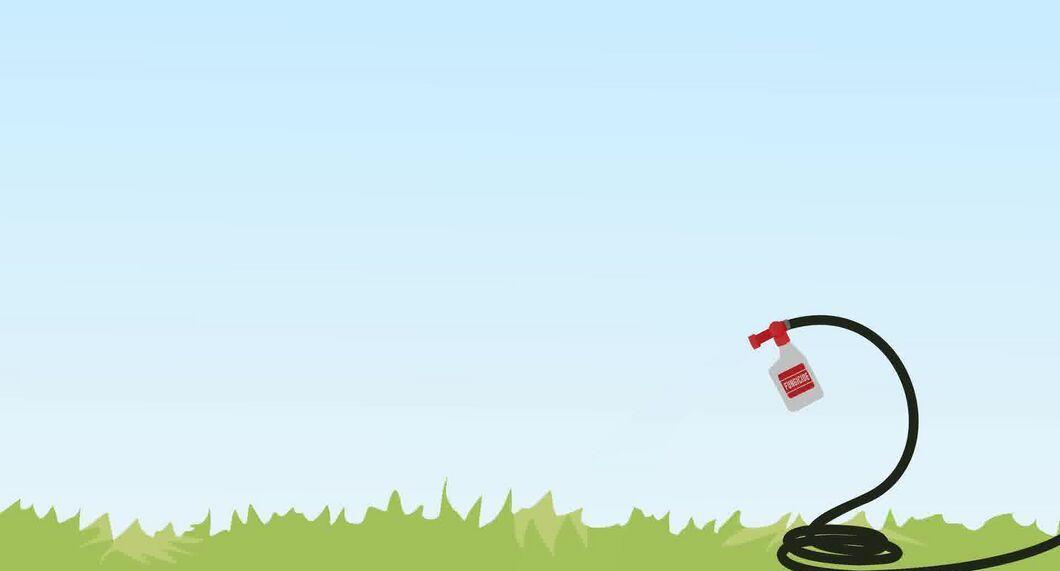
Don’t forget to use fungicides to combat fungal diseases. Apply them weekly or more frequently to prevent the spread of infections. Before purchasing a fungicide, identify which fungus is affecting your lawn and which product will work best.
- Benomyl effectively combats gray mold and brown spots.
- Triadimefon helps with anthracnose and rust.
- Chlorothalonil eliminates red streaks and Rhizoctonia.
- Fungicides also aid in battling Necrotic Ring Spot when used alongside aeration.
Step 10. Use organic fungicides.

If you prefer to avoid chemicals, try organic fungicides. Neem oil, compost, and baking soda are proven natural methods that can help until the fungus spreads across your lawn.