As spring arrives, bees begin searching for new nesting locations. Despite their importance to the ecosystem, many people would rather not have bees nesting near their homes. In this article, we will discuss how to act if bees have settled too close for comfort.
How to Get Rid of Bees in Your Home
Step 1. Confirm that they are bees.
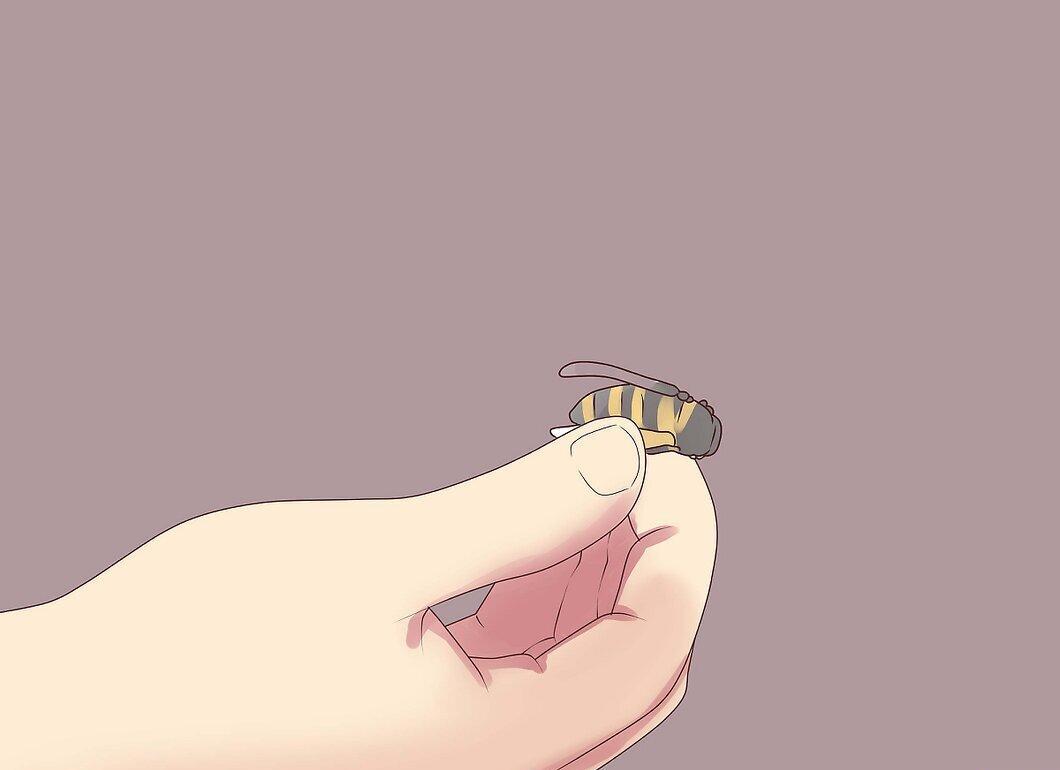
Before taking any action, identify the insects you are dealing with. Make sure they are indeed bees and not wasps or hornets. Bees pollinate plants and generally are not aggressive (unless someone close to you has an allergy), so extermination is not the best option.
- You can identify the insect species by their appearance — bees have hairy bodies, while wasps are smooth.
- Also, look at the nest structure. Bees build their nests from wax, whereas other stinging insects use wood fibers or mud.
- Honey bees are most active in the spring as they collect pollen. If you see insects regularly flying to and from the same spot, they are likely bees.
Step 2. Contact a beekeeper.
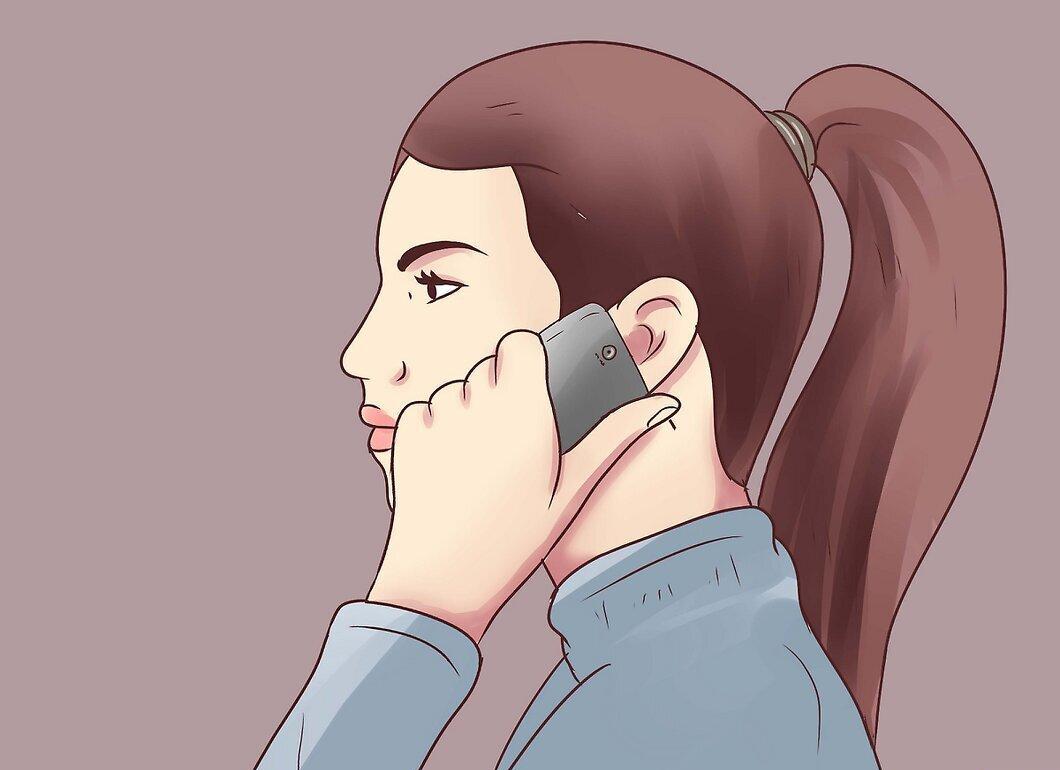
If you have confirmed that they are bees and found their nest (usually located in enclosed spaces like walls or roofs), invite a local beekeeper. They can help relocate the bees, which will contribute to the conservation of this endangered species. Remember that honey bees are at risk of extinction, and their loss can negatively impact the ecosystem.
- A beekeeper can remove the nest without destroying it, and this is usually done for free or for a small fee, depending on the complexity of the job. In some cases, the beekeeper may even offer you money for the bees.
- Typically, they cut out the honeycomb and place it into special frames for hives.
- If the nest is difficult to access, the beekeeper may use a special vacuum that captures the bees without harming them.
- If the nest is behind a wall, you may need to call in a specialist to help take down the wall to access the bees. Keep in mind that you will bear the repair costs.
- While working with bees, they can become agitated, so it’s best to stay indoors with your pets. The beekeeper will be protected with special clothing.[1] X Source
Step 3. Call a bee exterminator.
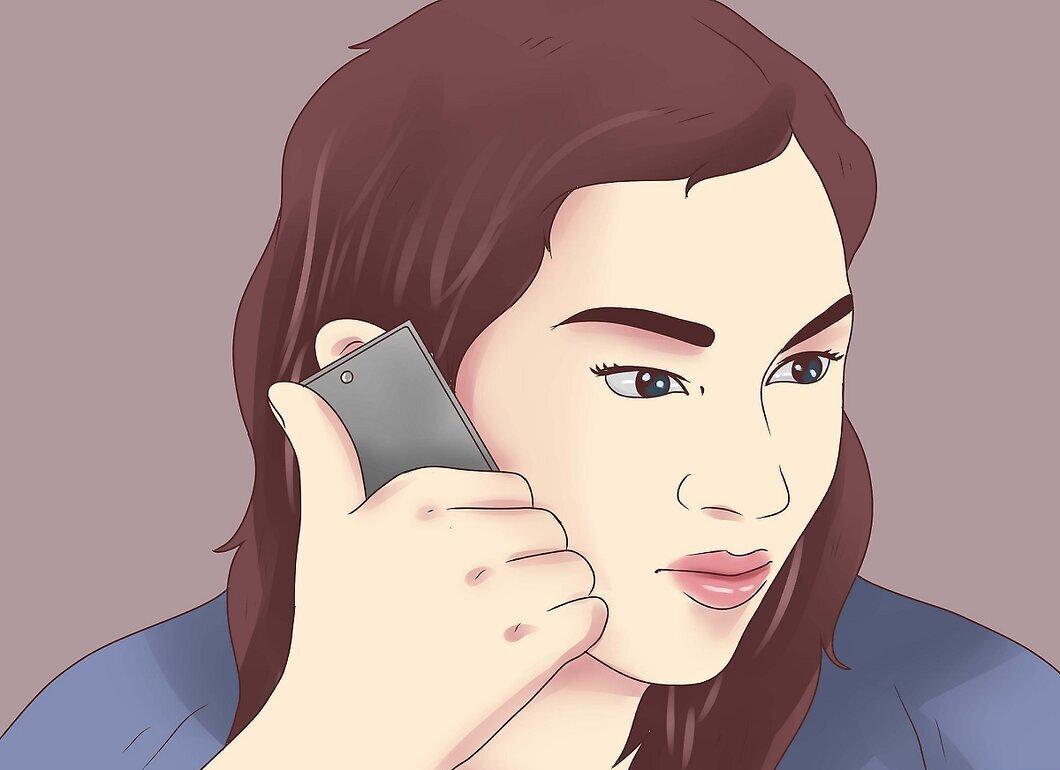
If a beekeeper cannot help or is unwilling to relocate them, call a bee exterminator who will handle their elimination.
- Exterminating bees is serious work and can cost a significant amount. The exterminator typically uses pesticides, but remember that chemicals only kill the bees that are close to the nest's surface, and new bees can emerge over the next few days, so you may need to call the exterminator multiple times over one to two weeks.
- Typically, exterminators only kill the bees without removing the nest or the dead insects. It’s important to remove the nest; otherwise, rotting bees and honey can damage your home's walls.
- Keep in mind that dead bees and the nest may be treated with pesticides, so handle them as hazardous waste. Thoroughly wash the area where the nest was with warm soapy water and repaint if necessary.
Step 4. Set a bee trap.
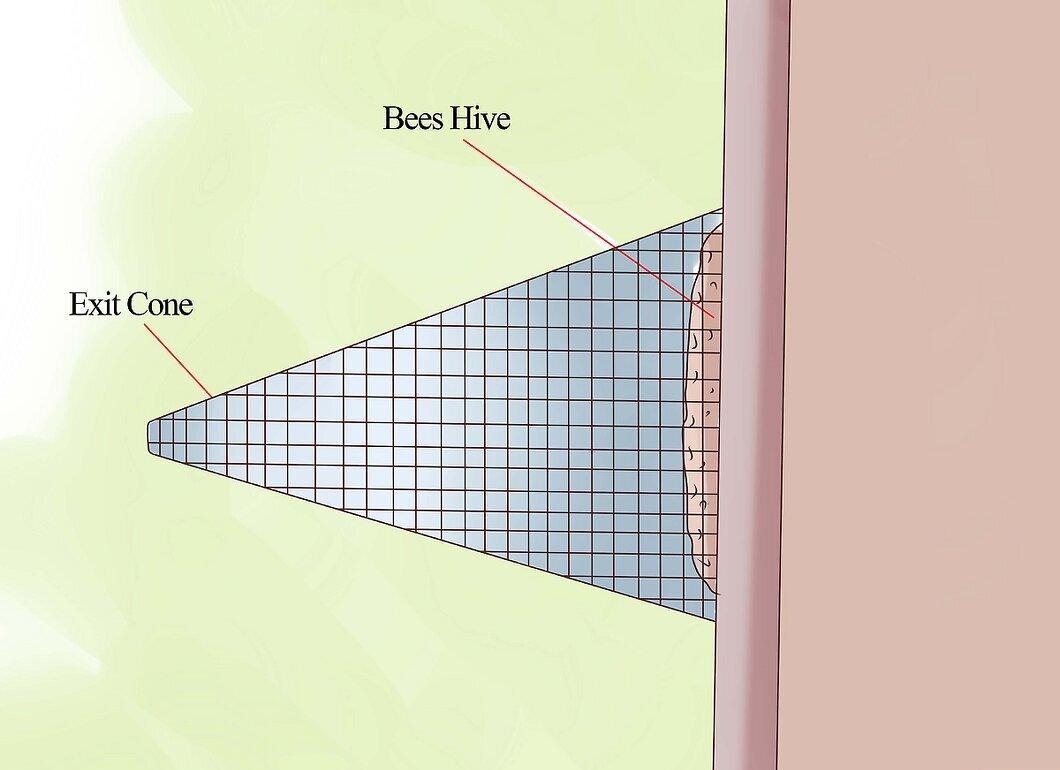
If you want to get rid of bees without killing them, you can try setting a trap. This method requires time and patience, so use it only if you have the opportunity.
- For the trap, you will need a cone made from mesh wire. Secure the wide end above the entrance to the nest, leaving the narrow end with an exit hole about 1 cm in diameter. This will allow bees to exit but not return.
- For the trap to work, close off other access points to the nest; otherwise, the bees will find a new entryway.
- Also, place a small hive near the trap's exit so that captured bees can settle there. The hive should contain a new queen and some honey.
- Bees may exit the old nest for several months. Therefore, if you want to eliminate the remaining bees, you might need to use pesticides to eliminate the queen.[2] X Source
Step 5. Use pesticides.
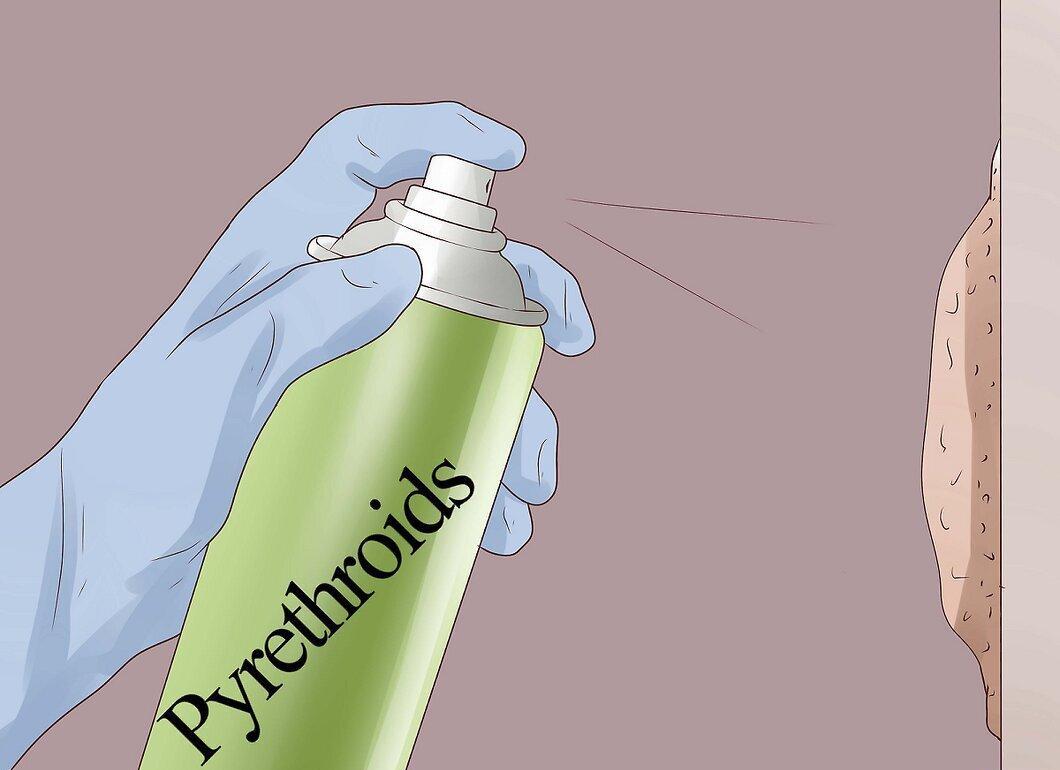
If a beekeeper cannot help, and you do not want to call an exterminator, you can try to get rid of the bees yourself using pesticides.
- Find a spray pesticide with pyrethroids. If it is suitable for wasps and hornets, it will also be effective against bees.
- Wear protective clothing and spray the pesticide into the nest through visible entrances. It’s best to do this later in the evening when the bees are less active.
- Remember that the pesticide only kills the bees it directly contacts and does not affect the pupae. Therefore, you may have to repeat the process every two to three weeks to eliminate new bees.
- If you do not want to use spray, use a fan to blow insecticidal dust into the nest. Dust does not kill bees immediately, but worker bees will carry it throughout the nest, killing all the bees.[3] X Source
Step 6. Clean up the remains.
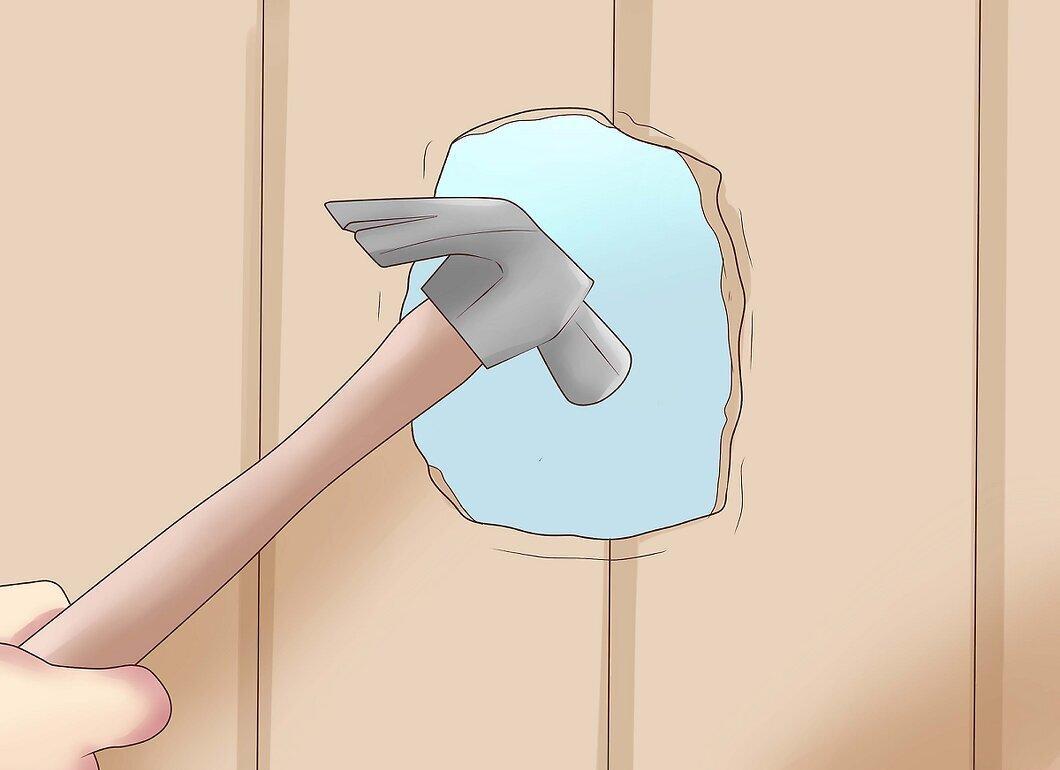
After exterminating the bees, make sure to remove the nest and dispose of the honey and dead insects.
- If you do not remove the dead bees and honey, they will start to rot, creating an unpleasant smell and potentially damaging the walls.
- Additionally, the scent of old honey can attract a new swarm of bees looking to build a nest in the same spot, so it’s crucial to remove the old nest and seal off all available access points.
- To remove a large nest, you may have to dismantle a wall, but remember that the repair will cost less than replacing damaged drywall. After removing the old nest, repaint the area.
- Finally, fill any cavities (for example, with foam) and seal holes or cracks in the wall to prevent bees from returning. Regularly check the area where the old nest was to ensure that all holes remain sealed.[4] X Reliable source University of California Integrated Pest Management Program Go to source
How to Get Rid of Bees in Your Garden
Step 1. Wait.
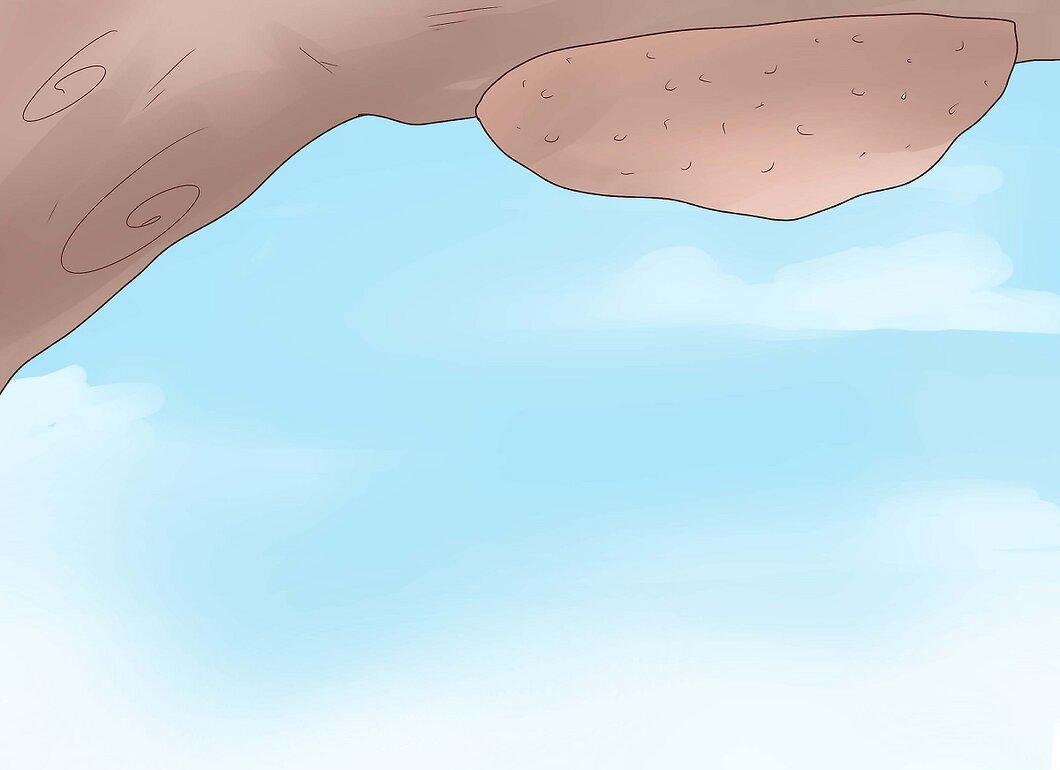
If the bees have built a nest in a tree or fence, it’s best to leave them alone and wait for the season to end.
- Bees are not very aggressive (unless they feel threatened), so if you do not disturb them, there should be no problem.
- In winter, the worker bees will die, and the queen will leave the nest, allowing you to safely remove it at that time.[5] X Source
- This method will only work if the bees do not hinder you from being in the garden and no one close to you has a bee allergy.
Step 2. Find a beekeeper (if possible).
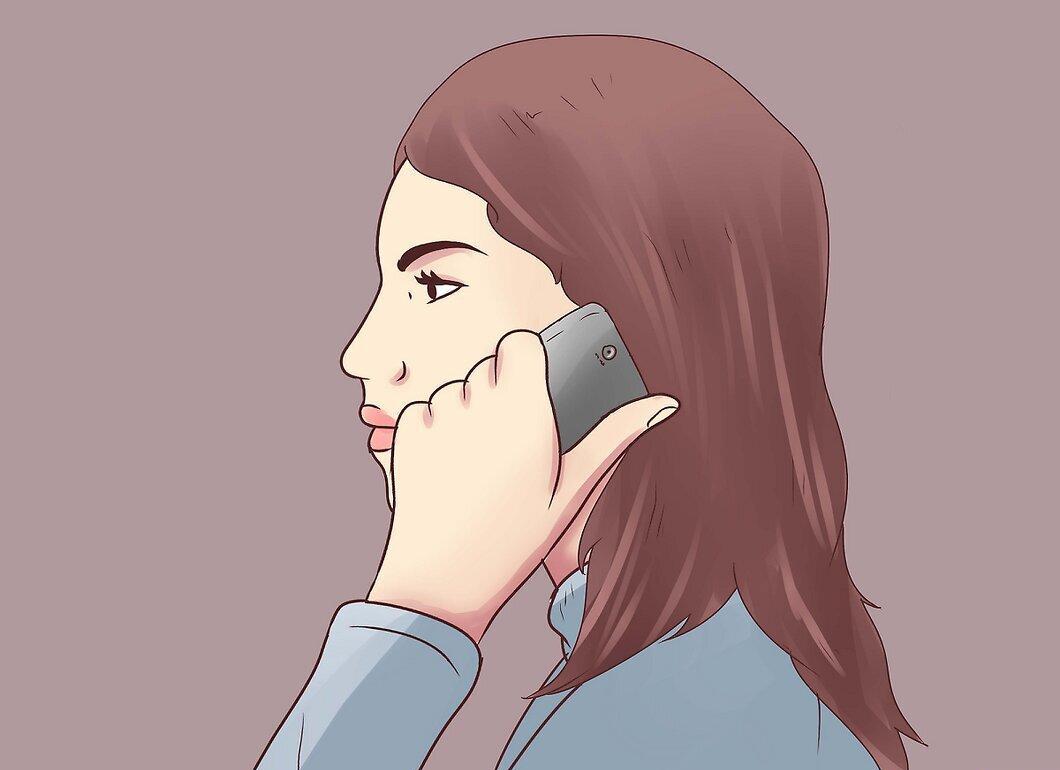
If you are lucky enough to find a beekeeper, they can help relocate the bees without harming them. This can be done in several ways:
- If the nest is accessible, the beekeeper will simply cut out the honeycomb with the bees and place them into hives.
- If the nest is on a tree or fence, the beekeeper will place a hive next to the entrance of the nest, and the bees will relocate.
- If the hive is in a hard-to-reach location, the beekeeper may set up a cone-shaped trap at the entrance of the nest. The captured worker bees will relocate into the hive.
Step 3. Move the bees.
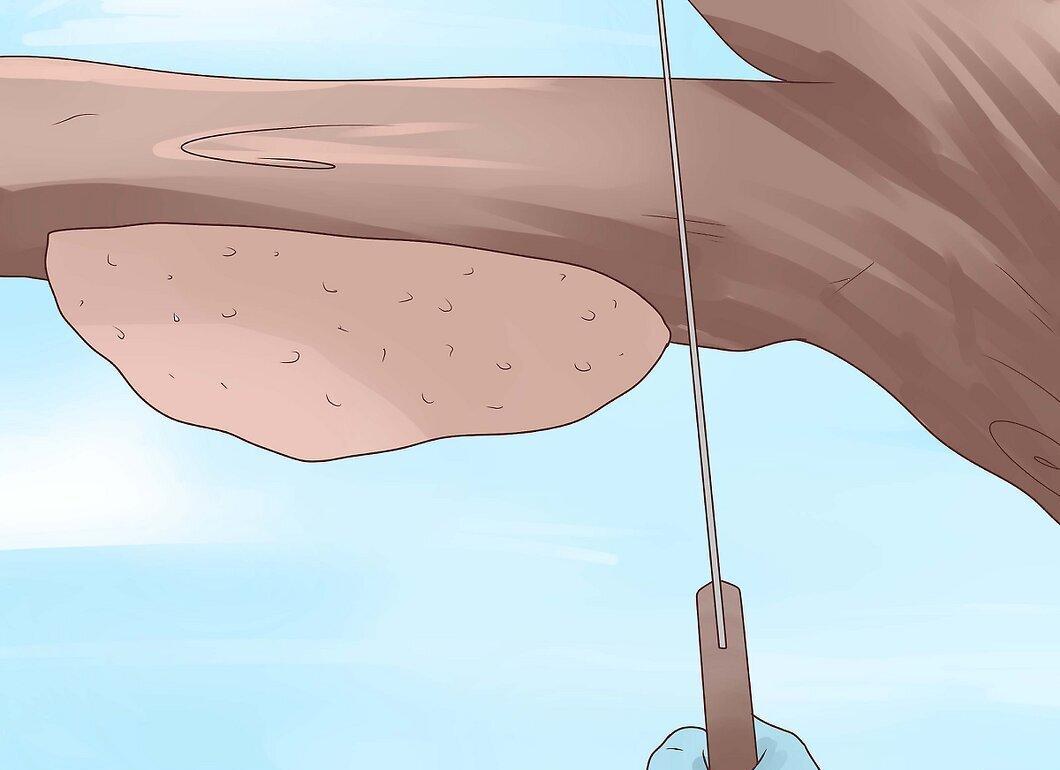
If the bees are nesting inside a tree, carefully cut out a section of the tree with the nest and move it far away from your home.
- This method is best applied early in the year when the number of bees is still small.
- Be sure to wear protective clothing, as bees may become aggressive due to the noise of the saw.
- Carefully choose a new location for the nest; do not place it on someone else's property without permission, and do not leave it where someone may stumble upon it.[3] X Source
Step 4. Use pesticides.
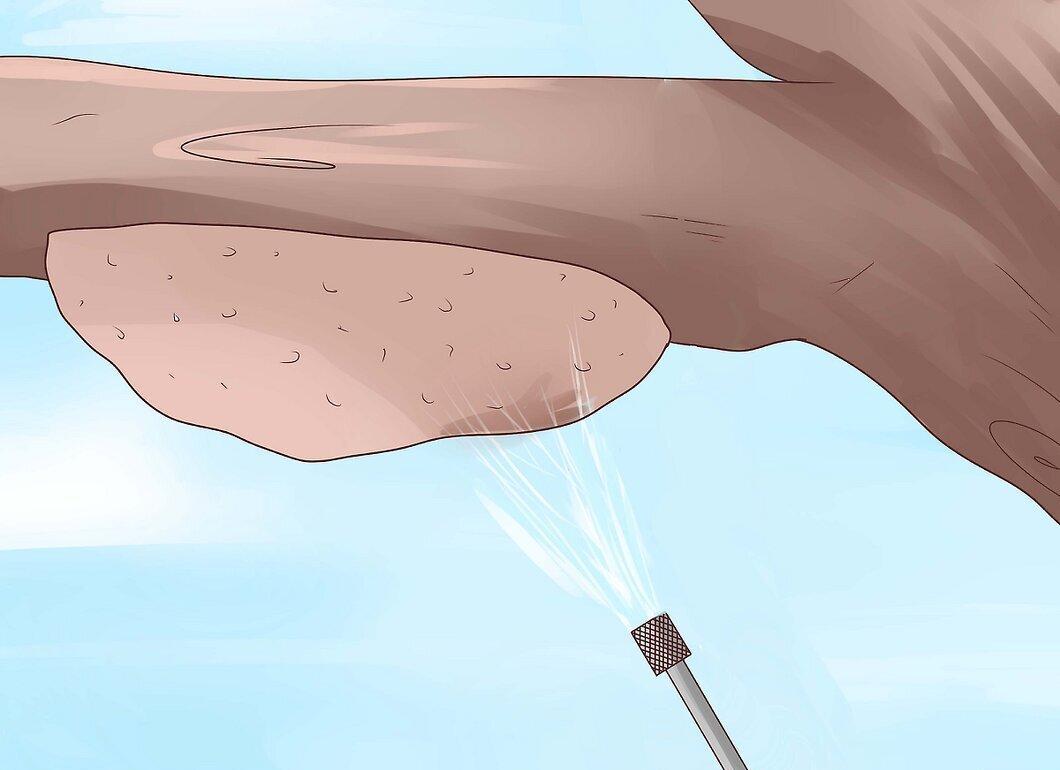
If you cannot relocate the bees, you can use pesticides to eliminate them.
- In the evening, when the bees are less active, wear protective clothing and spray the pesticide through the entrance of the nest.
- Repeat this procedure after a week, as pupae are protected by wax and do not die from pesticides immediately.
Step 5. Use soapy water.
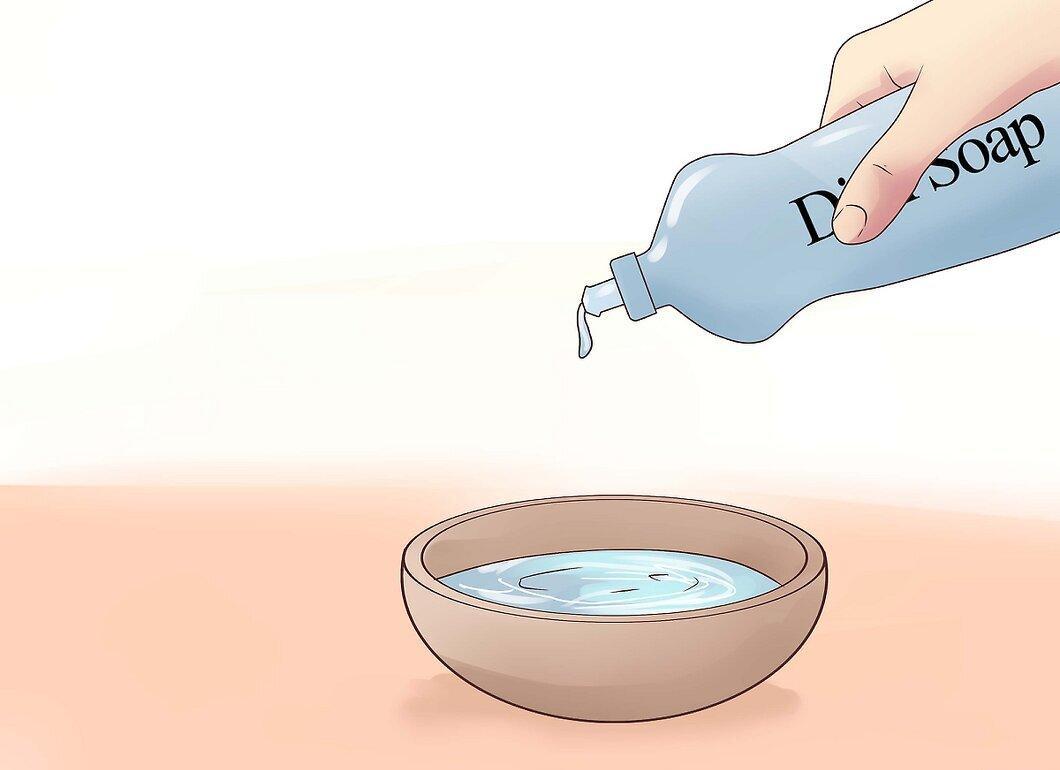
If you are against using pesticides, you can try to kill the bees with soapy water, which can penetrate the wax layer.
- Mix one part soap with four parts water and pour it into a sprayer. Wear protective clothing and spray the mixture on the bees and into the nest.
- Soapy water only kills the bees it directly contacts, so you will need to repeat the process several times to cover as many bees as possible.[6] X Source
How to Prevent Bees from Returning
Step 1. Seal holes in the walls.
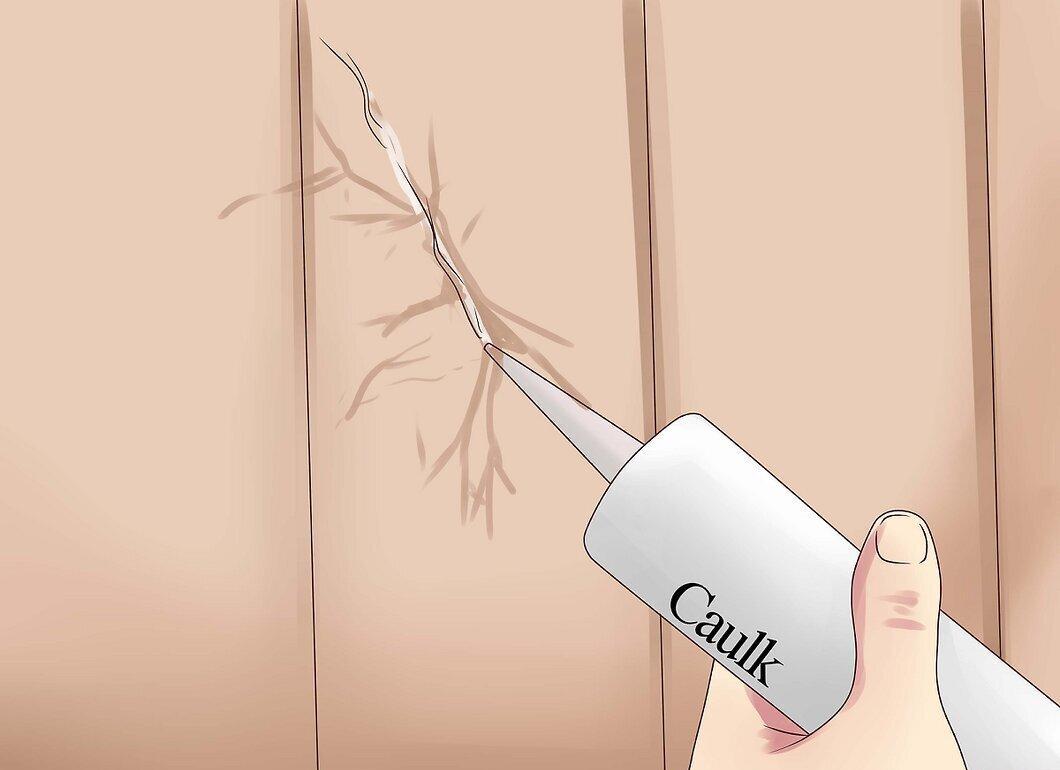
Prevention is the best way to avoid a nest appearing in your home. Check the exterior walls for holes or cracks and seal them up.
Step 2. Fill cavities in the walls.
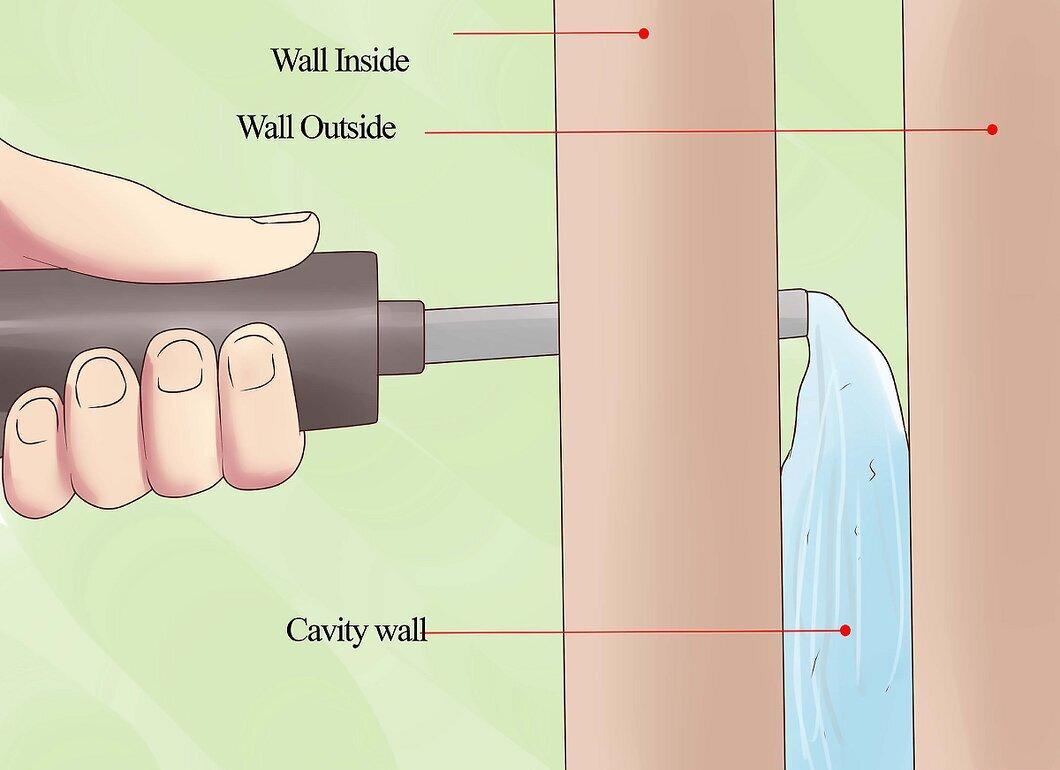
Even if bees get inside your home, there will be no place for them to nest. Use foam to fill cavities inside the walls.
Step 3. Remove remnants of honey and wax.
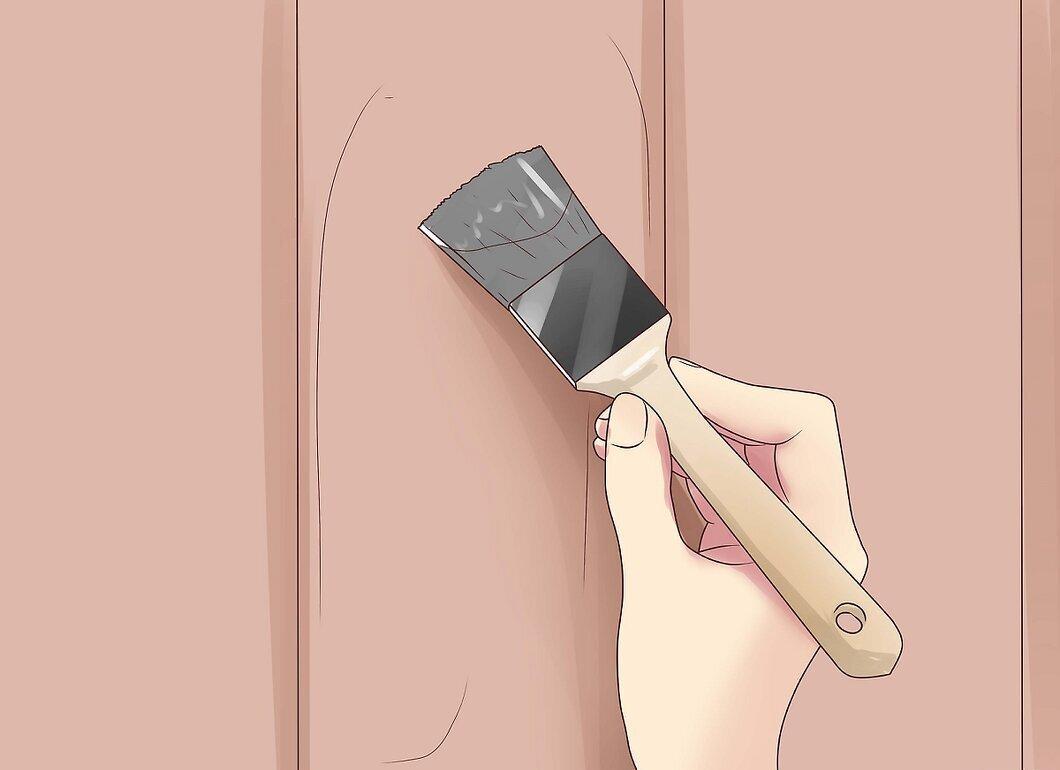
Bees are attracted to the scent of honey, so after removing the nest, be sure to eliminate all remnants of honey and wax.
- If the nest was outside, use a hose, and if it was inside the house, use cleaning products and repaint the area where the nest was located.
Step 4. Use natural repellents.
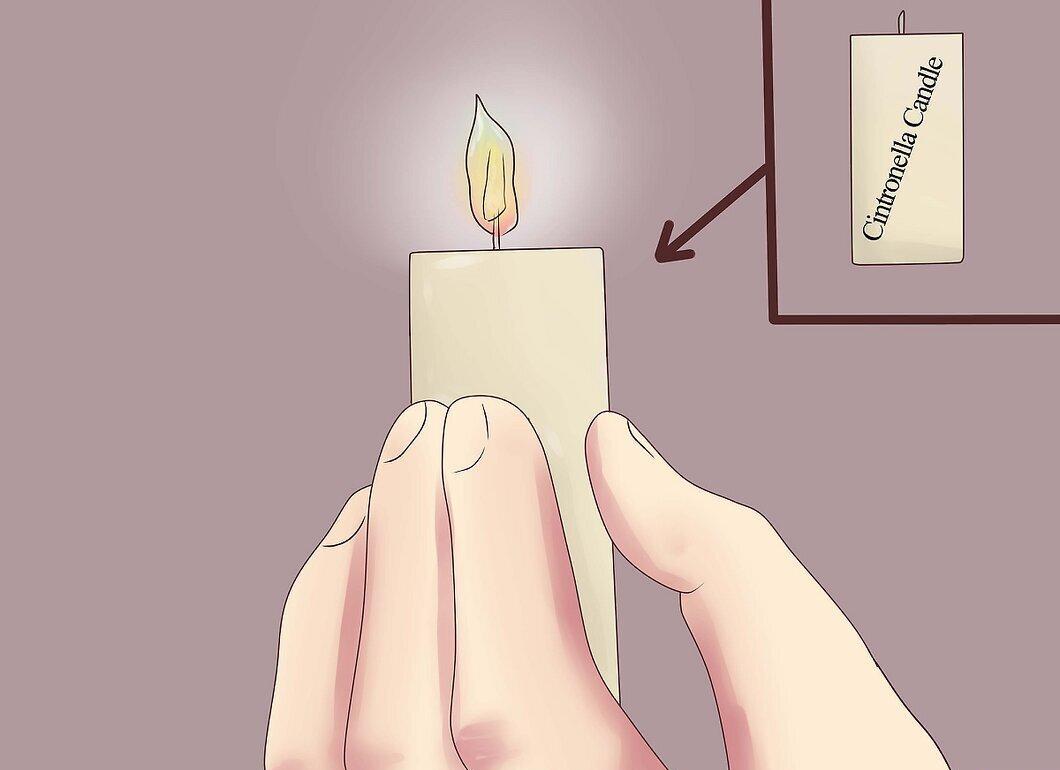
Natural remedies can help prevent a new nest from being built near your home.
- Citronella. This scent can repel bees; use citronella in the garden or light candles scented with it.
- Cucumber peels. They also repel bees. Place them on the lawn and in flower beds for fertilization.
- Sweet water. Dissolve sugar in water and place it in the garden. Bees will be attracted by the aroma and may drown in the water. Adding soap enhances the effect by breaking down the wax coating on the bees' bodies.[7] X Source