Effective Ways to Lower Soil pH in Your Garden
In the world of chemistry, pH is an important indicator that demonstrates the acidity or alkalinity level of a specific substrate. pH values range from 0 to 14: a pH close to 0 indicates high acidity, while approaching 14 indicates an alkaline environment. A pH value of 7 is considered neutral. In gardening, the soil pH level where plants grow can significantly affect their growth and health. While most plants thrive at a pH between 6.5 and 7, some species require a specific level of soil acidity. Therefore, experienced gardeners should learn how to manage soil acidity. [1] Source [2] Source Start with the first step, and you'll see how to lower the pH of the soil in your garden.
Determine the pH Level
Step 1. Measure the soil pH.
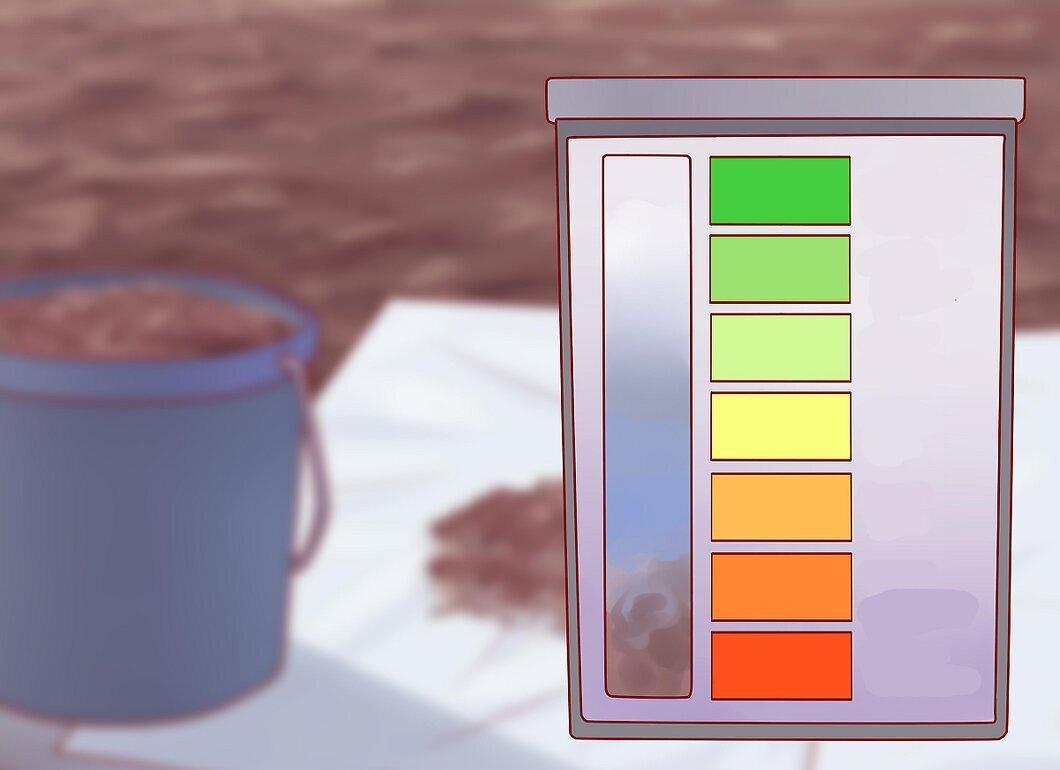
Before adding any amendments to change the soil acidity, first determine how much the current pH level differs from the desired one. You can purchase a pH testing kit at a gardening store or consult professionals for soil analysis.
Step 2. Dig five small holes.

Choose five random spots on your property and dig small holes about 15-20 cm deep. This will help you get a more accurate picture of the average soil pH. Remember that the soil extracted from the holes will not be needed for further actions.
- Note that these are general recommendations — be sure to check the instructions that come with your pH testing kit.
Step 3. Collect soil samples from each hole.
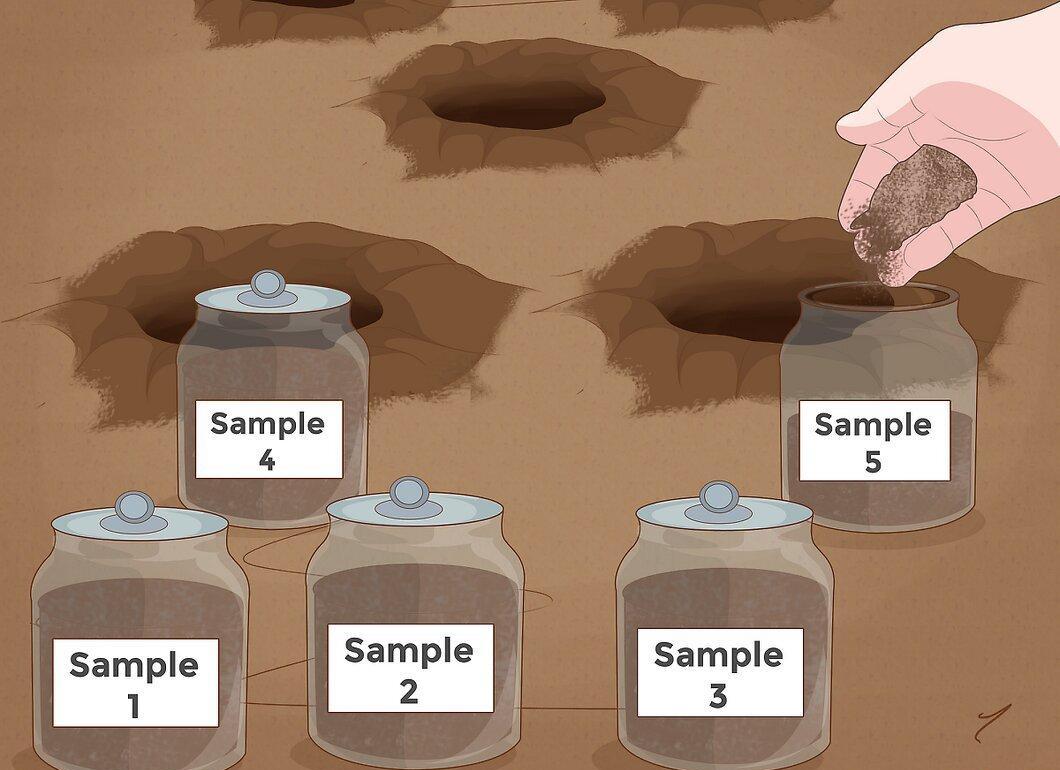
Using a spade or trowel, carefully extract a narrow "slice" of soil from the side of each hole. This fragment should be crescent-shaped and about 1.3 cm thick. Place all samples in a clean, dry basket.
- Ensure that the total amount of soil is about 0.94 liters or more, as this will be sufficient for most tests.
Step 4. Mix the soil and dry it on newspaper.
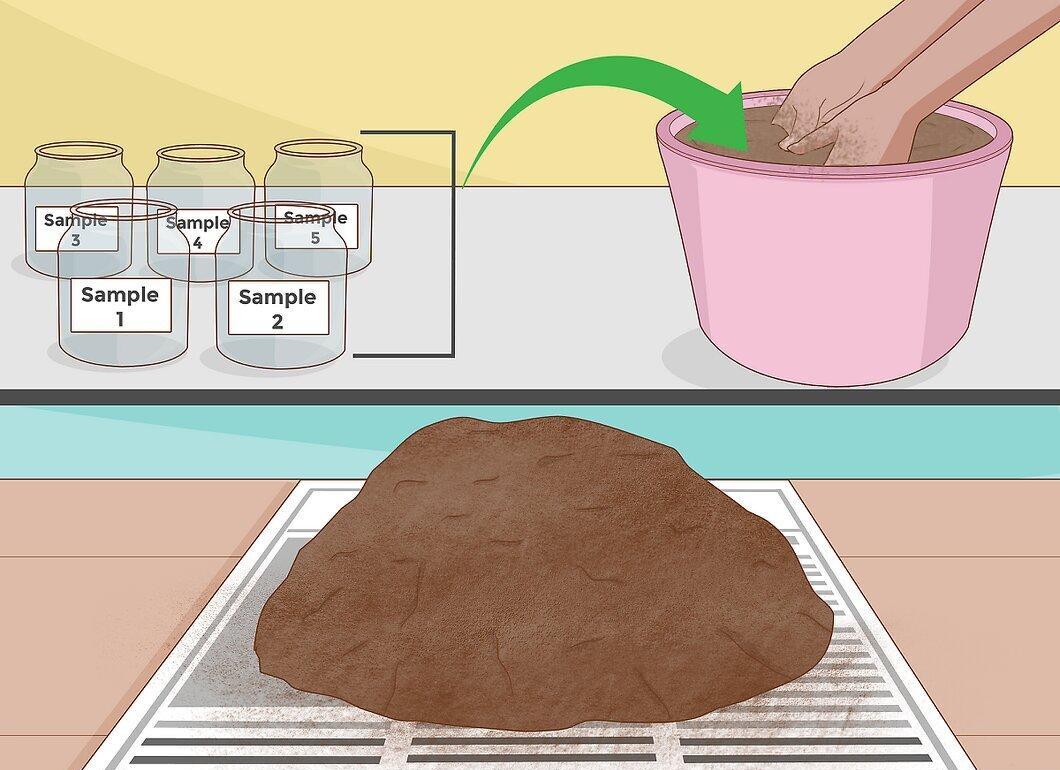
Mix the soil samples in the basket and evenly spread them on newspaper to dry. Wait until the soil feels completely dry to the touch.
- It's important that the soil is entirely dry before taking measurements, as moisture can distort the results.[4] Source
Step 5. Use the kit to find out your soil's exact pH level.
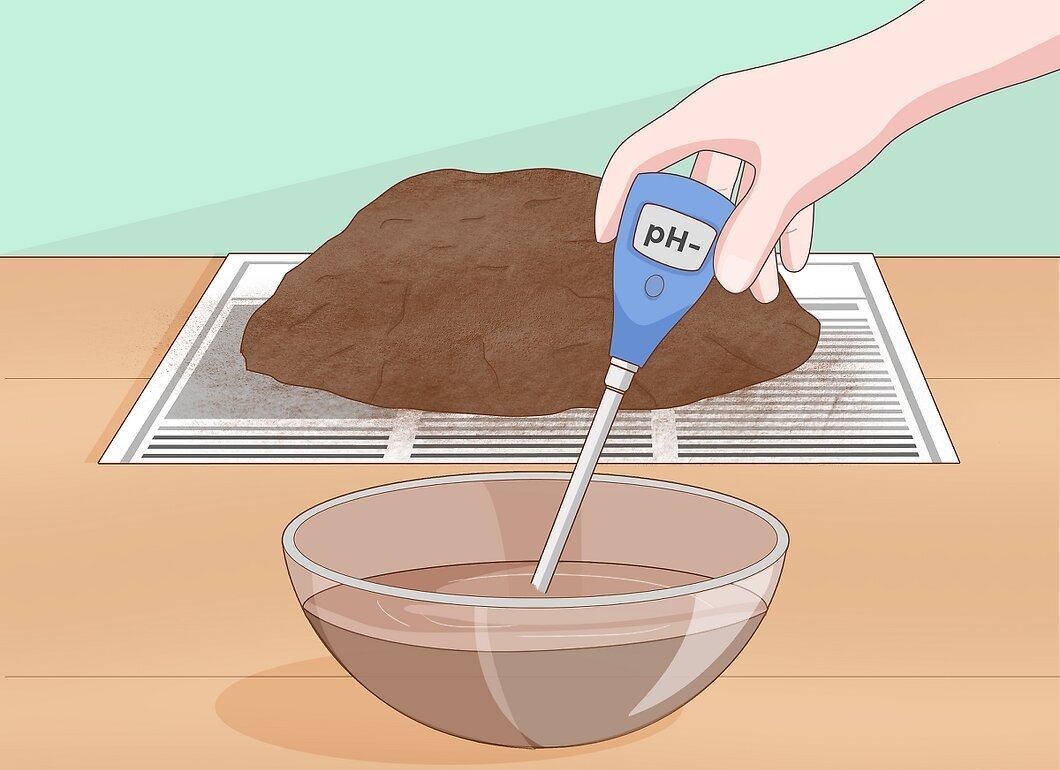
Following the instructions of your testing kit, place a small amount of soil in the designated tube, add a few drops of solution, mix thoroughly, and let it sit for a few hours. Then compare the solution's color to the color chart to determine the pH level.
- Some modern electronic pH measuring devices can provide results almost instantly using metal probes.
Methods to Lower pH
Step 1. Add organic matter.
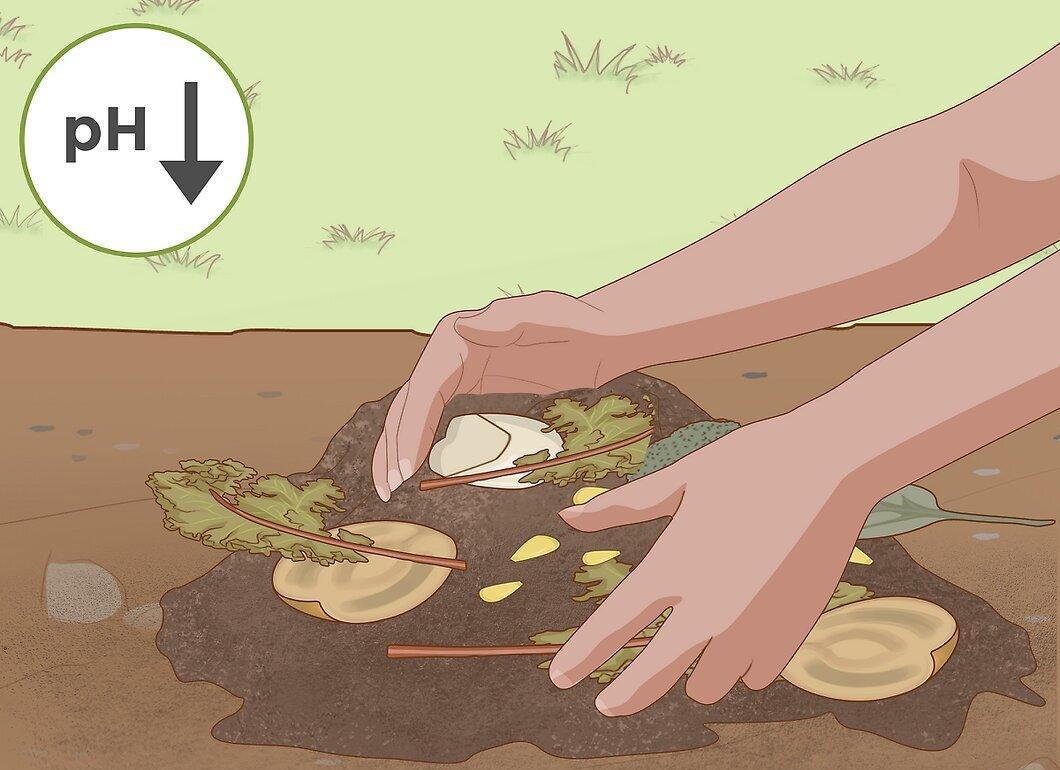
Organic materials such as compost, composted manure, and acidic mulches (like pine needles) can gradually lower soil pH. As these materials decompose, microorganisms release acids. This method is suitable for long-term pH change, as it takes time to be effective. Many gardeners use this method annually to slowly reduce pH.
- Organic fertilizers also improve soil drainage and aeration.[7] Source
Step 2. Add aluminum sulfate.
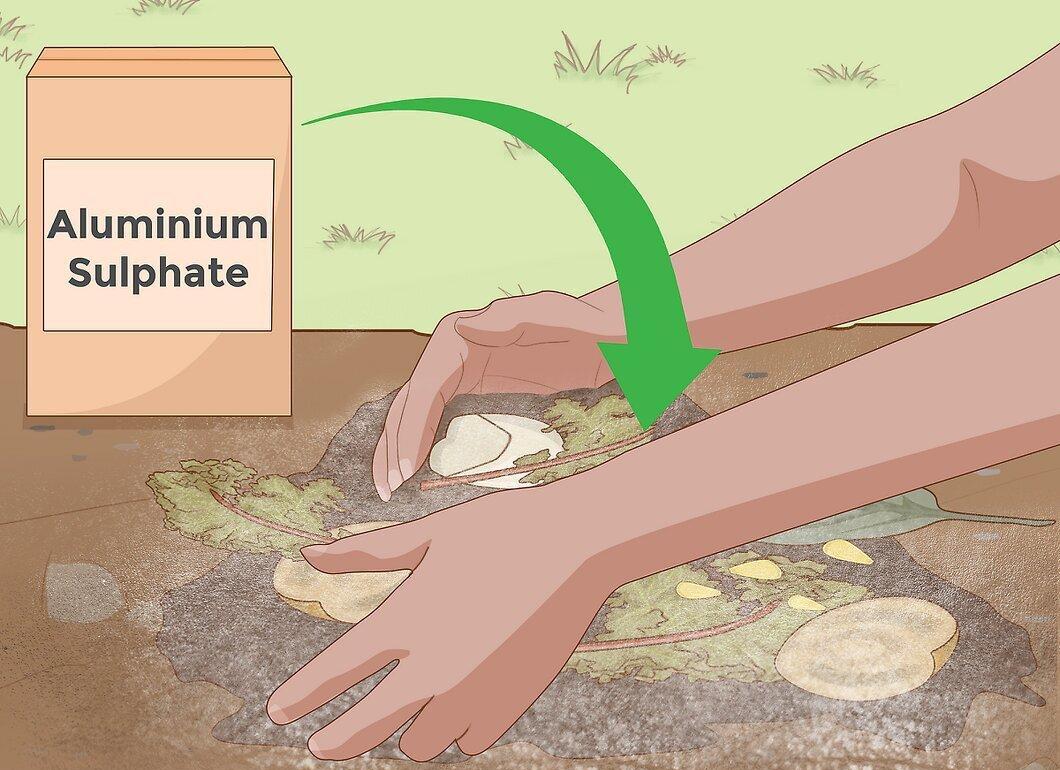
If you need to quickly lower pH, aluminum sulfate is a great option. It dissolves rapidly in soil, releasing acids, allowing you to achieve the desired effect almost instantly. This is ideal for those looking to make quick changes to soil acidity.
- To lower pH by one unit (for example, from 7 to 6) in a 1 square meter area, you'll need about 550 grams of aluminum sulfate. But be careful not to exceed the dosage, as this can harm plants.[9] Source
Step 3. Add sulfur.
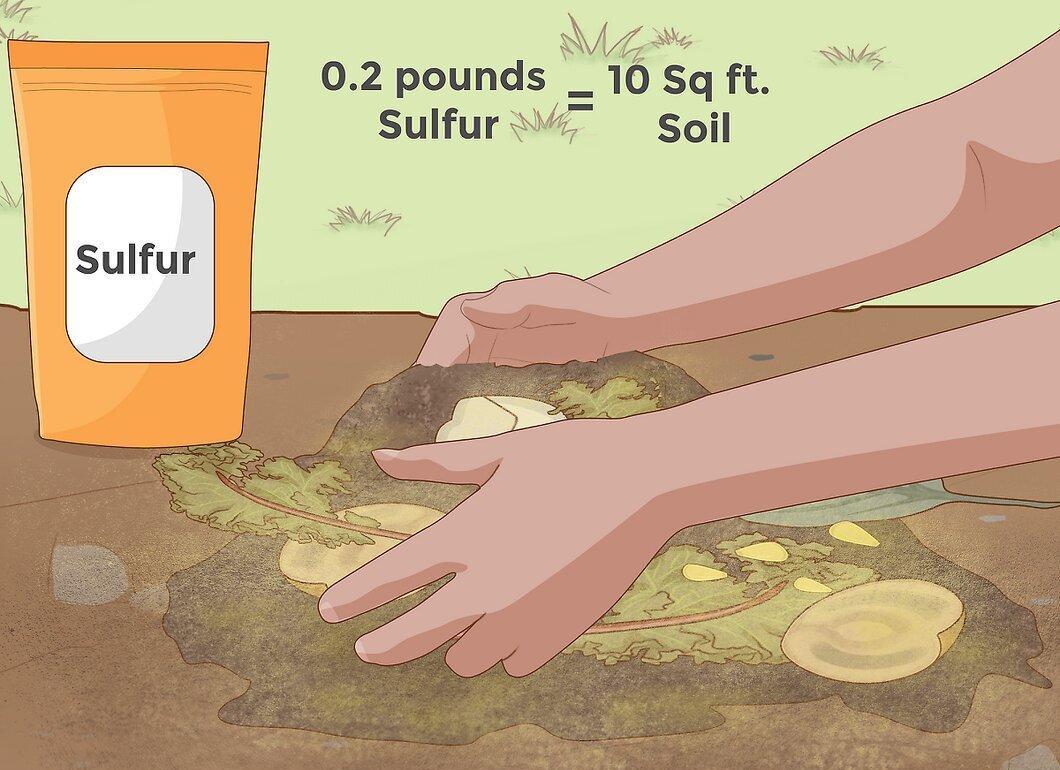
Elemental sulfur is another way to lower soil pH. While it is more accessible and required in smaller quantities, its effects are slower. Soil bacteria must convert sulfur into sulfuric acid, which can take several months depending on conditions.
- To lower pH by one unit in a 1 square meter area, around 90 grams of sulfur may be needed.[11] Source It's recommended to consult resources for more precise application information.
Step 4. Use granulated urea with sulfur.
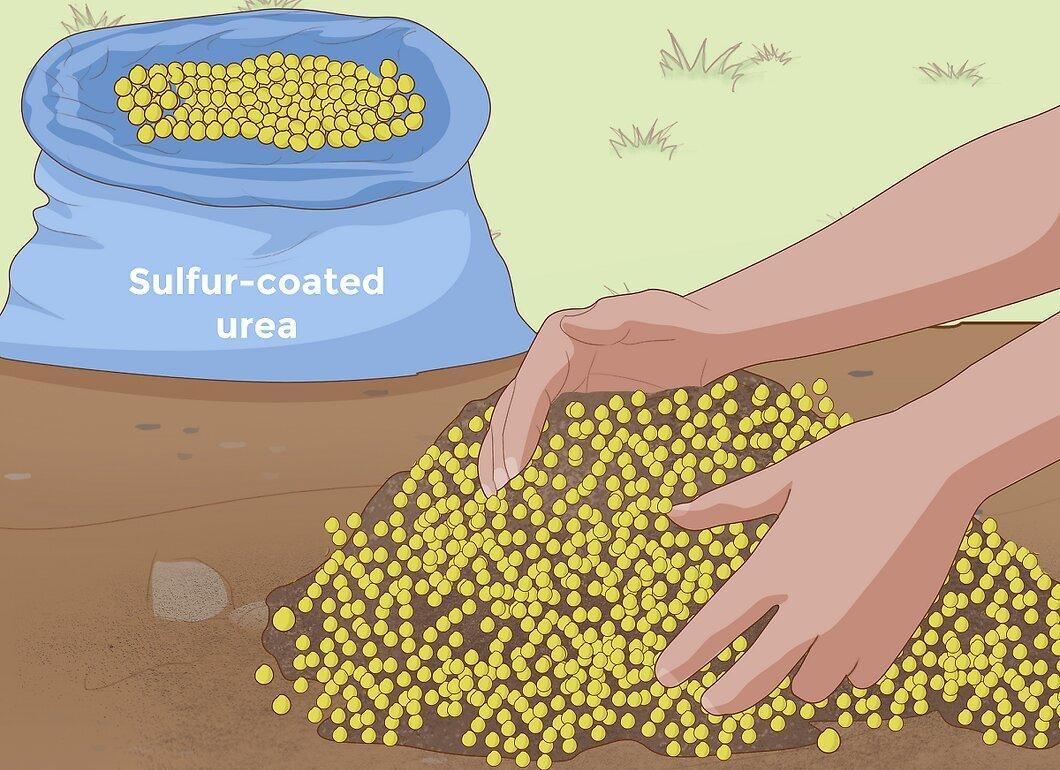
Granulated urea coated with sulfur can also effectively lower soil pH. These amendments act quickly, and the effects are noticeable within 1-2 weeks after application. If you're using fertilizers containing urea with sulfur, it can save you time and money.
- Pay attention to the urea content in the fertilizer to determine the appropriate amount for your garden.
Step 5. Add other acidic amendments.
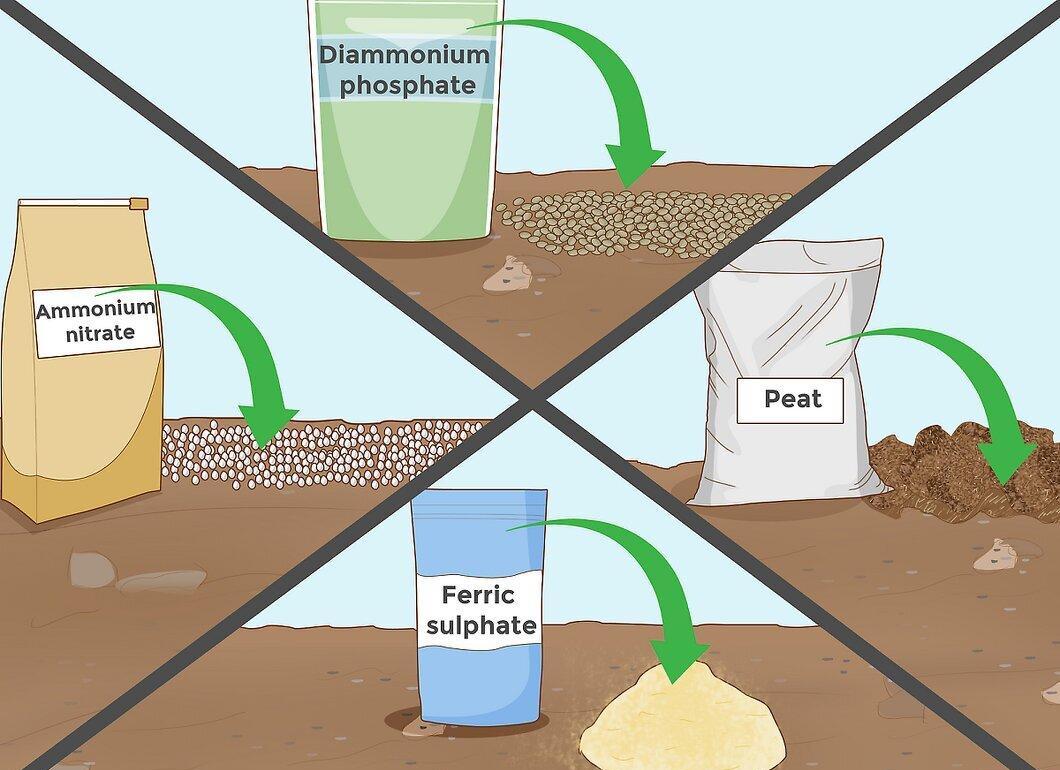
There are many other substances that can help lower soil pH. The amount and timing of fertilizer application depend on the type, so carefully review the instructions on the packaging or consult with the seller. Here are some amendments that may help:
- Ammonium phosphate
- Copper sulfate
- Ammonium nitrate
Step 6. Grow plants that prefer alkaline soils.
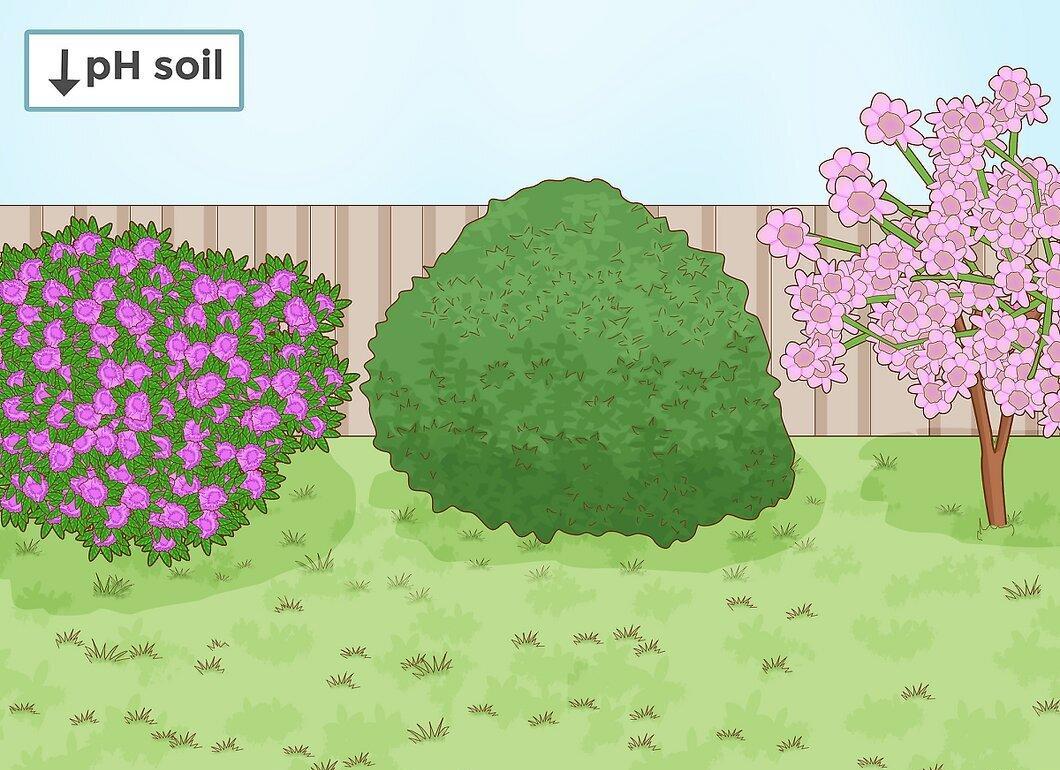
If your soil is too alkaline, try planting species that thrive in such conditions. As these plants grow and die, they will contribute organic material to the soil, which will help in lowering pH. However, this method takes time as the plants need to mature first. Here are a few examples:
- Deciduous shrubs (e.g., lilacs, rose hips, clematis, and honeysuckle)
- Evergreen shrubs (e.g., boxwood)
- Perennials (e.g., chrysanthemums)
When to Lower Soil pH
Step 1. Lower pH for rhododendrons and azaleas.
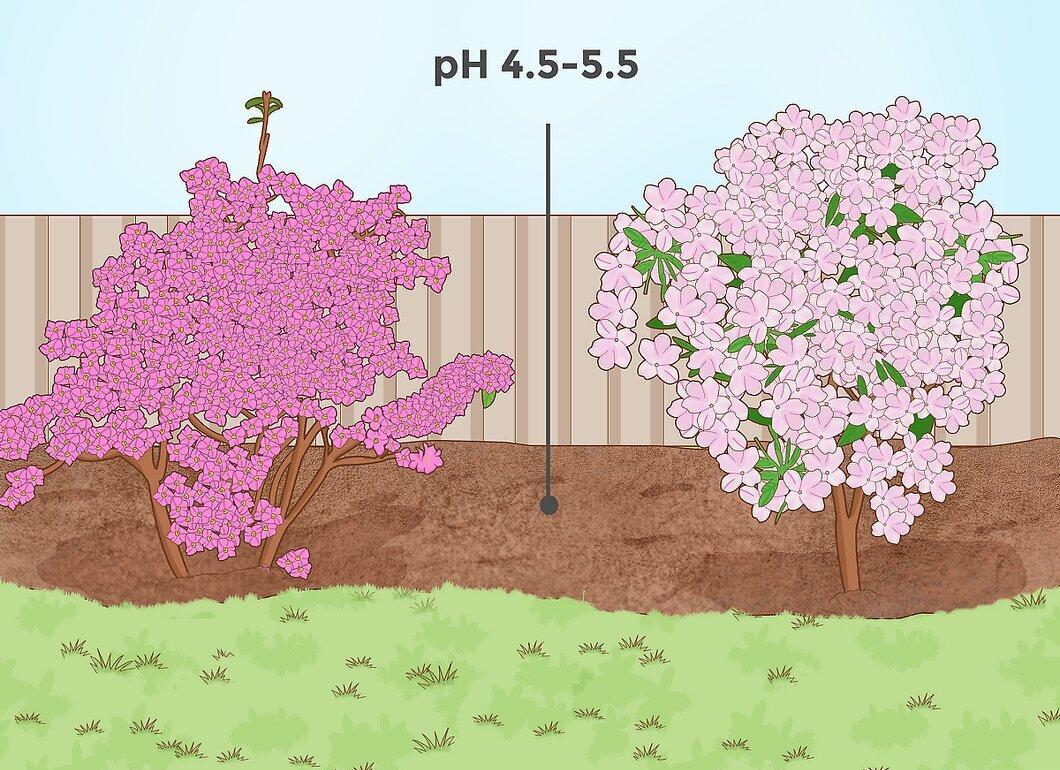
Some flowering shrubs, such as rhododendrons and azaleas, require acidic soil for normal growth. These plants originate from regions with high rainfall, promoting soil acidification. The optimal pH level for them is between 4.5 and 5.5, although they can grow in soils with pH up to 6.0.
Step 2. Lower pH for petunias and begonias.
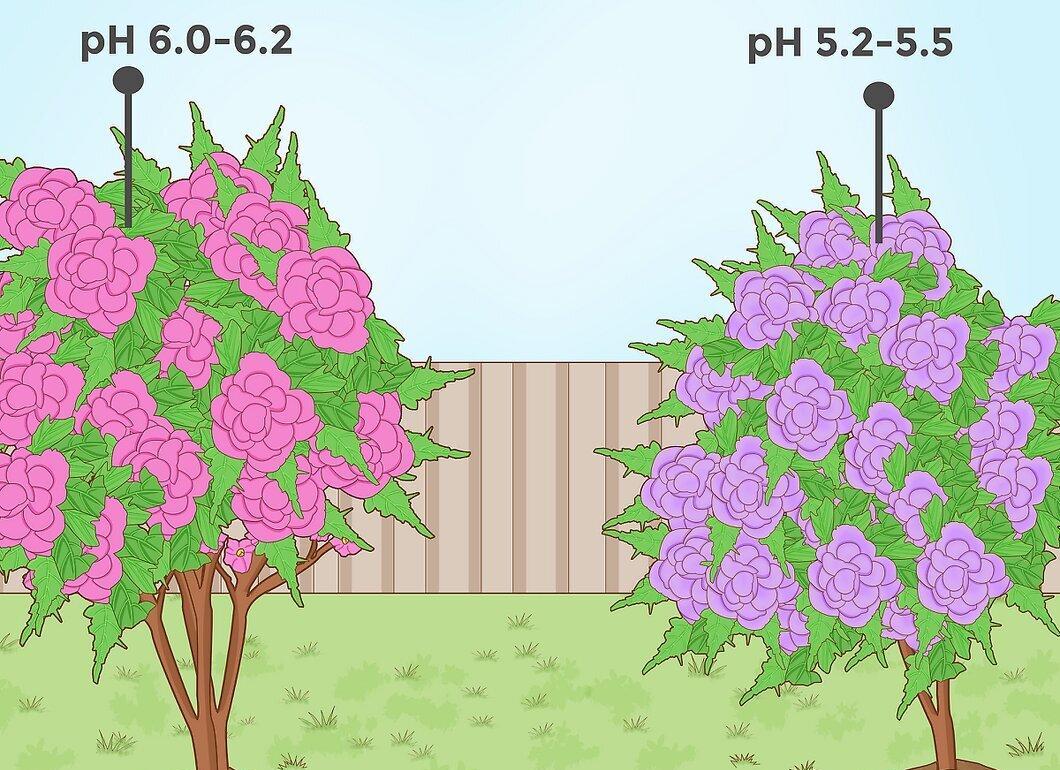
Many vibrant flowers, such as petunias and begonias, also prefer acidic soils. Changing the acidity can significantly affect the color of these plants. For example, hydrangeas growing at a pH of 6.0-6.2 will have pink flowers, whereas at a pH of 5.0-5.2, they will be blue or lavender.
- The blue color of the petals is due to the presence of aluminum, which is more easily absorbed by the plant in an acidic environment.[18] Source
Step 3. Lower pH for coniferous trees.
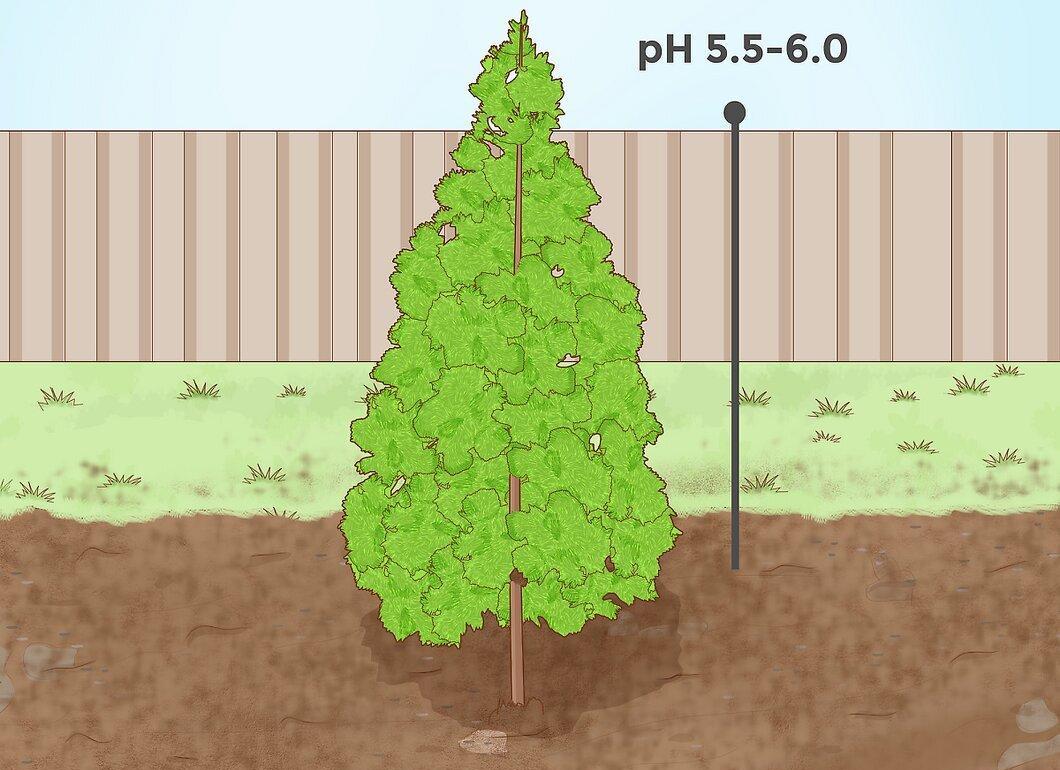
Many coniferous trees prefer slightly acidic soil. For example, firs, pines, and spruces thrive well at a pH of 5.5-6.0. The needles of these trees can be used as organic material that will also help lower soil pH.
Step 4. Lower pH for berry crops.
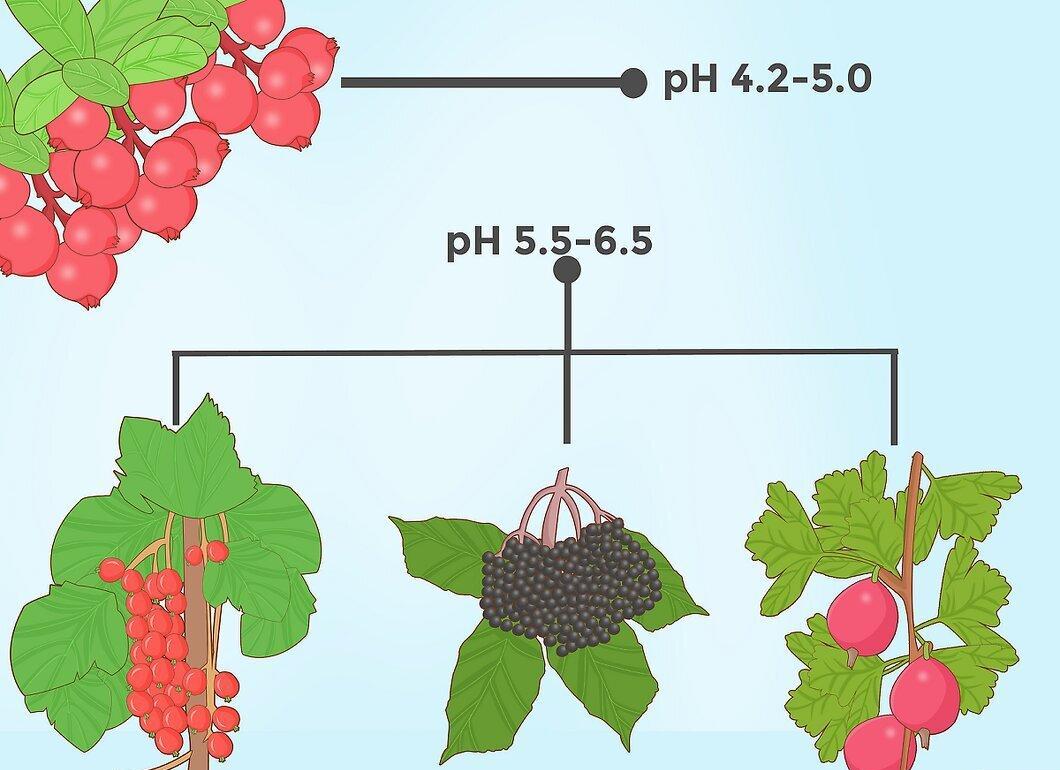
Blueberries are a well-known berry plant that requires acidic soil. The ideal pH level for them is between 4.0-5.0. Other berries, such as cranberries, cloudberries, and currants, also prefer acidic soils but at slightly higher pH levels.
Step 5. Ferns prefer slightly acidic pH.
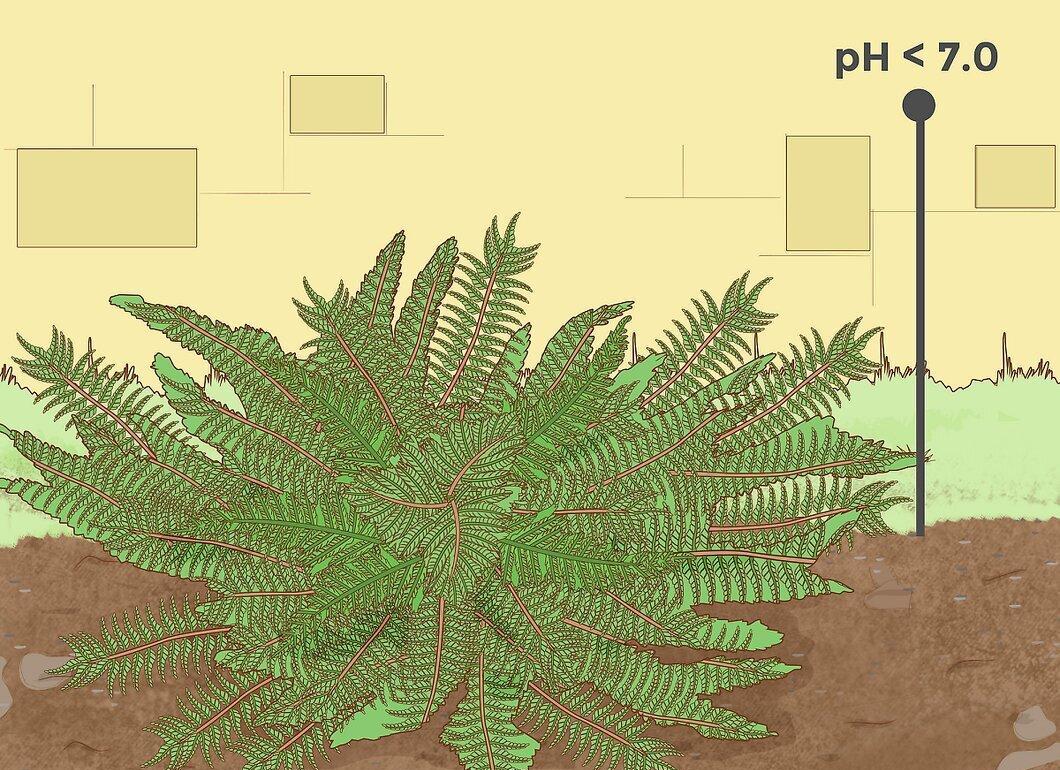
Most ferns prefer soils with a pH below 7.0. Some species can tolerate even more acidic conditions with a pH of up to 4.0, while others, such as maidenhair ferns, thrive well at a pH of 6.0-8.0.
Step 6. Find specialized resources for gardeners for a list of plants that prefer acidic soil.
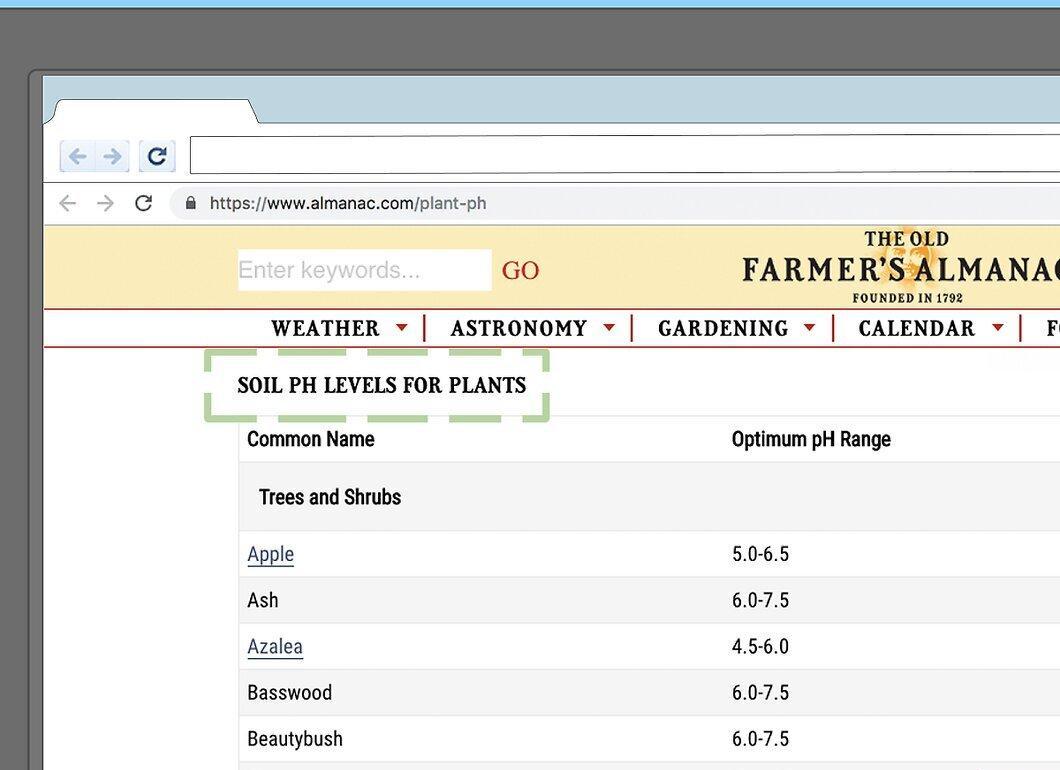
There are numerous plants that can grow in acidic conditions, and the list is too extensive to fit in this article. For more detailed information, refer to botanical guides that can be found in gardening stores or online. For example, the official "Old Farmer's Almanac" website provides tables with plant preferences for soil acidity (you can find it here).