Squirrels, like birds, can frequently visit your feeders. But how do you prevent them from eating bird feed and damaging the feeders? Wooden and plastic structures can suffer if squirrels gain access. Most damage occurs when there’s only a little feed left in the feeders, as squirrels start gnawing on wood and plastic to get to the remaining seeds.
Part 1
Step 1: Use Squirrel-Proof Feeders.
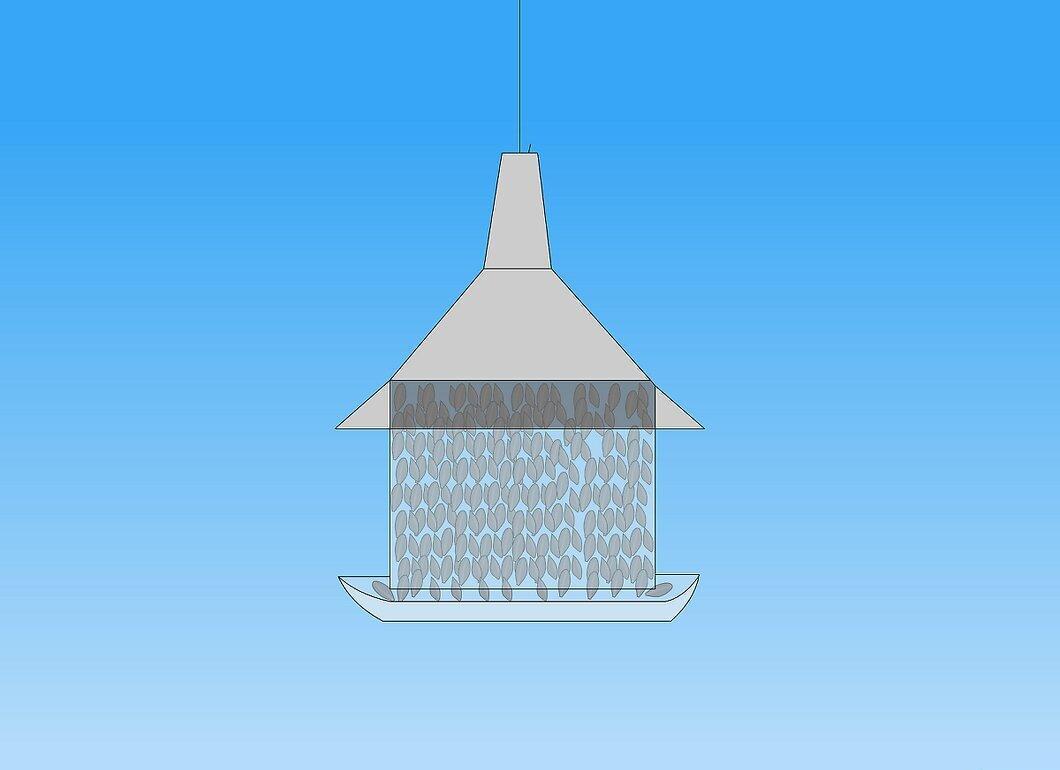
Squirrel-proof feeders designed specifically to keep squirrels out can be found in stores. They are made for certain weight limits, allowing birds to feed but preventing squirrels from accessing the food. Some models are more durable, but they tend to be more expensive.
Step 2: Consider More Affordable Feeder Options.
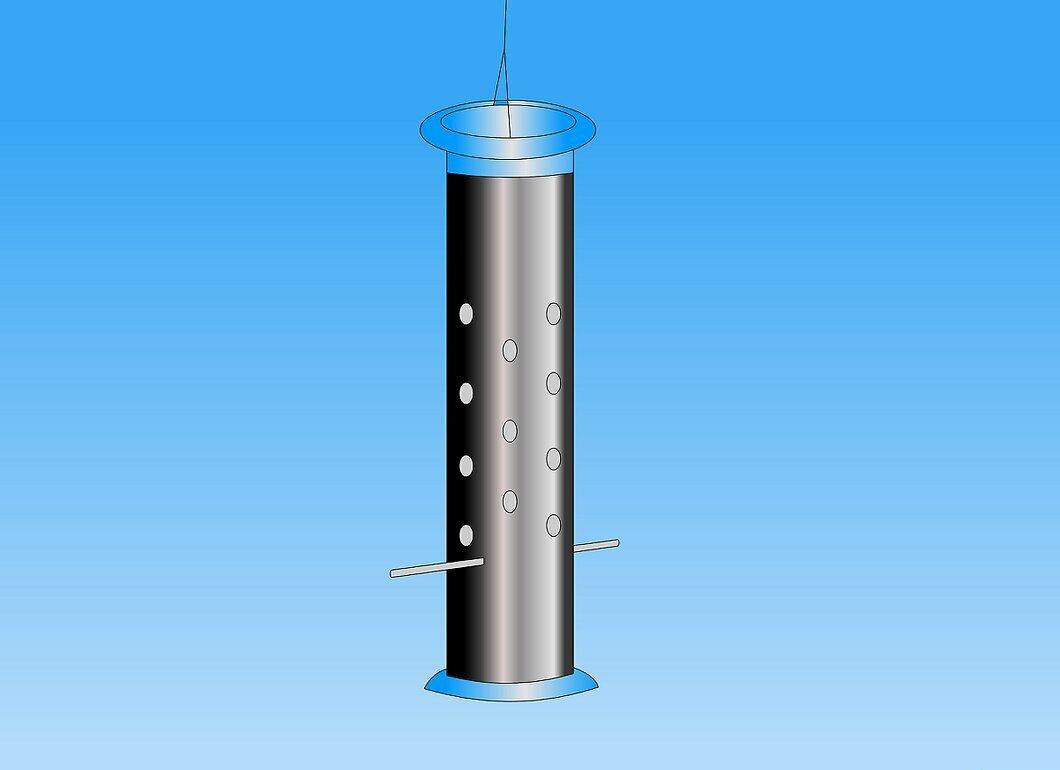
If you're on a budget, choose feeders that are resistant to squirrels. These feeders usually cost less and may not be as sturdy, but they can still help reduce food consumption. However, they may only assist in case of a random squirrel appearance and won’t provide full protection like pricier models.
Step 3: Choose Seeds That Squirrels Dislike.
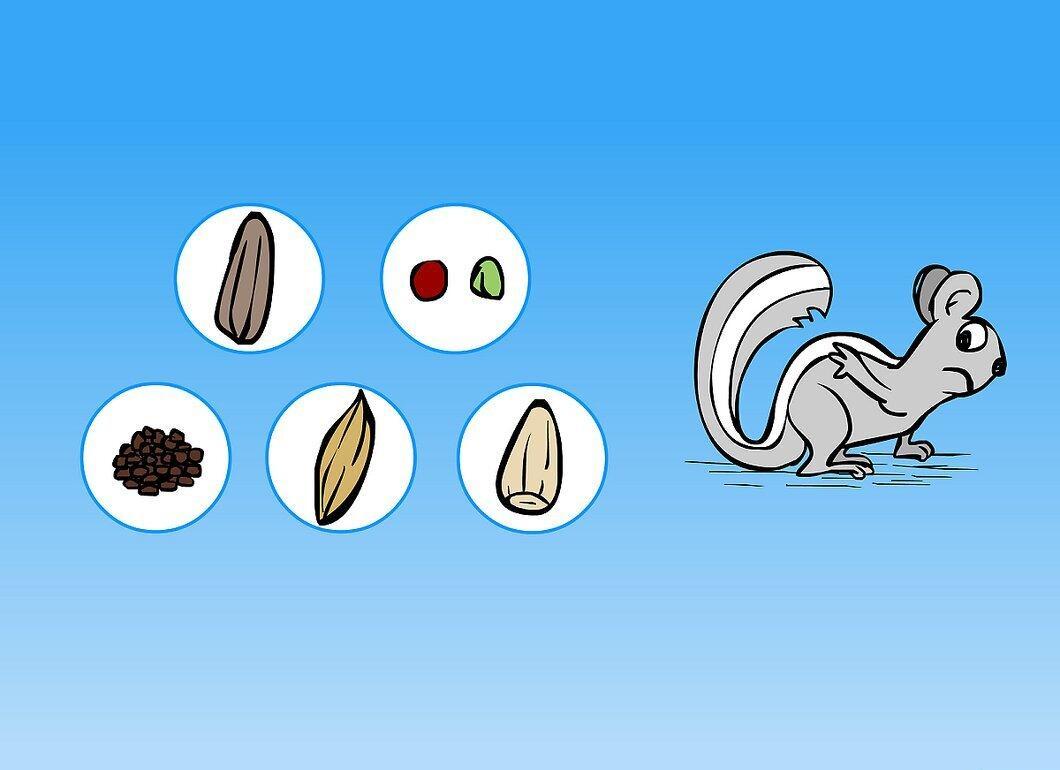
There are many seeds that squirrels typically avoid. Try using ingredients like millet seeds, proso millet, safflower seeds, canary seeds, and canola. Keep in mind, though, that a hungry squirrel may eat anything in its path.
Step 4: Add Hot Pepper to the Feed.
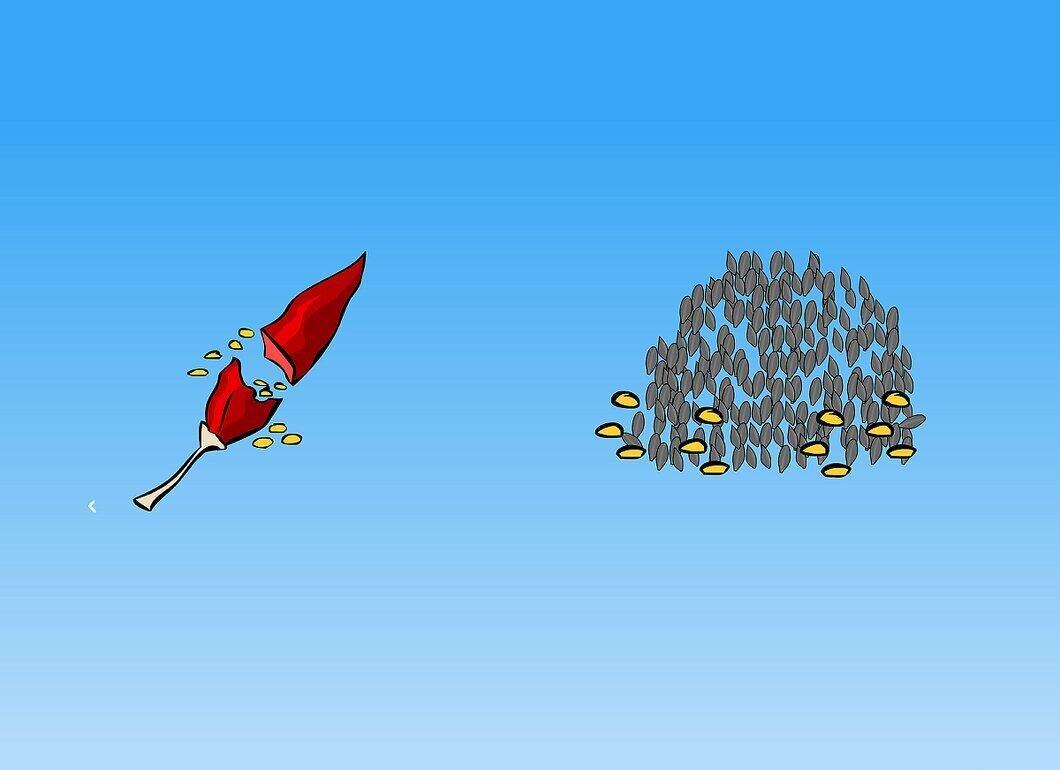
Adding hot pepper to bird feed is a safe way to deter squirrels. It won’t harm the birds or lower their body temperature in cold weather. The pepper seeds eaten by birds can be naturally dispersed through their droppings. However, be cautious with ground pepper, as it may cause temporary discomfort to birds in windy weather. It’s better to use crushed flakes, whole hot pepper seeds, or peppercorns.
Step 5: Position the Feeder Out of Squirrel Reach.
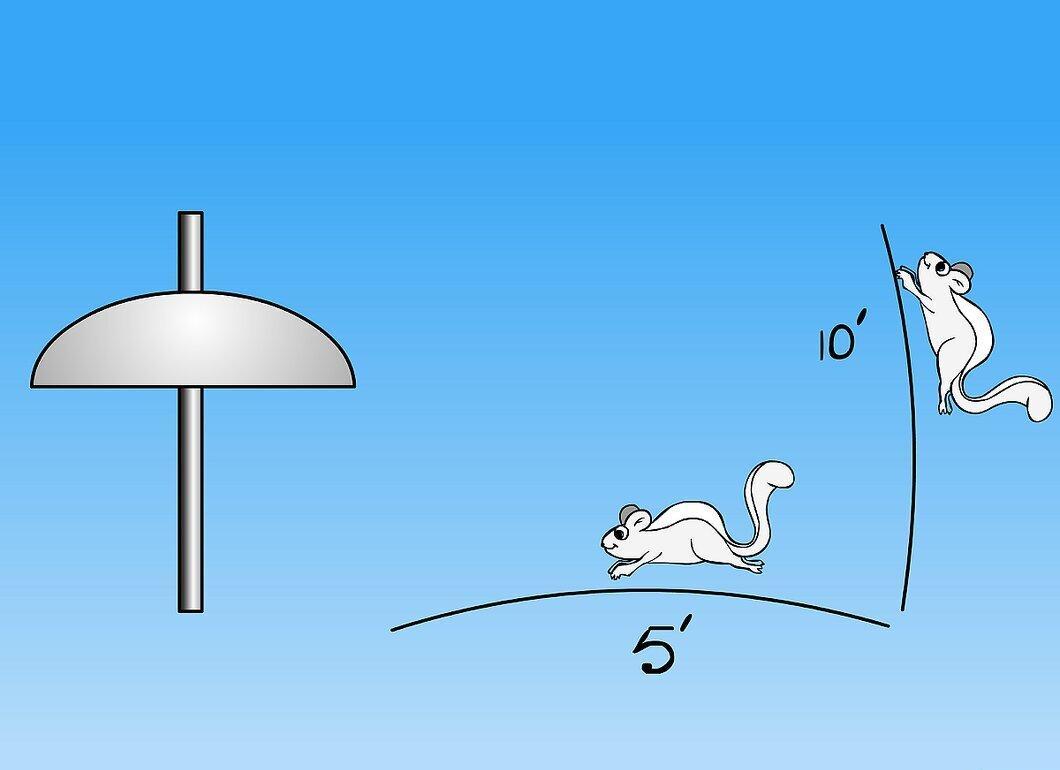
To protect the feeder from squirrels, mount it on poles or stands. It’s important to choose the right height and distance: squirrels can jump ten feet long and five feet high.
- For mounting, straight or shepherd's hooks work well. Ensure they are at least ten feet (3 meters) away from any objects that squirrels could leap from. The feeder should be placed five feet (1.5 meters) above ground.
- If you want to suspend the feeder, string wire between two trees, place the feeder in the center, ten feet (3 meters) from both trees, and hang the feeder below the wire.
- Remember, the bottom of the feeder should be above five feet from the ground. Metal barriers usually work best.
Step 6: If Squirrel Problems Persist, Use Traps.
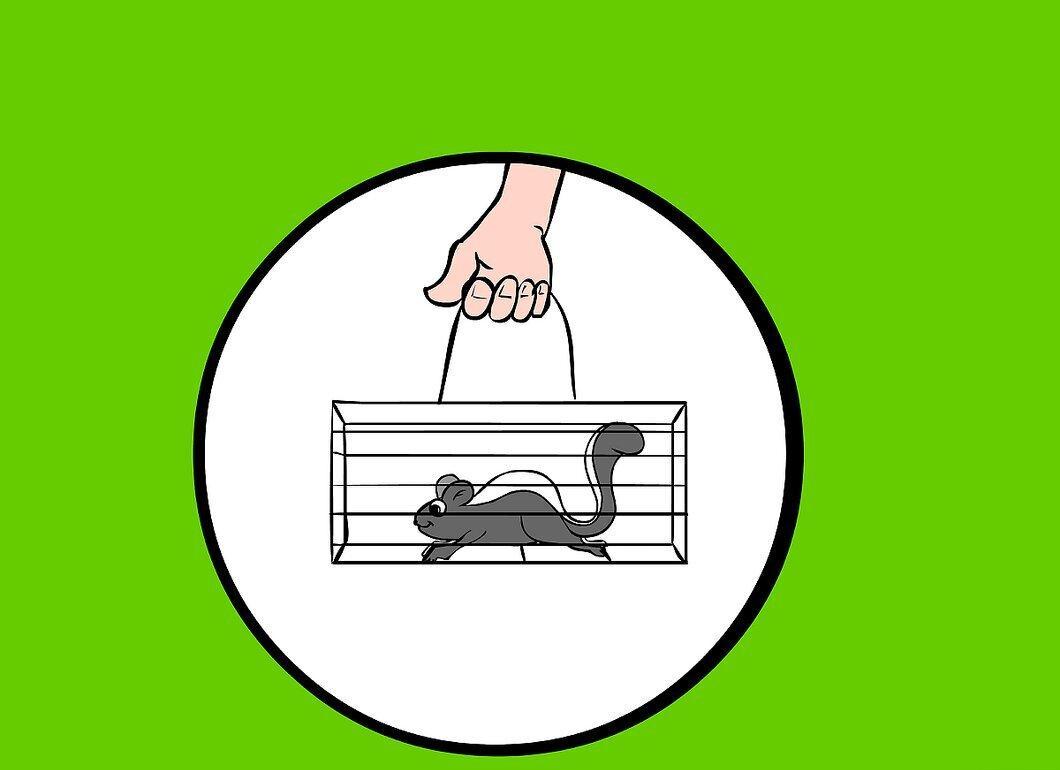
Relocating the feeder isn’t always effective, but you can use traps to safely catch squirrels and transport them elsewhere. Remember that squirrel populations can rebound quickly, so you may need to repeat this process. Be sure to take the squirrel far away and place it in an area with plenty of trees. Don't forget about nursing females.
Step 7: Provide Squirrels with Their Own Food.
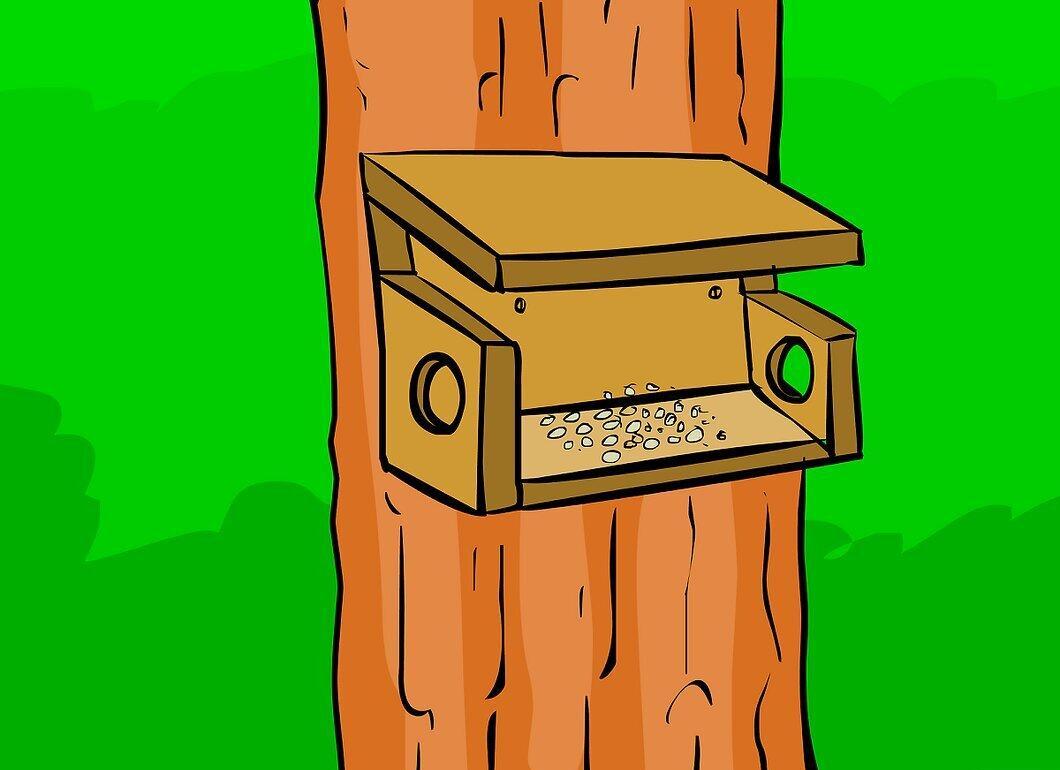
If squirrels won’t leave you alone, try separating the feeding areas. Place some corn and snacks in a separate feeder just for them. This not only helps attract squirrels but also adds fun as you watch their attempts to get to the food.
- For entertainment, position the feeder so that it’s challenging for squirrels to access, and enjoy their “gymnastics” as they try to reach the feed.