Corrosion is a phenomenon where metal loses its qualities when interacting with various oxidizers in the environment. This process can manifest in different forms and has many causes. One common type of corrosion is rust formation, which occurs when iron oxides develop under humid conditions. Corrosion poses a serious threat to builders working with various metal structures, such as buildings, boats, airplanes, and cars. For instance, in the case of a metal bridge component, the structural integrity of a corroded structure is critical for the safety of its users. To learn how to protect metals from corrosion, proceed to Step 1.
Understanding the Main Types of Metal Corrosion
Step 1. Surface Protection to Prevent Uniform Corrosion.
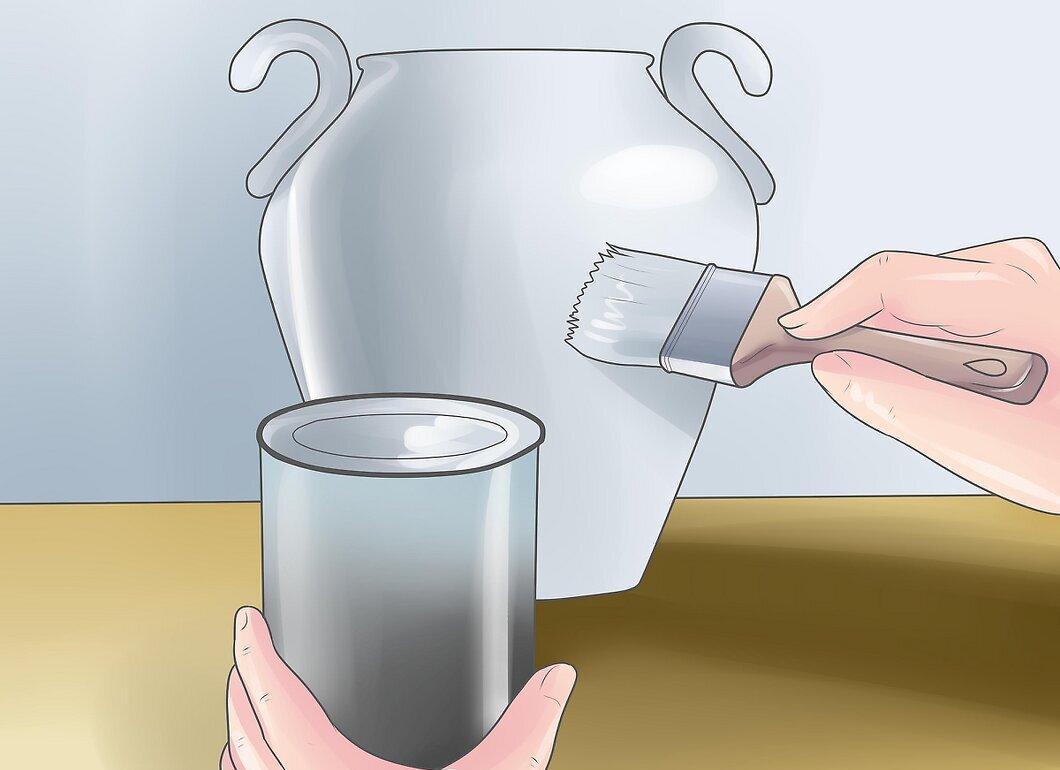
Uniform corrosion occurs evenly across the entire surface of the metal. In this case, the metal is corroded uniformly, leading to a consistent rate of degradation. For example, if an iron roof is unprotected, continuous exposure to rain will result in uniform contact with water and, consequently, uniform corrosion. To prevent uniform corrosion, it is essential to establish a protective barrier between the metal and corrosive substances. Protection can be achieved through various methods, such as using paint, oil-based sealants, or electrochemical solutions like galvanic protection.
- In underground conditions or when submerged, cathodic protection is also a good alternative.
Step 2. Protection Against Galvanic Corrosion by Preventing Ion Flow Between Metals.
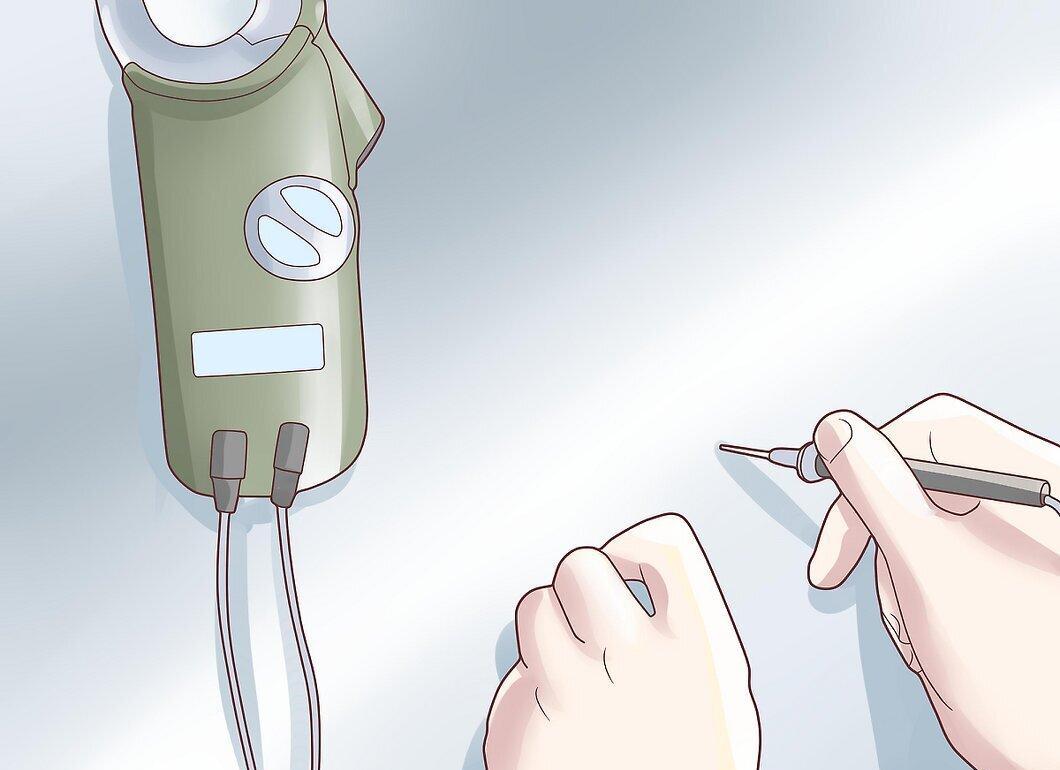
Galvanic corrosion occurs when two metals with different electrode potentials come into contact in the presence of an electrolyte (e.g., seawater), creating an electric conductor. As a result, the more active metal corrodes faster than the less active one. To avoid this type of corrosion, it is necessary to prevent ion flow between metals. Protective coatings can help insulate the metal from electrolytes, and methods such as galvanization and anodization can also be effective. Insulating connections between metals can significantly reduce the risk of galvanic corrosion.
- Using cathodic protection or a sacrificial anode can also prevent galvanic corrosion.
Step 3. Protection Against Pitting Corrosion by Avoiding Sources of Chloride and Surface Damage.
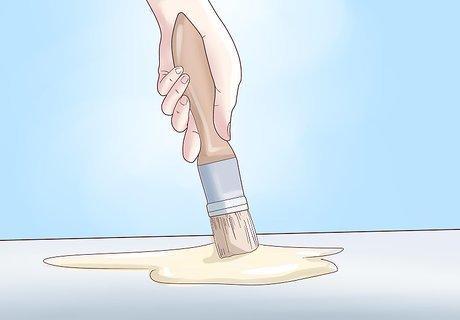
Pitting corrosion occurs at a microscopic level and has serious consequences for metal that is protected by a thin layer of passive compounds. This form of corrosion can lead to the formation of small holes when the protective layer is damaged. Possible sources, such as salt from seawater, can accelerate the pitting corrosion process.
Step 4. Preventing Crevice Corrosion Through Design Optimization.
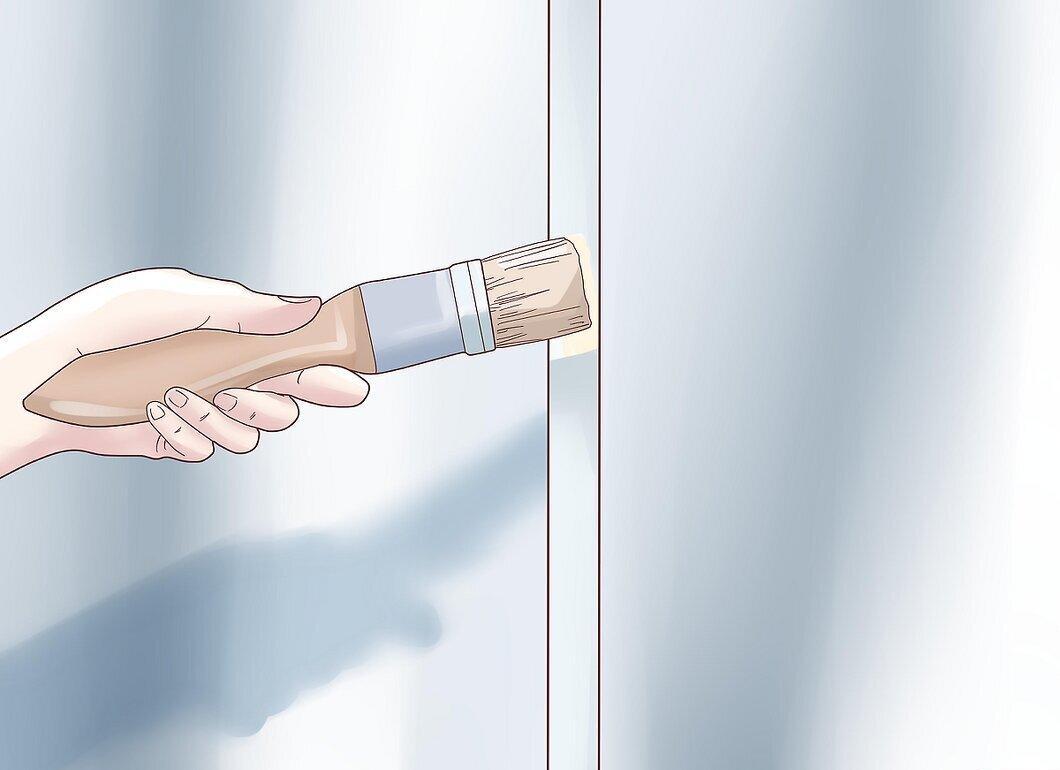
Crevice corrosion occurs in narrow spaces where access to air and liquid is limited, such as under washers or in joints. In such places, liquid can stagnate, creating conditions for corrosion. Minimizing tight gaps in the design of metal objects can help prevent crevice corrosion.
- This is especially important when working with aluminum, which has a protective passive layer that can be damaged by crevice corrosion.
Step 5. Preventing Stress Corrosion Cracking with Safe Load and Annealing.

Stress corrosion cracking (SCC) is a rare but dangerous form of corrosion that can cause structural failure. It occurs when tensile stresses create cracks that can be exacerbated by corrosive ions. Preventing SCC can be achieved by selecting SCC-resistant materials and annealing the metal to remove residual stress.
- SCC can be exacerbated under high temperature conditions and in the presence of chlorides.
How to Protect Metal from Corrosion at Home
Step 1. Apply Paint to the Metal Surface.
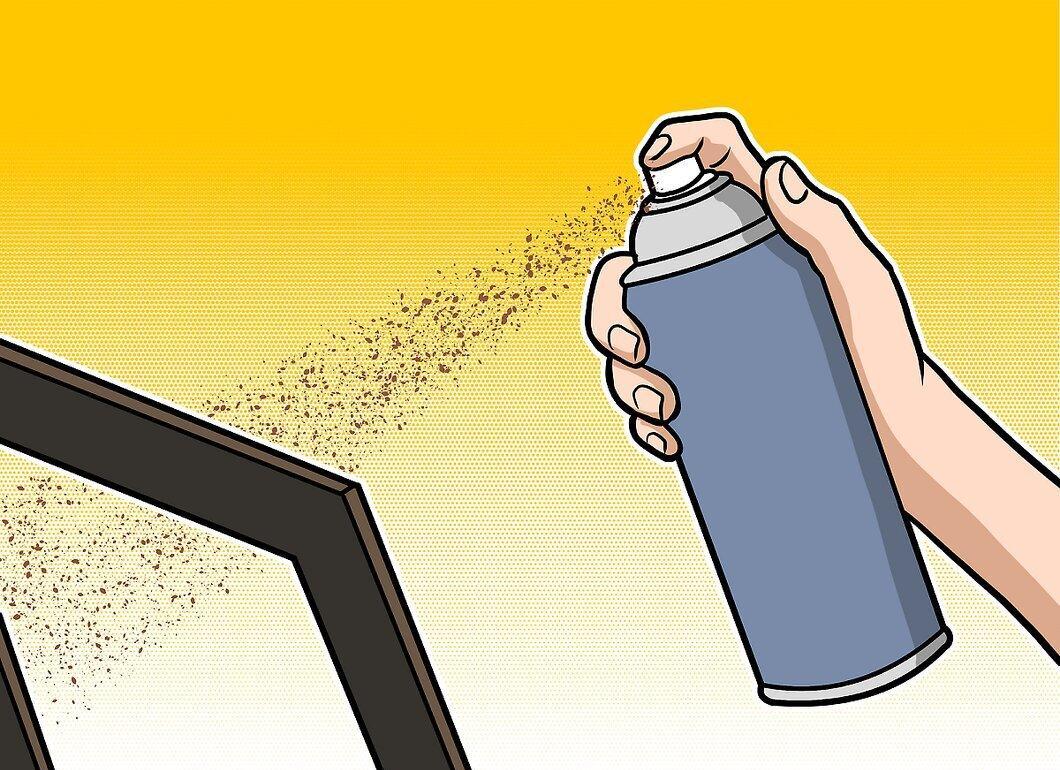
The most popular way to protect metal from corrosion is by coating it with paint. Paint creates a protective barrier, preventing contact between the metal and moisture or oxidizers. However, paint can be damaged over time, so reapplication is necessary when chips or wear appear.
- Various painting methods can be used for the best result: a brush works well for hard-to-reach areas, a roller is suitable for larger surfaces, and a spray is ideal for quick coverage, although it's less effective due to paint loss.
Step 2. Use Marine Paint for Water-Contacting Items.
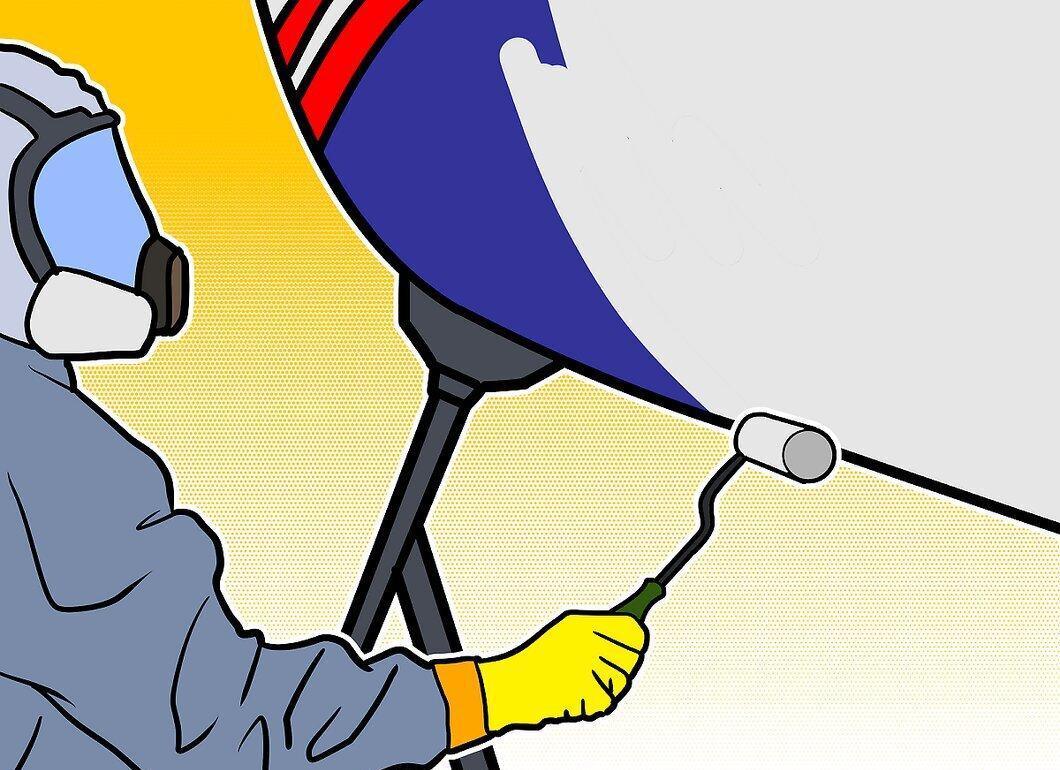
For metal items that frequently come into contact with water, marine paint is necessary. It protects against not only corrosion but also marine organisms that can damage the metal. Be sure to use high-quality marine epoxy paint for such purposes.
Step 3. Apply Protective Lubricants for Moving Parts.
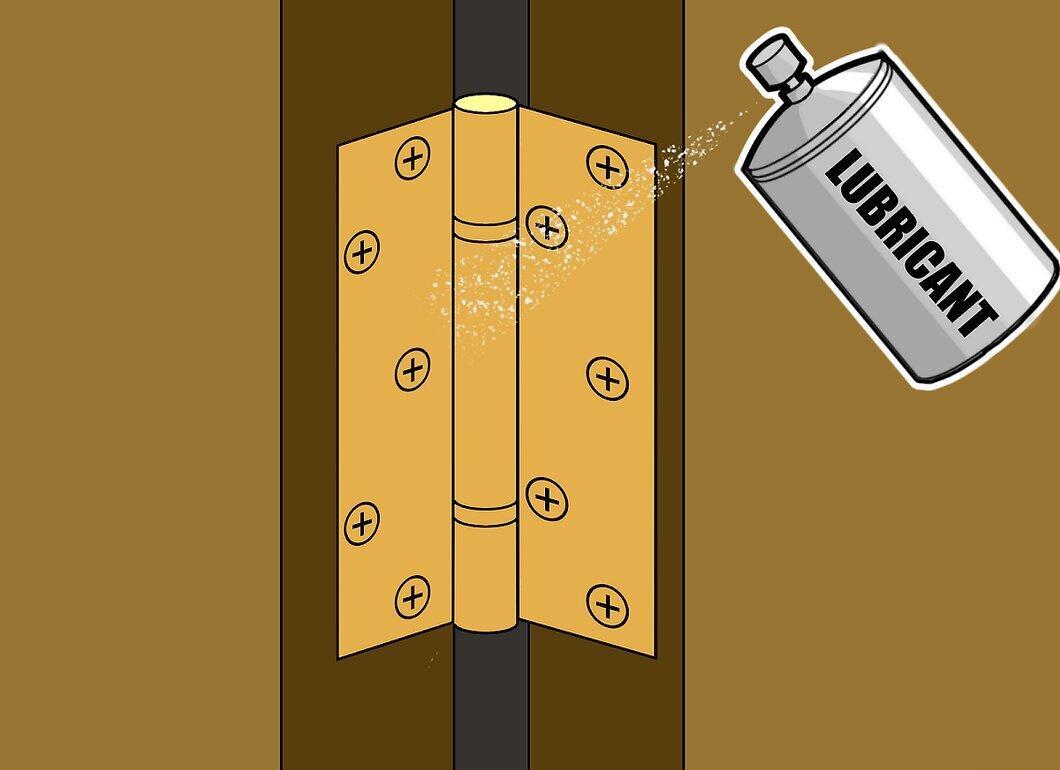
For moving metal parts, it’s better to use specialized lubricants rather than paint to avoid seizing. Lubrication protects against moisture and ensures smooth operation of mechanisms. Be sure to reapply lubrication as needed.
Step 4. Thoroughly Clean Surfaces Before Treatment.
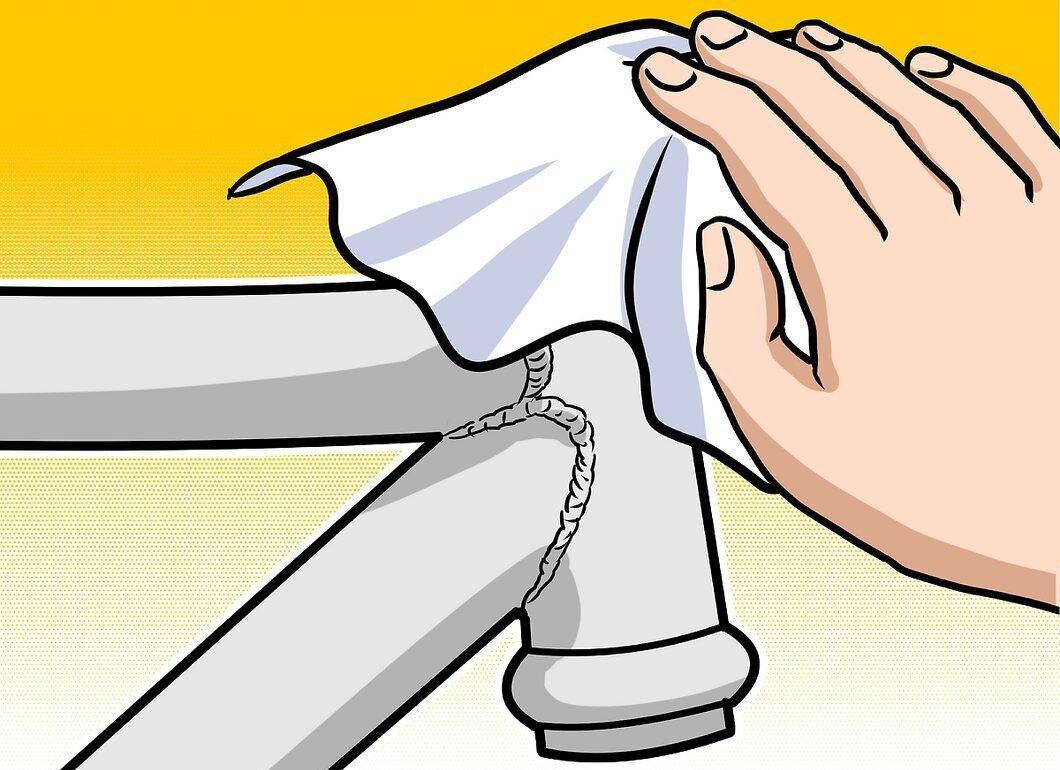
Before applying paint or lubricant, ensure that the metal surface is clean and dry. Any contaminants can interfere with the adhesion of the protective layer and lead to corrosion. Use wire brushes and sandpaper to remove rust and dirt.
Step 5. Store Unprotected Metal Items in a Dry Place.
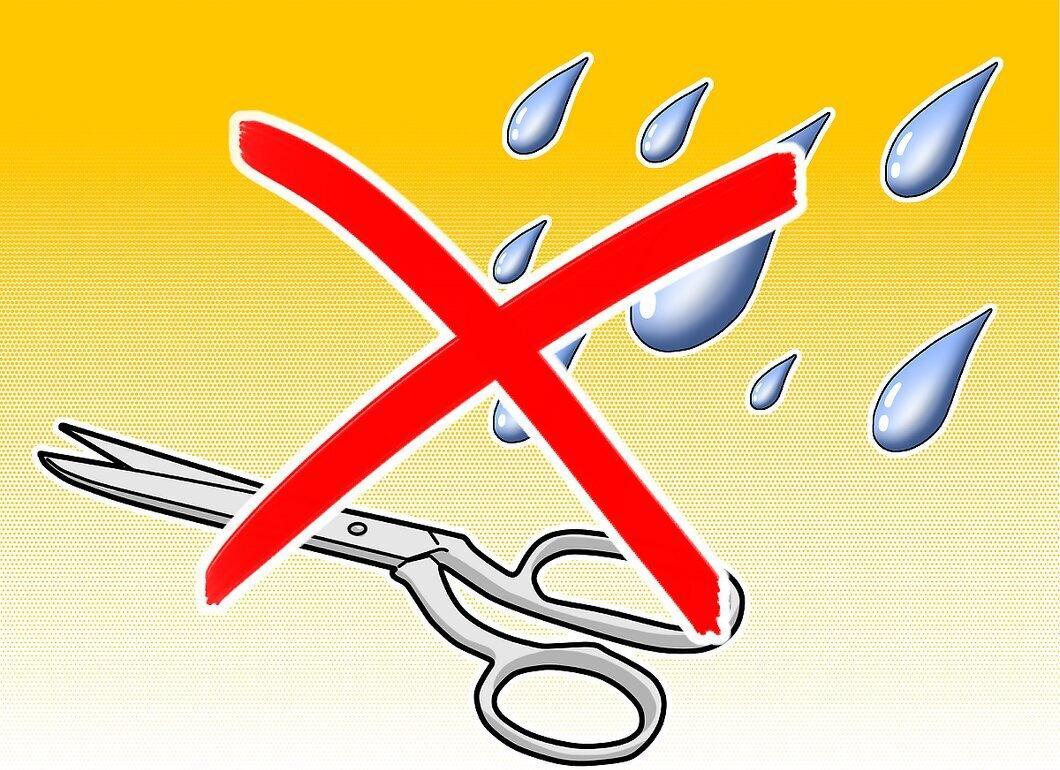
Moisture is the main enemy of metal. If you cannot protect the surface with paint or sealant, try to store metal items in a dry place. This will help prolong their lifespan and prevent corrosion.
Step 6. Keep Metal Surfaces Clean.

Regularly clean metal parts after use to avoid the accumulation of dirt and dust. This will help maintain the protective coating and prevent corrosion.
Electrochemical Methods of Corrosion Protection
Step 1. Galvanization.
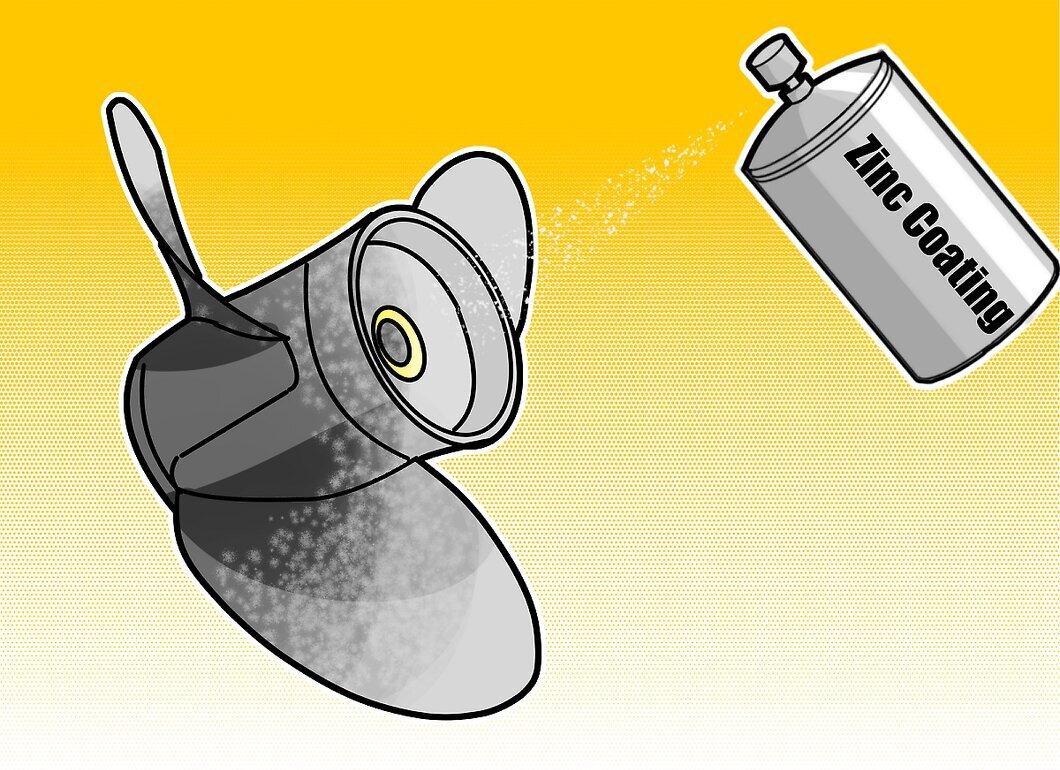
Galvanization is the process of applying a thin layer of zinc to protect metal from corrosion. Zinc, being a more active metal, oxidizes first, forming a protective layer that prevents the corrosion of the base metal. The most common form of galvanization is hot-dip galvanizing.
- This process requires specialized knowledge and equipment for safe execution.
Step 2. Using a Sacrificial Anode.
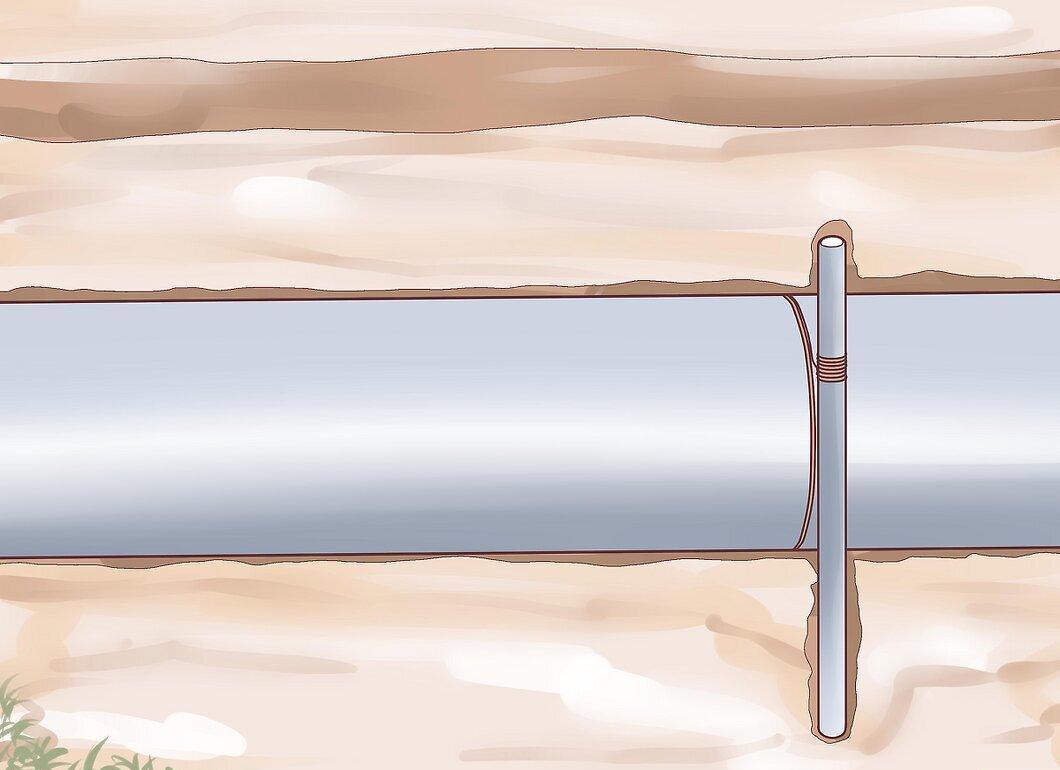
Attaching a sacrificial anode to a metal product helps protect it from corrosion. This anode will corrode while the main object remains intact. Anodes can be made from various metals such as zinc, aluminum, or magnesium, depending on the operating conditions.
Step 3. Applying Electric Current.
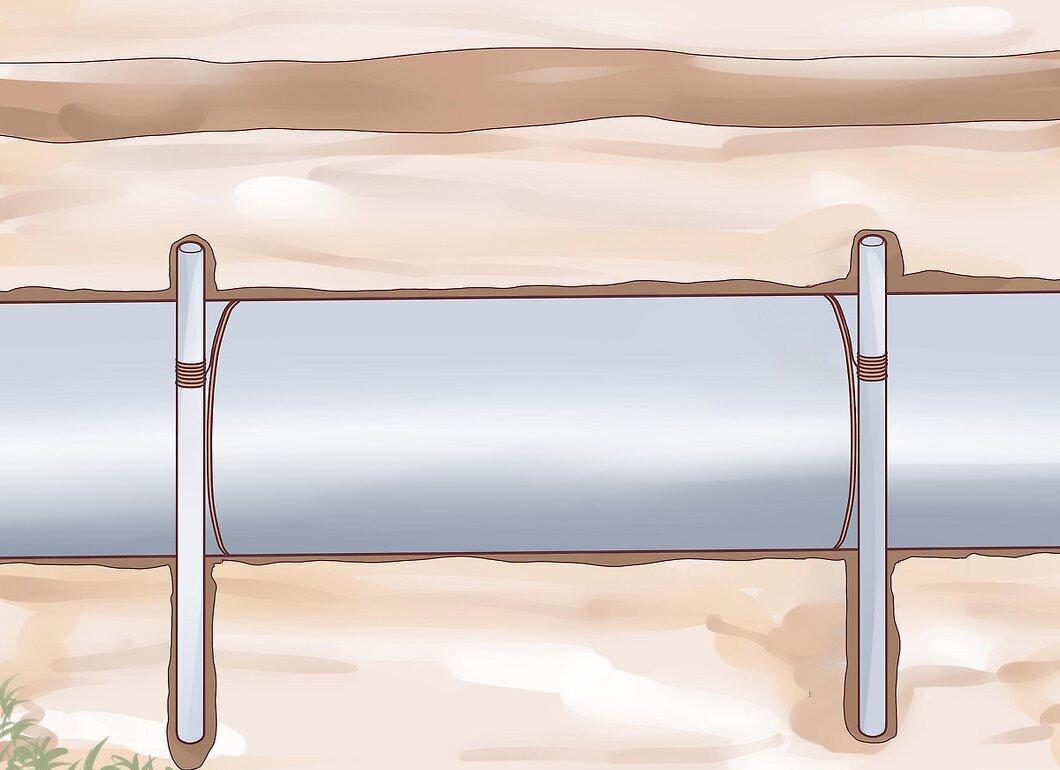
Using an external source of electric current can prevent corrosion by applying a negative charge to the protected metal. This helps compensate for the electrons leaving the metal and prevents its degradation.
Step 4. Anodizing.
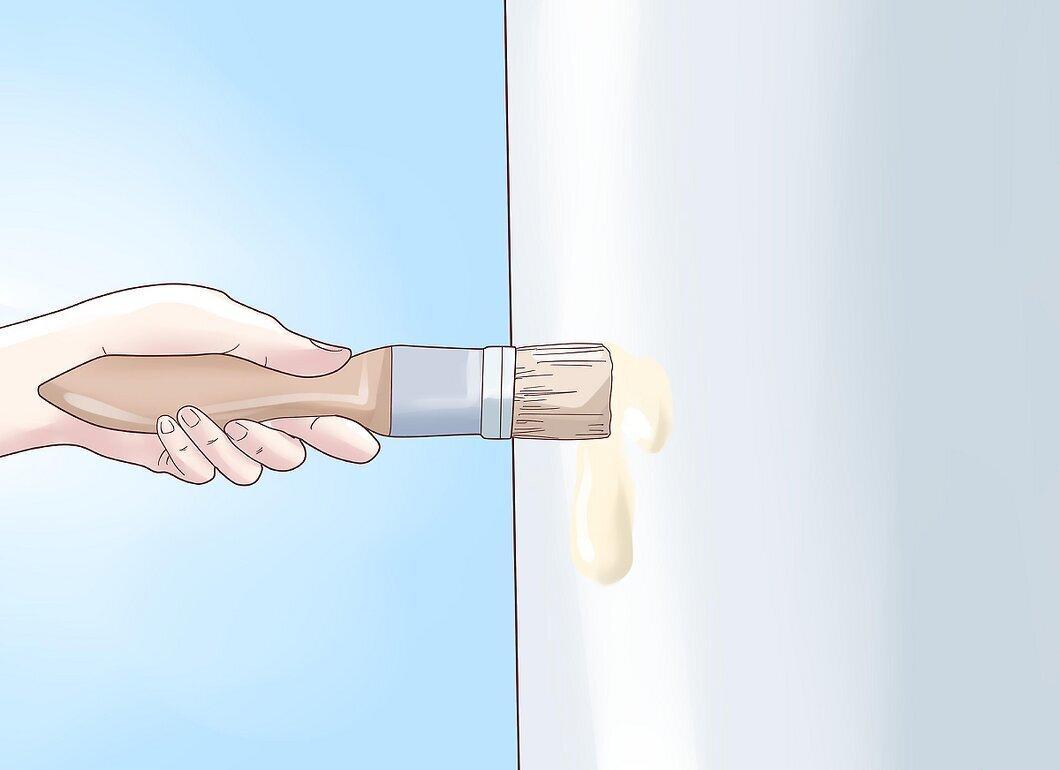
Anodizing is a process in which metal is treated with electric current to create a protective oxide layer. This method effectively protects metal from corrosion and enhances its appearance.
Step 5. Using Passive Metals.
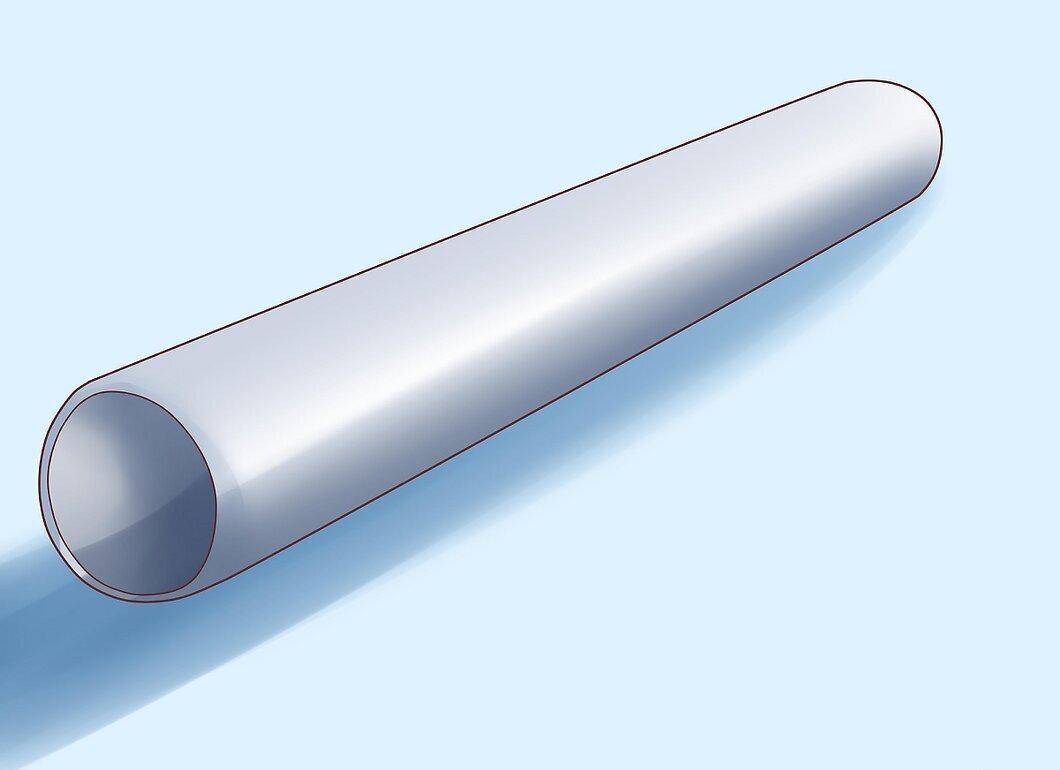
Some metals, such as stainless steel, form a natural protective oxide layer that makes them less susceptible to corrosion. Such materials may not require additional protection in most operating conditions.