Ear congestion can lead to unpleasant sensations and reduced hearing. Without the right treatment, it may result in dizziness and ear pain. It's crucial to note that if congestion is accompanied by severe pain or bleeding, it may be a sign of a perforated eardrum, which requires urgent medical attention. However, most of the time, you can relieve ear congestion using simple home remedies and over-the-counter medications.
Equalizing Ear Pressure
Step 1. Yawn or move your jaw to open the Eustachian tubes.
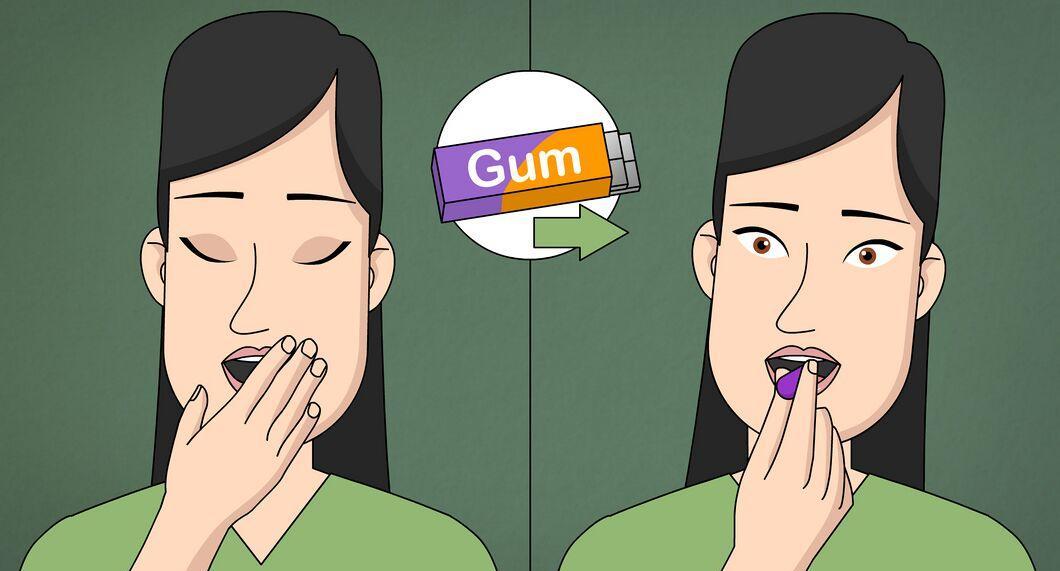
Yawning or moving your lower jaw can help open the Eustachian tubes. Sometimes just yawning is enough to equalize ear pressure. You can also chew sugar-free gum for a few minutes. These simple methods can quickly restore normal pressure and relieve congestion.
- When the pressure equalizes, you’ll hear a slight popping sound in your ears, and the congestion will disappear.
Step 2. Try the Toynbee maneuver to relieve ear congestion.
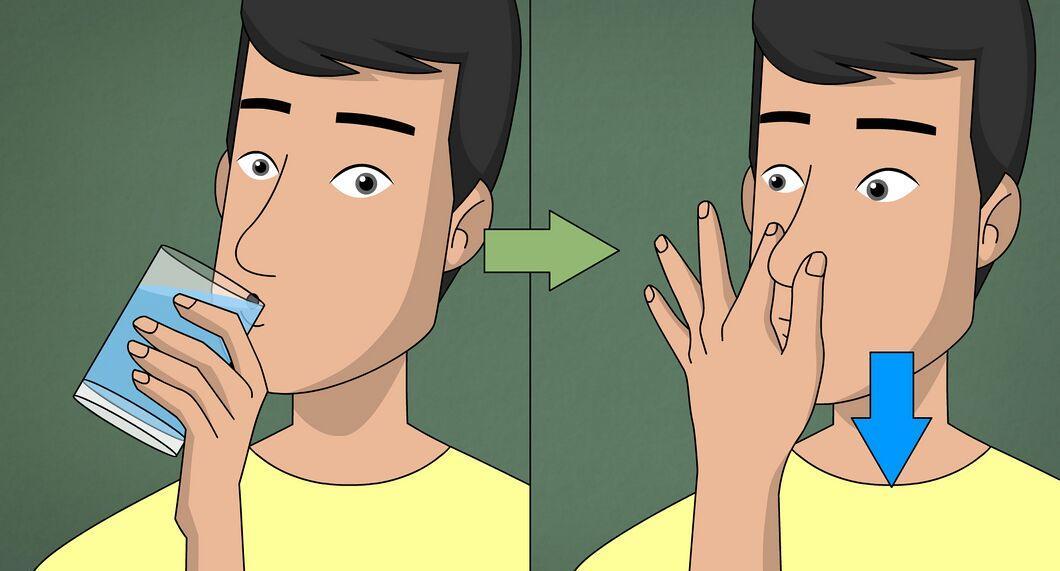
The Toynbee maneuver can help reduce pressure in the middle ear and alleviate discomfort. Take some water in your mouth but don’t swallow it. Keep your mouth closed and gently pinch your nostrils shut with your fingers to close your nose. Then swallow the water. You can repeat this process up to five times.
Step 3. Relieve pressure using the Valsalva maneuver.
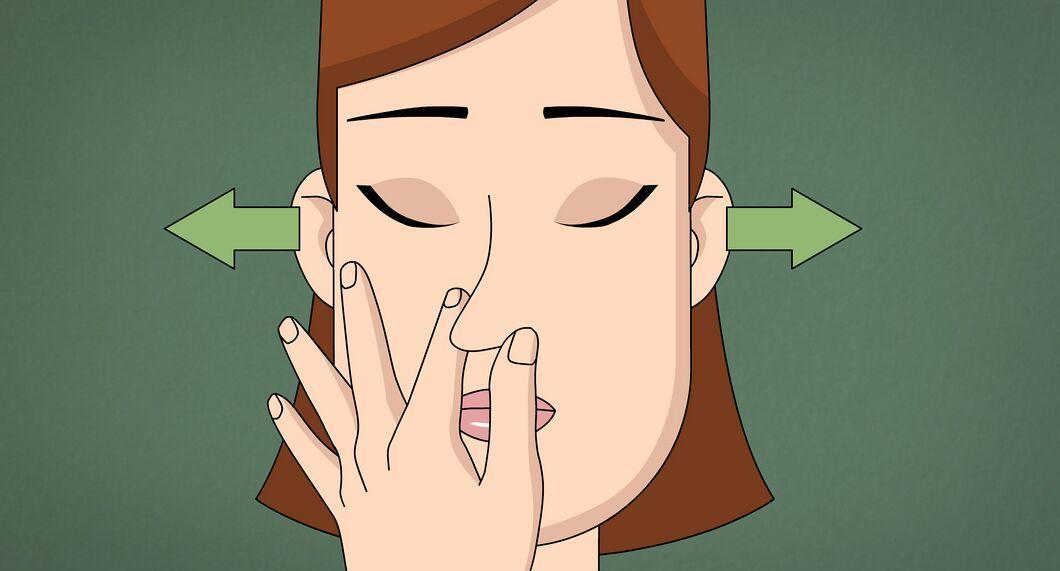
The Valsalva maneuver helps lower pressure in the ears. Pinch your nostrils shut and close your mouth. Then gently try to inhale through your nose. Be careful not to overdo it, as this can cause pain or damage to the eardrum. You might hear a slight pop, indicating that the pressure has decreased, but there should be no pain.
- This method is useful not only during colds but also for pilots, airplane passengers, and divers.
Removing Earwax Blockages
Step 1. Loosen earwax with steam.
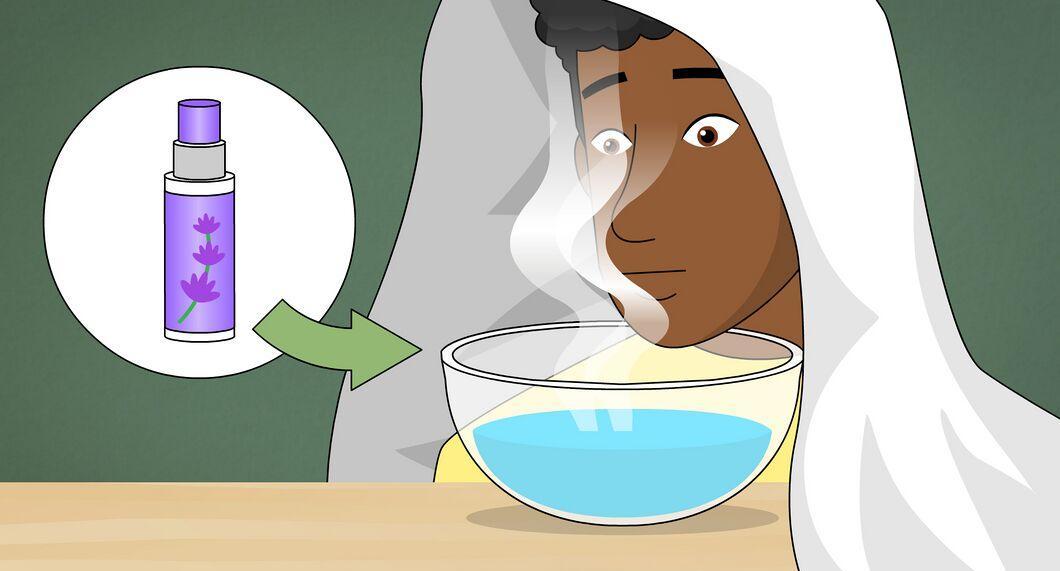
Loosening earwax with steam can be effective. Boil water in a pot and pour it into a heatproof bowl. Lean over the bowl, covering your head and the bowl with a towel. Breathe in the steam for a while. This will help thin mucus and earwax, reducing pressure in the ears.
- Wipe any wax that drips from your ears with a clean cloth.
- You can add a few drops of essential oil, such as lavender or tea tree, to the water.
Step 2. Apply a warm compress to remove excess fluid.
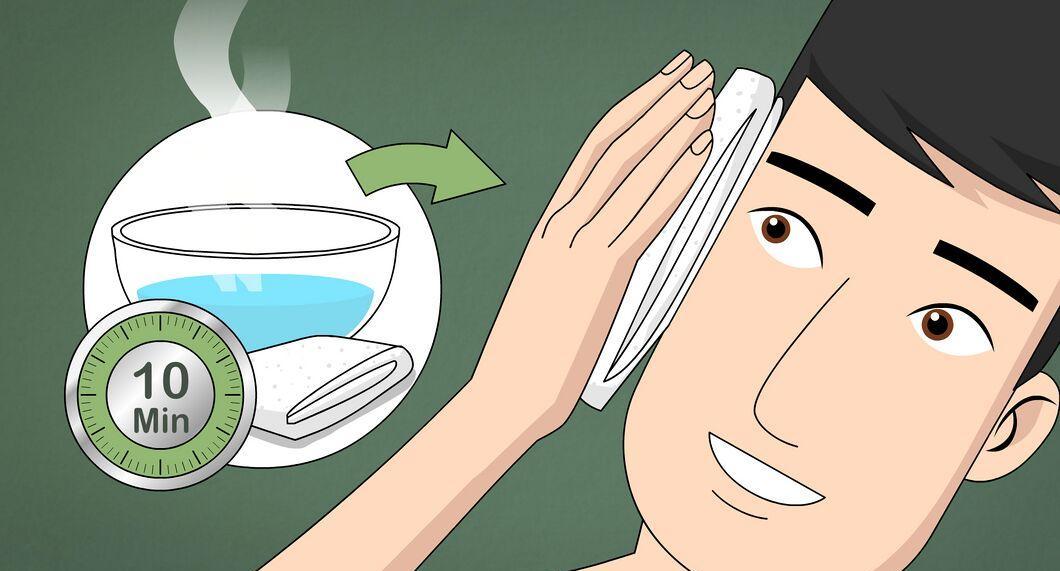
A warm compress can help remove excess fluid from the ear. Soak a clean cloth in hot water, wring out the excess moisture, and place it against the congested ear. Hold the compress for about 10 minutes, then lie on your side to allow the fluid to drain. Repeat the compress as needed.
- Wipe any wax that flows out of the ear with a cloth.
Step 3. Remove moisture with a vinegar solution.
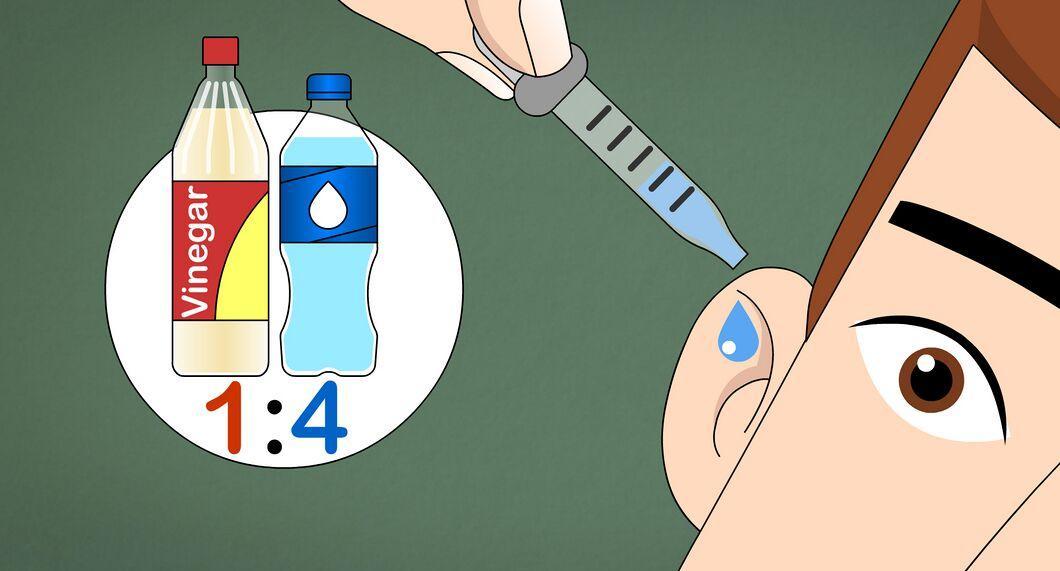
To remove excess moisture, use a vinegar solution. Mix 1 part vinegar with 4 parts water. Tilt your head to the side and drop a few drops of the solution into the congested ear. Keep your head in this position for about five minutes to allow the solution to enter the ear canal.
- To avoid spillage, place a cotton ball in the ear before straightening up. Repeat for the other ear if necessary.
Step 4. Soften earwax with oil.
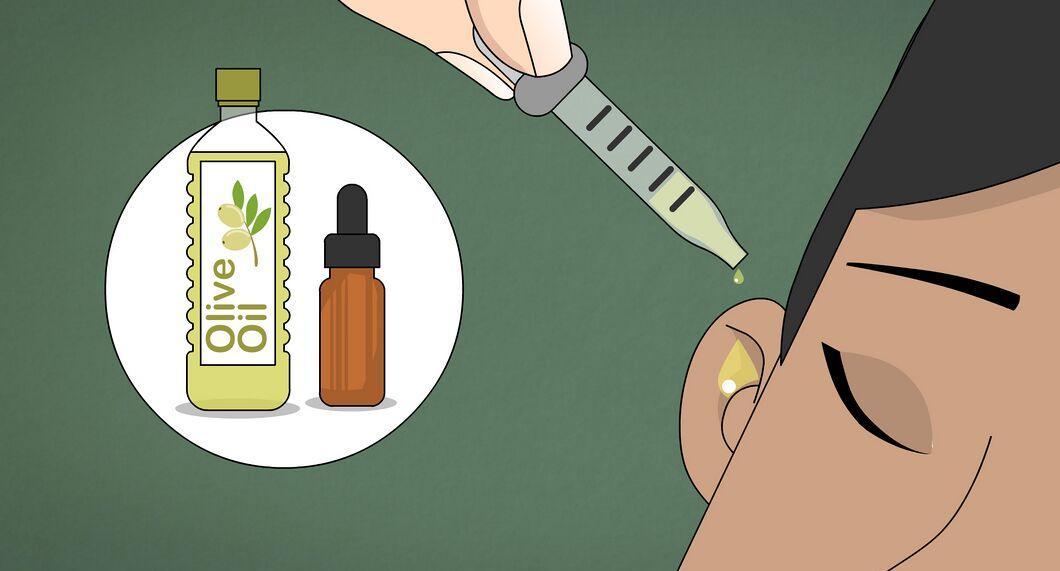
You can soften earwax with oil. Tilt your head so the congested ear is on top and drop a few drops of warm (but not hot) olive or mineral oil into it using a dropper. Keep your head in this position for about five minutes.
- Afterward, straighten up and wipe away any oil and wax with a clean cloth. Repeat for the other ear if needed.
Medications
Step 1. Use decongestants if home remedies didn't work.
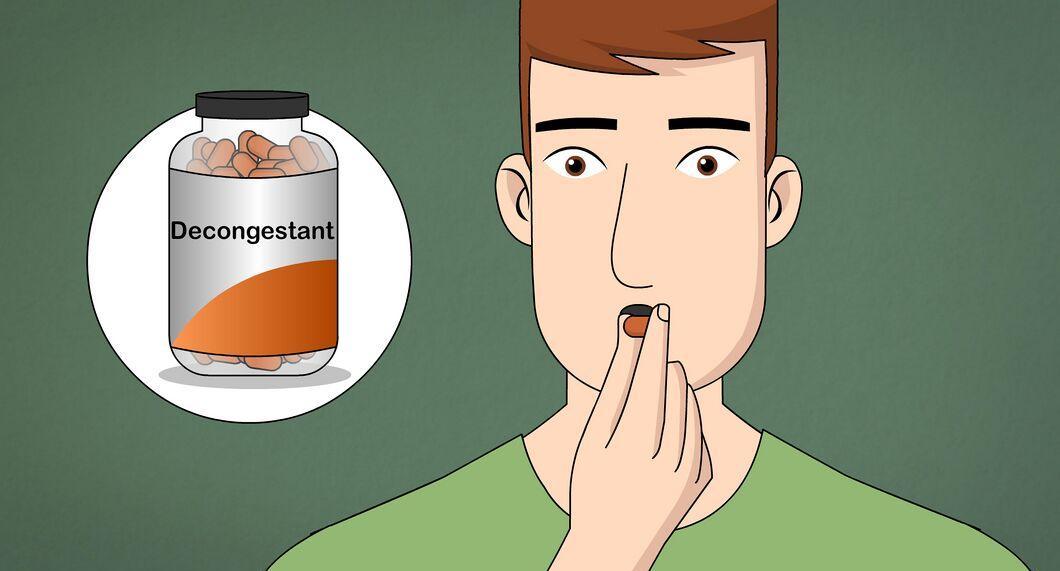
If the previous methods haven't worked, try decongestants. They can help clear the sinuses and restore hearing. Make sure to follow the instructions and do not use decongestants for more than three consecutive days.
Step 2. Use an antihistamine nasal spray for allergies.
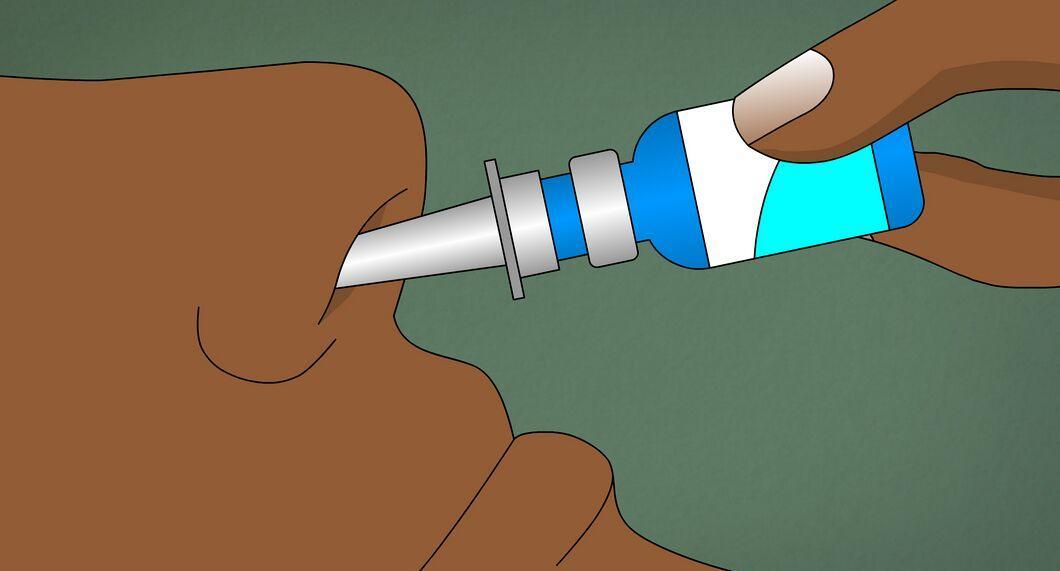
If you have allergies, an antihistamine nasal spray can be helpful. Find one at your local pharmacy and use it as directed.
Step 3. Consult an ENT specialist if the issue persists.
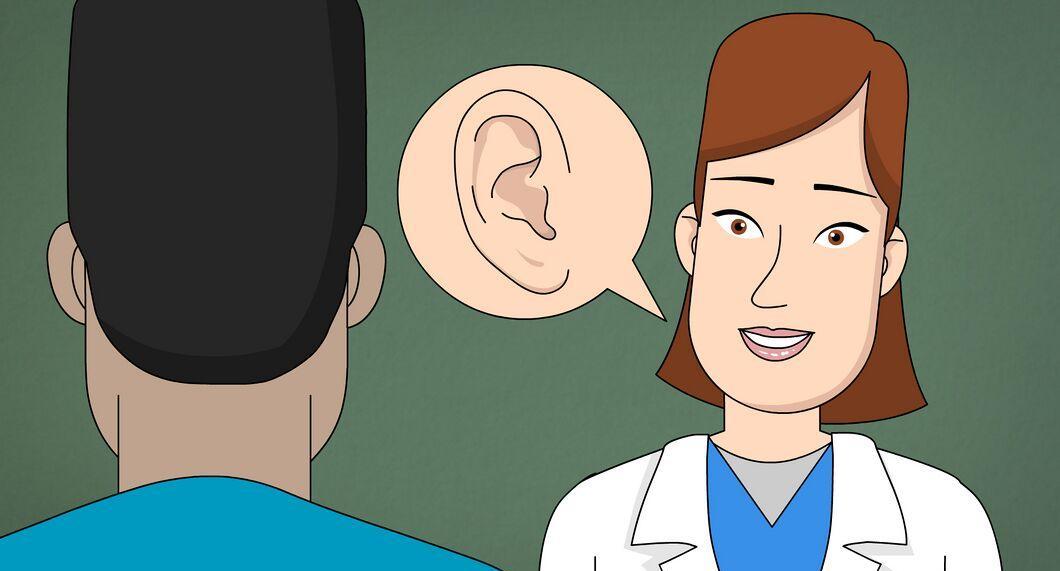
If congestion persists or is accompanied by severe pain, be sure to visit an ENT specialist. They may prescribe nasal steroids or other medications depending on the cause of the discomfort.