Eating disorders are an ever-growing concern. They can affect anyone, regardless of gender or age, but are most commonly seen in women. If you or someone close to you notices signs of such a disorder, it is crucial not to ignore it. These disorders have the highest mortality rates among all mental illnesses, making it essential to do everything possible to help yourself or a loved one.
Recognizing the Problem and Ways to Overcome It
Step 1. Learn about different types of eating disorders.
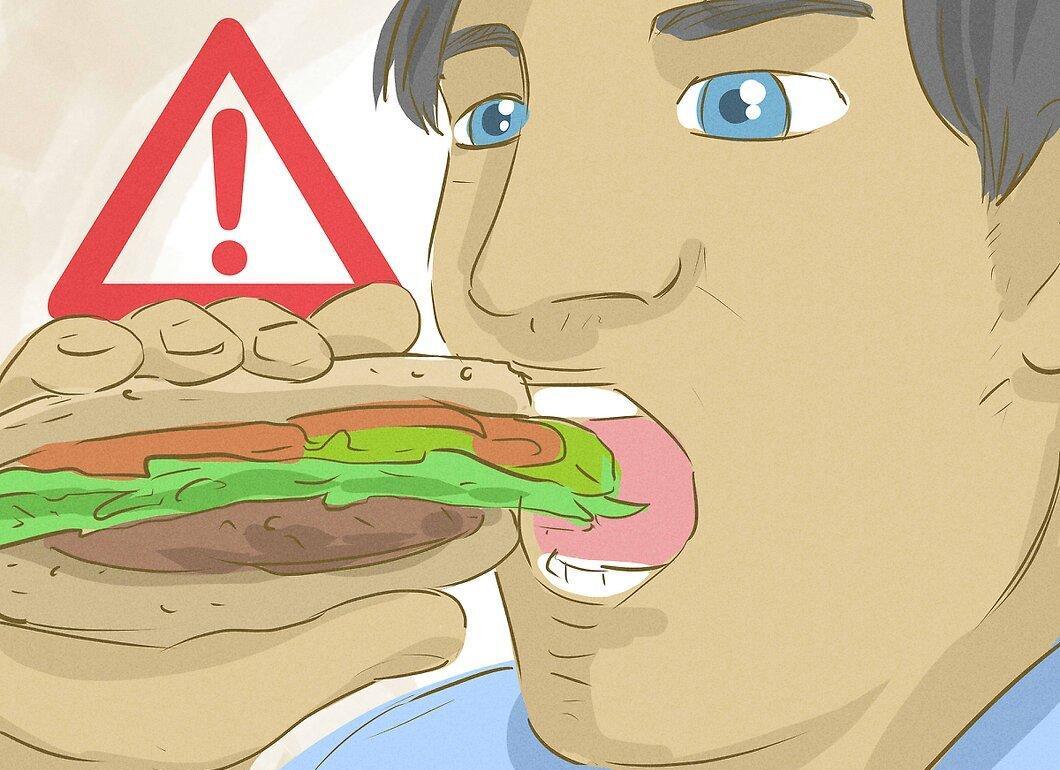
Educate yourself on the various types of eating disorders. This article will focus on three main types: anorexia, bulimia, and binge eating disorder. According to the classification of mental disorders, the main conditions are: anorexia nervosa, bulimia nervosa, and binge eating disorder. There are also other types of disorders. If you are experiencing issues with food intake, do not hesitate to seek a doctor's opinion for an accurate diagnosis.
- Anorexia Nervosa is a condition where a person refuses to eat, leading to significant weight loss. Individuals with anorexia are often obsessed with the idea of losing weight and may experience distorted self-image, fear of gaining weight, and an unwillingness to maintain a healthy weight.
- Bulimia Nervosa is characterized by episodes of binge eating followed by purging (vomiting or using laxatives) to control weight.
- Binge Eating Disorder involves uncontrollable eating, but unlike bulimia, individuals do not attempt to rid themselves of the food through vomiting or laxatives. They may resort to dieting due to feelings of guilt or shame.
Step 2. Identify factors contributing to the development of eating disorders.
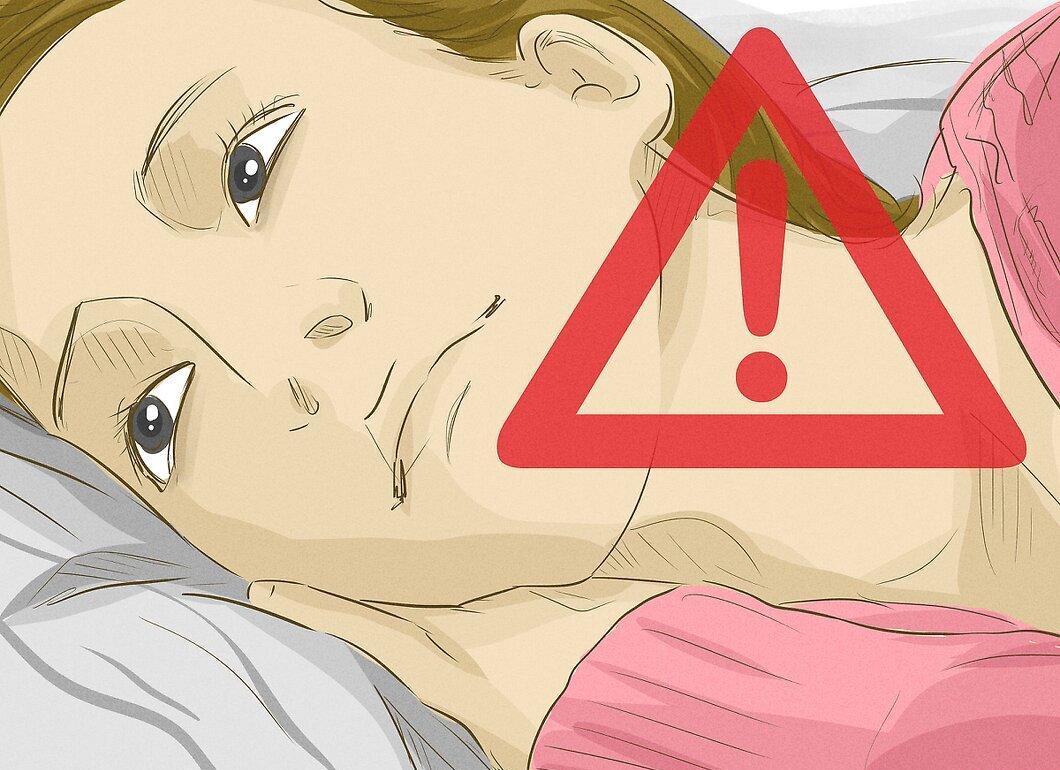
Familiarize yourself with factors that can lead to eating disorders. The causes are varied and may include neurobiological and hereditary factors, low self-esteem, high anxiety, an obsession with ideals, relationship problems, physical or sexual abuse, family conflicts, and difficulties expressing emotions.
- If you need more information, look for resources online.
Step 3. Consider supporting organizations that help individuals with eating disorders.

Think about how you can assist organizations that support individuals suffering from eating disorders. There are many organizations working to educate the public about the consequences of these disorders and providing help to those in need. If you know someone struggling with this issue, your donations can improve service quality and spread awareness.
Step 4. Reject unrealistic body standards (body shaming).
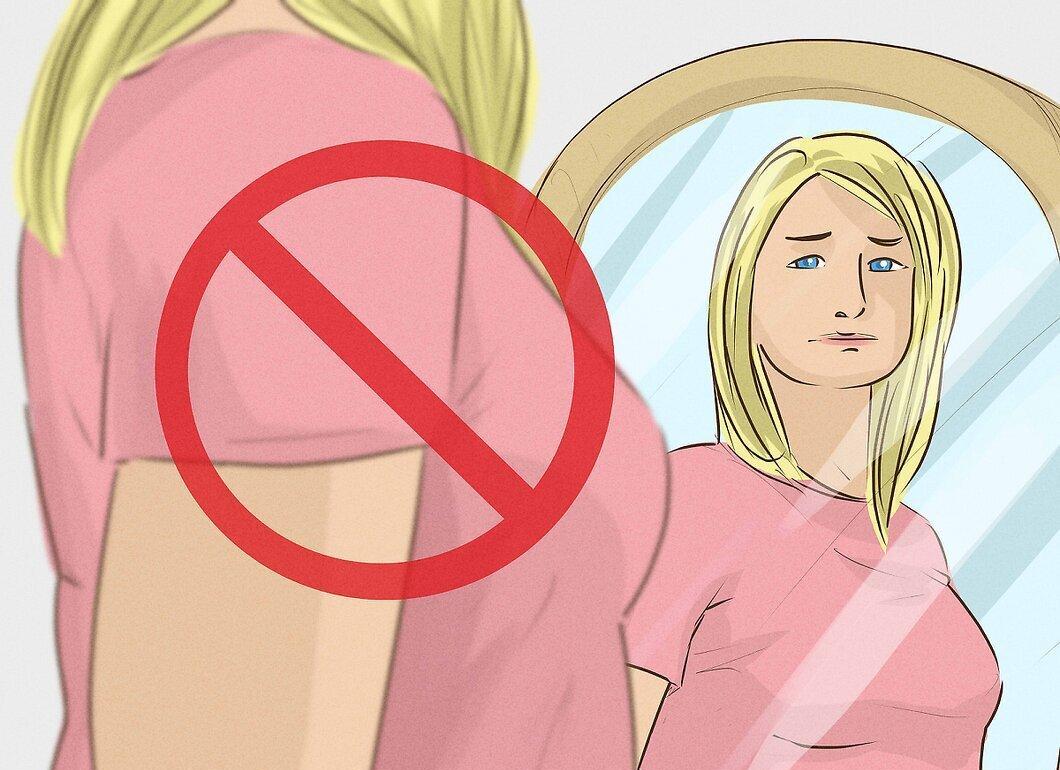
Eliminate unrealistic body standards and body shaming. Body shaming is the criticism of any real body traits that do not meet glossy standards. A person prone to self-criticism might think, "My stomach won't let me wear that swimsuit." Even loved ones can criticize body shape: for example, a mother might say to her daughter, "You won't find a date for prom if you don't lose weight."
- If you want to say something negative about yourself or others, it's better to remain silent. Words can hurt, even if you didn't mean to.
- Avoid spending time with those who adhere to body shaming standards. Make time to connect with people who have a positive relationship with their bodies.
Tips for Those Struggling with Eating Disorders
Step 1. Pay attention to warning signs.
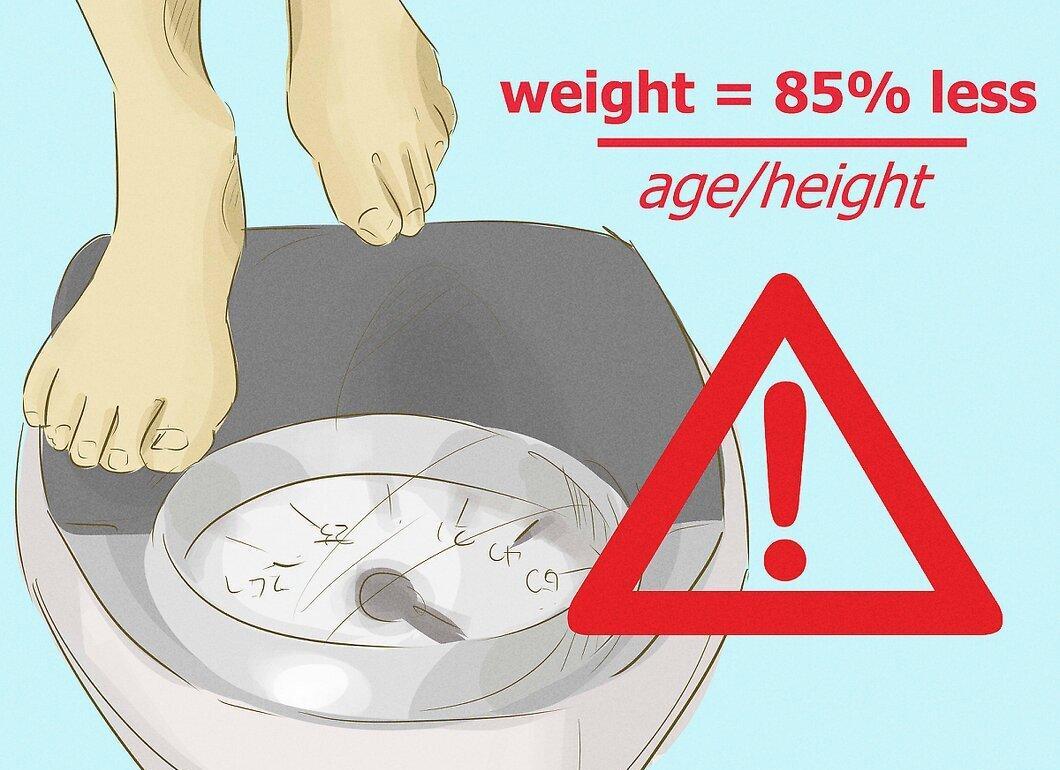
Be attentive to warning signs. Honestly assess your feelings if you notice such symptoms. Remember that eating disorders can have serious health consequences. Do not underestimate your situation and think you can handle it without help. Key warning signs include:
- Low weight (less than 85% of normal for your height and age);
- Poor health: frequent bruises, exhaustion, pale complexion, dull hair;
- Dizziness, sensitivity to cold, dry eyes, swollen tongue, bleeding gums, fluid retention;
- In women, absence of menstruation for more than three months;
- For bulimia: scratches on fingers, nausea, constipation, and joint swelling.
Step 2. Notice changes in behavior.
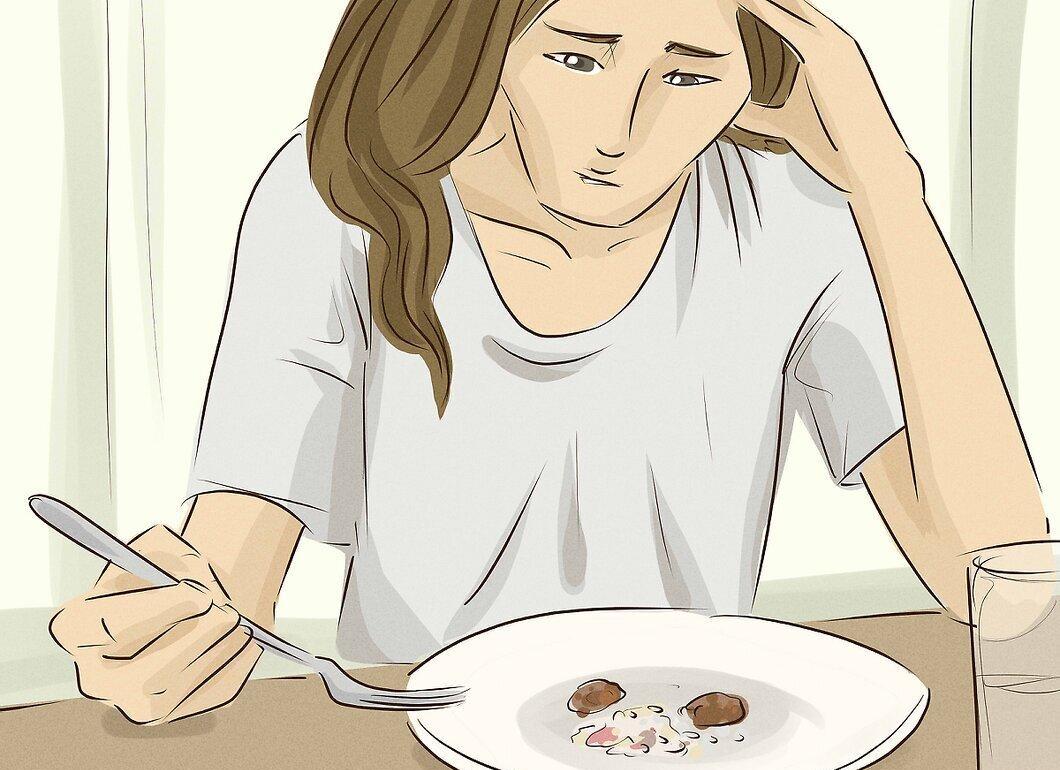
Monitor changes in behavior. Eating disorders are often accompanied by emotions and behavioral changes, such as:
- Skepticism towards comments about weight loss and a desire to convince others otherwise;
- Wearing loose clothing to conceal weight loss;
- Making excuses to avoid meals or attempting to eat minimally and purge;
- Obsession with dieting and a desire to eat less;
- Fear of gaining weight and aggressive attitudes towards one’s body;
- Exhaustive physical activity;
- Social isolation and reluctance to leave the house.
Step 3. Consult a healthcare professional specializing in eating disorders.
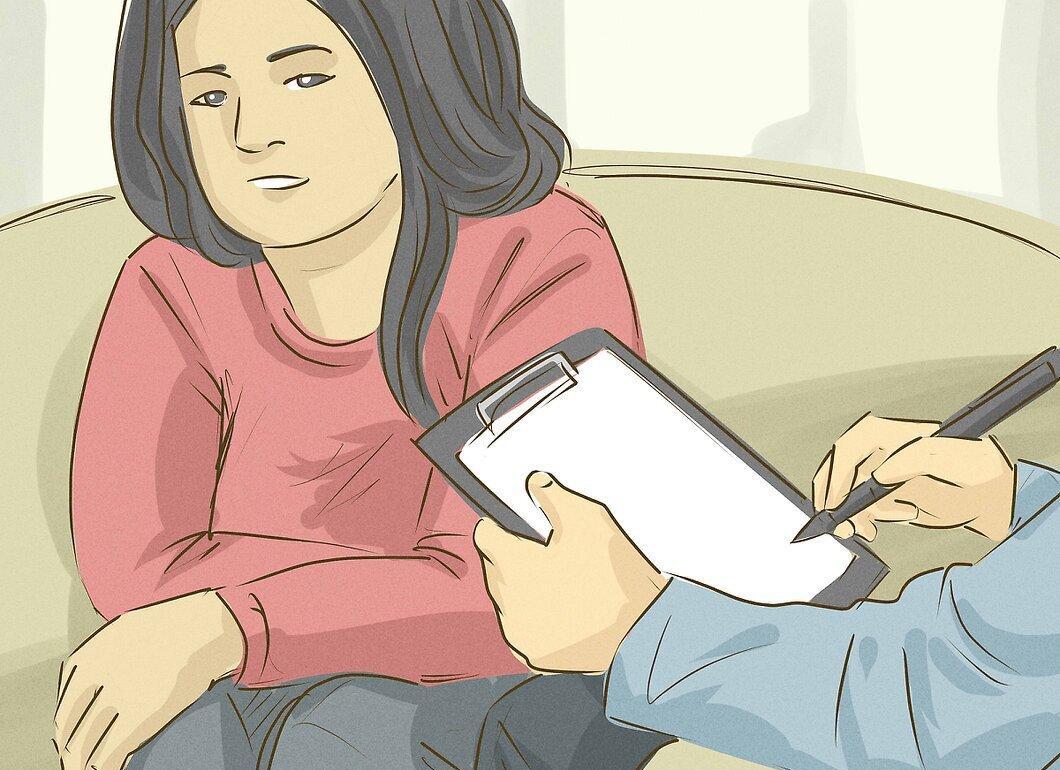
Discuss your feelings and thoughts with a doctor who specializes in treating eating disorders. A professional can help you navigate the challenges related to dieting and overeating. If you feel ashamed to share your experiences, remember that doctors understand the difficulties you face and can provide the necessary assistance.
- The best approach combines psychotherapy with medication. It is also essential to ensure you receive adequate nutrients.
- During the consultation, you can share your story and receive support without pressure from loved ones. A psychotherapist will give recommendations to family members on how to behave.
- Ensure that the right treatment can yield positive results.
Step 4. Understand the reasons behind the disorder.
Identify the reasons for your condition. Self-reflection can help you understand why you feel the need to lose weight and what drives you to exhaust yourself. You may be trying to cope with family conflicts or a lack of love.
- What in your life can you not control? Have there been changes that triggered negative emotions?
- Have you experienced any form of abuse?
- What are your family's expectations? Do they control your life heavily?
- How do you compare yourself to others? Cover models can be harsh competitors.
- Do you consume unhealthy food during stressful situations? This can become a dangerous habit hindering your ability to cope with negativity.
- Do you believe that being slim affects your achievements in sports? Remember that health is more important than any success.
Step 5. Keep a food diary.
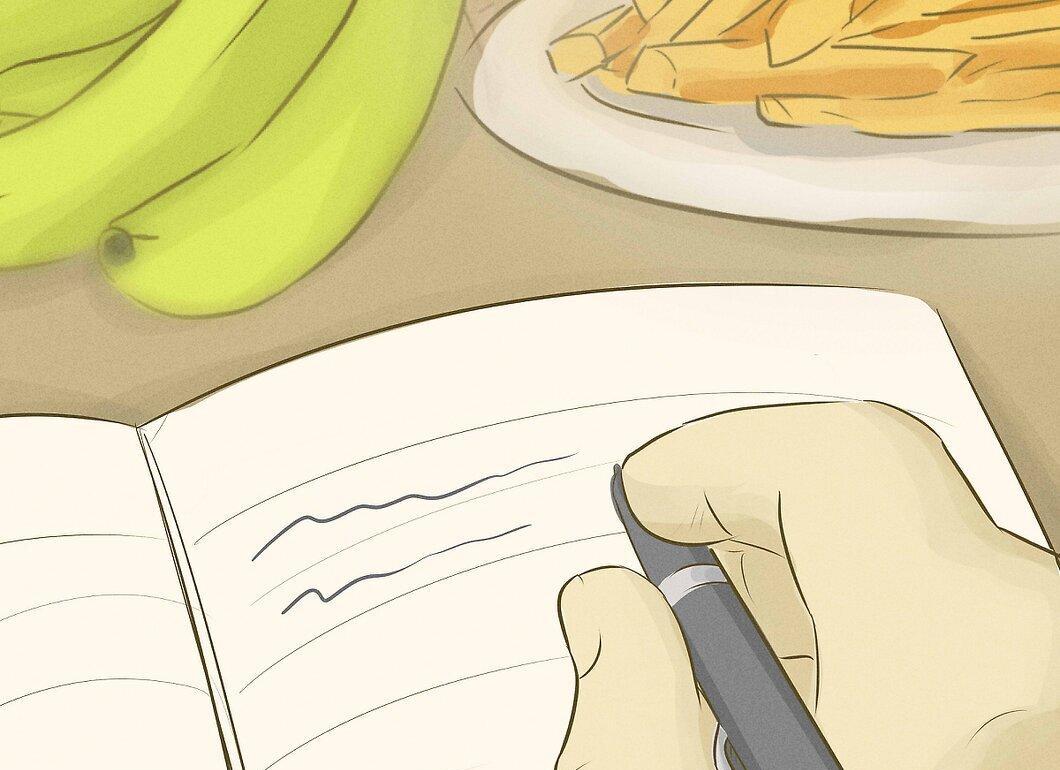
Maintaining a food diary can help you in two ways. First, it encourages healthy eating habits. Second, it will be easier for you and your therapist to track what, how much, and when you eat. Additionally, you can write down your thoughts and feelings related to food, as well as fears and dreams that may assist you in the future. Here are some self-reflection questions to consider:
- What do you need to overcome? Are you comparing yourself to models? Are you stressed due to work or studies?
- What rituals do you have during meals? What feelings do you experience?
- If you hide your behavior, what feelings does it evoke?
- Record your achievements to see how far you have come.
Step 6. Seek support from a friend or family member.
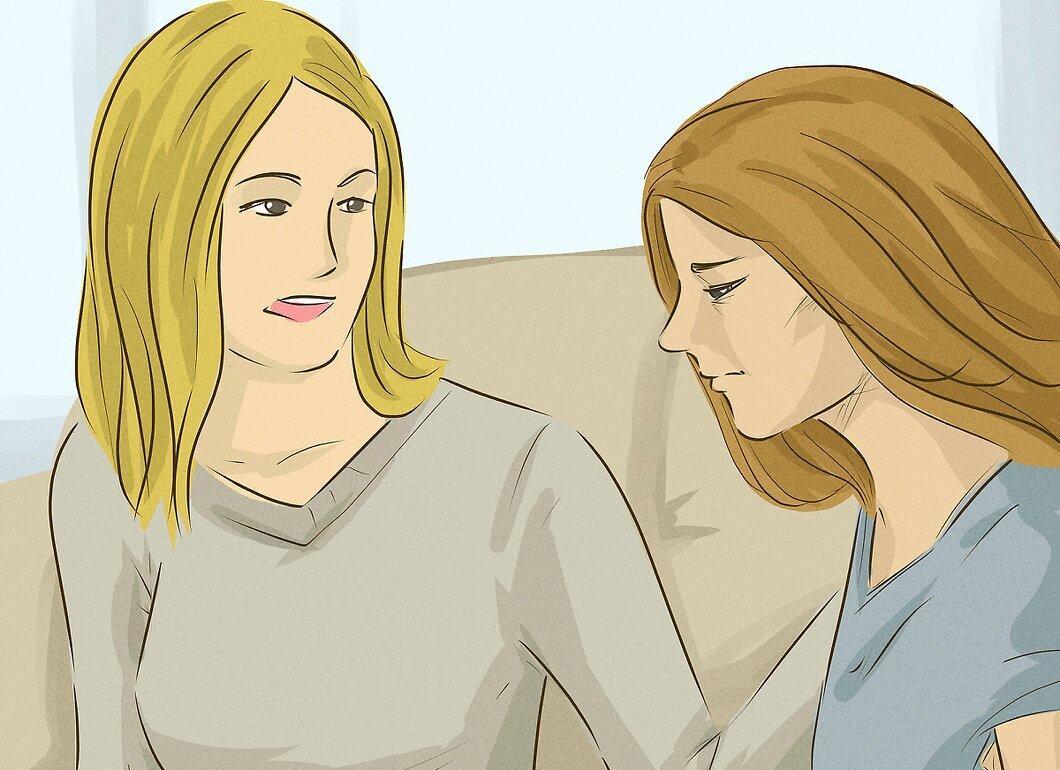
Talk to a close person about your experiences. They are likely worried about you and want to help.
- Learn to express your feelings openly. This is not arrogance, but a way to show that you are worthy of respect.
- Reluctance to express your feelings can exacerbate the disorder. It's essential to learn to assert your boundaries and feel valued.
Step 7. Learn to cope with emotions differently.

Find ways to relax and unwind after a stressful day. Make time for yourself. Listen to music, take a walk, enjoy the sunset, or keep a journal. Explore different methods that can help you manage emotions and stress.
- Engage in something you've always wanted to try: enroll in a class, start a blog, learn to play an instrument, or read a book.
- Consider alternative treatments like meditation, yoga, or massage. Discuss these options with your doctor.
Step 8. Find ways to regain control when you feel it slipping away.
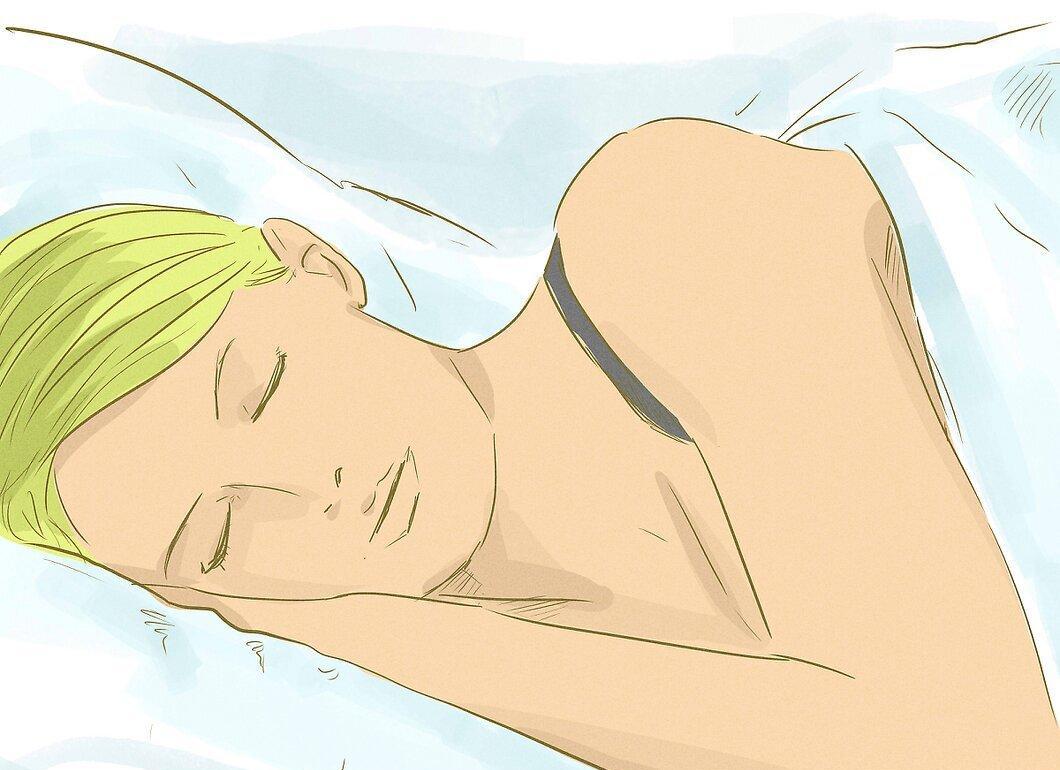
When you feel like you are losing control, try to calm down. Call someone, touch something comforting, whether it’s a table, a toy, or a loved one. This can help you reconnect with reality.
- Ensure you get quality sleep. A good night's sleep helps restore energy and enhances your perception of the world around you. If you have sleep issues, find ways to improve its quality.
Step 9. Treat yourself as kindly as you would treat others.
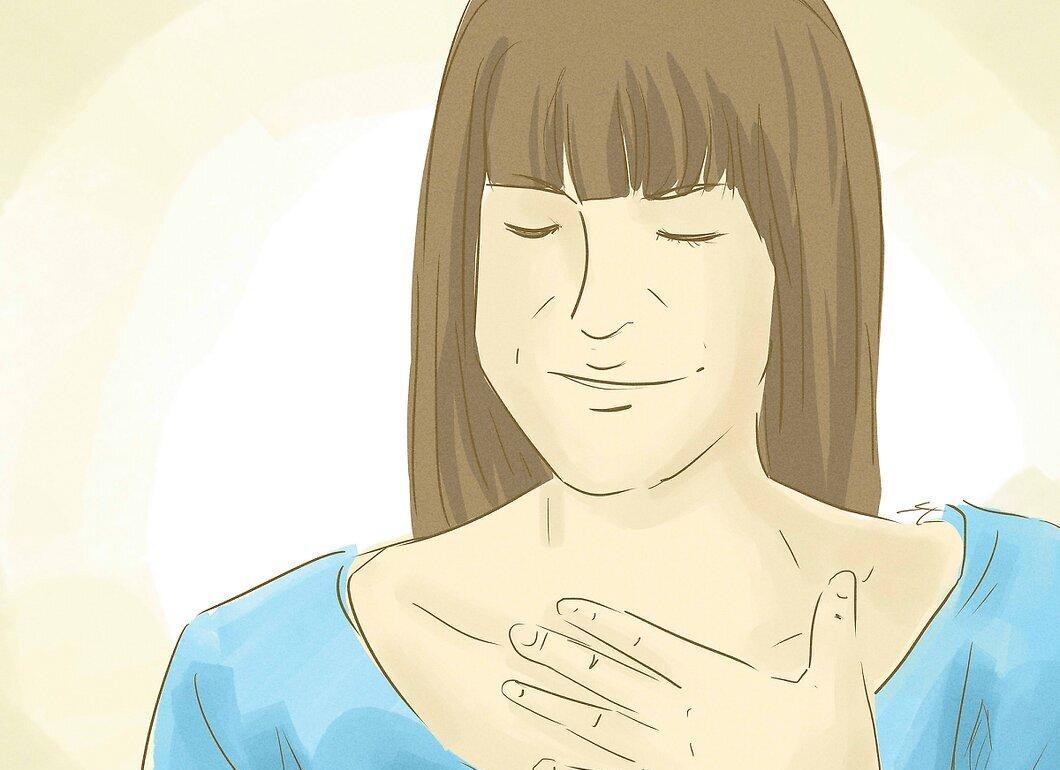
Give yourself as much attention and care as you would give to others. Identify your positive traits and do not dwell on your flaws. Every body type is unique. Appreciate yourself and live in the moment.
Step 10. Ensure that the scale does not become your enemy.
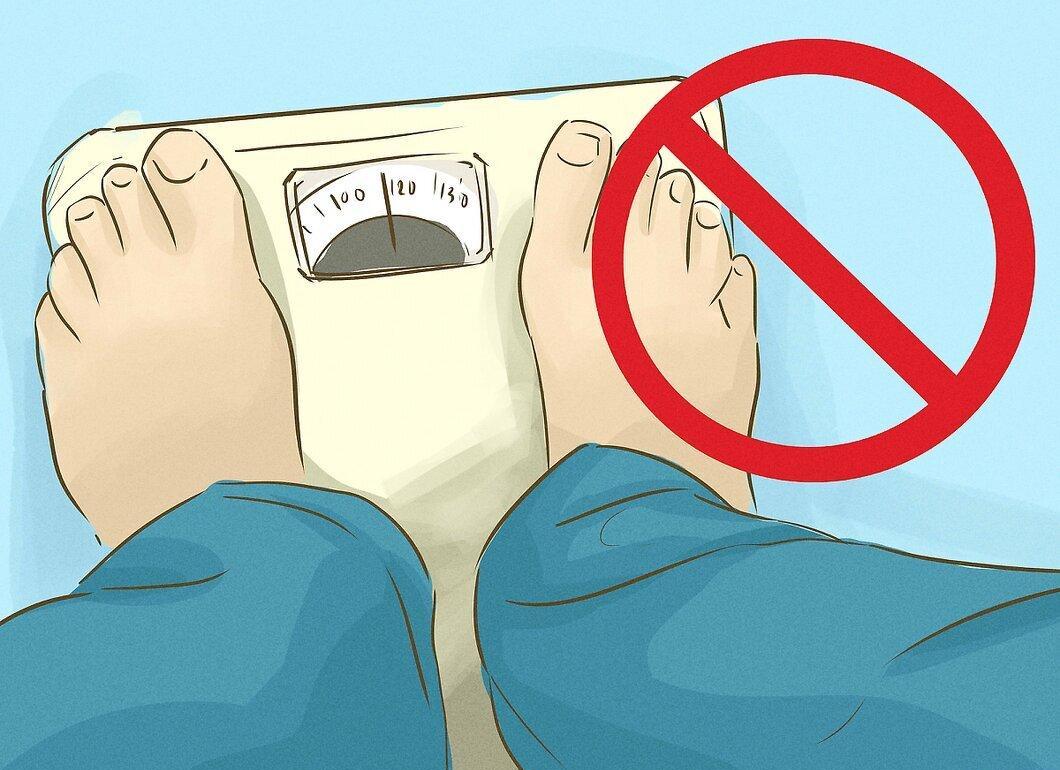
Do not weigh yourself daily, whether you are suffering from an eating disorder or not. This can lead to an obsession with numbers rather than focusing on more important aspects. Gradually reduce the frequency of weigh-ins to once or twice a month.
- Use clothing as an indicator. Choose your favorite items that fit you within a healthy weight range.
Step 11. Move towards your goals gradually.
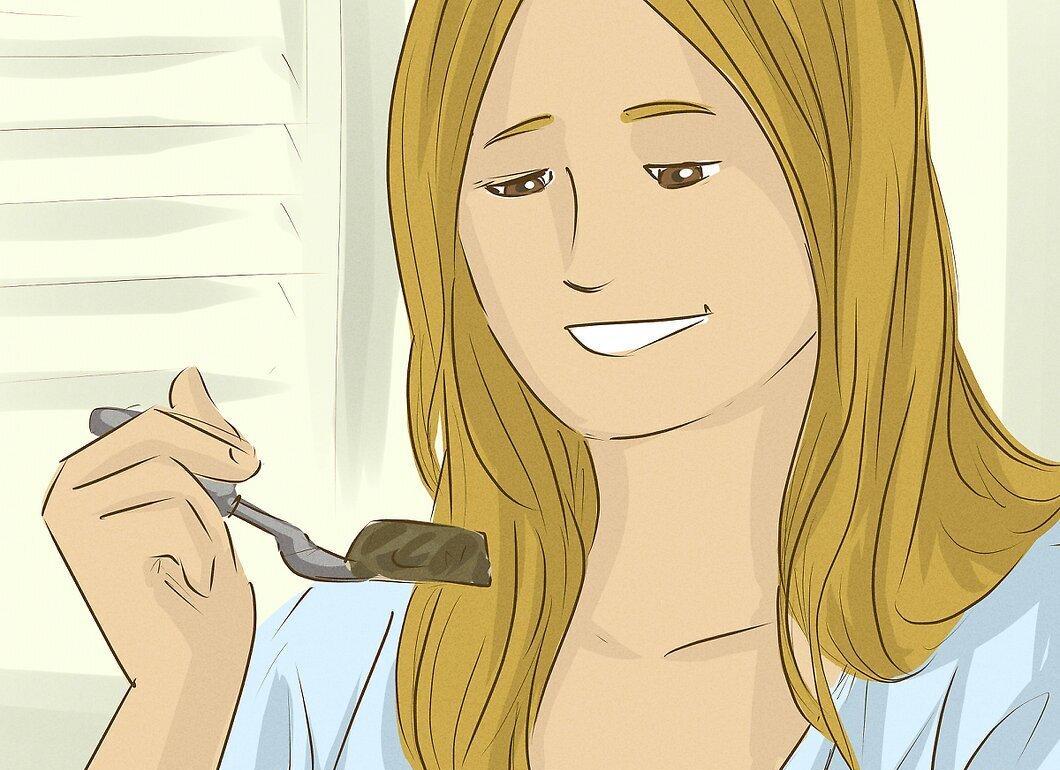
Aim for your goals gradually. Every small improvement towards health is an important step forward. Gradually increase food portions and decrease physical activity. Sudden changes can negatively affect your emotional state and health, so it’s better to do everything under the supervision of a specialist.
- If you are severely malnourished, you might require inpatient treatment to restore nutritional balance.
Helping a Friend Struggling with an Eating Disorder
Step 1. Be aware of warning signs.
If you notice warning signs in your friend, intervene immediately. Their health may be at risk, and the sooner you take action, the better.
- Educate yourself about eating disorders to better understand the situation.
- Be prepared to do everything possible to ensure your friend receives professional help.
Step 2. Talk to your friend privately.
Share your observations with your friend. Speak calmly and without judgment. Explain that you care about their well-being and want to help.
- Be a source of calmness. Avoid accusations and exaggerations in your conversation.
Step 3. Express your concern using "I" statements.
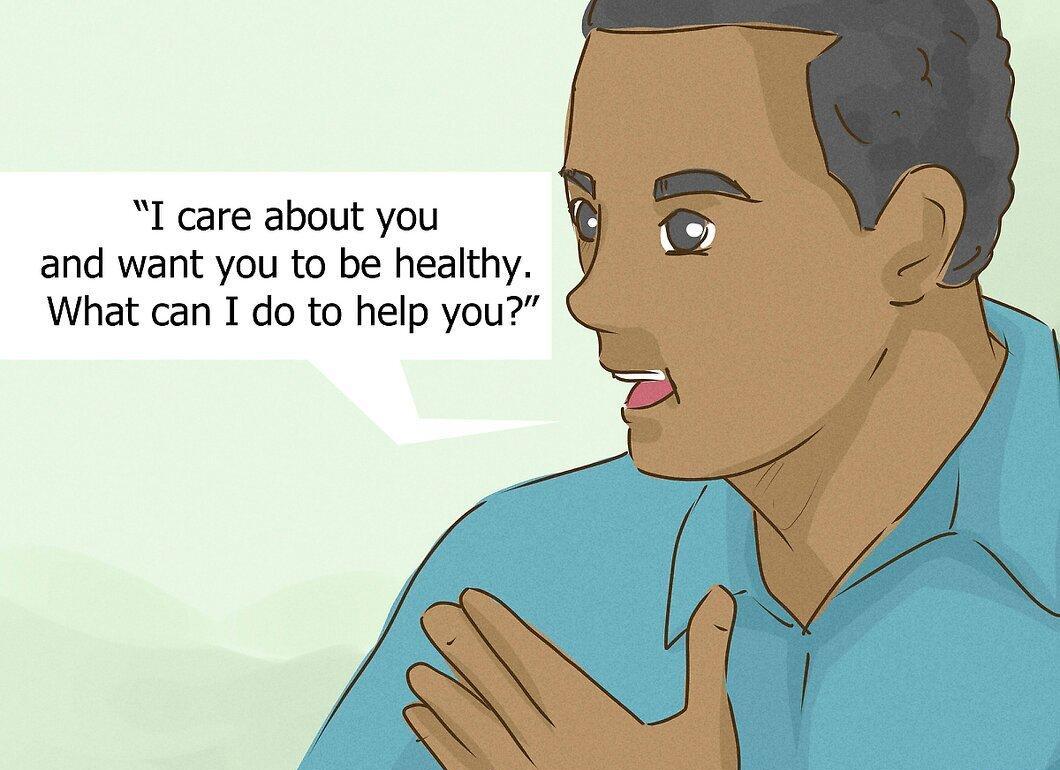
Use "I" statements to show your care. Say something like, "I’m worried about you and want you to be healthy. How can I help?"
Step 4. Be present.
Listen to them without judgment. Allow them to express their feelings, showing that you care. This requires listening skills and empathy.
- Familiarize yourself with tips on how to listen actively.
- Be caring and open, accepting them as they are.
Step 5. Avoid negative comments about food or weight.
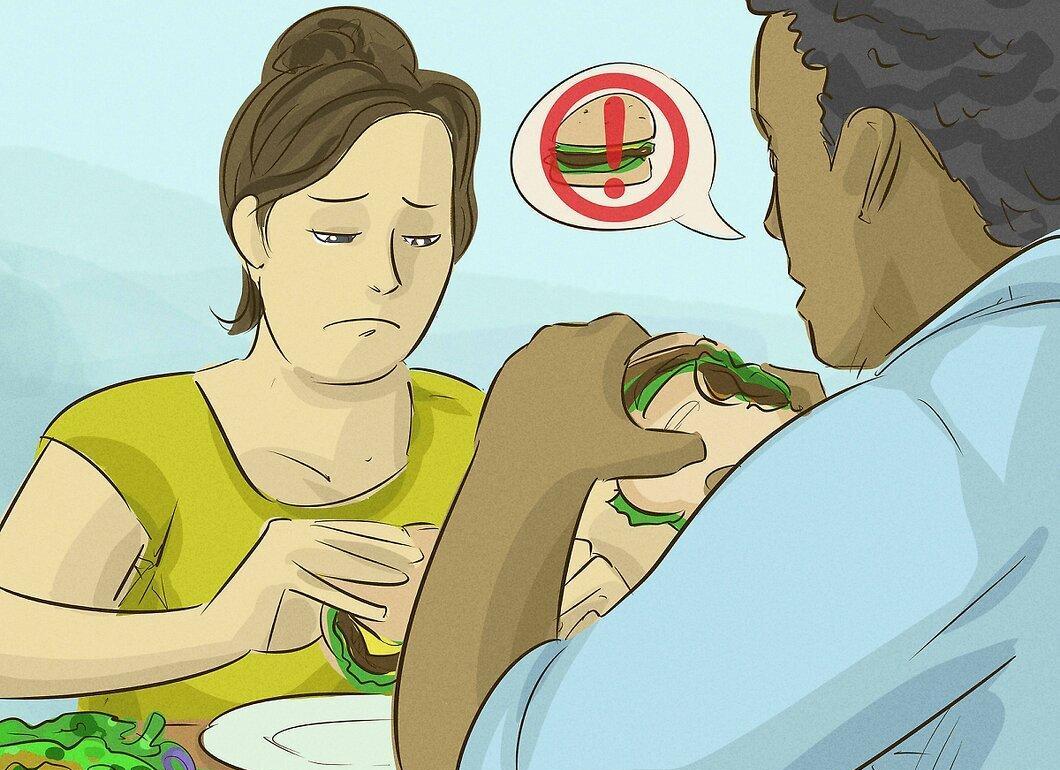
Do not make negative comments about food or weight. If you are dining together, avoid phrases like, "I want ice cream but can't eat it." Do not inquire about what they ate or their weight.
- Do not pressure them to gain weight or shame them for it. They already cannot control their behavior.
- Avoid making jokes about weight or food in order not to hurt your friend’s feelings.
Step 6. Maintain a positive attitude.

Give your friend compliments and support their self-esteem by recognizing not only their appearance but also their actions. Remember, they need your care and support more than ever right now.
Step 7. Offer help to your friend.
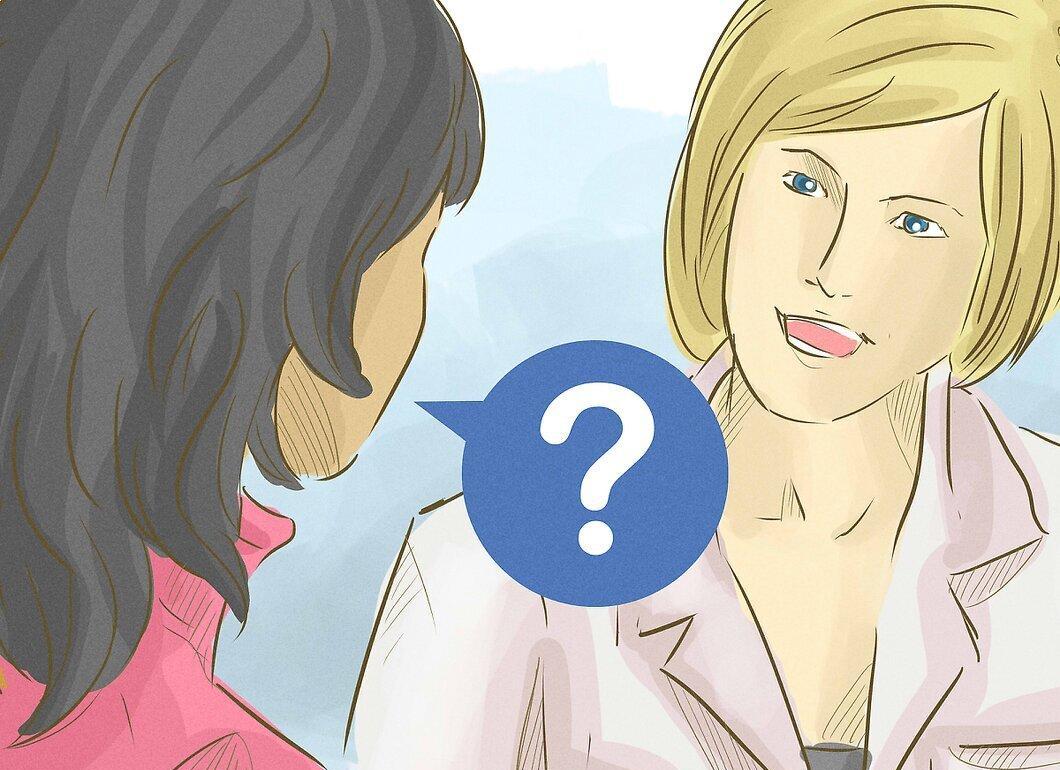
Talk to professionals about the best ways to help your friend. This stage is crucial for their recovery, so provide them with all the necessary support.
Support for Family and Loved Ones
Step 1. Consider the advice from the friends section.
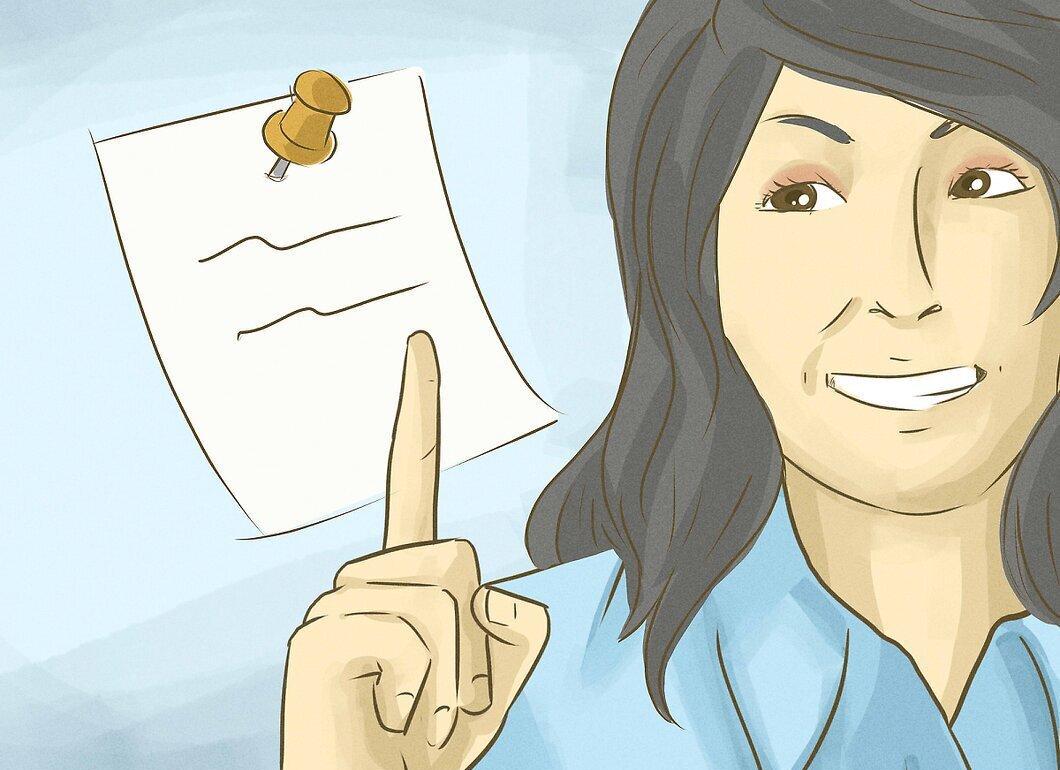
Pay attention to recommendations that can be beneficial for those caring for a person with an eating disorder. Ensure they receive medical help and treatment.
- Most advice is relevant for both children and adolescents, as well as adults.
Step 2. Stay calm and supportive.
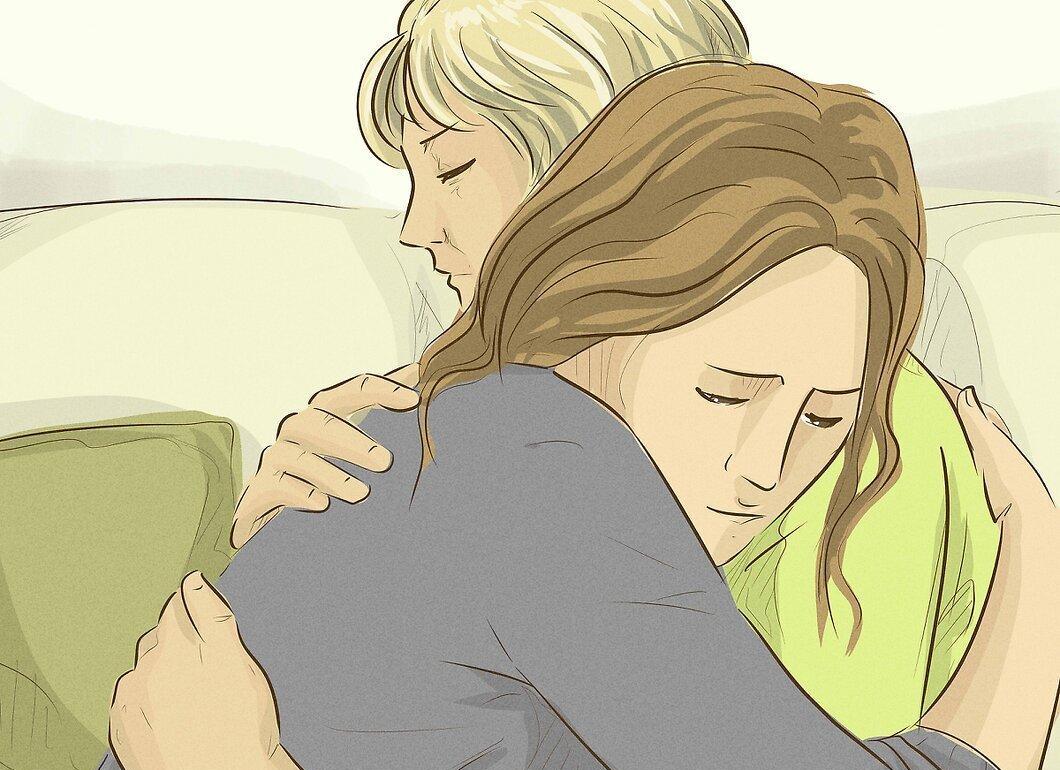
Maintain a calm demeanor when communicating with your loved one. They should understand that you are not angry or demanding. This requires patience and courage.
- Show love and kindness. Make them feel that they are not alone and that you are ready to help.
- Avoid asking too many questions about weight if it makes them uncomfortable. Discuss this with a doctor if you are concerned.
Step 3. Provide care to all family members.
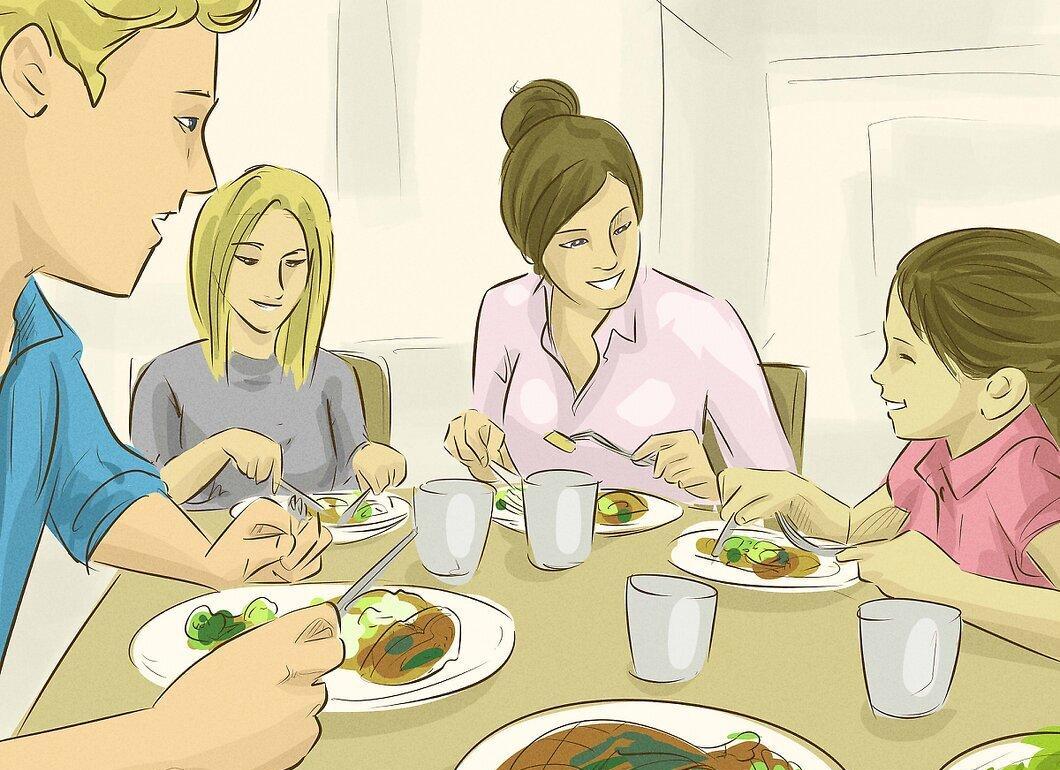
Do not forget about other family members while caring for someone with an eating disorder. If you focus only on one, others may feel neglected.
Step 4. Be emotionally available.
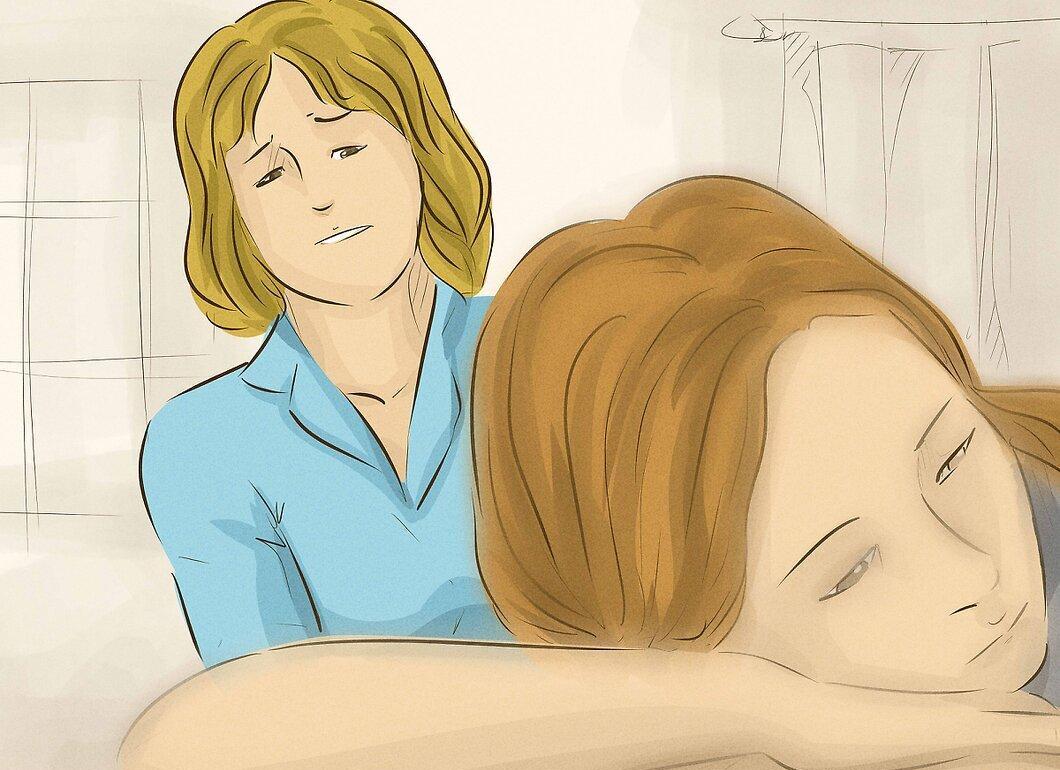
Do not leave your loved one alone with their problems. Show love and support, even if it’s difficult for you. If you find it challenging, don’t hesitate to seek help from a specialist.
Step 5. View food as a source of life energy.
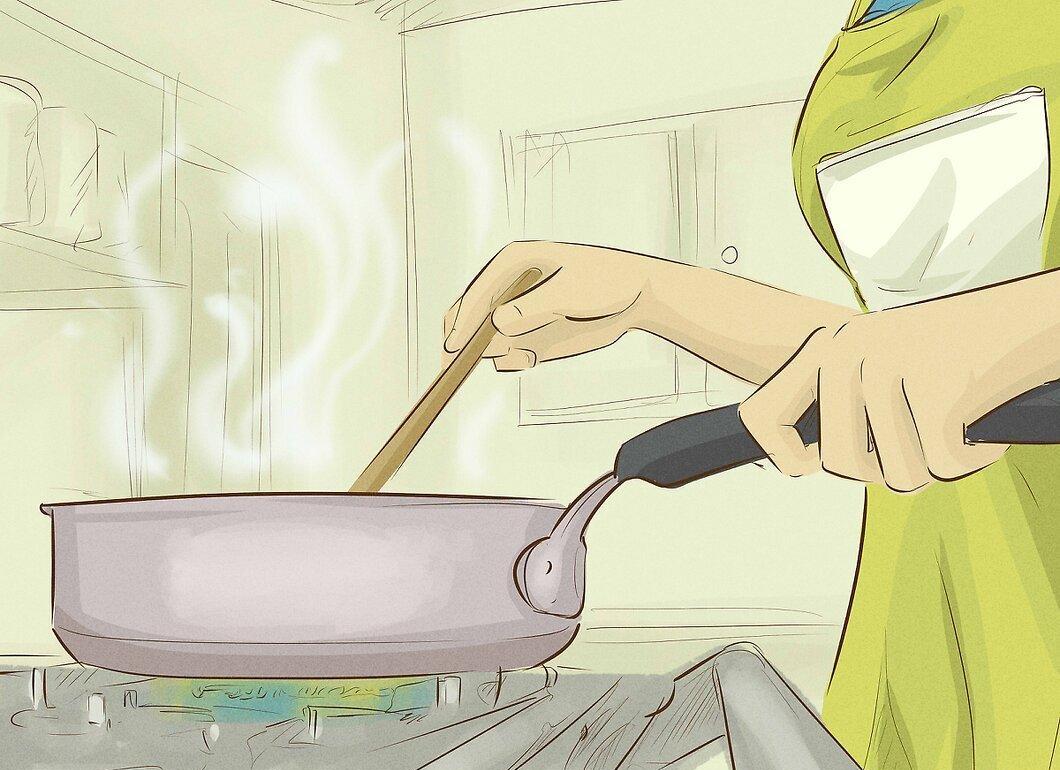
Look at food as an essential part of life that brings joy. Do not use food as punishment or reward. Help family members reassess their relationship with food if necessary.
- Do not restrict the diet until you receive recommendations from a doctor.
Step 6. Critically assess media information.
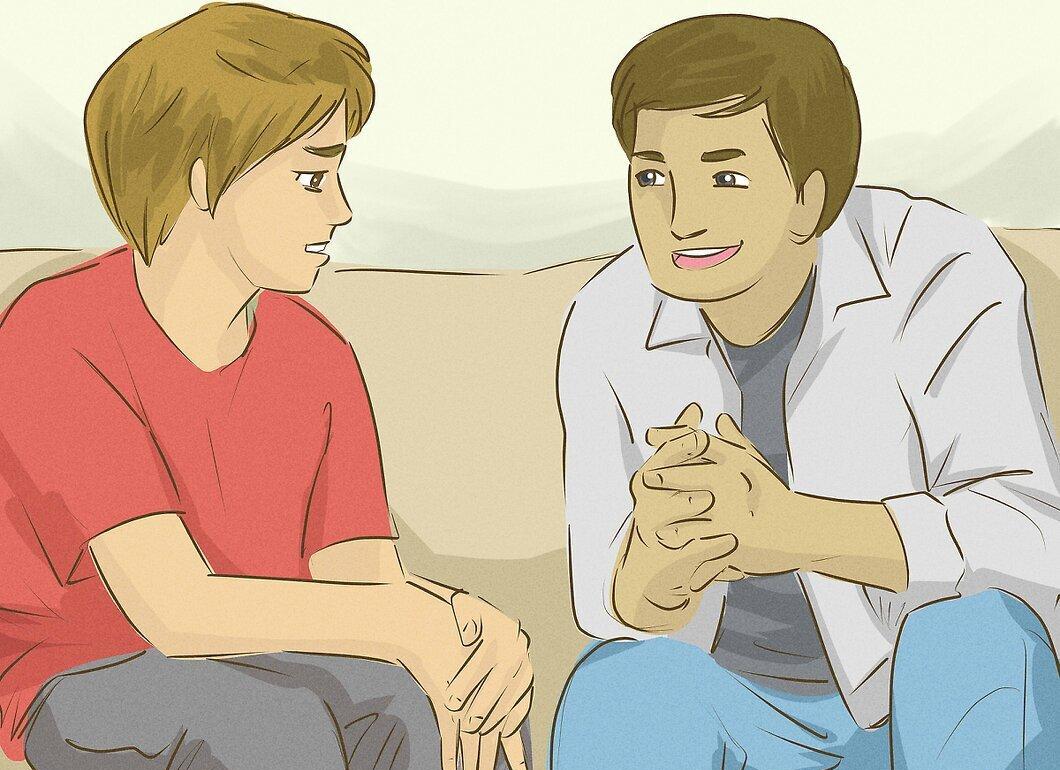
Teach children to critically evaluate media information. Develop their analytical skills and encourage them to research information independently.
Step 7. Boost your child or teen's self-esteem.
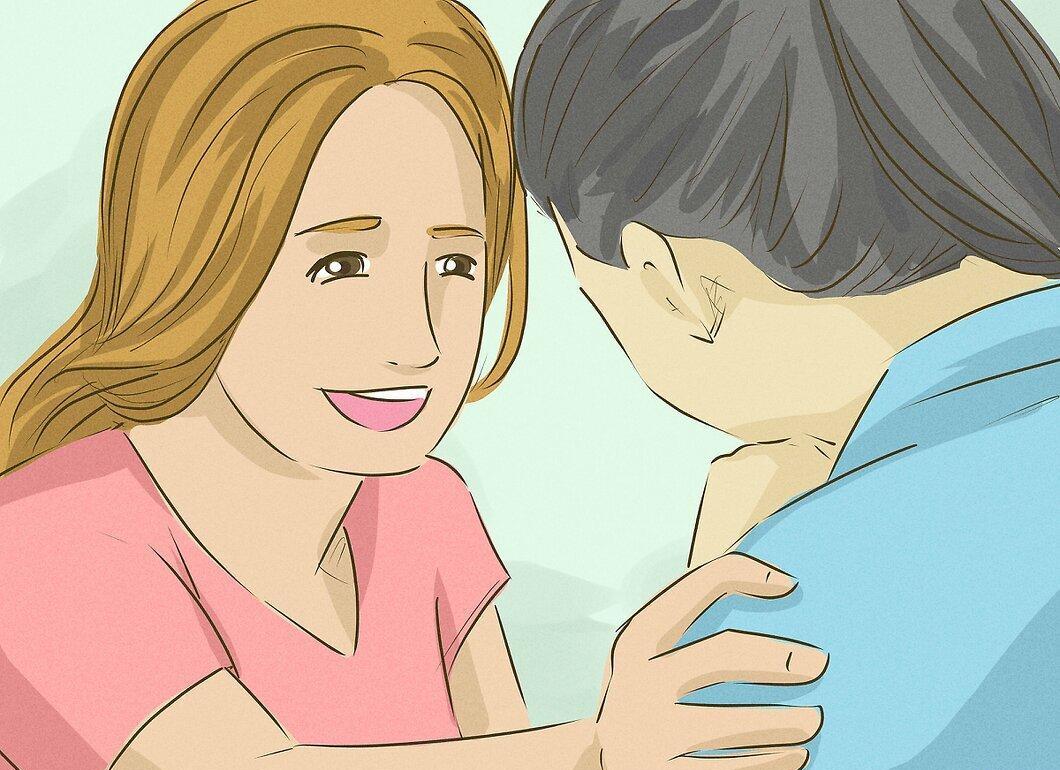
Support your child in all circumstances, praise their achievements, and help them view failures as part of life. Teach them to appreciate their body and take care of it.