Discovered that your home is sharing space with a beehive? Don’t worry, we’ve gathered some useful tips for the safe removal of bees.
Using Traps for Certain Types of Bees
Step 1. Consult a professional if the hive is large or in an hard-to-reach location.
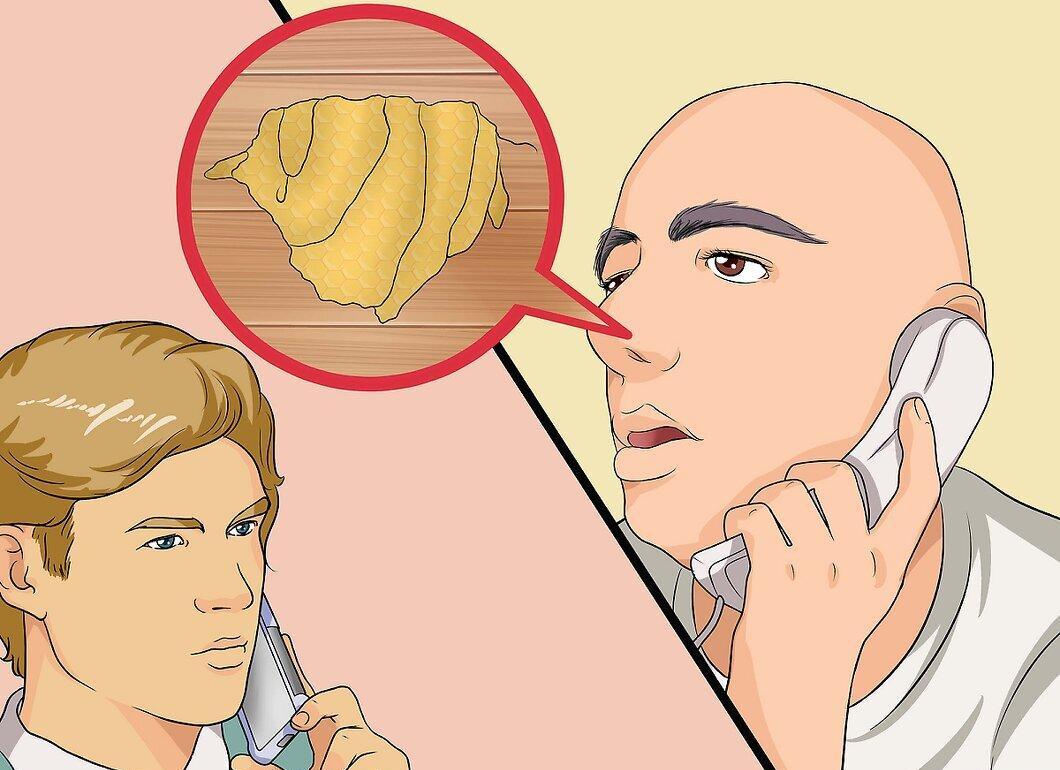
- A single beehive can house anywhere from 10,000 to 50,000 honey bees.
- You may only see a small part of the hive since most of it is often hidden in walls, trees, chimneys, or roofs.
- Some types of bees, like yellow jackets, can become aggressive if they feel threatened or if someone approaches too closely.
Step 2. Contact a local beekeeper if the hive contains honey bees.
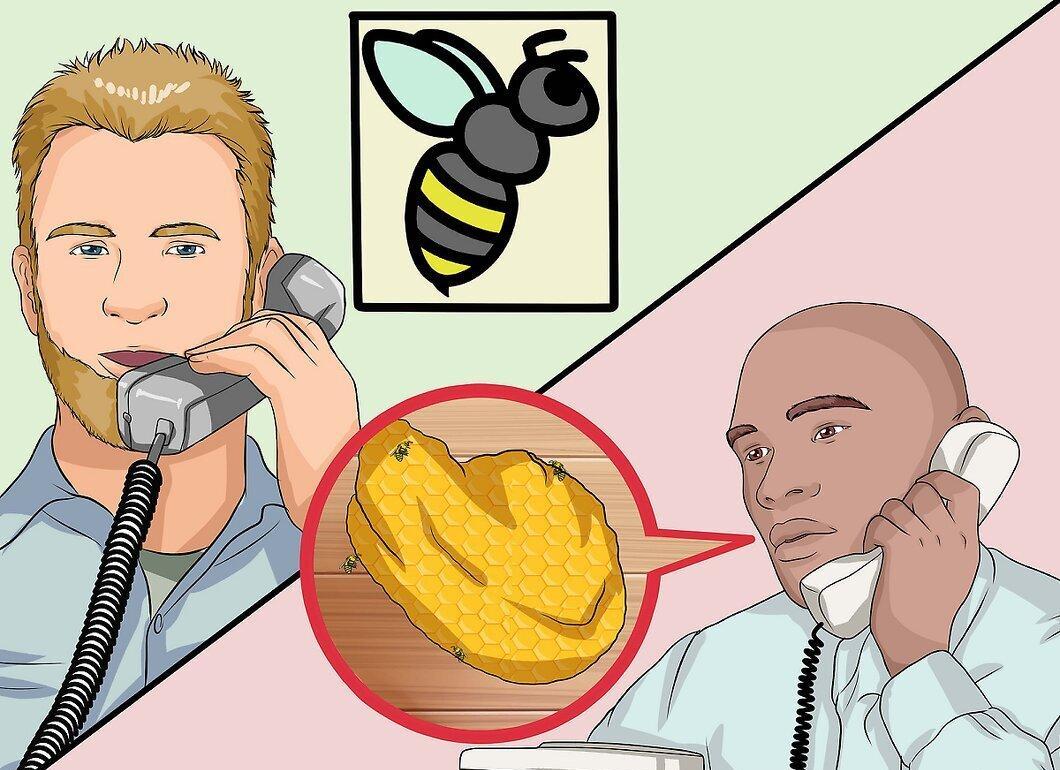
If honey bees are in the hive, it’s best to reach out to a local beekeeper. Their population is declining, and someone might be willing to remove them for free or for a small fee.
- Look online or in the Yellow Pages for contacts — beekeepers don’t always advertise their services, so a little searching is necessary.
- Ask for information at local honey shops or beekeeping farms.
- Call farm supply stores or nurseries, as they may work with beekeepers.
- You can find many websites with beekeeper contacts online, such as this one.
Step 3. Remove or relocate only small hives that are manageable with available insecticides.
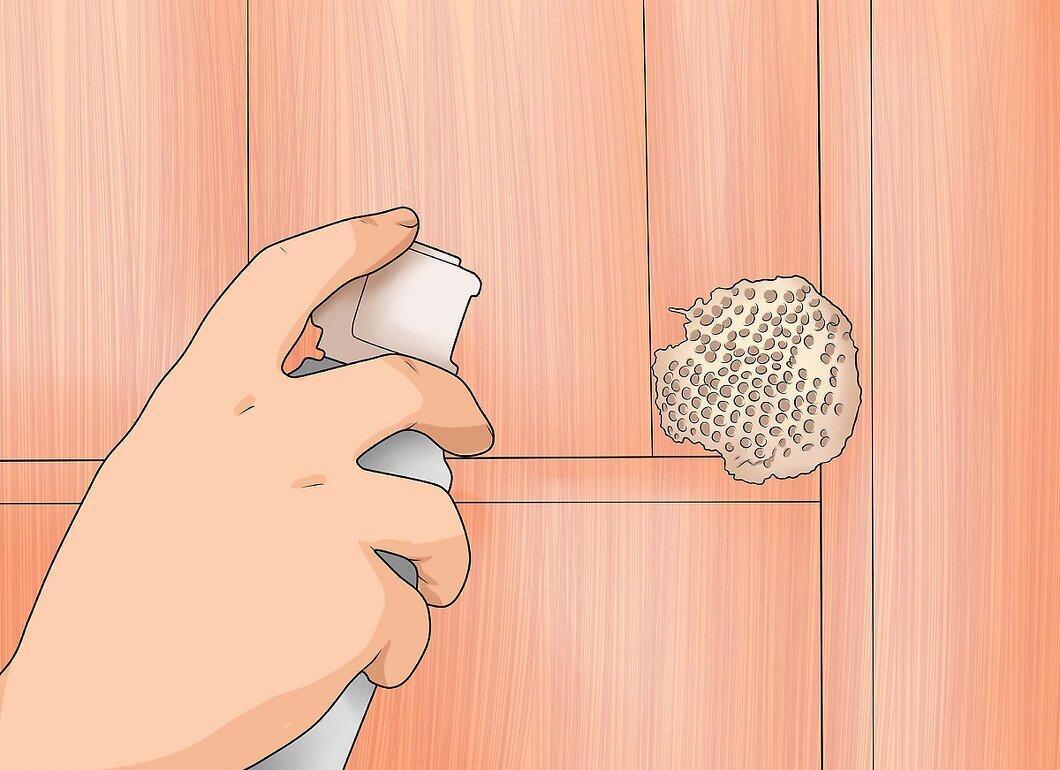
Focus on small hives that can be removed with common insecticides. Avoid dealing with large and honey-producing hives.
Step 4. Seek help from professionals.
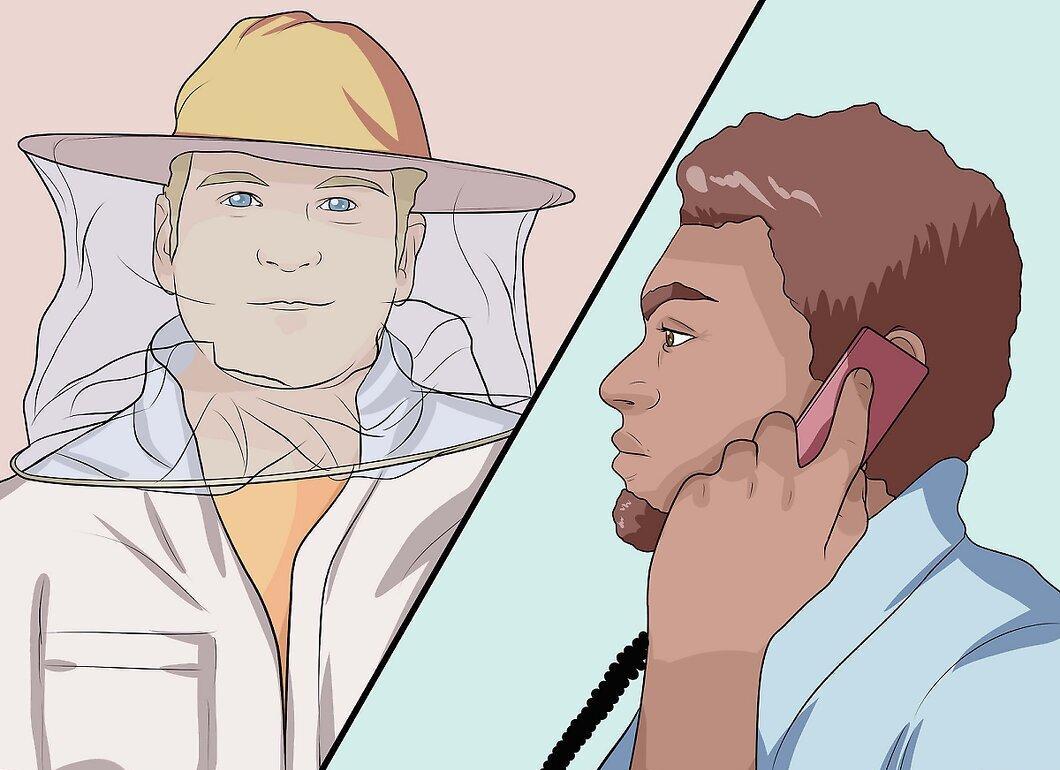
Don’t attempt to handle a large hive on your own — it can be dangerous and requires skills. If one pest control operator can’t help, they may recommend another specialist.
Step 5. Be prepared for restoration work after removing a large hive.
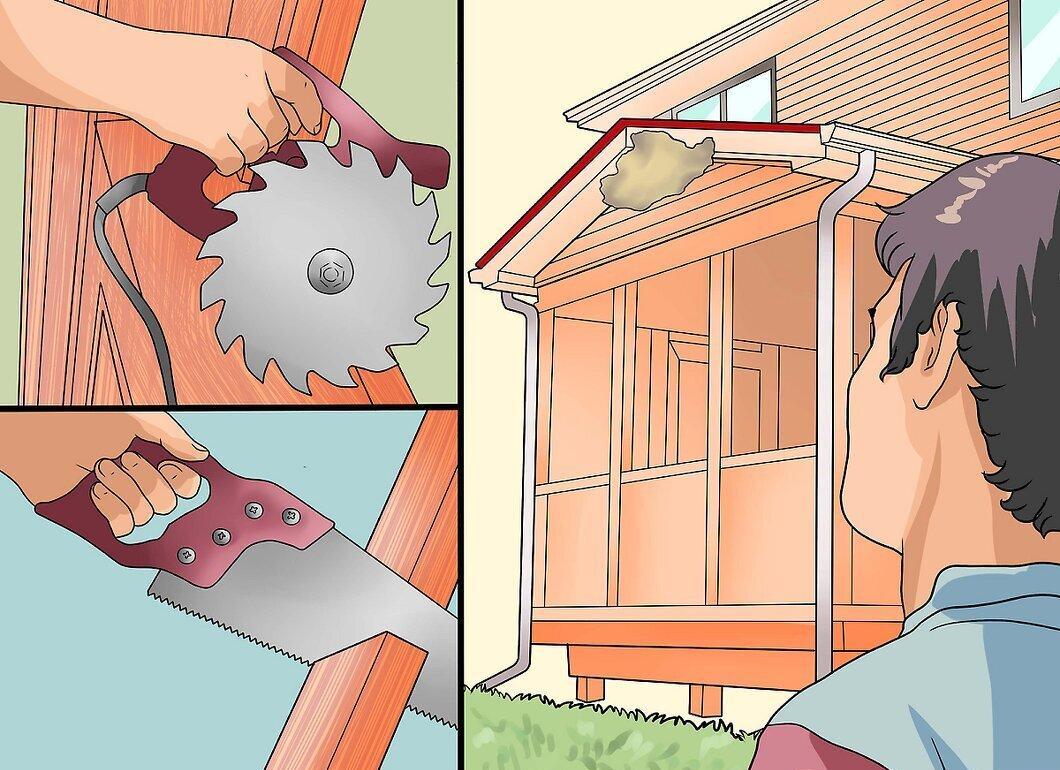
Accessing the hive may require dismantling part of a structure or wall.
Step 6. Take measures to prevent bees from returning to areas where the hive or honey has not been completely removed.
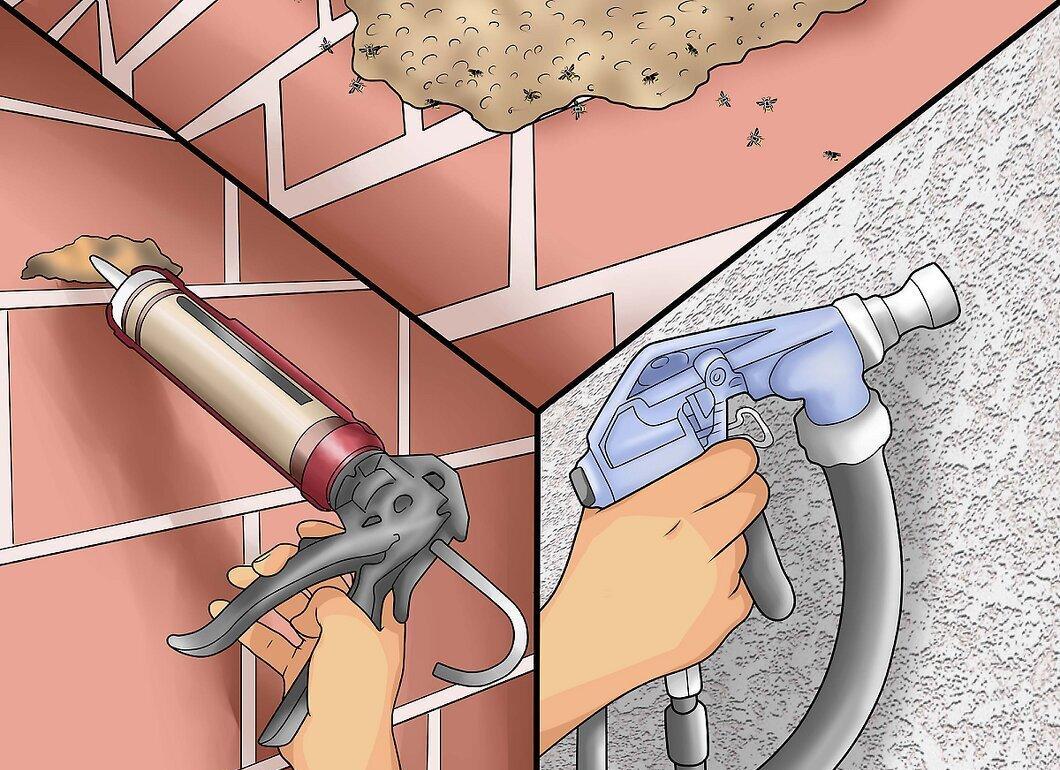
Step 7. Ensure that the entire hive and any honey remnants are completely removed from all potential hiding spots.
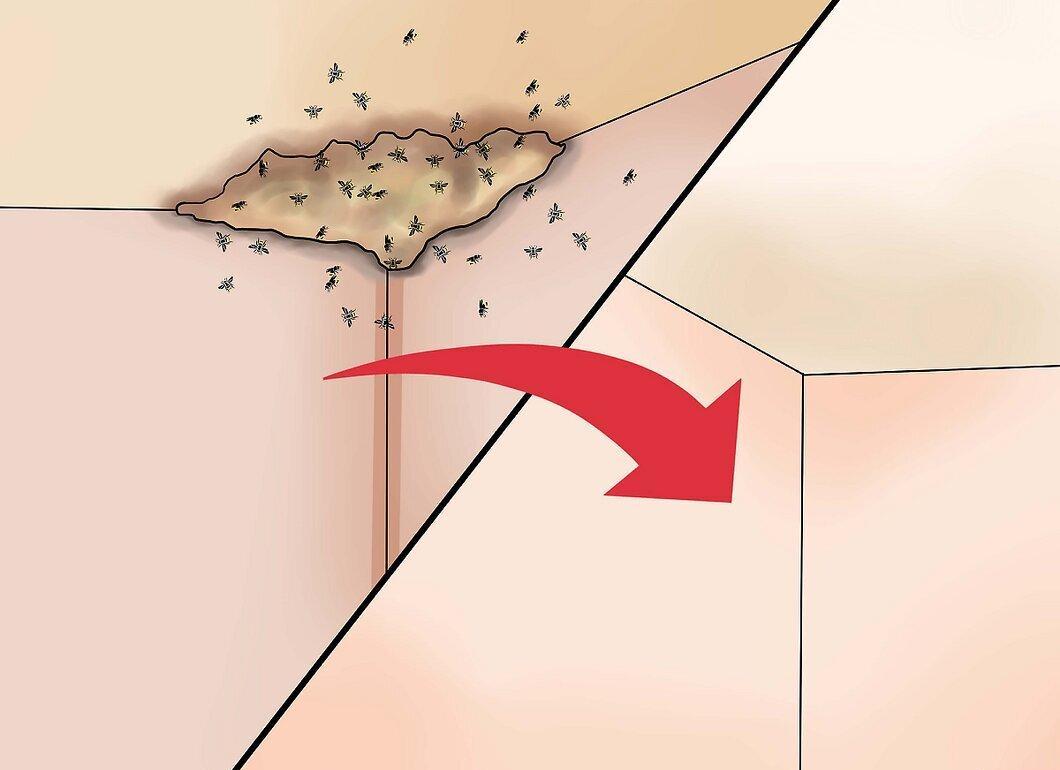
- Honey remnants and dead bees can attract new bees, wax moths, or ants.
- If the old hive isn’t removed, scout bees may find it and lead a new colony there.
Step 8. Evacuate individuals with allergies, children, pets, and the elderly from the danger zone.
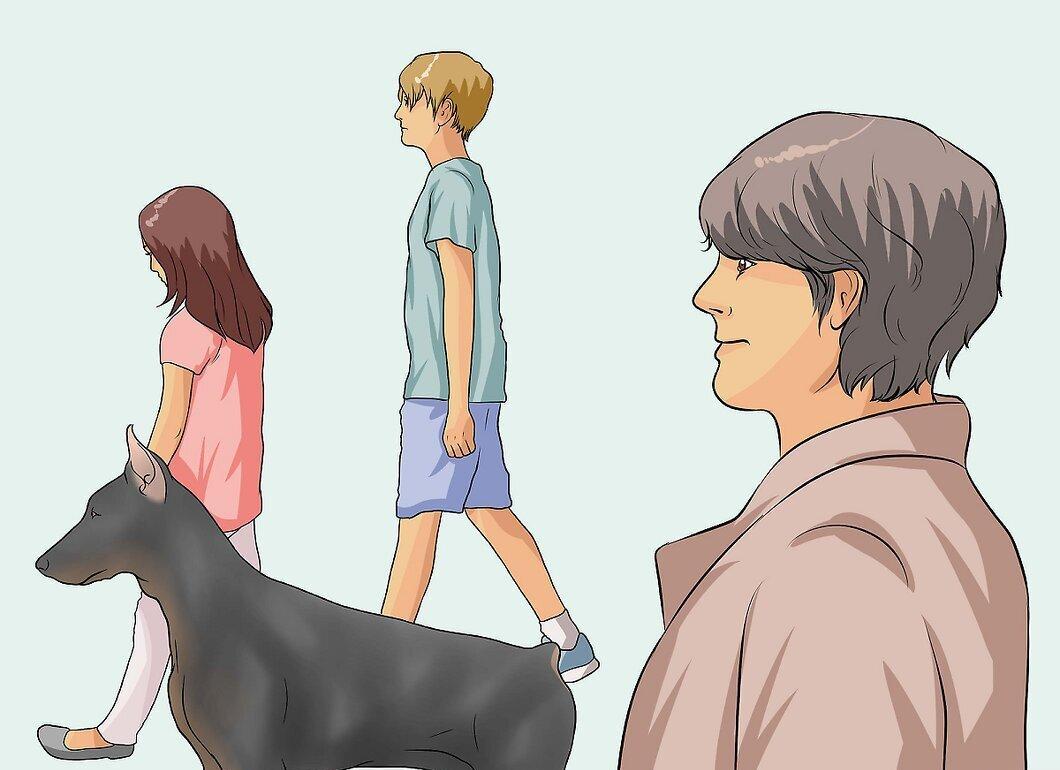
- Never attempt to remove a large hive by yourself; stick to small hives that can be removed with household chemicals.
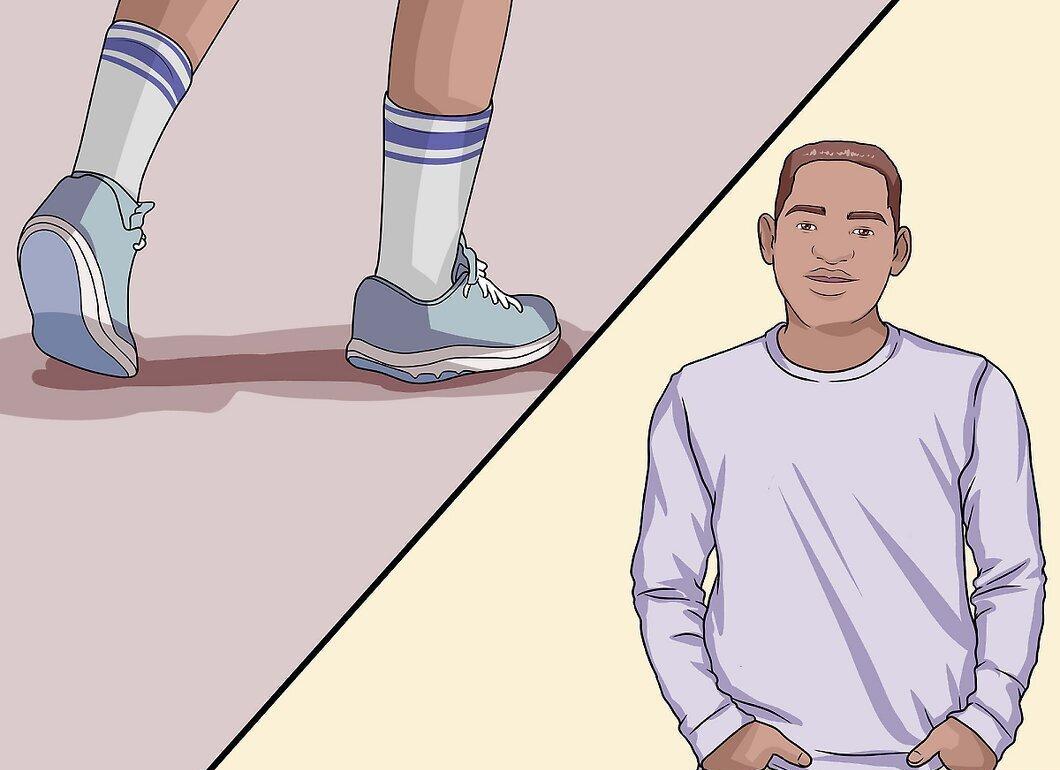
Step 9. Wear protective clothing when near the hive.
Step 10. Removing bees at night has its pros and cons.
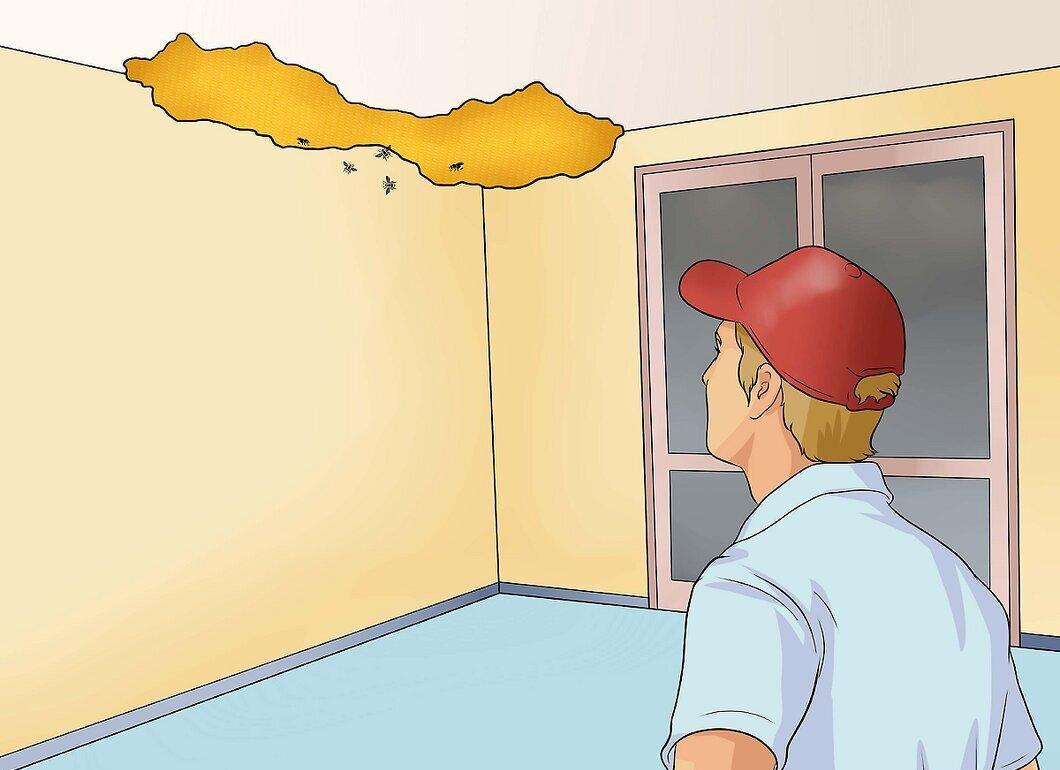
- Bees are less active at night.
- Most bees are likely to be in the hive.
- It is harder to see and effectively eliminate bees in the dark.
- You may miss bees or smaller hives nearby.
Removing Bees Using Insecticides for Small Hives
Step 1. Prepare a medium-sized cardboard box.
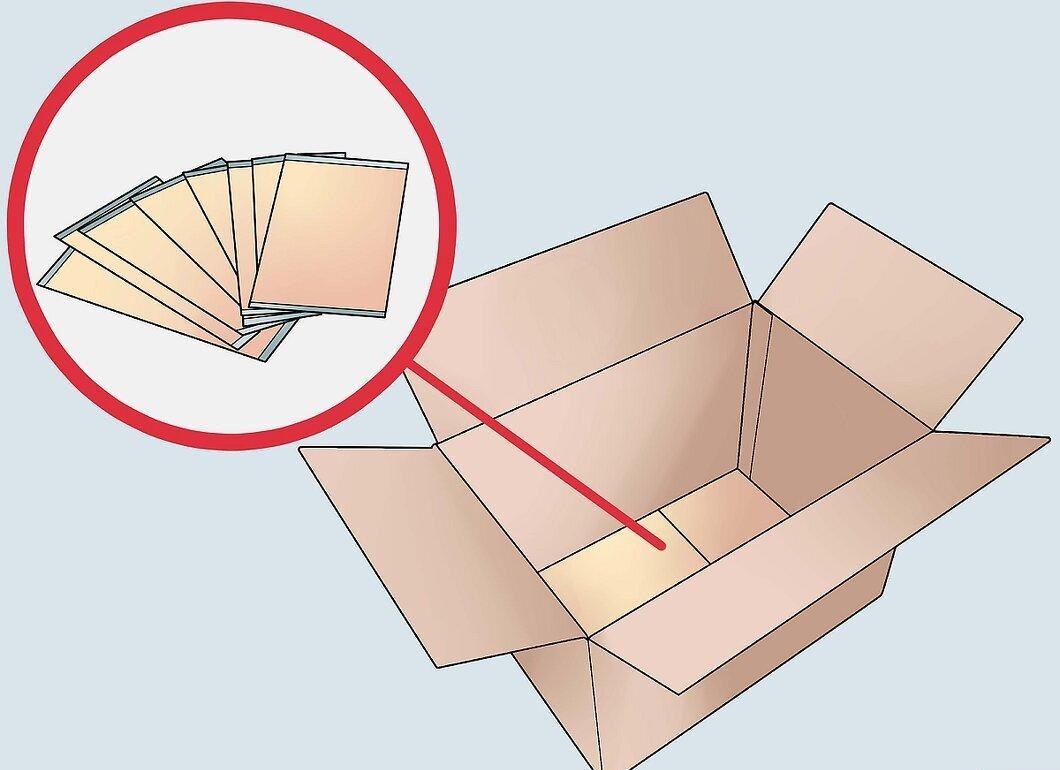
Purchase sticky insect traps and place them inside the box.
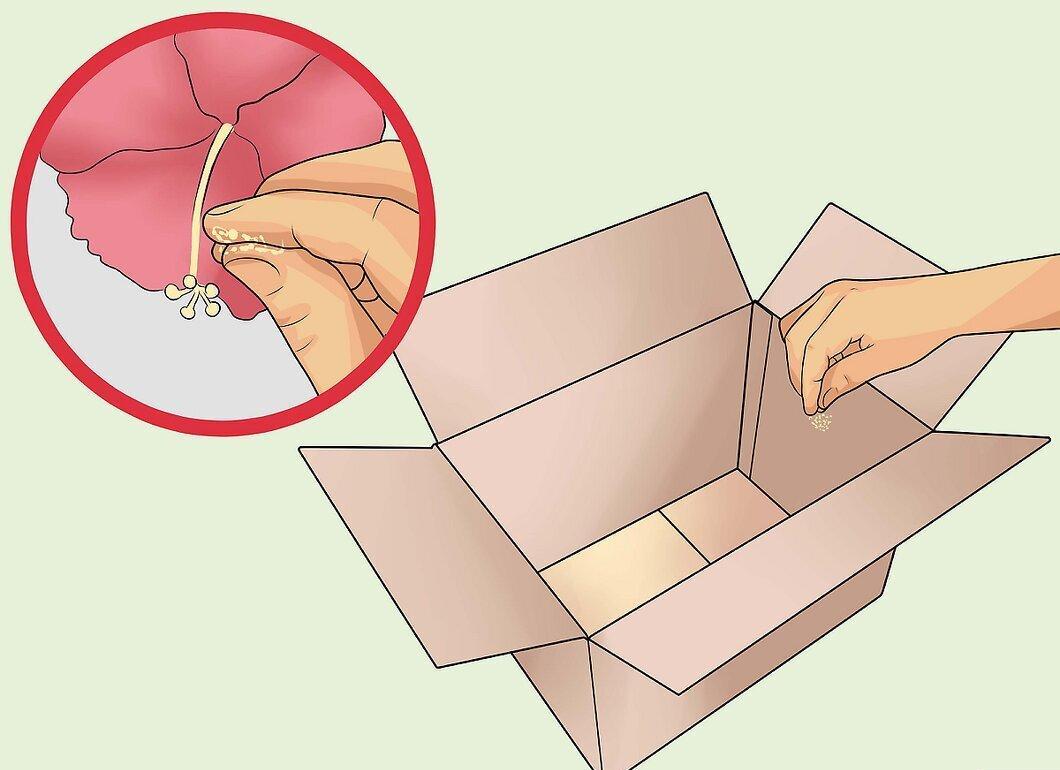
Step 2. Take a few flower cores (preferably pollinated), crush them, and sprinkle them on the sticky traps.
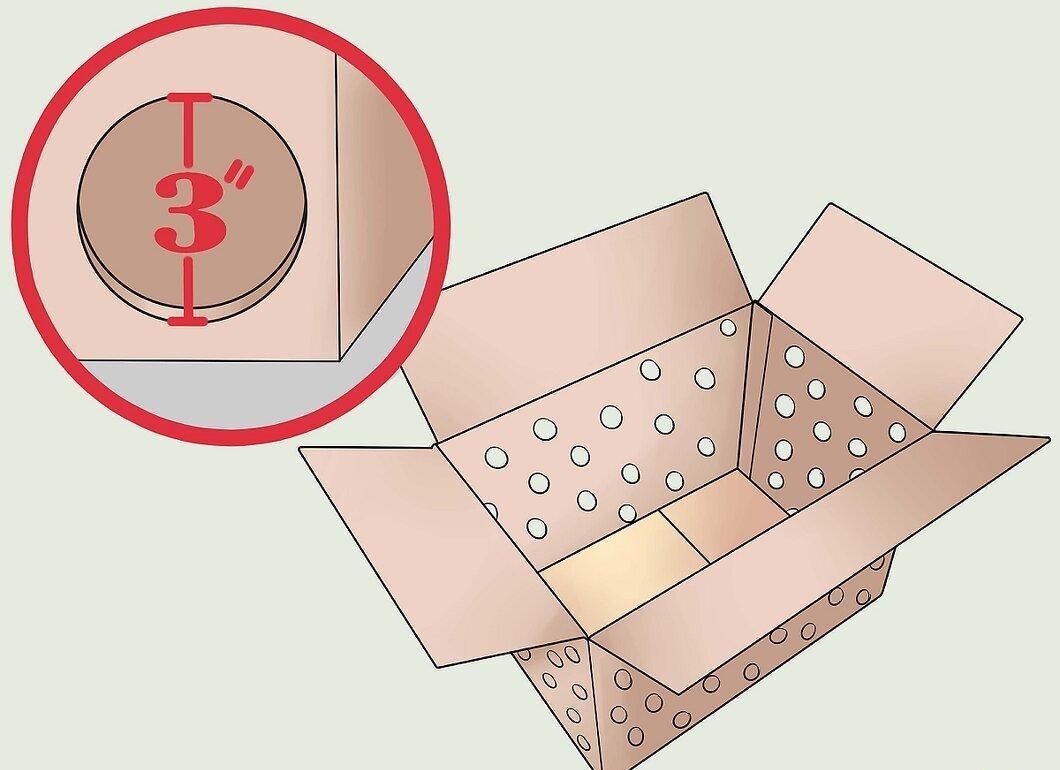
Step 3. Cut a hole about 7.5 centimeters in diameter so bees can enter.
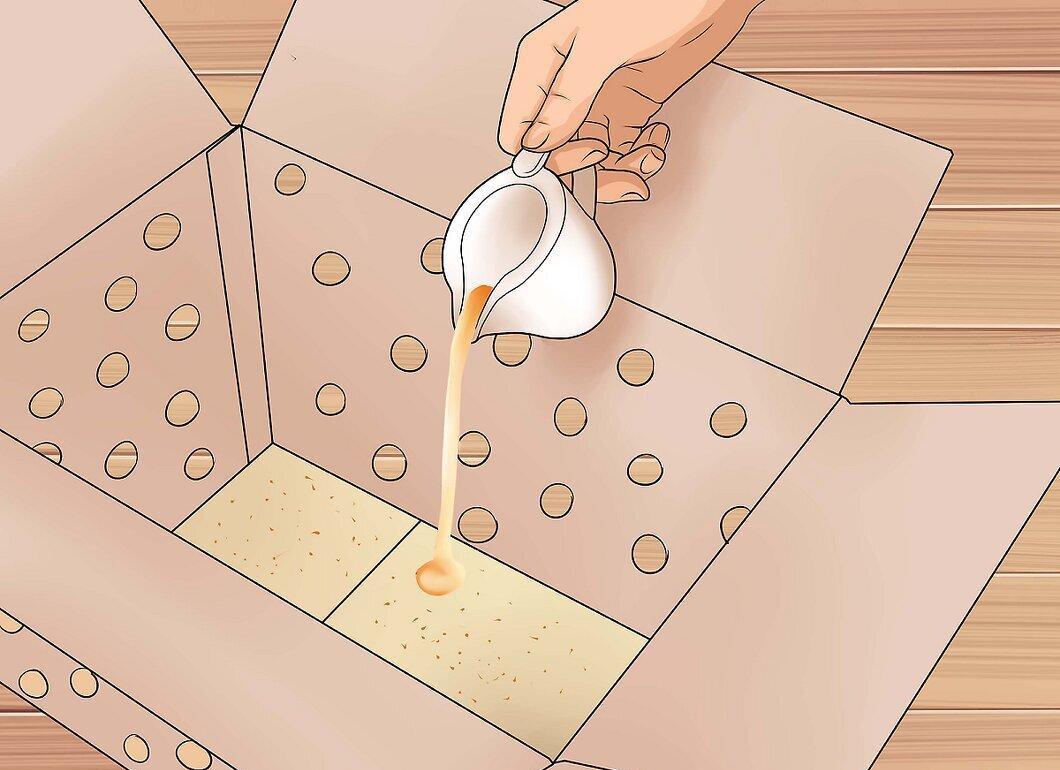
Step 4. Drip a bit of honey on the traps to attract even more bees.
Step 5. Place the box 30-60 centimeters away from the hive.
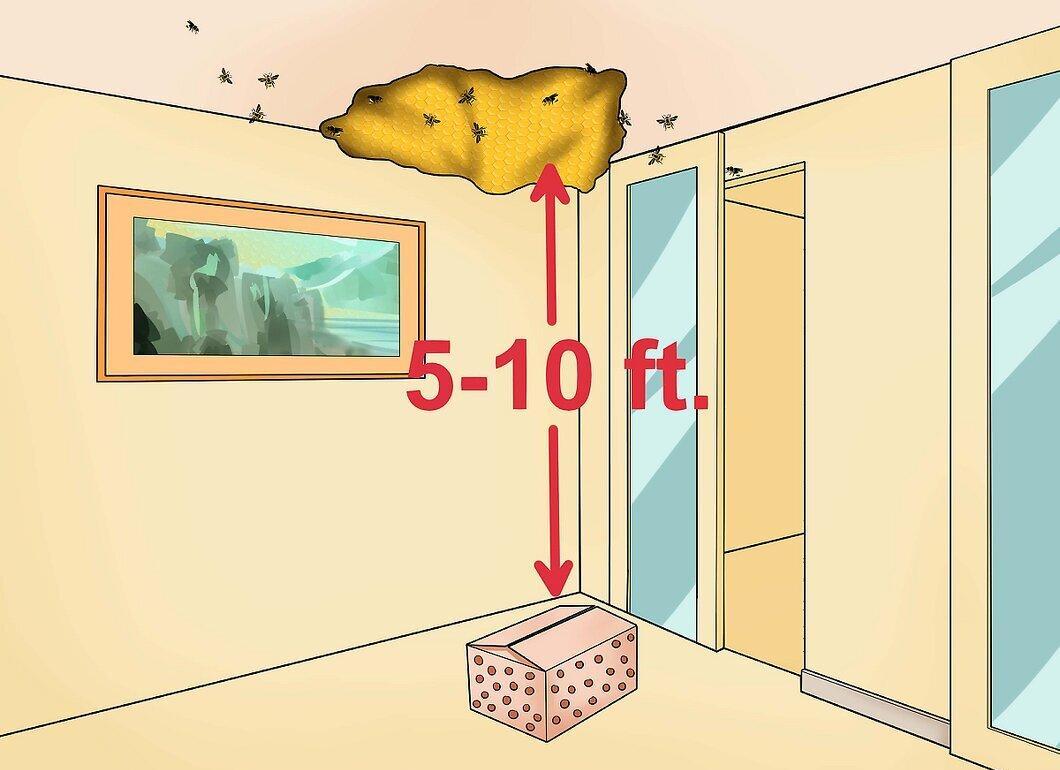
Step 6. Wait for results.
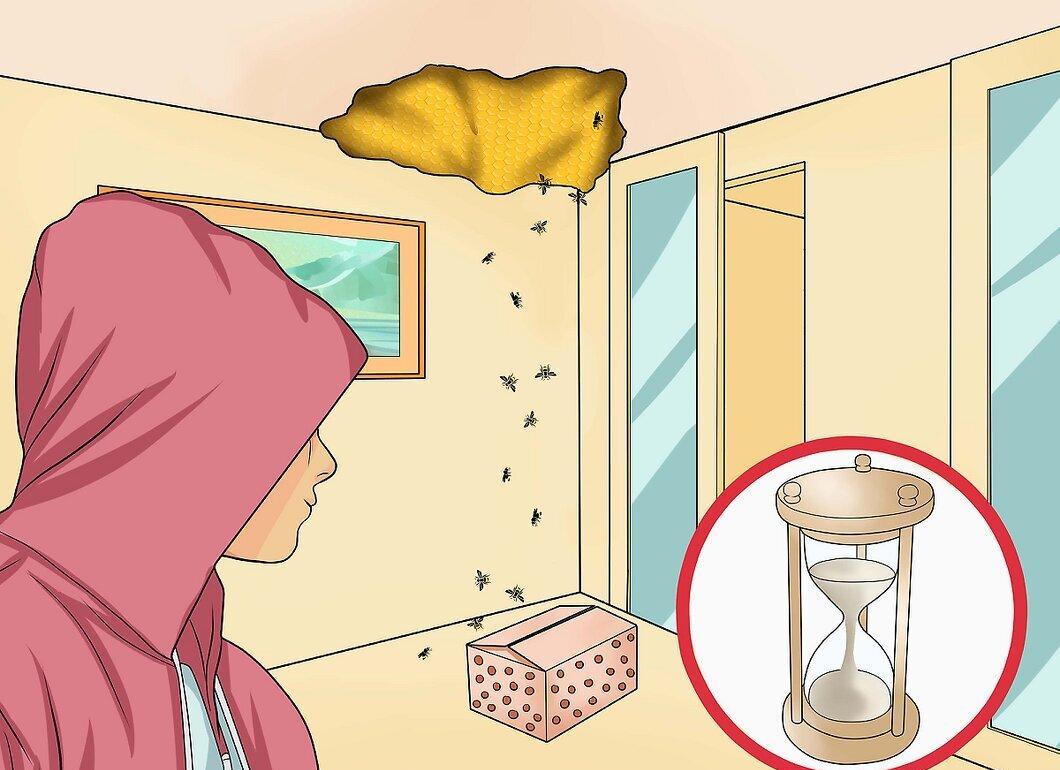
Soon the trap will be filled with bees, and you can call a specialist to remove them. Be cautious, as many bees will remain alive and may be aggressive. Do not approach the box closely.
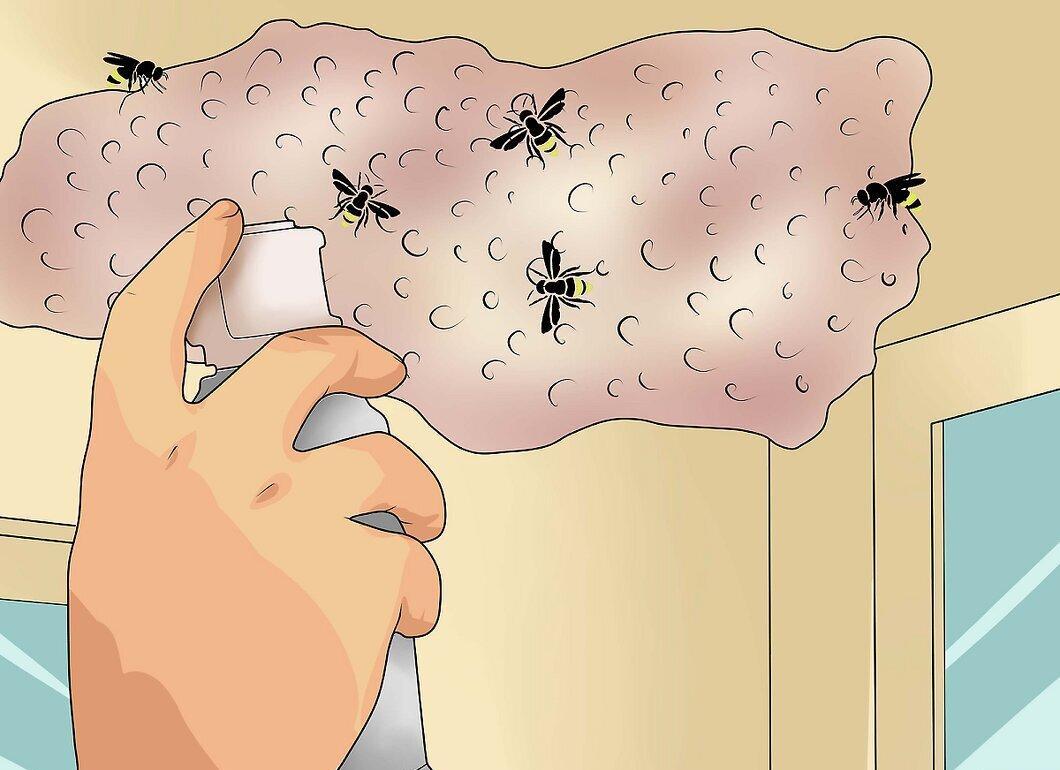
Step 7. Use insecticides to eliminate any remaining bees and the queen if she has not yet left the hive.
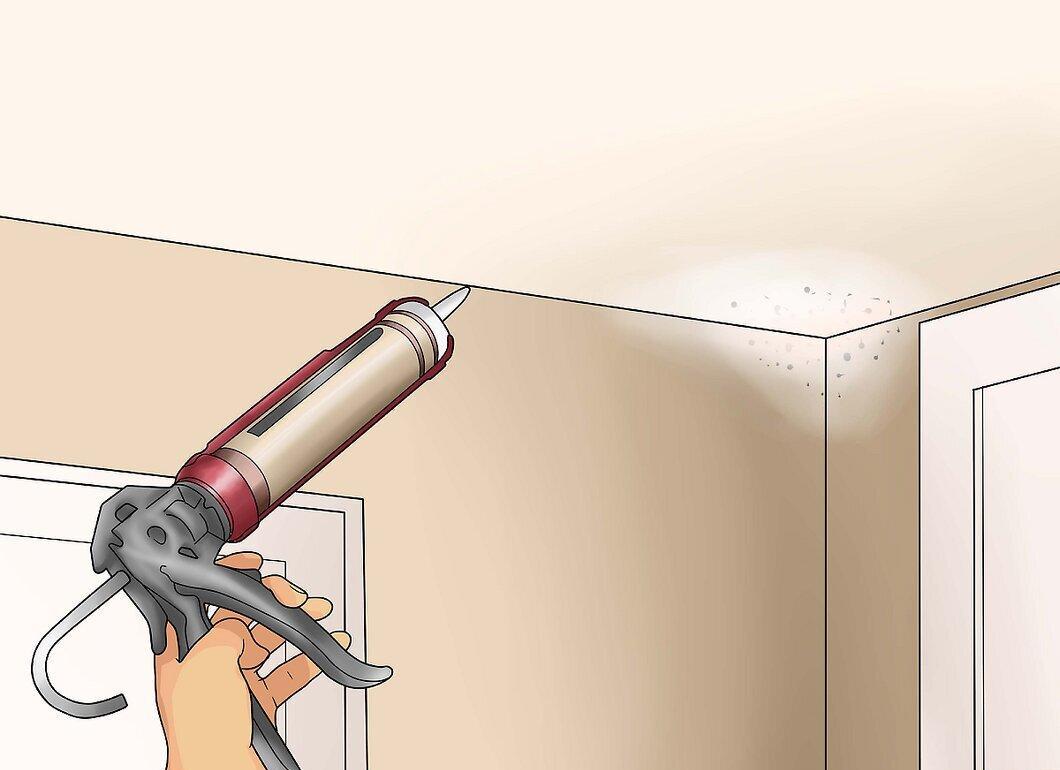
Step 8. Seal off the hive entrance to prevent other bees from occupying it in the future.
Using a One-Way Exit for Bees
Step 1. Buy a pack of insecticides.
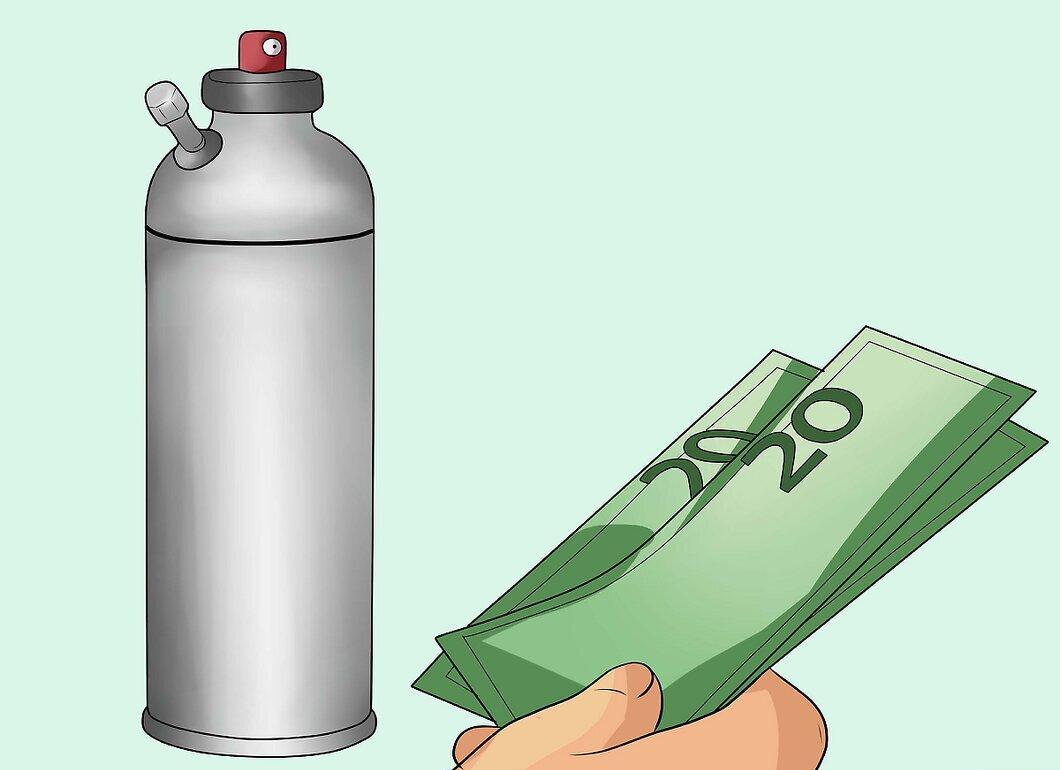
Step 2. You’ll need a spray can with maximum spray range.
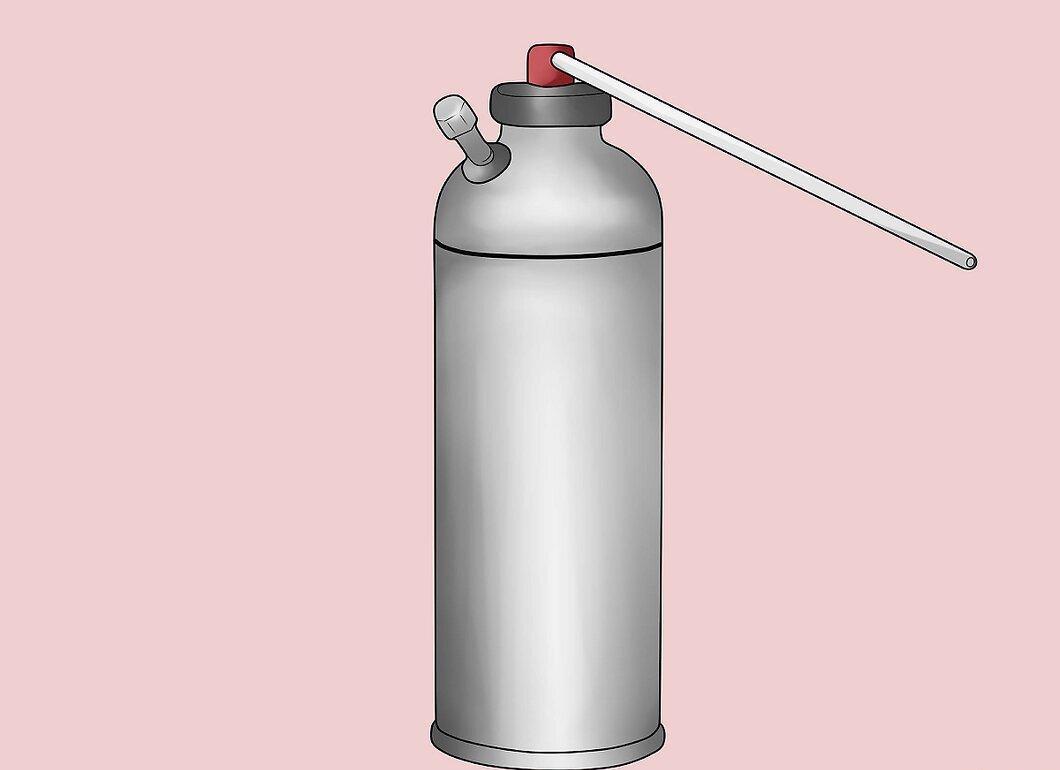
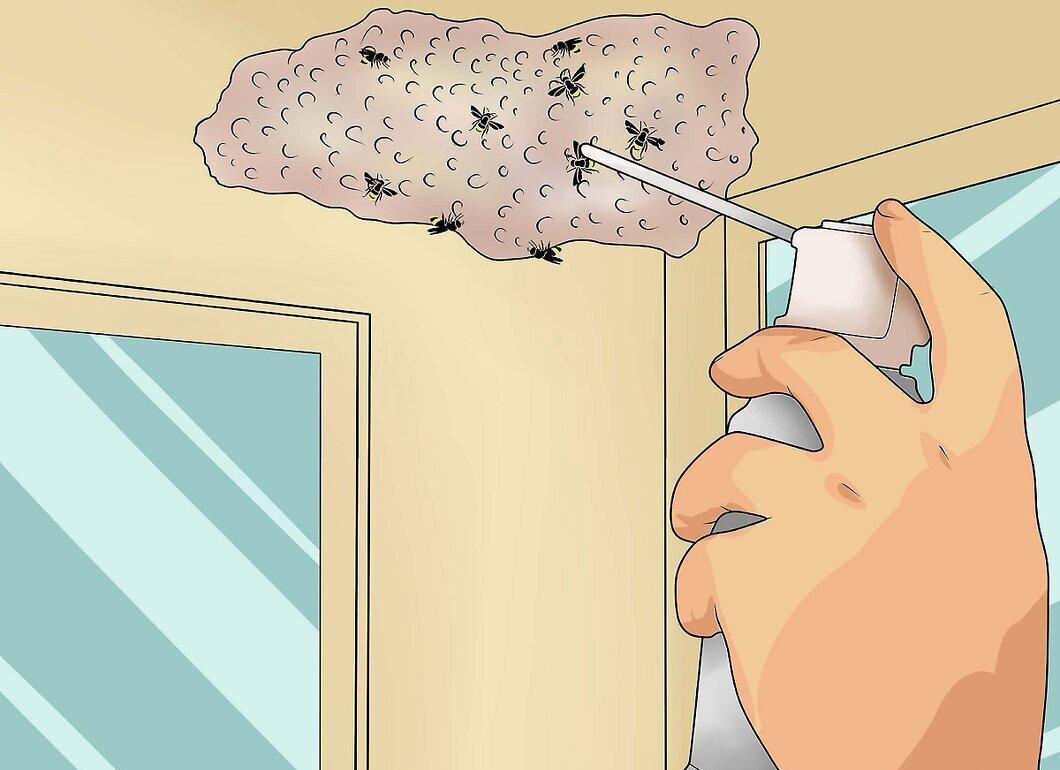
Step 3. Spray the hive to poison the bees and the nest itself.
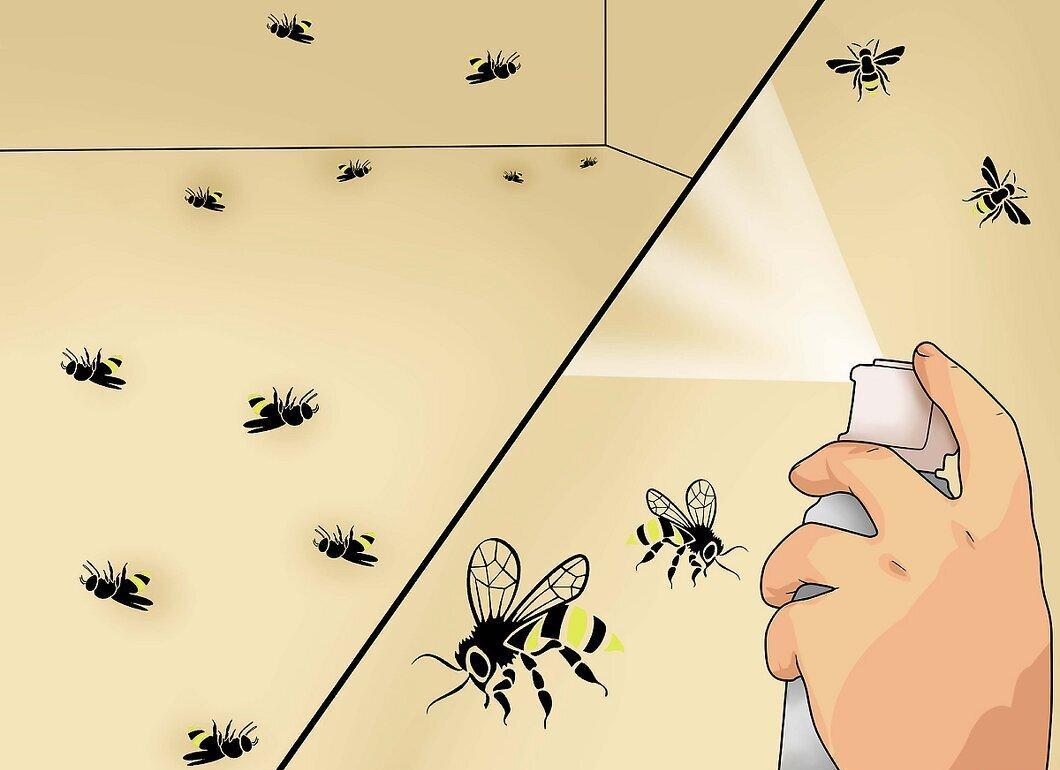
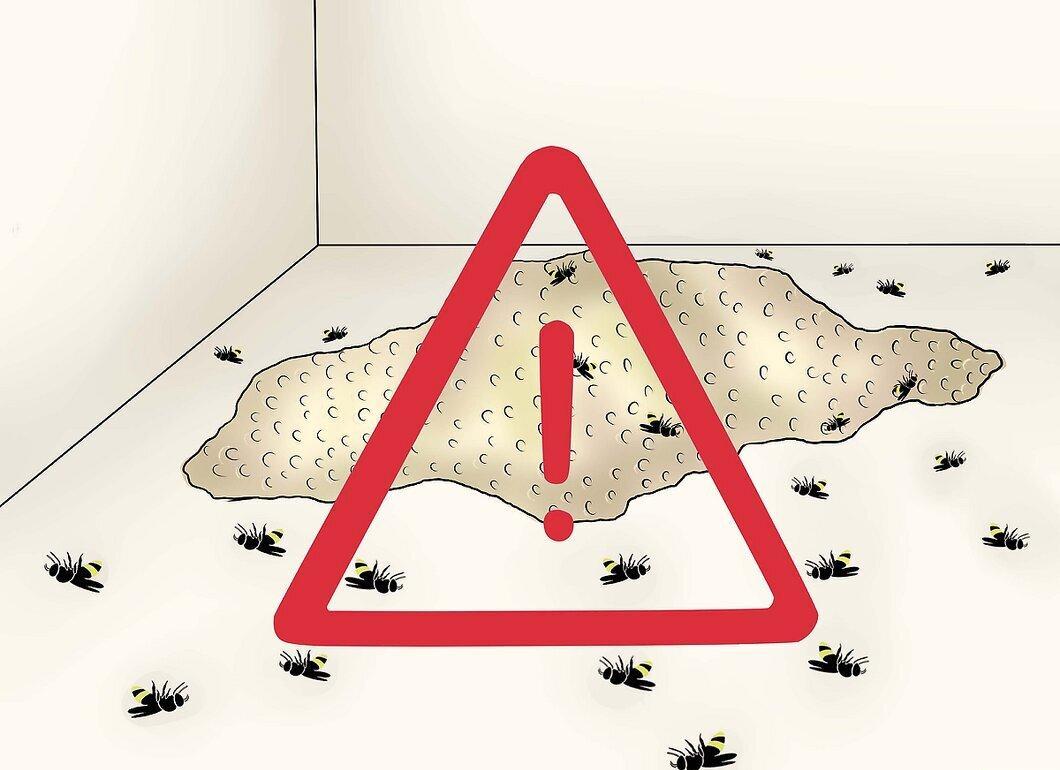
Step 4. Be cautious of bees that may have avoided the aerosol.
Step 5. When the hive stops showing activity, knock it down to the ground.
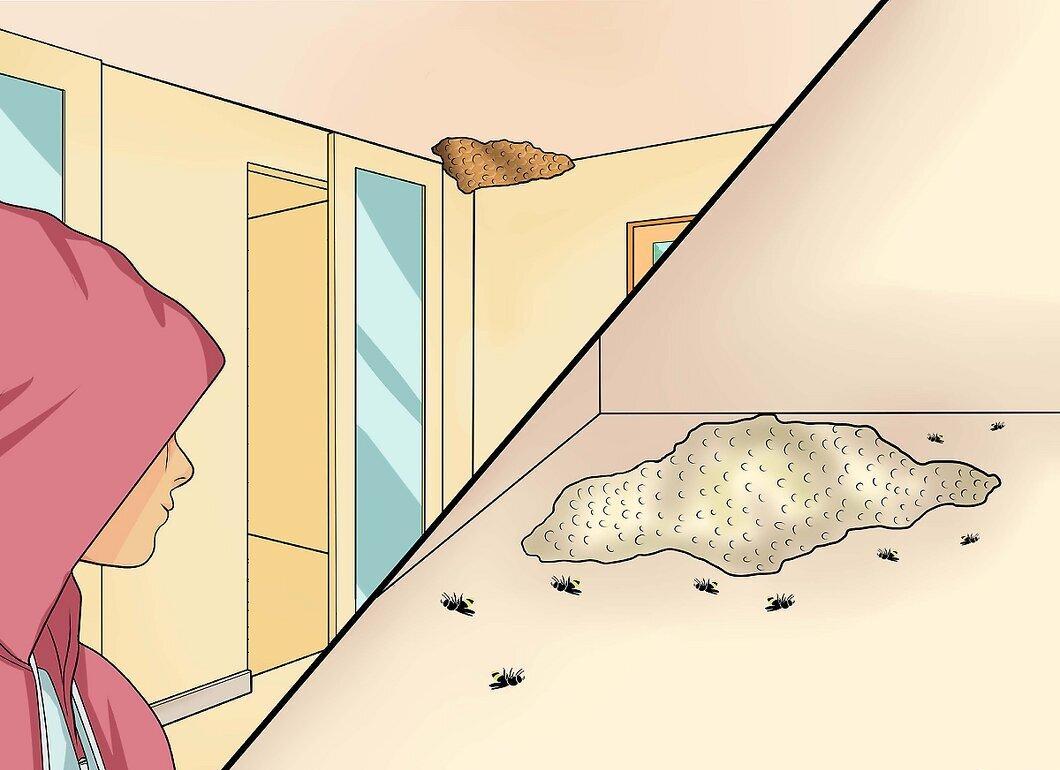
Step 6. Be cautious; live bees may remain!
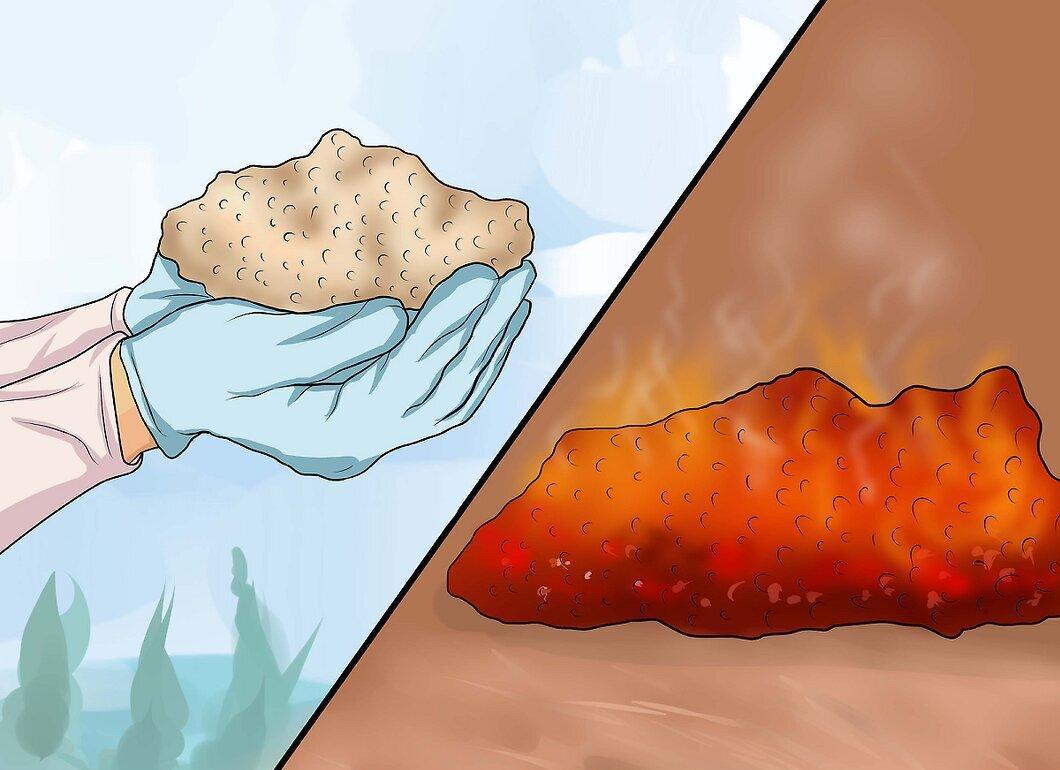
Step 7. Move the nest to a safe location for burning.
Part 4
Step 1. Shape a piece of insect mesh into a cone.
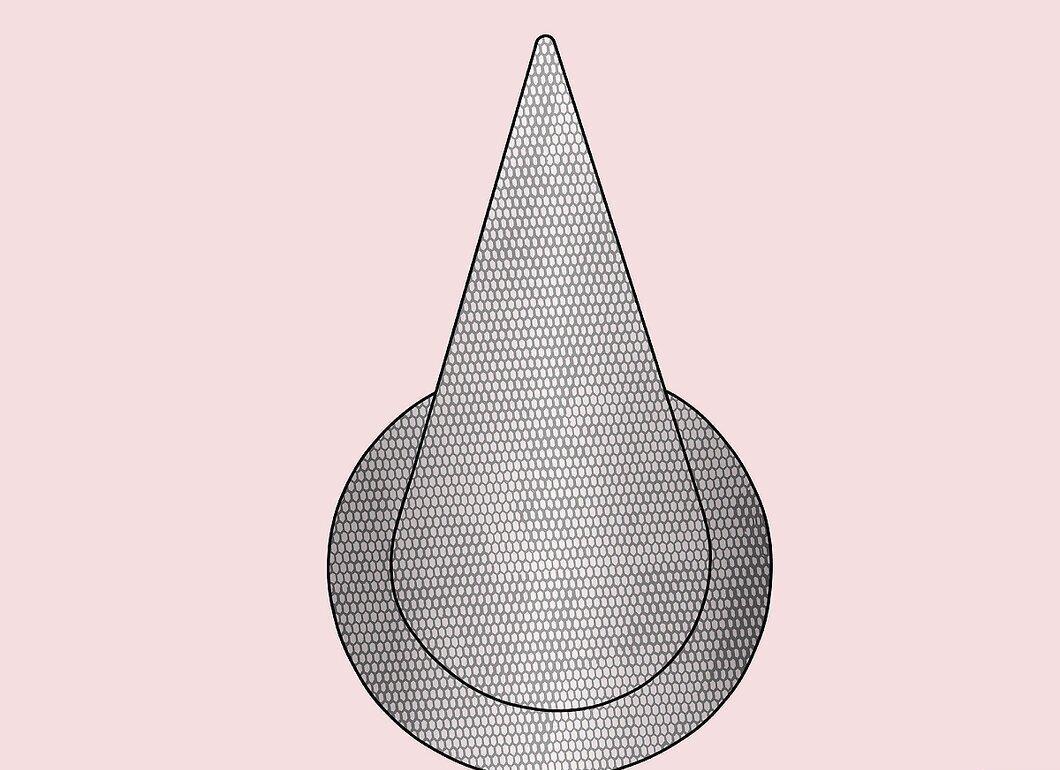
Step 2. Leave a hole about 2.5 centimeters in diameter at the top of the cone.
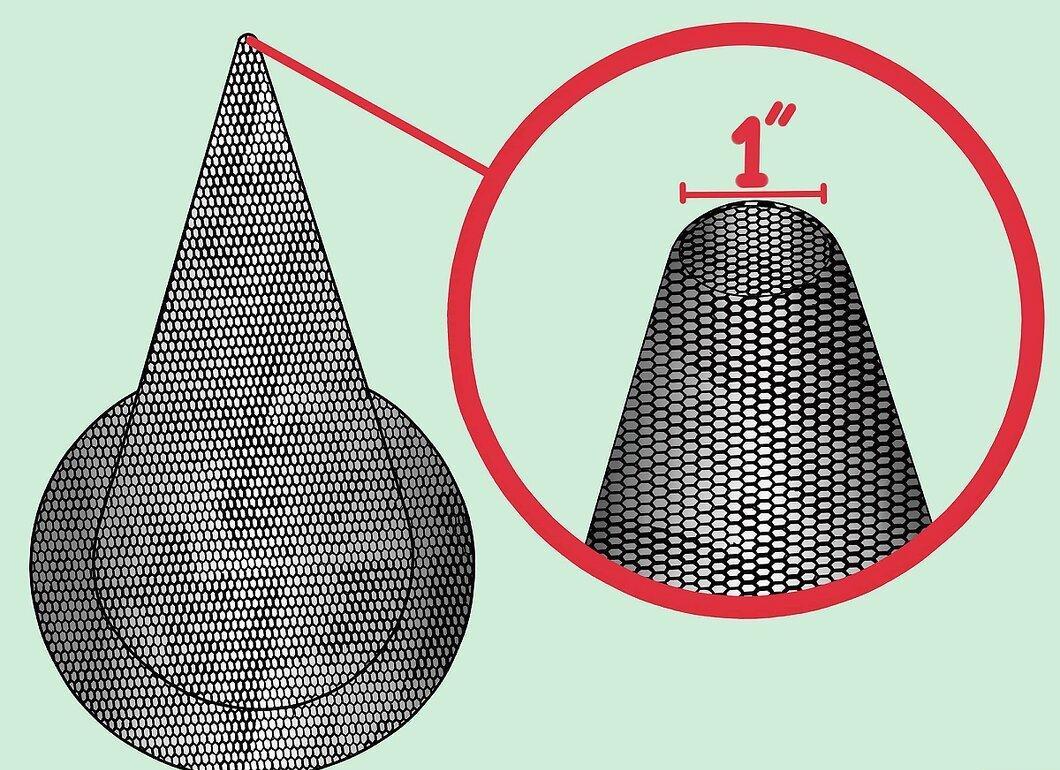
Step 3. Block the hive entrance with the wide part of the cone.
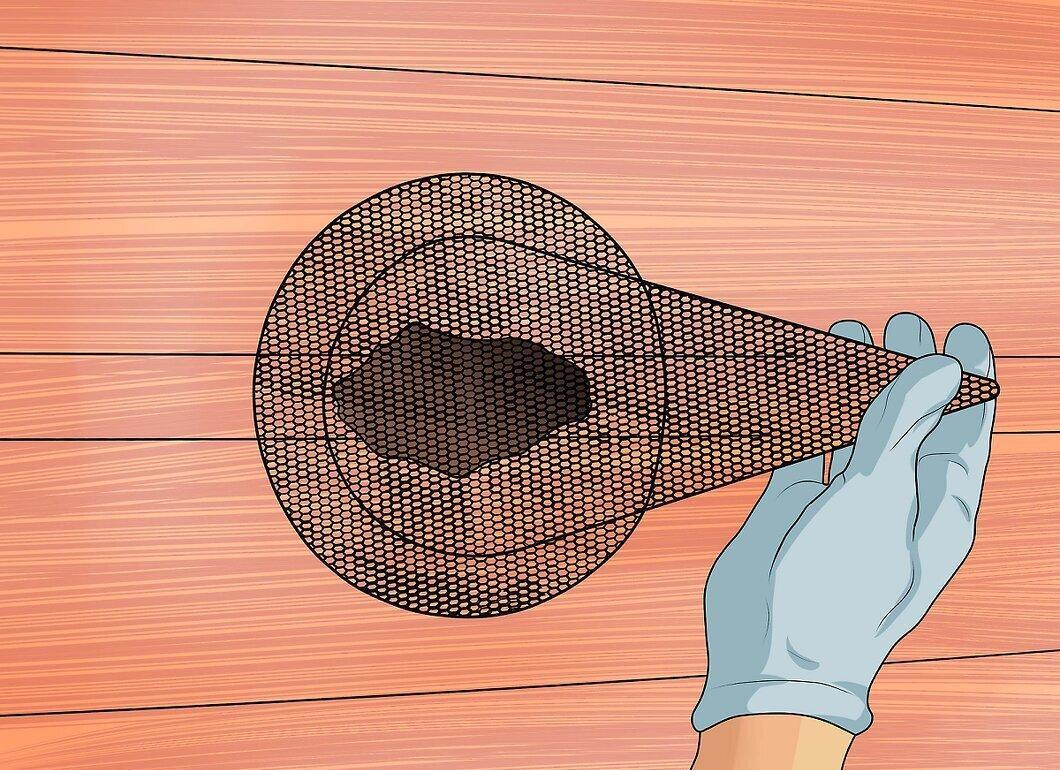
- Bees can exit through the cone but cannot return.
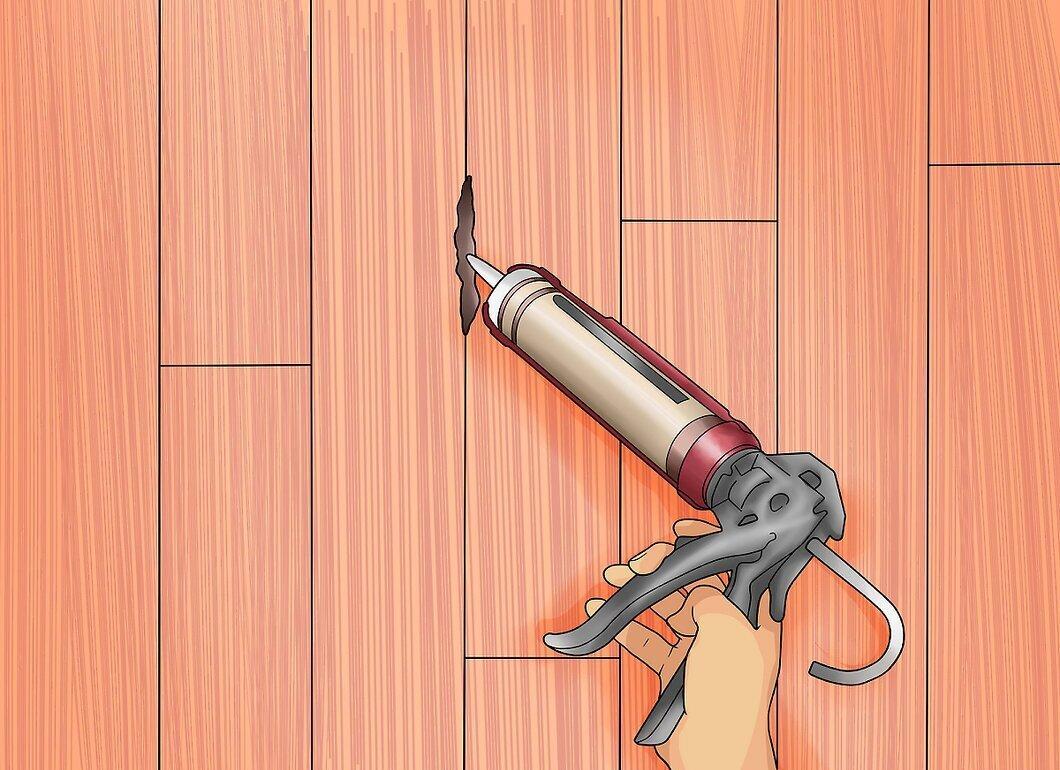
Step 4. Seal off the entrance to the hive.
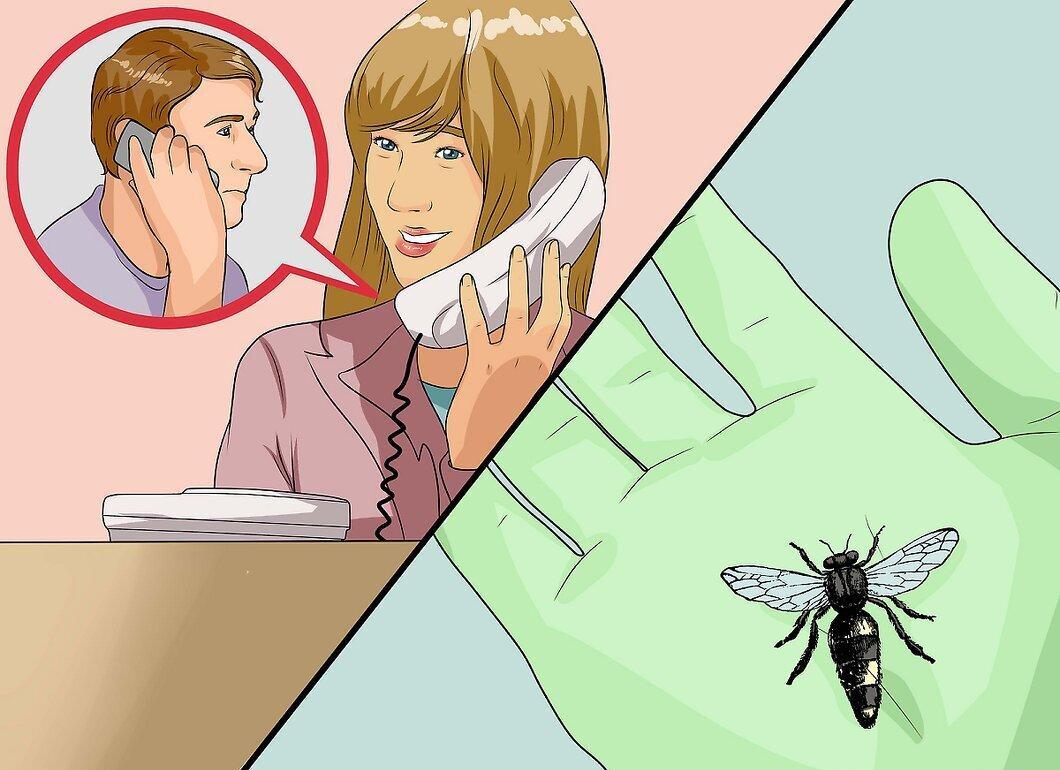
Step 5. Contact a beekeeper who can bring a new queen bee for the remaining bees.
Step 6. Wait.
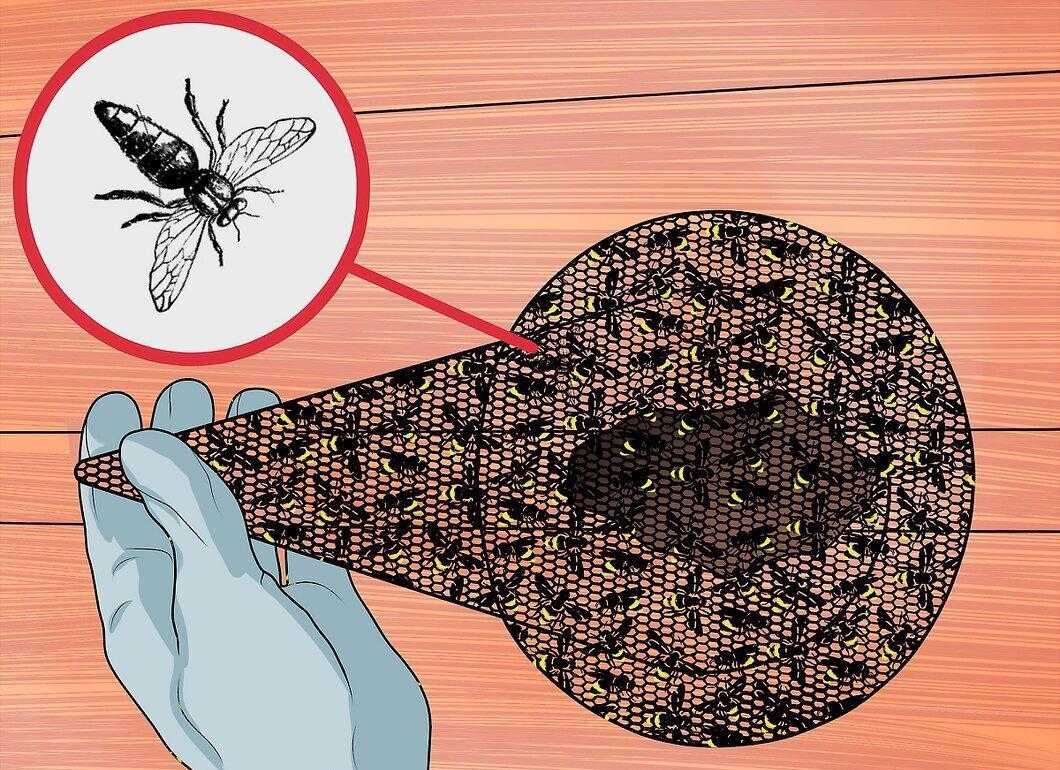
As most of the bees leave the hive in search of a new queen, the old queen will lose her power, and the colony will weaken.
Step 7. Treat the area with an insecticide that breaks down after application.
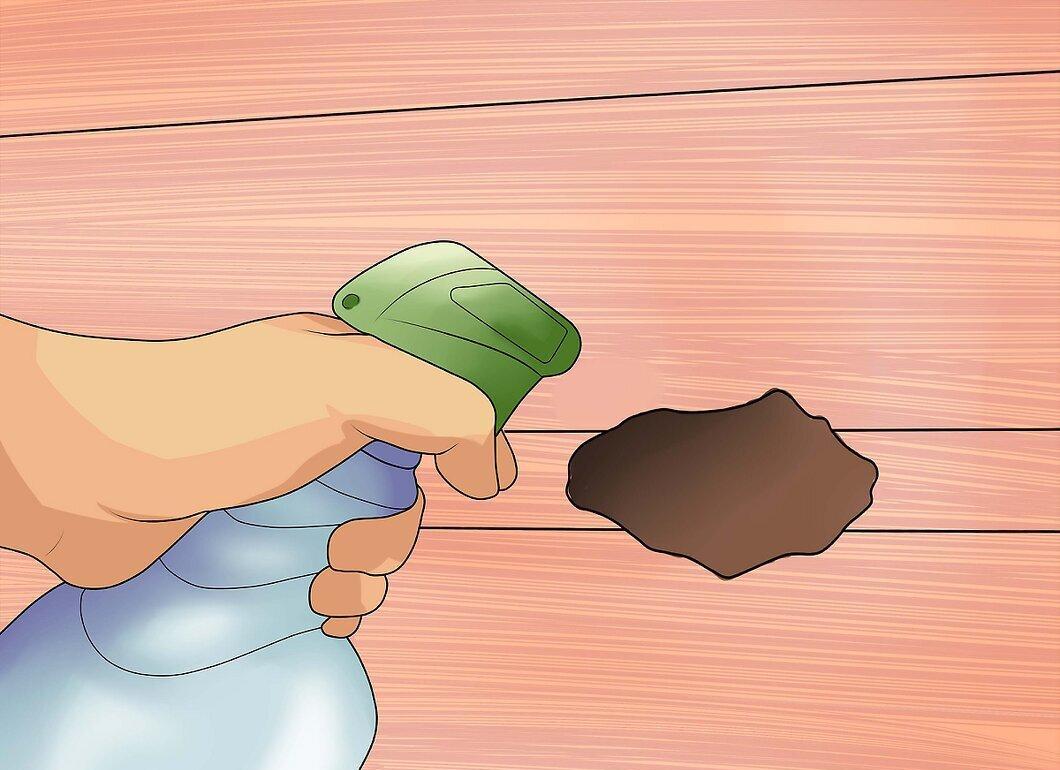
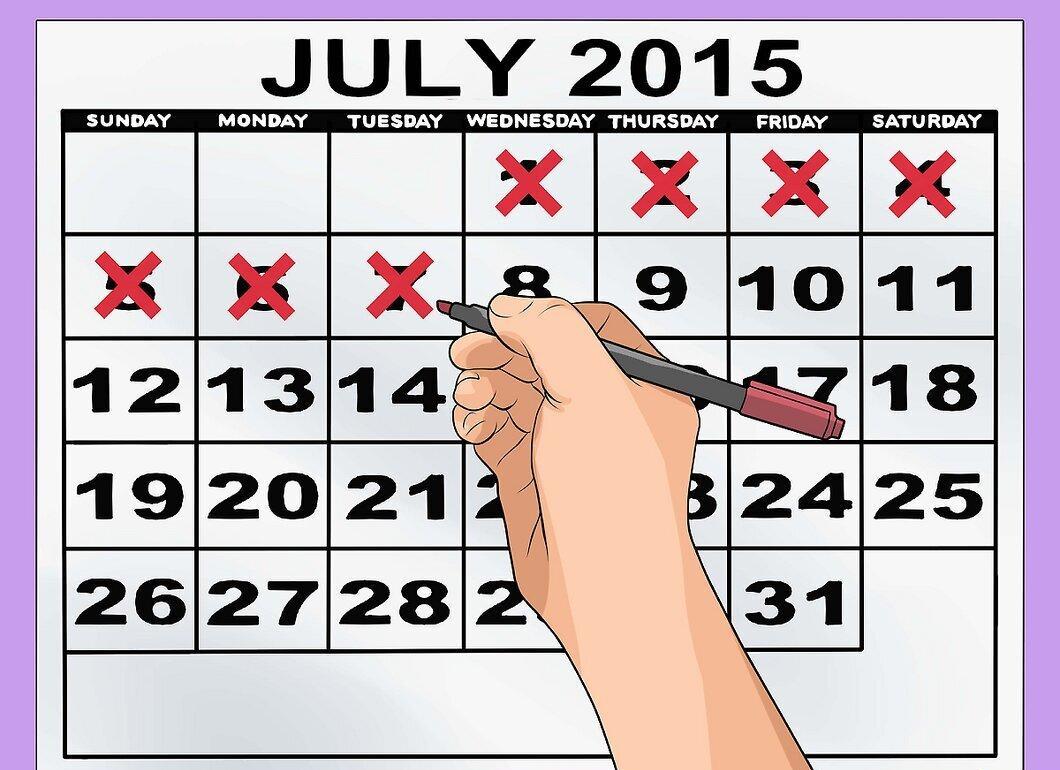
Step 8. Wait a week.
Step 9. Remove the cone and allow the bees to take the honey and leave for another hive.
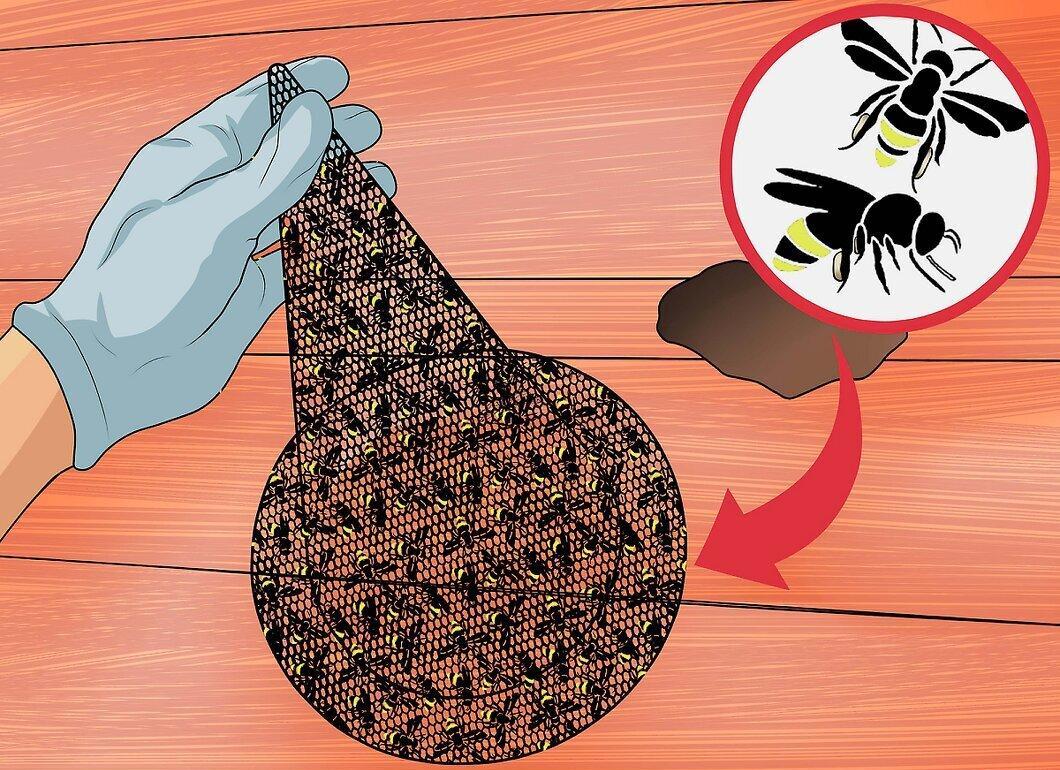
Step 10. Seal off access to the area and hive.
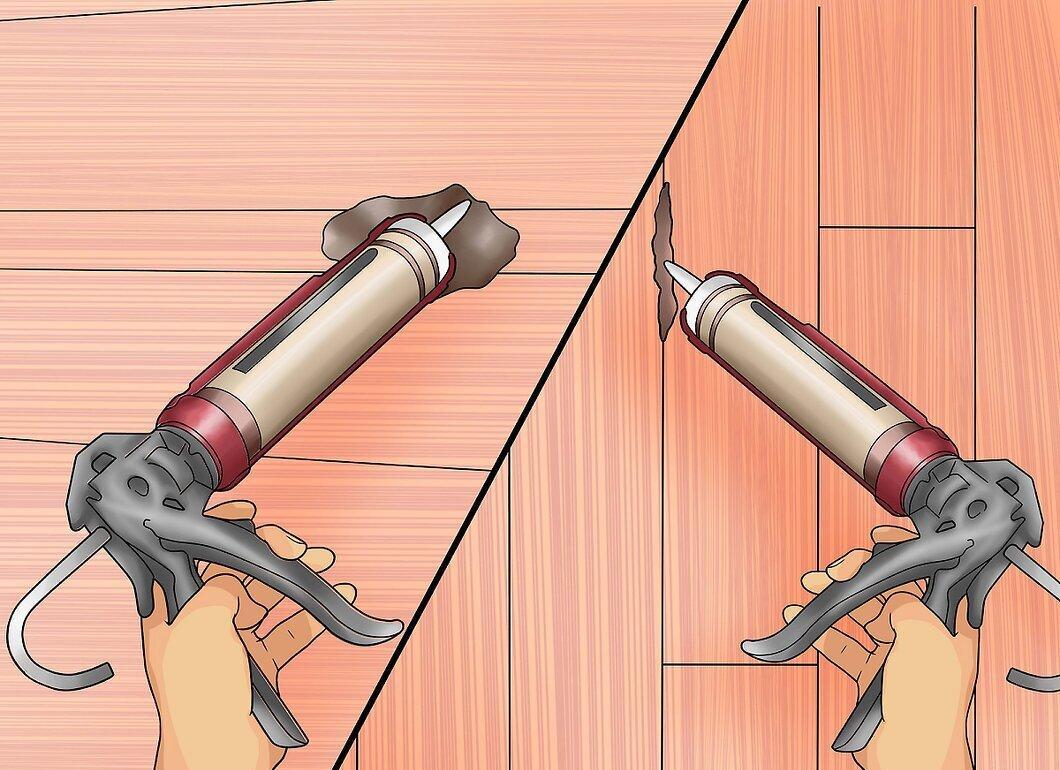
Step 11. Use foam insulation to seal the area.