Maintaining the correct chemical balance in your pool water is essential for the health of swimmers and the cleanliness of the water. Additionally, regular monitoring of chemicals can help pool owners save time and money. By following the guidelines provided, anyone can keep their pool in perfect condition without the need for costly professionals.
Part 1
Step 1. Choose the Right Type of Chlorine.
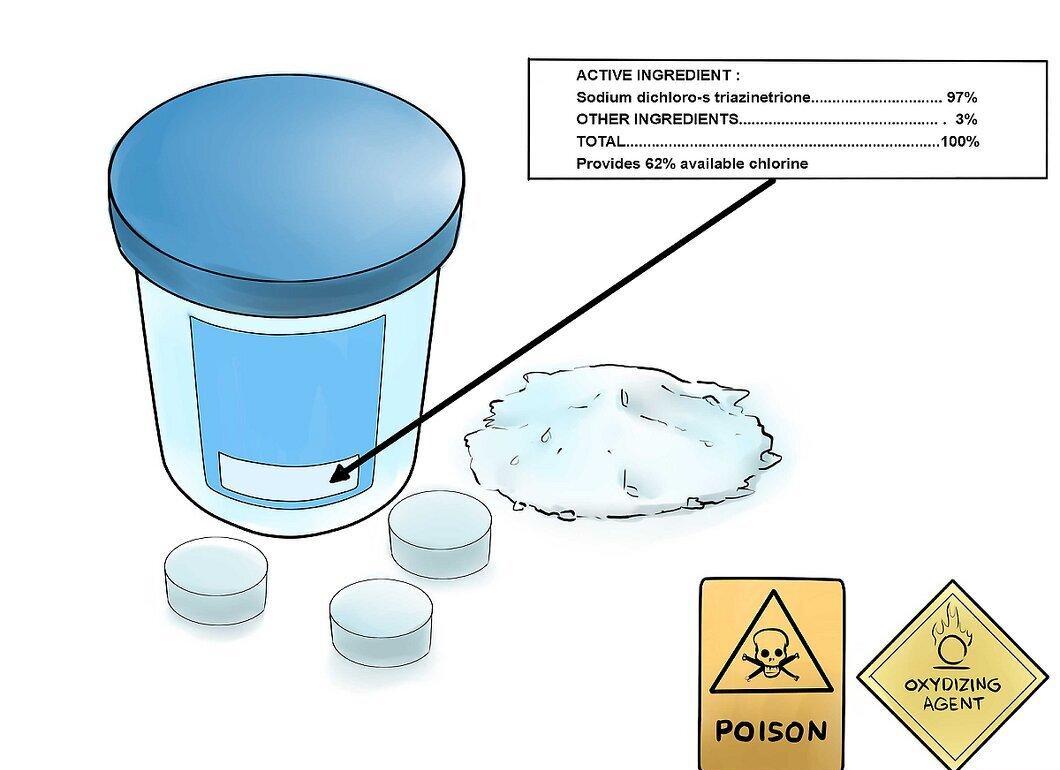
First, determine what type of chlorine you need. Chlorine designed to eliminate bacteria, algae, and microorganisms comes in various forms: bottles, 3-inch and 1-inch tablets, granules, and sticks. Note that the active ingredient in all of these forms is the same, with differences only in the concentration of active substances. The 3-inch and 1-inch tablets, as well as the sticks, contain trichlor (or trichloro-S-triazinetrione), while granular chlorine contains dichlor (or sodium dichloro-S-triazinetrione).
Step 2. The Most Accessible Option is 3-Inch Chlorine Tablets.
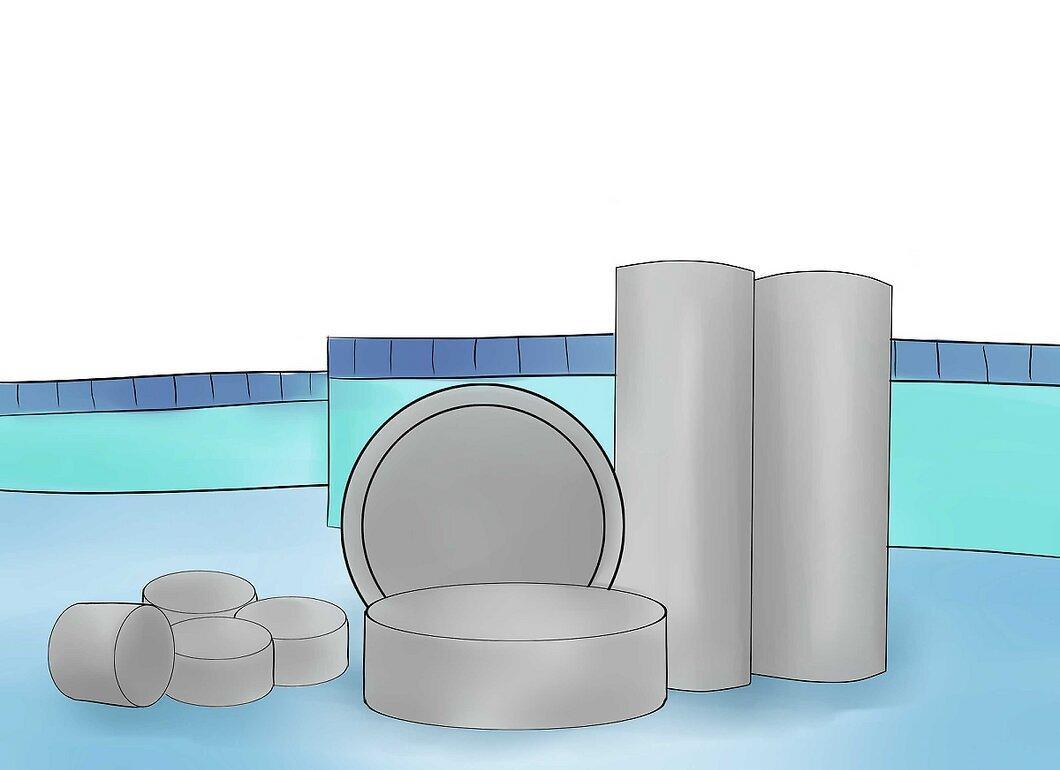
The most common and typically most economical option is the 3-inch chlorine tablets. They dissolve slowly and require minimal maintenance. Chlorine sticks, while slower to dissolve than the 3-inch tablets, are not as popular. 1-inch tablets dissolve faster and are ideal for above-ground and small pools, as well as spas. Ensure that the tablets or sticks contain 90% trichloro-S-triazinetrione.
Step 3. Be Cautious with Cheap Tablets.
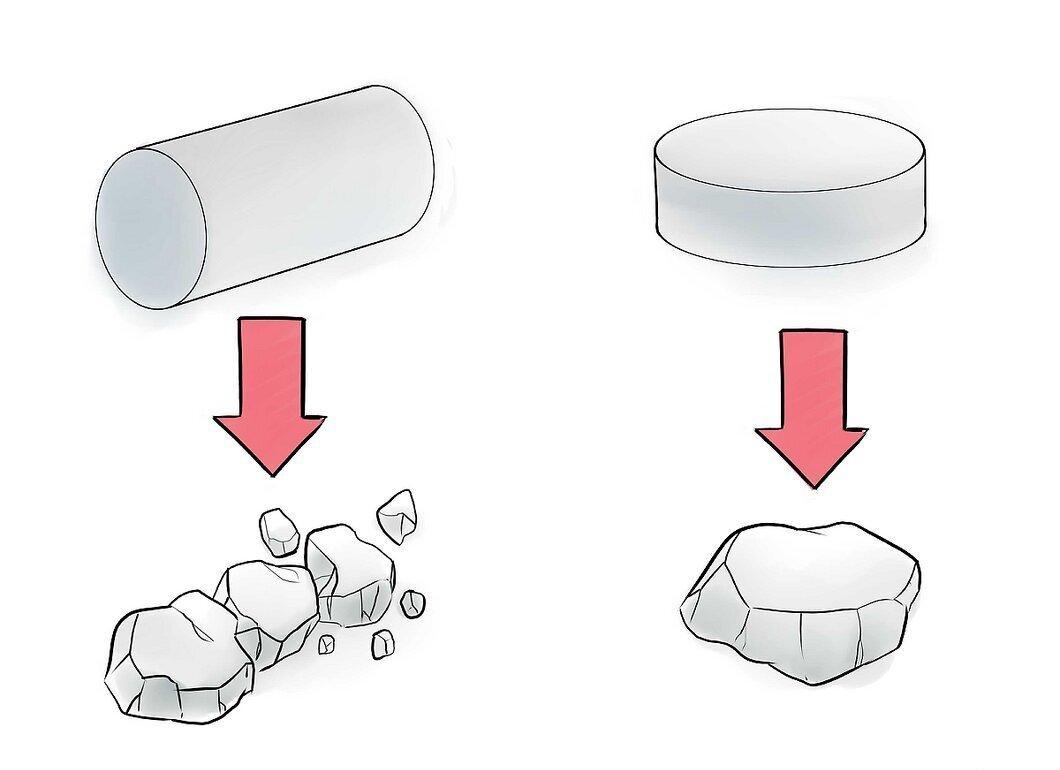
Be aware that inexpensive tablets and sticks sold in bulk often contain binders and fillers that help maintain their shape. You'll notice this when they start to dissolve: such tablets can break down or disintegrate in just 2-3 days, unlike higher-quality ones that maintain their form longer.
Step 4. Granular Chlorine is Also Effective.
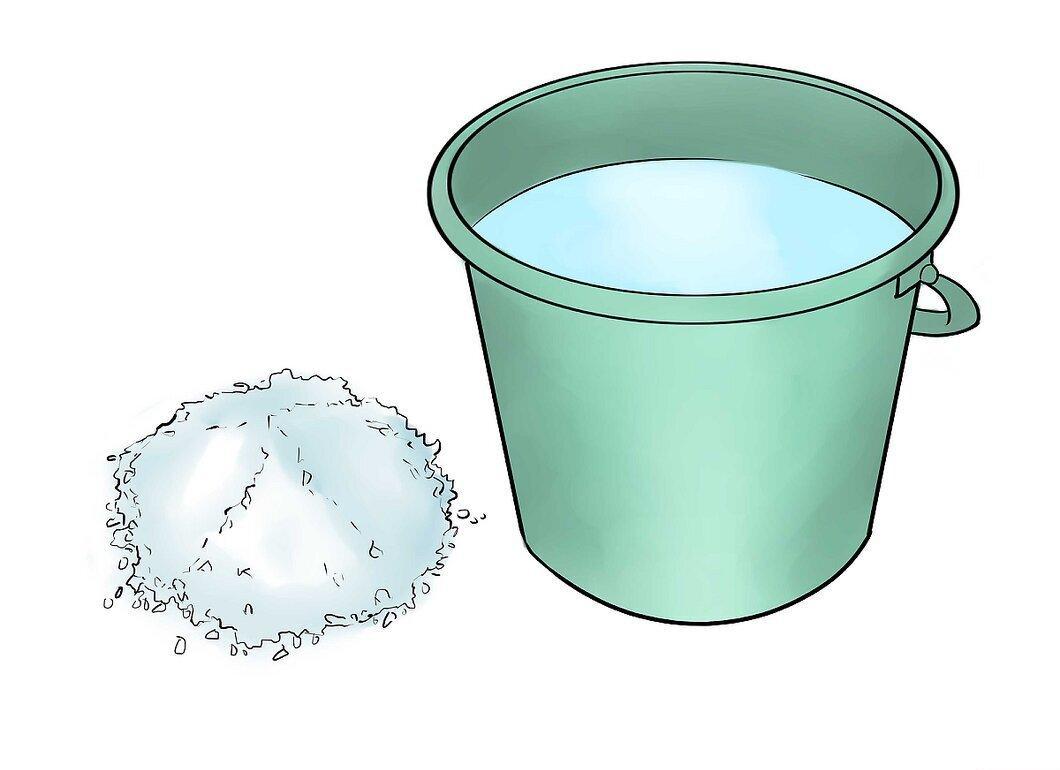
Granular chlorine is just as effective as the aforementioned tablets and sticks. However, inorganic chlorine, such as calcium hypochlorite, needs to be pre-dissolved in a bucket of water before being added to the pool. It should be added almost daily. Other types of organic chlorine, such as sodium dichlor, do not require pre-dissolving and allow for precise control of chlorine levels in the water, but they require regular testing and chemical additions. Look for granular chlorine with a concentration of 56% to 62% sodium dichloro-S-triazinetrione.
Step 5. Use Cyanuric Acid with Caution.
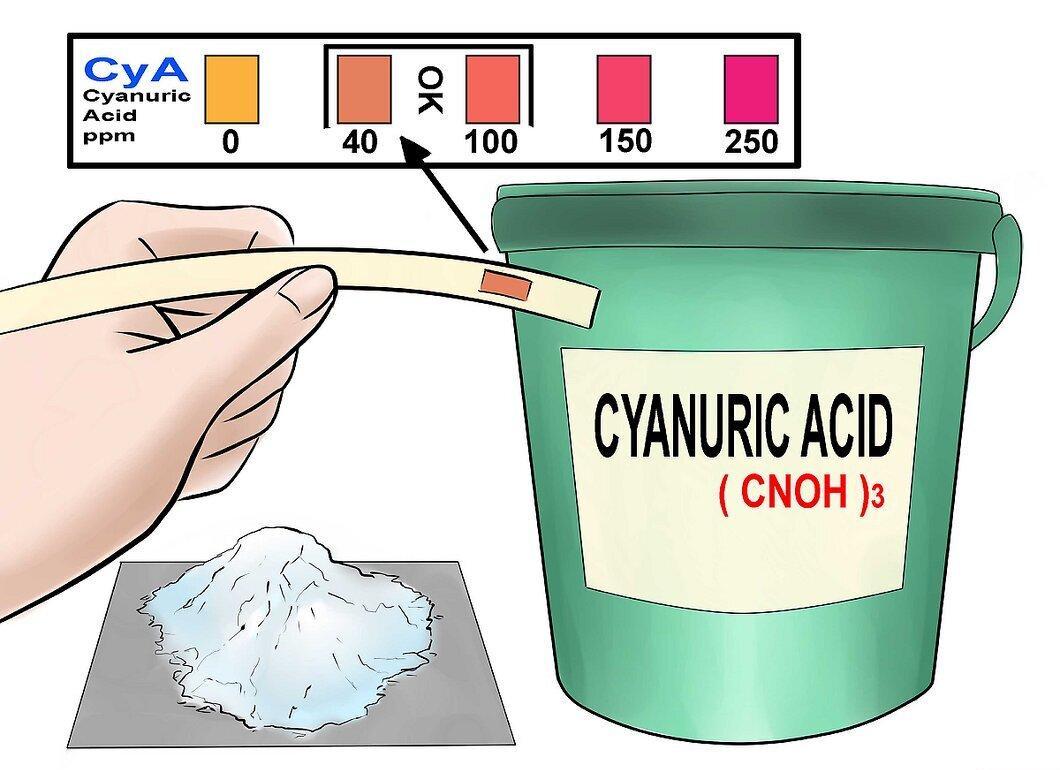
Use cyanuric acid carefully. Cyanuric acid (CYA), present in dichlor and trichlor tablets, stabilizes chlorine, protecting it from the destructive effects of sunlight. However, it can also reduce the effectiveness of chlorine (ORP or oxidation-reduction potential). If you're using cyanuric acid, monitor the level, as too high a concentration can completely neutralize the disinfecting properties of chlorine.
Step 6. The Optimal CYA Level is No Higher Than 40 ppm.
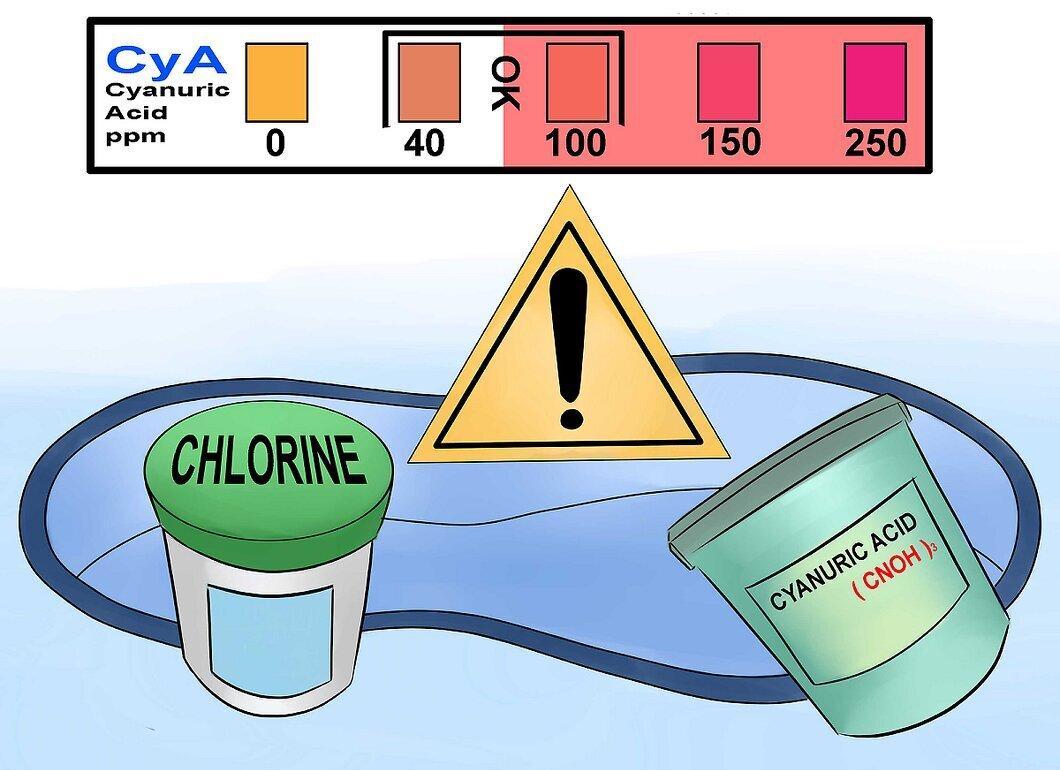
Recent studies have shown that the cyanuric acid level should not exceed 40 ppm for optimal chlorine performance. High CYA levels can increase the total dissolved solids (TDS) content, which hinders chlorine activity.
Step 7. If You Choose to Avoid Cyanuric Acid, Use Calcium or Sodium Hypochlorite.
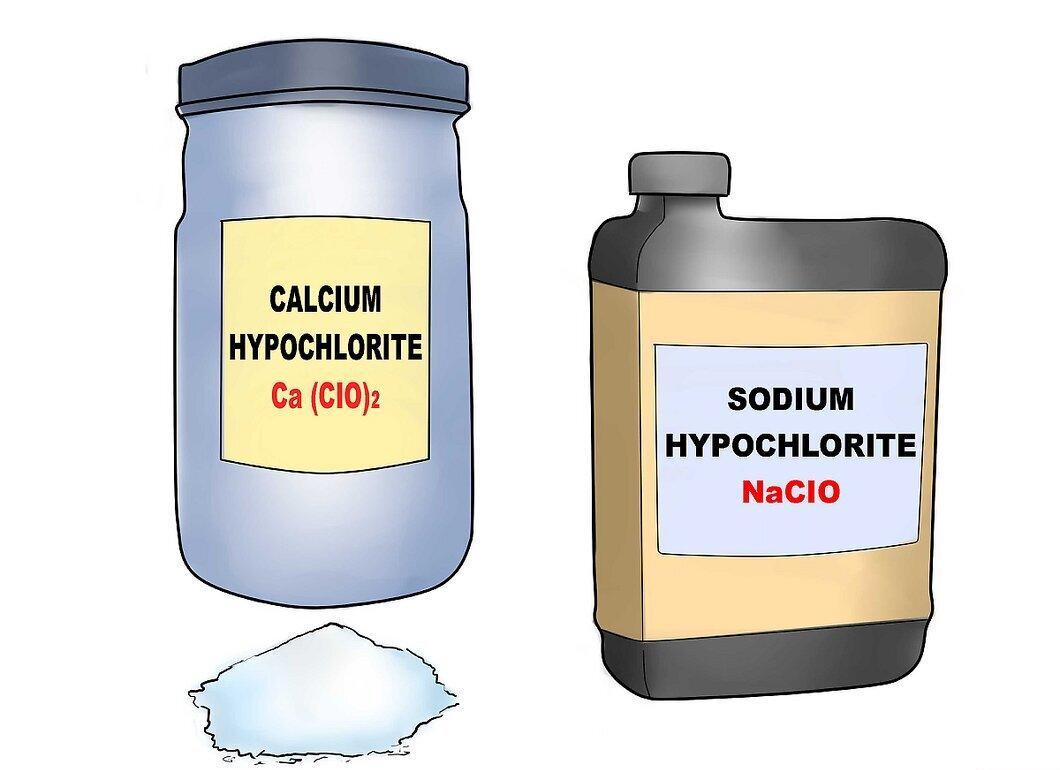
If you decide not to use cyanuric acid, calcium hypochlorite (in solid form) or sodium hypochlorite (liquid) will work for you. It’s also essential to closely monitor the pH level, as these substances are highly concentrated and can raise the pH if not controlled. Liquid chlorine will help maintain disinfection without adding cyanuric acid, as stabilized chlorine (in tablets and granules) already contains it in high concentrations.
Step 8. Adding Chlorine to the Pool.
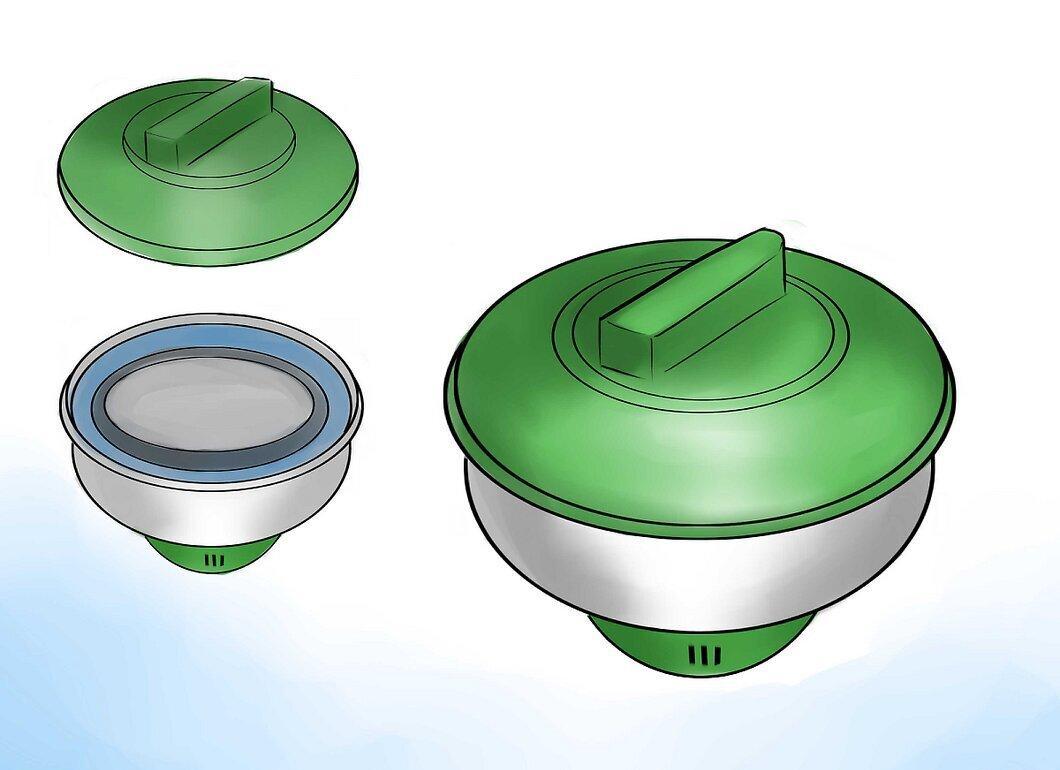
Add chlorine to your pool. Use floating chlorine feeders or automatic chemical feeders available at pool stores, which slowly dissolve chlorine into the water. Automatic feeders are great helpers in keeping your pool in order. They provide precise control over the amount of chlorine added, allowing you to not worry about its level for a week or more.
Step 9. Do Not Just Throw Chlorine Tablets into the Pool.
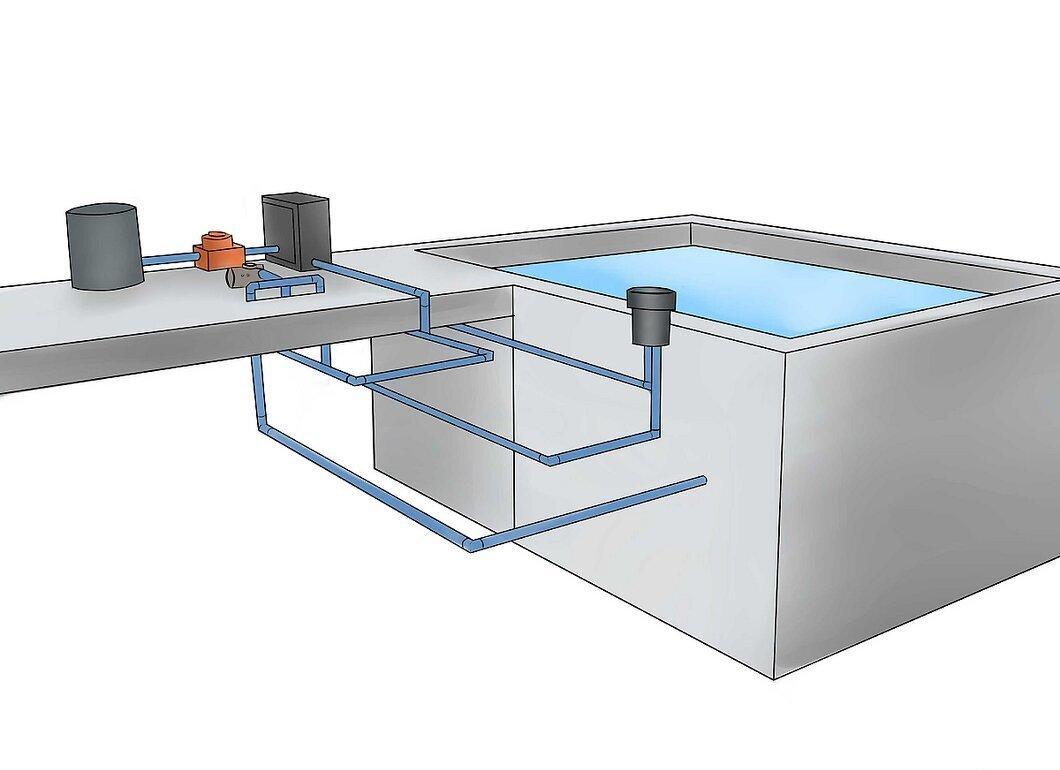
Never just throw chlorine tablets or sticks into the water. Place them in the skimmer basket. Some brands produce tablets that only dissolve when there is water flow. If chlorine tablets dissolve in the skimmer basket, all the water passing through the pump and circulation system will contain a high concentration of chlorine, which can damage the circulation system and lead to premature pump and filter failure.
Step 10. Regularly Clean the Pool.
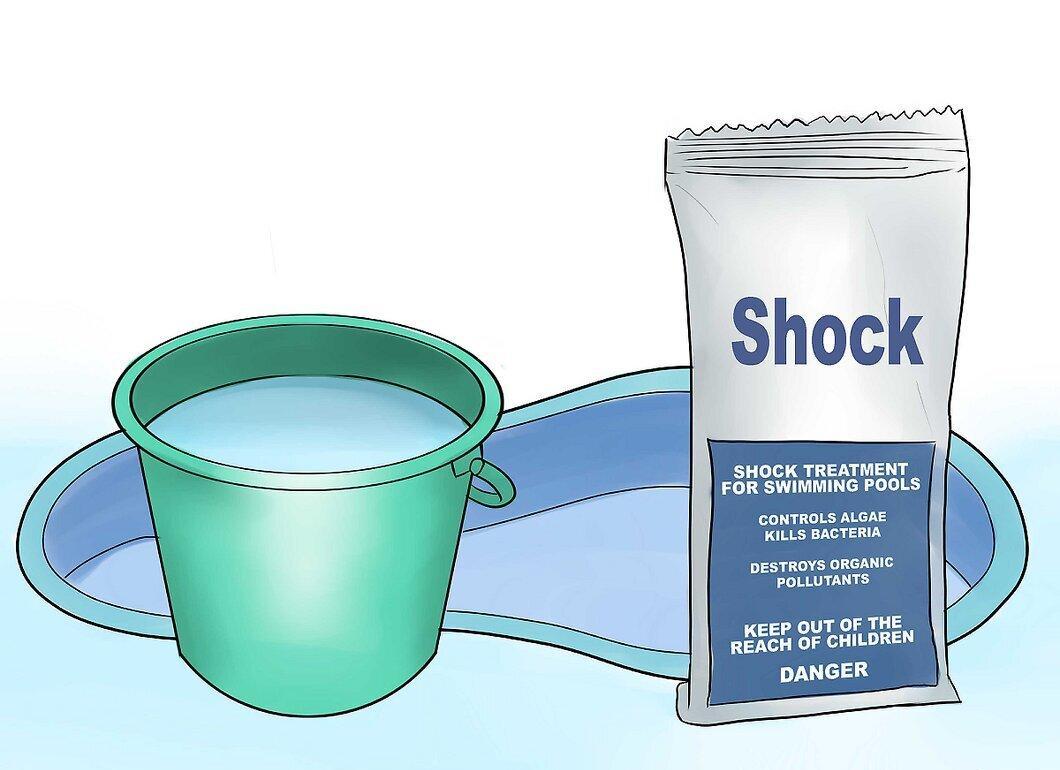
Don't forget to clean the pool weekly. During this process, chlorine interacts with other chemicals, such as ammonia and nitrogen, reducing its effectiveness and potentially causing itching and other skin conditions. Periodically use shock treatment to eliminate unwanted compounds.
Step 11. Monitor the Algaecide Level.
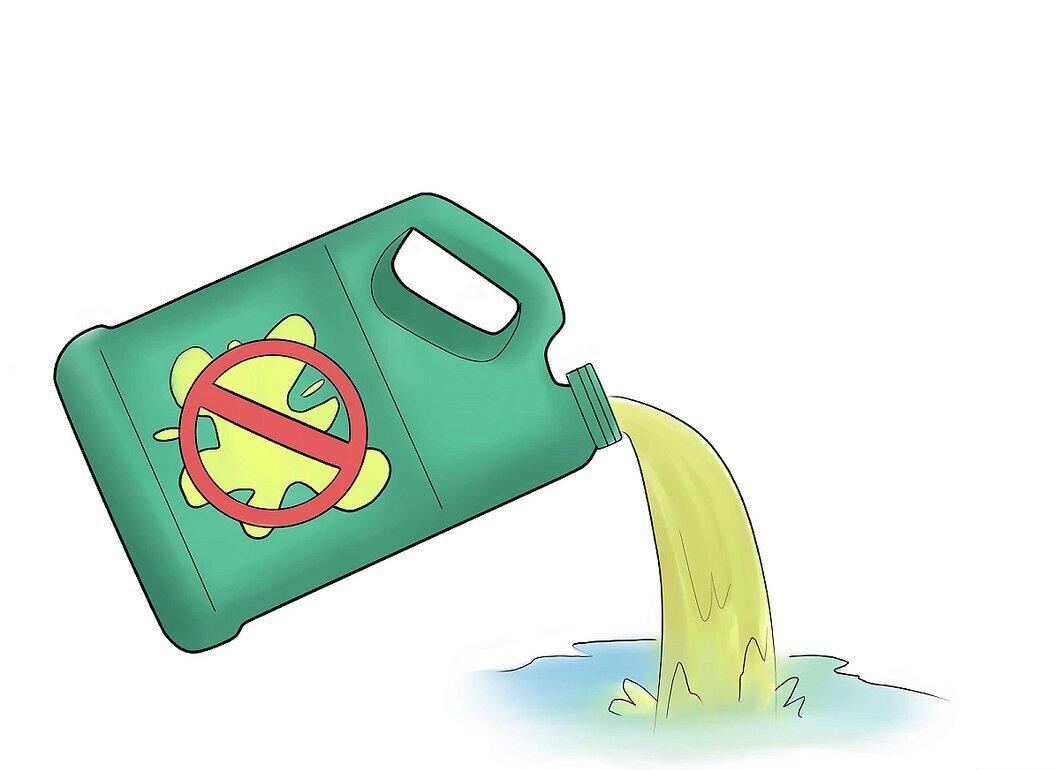
Check the algaecide level the next morning. These substances prevent algae growth on the pool surface.
Step 12. Maintain the pH Level.
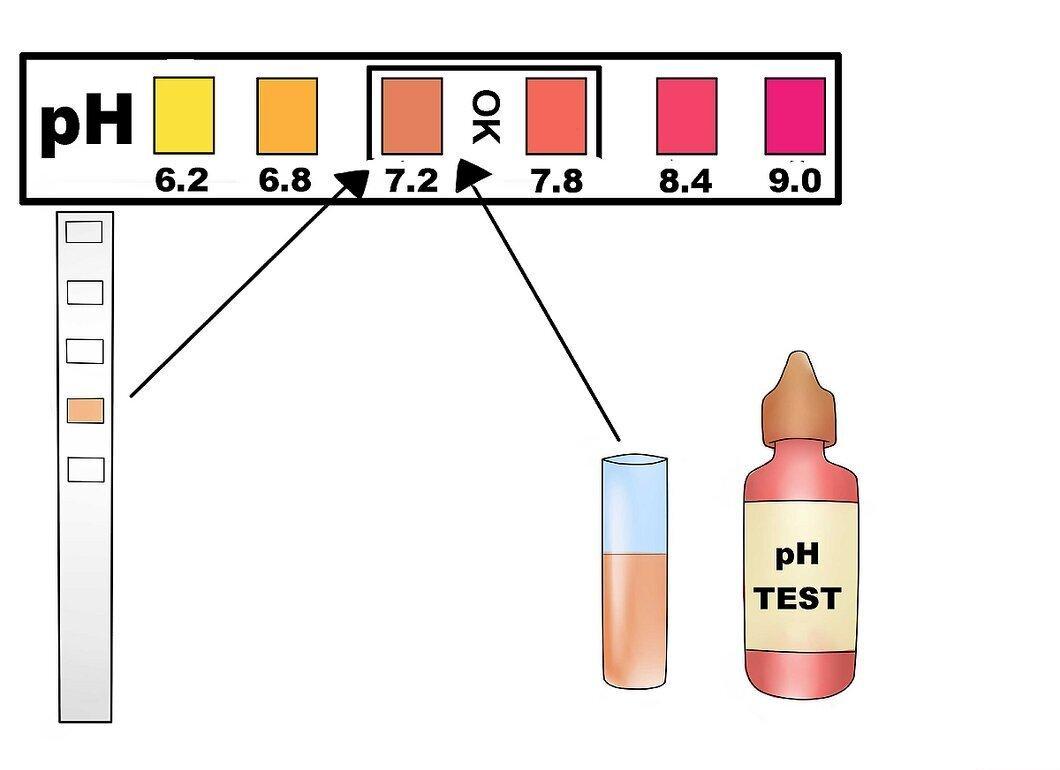
Maintaining the correct pH level is as important as having chlorine. The ideal pH level in a pool should be around 7.2, although a range of 7.2 to 7.6 is optimal. Chlorine disinfects more effectively at a pH of 7.2 than at a higher level, such as 8.2. It’s best to determine the pH level using a test kit that provides more accurate results compared to test strips.
Step 13. Lower High pH Levels.
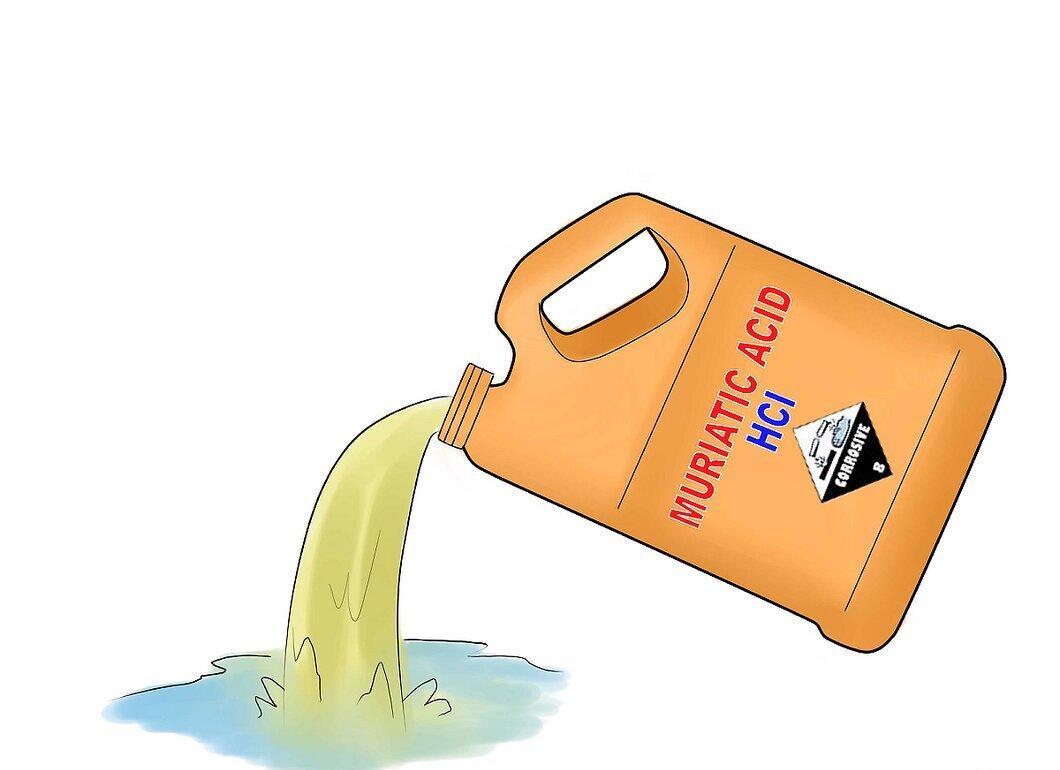
Typically, pH levels in pools can be high; to lower it, slowly add "muriatic acid" directly into the water while the pump is running and the water is circulating. Granular acid (pH minus or Decreaser) is a safer option than muriatic acid.
Step 14. Adjust the pH as Needed.
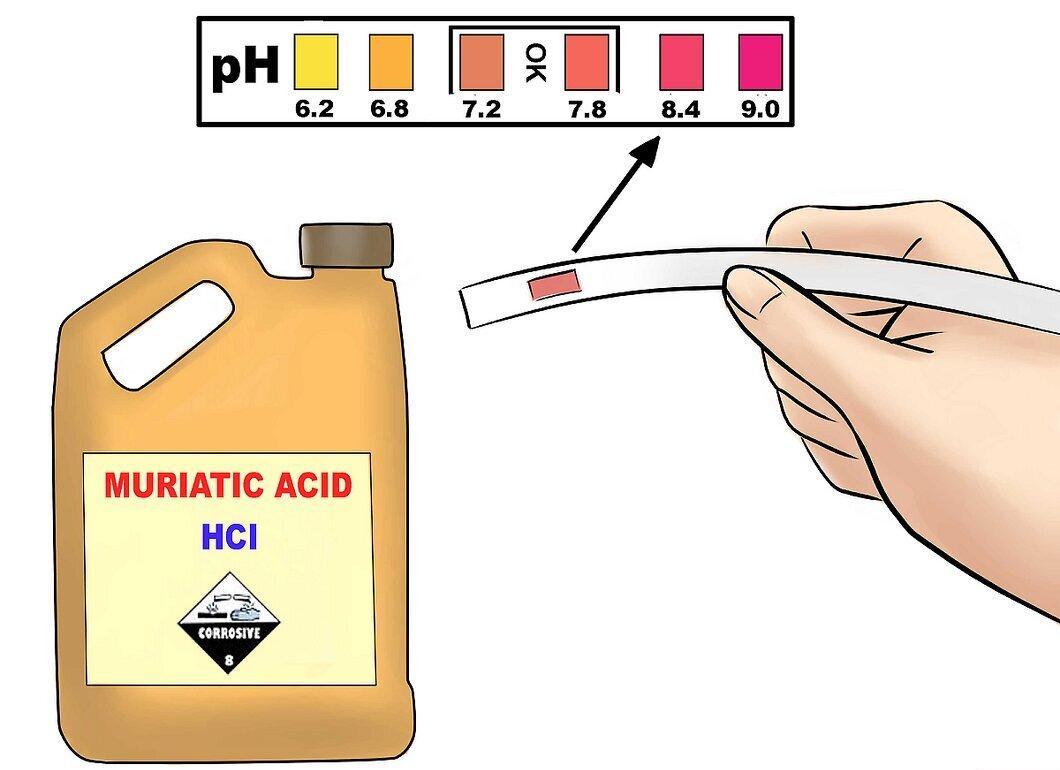
If the pH level is too high, add a small amount of muriatic acid and check the water after 6 hours of filtration, adjusting the pH as necessary. This will help avoid sharp fluctuations. If the issue is severe and the pH level does not stabilize, the cause may be low water alkalinity. After adjusting the pH level, maintain it within 1-3 weeks depending on rain and usage.
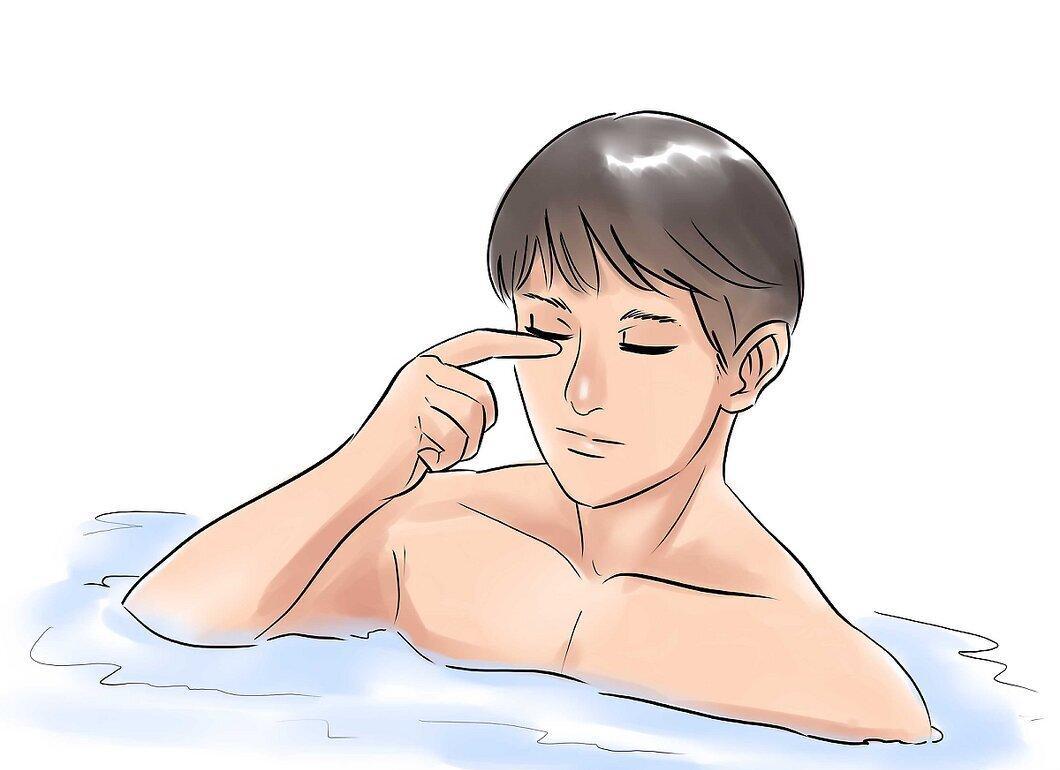
Step 15. Stinging Eyes are a Sign of Incorrect pH Levels.
Step 16. Regularly Check Water pH Levels.
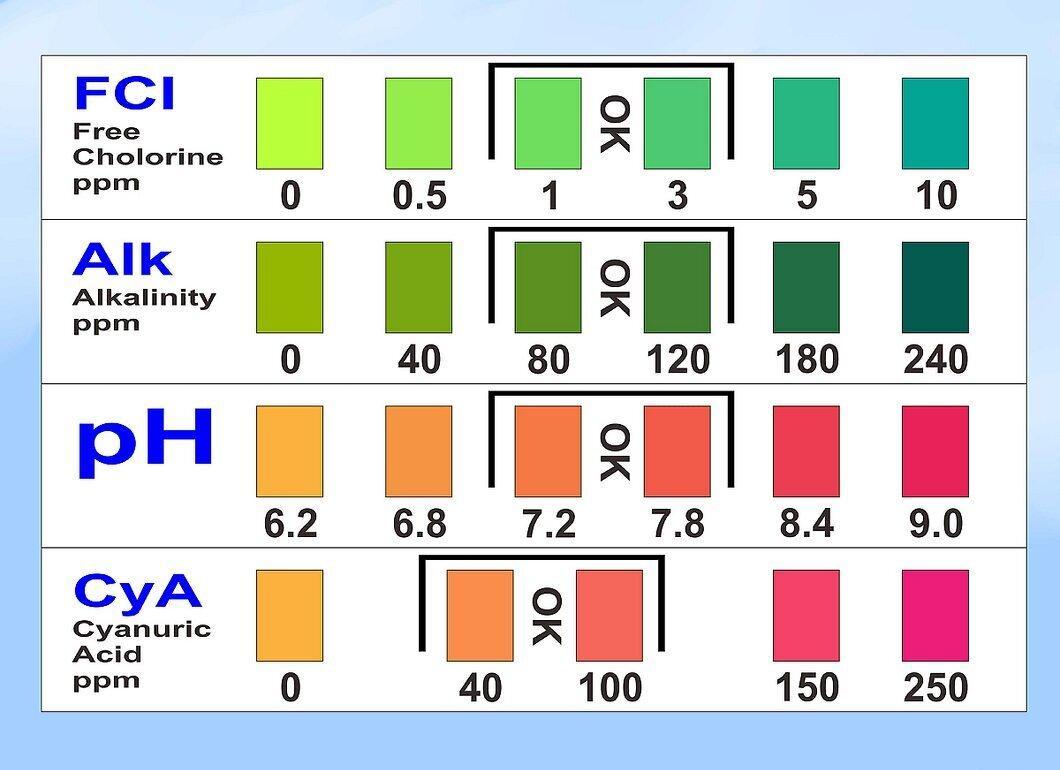
Check the water level at least twice a week to ensure it meets standards. Maintain the free active chlorine (FAC) concentration at 1-3 ppm to enjoy safe and comfortable swimming.