
Green is a blend of blue and yellow. By understanding the basics of color theory, you can create a wide spectrum of green shades on any material, whether it's paint, icing, or polymer clay.
How to Create Green Paint
Step 1. Mix Yellow and Blue Paint.
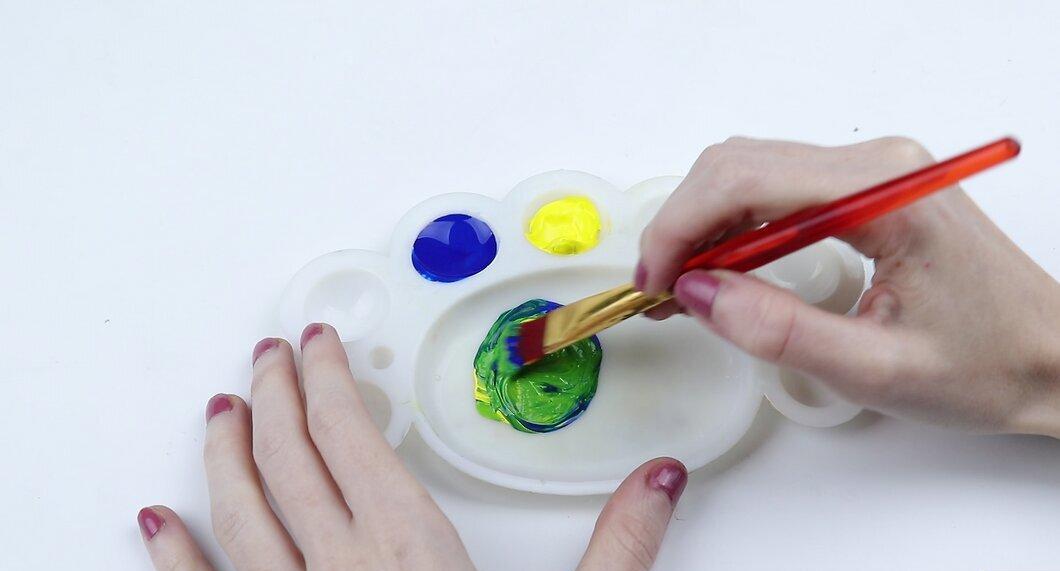
Mix yellow and blue paint. Apply equal amounts of pure blue and pure yellow paint to a palette or a paint dish. Mix the paints thoroughly using a palette knife.
- The result of mixing these two paints should yield a pure green color.
- To better understand how the resulting green looks, use a brush to apply a small amount of paint onto a paper swatch.
Step 2. Adjust the Ratios.
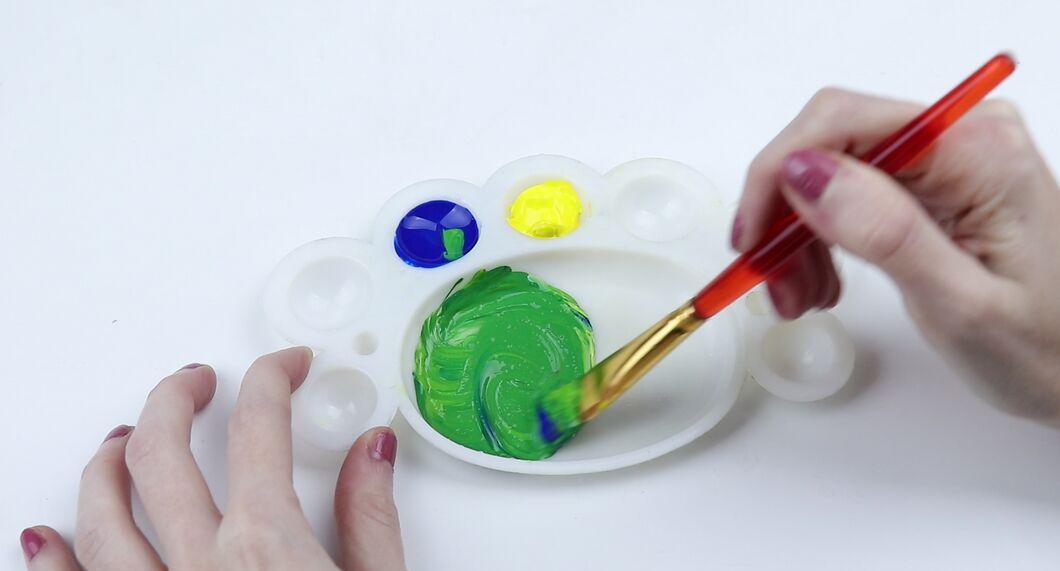
Adjust the ratios. It’s possible that pure green is not exactly what you need. The simplest way to change the shade is to add a bit more yellow or blue.
- Adding more yellow paint will create a warmer shade of green. Increasing the amount of blue paint will give you a cooler green.
- When trying to get the right shade, add paint in small increments until you achieve the desired result. This is a more manageable and economical way to reach the right shade than mixing a large amount of paint randomly, which often leads to needing to dilute the paint multiple times.
Step 3. Experiment with Different Shades of Yellow and Blue.
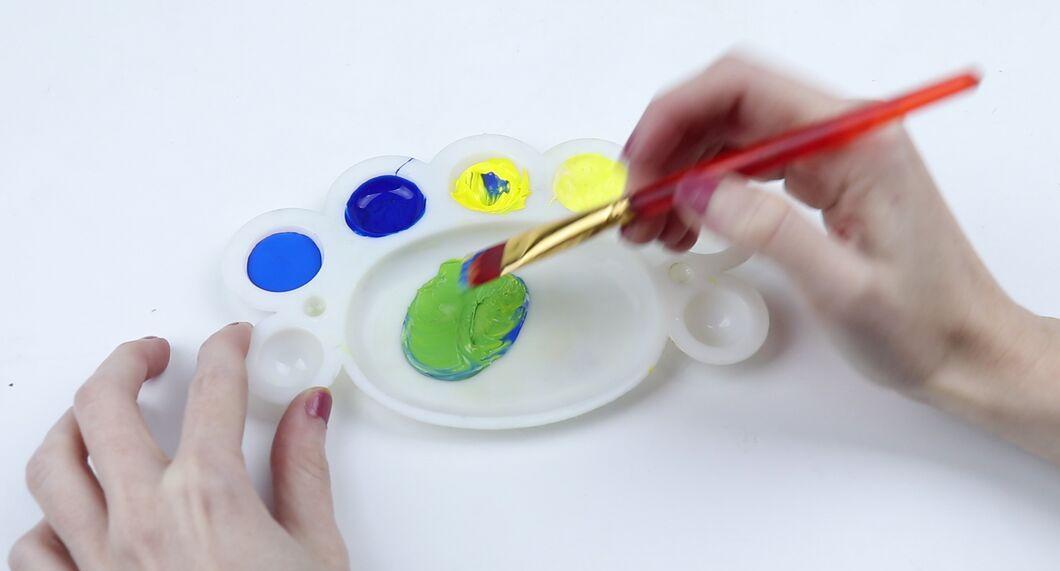
Experiment with different shades of yellow and blue. Clear some space on your palette and try mixing various shades of blue and yellow paint to create different green shades.
- Pure yellow and pure blue yield pure green. However, if you use other shades of yellow and blue, you will end up with a different shade of green. For example, a combination of golden yellow and standard blue will give a muted brownish-green color. Mixing standard yellow with sky blue will produce a light green shade.
- The best way to understand the shades of green produced by mixing different yellows and blues is through experimentation. Take several different shades of yellow and blue and mix them in equal parts until you've explored all possible combinations. Label the results; they may come in handy later.[2] X Source
Step 4. Try Mixing Different Shades of Green.
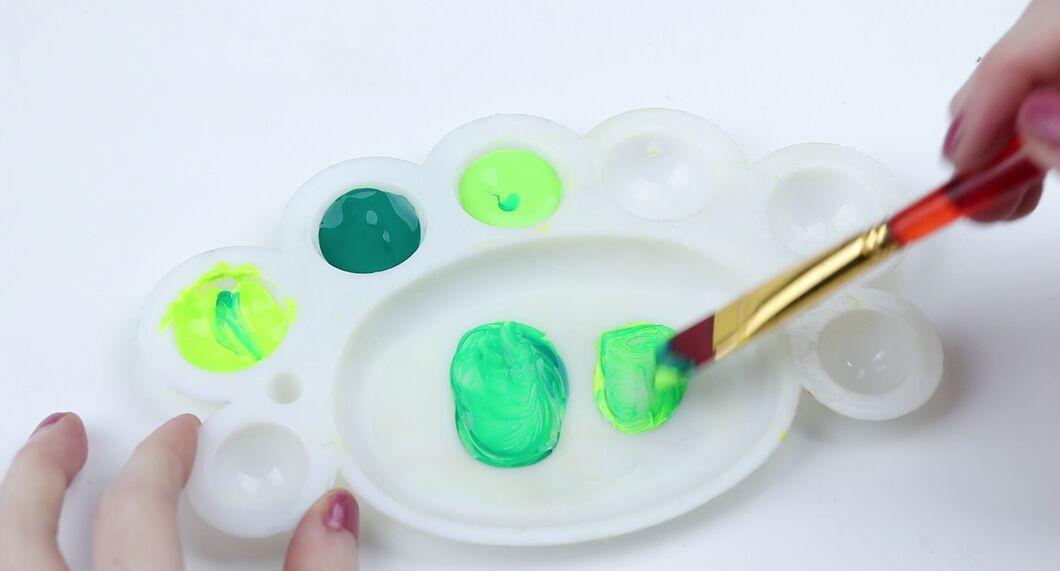
Try mixing different shades of green. If you have two shades of green that are close to the color you want but not quite right, you can try mixing them to achieve the desired result.
- Since any green contains elements of blue and yellow, mixing different greens is also a way to achieve new shades.
- You can also try adding different shades of yellow or blue to the green to create more noticeable differences in shades.
Step 5. Change the Brightness by Adding White or Black.
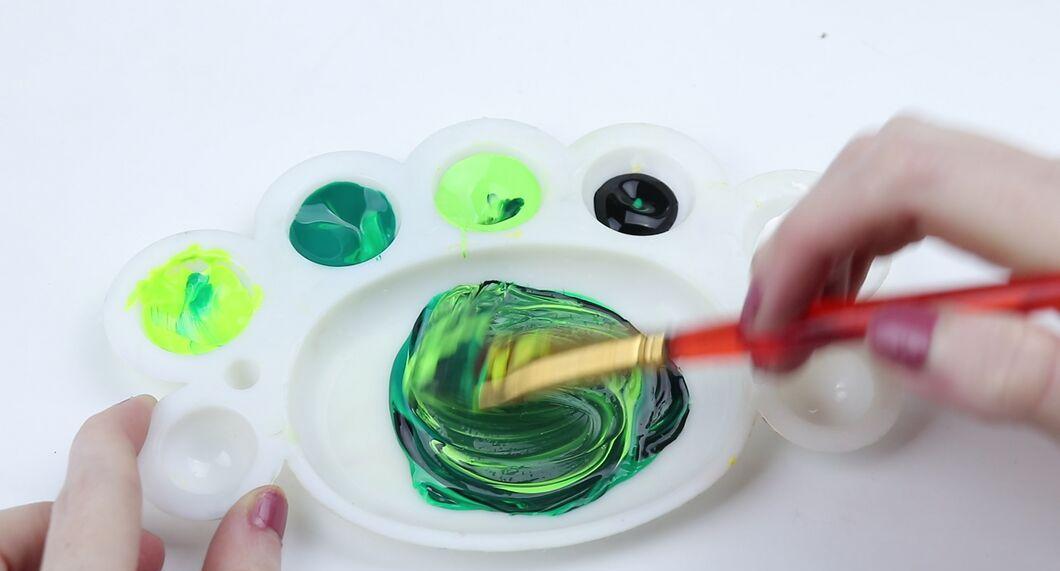
Change the brightness of the color by adding white or black. Once you've achieved the desired shade, you can try adjusting its brightness by adding a bit of white or black paint.
- Add white paint to create a lighter tone. Adding black will result in a darker tone.
- Always add white or black paint in small amounts, regardless of whether you need a dark or light tone. Adding too much at once can lead to an overly light or dark tone.
How to Create Green Icing
Step 1. Prepare Several Containers for the Icing.
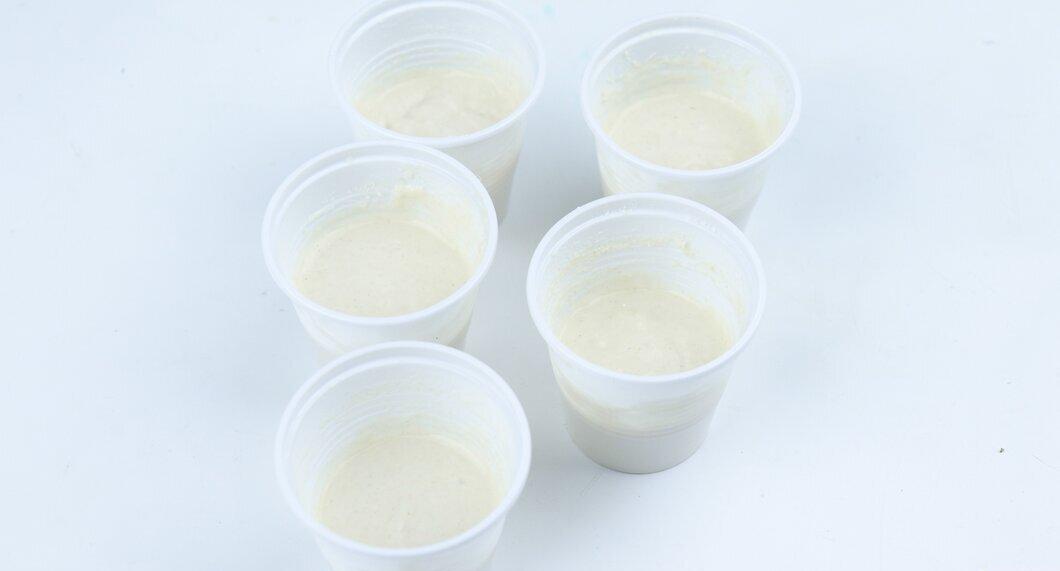
Prepare several containers for the icing. You can achieve green icing in several ways, and you can also experiment with different shades of green icing. Trying different methods will give you a better understanding of the process.
- You will need at least four containers for the icing. However, the experiment will be more visually appealing if you take six to twelve containers (cups or bowls).
- Place between 1/4 to 1/2 measuring cup (60–125 ml) of white icing in each container. It’s important to know the exact amount of icing, as it will determine how much food coloring you need.
- You’ll need at least four food colorings: one green, one yellow, one blue, and one black. You may also want to have other shades of green, yellow, or blue on hand.
- Food colorings in paste, powder, or gel form are suitable for coloring icing, as they do not change its consistency. Liquid food colorings are only appropriate if you need to achieve a very light shade of icing. If you attempt to get a rich color and add too much liquid coloring, it will cause the icing to become runny.[3] X Source
Step 2. Fill One of the Containers with Green Food Coloring.
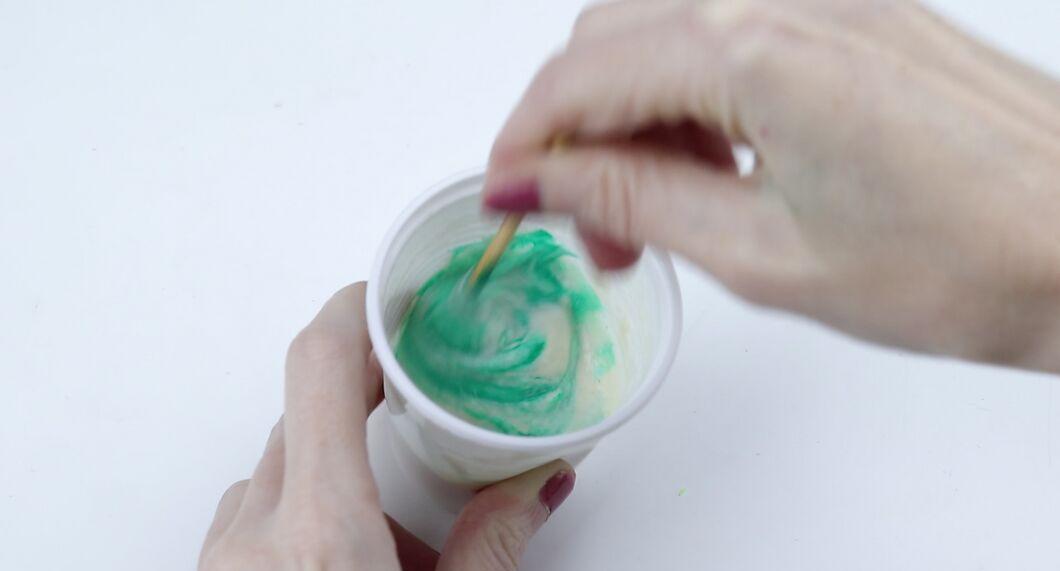
Fill one of the containers with green food coloring. Take a toothpick, dip it into the green coloring, and then into one of the containers with white icing. Mix the icing thoroughly.
- To accurately assess the resulting color, the icing needs to be mixed until the green coloring is completely dissolved.
- The color of the icing will depend on the type of coloring used. For example, dark green food coloring will produce a warmer shade of icing than bright green or grassy green.
- The amount of coloring will determine the tone of your icing. Since the icing is white, adding a small amount of coloring will yield a very light pastel tone. The more coloring you add, the brighter the color of the icing.
Step 3. In Another Container, Mix Equal Parts Yellow and Blue Food Coloring.
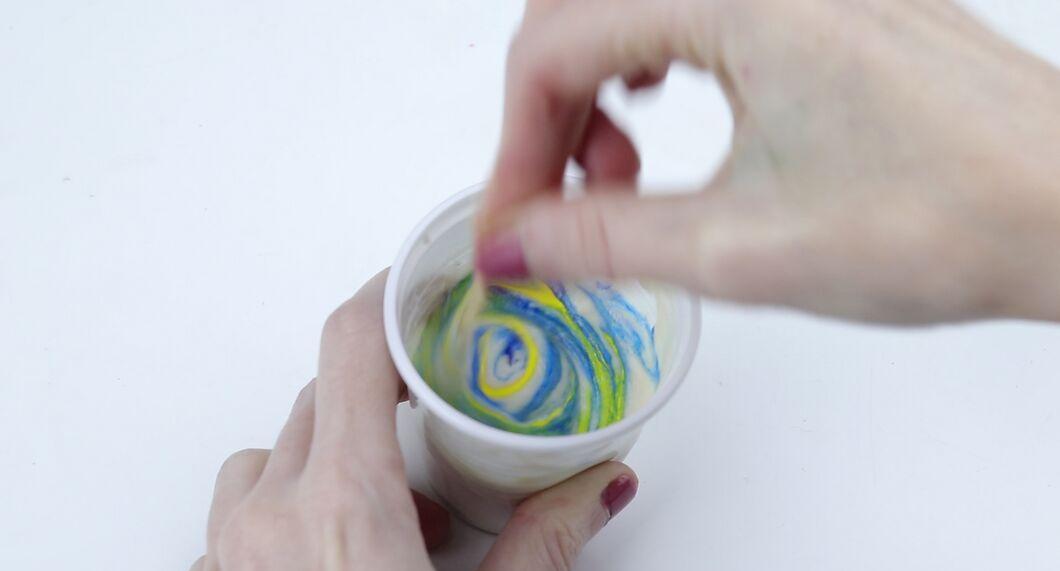
In another container, mix equal parts yellow and blue food coloring. Using separate clean toothpicks, add the same amount of yellow and blue coloring to the second icing container. Mix until uniform.
- The mixture of blue and yellow food coloring will color your icing green.
- The shade of green you achieve will depend on the shades of yellow and blue used, while the tone will depend on the amount of food coloring in the icing.
Step 4. In Another Container, Mix Green and Black Coloring.
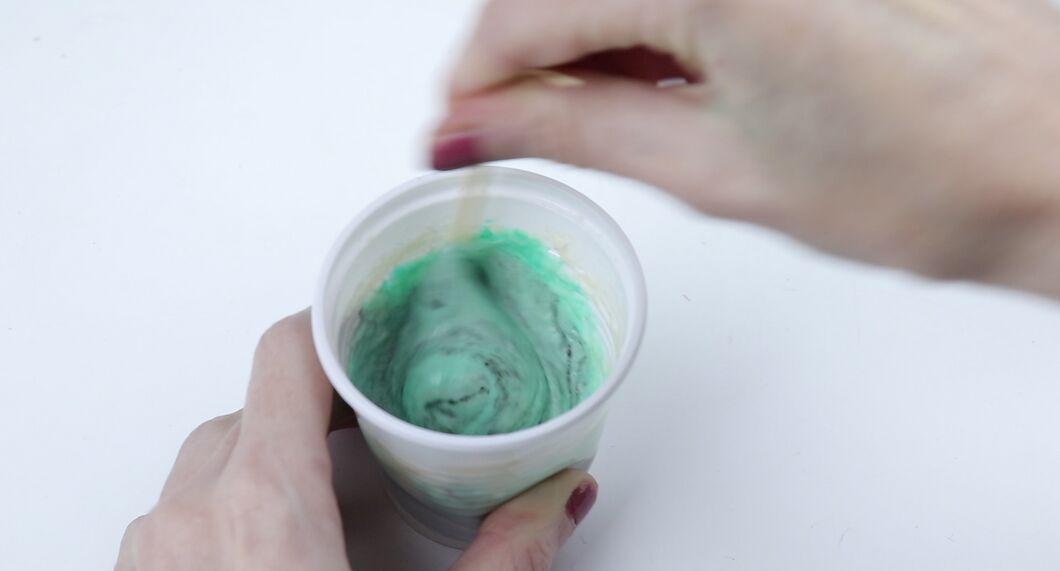
In another container, mix green and black coloring. Color the icing in the third container green by adding green food coloring (or yellow and blue in equal parts). Use the same method as before, then add just a tiny bit of black coloring.
- Mix the icing with the black coloring thoroughly to achieve a darker version of the same shade of green.
- Since black can significantly change the tone, it should be used in very small amounts.
Step 5. Experiment with Other Combinations.
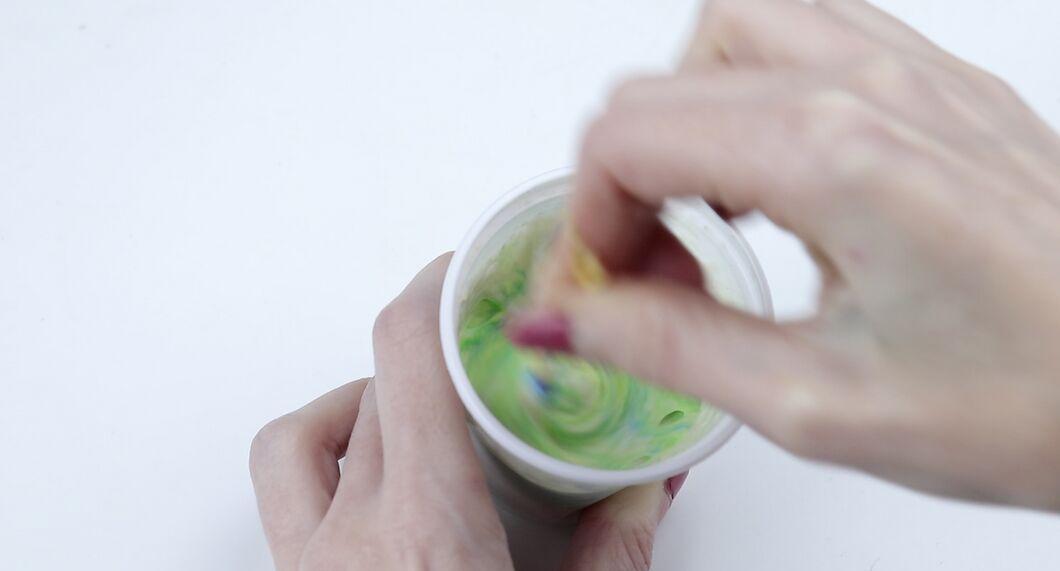
Experiment with other combinations. Use the remaining containers with white icing to try out different combinations of colorings and proportions. Record how much and what type of coloring you added and what shade of green resulted.
- You can follow the manufacturer's recommendations on the food coloring packaging or experiment independently.
- Here are some helpful tips:[4] X Source To achieve a sea green color, mix equal parts sky blue and grassy green.
- For a chartreuse color, use nine parts lemon yellow and one part grassy green.
- Combine equal parts grassy green and cornflower blue, then add a drop of black. You will get a deep jade color.
- To create turquoise, try mixing lemon yellow and sky blue.
How to Create Green Polymer Clay
Step 1. Prepare Several Pieces of Clay.
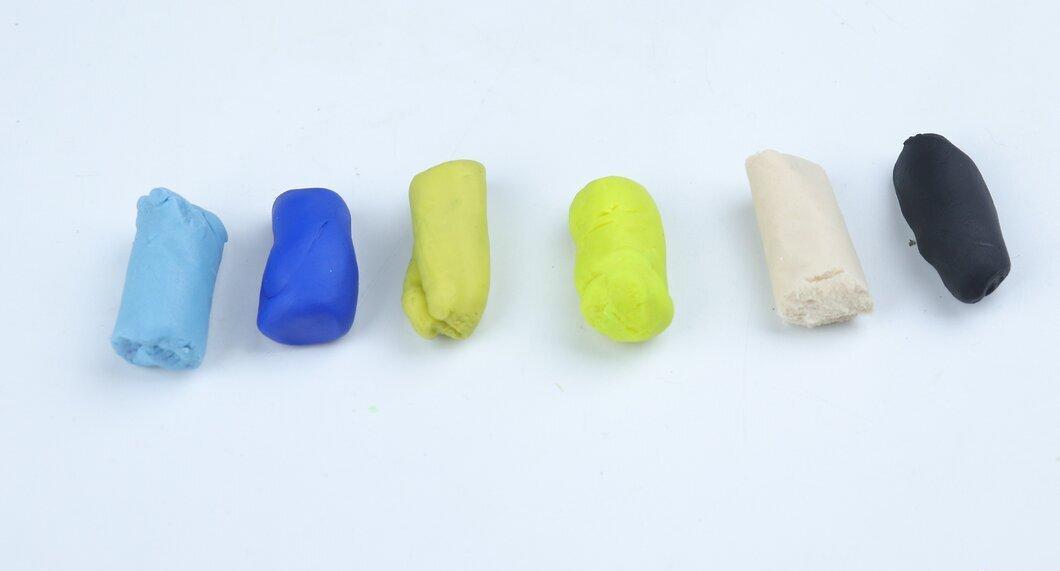
Prepare several pieces of clay. You will need at least two pieces of blue clay and two yellow, one white, one translucent, and one black.
- One of the blue samples should have a slightly warm tone (with a hint of green), while the other should be cool (with a hint of purple). Similarly, one of the yellow samples should be warm (with an orange hue), and the other cool (with a hint of green).
- You can use other variations of blue and yellow clay. However, two samples of each color are sufficient to get a reasonably accurate idea of how to achieve the desired shade of green.
Step 2. Combine One Piece of Blue Clay and One Yellow.
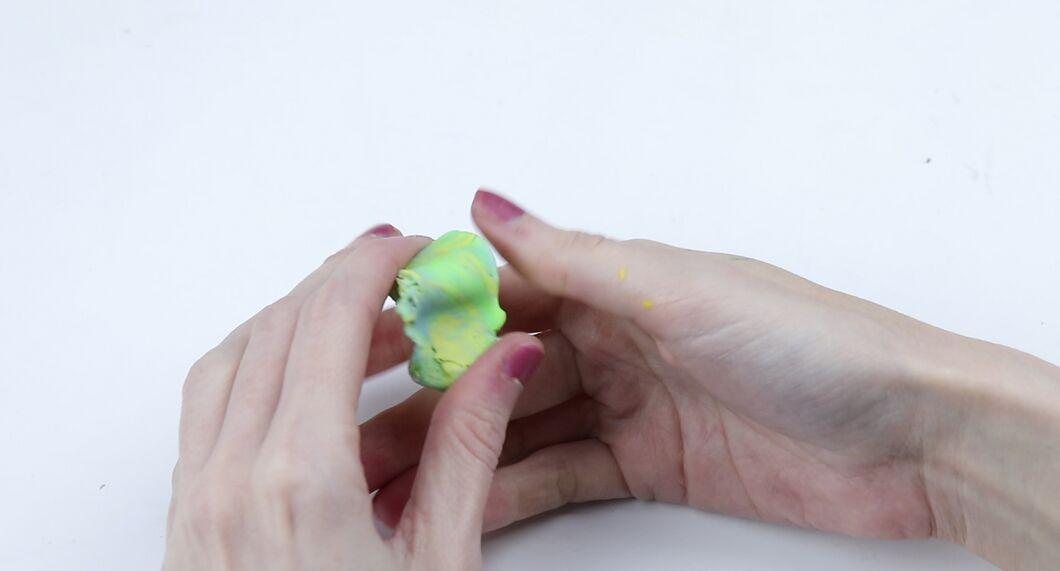
Combine one piece of blue clay and one yellow. Take equal parts of warm blue and cool yellow. Combine the pieces of clay into a ball and knead it until both colors are thoroughly mixed.
- Roll, stretch, and knead the ball to ensure the colors blend well. There should be no streaks or fragments of blue or yellow in the clay.
- The result should be a relatively bright green color, as the starting blue and yellow were close to green.[5] X Source
Step 3. Try Other Color Combinations.
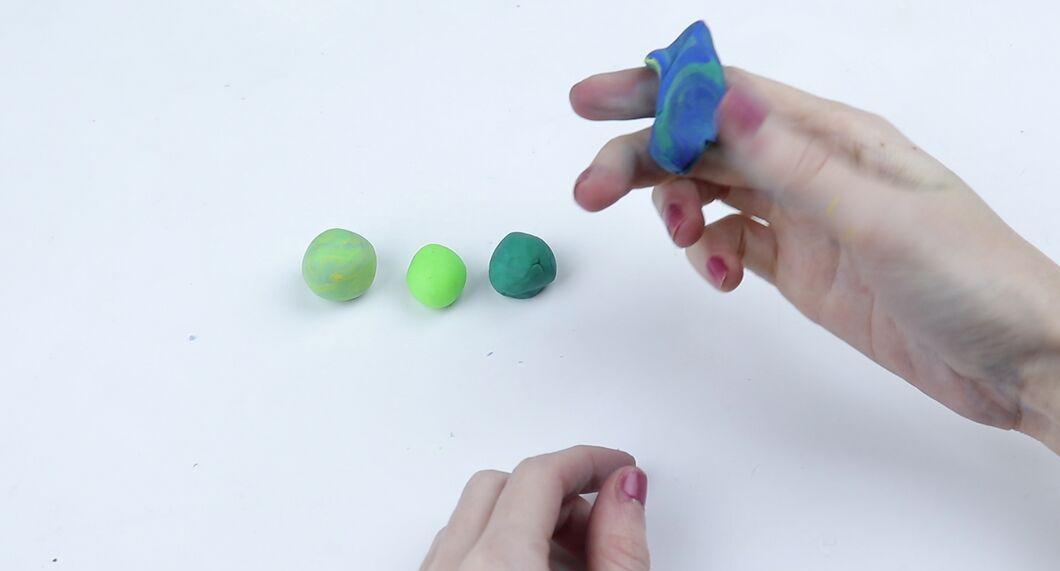
Try other color combinations. Combine equal-sized pieces of blue and yellow clay of various shades in the same way you created the first sample of green clay. Create all possible combinations.
- Warm yellow and cool blue will yield a muted green with a brownish tint.
- Mixing warm yellow and warm blue will give you a warm, not too bright green with a strong yellow bias.
- Cool yellow combined with cool blue results in a cool green of medium brightness with a noticeable bluish tint.
Step 4. Add White Clay to One of the Samples.
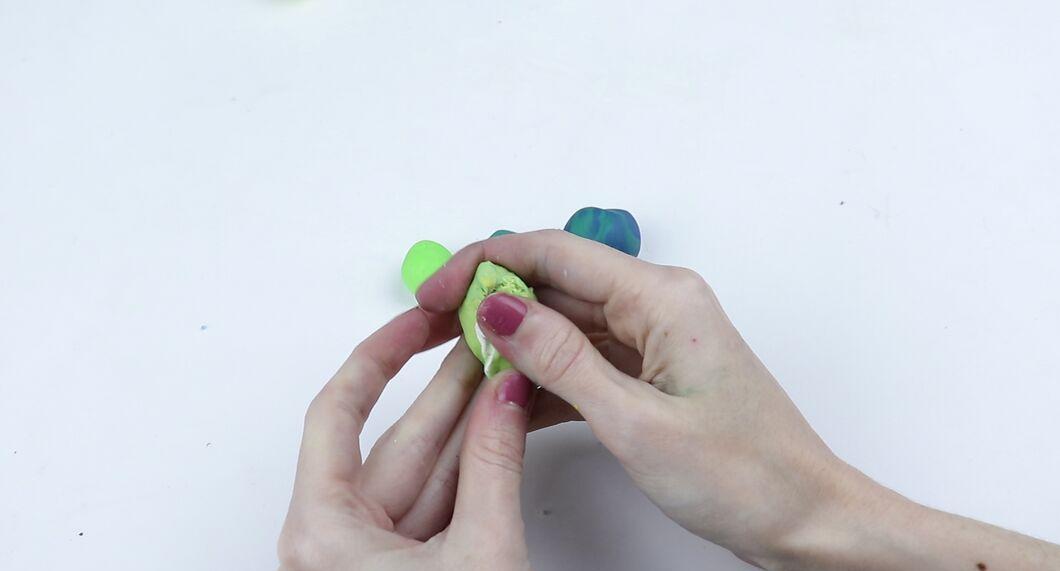
Add white clay to one of the samples. Choose the green sample you like the most and create another similar one. Mix a bit of white clay into the green sample.
- Continue kneading until the white fragments are fully absorbed into the green mass. The result should be a less bright and slightly lighter color. The more white you add, the lighter the result will be.
Step 5. Add Translucent Clay to Another Sample.
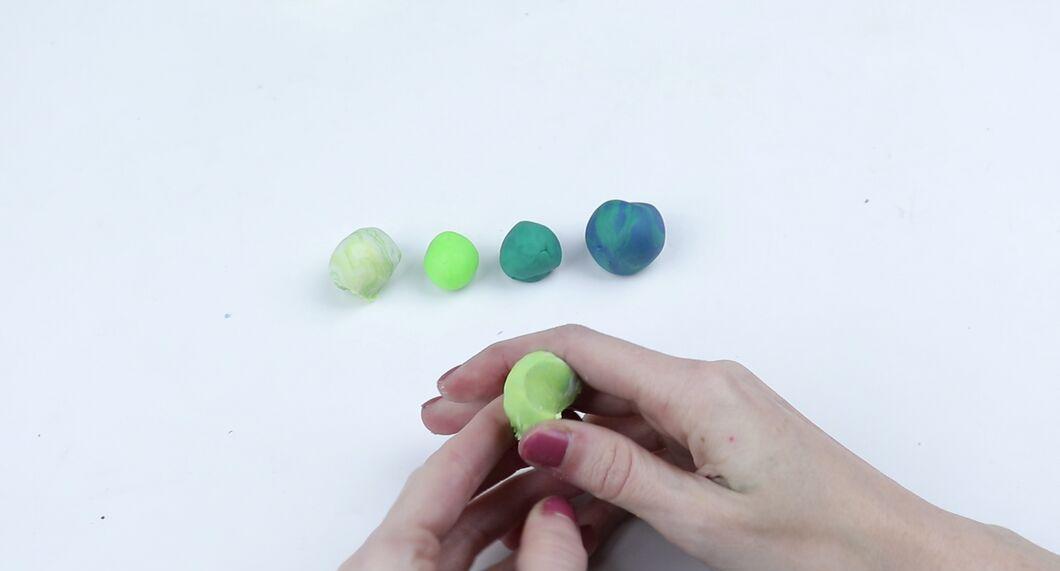
Add translucent clay to another sample. Create an identical sample as before, but this time, add a small amount of translucent clay instead of white.
- Adding translucent clay allows you to achieve a less intense green color without changing its tone or shade.
- If you use more translucent clay than green, you will end up with not light green clay, but semi-transparent clay with a greenish tint.
Step 6. Add Black Clay to the Green Sample.
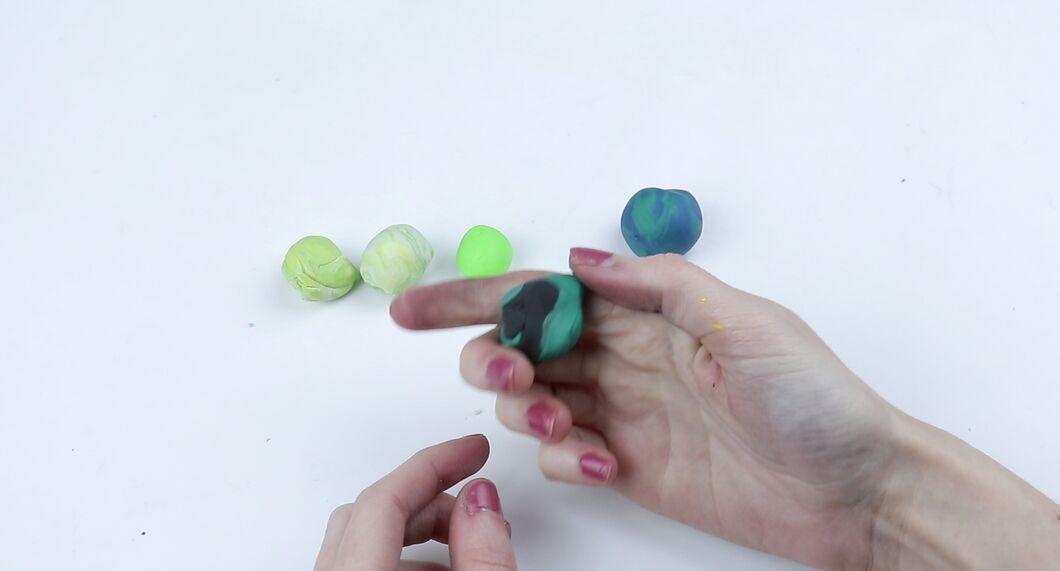
Add black clay to the green sample. Create a green sample identical to the previous experiments with white and translucent clay. This time, try adding a small amount of black clay and mix thoroughly.
- Adding black will darken the green sample while keeping the shade intact.
- In most cases, only a small amount of black is needed to darken the green clay, so be careful not to overdo it.
Understanding the Basics of Color Theory
Step 1. Mix Yellow and Blue.
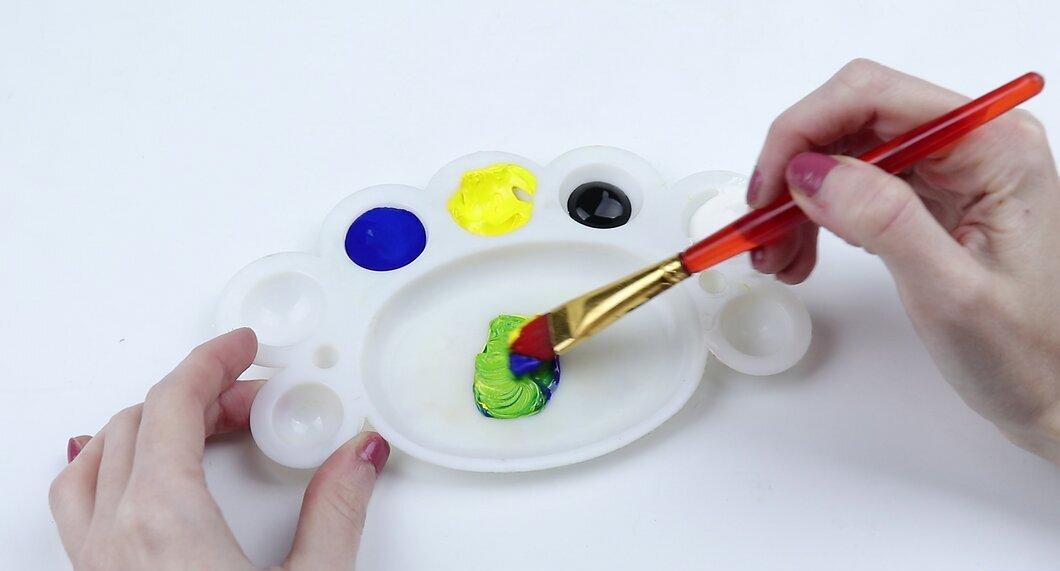
Mix yellow and blue. Green is a so-called "composite" color. To achieve it, you need to combine two primary colors, blue and yellow, in equal parts.
- "Primary" colors cannot be created by mixing other colors; they exist independently. There are three primary colors: red, blue, and yellow. To create green, you need two primary colors: yellow and blue.
- "Composite" colors are formed by mixing two primary colors. Green is a composite color because it consists of blue and yellow. There are two other composite colors: orange and purple.
Step 2. Change the Ratios of Primary Colors to Create Shades.
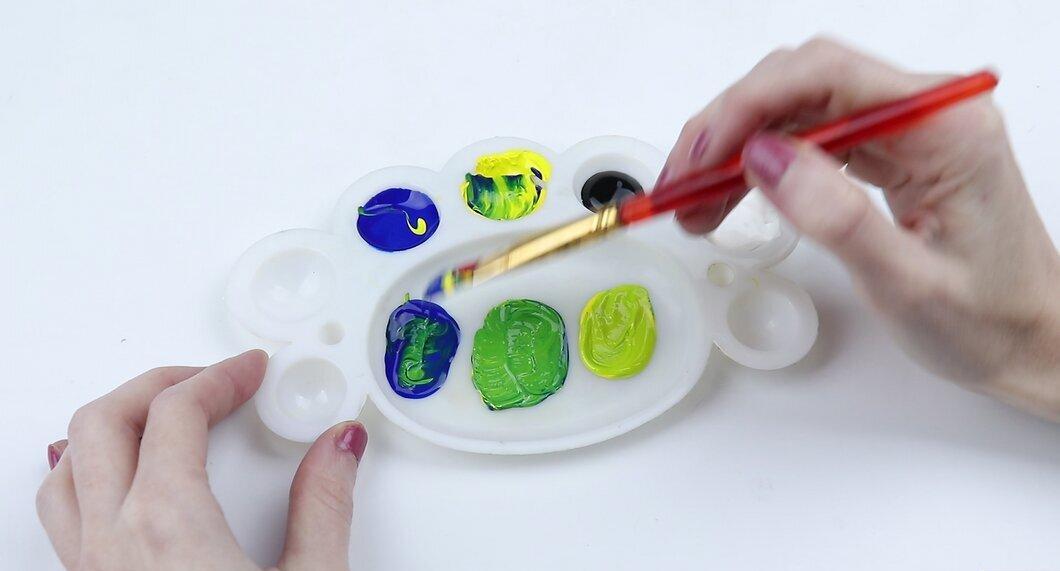
Change the ratios of primary colors to create shades. Pure green is obtained by mixing pure blue and pure yellow. If you increase the amount of blue or yellow, you will get different shades of green.
- The two basic shades of green are blue-green and yellow-green. These colors are referred to as "complex" in color theory. On the color wheel, they are located between primary and composite colors. Blue-green consists of two parts blue and one part yellow. It can also be achieved by mixing green and blue in equal parts.
- Yellow-green consists of two parts yellow and one part blue. It can be obtained by mixing green and yellow in equal proportions.
Step 3. Adjust Brightness by Adding Black or White.
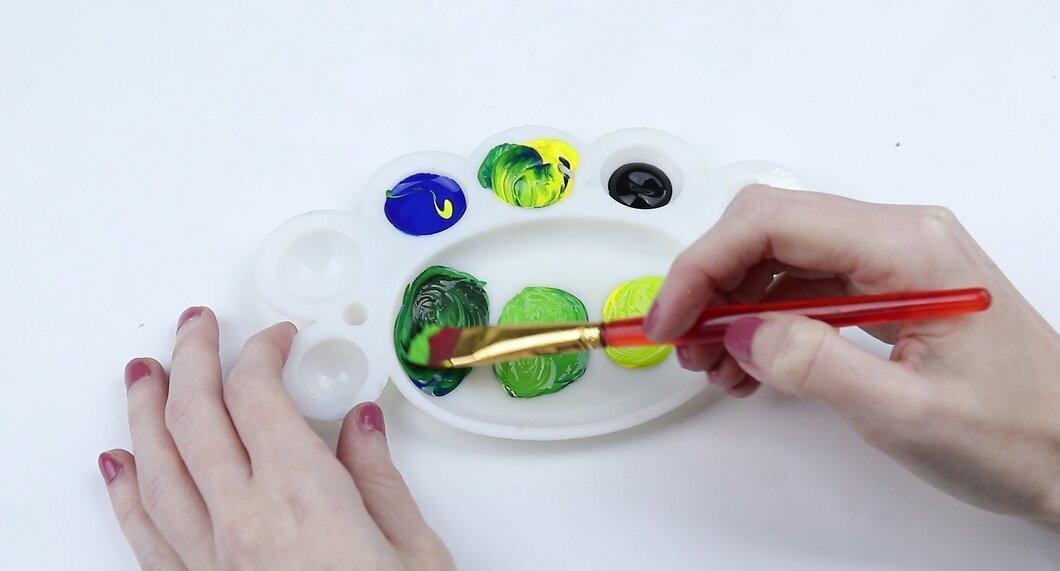
Adjust brightness by adding black or white. If you need a lighter green without changing the shade, you should add white. If you require a dark green of the same shade, add black.
- Colors that contain white are called "tints" in color theory, while colors with added black are called "shades."