By blinding surveillance cameras, you can hide your identity, although your presence will still be recorded. The observer watching the screen will understand that you are within view but won’t be able to see what you’re doing. In low light conditions, you can blind the camera using LED lights, infrared lasers—effective both day and night—or simply cover the lens of the device.
Using LED Lights
Step 1. Point a powerful LED flashlight at the camera lens.
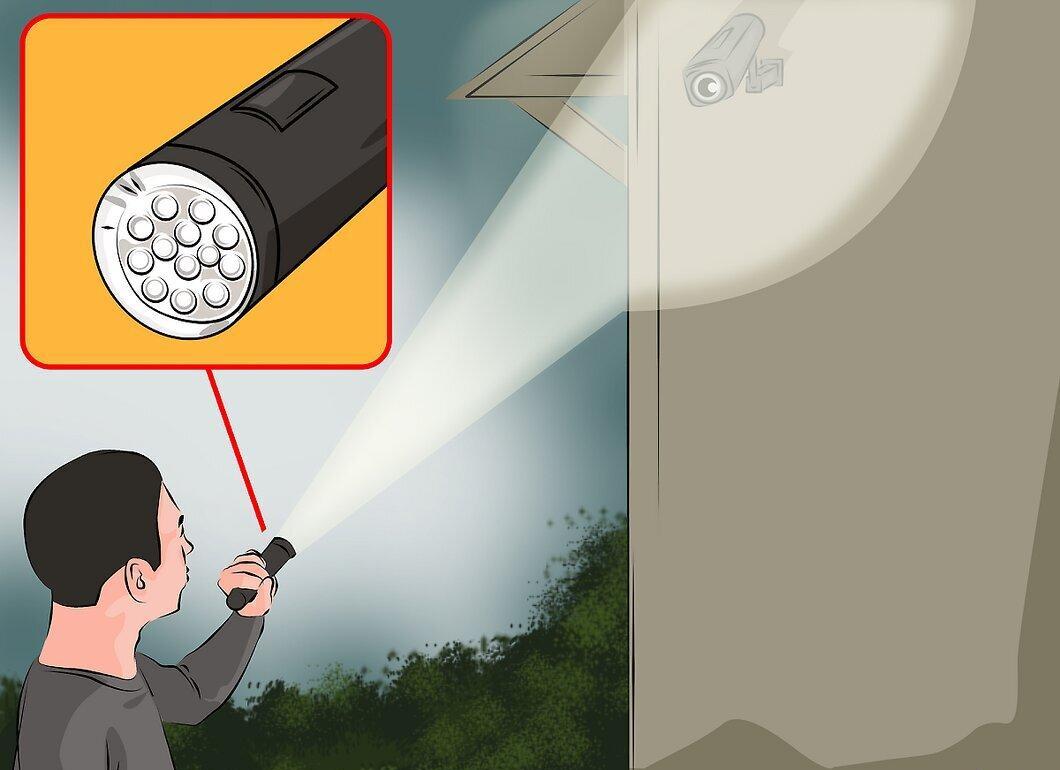
Shine a bright LED flashlight directly into the camera lens. The brighter the light, the better. Choose compact devices that are easy to carry. This method is effective only in darkness, so use it during nighttime outings or in enclosed spaces.
Step 2. Cover your face with light.
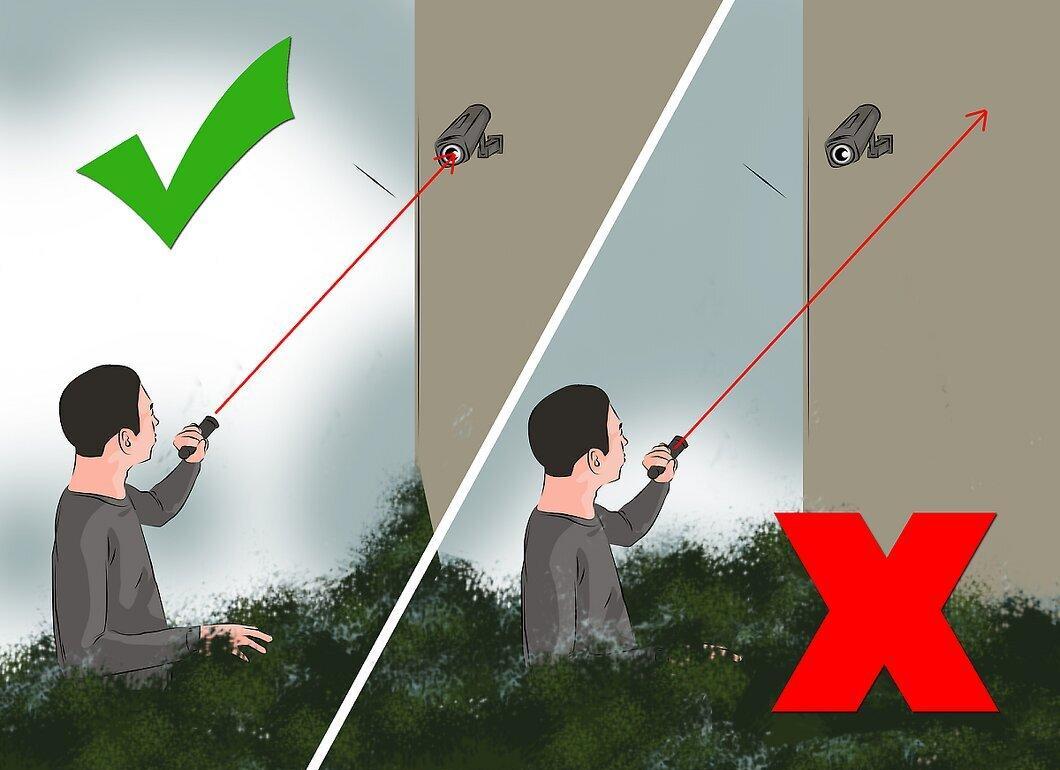
Hide your face using light. Identify the exact location of the camera and aim the light directly at its lens. If done correctly, glare will appear on the lens, making your identification nearly impossible. However, keep in mind that this method is not very discreet. A vigilant guard may notice the flash of light. Nevertheless, the bright light will help mask your face.
Step 3. Ensure the flashlight is held securely.
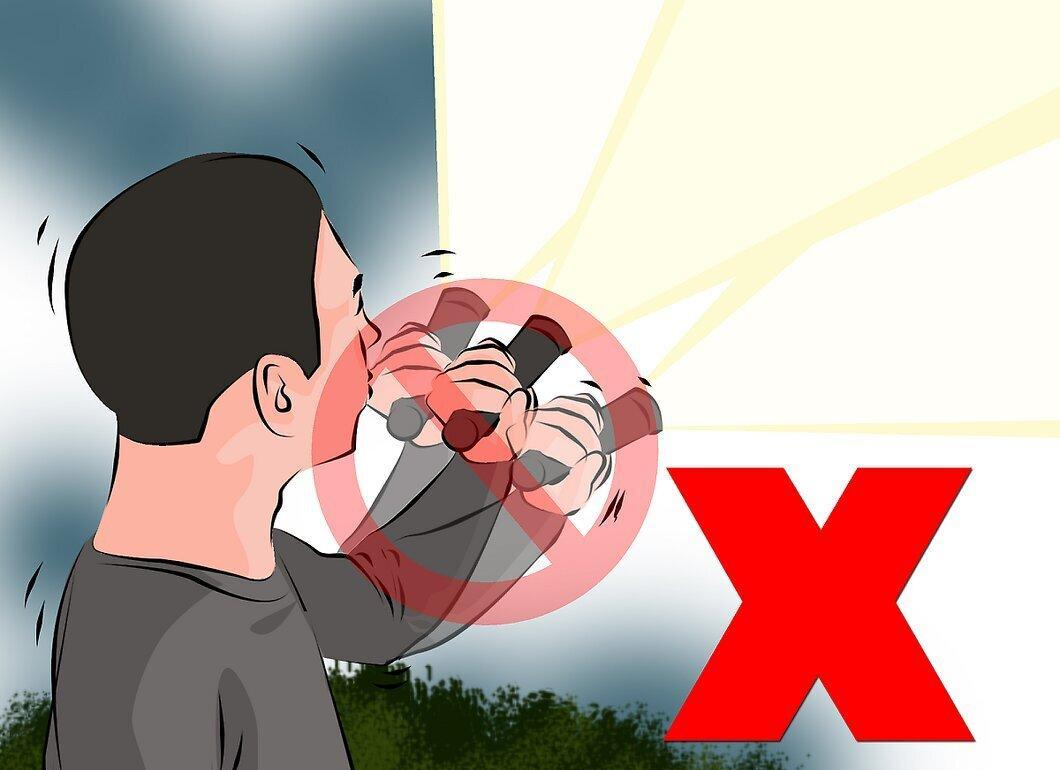
Hold the flashlight firmly and do not turn the beam away from the camera lens; otherwise, your face will become visible. Make sure the light doesn’t shine on your face. Remember: this method will be effective only with quick and precise action.
Step 4. Attach infrared LEDs to your clothing.
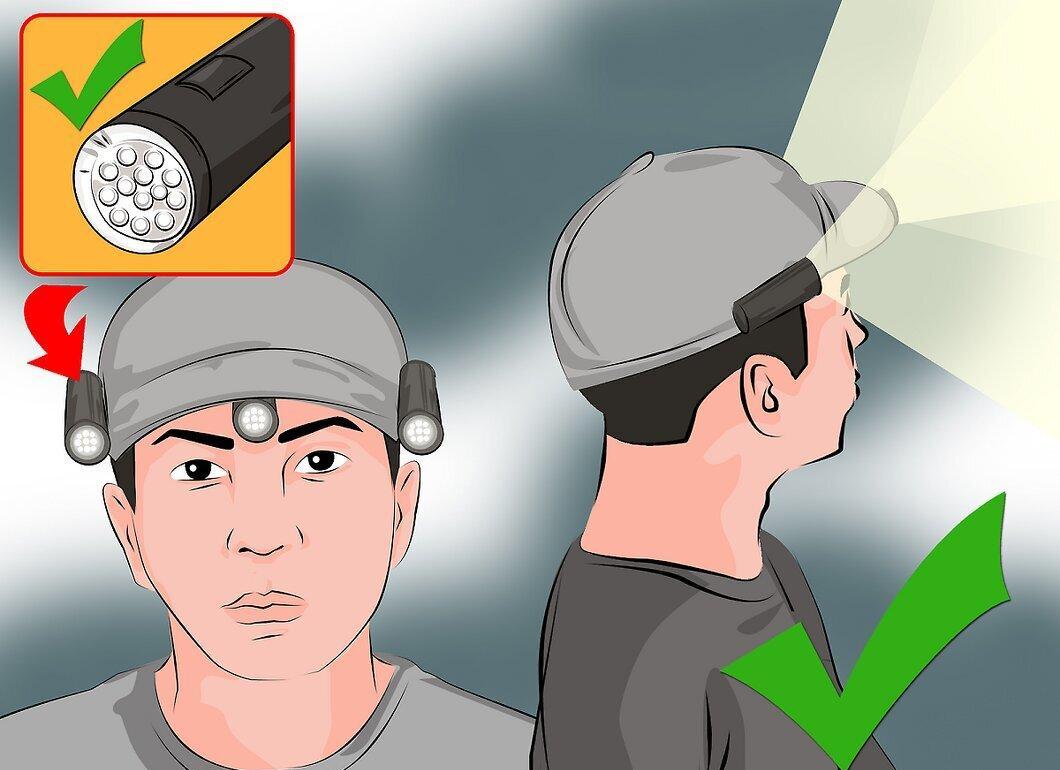
Secure infrared LEDs to your clothing. Super glue can quickly attach LED strips to a cap or headband. An alternative could be an LED mask, which will better conceal your face. Ensure the LEDs are bright enough to obscure your face on video but not so bright as to blind you.
Using an Infrared Laser
Step 1. Aim an infrared laser at the camera lens.
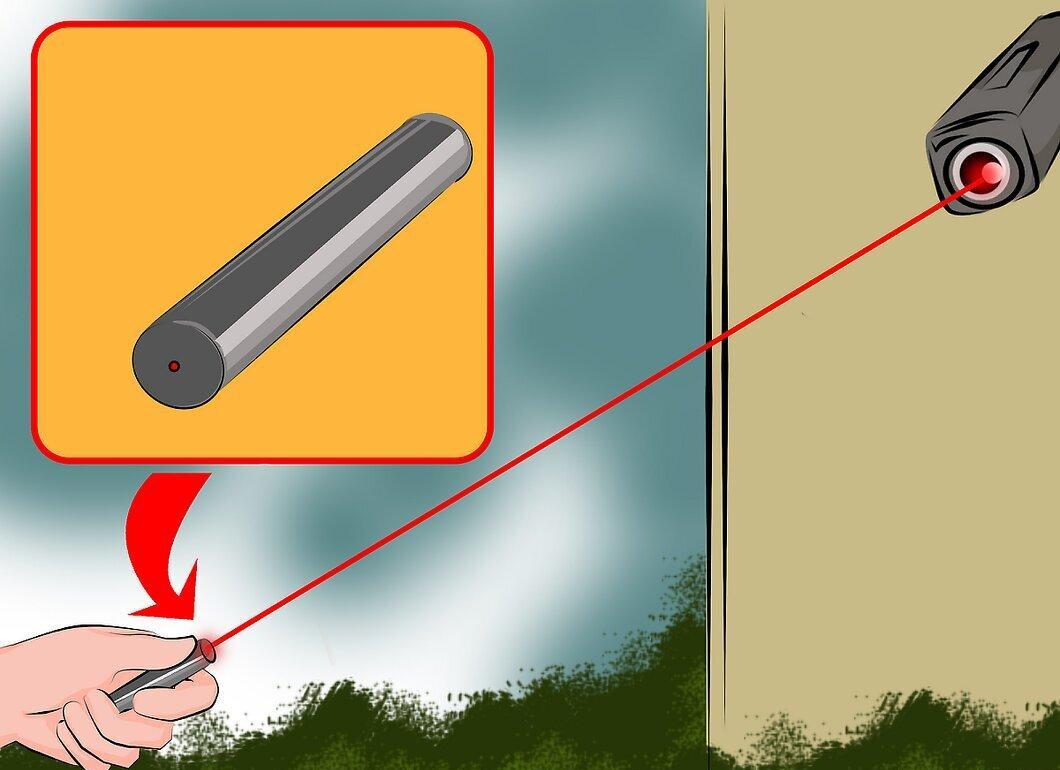
Aim an infrared laser directly at the camera lens. This method is more reliable than using LEDs but requires more precision. If the laser shifts from the lens even for a moment, the camera can capture your face. Act quickly and efficiently to avoid detection.
- This method should work both day and night, but it may be more effective in the dark.
- You can use any laser pointer. The more powerful the laser, the better its blinding effect.
Step 2. Consider the method’s drawbacks.
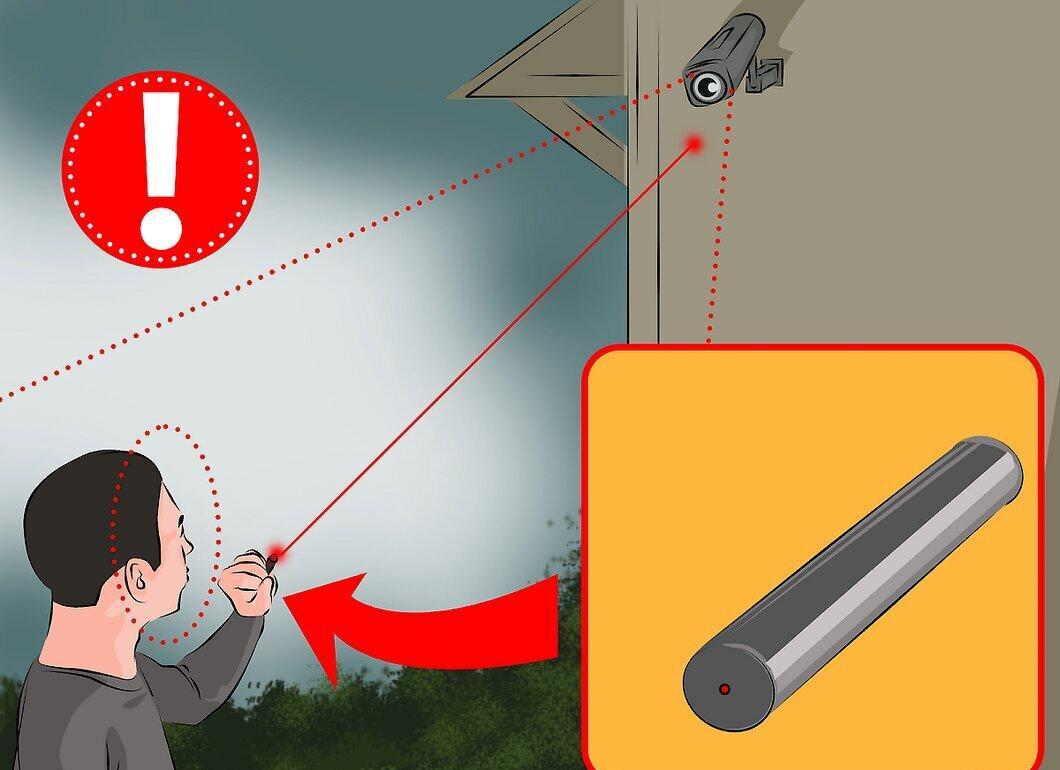
Keep in mind that the camera may see you as long as the laser is not aimed at the lens. Any obstacles between the laser and the camera will make you visible. Additionally, assessing the effectiveness of the method can be tricky. From your side of the camera, you cannot know for sure if the laser is aimed correctly.
- Do not point the laser at your eyes—it can blind you!
- To protect your vision, wear sunglasses, but remember they won't offer complete protection.
Step 3. Check for other cameras.
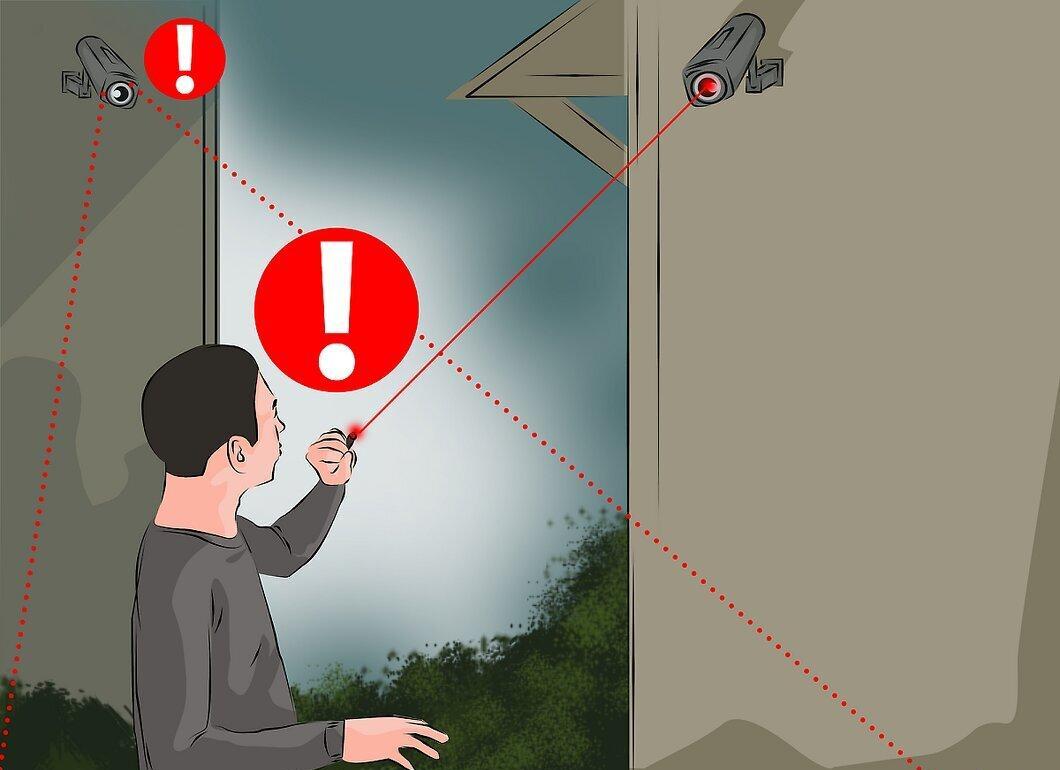
Look for other cameras. This method can only blind one camera with one laser. The laser is less noticeable than LEDs, but its effect is limited. If you need to blind multiple cameras simultaneously, you will need as many lasers as there are cameras. Consider teaming up with friends.
Covering the Camera Lens
Step 1. Apply jelly to the lens.
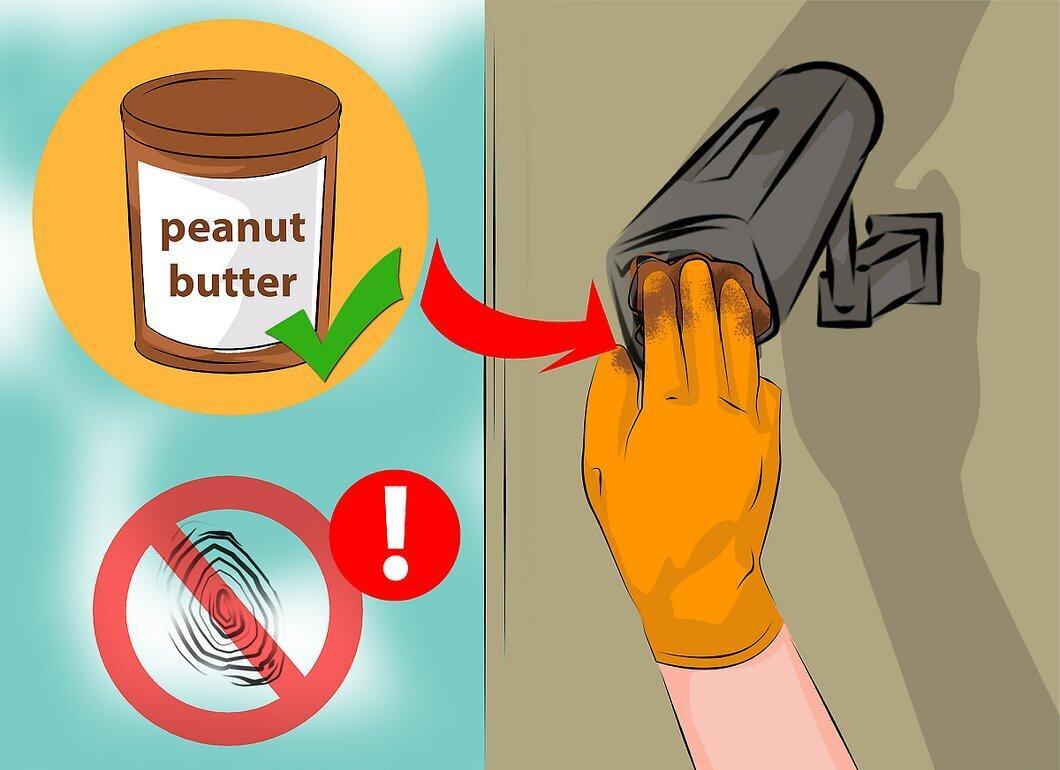
Apply jelly to the lens. Use petroleum jelly or another viscous substance to blur the image. As a last resort, sticky products that are easy to smear—like oil, jam, or peanut butter—can be used. Apply it over the entire surface of the lens. Be careful not to damage the camera as you approach it!
- Avoid leaving fingerprints on the camera. You may hide your face, but you can still be identified by other traces left behind.
Step 2. Tape over the lens.
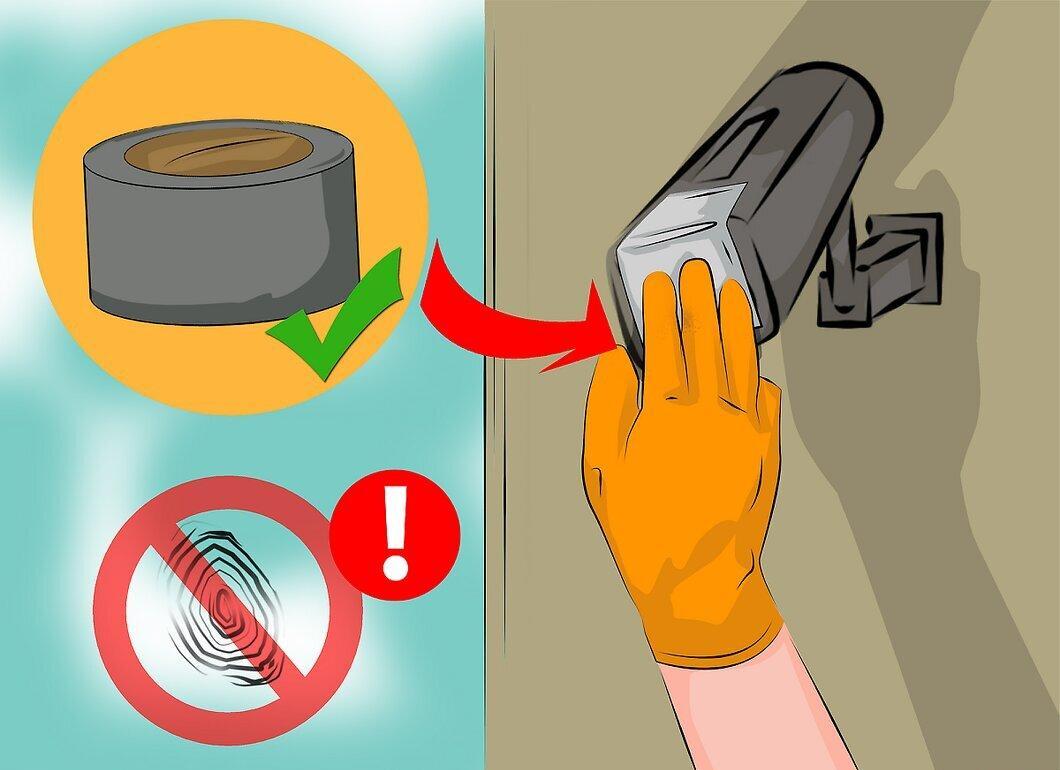
Cover the lens with tape. Use duct tape, painter's tape, or other opaque materials. Completely cover the lens surface! Hide your face to avoid identification when approaching the camera.
Step 3. Fully obstruct the camera.
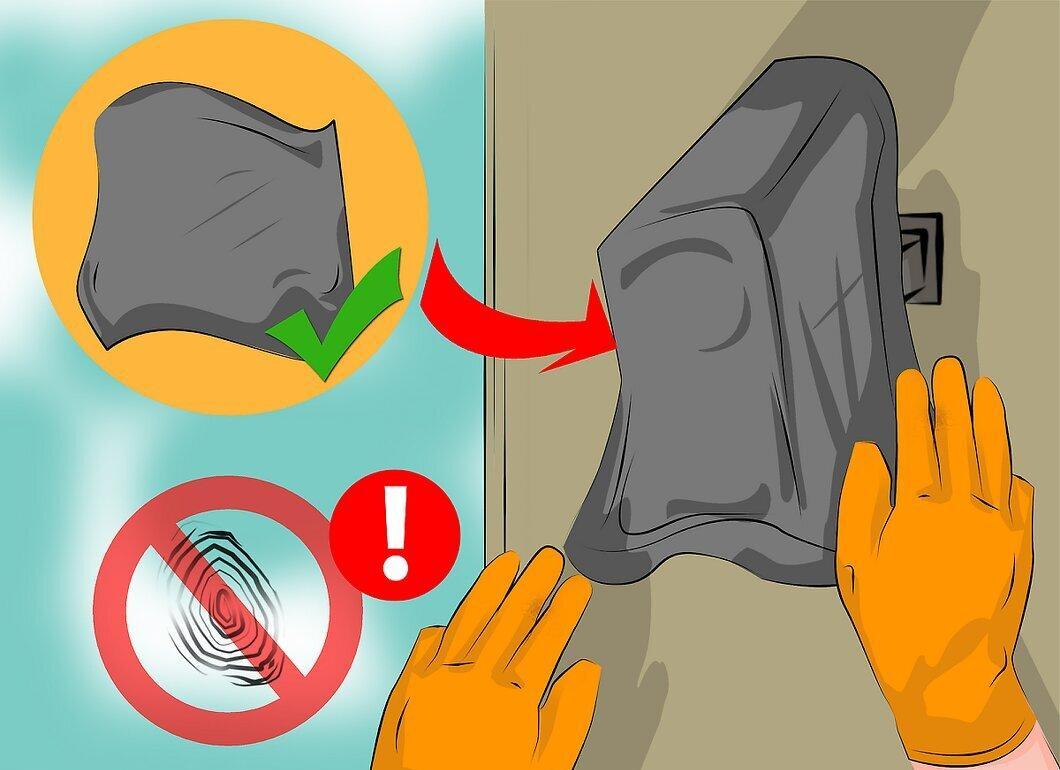
Completely block the camera. You can use a larger object to obstruct the camera's view. Try attaching a piece of fabric to the lens or placing a screen, board, or piece of furniture in front of it.
- As a last resort, you can use clothing, such as a shirt or scarf. If you leave something on the camera, ensure that it won't lead to your identification.