Water is the foundation of our existence. While a person can survive for weeks without food, they can only last 2-3 days without liquid. In an emergency or difficult situation, finding clean water can be challenging, but it's crucial to know how to obtain and purify it from potential contaminants that can cause illness. In this article, we will share methods for creating a water filter.
Multi-Layer Filter
Step 1. Prepare at least two water containers.
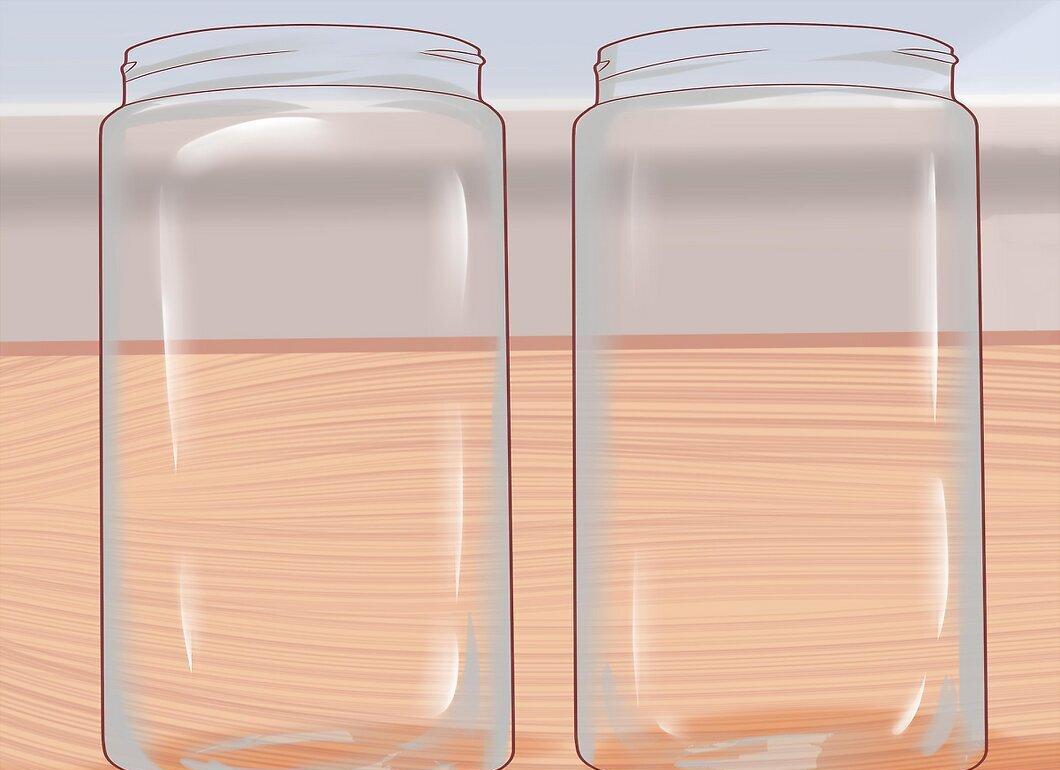
You need at least two containers: one for collecting unfiltered water and another for clean water. If you have extra containers, one can be used as the filter.
Step 2. Make small holes at the bottom of the filter container.
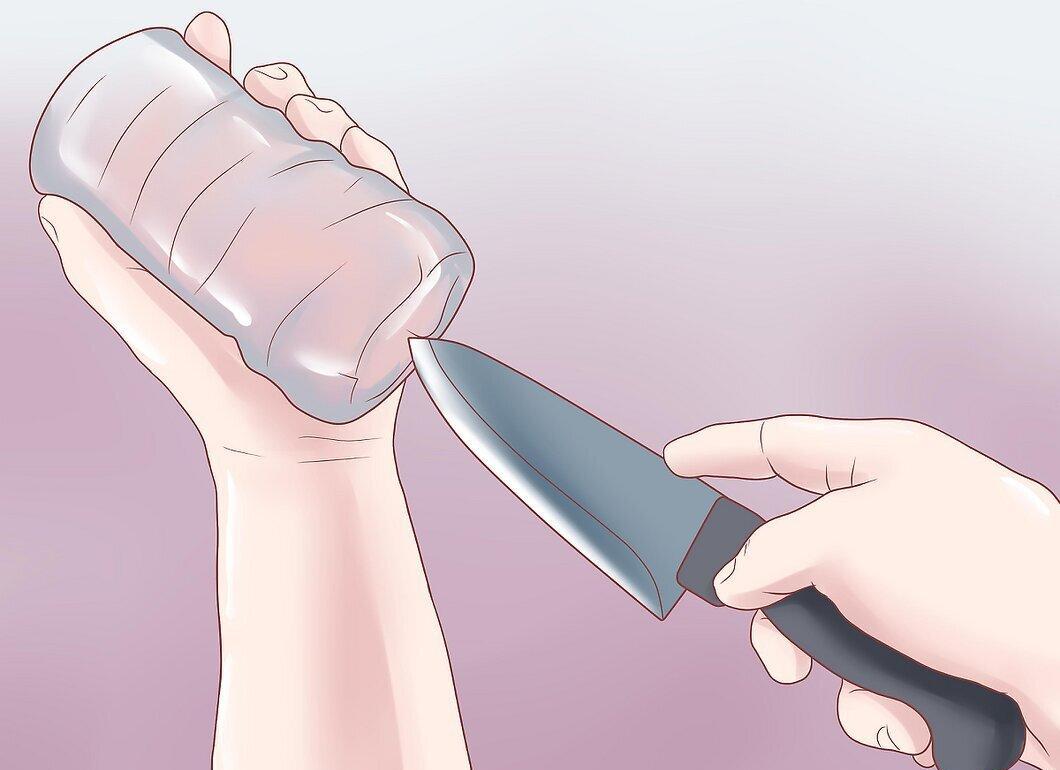
Cut small holes in the bottom of the container that will serve as the filter. These holes should allow only filtered water to pass through without letting the filtering materials escape.
Step 3. Fill the container with filtering materials.
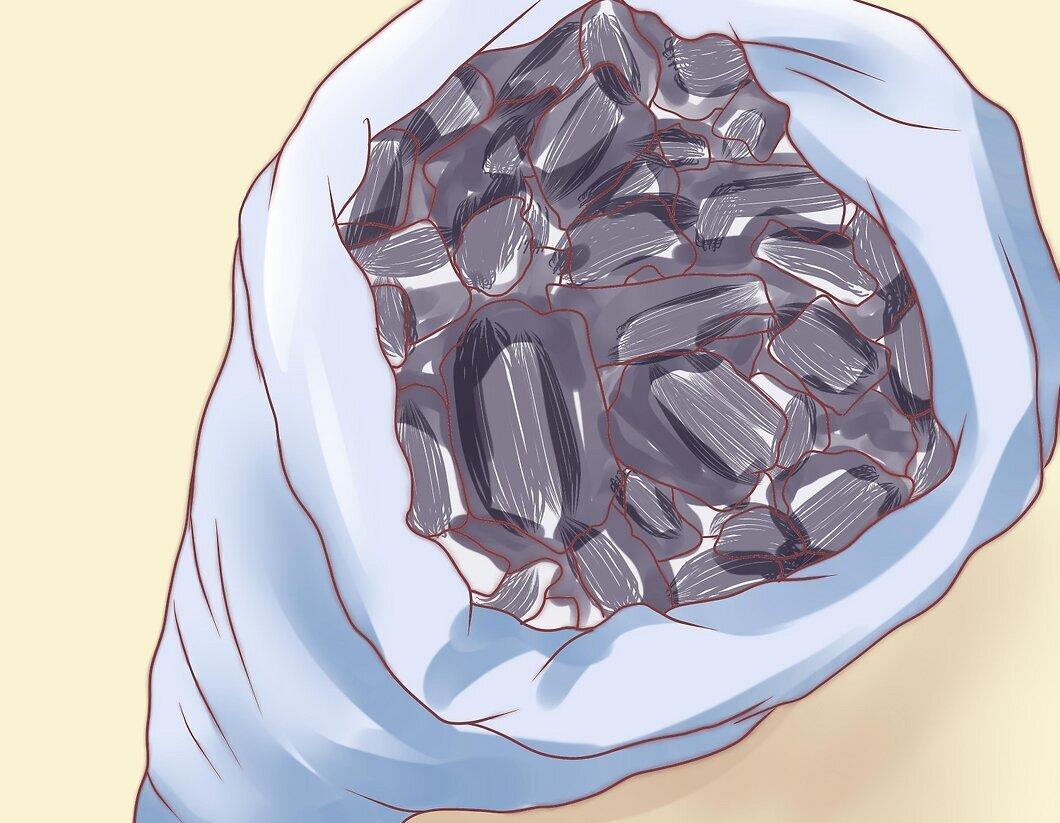
The choice of filtering materials depends on your situation, but good options may include small stones, gravel, charcoal, sand, grasses, or pieces of cotton fabric.
- You can also add coffee filters or cotton pads to enhance filtration.
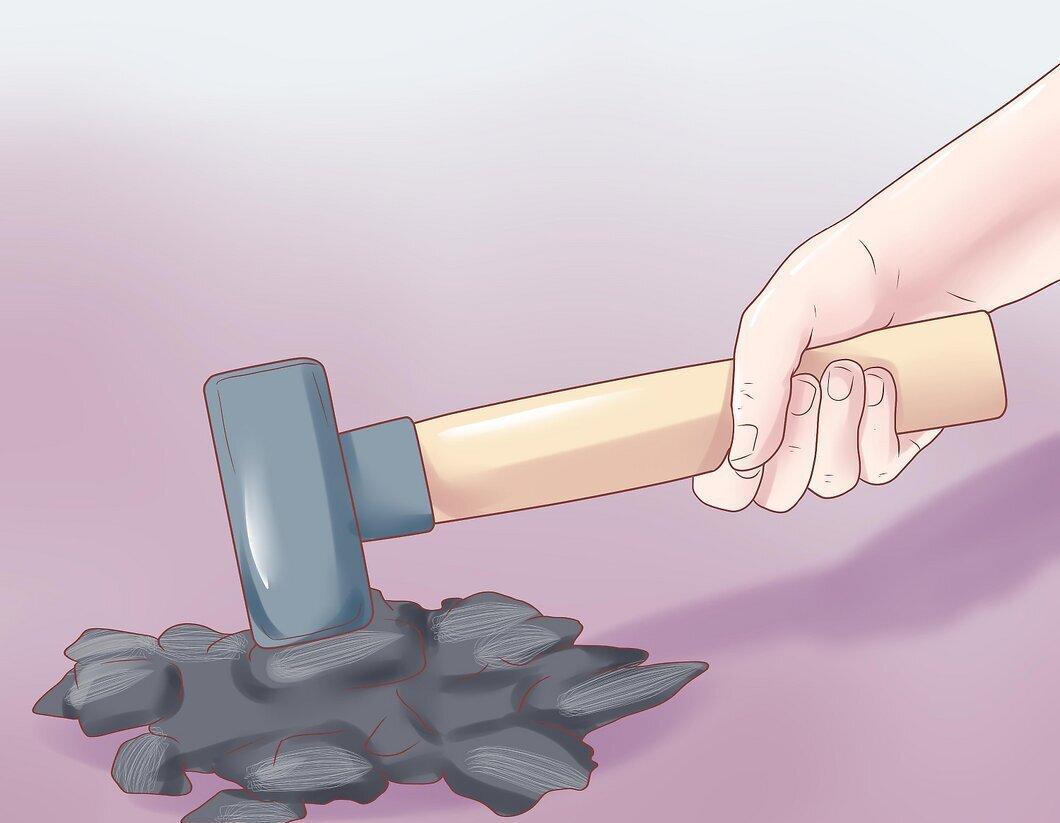
Step 4. Crush the charcoal into a fine powder.
Step 5. Layer the filter to separate different particles.
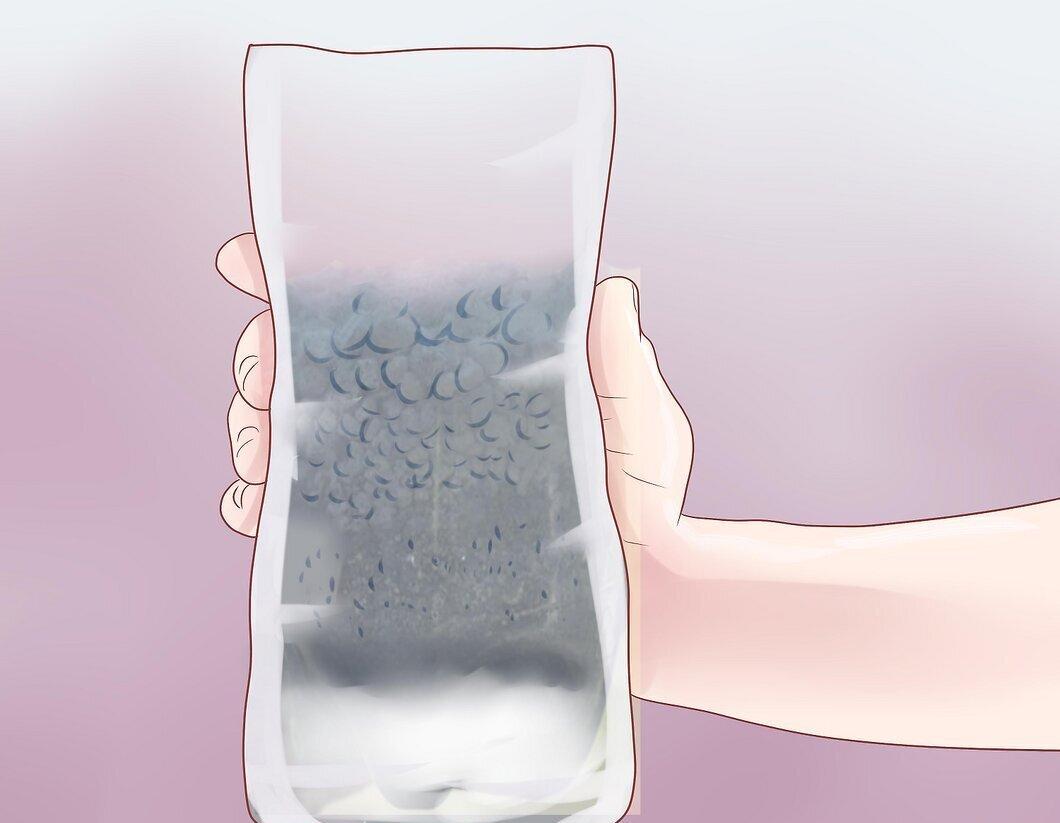
Arrange the layers of the filter so that larger particles are on top and the smallest ones are at the bottom. For example, you can place gravel or stones as the top layer, followed by sand and charcoal, while the bottom layer can consist of cotton fabric or coffee filters to trap the tiniest particles.
Step 6. Pour unfiltered water into the filter and let it drain into another container.
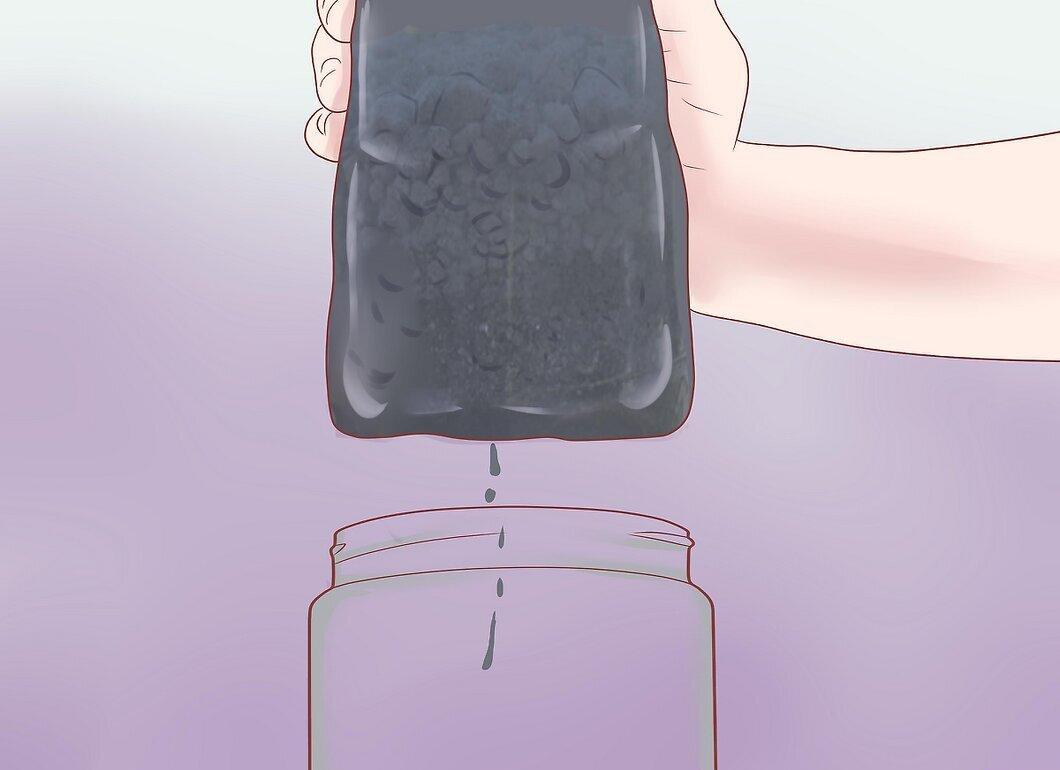
Fill the filter with unfiltered water and wait for it to drain into the next container. You may need to repeat the filtration process several times for better results.
Single-Layer Filter
Step 1. Prepare several containers or bottles.
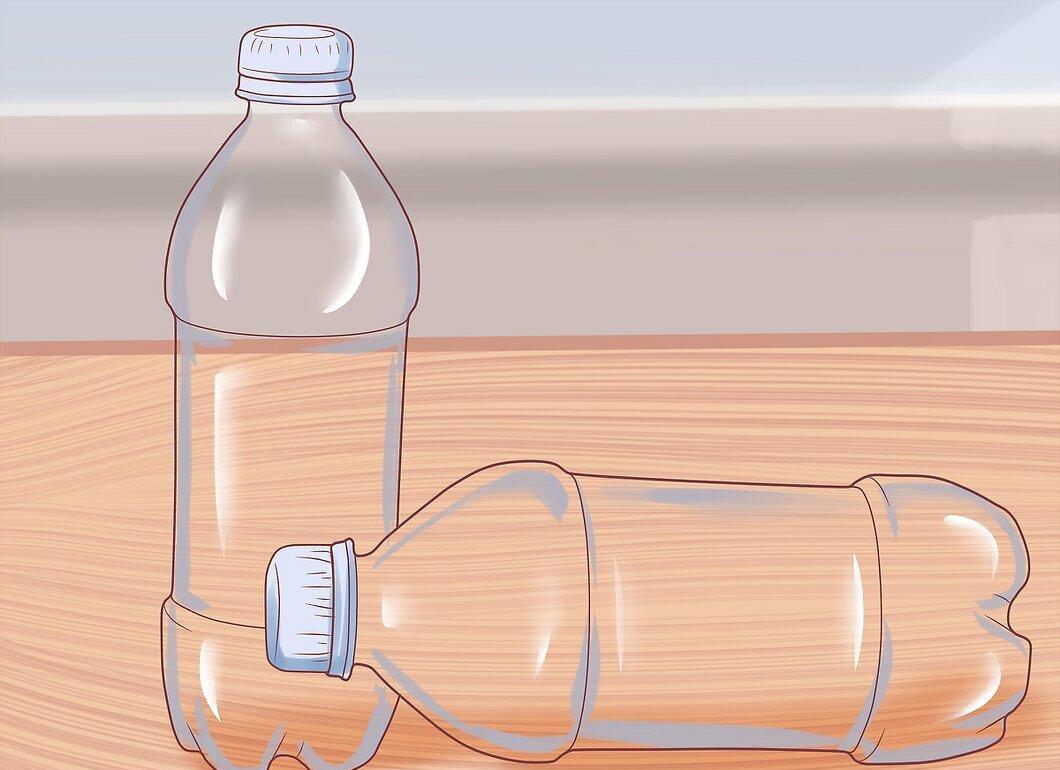
Take several containers: one will serve as the filter, and another will collect the purified water.
Step 2. Make a hole in the cap of the filter bottle.
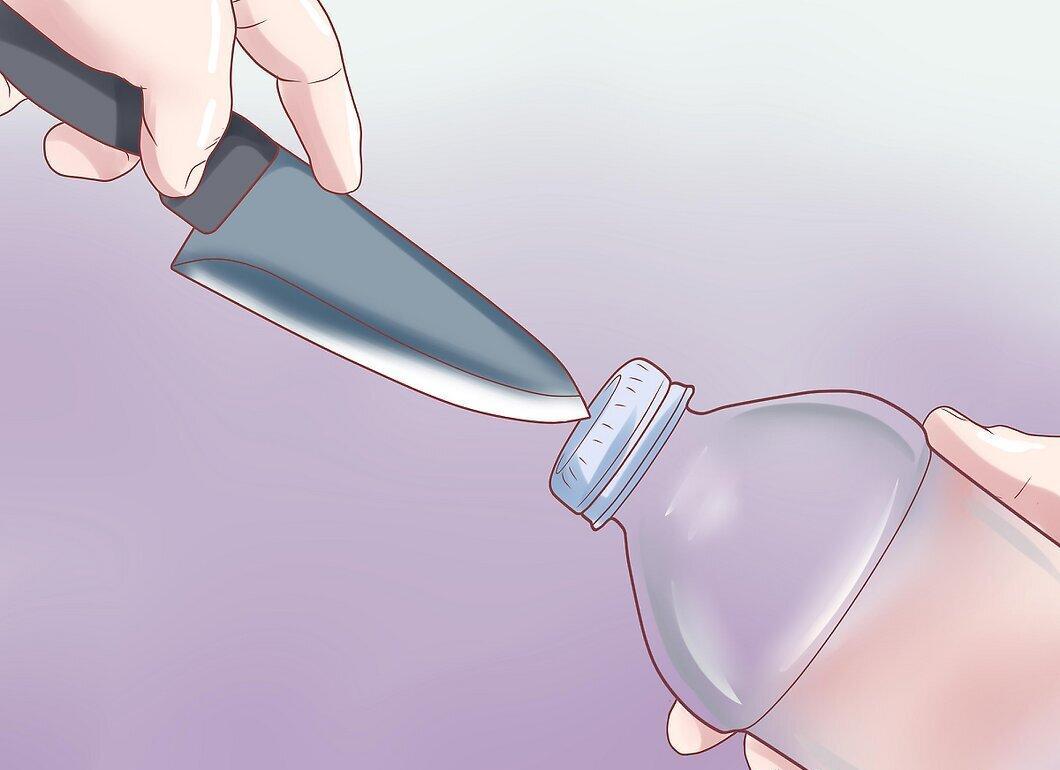
If you don’t have a cap, you can make several holes in the bottom of the container.
Step 3. Place a piece of cotton or a coffee filter over the hole.
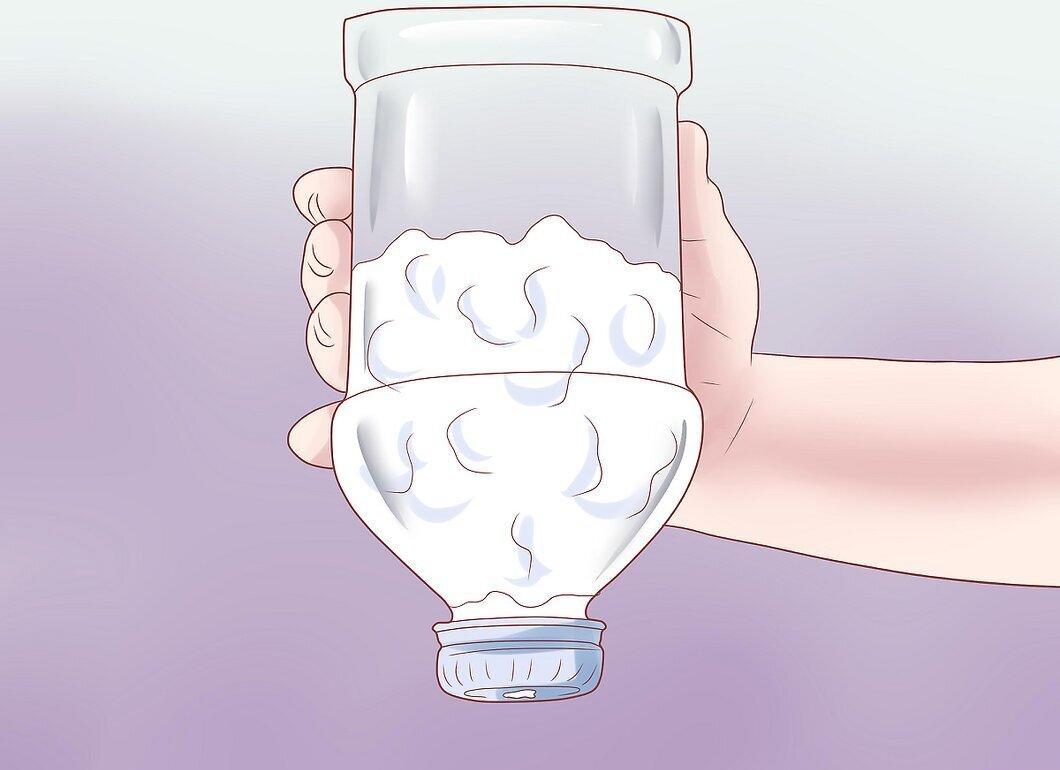
Step 4. Fill the container halfway with sand or crushed charcoal.
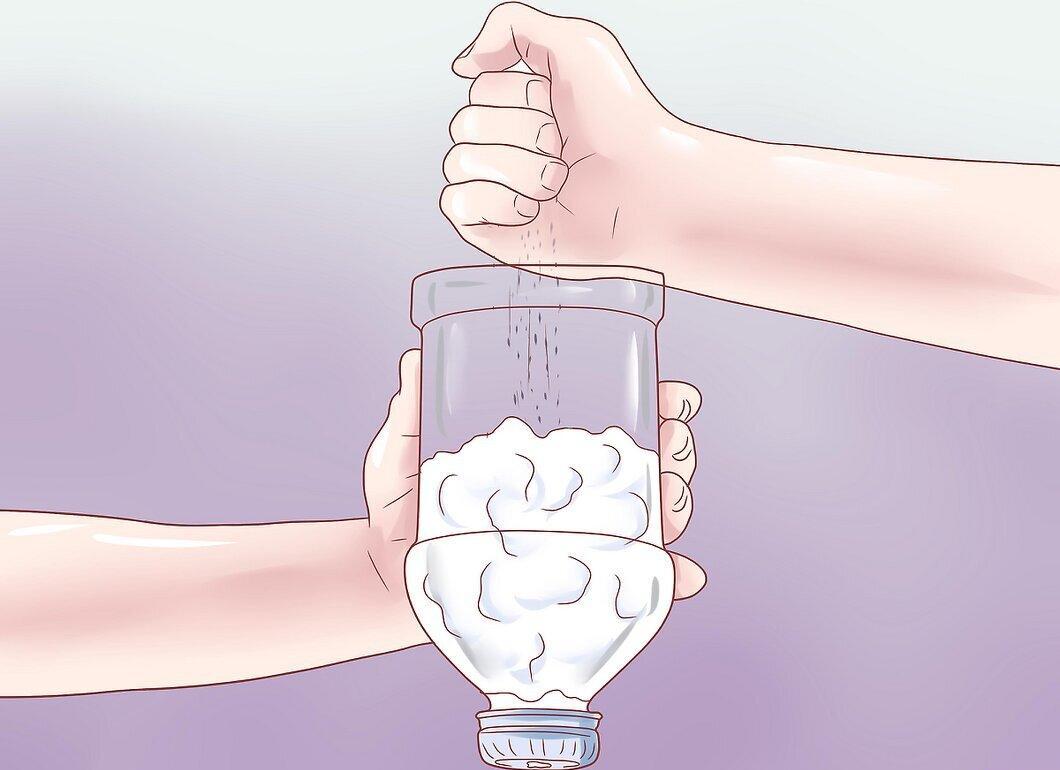
Fill the container halfway with sand or charcoal and cover the top layer with another piece of cotton or a coffee filter to prevent material from washing out.
Step 5. Carefully pour water into the bottle and place it above the clean water container.
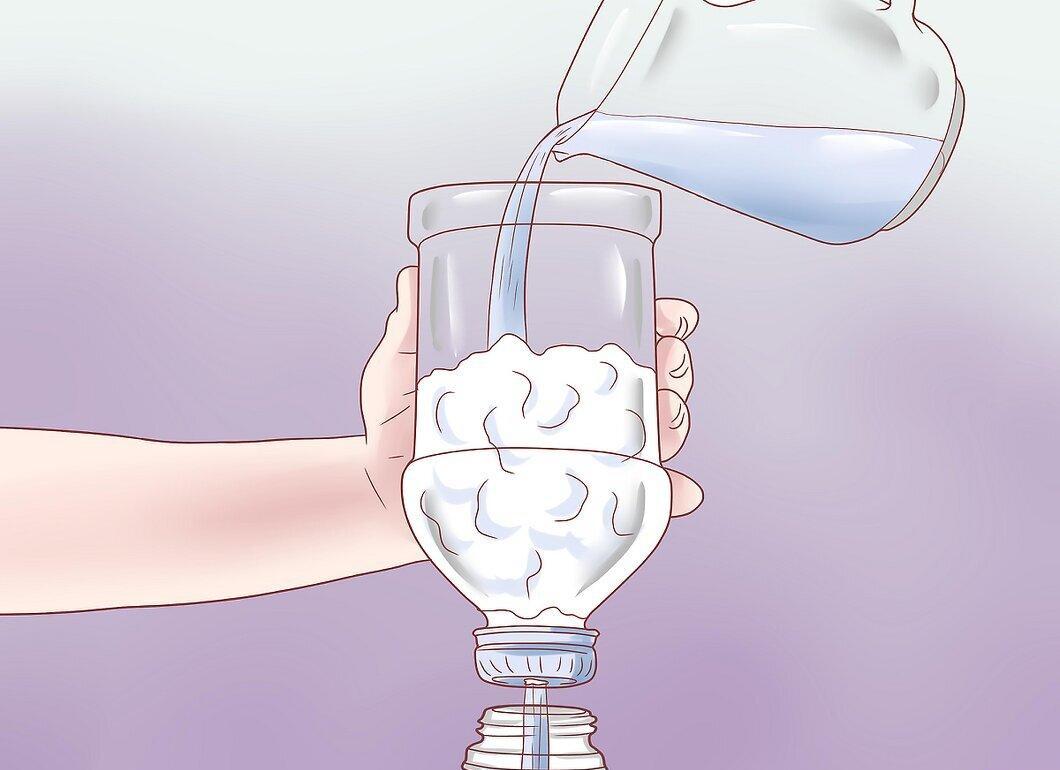
Pour the water slowly so it can gradually drain into the clean water container, and repeat the process if necessary.
Cloth Filter
Step 1. Stretch the cloth or bandana by tying it to sticks.
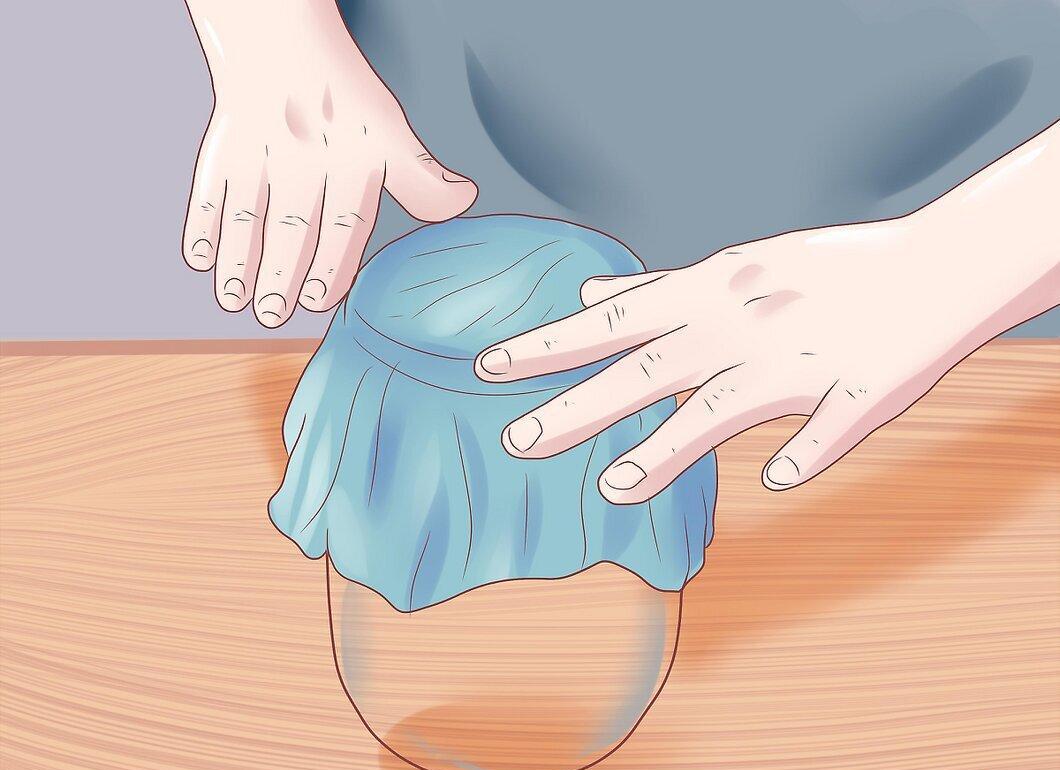
Secure the cloth between two sticks. If you don’t have sticks, simply hold the cloth with your hands.
Step 2. Place the cloth over a container and pass water through it.
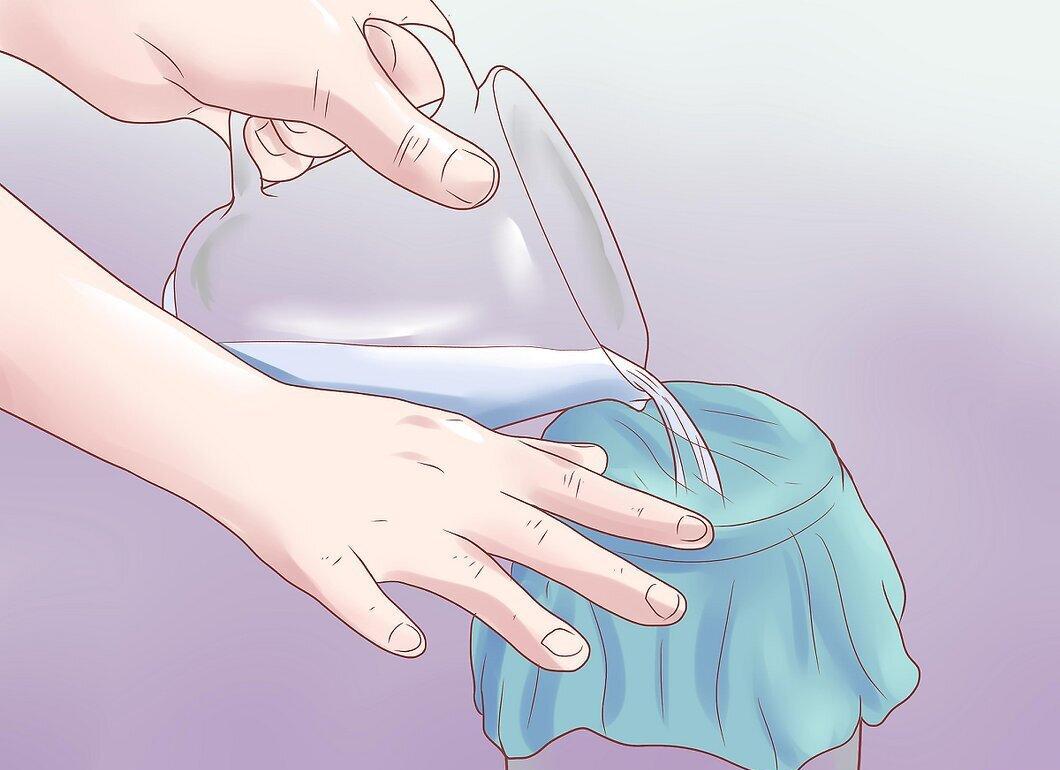
Set the cloth over the container and let the water pass through it. In extreme cases, you can drink water directly through the cloth.
Pillow Filter
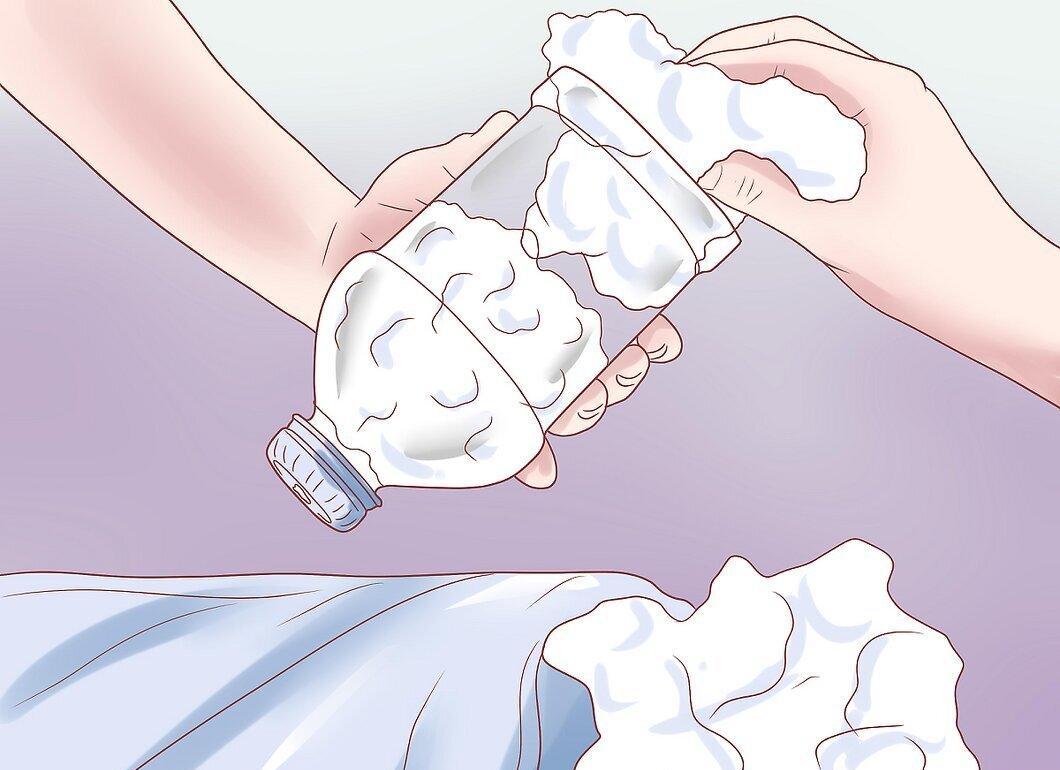
Step 1. Cut a plastic bottle in half.
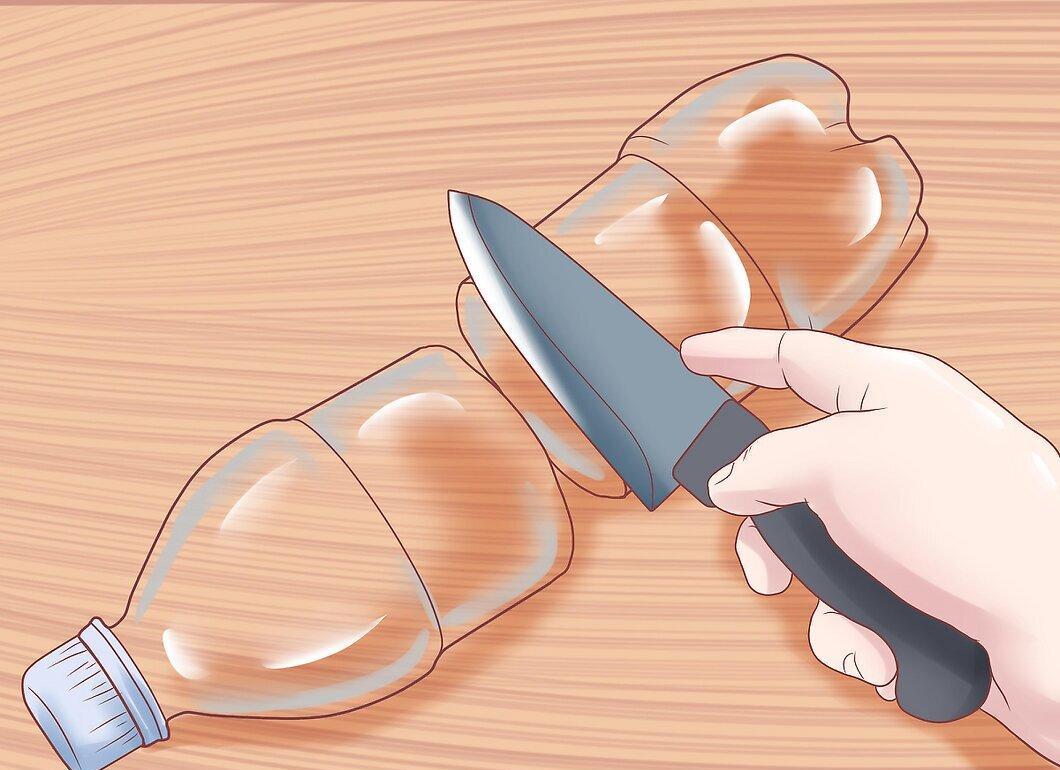
Step 2. Fill the bottom half of the bottle with pillow stuffing.
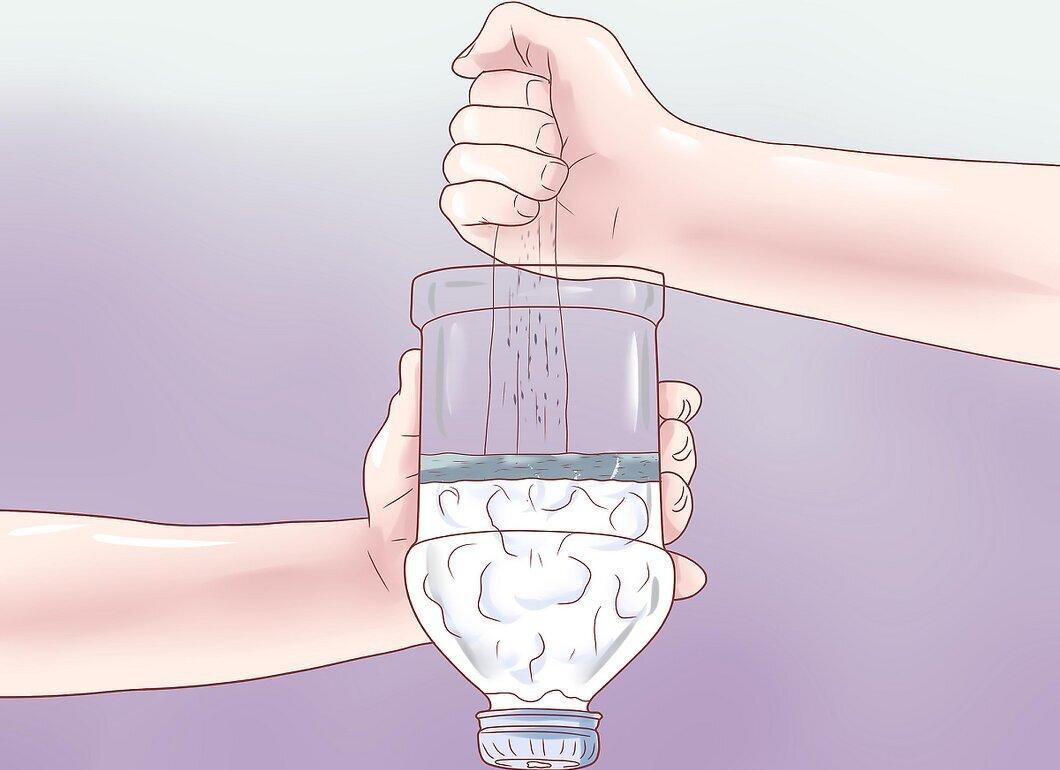
Step 3. Add a layer of sand in the middle.
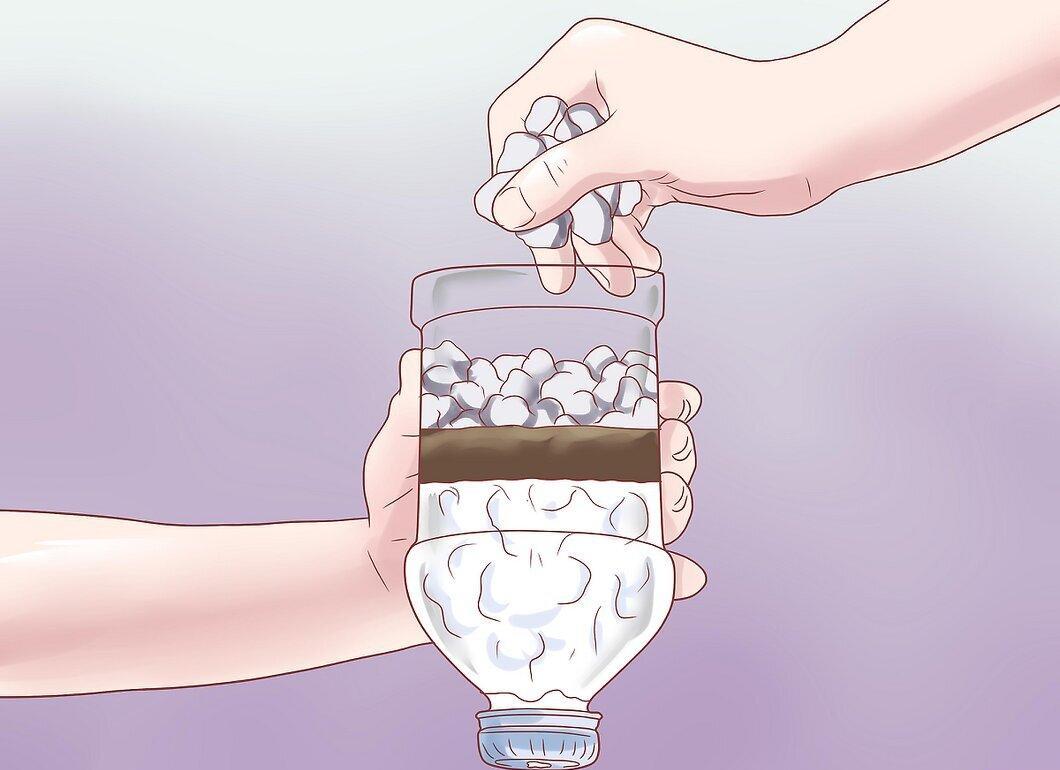
Step 4. Place stones on the top layer.
Step 5. Pour water into the filter.
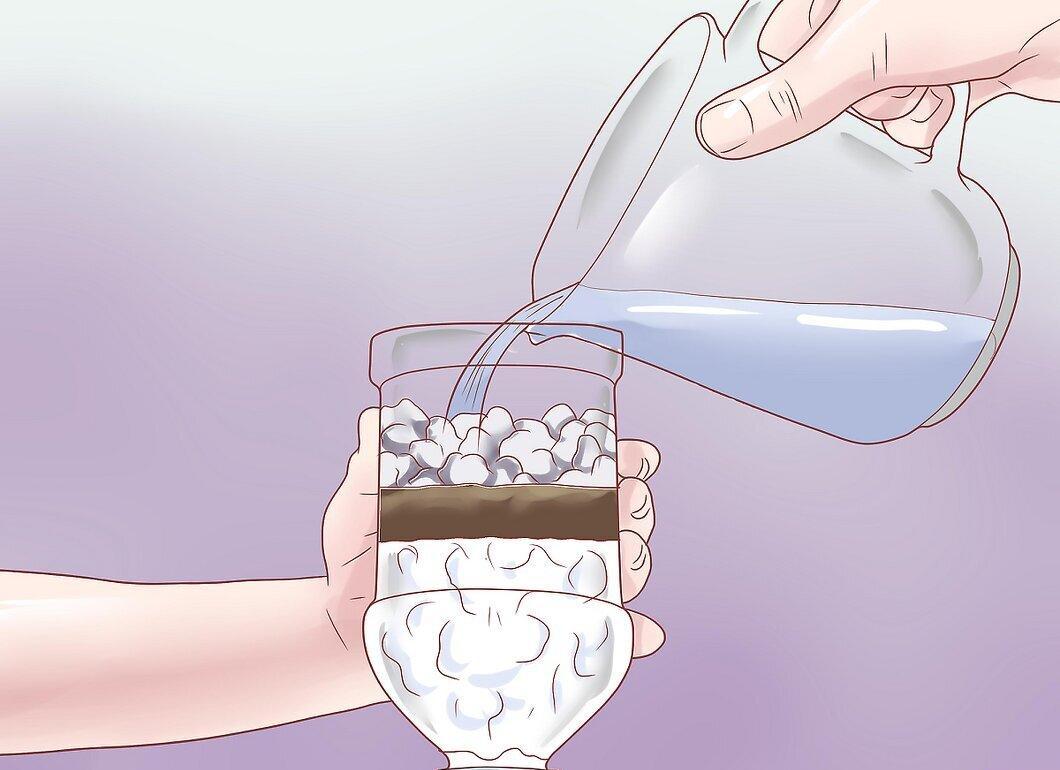
Once you pour the water, you’ll notice that it becomes cleaner.
Multi-Layer Filter: Charcoal, Sand, and Gravel
Step 1. Use an empty two-liter plastic bottle.
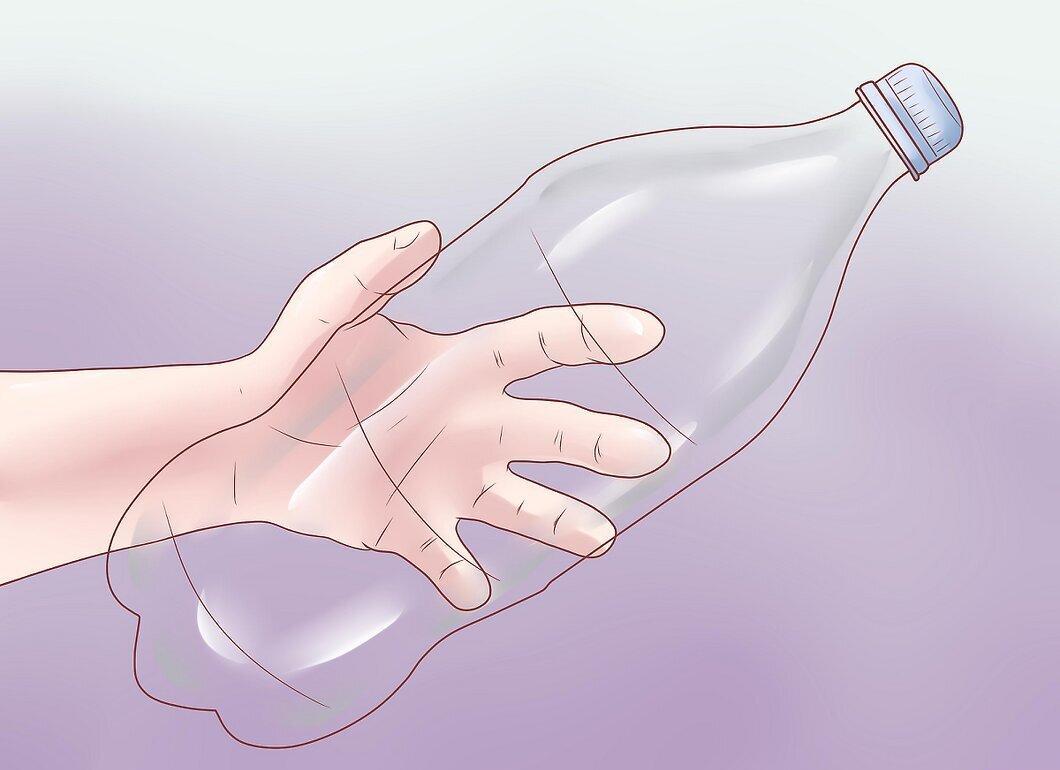
Step 2. Cut the bottom off the bottle.
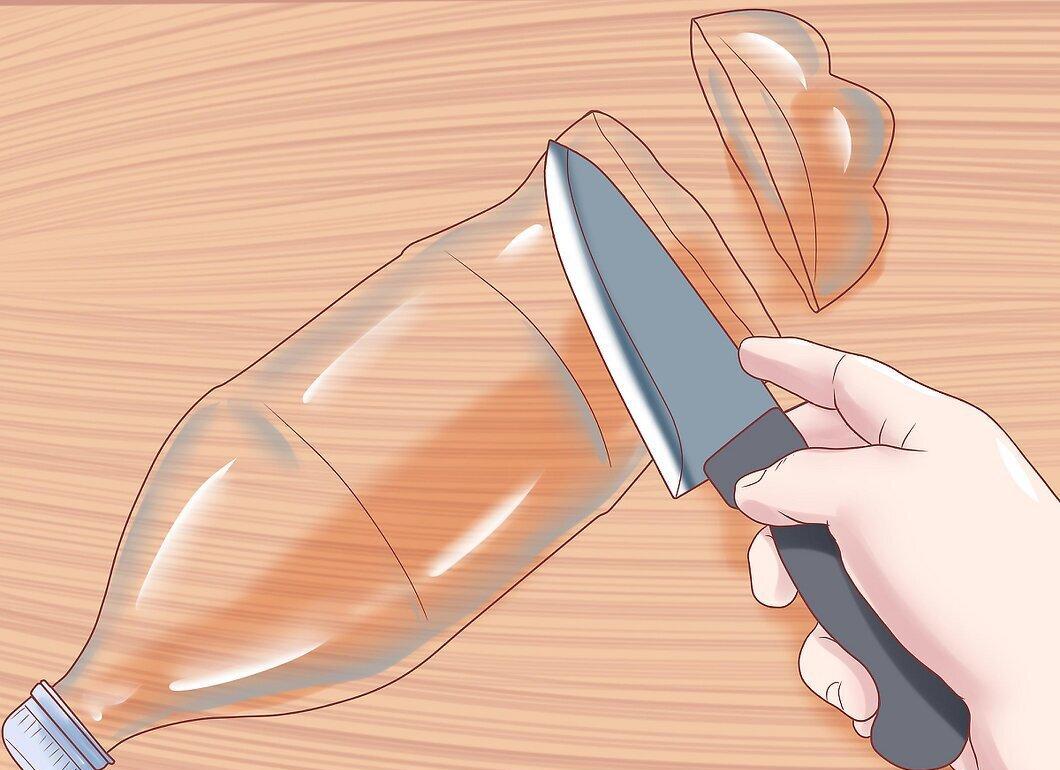
Make two holes on the sides to hang the bottle with a rope.
Step 3. Cut a hole in the cap.
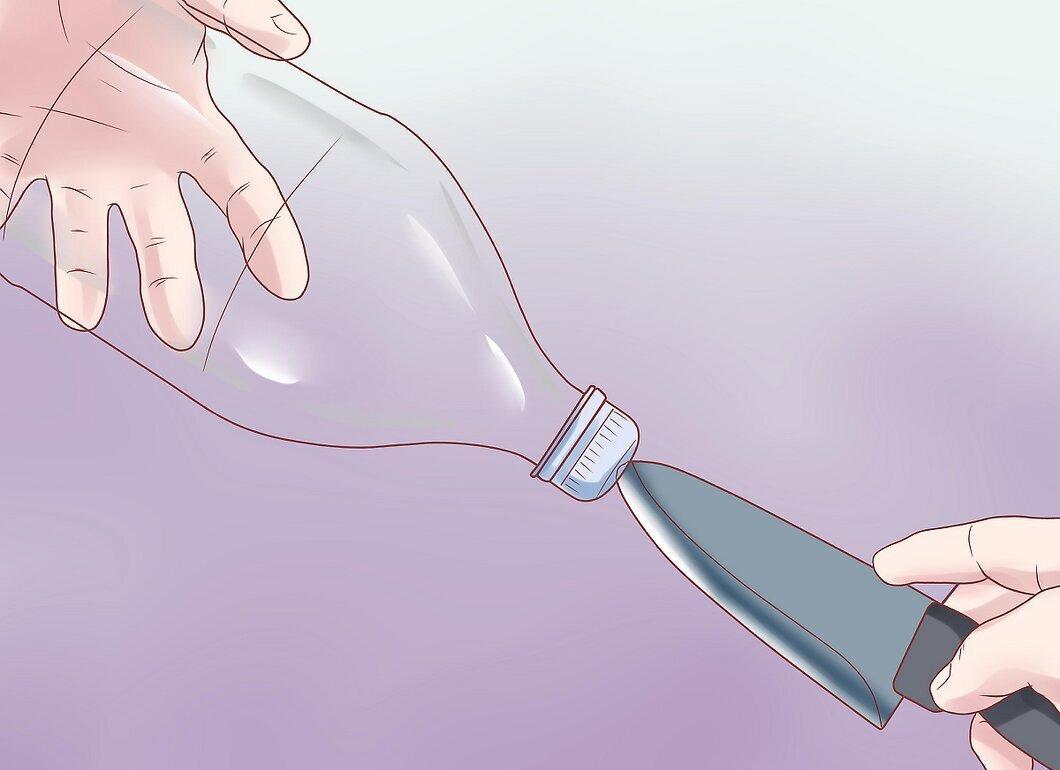
The hole should be about 1.2 cm in diameter.
Step 4. Place gauze or a coffee filter inside the bottle.
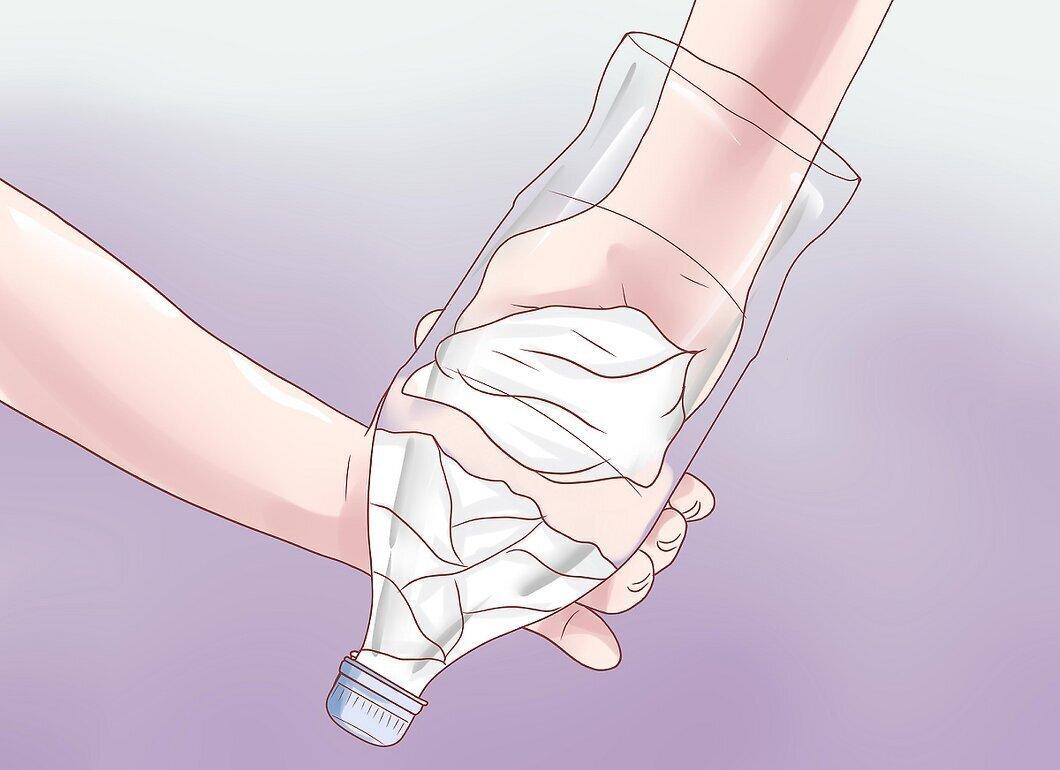
This will be the first layer of your filter.
Step 5. Add a layer of charcoal.
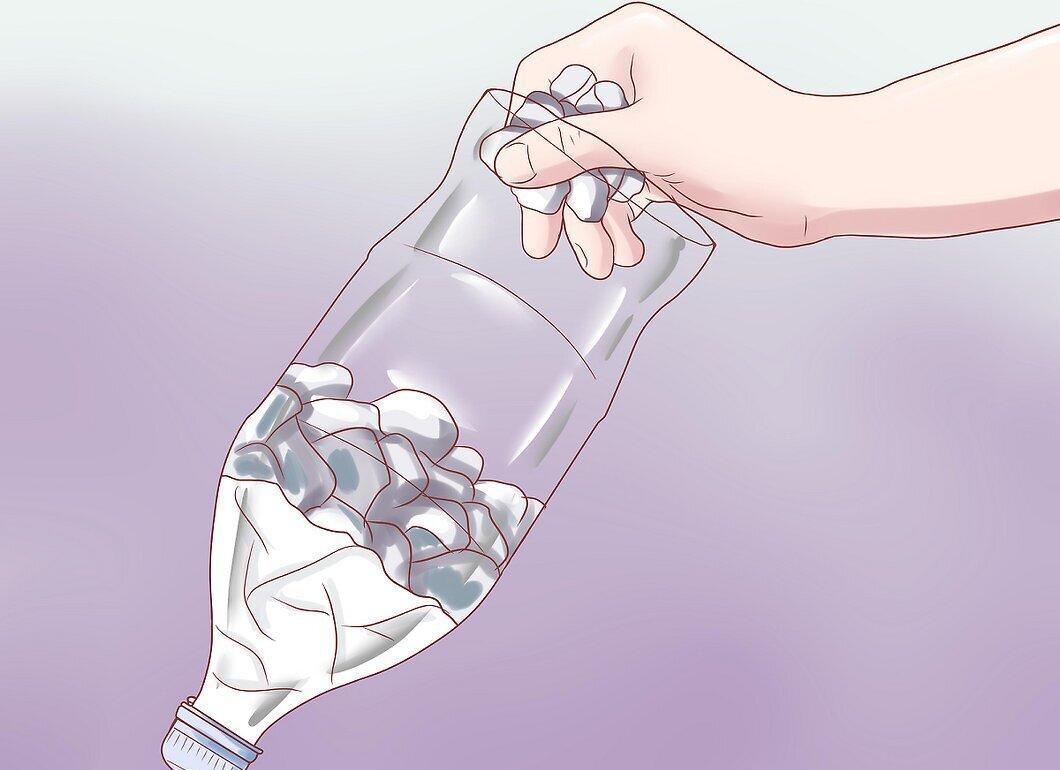
Place charcoal on top of the coffee filter.
Step 6. Add a layer of sand.
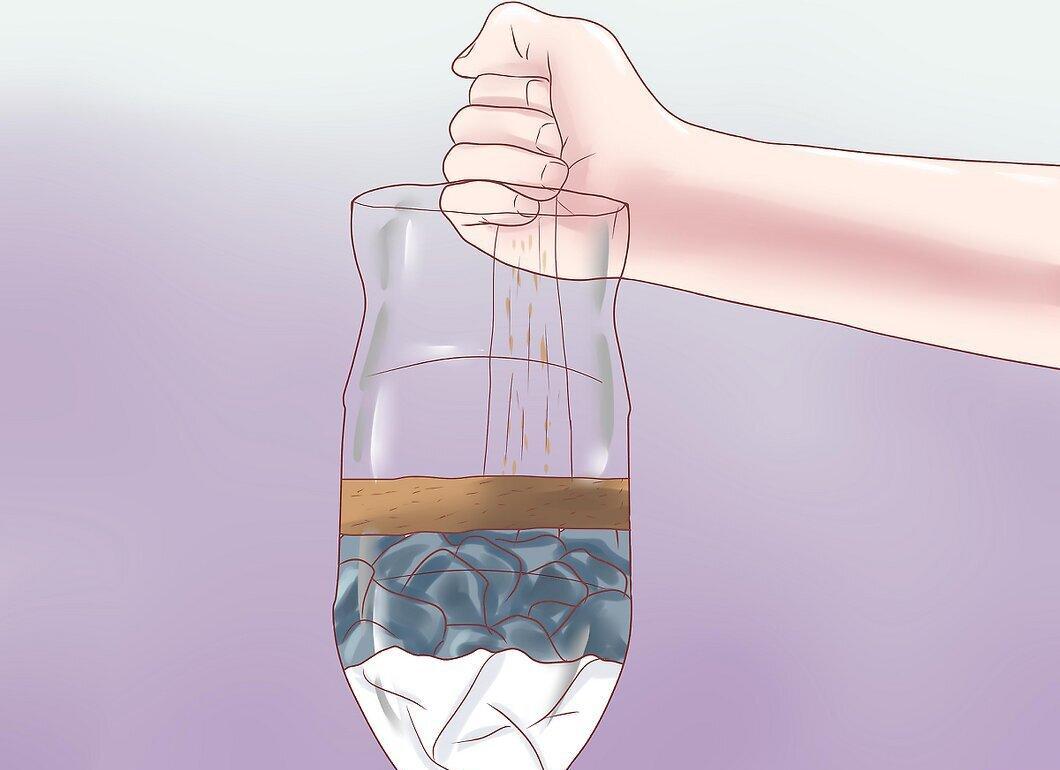
Step 7. Add a layer of gravel.
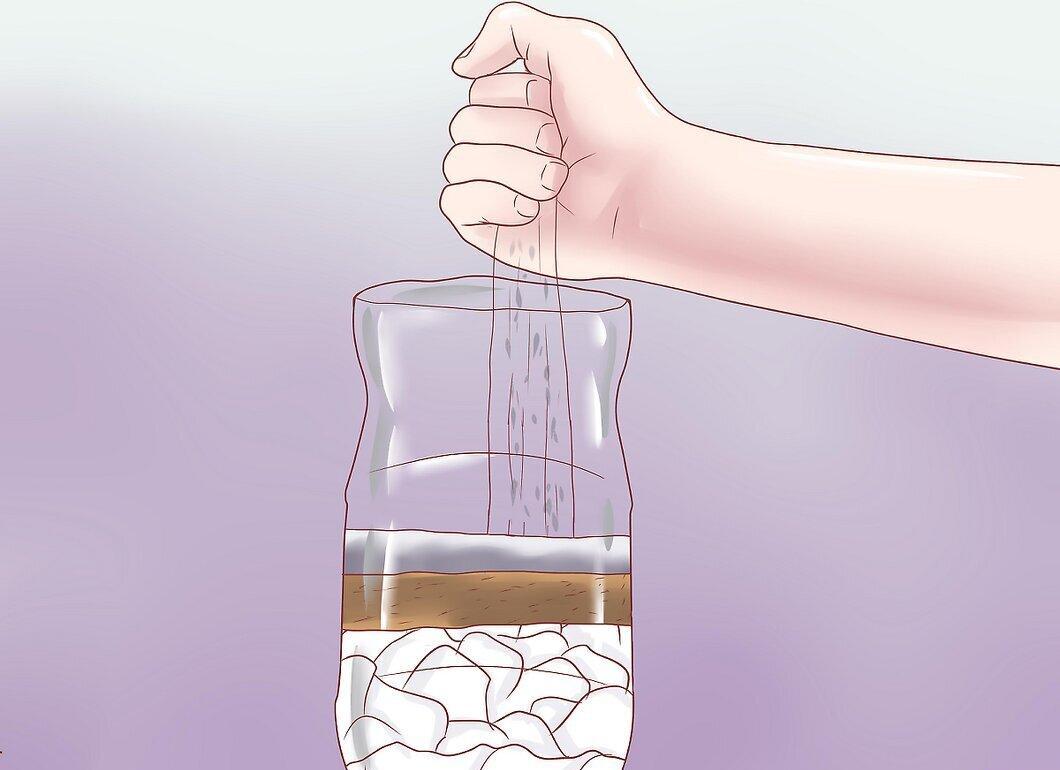
Step 8. Repeat the last two layers as needed.
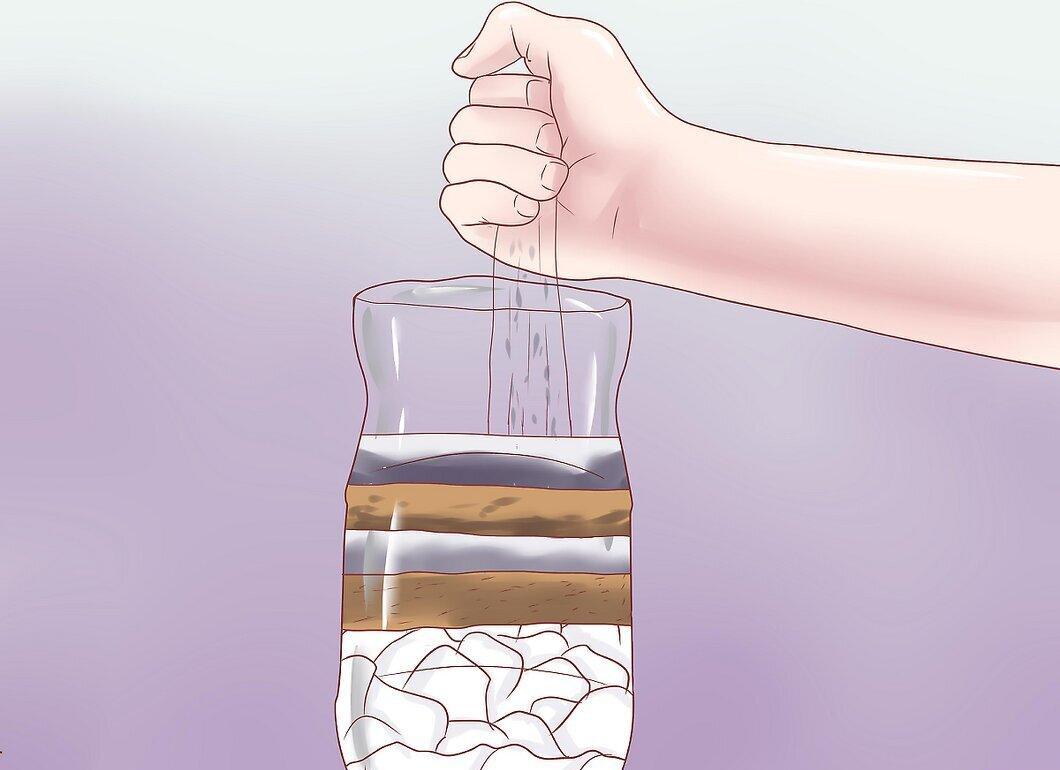
Ensure that the top layer is gravel.
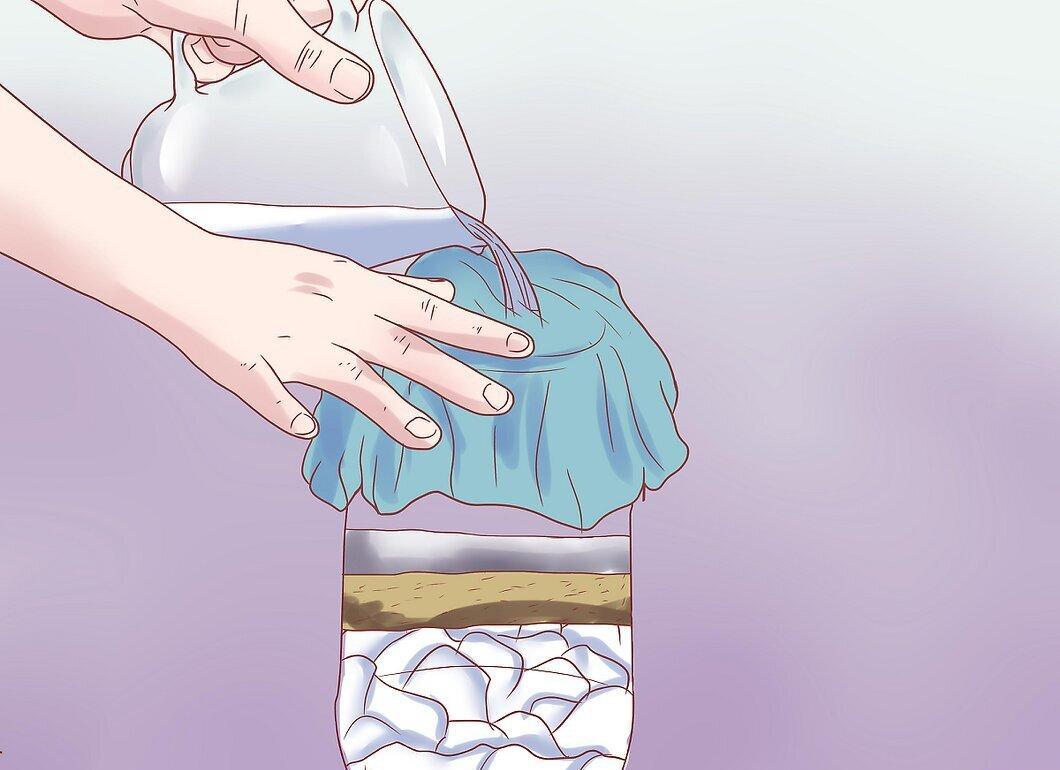
Step 9. When pouring water into the bottle, use a cloth or napkin to filter out larger particles and slow down the water flow to prevent mixing the layers.
Step 10. Be sure to boil the filtered water.
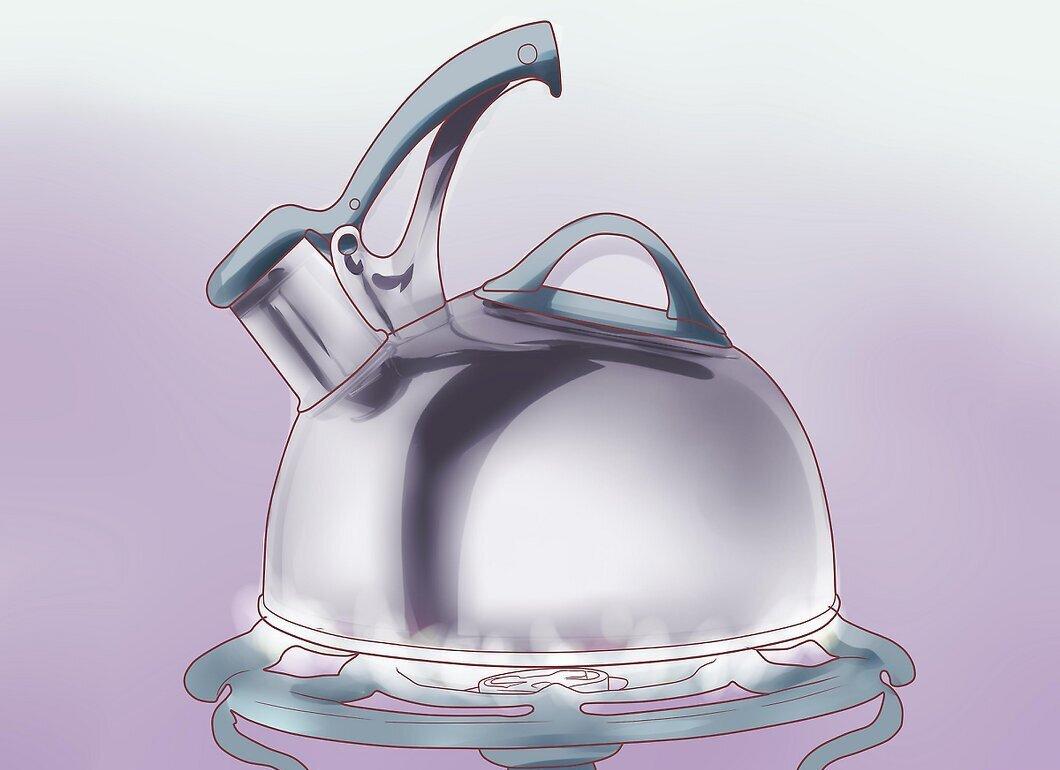
Even after filtration, water needs to be boiled to ensure its safety.