
If you're an actor or need to squeeze out a few tears to convincingly tell a sad story, the ability to cry on command can be a valuable skill. With a little practice, you'll be able to cry at a moment's notice.
Make Your Eyes Water
Step 1: Keep Your Eyes Open for as Long as Possible.

Keep your eyes open for as long as you can. This will dry out the surface of your eyes, causing a burning sensation. As a result, the dryness will make your eyes water, so try not to blink until you feel tears forming.
- If you're near a fan, try positioning yourself so the air blows into your eyes — this can help them water.
- If you can stare at a bright light without blinking, your eyes will start to tear up even faster.
Step 2: Rub Your Eyes.

Rub your eyes. Close your eyes and gently rub your eyelids for about 25 seconds, then open your eyes and fixate on something without breaking your gaze until the tears start flowing. This may take a bit of practice, but once you get the hang of it, it can work wonders. Rubbing will also cause the area around your eyes to redden, but be careful not to rub too hard, or you might injure the delicate tissue of your eye.
- Lightly touch one of your pupils with your fingertip. This will irritate your eyes and may lead to tears. Just be careful not to poke your eye.
Step 3: Bite Your Lip from the Inside.

Bite your lip from the inside. Often, a small amount of pain can trigger tears, and if you need to cry on command, you can use this to your advantage. This trick is particularly effective if you bite your lip while already thinking about something sad.
- While biting the inside of your mouth, try holding your breath — this will help you focus on the sensation of pain.
- You can also pinch a sensitive area of your body, like your thigh or the space between your thumb and index finger.
Step 4: Apply Tear-Inducing Substance Under Your Eyes.

Apply a tear-inducing substance under your eyes. Take a cue from Hollywood stars and gently rub some menthol stick for tears under your eyes. It might sting a little, but it should look very realistic. Just be extremely careful not to get any in your eyes.
- You can also use eye drops to make your face look teary. Just drop them right at the corners of your eyes, so they roll down your face convincingly.
Step 5: Use an Onion.
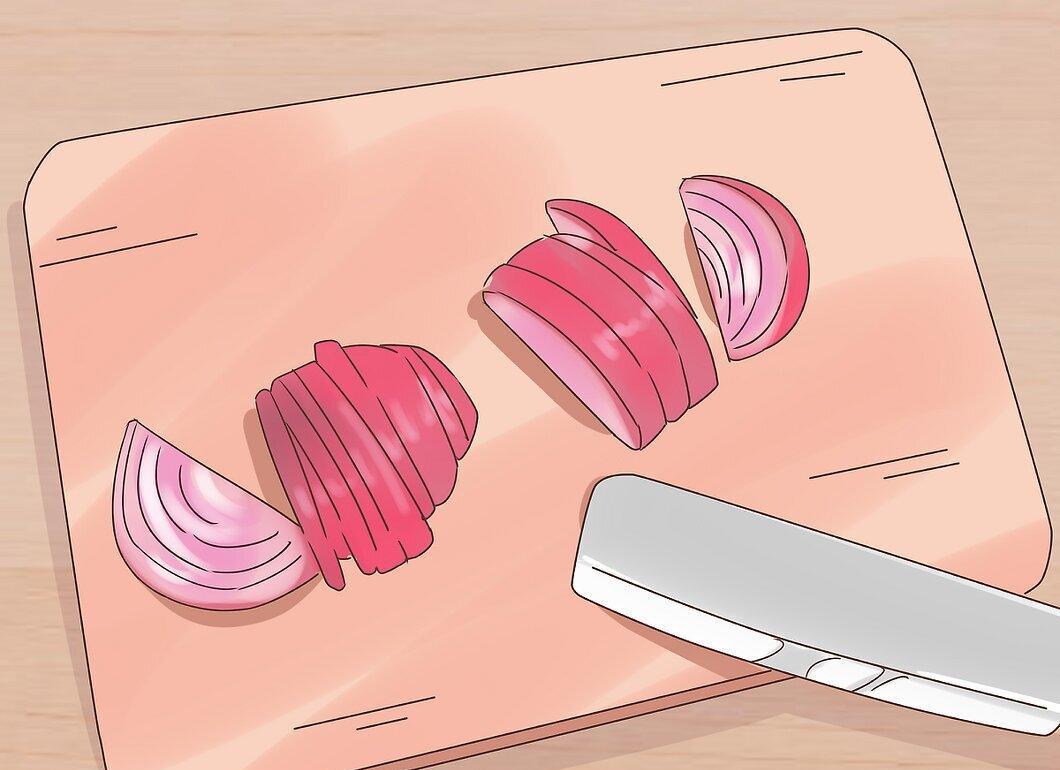
Use an onion. Cutting an unwashed onion is a very effective way to induce tears. This method is probably best suited for performances, as it may be hard to convince someone of the sincerity of your tears if you pull out an onion and start chopping it until tears flow!
- If you can sneak into another room, grab some onion rings and sniff them up close. When your eyes begin to water, return to the conversation.
Think About Things That Make You Cry
Step 1: Recall a Time That Evoked Strong Emotions.

Recall a time that evoked strong emotions. If you need to cry on cue, thinking about a time when you felt sad can help set the mood. For example, memories of losing a loved one or going through a particularly tough breakup can be helpful.
- Other emotional triggers could include losing something that meant a lot to you, issues with parents, or missing an opportunity you worked very hard to achieve.
Step 2: Imagine Yourself Weak or Helpless.

Imagine yourself weak or helpless. Many people fear that deep down they are not as strong as they'd like to believe. By picturing yourself small and vulnerable, you may tap into feelings of helplessness, which can bring about real tears.
- Once you embrace this feeling, allow the sense of helplessness to manifest as tears.
- For instance, one common exercise in acting classes is to imagine yourself as a small child who feels neglected by everyone.[8] X Research source
Step 3: Create a Sad Scenario Using Your Imagination.

Create a sad scenario using your imagination. Sometimes recalling bad experiences from the past can lead to real emotions that are difficult to overcome. To avoid this, instead of thinking about something personal, try to imagine something sad that could hypothetically happen.
- For example, you might think about puppies left on the side of the road. You want to save them all, but you can only take one. And now, as you hold the one puppy you saved, you look at the rest of the poor little ones left behind.
Step 4: Cry Happy Tears If You Don't Want to Feel Sad.

Cry happy tears if you don’t want to feel sad. Try to picture things that bring tears of joy to your eyes, like when someone gives you a meaningful gift or when someone triumphs in the face of adversity.
- As long as you aren’t smiling, no one will be able to tell if you’re crying from happiness or sorrow.
Improve Your Skills
Step 1: Make a Crying Face.

Make a crying face. Typically, this means closing your eyes and wrinkling your forehead a bit: just imagine the muscle movements and remember what your face looks like when you’re genuinely crying. If you’re unsure, look in the mirror and pretend to cry, then take note of how your facial muscles feel.
- Slightly lower the corners of your mouth.
- Try to raise the inner corners of your eyebrows.
- Furrow your chin as people do just before they start to cry. If you overdo it, it might look fake, so try to keep it subtle.
Step 2: Focus on Your Breathing.

Focus on your breathing. Breathing is part of what convinces people that you are upset. Start to sniffle while making crying sounds and taking deep breaths. Breathe continuously as if you’re gasping for air. Occasionally pause your breathing slightly to sound more realistic.
- If no one is watching you, try running in place for a few minutes to get out of breath. Plus, this will cause your face to flush, which is often associated with crying.
Step 3: Lower Your Head or Cover Your Face to Make It More Believable.

Lower your head or cover your face to make it more believable. Once the tears start flowing, and you’ve got the crying face and heavy breathing, you can add a few finishing touches, like covering your face with your hands, resting your head on the table, or lowering your head to appear sad.
- You can also bite your lip as if you’re trying to hold back tears.
- Turn away as if you’re trying to pretend you’re not crying for a double bluff!
Step 4: Add a Whimper to Your Voice to Sound Like You're Crying.

Add a whimper to your voice to sound like you’re crying. When you cry, your vocal cords tighten. This leads to the low or whimpering sounds you make when trying to speak while crying. Aim to stutter and add long breaths to enhance the effect.
- In fact, this is "willpower" effort, and the more you practice it, the easier it will become for your body to replicate the desired effect.
Step 5: Disconnect from the Outside World.

Disconnect from the outside world. If you want to be able to cry on command, you need to relax, breathe, and concentrate on the reason you need to summon tears. By disconnecting from any distractions, you’ll be able to delve deeper into the emotions you are portraying.
Step 6: Bury Your Face in Your Hands and Laugh If You Can't Feel Sad.

Bury your face in your hands and laugh if you can’t feel sad. Sometimes it’s hard to tell whether someone is laughing or crying if they do it right. By burying your face in your hands, shake your shoulders and try to make your eyes a little red by rubbing them vigorously, and don’t smile when you pull your hands away.
- This works best on stage when people are not very close and can’t see your tears or face in detail.
- Make sure not to make any sounds, or you might give away your laughter! If you accidentally laugh out loud, try to accompany it with a crying sound, like a whimper or sniffle, but don’t overdo it.