
Frank Zappa once said that 'talking about music is like dancing about architecture.' In some ways, he may be right, but the ability to vividly describe music helps deepen your appreciation of it. By analyzing music and articulating your thoughts in words, you will learn to hear details that you may have previously overlooked. Your ability to describe a song will also come in handy when you're conversing with someone and want to share music recommendations.
Objective Opinion
Step 1. Identify the Genre.
Identify the genre. Genres categorize music within broad frameworks; a significant portion of musical works is linked by a shared atmosphere or structural composition, but usually not all at once. Categorizing a song into a specific genre is the simplest way to describe the music to someone else. Genres primarily define the sound but also encompass elements such as lyrical content and artistic intentions. If the song you want to describe fits within a genre, it will be easier for you to classify that composition.
- In contemporary music, bands often blend elements from several genres to achieve a unique sound. You can start by calling a band 'eclectic' if they play music at the intersection of various genres. Try not to reference more than one or two genres; otherwise, you may confuse your listener.
- For example, The Beatles' music encompasses numerous styles but is most often categorized as pop music. Led Zeppelin's work can be associated with anything from progressive rock to blues or metal, but it's unlikely they should be characterized strictly as blues hard rock.
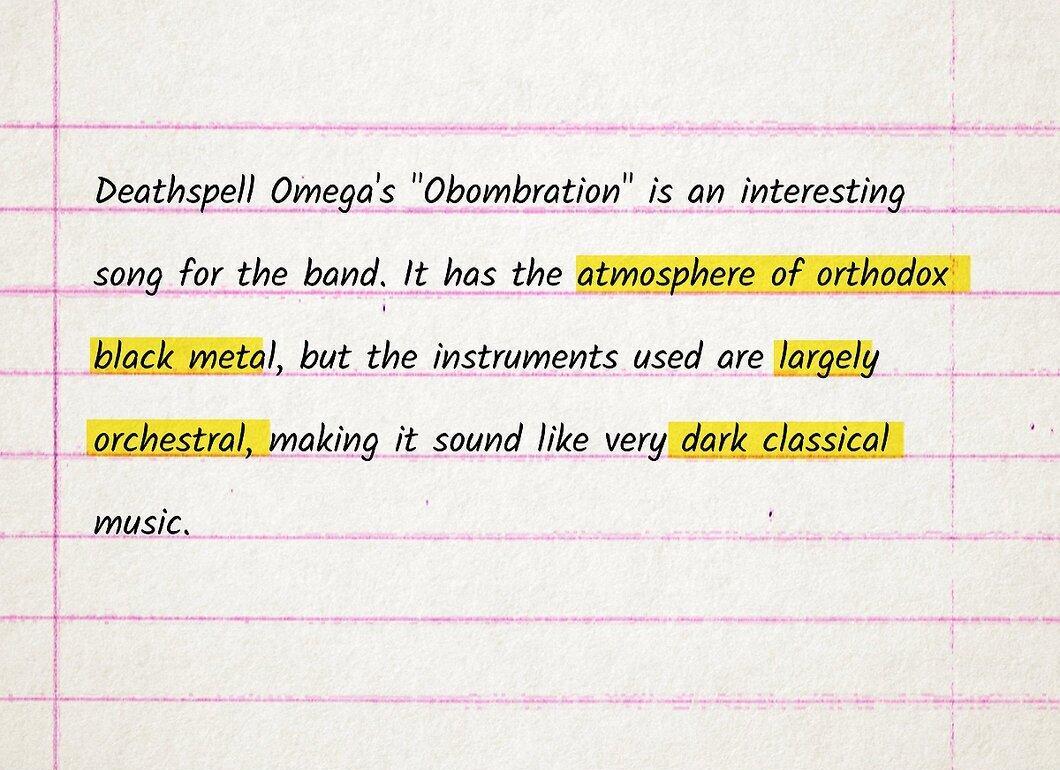
- For example, you could say: "The track 'Obombration' by Deathspell Omega is an intriguing piece by the band. It carries the atmosphere of traditional black metal, yet primarily employs orchestral instruments, resulting in a sound reminiscent of very dark classical music."
Step 2. Read the Lyrics.
Read the lyrics. Most songs have a clearly defined theme. Many pop songs discuss the romantic experiences of the performer. If the meaning of the song is unclear to you, try researching it online. Many compositions (especially classics) have specific backstories. Share this history and describe the song to convey its character.
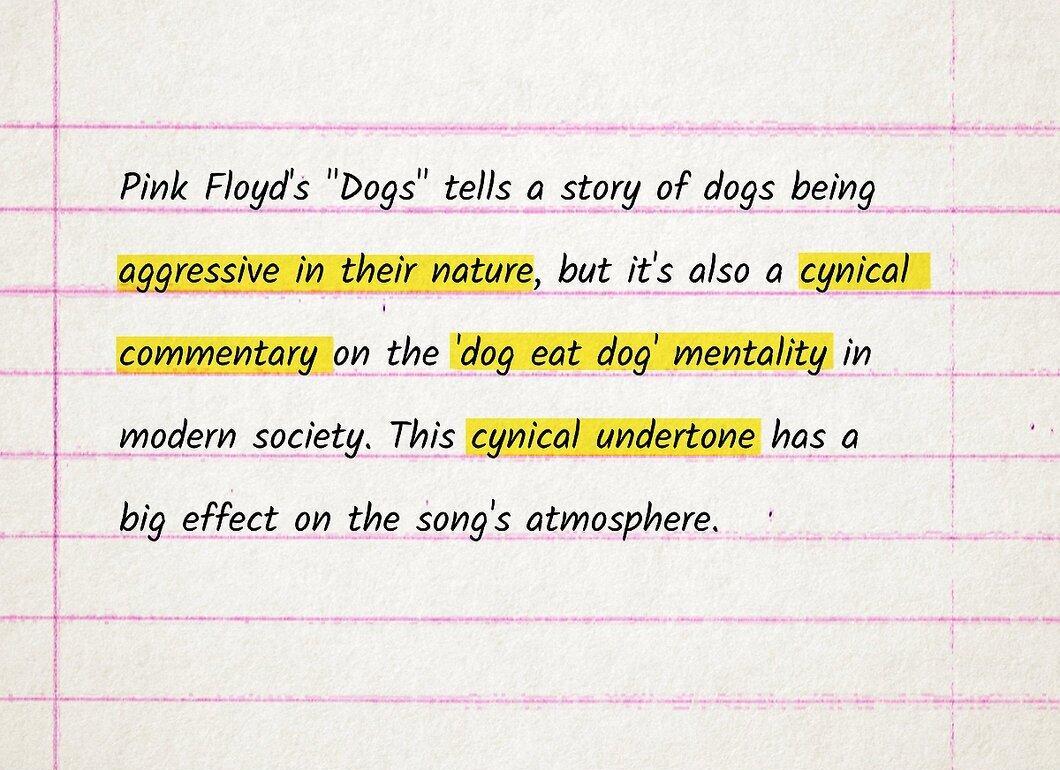
- For example, you might say: "In the song 'Dogs' by Pink Floyd, the aggressive nature of dogs is discussed, alongside cynical comments about the wolf laws of contemporary society. This subtext significantly influences the overall atmosphere of the song."
Step 3. Familiarize Yourself with the Musical Score.

Familiarize yourself with the musical score. Sheet music is a precise way to note the objective details of a song for fellow band members. Understanding musical notation can take years, but having a general grasp of the musical communication tools will help you better appreciate songs.
- The key of a song refers to the chords and notes used in it. For example, 'minor key' sounds quite somber, while music in a 'major key' tends to be uplifting.
- The tempo is the speed of the musical piece, the rhythmic pattern.
Step 4. List the Musicians.
List the musicians. For styles like jazz, where performance nuances are crucial, it's important to mention specific individuals who contributed to the song. Inform your listener who performs a particular song in popular music, and they will have a clearer idea of what to expect from it. Many renowned artists have recognizable vocal qualities, so mentioning the singer's name will hint at what to expect from the song.
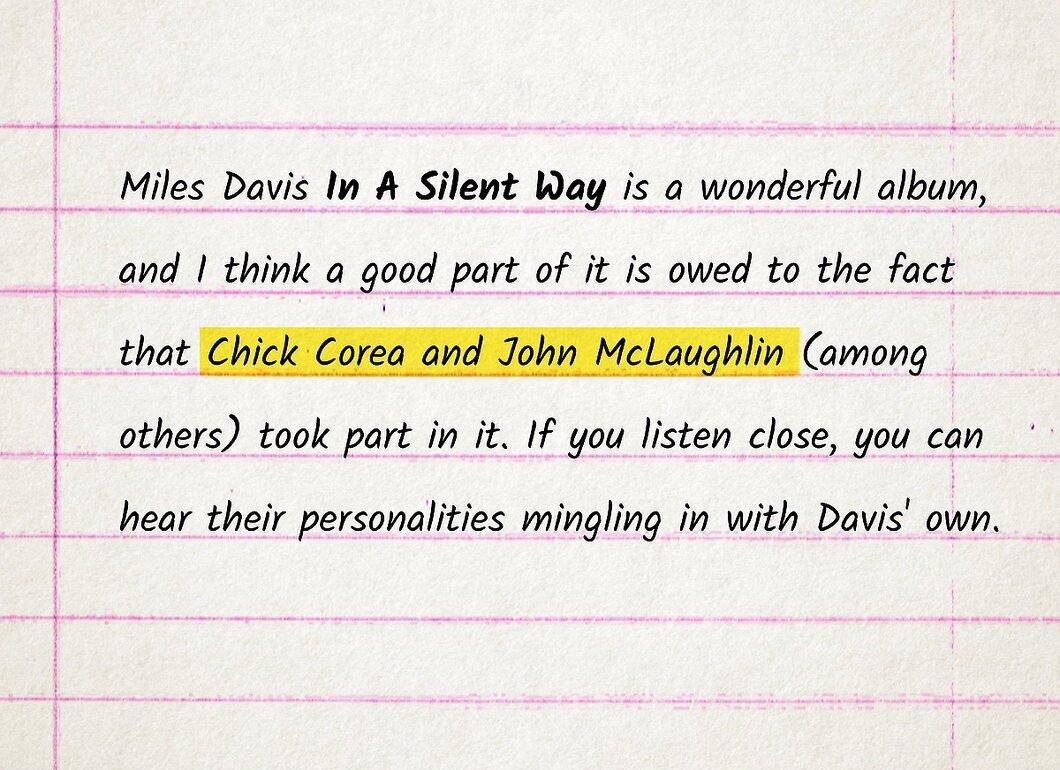
- For example: "Miles Davis's album In A Silent Way is outstanding not least because of the contributions from Chick Corea and John McLaughlin (among others). If you listen closely, you can hear how their personalities blend with Davis's."
Subjective Opinion
Step 1. Listen to the Music Closely.

Listen to the music closely. You need to immerse yourself in the music more deeply than with formal analysis to evoke a full emotional response. Find a quiet and secluded spot and play the chosen song. Focus on the mood of the piece. Pay close attention to the lyrics. While listening, try to understand the feelings of the performer at the moment they created the song. Immerse yourself in the music wholeheartedly to accurately grasp and convey your personal reaction to the material.
- It’s best to listen to music through headphones; this way, you can block out external noise and catch subtle details.
Step 2. Read Music Reviews.

Read music reviews. Journalists and critics make a living by describing music in the most vivid and engaging (or unengaging) ways. Album reviews are quite common nowadays, so you won't have trouble finding various viewpoints on the most debated albums. Others' thoughts can help you articulate your feelings about the music more accurately. The online magazine “Pitchfork” is quite popular, but its pompous style may not suit everyone. Other examples of vivid music descriptions can be found in niche and underground publications like “Heathen Harvest Periodical” or “Prog Sphere Magazine.”
- Music reviews are also published in print media. Many newspapers have sections dedicated to reviews of new music albums and films. There are also books on music that describe specific bands, genres, or time periods.
Step 3. Try to Visualize the Music.

Try to visualize the music. This way, you can relate it to your inner concept. If you want to describe music interestingly, try meditating and imagining the song as the soundtrack to an imaginary film. At first, this idea may seem strange, but it's an excellent way to immerse yourself and appreciate the music without distractions.
- For example: If the music is sad, you might visualize rain or a scene of loss. If the music is upbeat, it could be a ride in a sports car. In the case of calming music, think of kittens sleeping on a blanket. There are no wrong interpretations; if the music evokes specific imagery for you, there are reasons for that.
Step 4. Use Metaphors and Poetic Language.
Use metaphors and poetic language. Music is a deeply personal creative endeavor, inherently poetic in nature. It makes sense that describing music can also be poetic. If a song evokes an emotional upheaval in you, the best way to express your feelings is through metaphors. Metaphors and other descriptive poetic devices (like similes) allow you to convey the emotional state that arises while listening to the music.
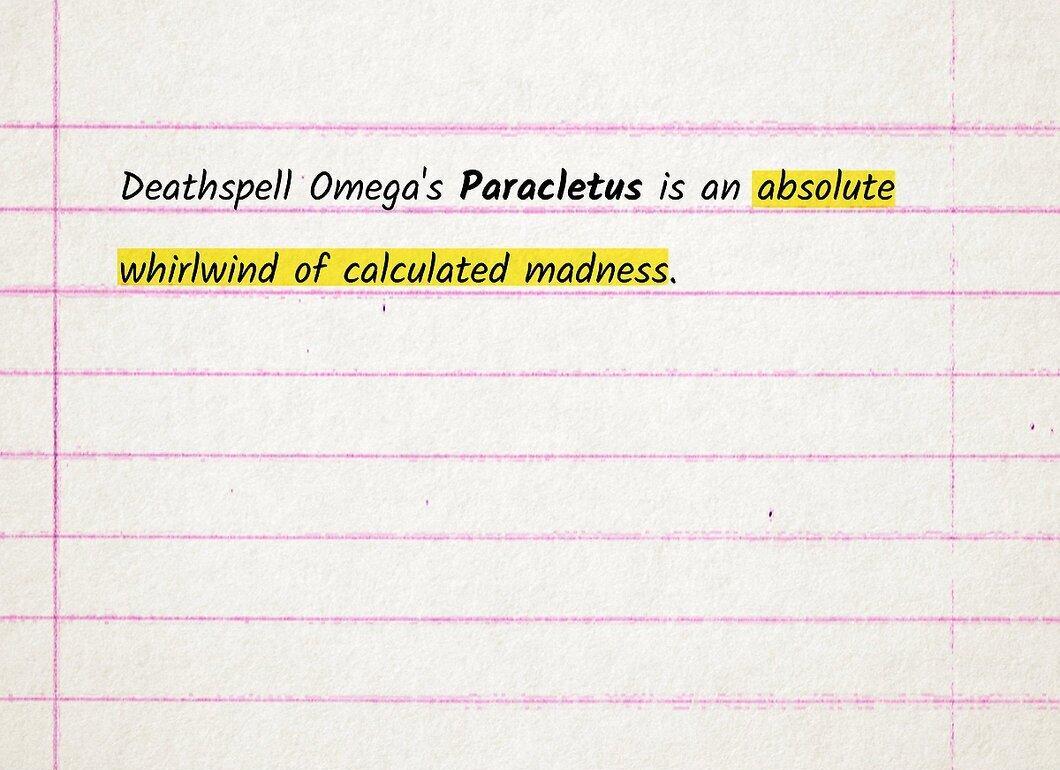
- Example of a metaphor: The song 'Paracletus' by Deathspell Omega is a whirlpool of thoughtful madness.
- Example of a simile: Anton Bruckner's First Symphony transports us to a grand evening taking place in Prussia in the 19th century.
Step 5. Compare the Song to Others.

Compare the song to others. If you've heard a song that made a certain impression on you, you can probably compare your listening experience to another song. Through comparison, you can establish solid associations and evoke specific expectations in your listener's mind. Music can be compared objectively (genre, tempo, musicians) or subjectively (mood, atmosphere).
- For example: "The song 'A Change of Seasons' by Dream Theater somewhat resembles the track 'Close to the Edge' by Yes in terms of its outwardly chaotic structure, but it sounds somewhat heavier and a bit darker."