While it often requires an expert to assess the value of dinnerware, you can often identify if an item is antique yourself. Start by examining the pieces for identifying marks and characteristics. Dinnerware is a broad term for tableware, including small plates, salad or dessert plates, cups, saucers, and other items. If you've inherited dinnerware, purchased it from an antique shop, or found it at a garage sale, it’s time to become a detective and find out if your dinnerware is genuine antique or just looks that way.
Look for Distinctive Signs
Step 1. Examine the dinnerware for porcelain characteristics.
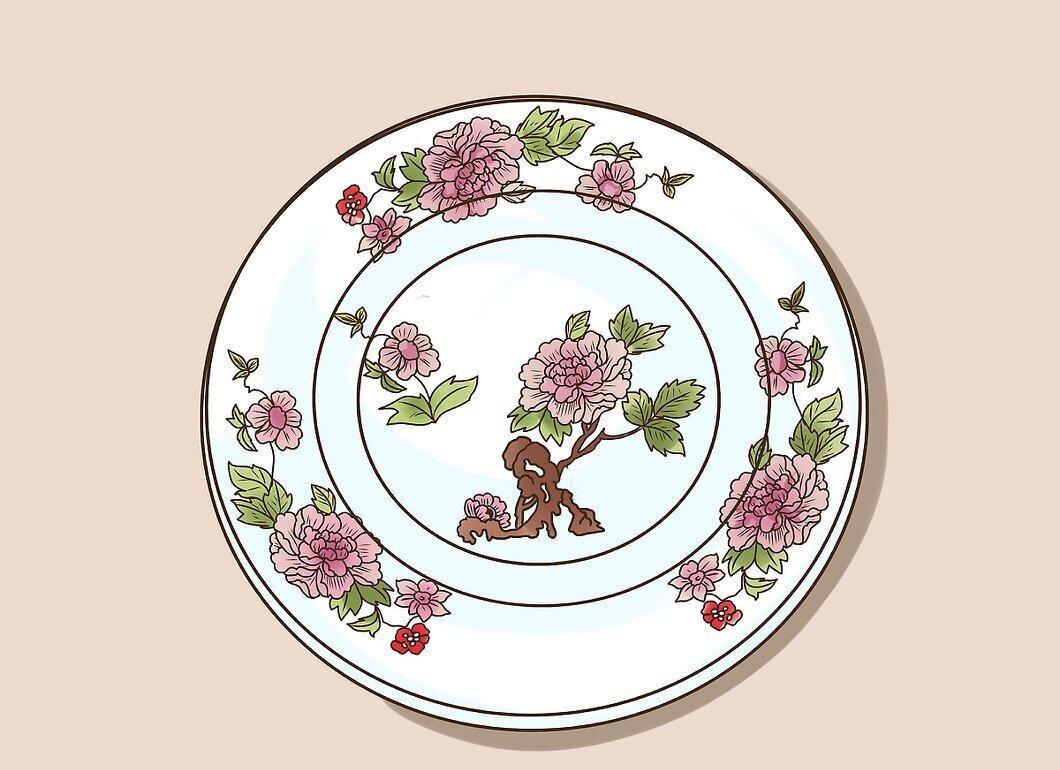
Examine the dinnerware for porcelain characteristics. Antique porcelain has specific qualities that set it apart from other types of dinnerware. Two main aspects to consider are the pattern and shape of the pieces, which have evolved over different production periods.
- Prior to the 1950s, most porcelain plates were round, with the exception of some Art Deco designs from the 1920s.
- Typically, porcelain plates come with a rim or as coupe plates without rims featuring a depression in the center. The first type has a second circle with a depression within the dish, while coupe plates have a uniform diameter.[1] Source
Step 2. Compare the patterns on your plates with examples online.
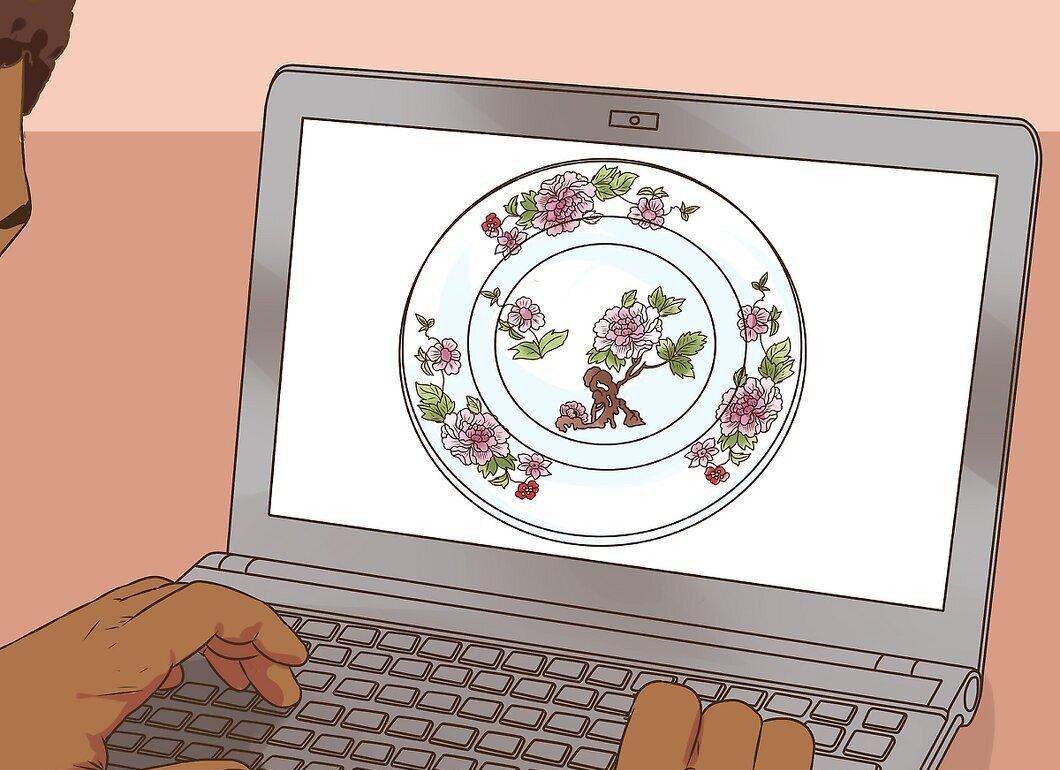
Compare the patterns on your plates with examples online. This is especially useful if you don't know the manufacturer's name, as many patterns are distinctive to certain manufacturers. Ensure that unique features like corners and artistic flora are identical.
- For example, Haviland is known for its delicate floral patterns, while Wedgwood is recognized for designs featuring portraits or scenes from ancient Greece.[2] Source
Step 3. Pay attention to common features and assess the quality of the sets.
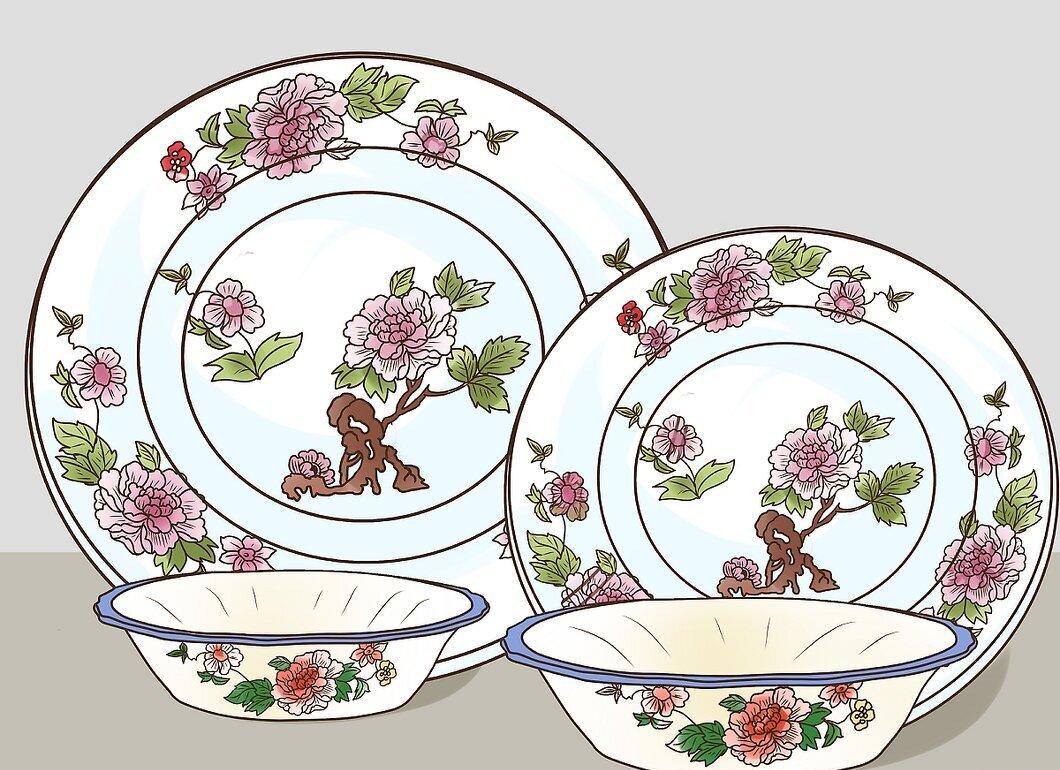
Pay attention to common features and assess the quality of the sets. Often, a complete set of dinnerware is worth more than a single item. Keep in mind that different items with similar patterns are not necessarily part of the same set. Typically, sets will have a full array of consistent features such as identical rims, corners, shapes, and patterns.
- While checking for uniformity, also assess the quality of the pieces. For example, an ideal set will maintain the same color and pattern.
- You can also determine quality by the craftsmanship of the dinnerware and the glaze. The glaze should be free of bubbles and cracks, and all pieces should be even and stable on the table.[3] Source
Step 4. Look for a mark or stamp on the underside of the dinnerware.
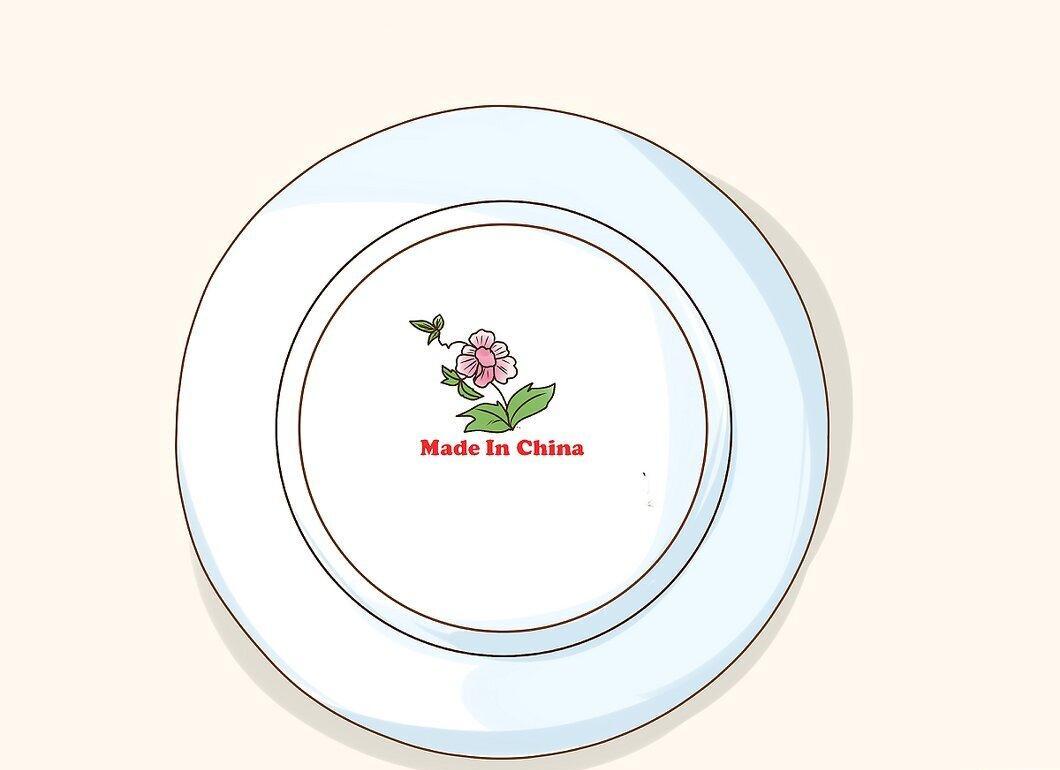
Look for a mark or stamp on the underside of the dinnerware. This is a great way to identify the manufacturer, although stamps can often fade and become illegible. If you know the manufacturer, finding an approximate value online should be straightforward.
- The mark or stamp is usually located on the underside of the pieces. Look for a mark, inscription, or imprint.
- The mark or stamp can be quite small, but it usually includes a logo, the manufacturer's name, and sometimes numbers indicating the class or date of production.
- To find an approximate value, search for an identical or very similar piece in online auctions and check its market price. Keep in mind that this estimate may differ significantly from a professional appraiser's assessment.
- If it turns out that your dinnerware has value, you should consult a professional appraiser who can determine its exact worth.
- If the mark on the back of your dinnerware is illegible, try comparing it with a clearer mark on similar pieces from printed or online antique catalogs.
Step 5. Track historical trends.
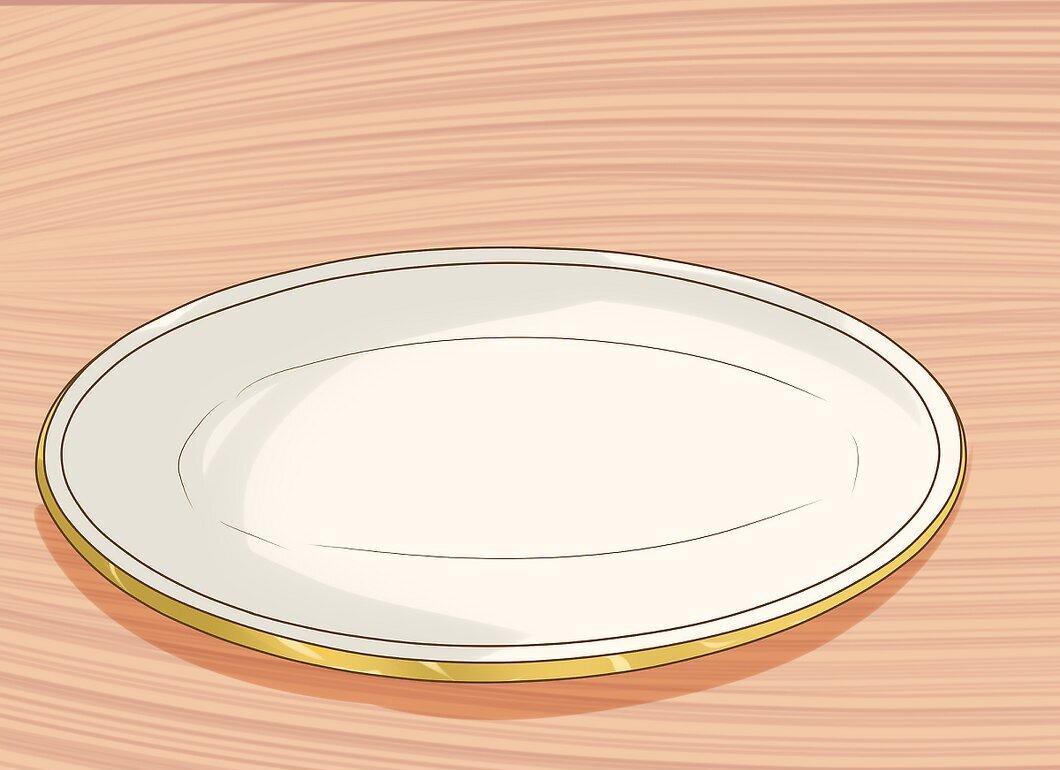
Track historical trends. Some styles of dinnerware have proven more popular than others. For example, dinnerware from the 1900s to the 1920s often features floral patterns with violet and pastel colors, along with decorative edges. Other popular features that can help you identify antiques include:
- Dinnerware from the 1920s to the 1940s is often characterized by bright colors and geometric shapes. Pastel colors, ivory-colored pieces, and light cream items with gold or silver accents were also popular during this time.
- Dinnerware from the 1940s to the 1950s typically features richer colors like red, blue, and green, with pastel colors being much less common. Plate designs without rims and more streamlined shapes gained popularity.
- Porcelain pieces from the 1950s to the 1970s with gold trim were rare because they couldn't be used in the new invention of the time—the microwave. Pastel colors returned to fashion, but they became more muted.[5] Source
Research Your Question
Step 1. Conduct online searches.
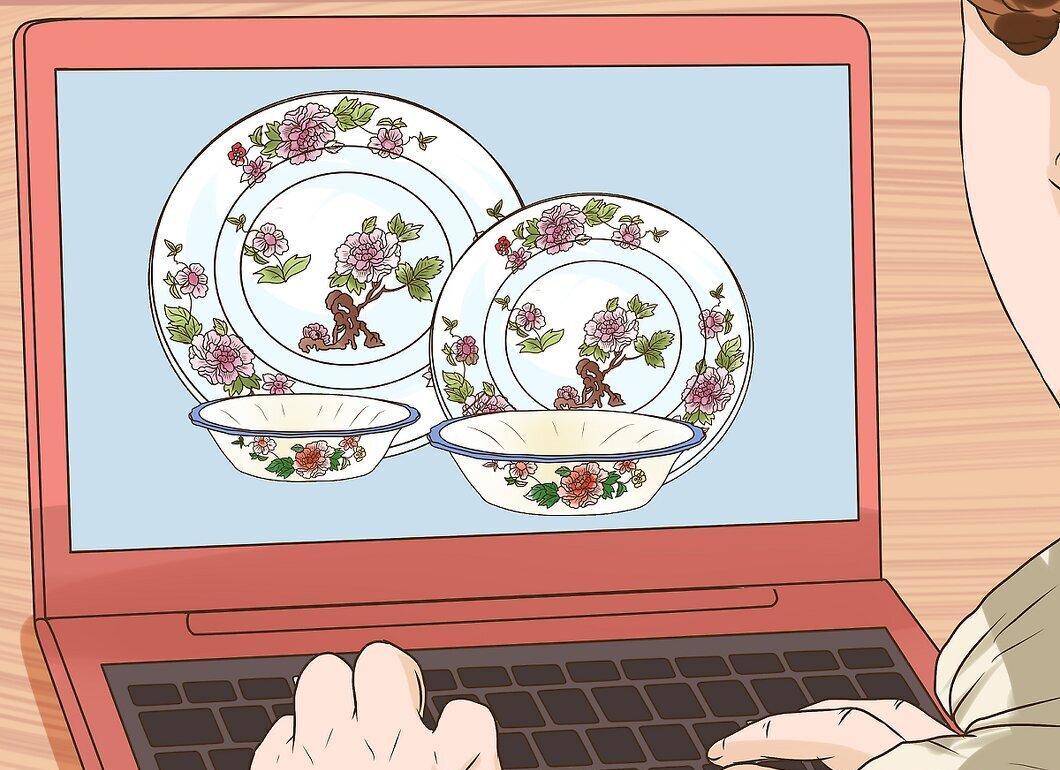
Conduct online searches. There are many websites dedicated to selling and assisting in the search for replacement pieces for porcelain dinnerware sets. Take advantage of these resources. Among other things, such sites often provide an alphabetical list of porcelain manufacturers along with images of their products.
- Online appraisal services rarely provide an exact value for your porcelain items.[6] Source The primary purpose of such services is to assist in further searches.
Step 2. Utilize reference literature at libraries and bookstores.

Utilize reference literature at libraries and bookstores. Digital images may be of low quality or small size, so it is best to visit a library or the antiques department of a bookstore. Use the reference images in books to compare with your dinnerware.
- Some libraries have entire sections dedicated to art and collectible items. This is the best place for your search.
- If your dinnerware has a mark with a specific manufacturer's name like Limoges or Wedgwood, look for books featuring collections from those manufacturers.
Step 3. Determine the approximate date of manufacture of your dinnerware.
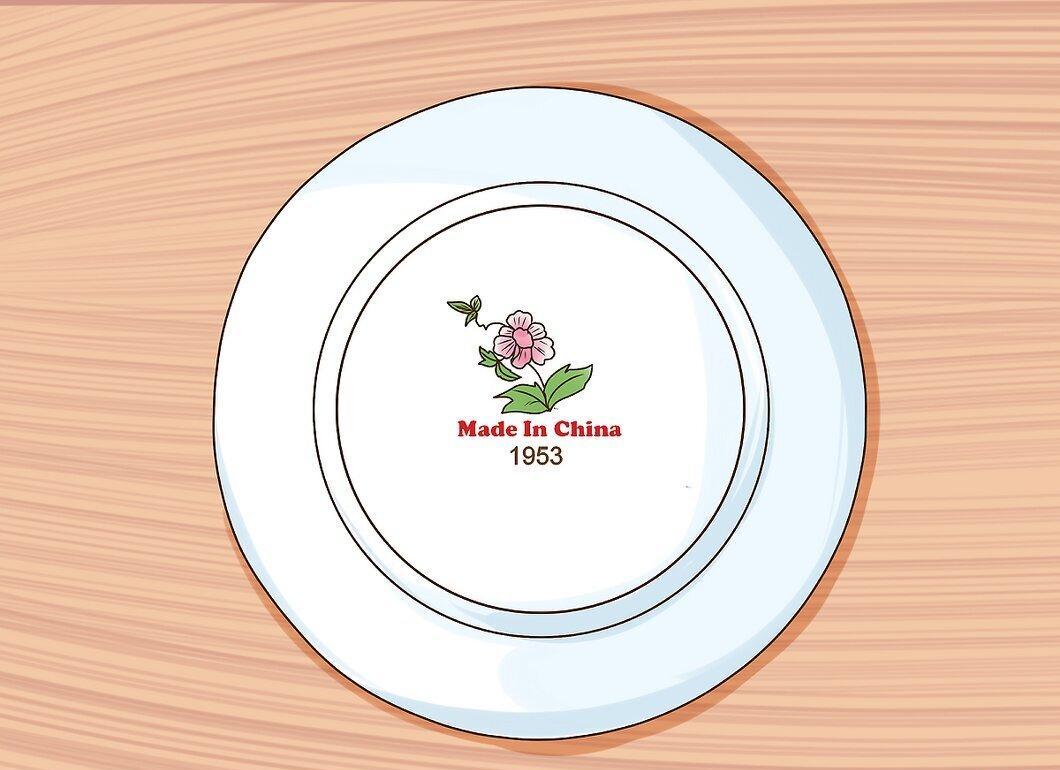
Determine the approximate date of manufacture of your dinnerware. Sometimes an item looks like it could fit into several different periods. Try to narrow down the possibilities and then match your dinnerware with samples from that period. If there are enough common features, it is likely that your pieces belong to that period.
- In some cases, the mark on the back of the dinnerware may indicate the exact date of production, which can greatly simplify your search.[7] Source
Appraise Your Dinnerware
Step 1. Preserve the original condition of unappraised items.
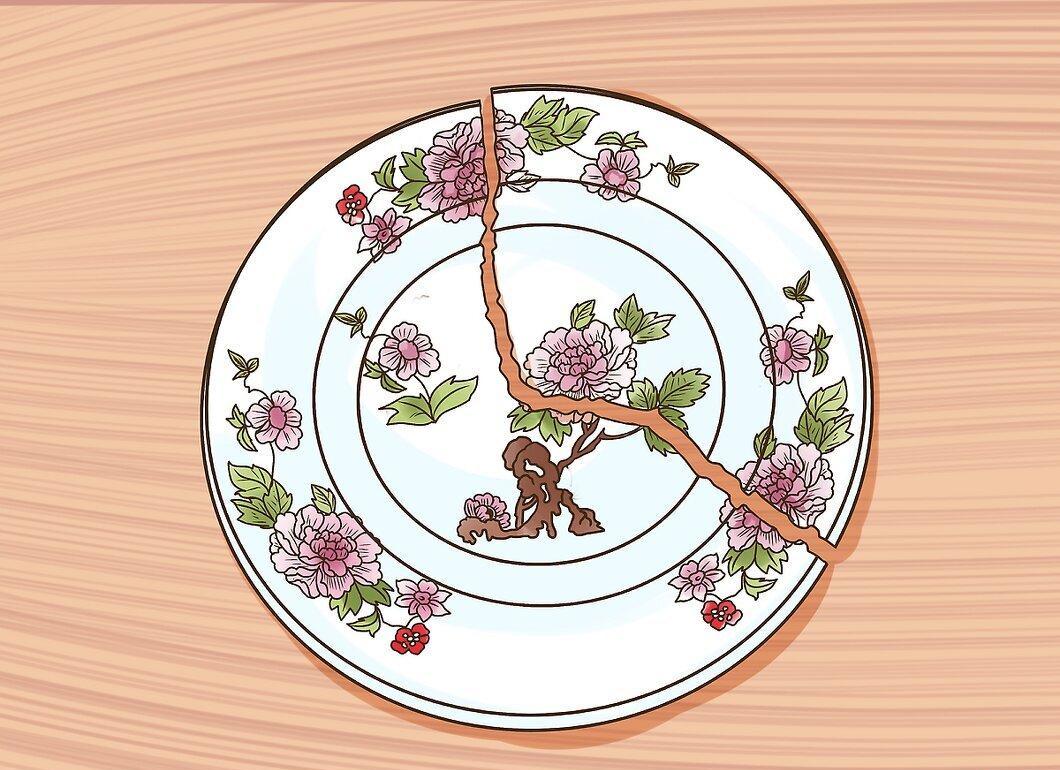
Preserve the original condition of unappraised items. If you notice a small crack or other defect, you might be tempted to quickly repair the dinnerware. It’s important to know that altering the original condition can reduce the value of the pieces.
- The value will decrease even if your actions would usually be considered an improvement.
- Never discard pieces, spare parts, or broken sections. Sometimes an appraiser can recommend a specialist who can repair the dinnerware.
Step 2. Avoid online appraisers.
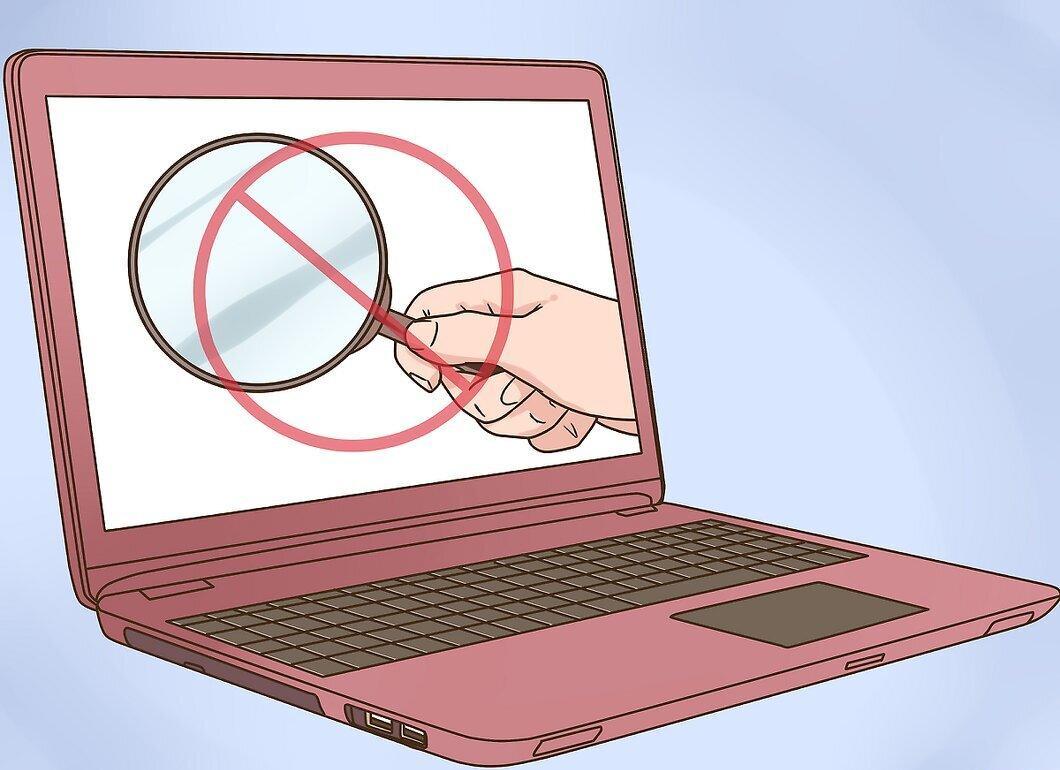
Avoid online appraisers. This is a cheap and quick way to get an appraisal, but the overall quality and attention to detail cannot compare to an in-person assessment. An appraiser needs to handle the item to assess its condition.
- If you cannot find an appraiser or the cost of such services exceeds your budget, consider contacting your bank manager or an estate attorney to find a suitable specialist.
- Also, steer clear of auction houses and dealers. They may offer you a price that is too low in hopes of purchasing the item at a bargain.[9] Source
Step 3. Hire an appraiser.

Hire an appraiser. Appraisers have different areas of expertise, so it’s a good idea to speak with several specialists first. Review the background of potential appraisers to see how long they have worked with antique dinnerware, as well as check references to avoid falling victim to scams.
- Create a shortlist of candidates and request written estimates of value and the duration of the appraisal process.
- Typically, it takes about a month to produce a written report and conduct a full appraisal of dinnerware. If the appraiser is in high demand, it may take longer.[10] Source
Step 4. Obtain confirmation of the appraisal.

Obtain confirmation of the appraisal. Typically, the confirmation comes in the form of a written report. The report usually states the reason for the appraisal, the methods used, a description of the items, and their exact value.
Step 5. Conduct re-evaluations.

Conduct re-evaluations. Over time, the value of dinnerware can change, so an old appraisal may differ significantly from a new one. Market factors, such as a large supply of similar items, can also affect the appraisal value.
- In most cases, the written portion of the appraisal should reflect the current state of the market for similar items.[12] Source