
Collecting art can be a pricey hobby. However, some astute art lovers manage to buy valuable pieces at bargain prices. Wherever you go in your quest for masterpieces, whether it's a thrift shop or a contemporary art exhibit, knowing how to assess the authenticity and value of a painting is essential. This knowledge will help you navigate the sea of forgeries and copies, ensuring you make a worthwhile purchase.
How to Find a Valuable Painting
Step 1. Look for works by renowned artists.
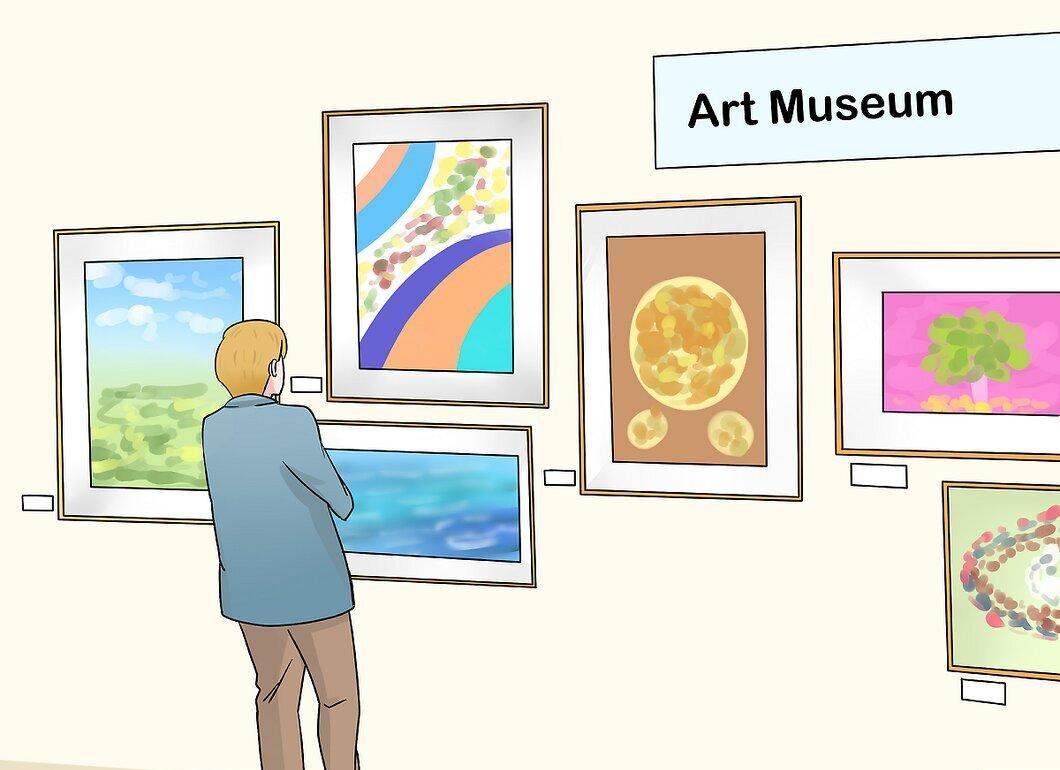
Search for works by well-known artists. For many people, the passion for art turns into a hunt for a hidden masterpiece from their favorite artist. While you may not stumble upon a lost gem by Monet or Vermeer, it’s sometimes possible to discover a piece by one of the lesser-known second-tier masters.
- Among artists whose works have been found in thrift stores are Ben Nicholson[2] X Source, Ilya Bolotovsky[3] X Source, Giovanni Battista Torriglia[4] X Source, Alexander Calder[5] X Source, and even Pablo Picasso!
- To avoid missing out on a masterpiece if you come across one, try to learn as much as possible about different artists. Visit local art galleries and museums, and utilize online resources like the Web Gallery of Art.
Step 2. Use your smartphone to search for the painting online.
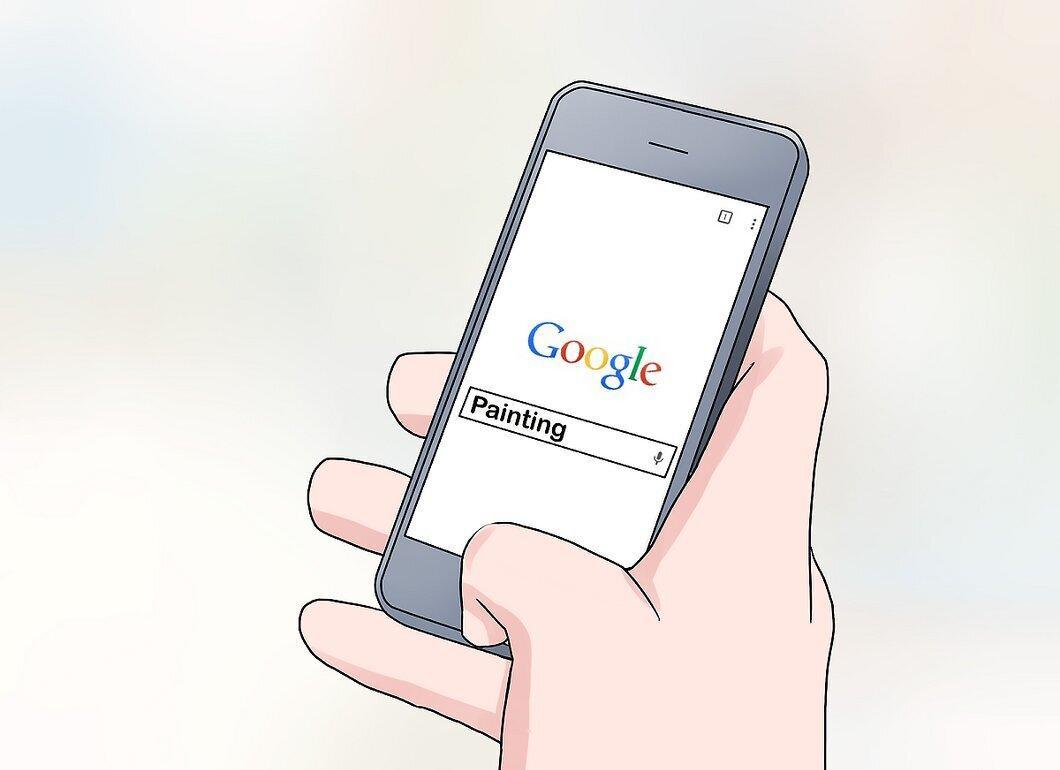
Search for the painting online using your smartphone. If you believe the artwork you found might be valuable, try searching for it using Google or another search engine. If the painting appears in the search results, you may have discovered a valuable piece.
- If you don’t know the name of the painting, you can search using keywords. For example, Thomas Gainsborough’s painting "Boy in Blue" can be searched with keywords like "painting", "boy", "blue".
- If you can take a high-resolution photo of the painting, try using image search tools like Google Reverse Image Search (https://reverse.photos). This makes the search process much easier.
Step 3. Buy limited edition prints and autographed reproductions.
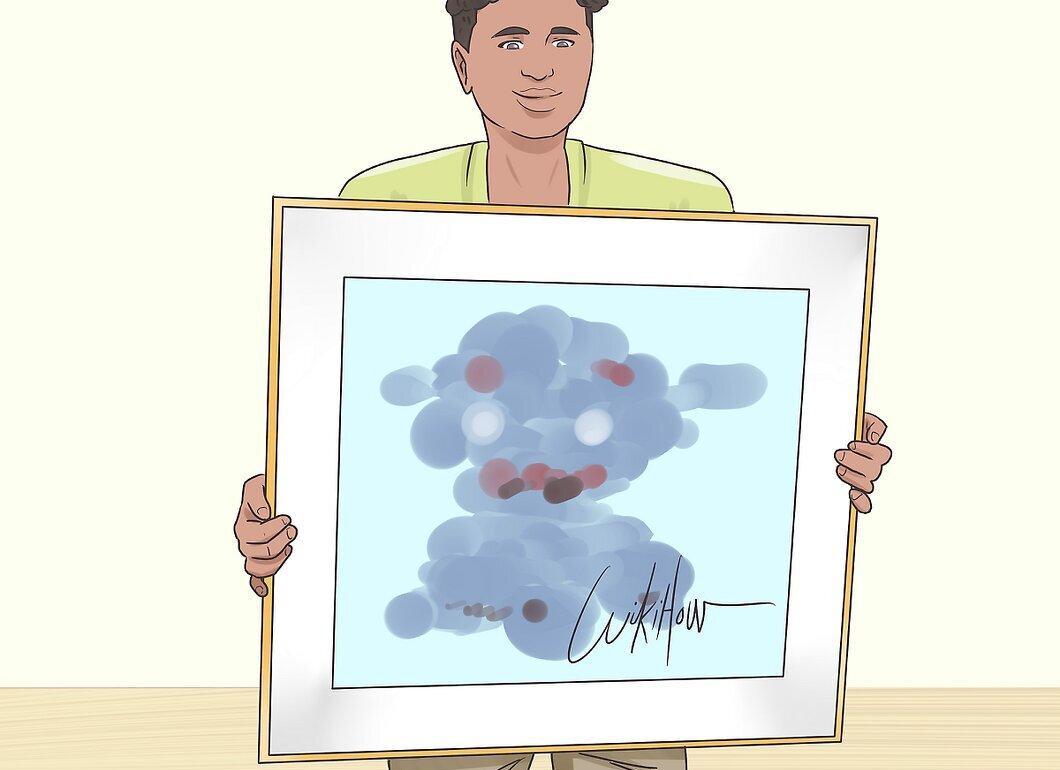
Purchase limited edition prints and reproductions with autographs. While most mass-produced graphics have little material value, there are exceptions to this rule. You might come across a print (etching, engraving, lithograph) released in a limited edition where the artist made only a few impressions, or a reproduction with the artist's autograph on the front or back of the sheet.
- Most limited edition prints are numbered: each print indicates the edition and the number of that print within the edition.
Step 4. Avoid small paintings and abstract works if you plan to resell them.
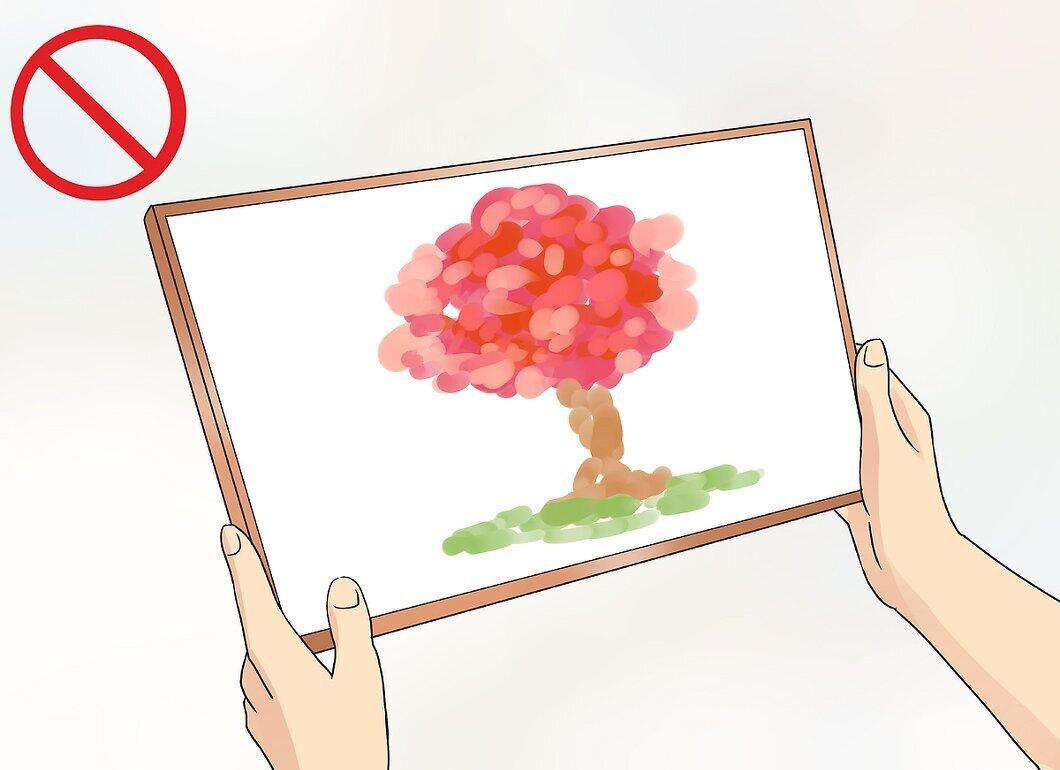
Do not buy small paintings or abstract works if you plan to resell them. Try to avoid purchasing very small works or those that are too complex and close to abstraction, unless they are by a renowned master. While these may be excellent pieces, they are less popular with the general public compared to larger traditional canvases, making them harder to sell.
- This is especially important if you plan to sell the painting online, as small and abstract pieces tend to lose their appeal in digital format.
Step 5. Choose paintings in quality frames.
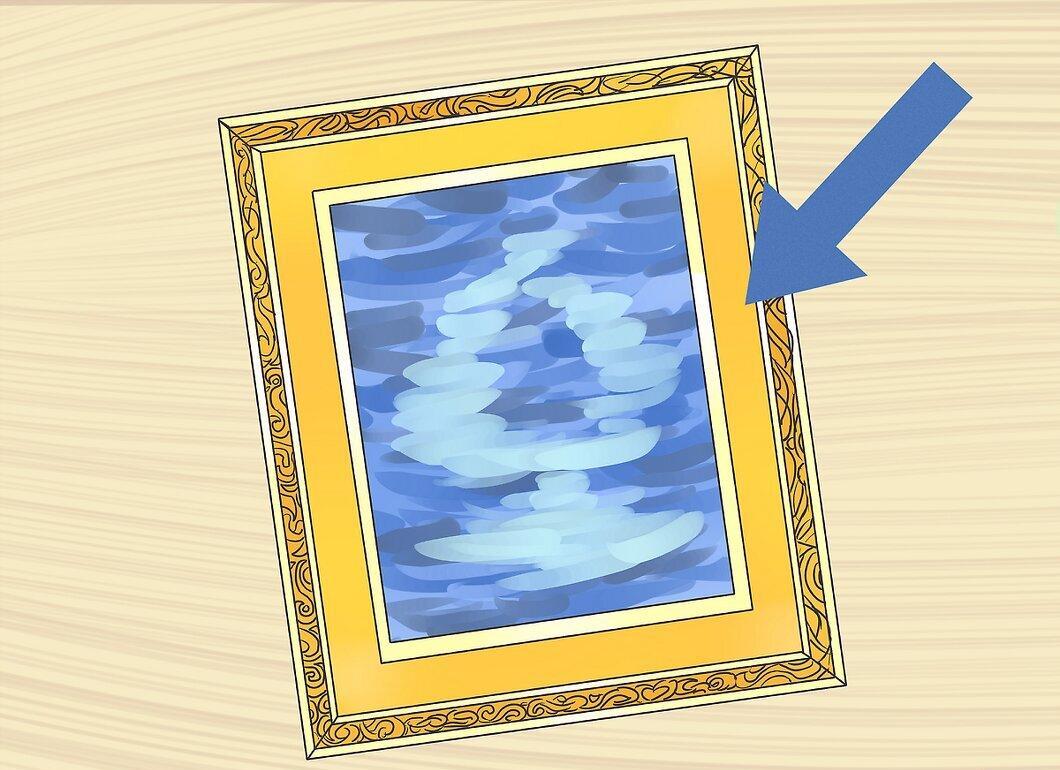
Select paintings in quality frames. Even if you conclude that the painting is not of great value, be sure to examine the frame in which it is set. The frame itself can be a work of art; an antique or skillfully crafted frame can sometimes be worth more than the painting it holds. A frame can be valuable if:
- it features hand-carved details;
- it has intricate or unique patterns;
- it includes sculptural elements and/or gilding;
- it appears very old.
How to Determine the Authenticity of a Painting
Step 1. Look for the artist's personal signature on the canvas.
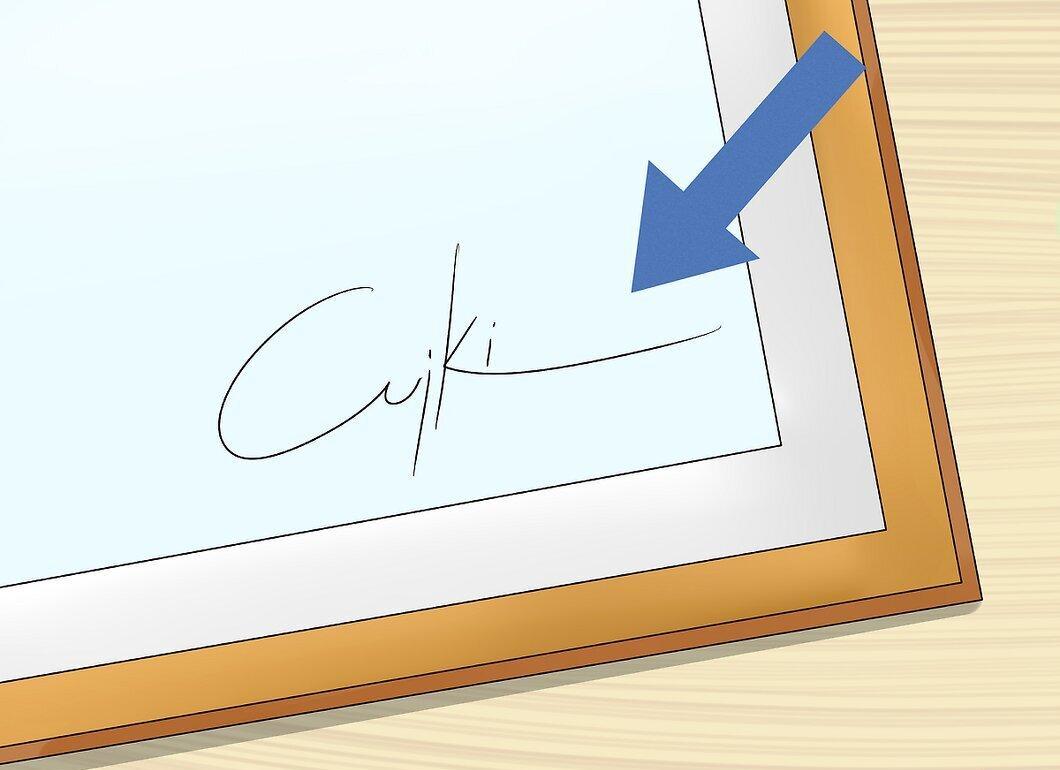
Search for the artist's personal signature on the canvas. Often, the simplest way to determine the authenticity of a painting is to find the signature of the artist on the front or back of the canvas. Pay particular attention to whether the signature is hand-painted and if paint was used. If the painting has no signature or if the signature appears flat and overly regular, there’s a high chance it’s a copy or forgery.
- If you know the name of the artist, search for their works online and compare the signature on those pieces to the one on the painting you’re interested in.
- Signatures can be easily forged, so judging authenticity solely based on the signature is not recommended.
Step 2. Use a magnifying glass to check for printing marks on the painting.
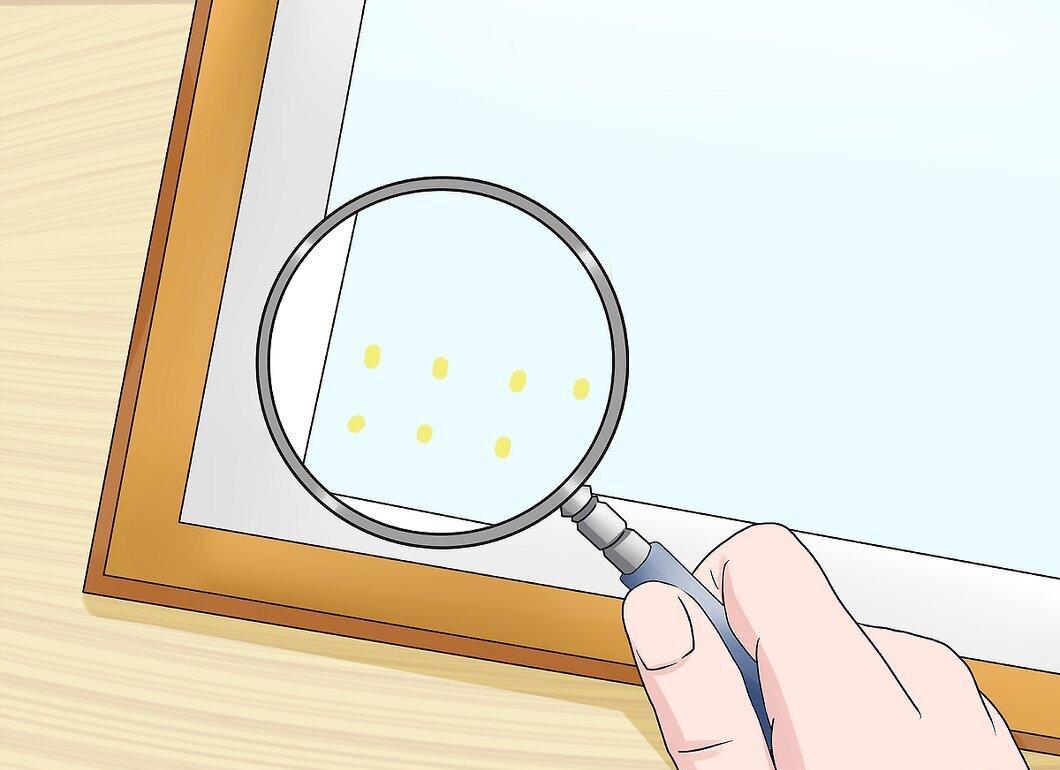
Use a magnifying glass to inspect the painting for printing marks. Before purchasing a painting, examine its surface through a magnifying glass. If you notice a grid of tiny, perfectly round dots, this indicates it is a reproduction printed on a laser printer.
- This method helps identify cheaper reproductions. However, it is not effective for spotting copies made using the “giclee” method.[11] X Source
- Paintings belonging to the pointillism movement also consist of dots. However, unlike laser printing, these dots will vary in shape and size because they are applied with a brush.
Step 3. The surface of a genuine painting should have texture.
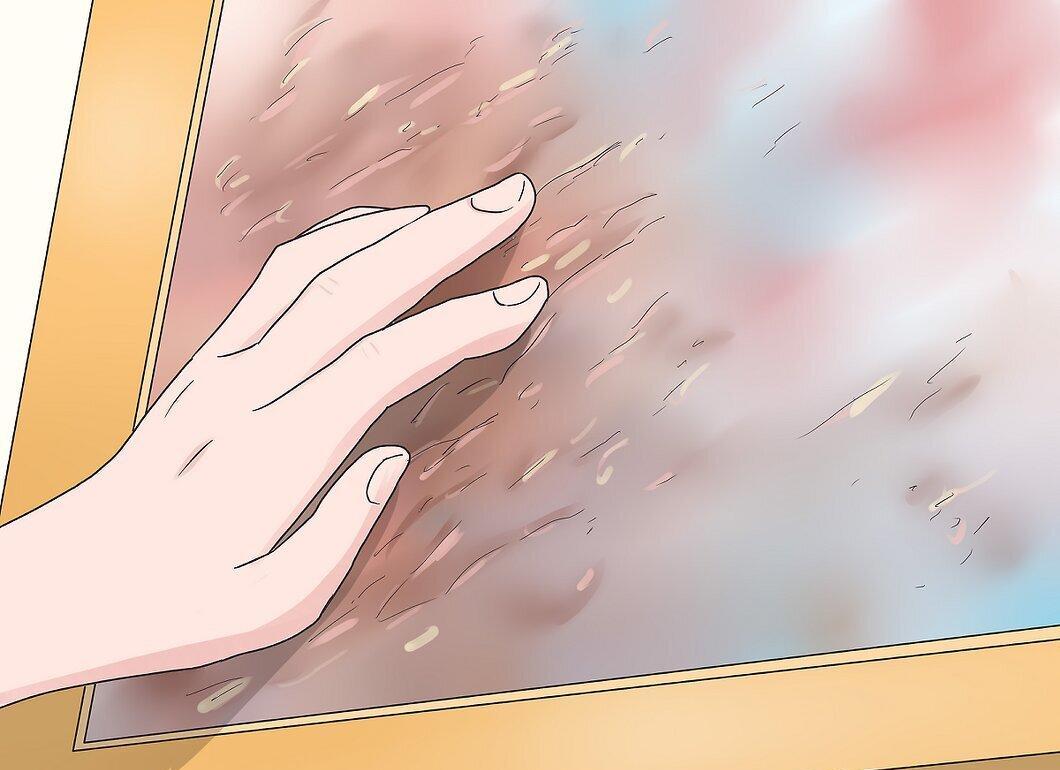
The surface of a genuine painting should have texture. To distinguish a genuine painting from a skillfully executed forgery, pay attention to the surface of the canvas. A painted canvas will show brush strokes and paint irregularities. If the surface is very smooth, it is likely a reproduction.
- If the painting shows only 1-2 prominent brush strokes, it may be a forgery disguised as an original.
Step 4. Genuine watercolor paintings should have an uneven surface.
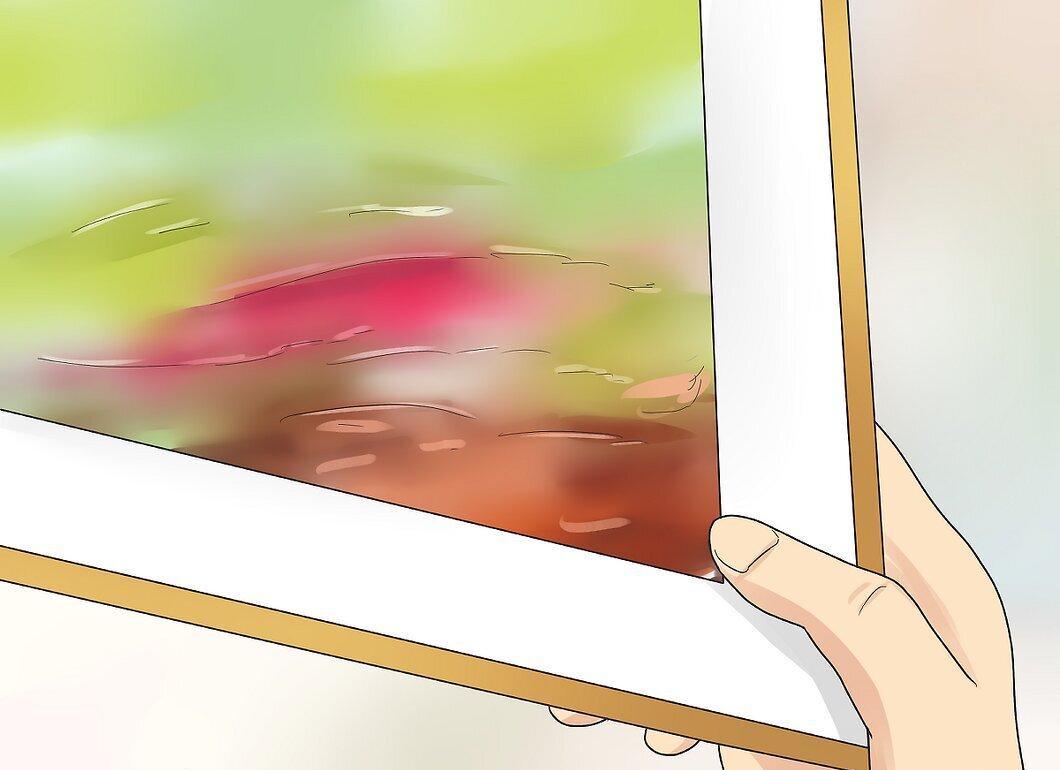
Genuine watercolor paintings should have an uneven surface. To determine if you have an authentic watercolor or a reproduction, look at the painting from an angle. If the paper around the larger brush strokes is slightly raised, you may have an original. If the paper is uniformly smooth, it’s likely a reproduction.
Step 5. The edges of genuine canvases are uneven.
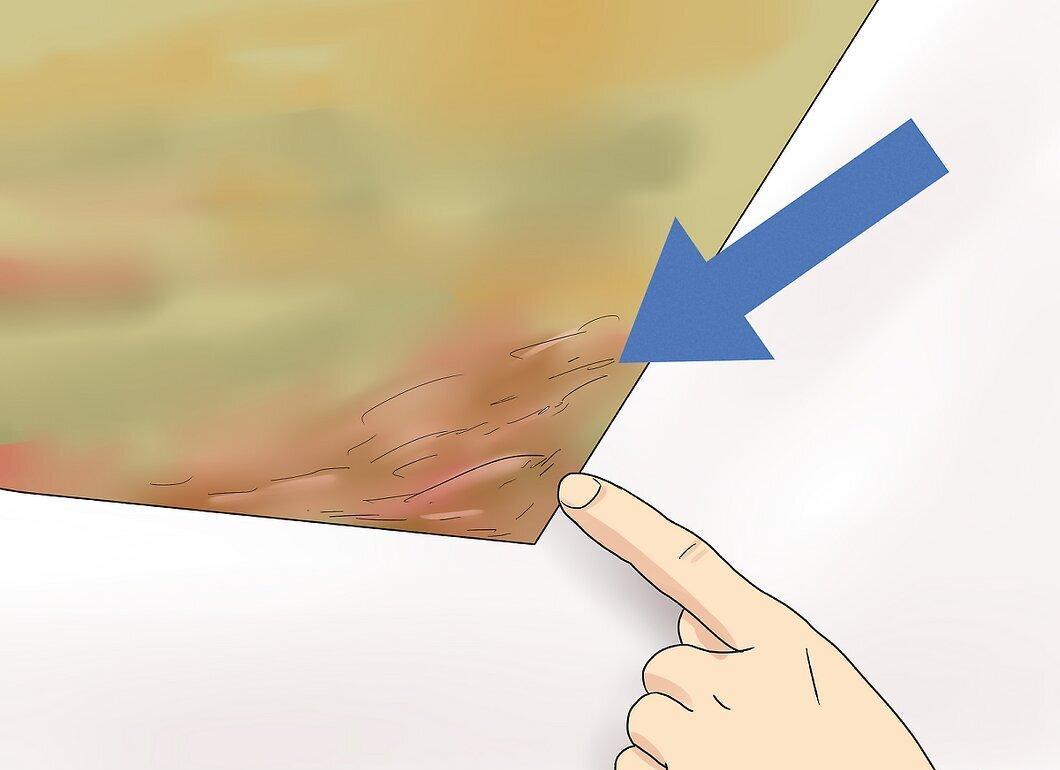
The edges of genuine canvases are uneven. Typically, artists using canvas for their works leave uneven and careless brush strokes around the edges. This part of the canvas is usually hidden behind the frame, so it is not painted as meticulously. If a painting has absolutely straight edges, it is likely a reproduction made in a factory.
Step 6. Check how old the stretcher frame looks.
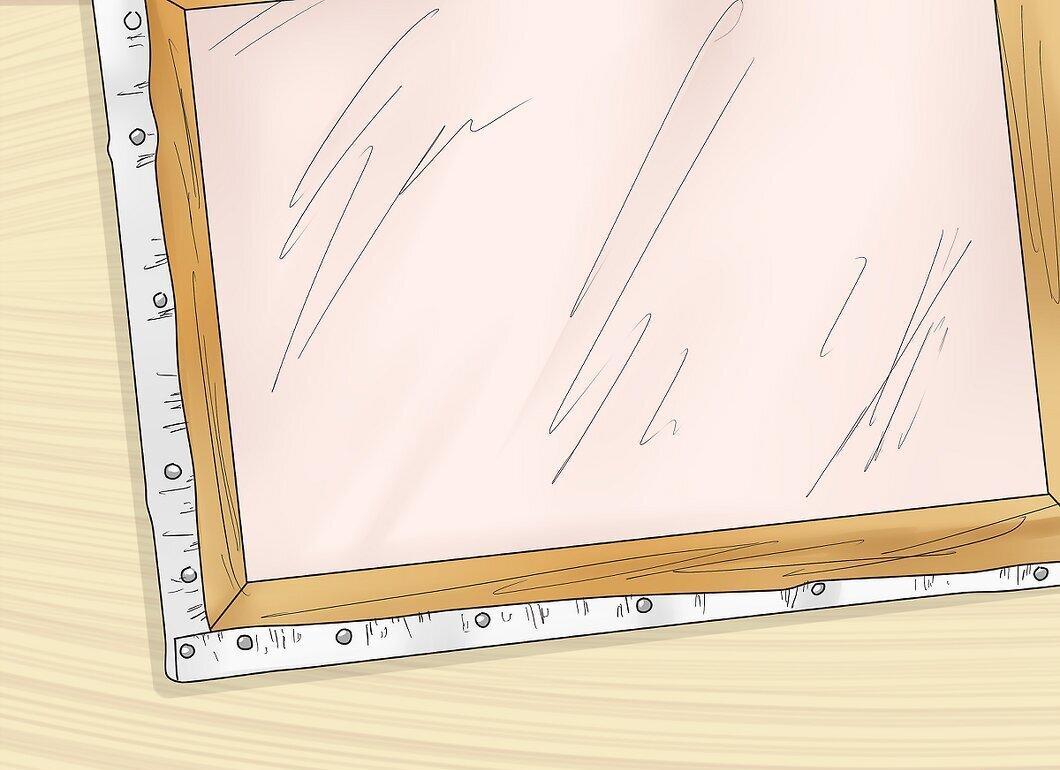
Check how old the stretcher frame looks. Often, the stretcher frame tells you more about the painting than the painting itself. A dark color, cracked and partially flaked varnish, with old wood visible underneath, suggests that you may be looking at an original.
- If the stretcher frame is mostly dark but has some bright streaks visible, it could be a genuine piece that was re-stretched at some point.
- Many old stretcher frames have crossbars in the shape of an "X" or "H" on the back. Modern canvases rarely feature such crossbars.
Step 7. Pay attention to how the painting is attached to the stretcher.
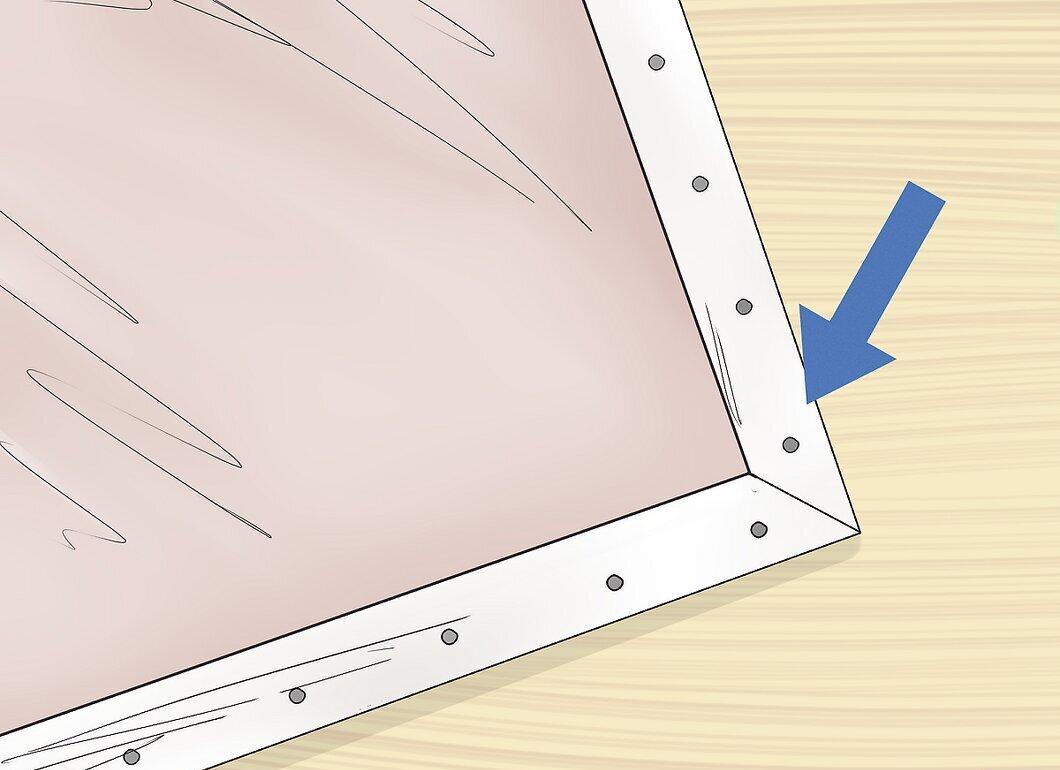
Observe how the painting is secured to the stretcher. If it’s nailed down or if you can see nail holes along the edges, the painting was likely created before the 1940s. If the painting is held with brackets, it’s likely a reproduction. This is particularly suspicious if an allegedly old canvas shows no signs of earlier fastening.