
Ethics is a philosophical discipline that analyzes and evaluates moral norms and appropriate behavior. Some believers assert that only a higher power can be the source of moral standards. However, contemporary ethical theorists do not agree with this. This does not diminish the value of religious texts as sources of moral ideas. If the ideas presented in sacred writings are indeed good, they remain so regardless of their source. Morality is based on logic. Thus, a person with strong moral principles is someone who is guided by logical thinking and an understanding of morality.
Part 1
Step 1. Acknowledge That You Have Only One Life.

Accept that you have only one life. Morality should not dictate how to live in order to gain something better in the future. Instead, morality should aim to maximize the quality of this life, both during our existence and beyond. We can imagine different moral codes with varying purposes, but it is important to remember that this life is the only one we have.
Step 2. Recognize That Morality Is Independent of Religion.
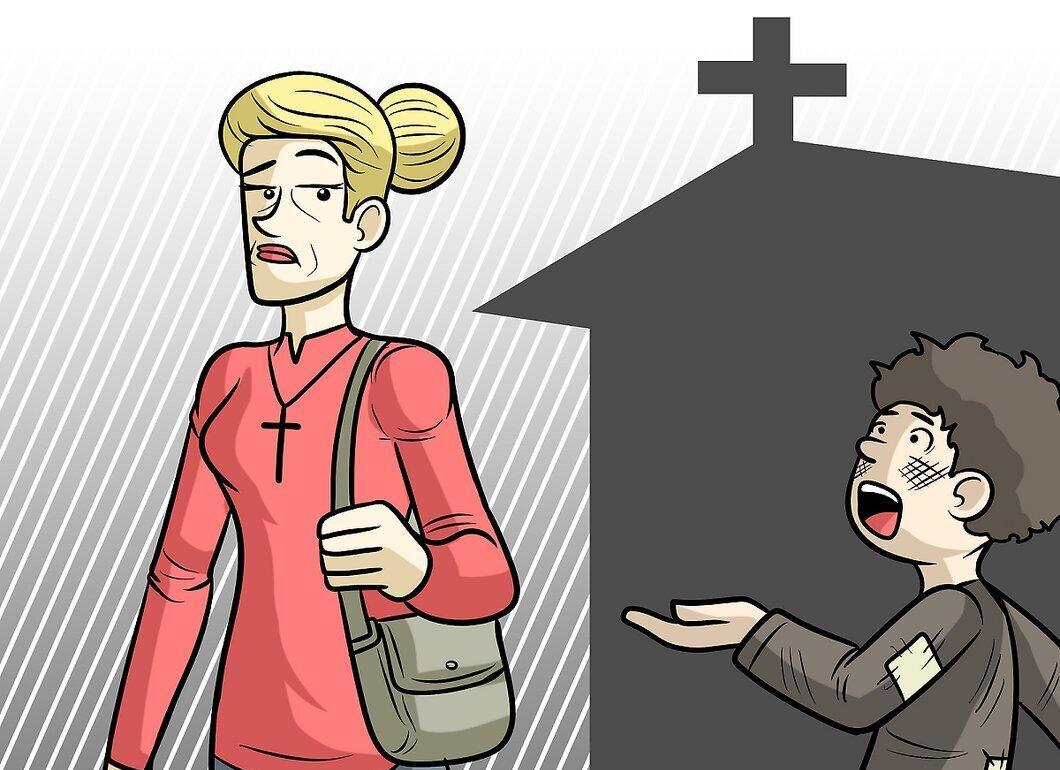
Note that morality does not arise from religious teachings. It originates from multiple sources, and the divine is not the only one. If someone today were to stone a teenager for disrespecting their parents, we would, of course, condemn this as immoral behavior, even though such punishments are prescribed in some religious texts. Since modern individuals do not adhere to these texts, they must find another way to define their moral norms. Logical reasoning is the tool from which morality is derived. Additionally, contemporary ethicists often reference Plato's dialogue "Euthyphro" to illustrate the problem of the divine source of morality.
Step 3. Explore the Biological Roots of Ethics.
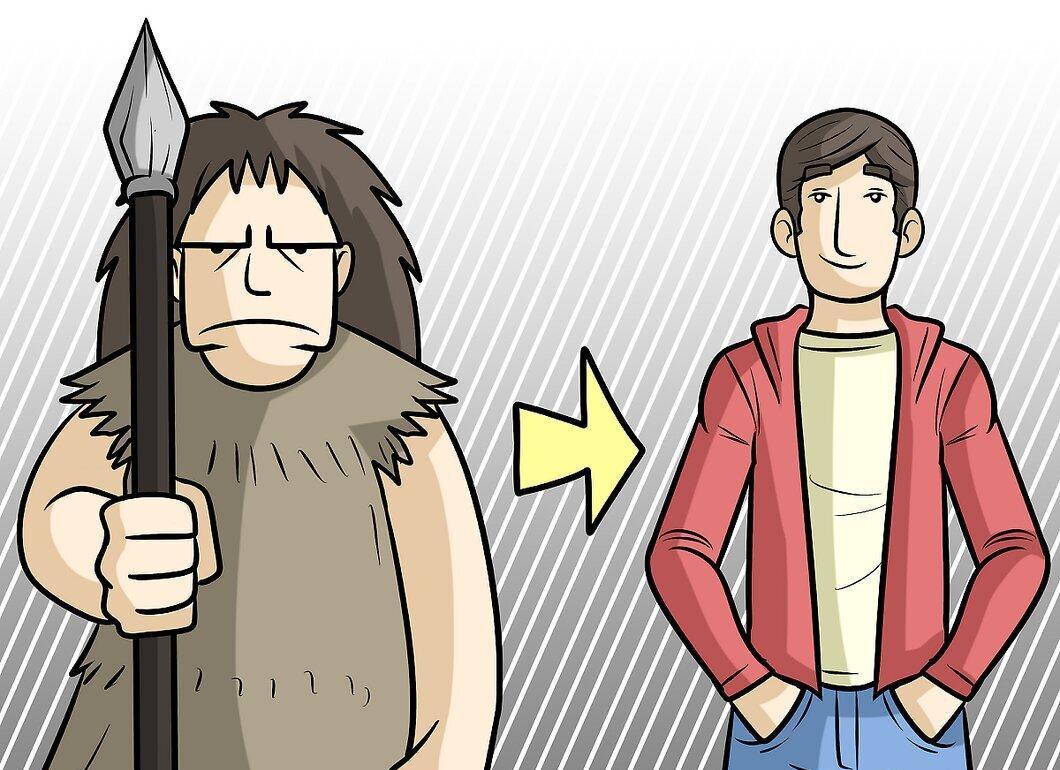
Understand the biological nature of ethical norms. Populations change when individuals with certain favorable traits leave more offspring than those without those traits. This leads to positive traits becoming more prevalent while harmful ones disappear. For much of history, humans lived in small communities where close ties among members were common. Altruism directed towards other group members strengthened the community and facilitated reproduction. Proximity in such groups allowed participants to mutually assist one another.
Step 4. Identify Your Core Moral Principles.

Consider your firmest moral principles—those you never violate. What are these principles, and why are they important to you? For most people, violence is considered unacceptable. This is a universal moral standard that exists across all cultures, irrespective of religious influence.
Step 5. Consider the Existence of Amoral Individuals.

Reflect on the existence of people who act immorally from your perspective. If evolution favors altruism, why are there cruel individuals in society whose actions do not contribute to the common good? The answer to this question is multifaceted.
- Evolution only supports the ability to reproduce. In some cases, violence may even lead to an increase in offspring numbers. For example, more than 16 million men are descendants of Genghis Khan, who, due to his power, was able to leave a large progeny.
- If behavior does not hinder reproduction, natural selection may not act strongly enough on it to eliminate it from the population. Additionally, there will always be diversity within any population. For instance, the human appendix appears to serve no significant function other than to cause inflammation.
Step 6. Pay Attention to Moral Principles You Do Not Always Follow.
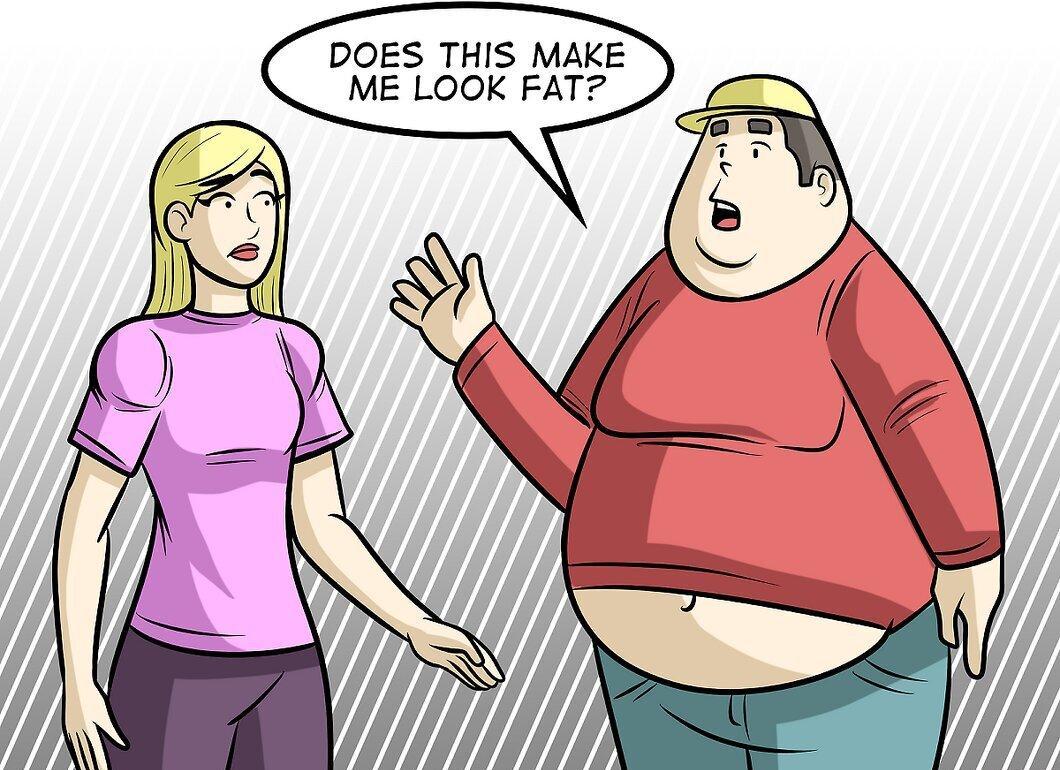
Examine the moral norms that you do not always adhere to. Most people agree that stealing is wrong. But is it justified if you need to steal to feed your family? What moral principles do you overlook? Consider lying. When can lying be considered wrong? If someone asks, "Do I look fat?" and the answer is yes, would it be wrong to deceive them? You could cause harm by telling the truth or help by concealing it.
Step 7. Study the Moral Ideas of Philosophers and Religious Thinkers.
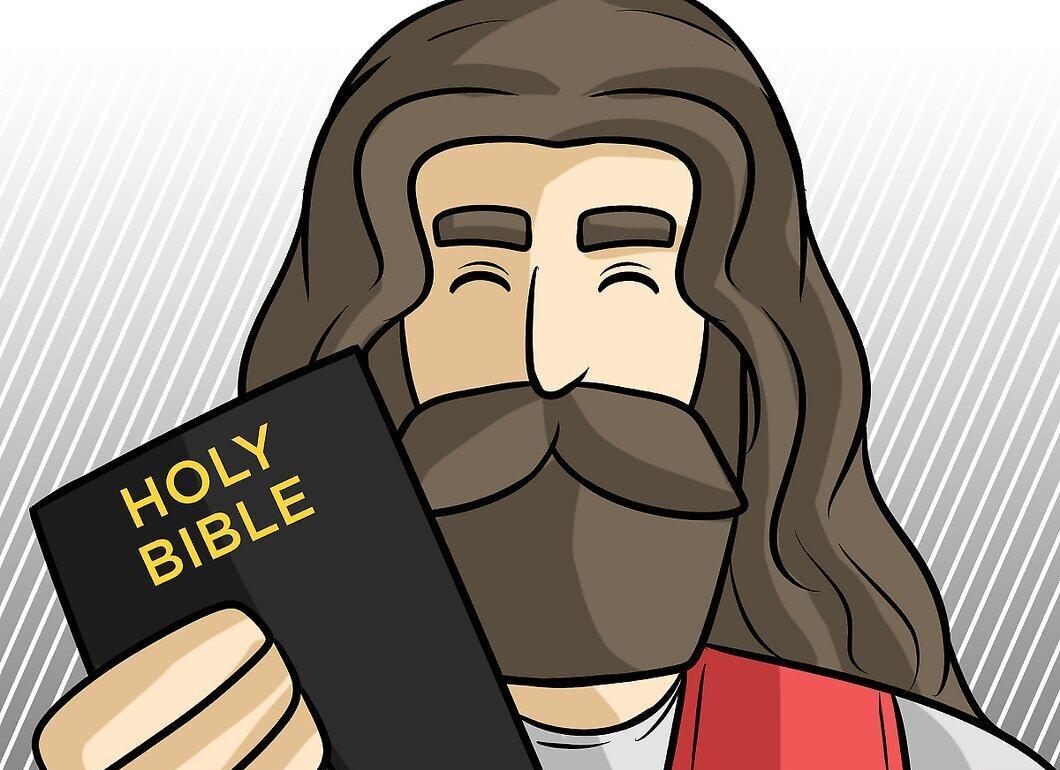
Read the works of philosophers and religious thinkers on moral issues. While you may find many ideas from religious and philosophical texts outdated, this does not diminish their value. These authors were individuals who did not claim that their ideas came from the divine, and their reflections can be beneficial outside the context of religion.
Step 8. Explore the Overlap of Ideas Across Cultures.
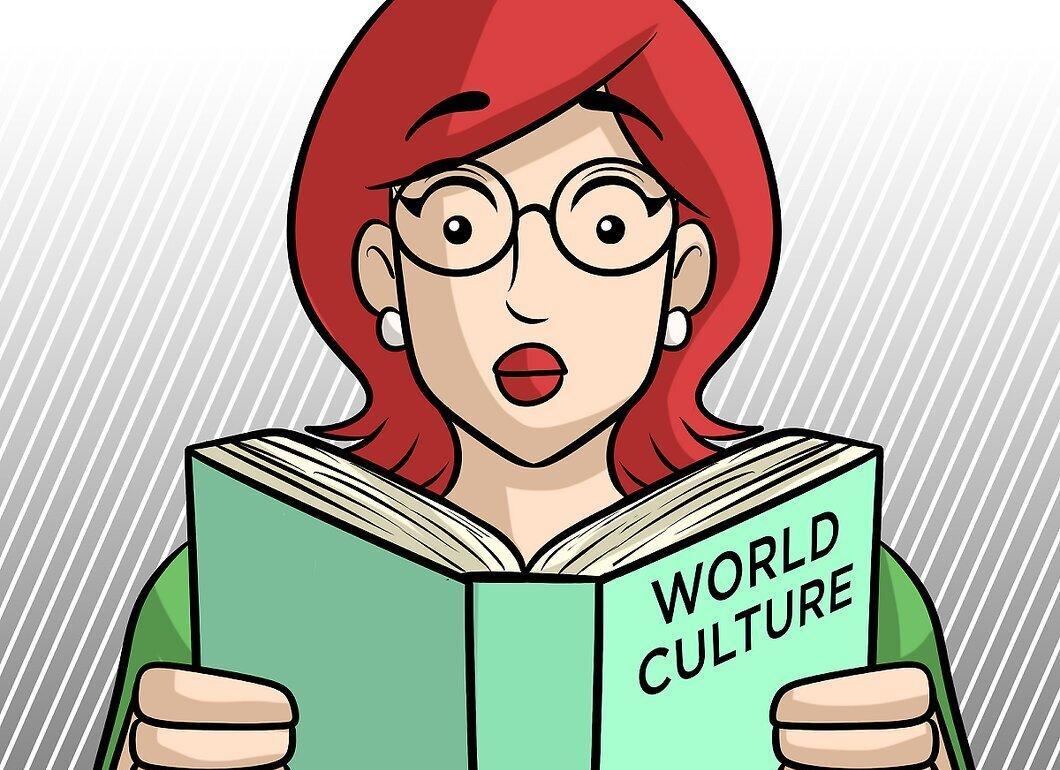
Investigate how moral ideas intersect across different cultures. Ethics may strive to create a universal set of rules that maximize happiness in society and minimize suffering (e.g., utilitarianism). Overlaps in different cultures can affirm moral principles. For instance, the Golden Rule—"Do not do unto others what you would not want done to yourself"—is found not only in Christianity but also in other ethical systems. This principle may have been a way to enhance the common good, and many researchers agree that it is very important.
Step 9. Reflect on Contemporary Ethical Issues.

Pay attention to modern ethical issues such as preventing animal cruelty, vegetarianism, and euthanasia. These ideas are new and require clear understanding for their application. Although medicine cannot cure all diseases, it can accurately identify terminal conditions that lead to suffering. It is important to ask yourself: is it acceptable to discontinue supportive therapy or provide assistance that leads to death? The answer to this question is not always straightforward.
Step 10. Aim to Build Your Ethics on Your Principles.

Try to shape your ethics based on your principles. This requires continuous study and evaluation to ensure that various perspectives and situations are incorporated into your moral code. Ethical principles should be adapted as society evolves and new ideas emerge.
Step 11. Be Aware of Your Moral Code.
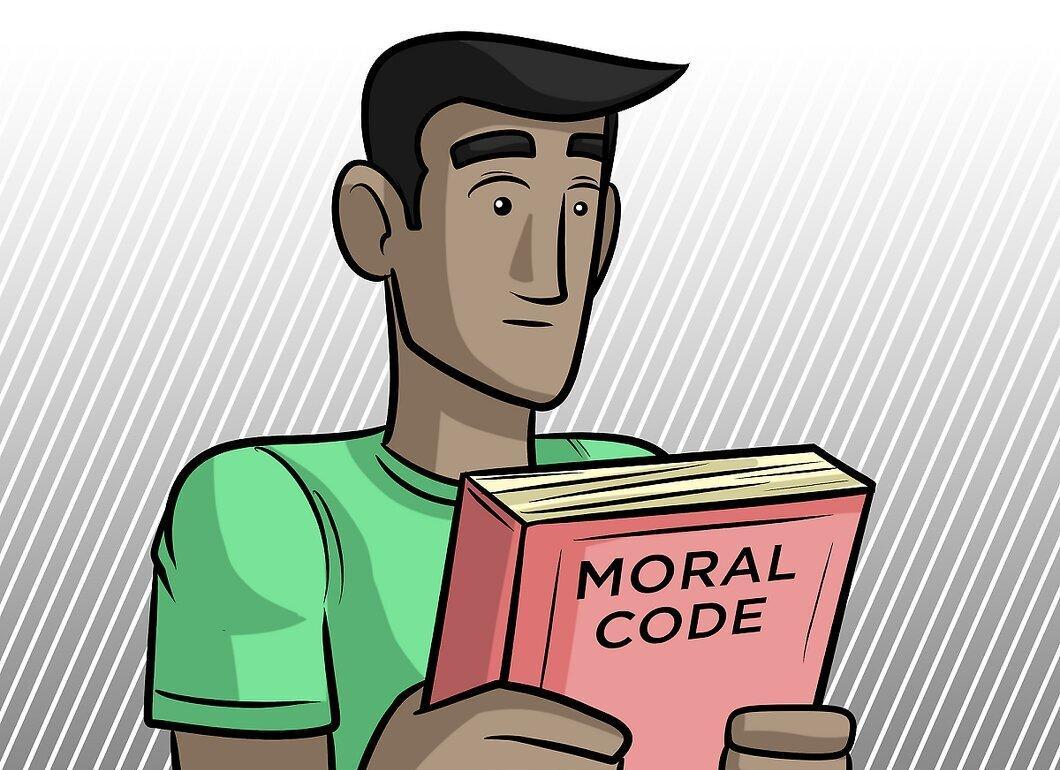
Do not remain ignorant of your moral code. Reflect on your norms and adhere to them, regardless of their content. There is no point in having multiple principles that are not followed. Also, when claiming that someone is immoral, we must understand that they simply have a different moral code, which may be equal to or lower than ours. To achieve our happiness, we need to develop a moral code that we will adhere to and clearly understand its significance.
Step 12. Acknowledge That Reason Is Our Primary Tool.
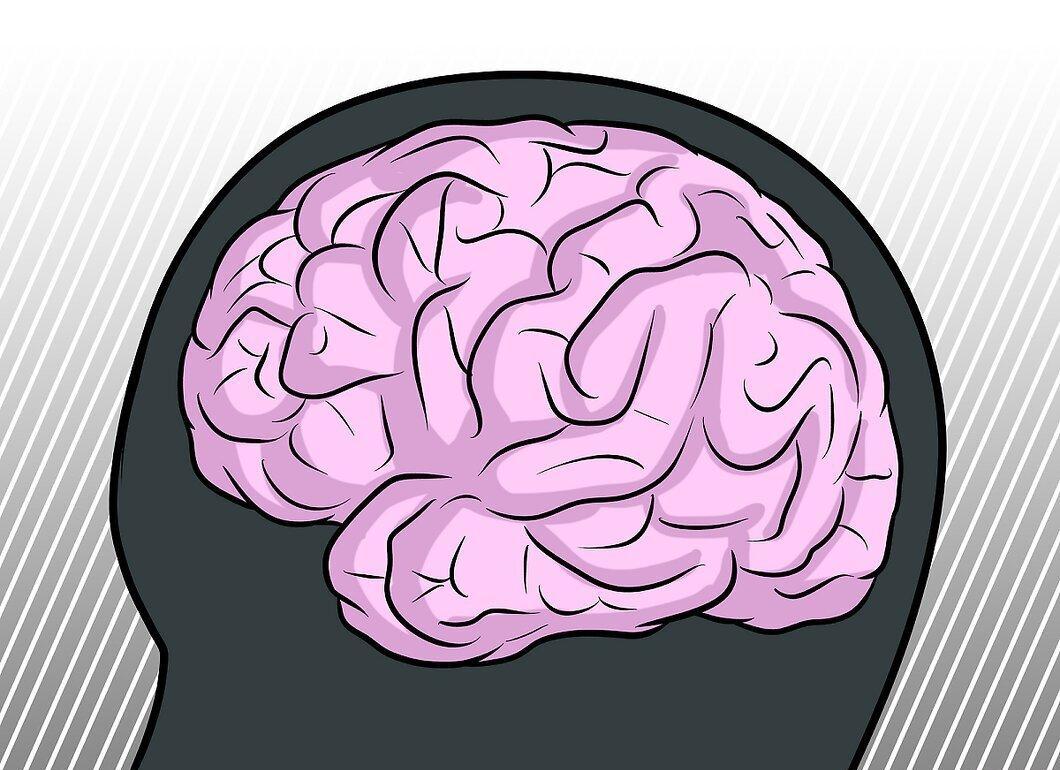
Understand that the human mind is our most powerful tool, and your logical reasoning matters. The presence or absence of a higher power does not affect your moral code if it is not superior to the one you can create yourself. In that case, an atheist could accept a divine code if it were truly perfect. But even if this code is considered divine, we must still question it in order to possibly reach even higher moral standards. If the divine code is perfect, then critiquing it only enhances its value. Do not be afraid to challenge any moral code.