If you're looking to buy a painting for personal enjoyment, choose something you love that won't break the bank. However, purchasing artwork as an investment is a whole different ball game. In this case, it's more important to know who created the piece and its provenance, meaning proof that this artist actually painted the work.
Part 1
Step 1. Do Your Homework.

Do your homework. Research the piece, familiarize yourself with other works by the artist, compare signatures, and inspect them closely. Enhancing your knowledge is crucial for evaluating a painting and understanding what to look for in determining authenticity.
Step 2. Visit a Museum and Examine the Patina.

Visit a museum and examine the patina. If you ask to see the back of the painting, the staff will help you with that. Assess the feel and appearance of older artworks. Evaluate the depth and number of layers that were needed to achieve the colors desired by the artist.
Step 3. Look at the Painting from the Front and Back.
- Assess the patina of the painting itself: the presence of dirt and dust, the saturation and brightness of colors, or the lack thereof.
- Examine the canvas. Count the threads. Is the canvas modern or ancient?
- Is there patina on the back of the canvas?
- Look for anachronisms. If an 1800s canvas is stapled, then something is off.
Step 4. Check the Patina of the Wood to Determine Its Age.
Check the patina of the wood to determine its age. Determine how the frame is constructed, what nails and fasteners were used.
Step 5. Look for Brush Hairs.
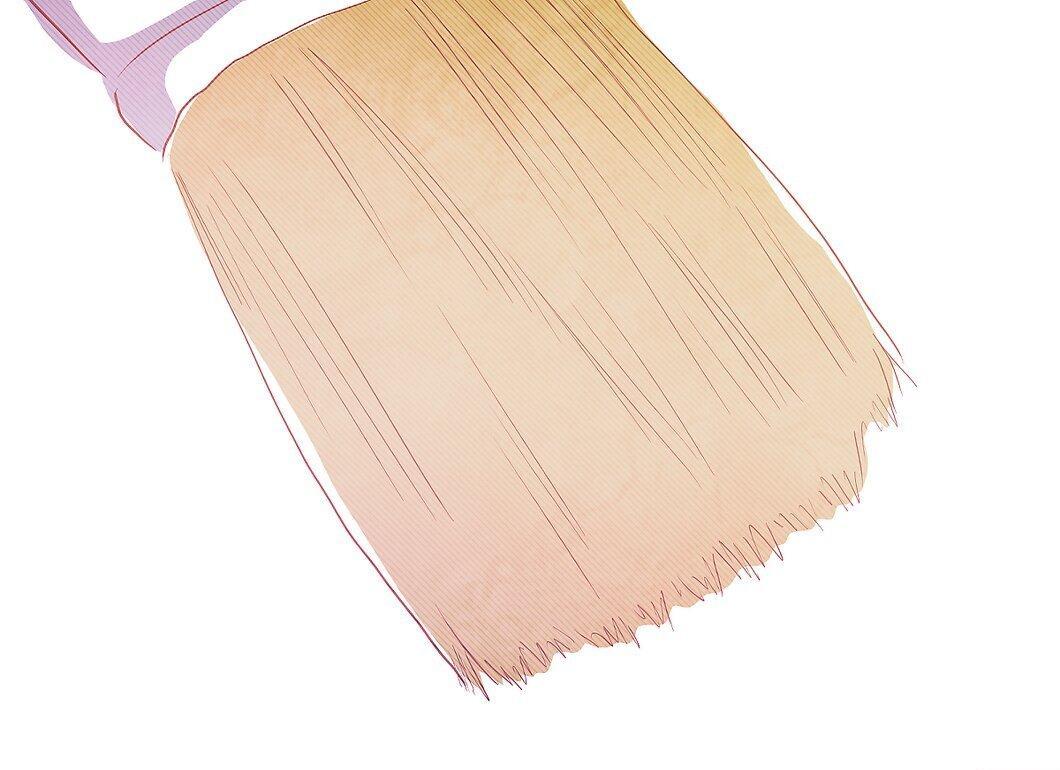
Look for brush hairs. Copies of paintings sometimes have hairs left from cheap brushes on the canvas itself.
Step 6. Use Your Sense of Smell.

Use your sense of smell. If you can get close to the painting, give it a sniff. Paint takes a long time to dry, and it can take years for a painting to lose its smell completely.
Step 7. Determine What Feelings the Painting Evokes in You.

Assess what feelings the painting evokes in you. Analyze everything as a whole. For example, many forgeries lack sufficient color depth and layers. While it’s easy to photocopy a piece, it is impossible to replicate the layers of paint in a painting.
Step 8. Everything Should Match.

Everything should match. Check if all elements of the painting are cohesive—such as the frame and the canvas, and patina is difficult to forge.
Step 9. Get an Appraisal.
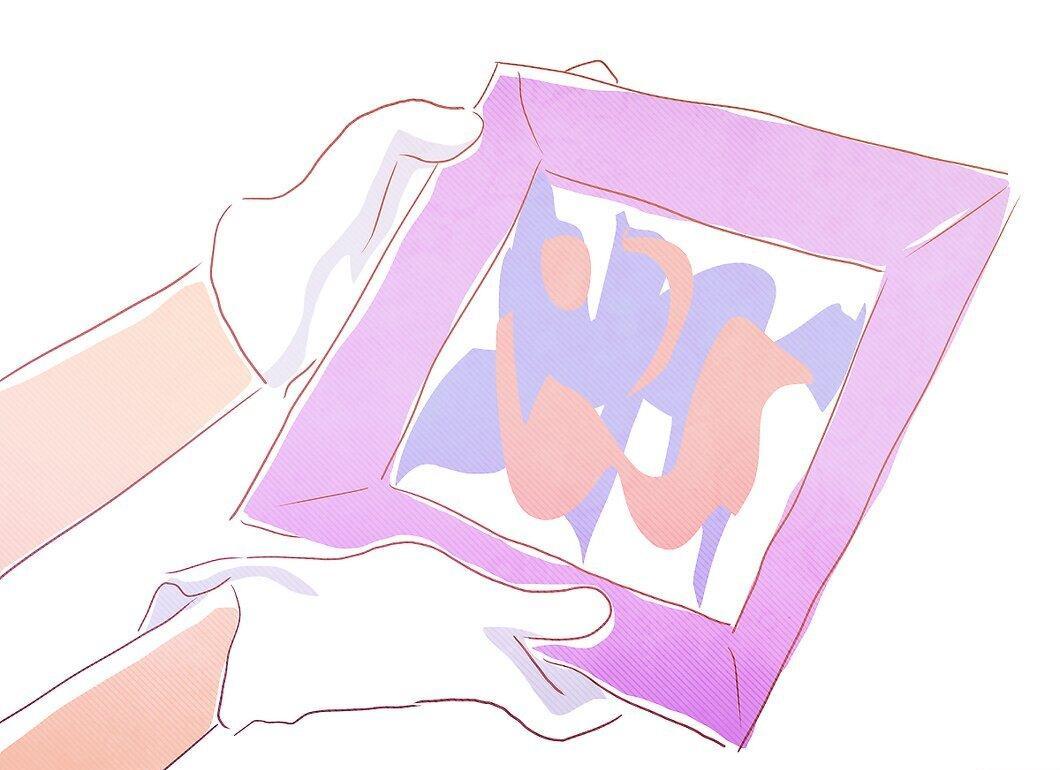
Get an appraisal. If you really like a piece, it's essential to bring in a third party who can impartially assess the painting. How can you ensure that the appraiser is trustworthy? They should have certification from one or more professional art appraisal associations and experience with the specific artist. Ideally, they should not be a dealer or broker of art. An example is http://www.bernardewell.com, an expert on Salvador Dalí, whose works are often copied. Research how paintings by this artist are sold—at which auction houses, their typical sizes, when they sell, and which agent is involved?
Step 10. Be Aware That Some Dealers, Particularly Those on Cruise Ships, May Try to Rip Off Buyers by Selling Paintings at Inflated Prices.
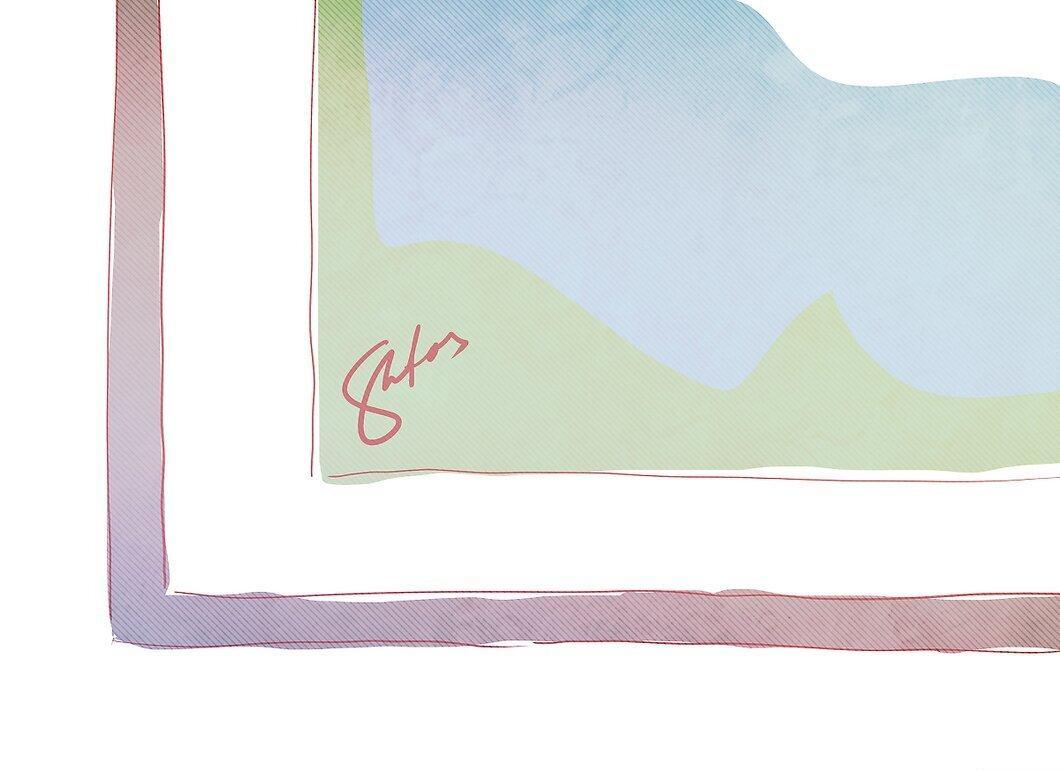
Be aware that some dealers, particularly those on cruise ships, may try to rip off buyers by selling paintings at inflated prices. Always look for a signature and number—they should always be present. Paintings without a signature are of little interest because many copies can be made.
Step 11. Investigate the Gallery.
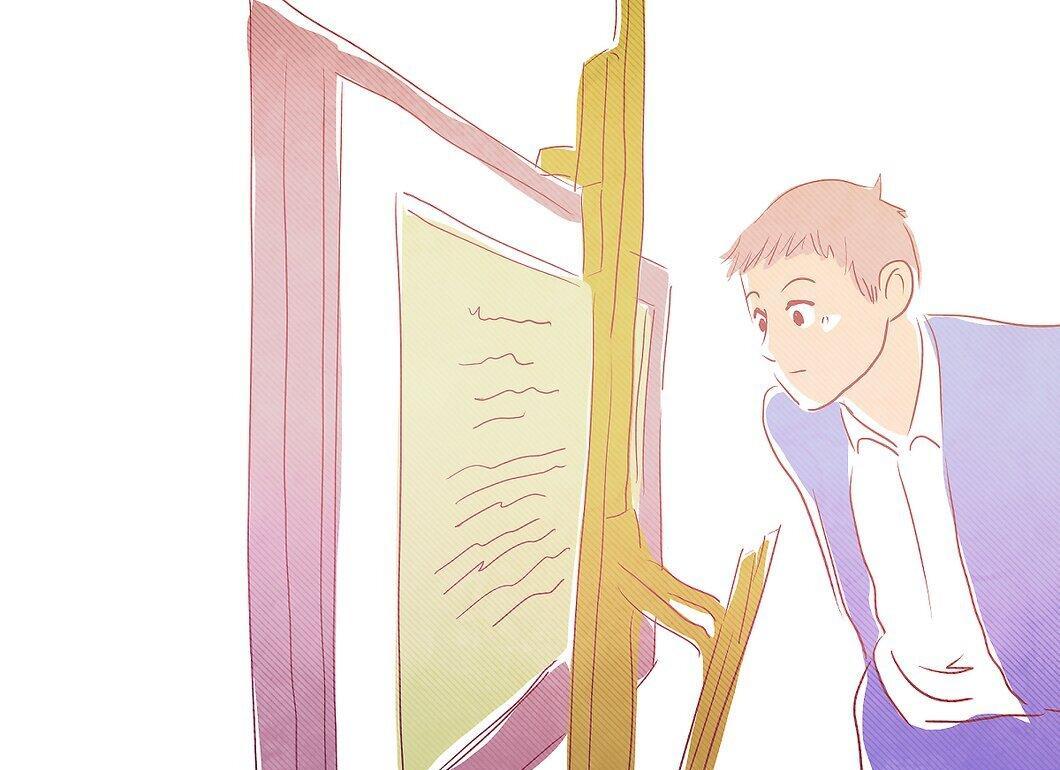
Investigate the gallery. Many pieces will have gallery stickers or information on the back. Research the gallery to confirm this. In some cases, the frame and canvas should show signs of wear. Wooden edges cannot remain as sharp after 50 or 100 years; the frame itself should have dried out. Check the artist's reputation. Be aware that some artists have signed blank sheets, which were later copied onto paintings. This is a red flag, and such pieces tend to have lower value. Salvador Dalí was known to have done this on occasion.
Step 12. Beware of Scams Where a Painting Lacks a Signature, but There Is One in Accompanying Documentation.
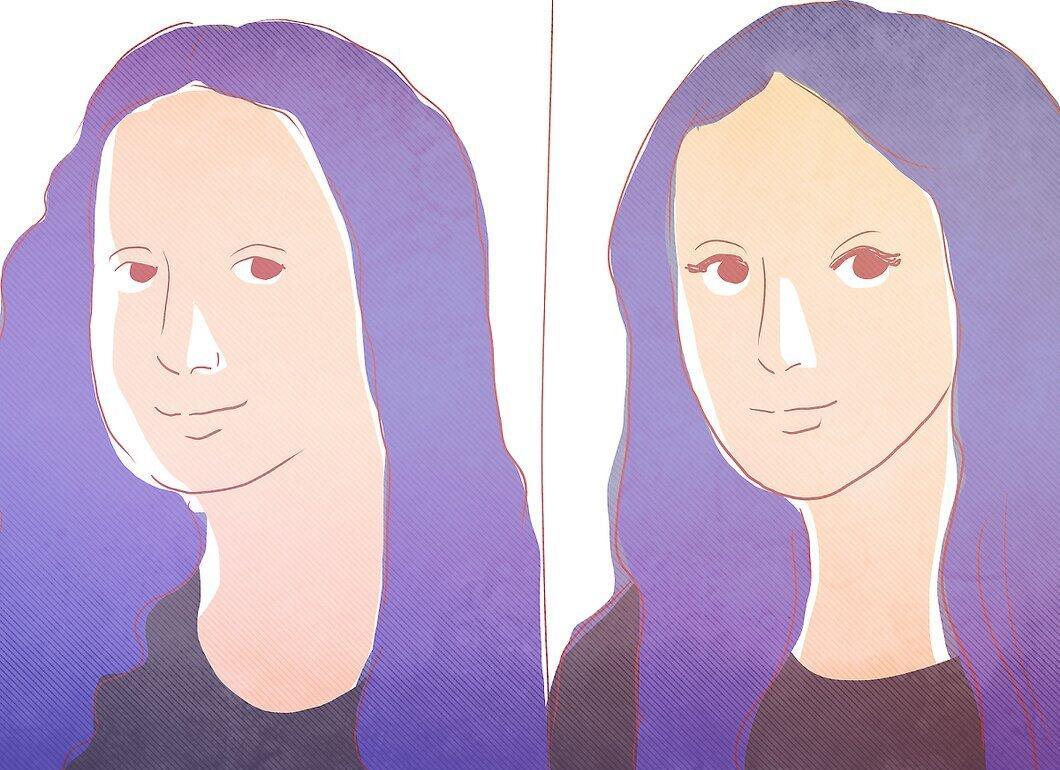
Beware of scams where a painting lacks a signature, but there is one in accompanying documentation. This practice is nonsensical because that signature could have simply been copied.