When the water in your hot tub becomes overly alkaline, the pH level rises, leading to a decline in water quality. In this case, it's likely that the total alkalinity of the water has also peaked. To lower the alkalinity, you'll need to add a specialized pool acid to the water, which can reduce both the pH level and the total alkalinity.
Checking Water Condition
Step 1. Understand the Relationship Between pH and Total Alkalinity
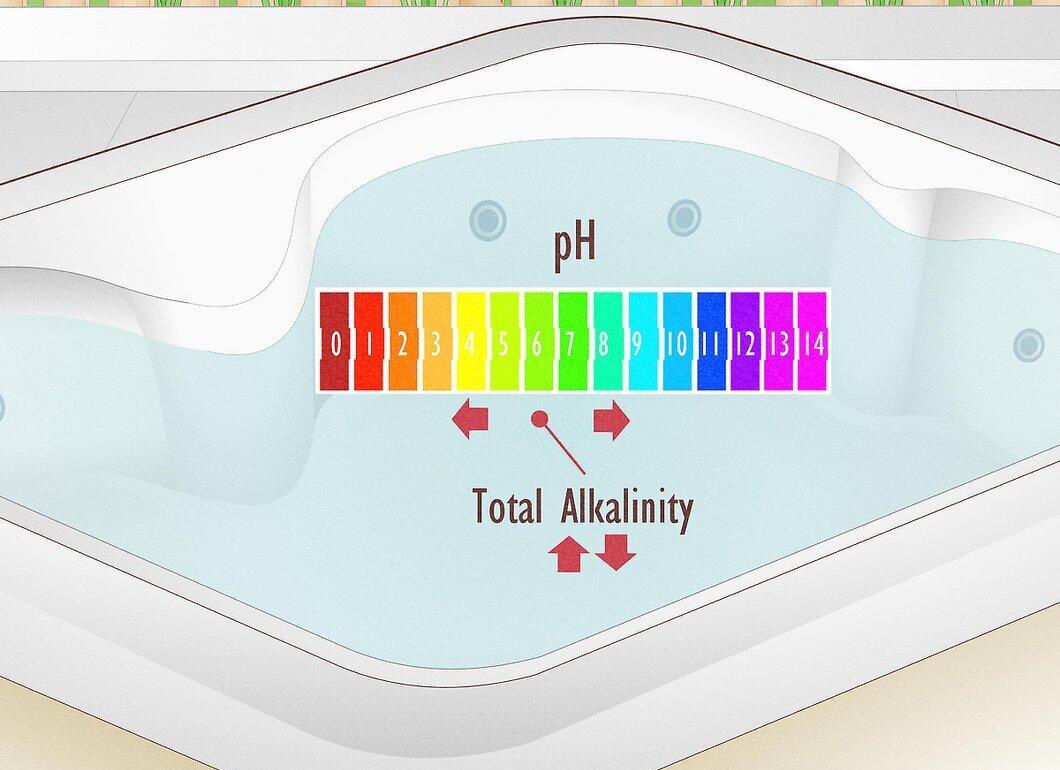
Understanding how pH relates to total alkalinity is crucial. The pH level of the water indicates its acidity, while total alkalinity refers to the water's ability to maintain its alkaline nature and resist pH changes.
- Specifically, pH reflects the concentration of hydrogen ions. A reduction in these ions leads to an increase in pH.
- Total alkalinity is better described as the "buffering capacity" of the water.
- If alkalinity becomes too low or too high, it will soon affect the pH level.
- Since these parameters are interconnected, you will often need to adjust them simultaneously.
Step 2. Identify Signs of High Alkalinity and pH
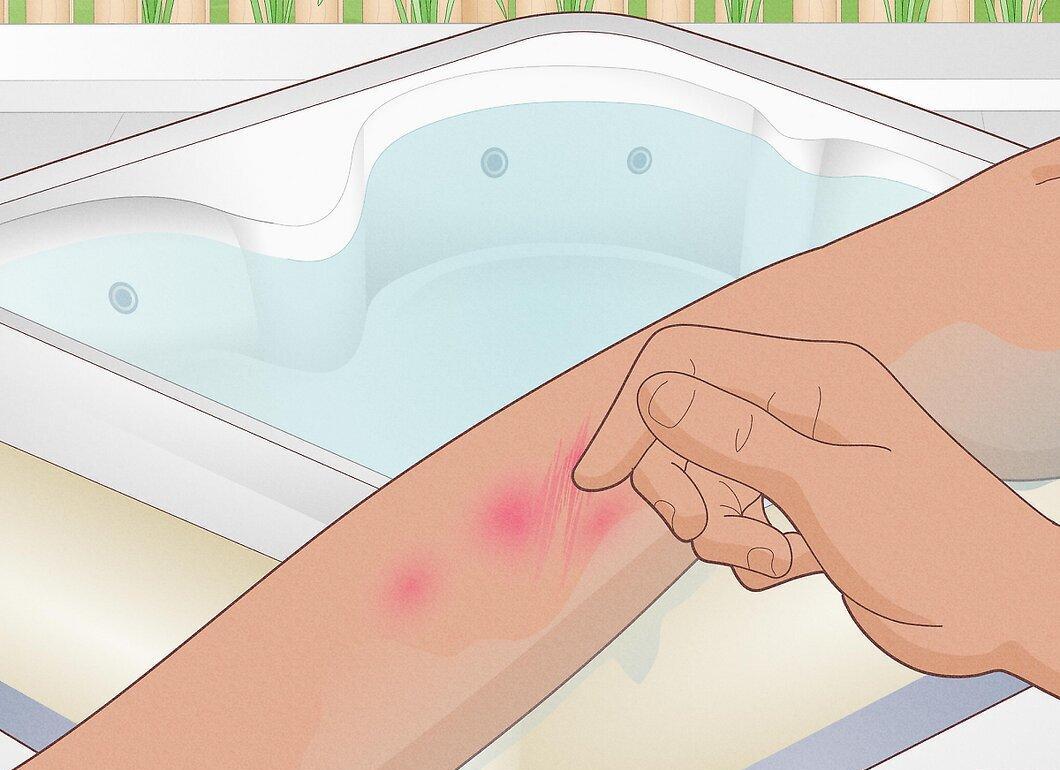
Watch for signs indicating high alkalinity and pH levels. This is usually noticeable based on the condition of the water in the hot tub.
- When alkalinity and pH are too high, the effectiveness of chlorine disinfectants decreases, resulting in poor water quality and problems like scale buildup.
- Signs of high alkalinity include deposits on the walls and bottom, cloudy water, skin and eye irritation, as well as poor sanitation conditions.[1] X Source
- High pH levels also lead to poor sanitation, cloudy water, and irritation, which can reduce the lifespan of your hot tub filter.
- Be aware that if you notice rust or damaged plaster, it may indicate low pH and alkalinity levels. Rapid fluctuations in pH can also signify high alkalinity.
Step 3. Test the Total Alkalinity of the Water
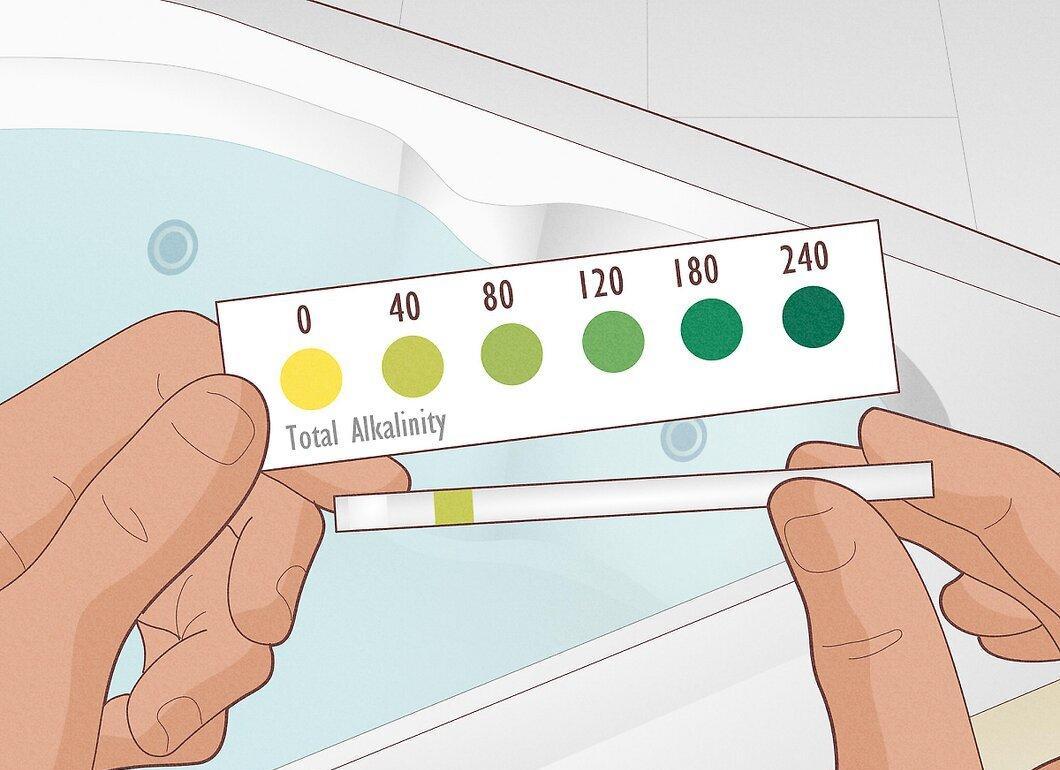
Ensure that the total alkalinity of the water in the hot tub is indeed high by testing with test strips or a testing kit.
- The optimal alkalinity level ranges from 80 to 120 ppm.
- Always check total alkalinity before measuring pH levels.[2] X Source
Step 4. Check the pH Level of the Hot Tub Water
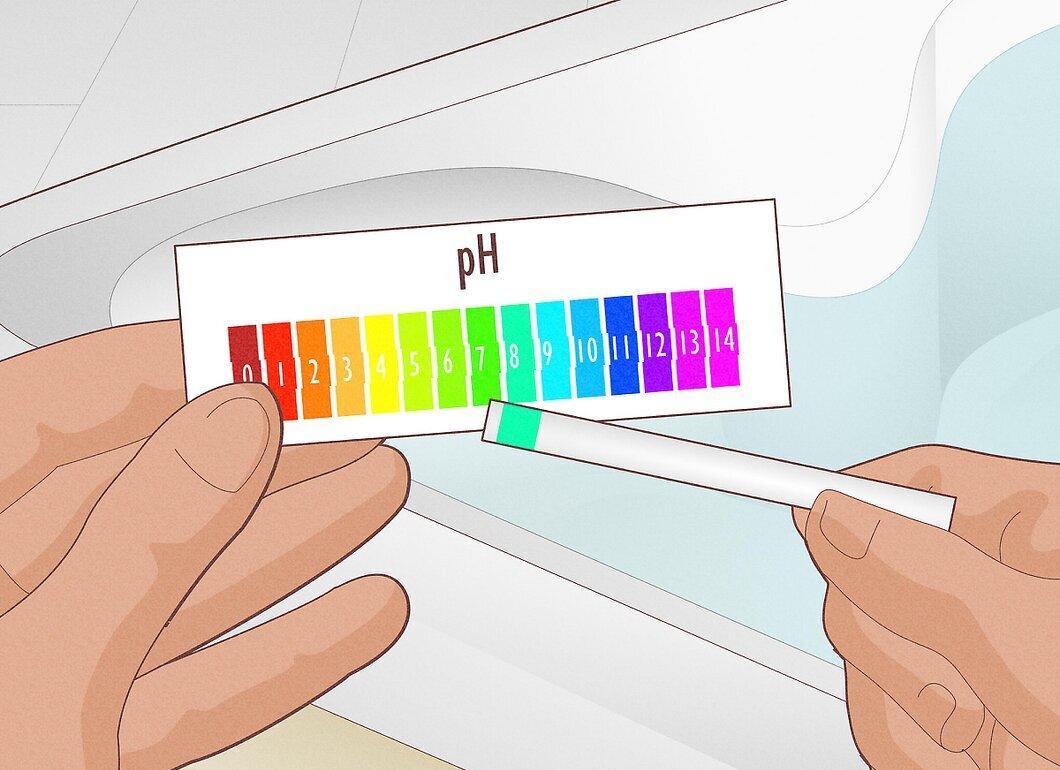
If you suspect that the pH level is elevated, ensure you take an accurate measurement using test strips or a specialized kit.
- The ideal pH level for hot tubs should be between 7.2 and 7.8.
- If the pH is higher, it indicates excessive alkalinity.
Reducing the pH Level
Step 1. Choose the Right Chemical
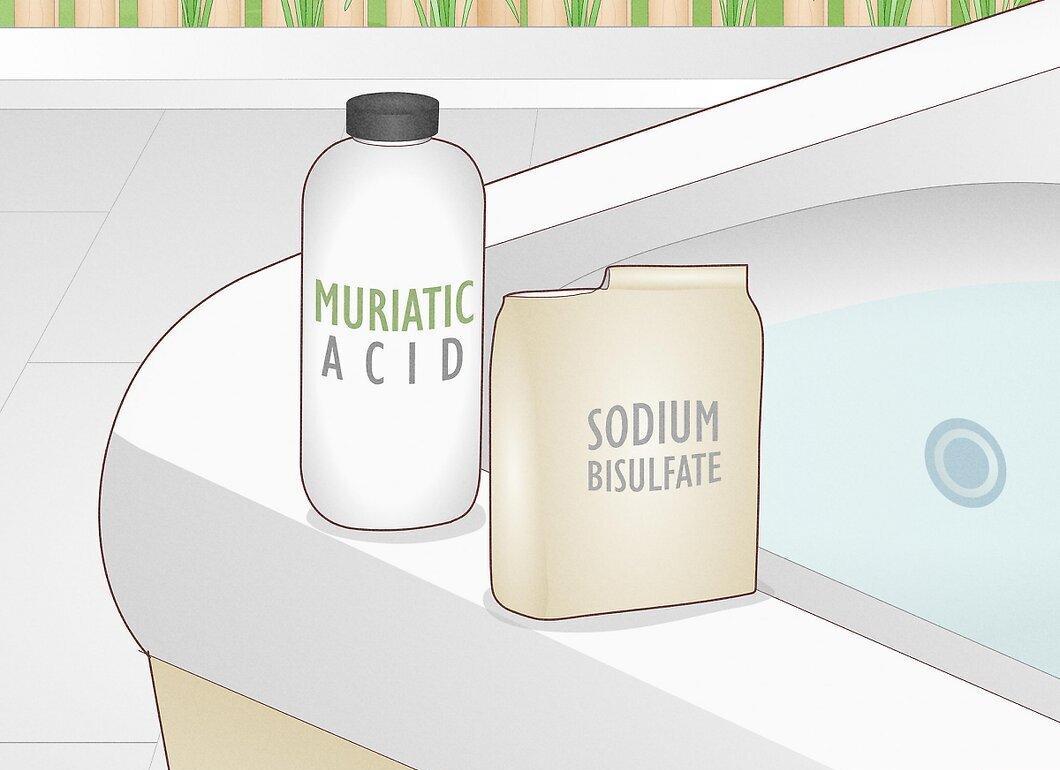
To lower both total alkalinity and pH levels, you will need an acid. The most common options are diluted hydrochloric acid (20% solution) and dry sodium bisulfate.
- The acid added to the water increases the concentration of hydrogen ions, thus lowering the pH level.
- It also reacts with bicarbonates in the water, reducing total alkalinity.
- You can find "pH decreasers," "alkalinity reducers," or "combined agents" at pool supply stores.
Step 2. Determine Initial Values Based on Total Alkalinity
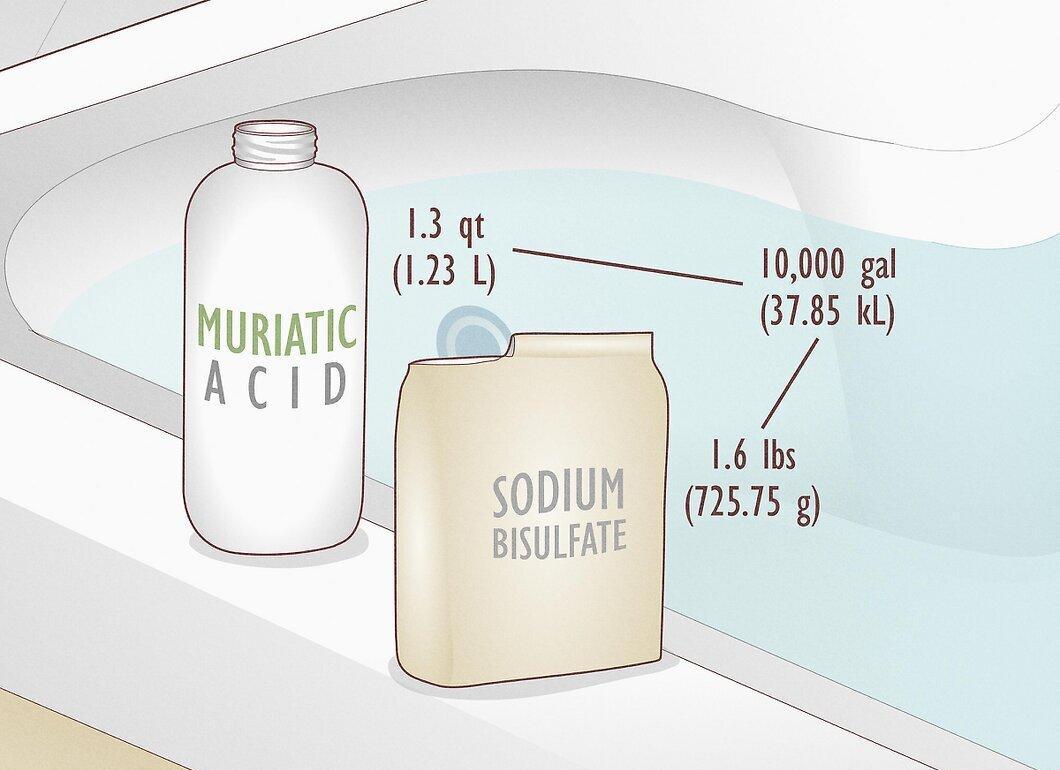
Since pH will decrease faster than alkalinity, start by adjusting the alkalinity. Once balanced, the pH will gradually normalize on its own.
- For precise dosing, always follow the instructions for your chemical product.
- Typically, to lower total alkalinity by 10 ppm, you will need about 725.75 g of sodium bisulfate or 1.23 liters of hydrochloric acid for every 37.85 cubic meters of water.
Step 3. Dilute the Chemicals in Water
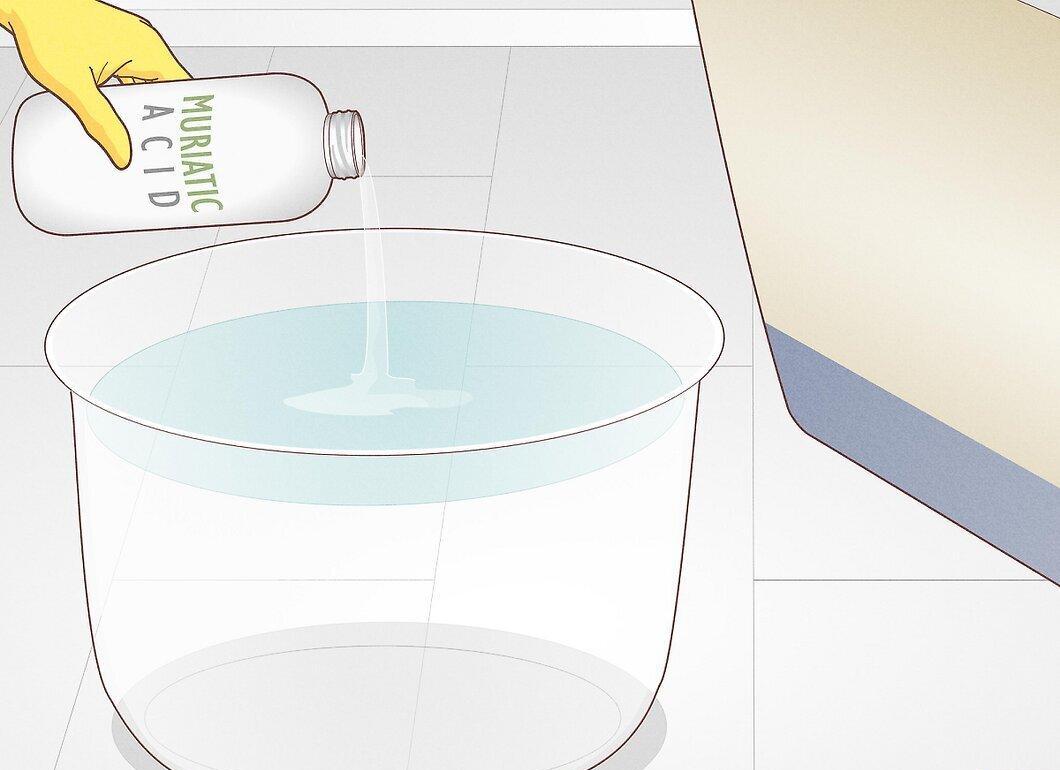
Scoop water from the hot tub into a 30-liter plastic bucket, filling it three-quarters full. Add the pH decreaser to the bucket and let it dissolve thoroughly.
- It’s important to pour the acid into the water, not the other way around. Adding acid to the bucket first can damage it and reduce mixing effectiveness.
Step 4. Start the Hot Tub
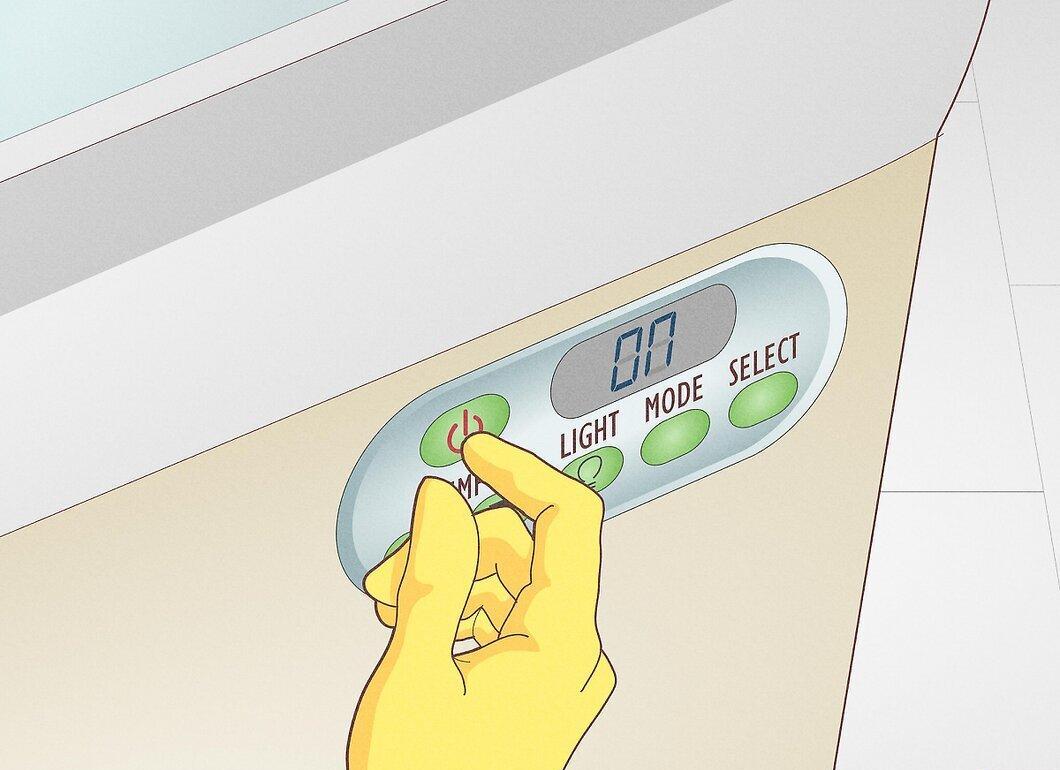
Turn on the hot tub, ensuring that the pump and filters are functioning correctly. Before proceeding, the hot tub should be heated to its normal temperature and set speed.
- It’s essential that no one is in the hot tub during the water balancing process.
Step 5. Gradually Pour the Solution into the Water
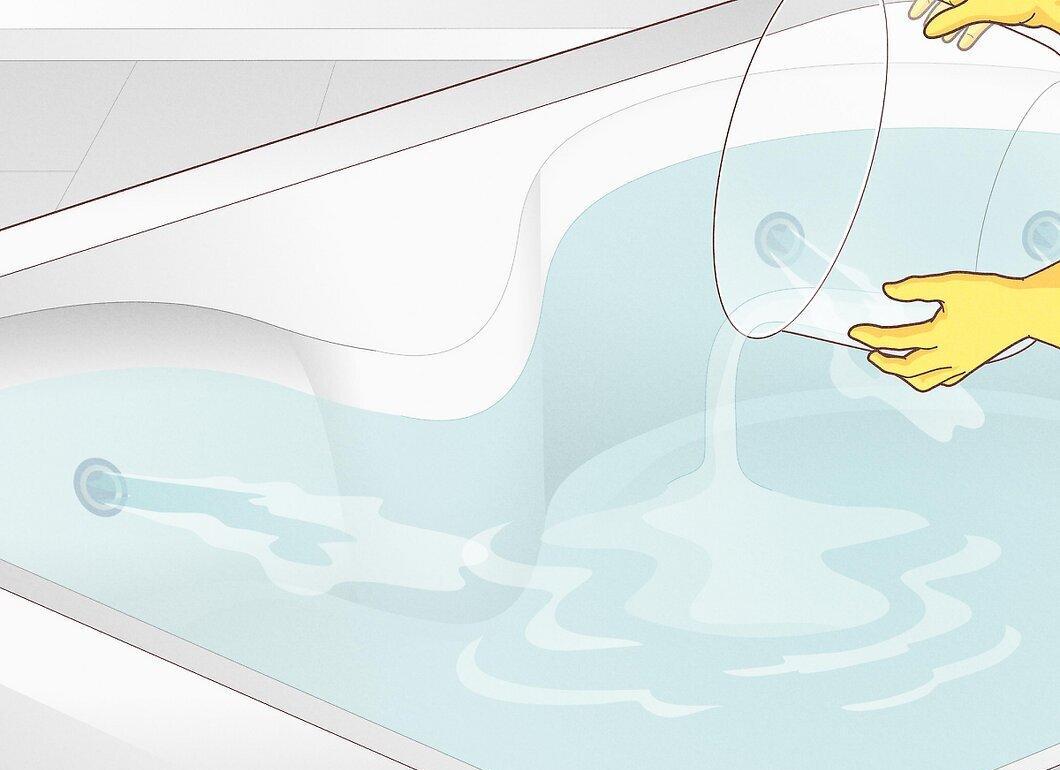
Slowly pour the dissolved solution into the center of the hot tub.
- Avoid adding the acid too quickly to prevent damage to the walls, bottom, and equipment of the hot tub.
Step 6. Allow the Water to Balance
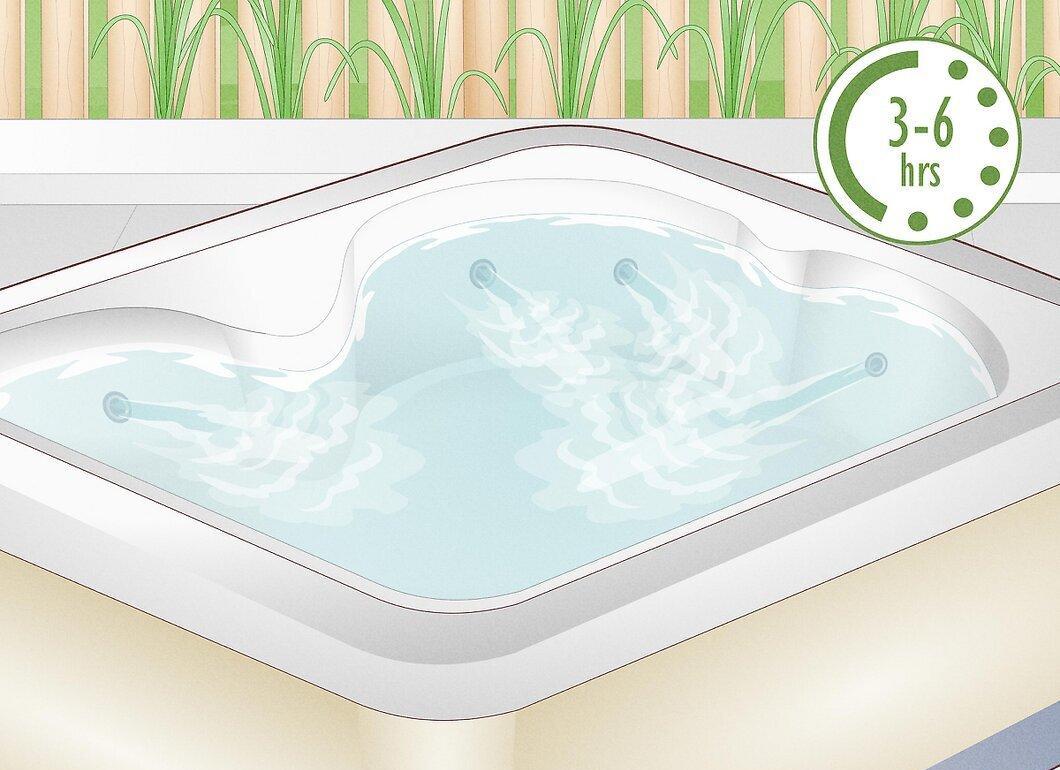
After adding the chemical, let the pump run for 3-6 hours.
- This time is necessary for the pump to mix the water and acid thoroughly. Alkalinity and pH levels will stabilize throughout the tub only after proper mixing.
Step 7. Retest Alkalinity and pH
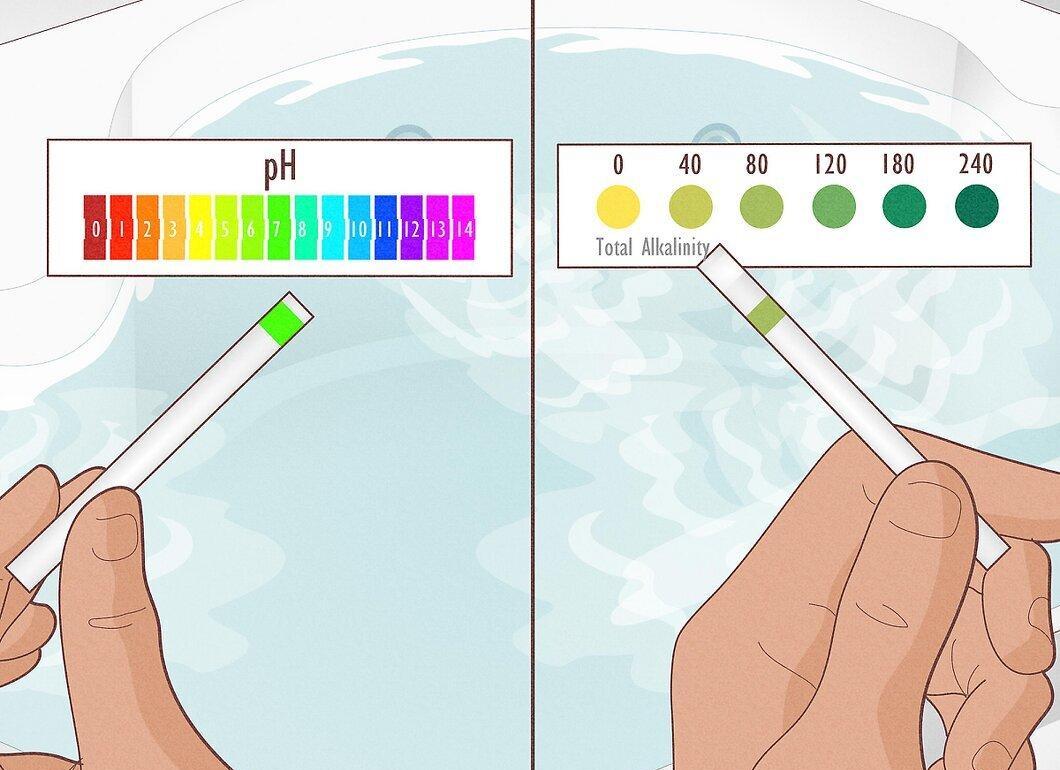
First, check the alkalinity and then the pH level.
- If done correctly, the alkalinity should be at the desired level, although the pH may still be unbalanced.
- If the alkalinity or pH remains high, repeat the process until the desired balance is achieved.
Step 8. Change the Water Regularly
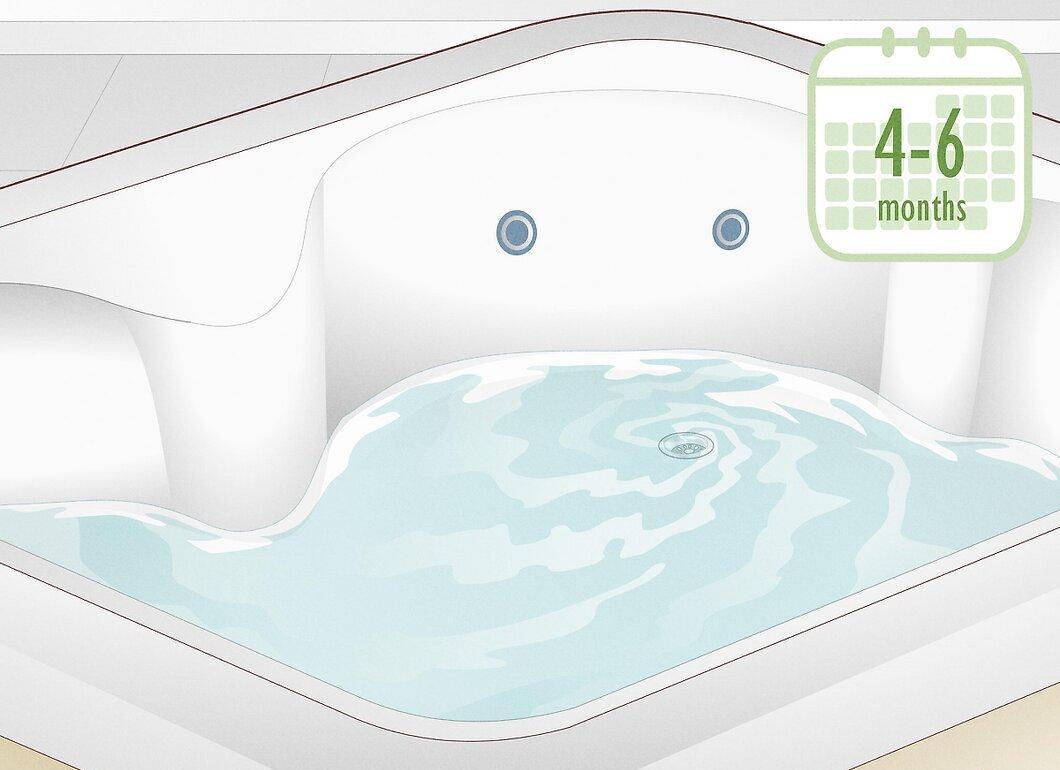
Remember to drain the hot tub water approximately every four to six months. After that, refill the hot tub, balance the pH and alkalinity levels, and monitor their condition.
- If you use the hot tub frequently, you'll need to adjust the pH and alkalinity roughly every week. Frequent addition of chemicals can lead to sediment buildup, making it harder to maintain the desired levels.
- Once you notice this becoming a problem, it's time to change the old water for fresh.