Email, like any other form of communication, comes with its own set of rules and norms. When you need to write a letter requesting feedback at work or in school, it's important to pay attention to your wording, structure, and timing for sending it. Doing so will help you achieve maximum effectiveness. Be polite, punctual, and concise to obtain the desired information.
How to Request Feedback at Work
Step 1. Address the Right Person.
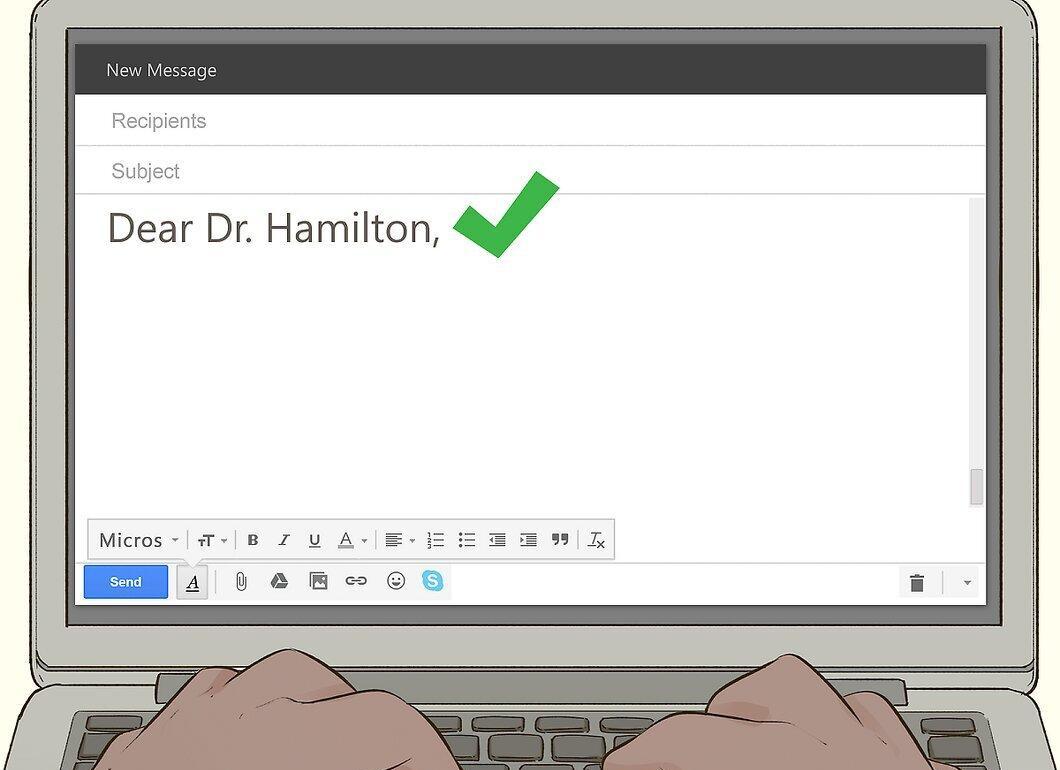
Choose someone who can evaluate your work. This is often your direct supervisor or a more experienced colleague. They have the necessary expertise and can provide you with helpful comments.
Step 2. Be Humble in Your Email.
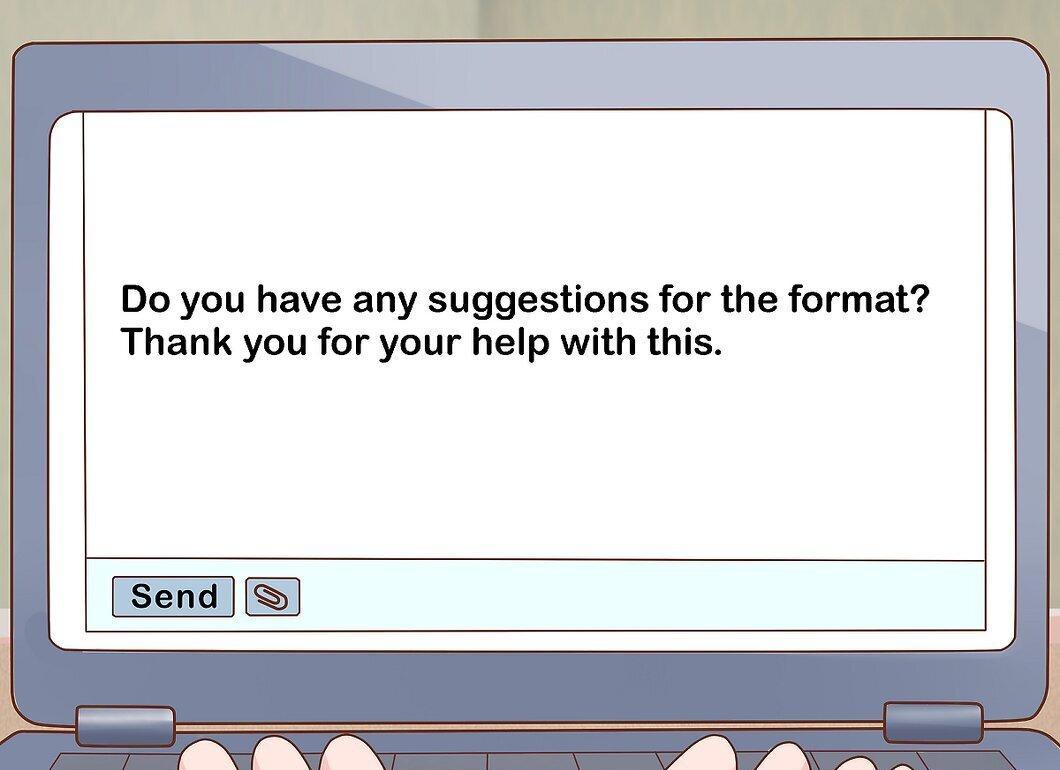
Maintain a humble tone in your email. Follow the accepted standards of business correspondence in your company. Humility can help you receive the feedback you need, but don't overdo it—if you downplay your achievements too much, it might give the impression that you’re unsure of your capabilities. Phrase your questions to highlight your progress on projects. This will let your supervisor know that you are actively engaged. Here are a few examples:
- "I prepared a presentation needed for tomorrow, and I have some doubts about the format. I'm not sure I'm fully understanding the standards in our company. I’ve attached the presentation, and I would appreciate it if you could take a look and comment on whether everything is okay. Thank you for your help!"
- Don't forget to express gratitude.
Step 3. Focus on Specific Aspects.
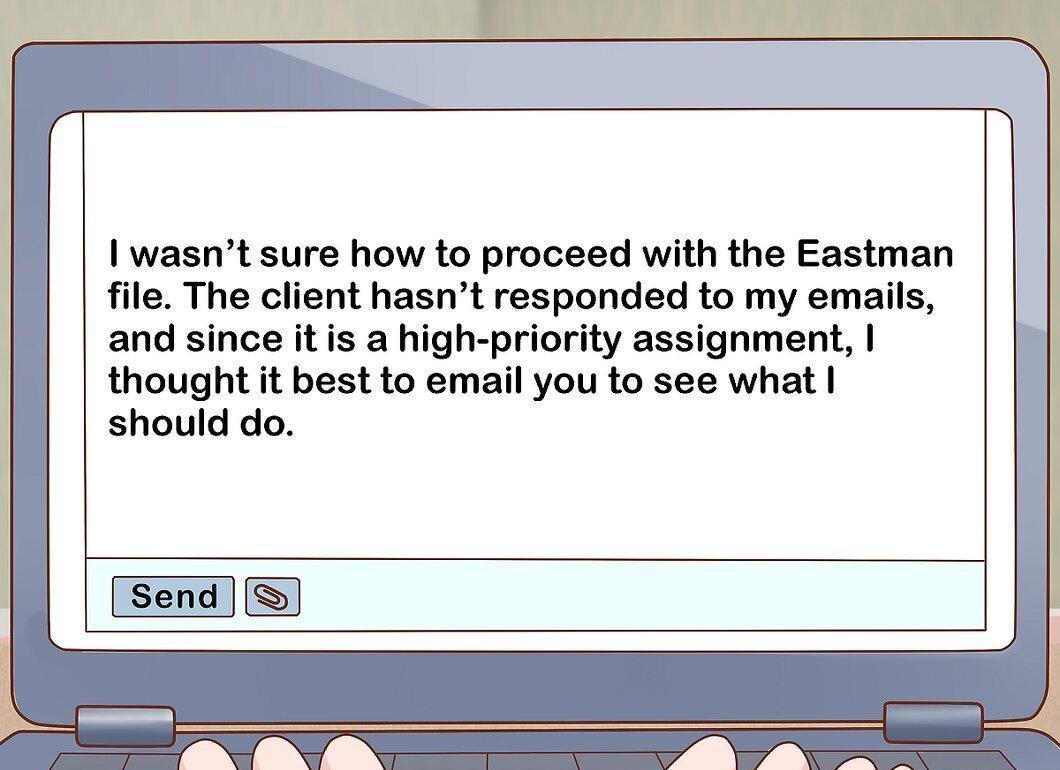
Discuss specific points. This will help avoid vagueness and unnecessary questions. Avoid asking questions that can be answered with a "yes" or "no" unless critically important. Steer clear of overwhelming your contact with multiple questions at once.
- For example, "I’m unsure how to proceed with Petrov's case. The client isn’t responding to my emails, and since this is an important assignment, I decided to consult you about the next steps."
- If you need a general overview or report on your activities, clearly state that. Be polite and concise in your requests. For example, you might request a report on your performance. If you want to gather feedback from subordinates, it’s better to organize an anonymous survey.
Step 4. Thank Them for Their Response.
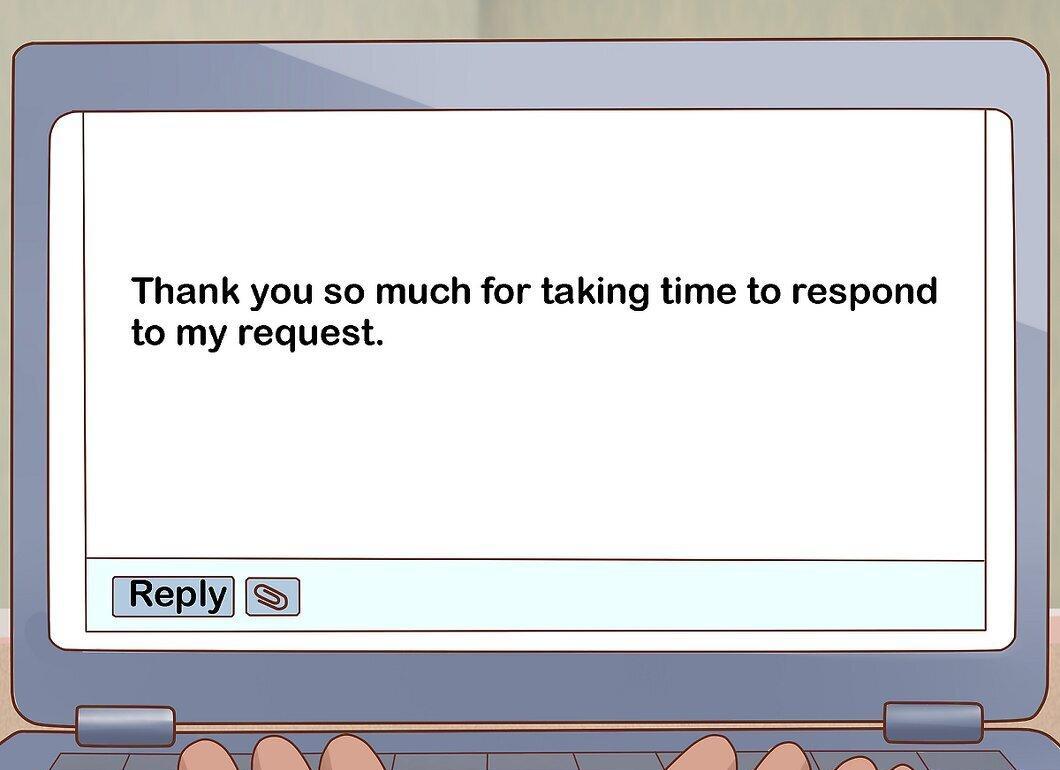
Don’t forget to thank the person for their response. If you are advised to work harder or informed that your work needs improvement, explain how you plan to rectify the situation. Try not to respond immediately—give yourself time to process the received information.
- Respond no later than 1-2 days.
How to Request Feedback in School
Step 1. Introduce Yourself.
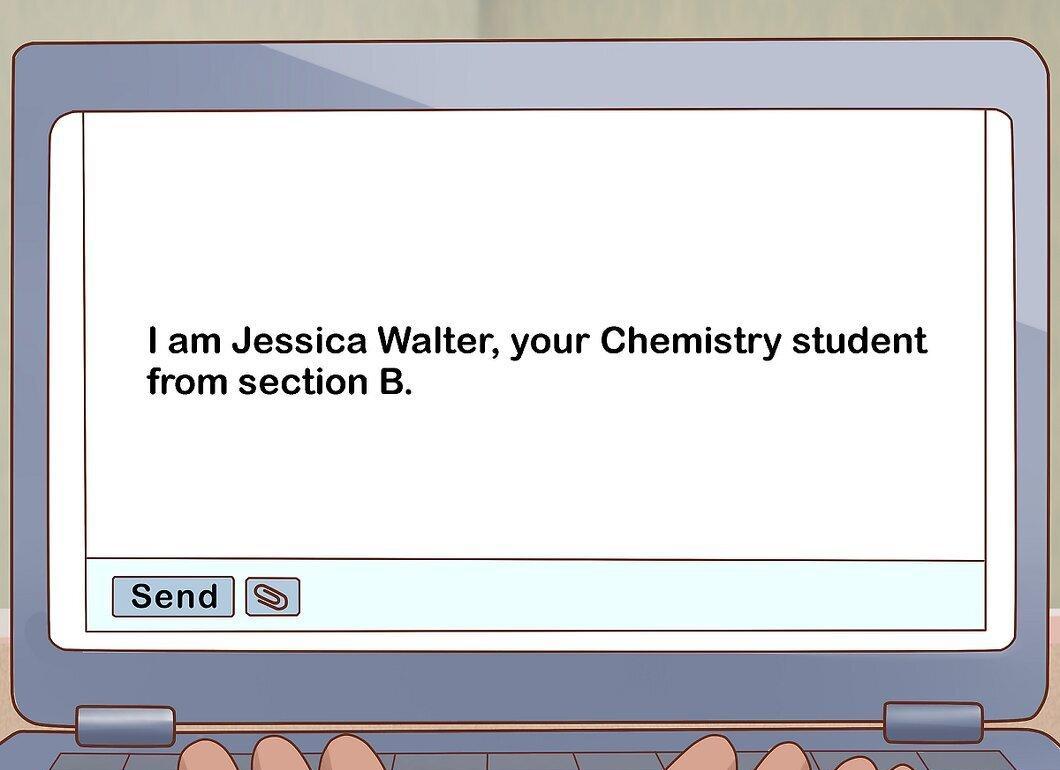
Be sure to introduce yourself. The instructor may have many students, especially in a university setting. Include your first name, last name, group number, and faculty. If you are in high school or in a preparatory course, specify your grade to make it easier for the instructor to identify you.
Step 2. Maintain a Formal Style.
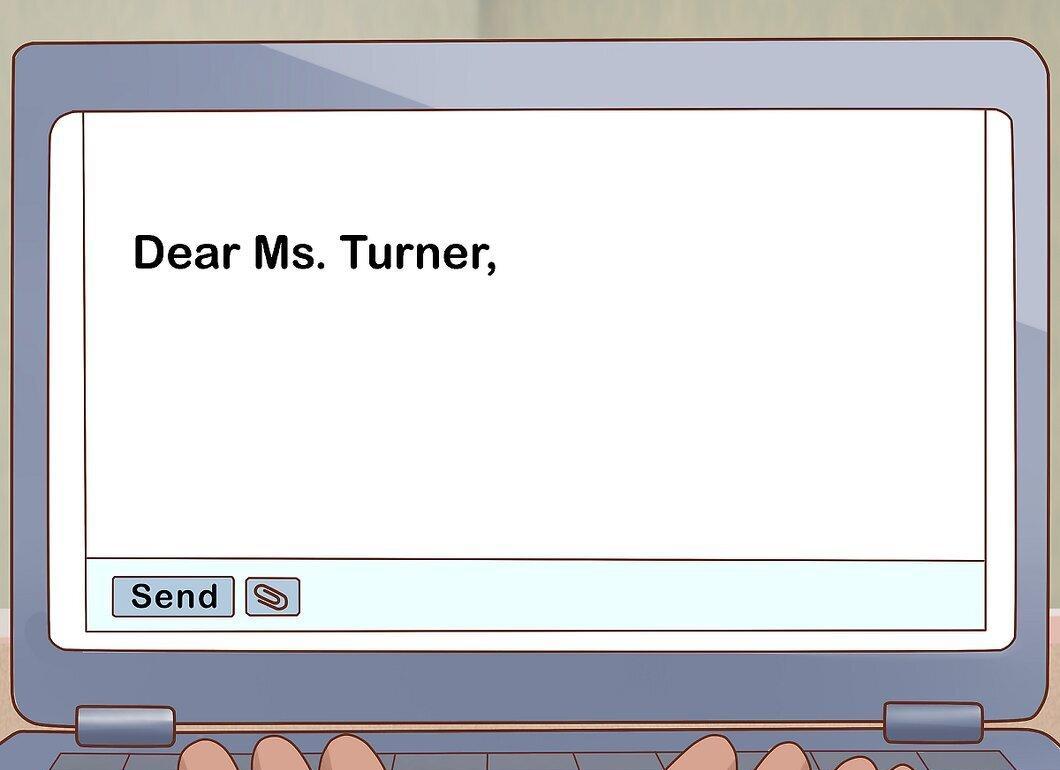
Do not deviate from formal communication. Students sometimes find it difficult to determine the appropriate communication style with instructors. If your instructor has previously written to you, adhere to their style. Phrase your thoughts like this: "I’m not sure I understood the assignment correctly. I have a few questions about my work."
Step 3. Be Concise.
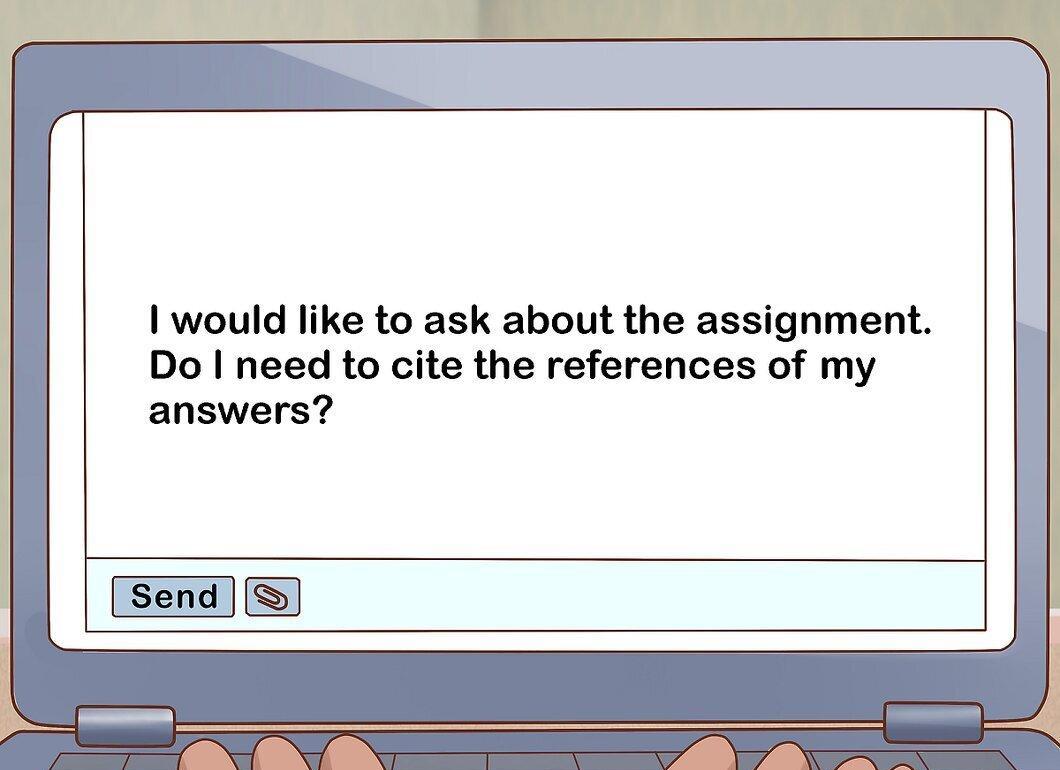
Trim the text to the essentials. Don’t try to explain the entire context if it’s not critical for understanding your questions. For example, if you need an extension for a deadline, the instructor may require additional details, but if you simply want to ask a question, there's no need to narrate your circumstances if it's not relevant.
Step 4. Don't Leave Your Request Until the Last Minute.
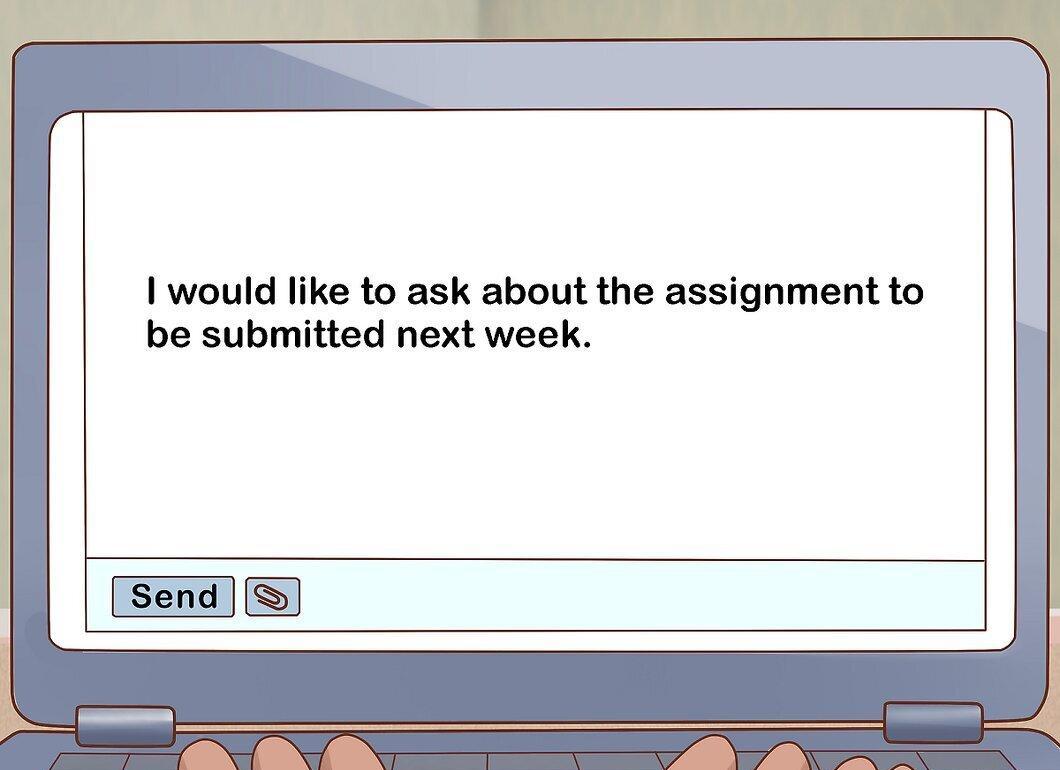
Do not wait until the last moment to request feedback. The instructor is unlikely to be pleased about helping you the day before the submission. If you must reach out at the last minute, keep it brief and apologize for the inconvenience to increase the chances of a response.
Step 5. Follow the Specified Format.
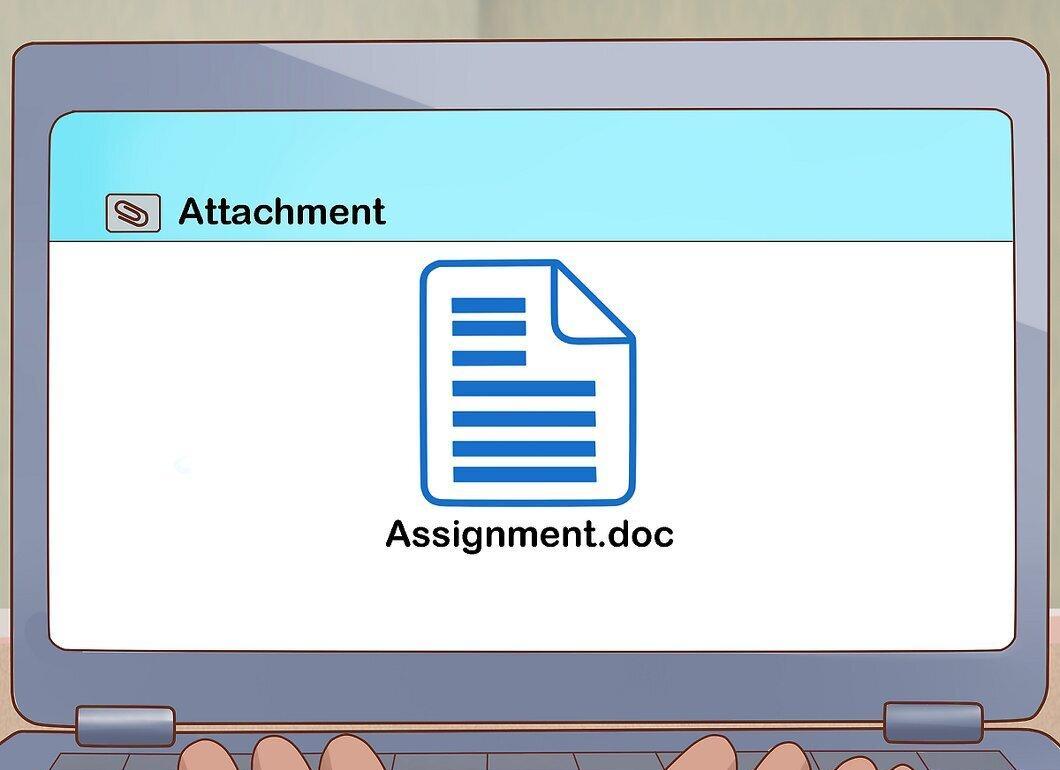
Use the format specified by the instructor. Often, instructors require a specific format for assignments. For instance, if they ask for submissions in .doc format, do not send it in .pdf or .pages. If you're unsure which format to use, it’s better to clarify with the instructor.
Step 6. Request Feedback on Submitted Work or Exams.
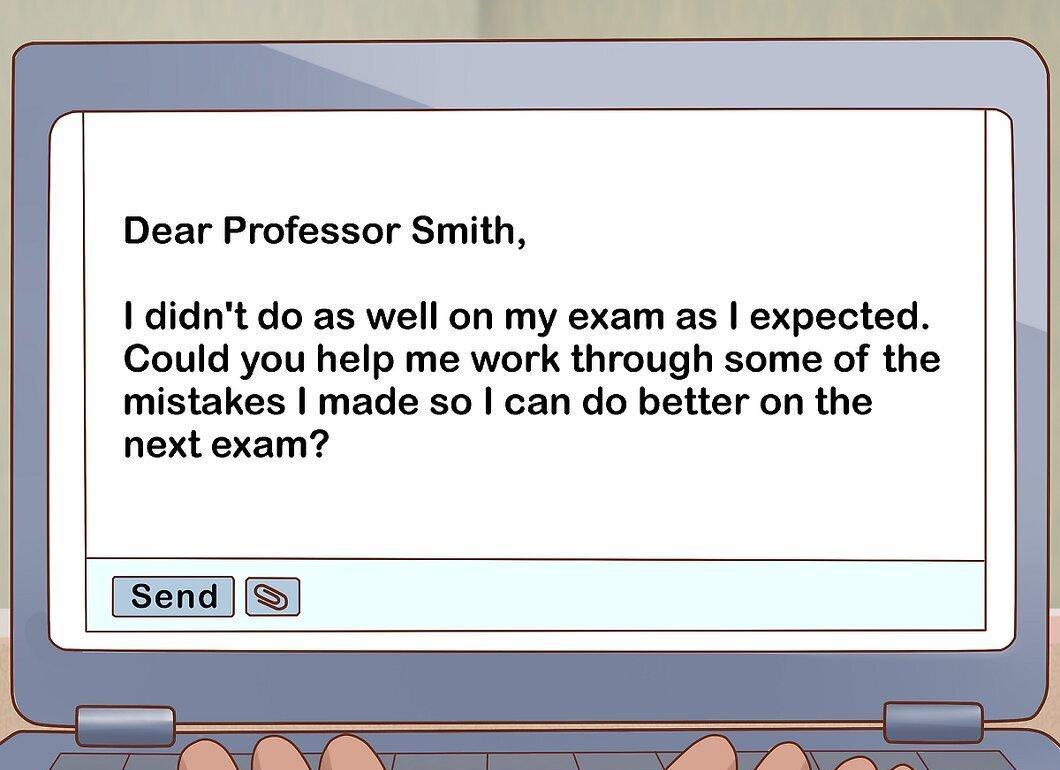
Ask for feedback on work you’ve already submitted or on your exam performance. Write a polite email to the instructor. If they have office hours, it’s better to approach them in person. Say something like: "I didn’t perform as well on the exam as I expected. Could you point out my mistakes to help me prepare for the next exam?" Instructors are usually willing to help in such cases.
How to Request Feedback on Written Work
Step 1. Start by Approaching Someone You Know.
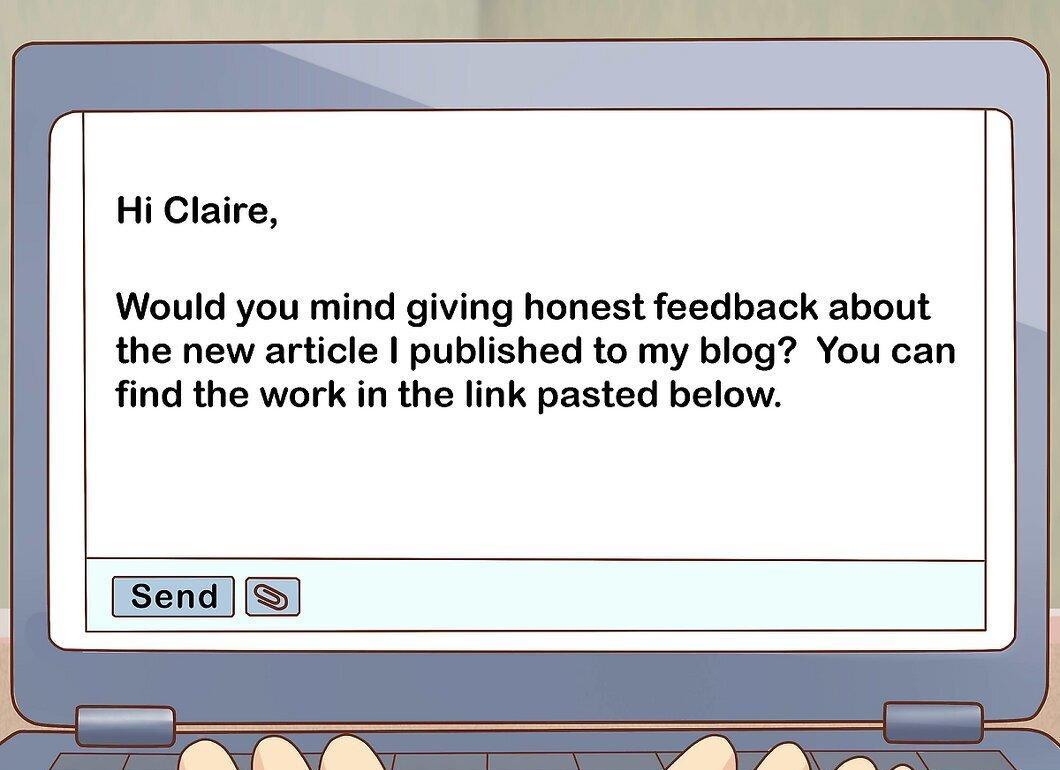
Initially, reach out to someone you know personally. If you want detailed feedback, it’s better to ask a friend or colleague. Write in the manner you usually communicate. Don’t send your work right away if you’re unsure that the person will agree to help.
- Include a short excerpt or description if appropriate.
Step 2. Contact a Specialist.
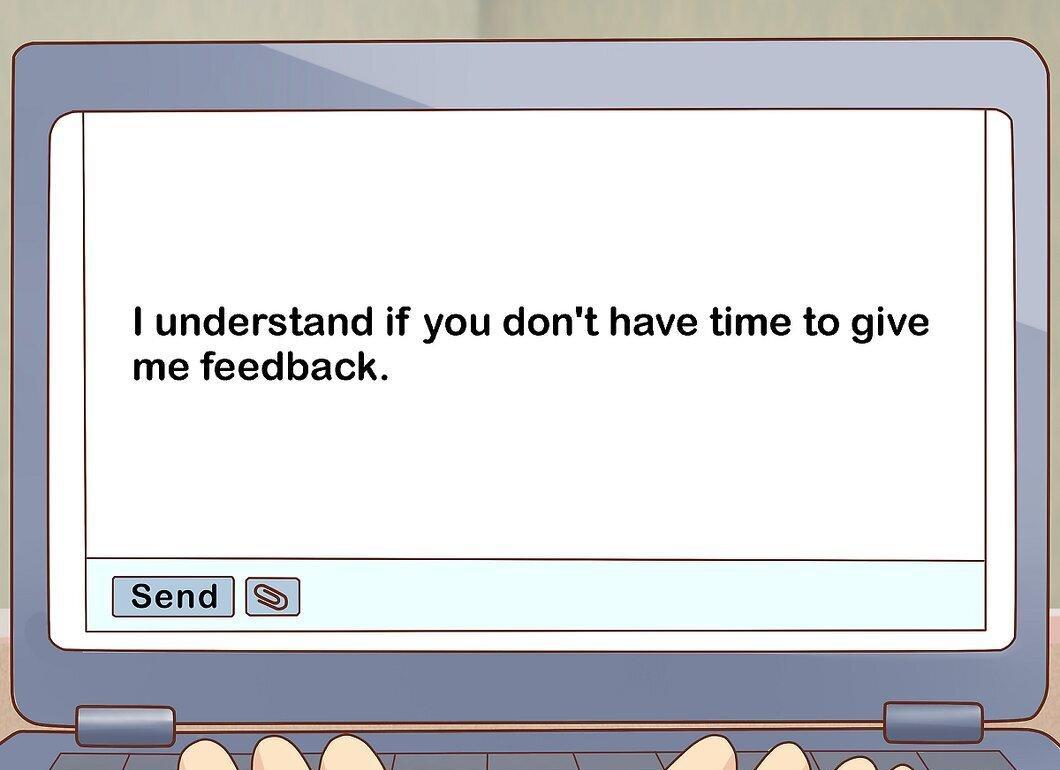
If professional opinion matters to you, write to a specialist in the field and explain what project it's regarding and why you need feedback. Don’t pressure the contact—just politely suggest they consider your request. Say something like, "I’ll understand if you don’t have time for this." It might be worth asking if they could recommend another expert.
Step 3. Don’t Send Your Work Immediately.
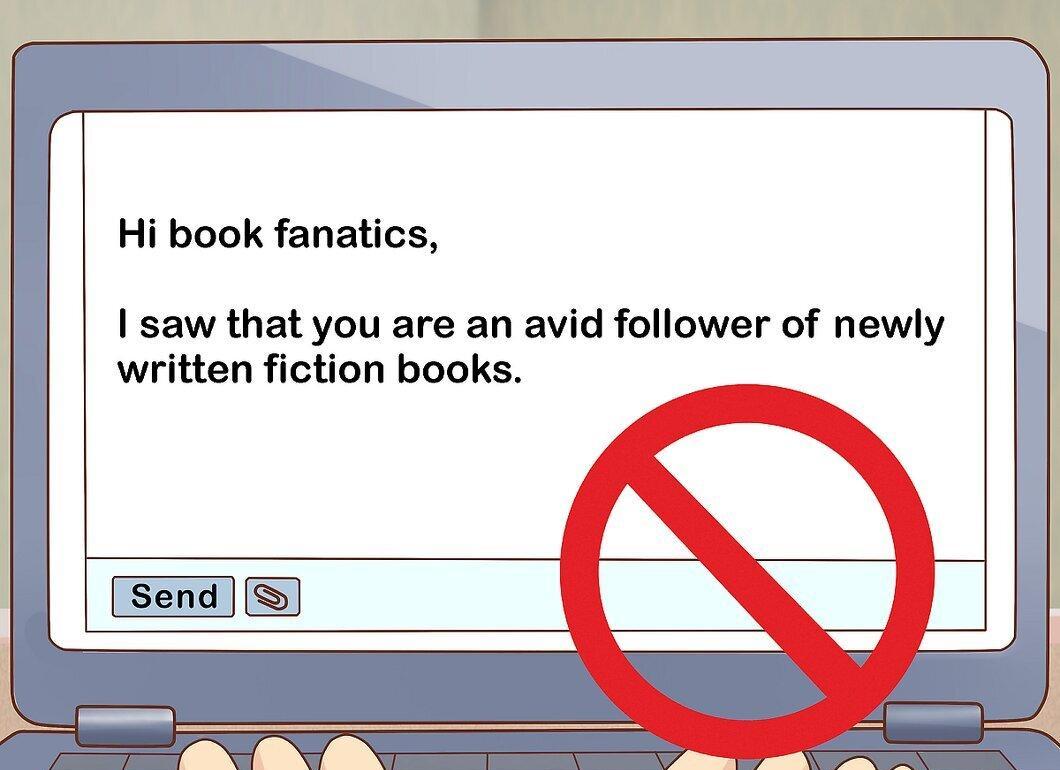
Do not attach your work in the first email. If you don’t mention that the work is paid, such an email may go unanswered. If you’re reaching out to a well-known individual, they’re unlikely to respond as they receive many similar requests. It’s better to start by contacting friends, colleagues, or instructors, as they may be more responsive.
Step 4. Clearly Specify the Type of Feedback You Need.
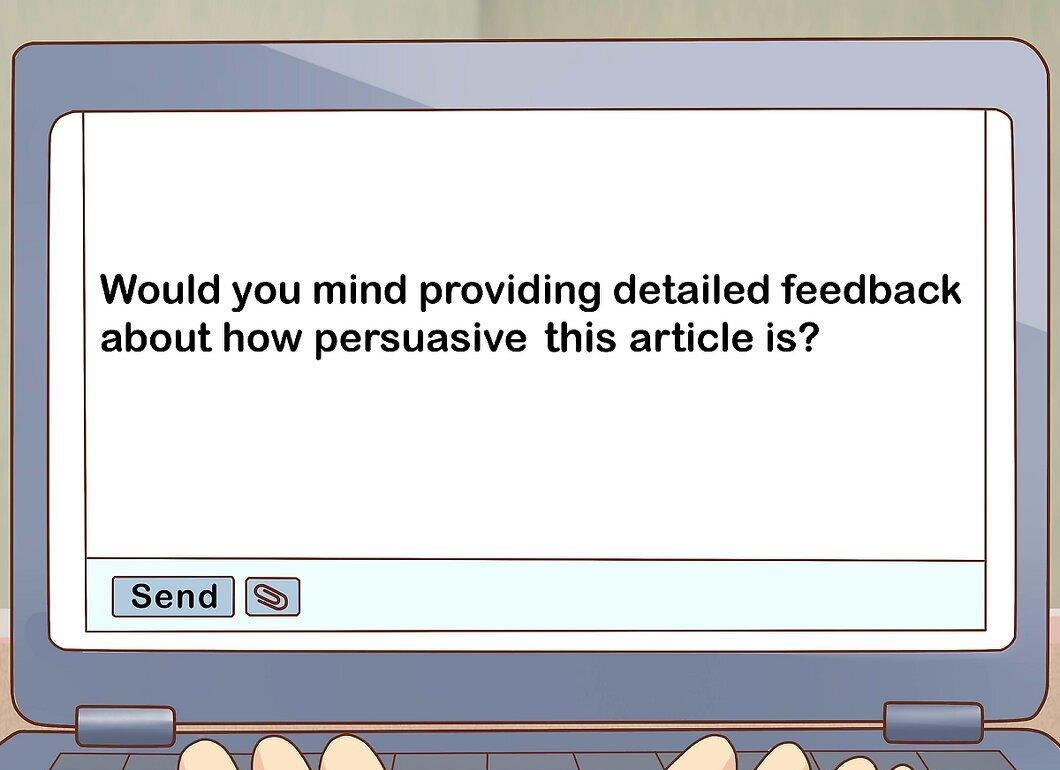
Explain exactly what type of feedback you need. If you only want positive feedback, let them know. Describe whether you need a detailed analysis or general comments. Indicate whether they should assess the style, grammar, and structure of your work. This will help the reviewer understand your expectations.
- Positive feedback doesn’t have to be unconstructive. If the feedback explains why something was liked, you’ll receive valuable insights about your work.
- If you receive negative feedback, give yourself time to process it. If the feedback is from a friend, they likely want to help. If it’s from an instructor, avoid responding sharply even if you’re upset. Thank them for their help and accept the experience. Gradually, you’ll see that this feedback was beneficial, even if the delivery was unpleasant.
Step 5. Allow Time for a Response.
Give the person time to respond. If you’re requesting detailed feedback on a large project, don’t expect a reply within a day or a week. Analyzing substantial work takes time. If there’s a deadline, communicate that and perhaps suggest a date for revisions. But remember, the person has their own commitments.
Step 6. Express Gratitude.
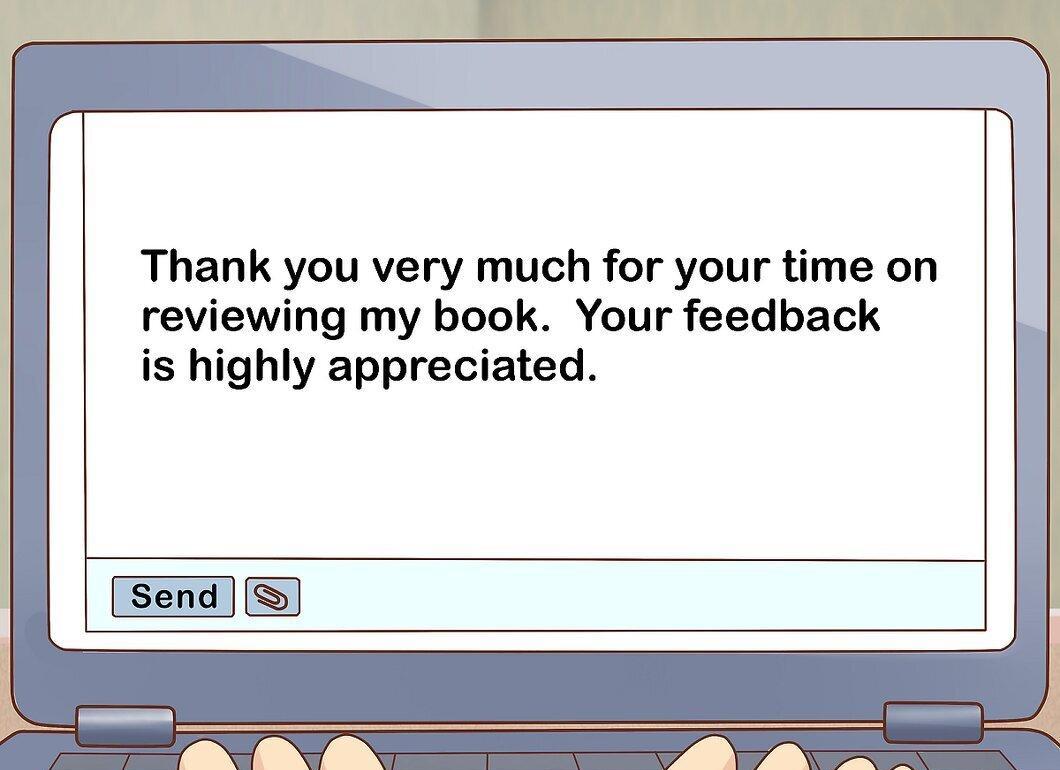
Don’t forget to thank the person for their help. If it was a friend, you might give a small gift, like a box of chocolates. If the feedback was from an instructor, write a thank-you note. Ignoring gratitude can create a sense that the person was used, making it harder to ask for help in the future.
How to Get Feedback from Clients
Step 1. Avoid Overloading with Questions.
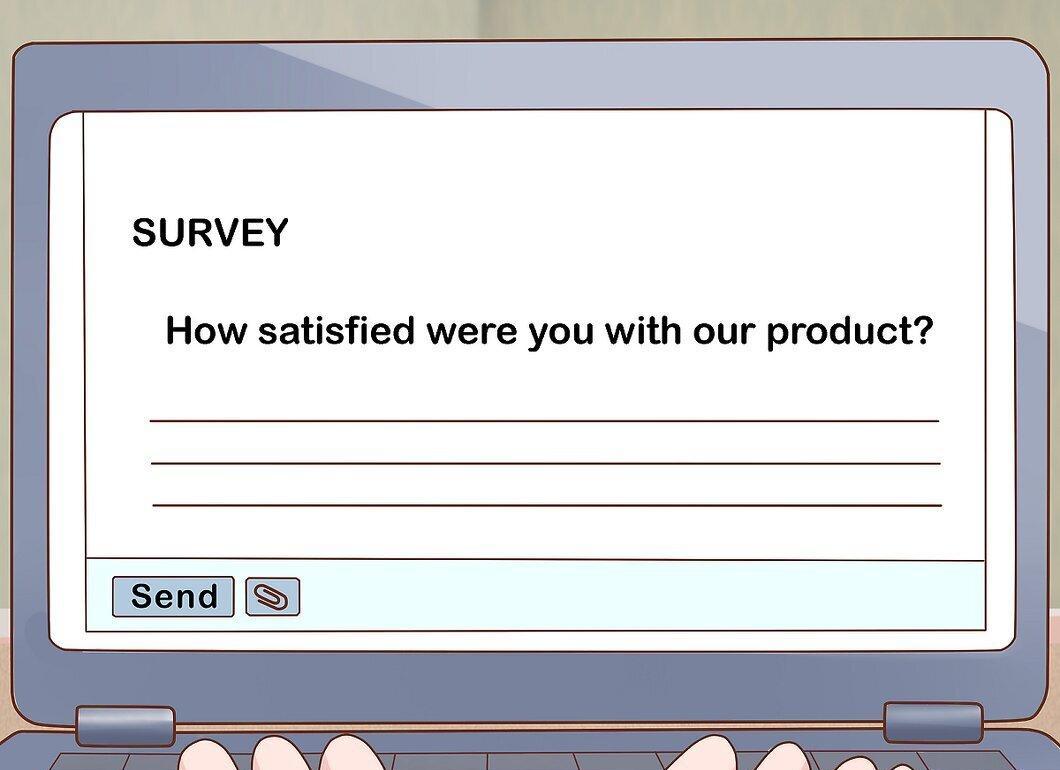
Don’t bombard clients with questions. People receive many requests for surveys from various companies. If you want the client to not delete your email immediately, ask just a couple of questions.
Step 2. Ask Open-Ended Questions.
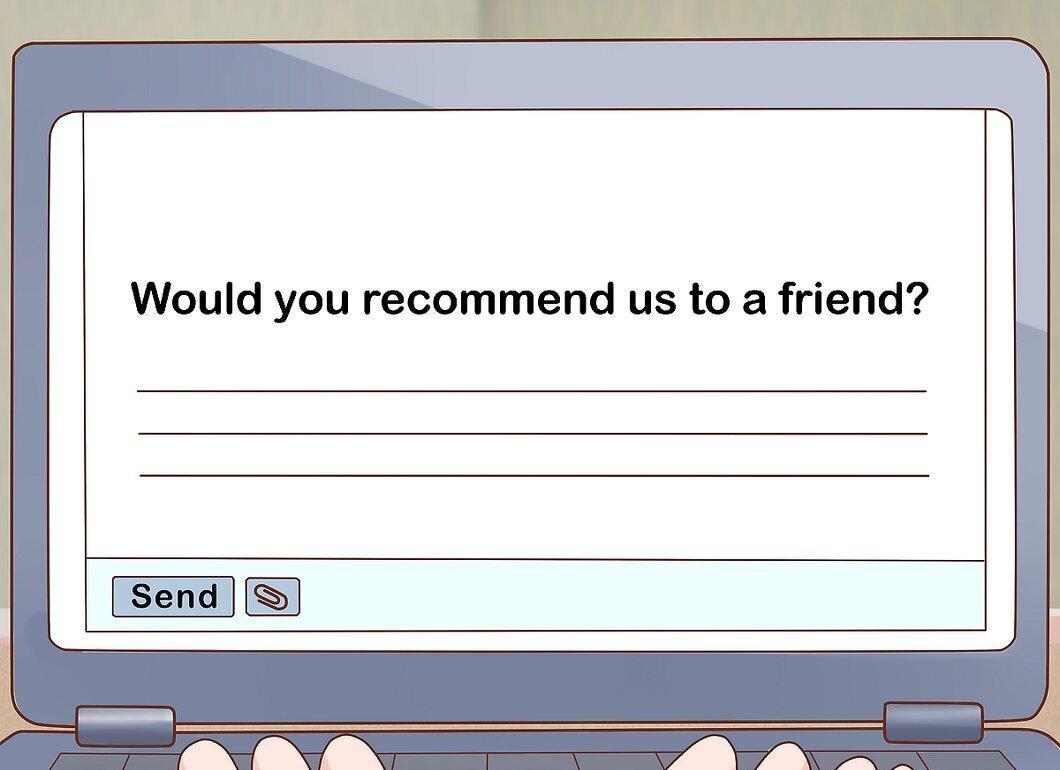
Phrase questions in a way that implies detailed responses. Don’t ask, "Would you recommend us to your friends?" Instead, ask: "How would you describe us to others?" Such questions will help you gather more valuable information.
Step 3. Promise a Quick Response to the Client.
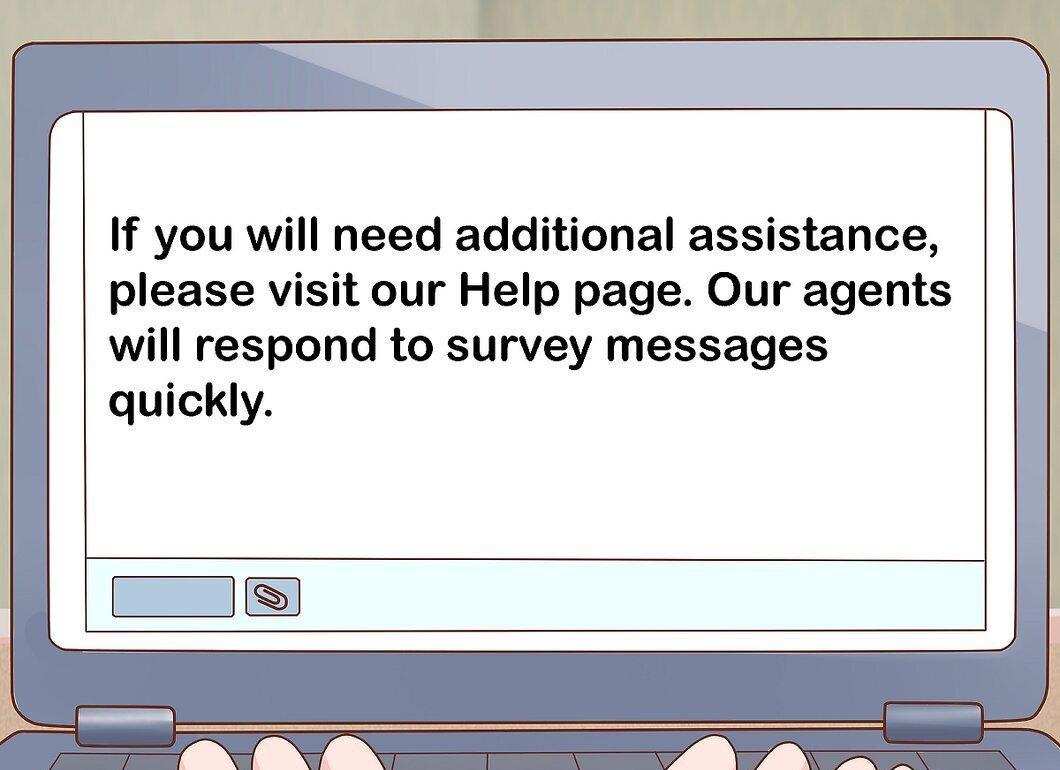
Assure the client that you will respond as soon as possible. This will create a sense of importance regarding their opinion. If the client believes their feedback will be considered, they will provide more sincere comments.
- When responding to feedback, be honest and professional. In today’s world, it’s easy to lose your reputation if you behave unprofessionally.
Step 4. Avoid Heavy Graphics.
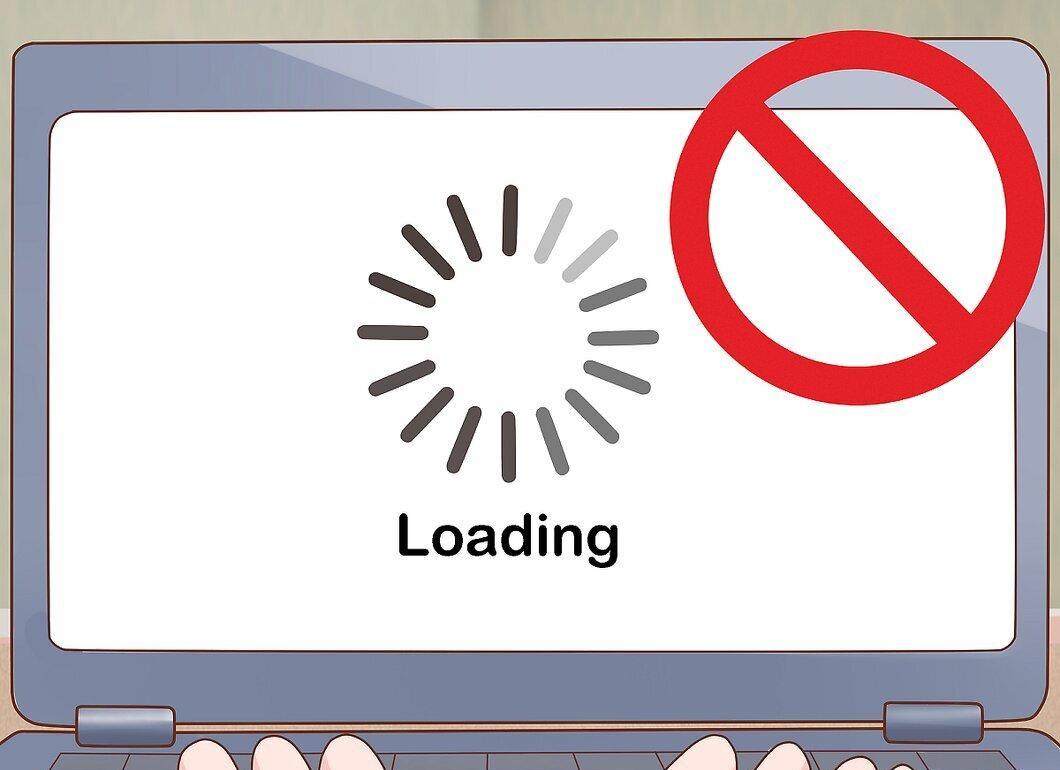
Do not use flash graphics and other elements that take a long time to load. If a client has a slow connection, they are likely to delete your message if it takes too long to load. Remember, the feedback is for you, not the client.
Step 5. Choose an Appropriate Font and Format.
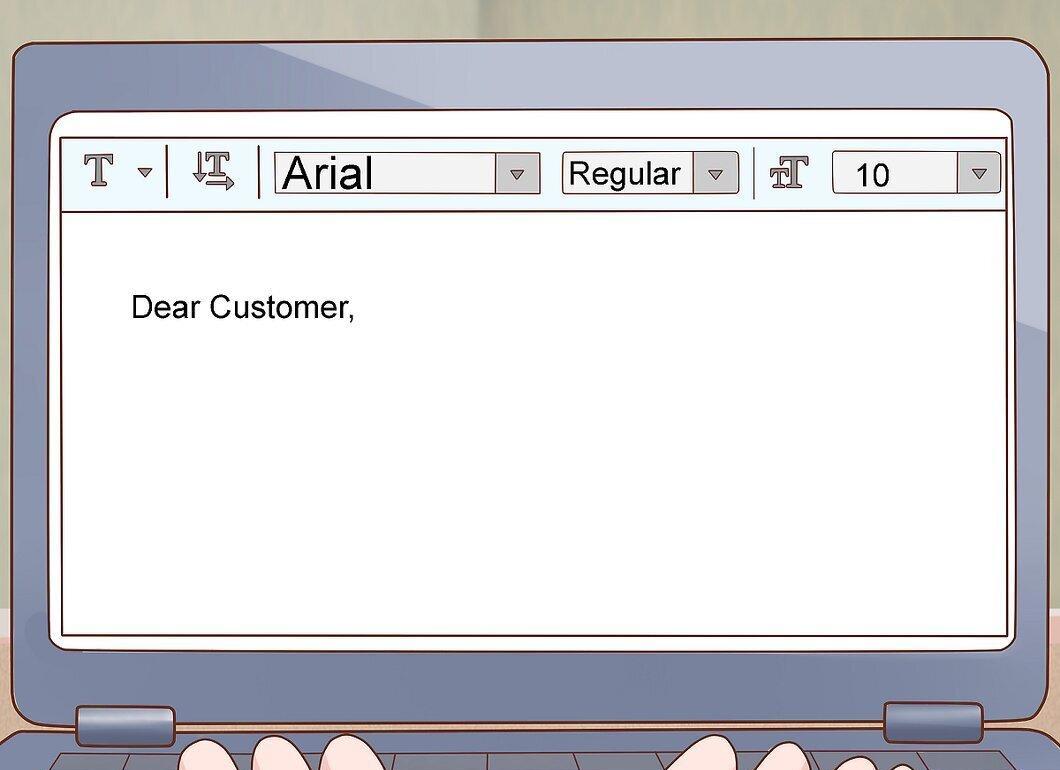
Ensure that your email looks neat and professional. A message written in Comic Sans with poor-quality graphics is unlikely to make a positive impression. Use standard fonts (Times New Roman, Arial) if you’re not familiar with design, and avoid excessive graphics.
Step 6. Ensure Good Readability on All Devices.
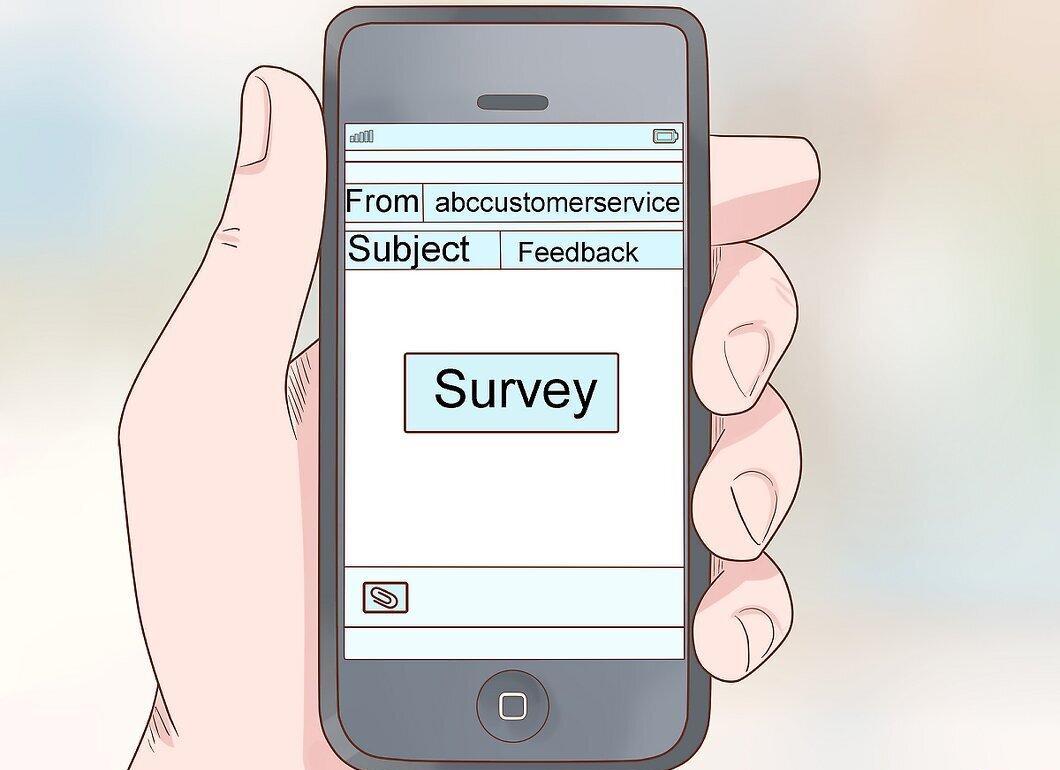
Make sure the text is easy to read on any device. Single-column text will be more convenient than multi-column. The font should not be too small, and the email should be easily readable on both laptops and phones or tablets. In today’s world, many people read emails on mobile devices, and your email should accommodate this format.