Museums around the world cater to every interest, so there's no reason to think you won't find the perfect fit for you. However, museum visits can be exhausting, overwhelming with information, and even boring without a solid plan of action. Research the museum in advance, choose the right time, and create a plan for visiting with kids to truly enjoy your visit.
Research the Museum
Step 1. Choose a museum that matches your interests.
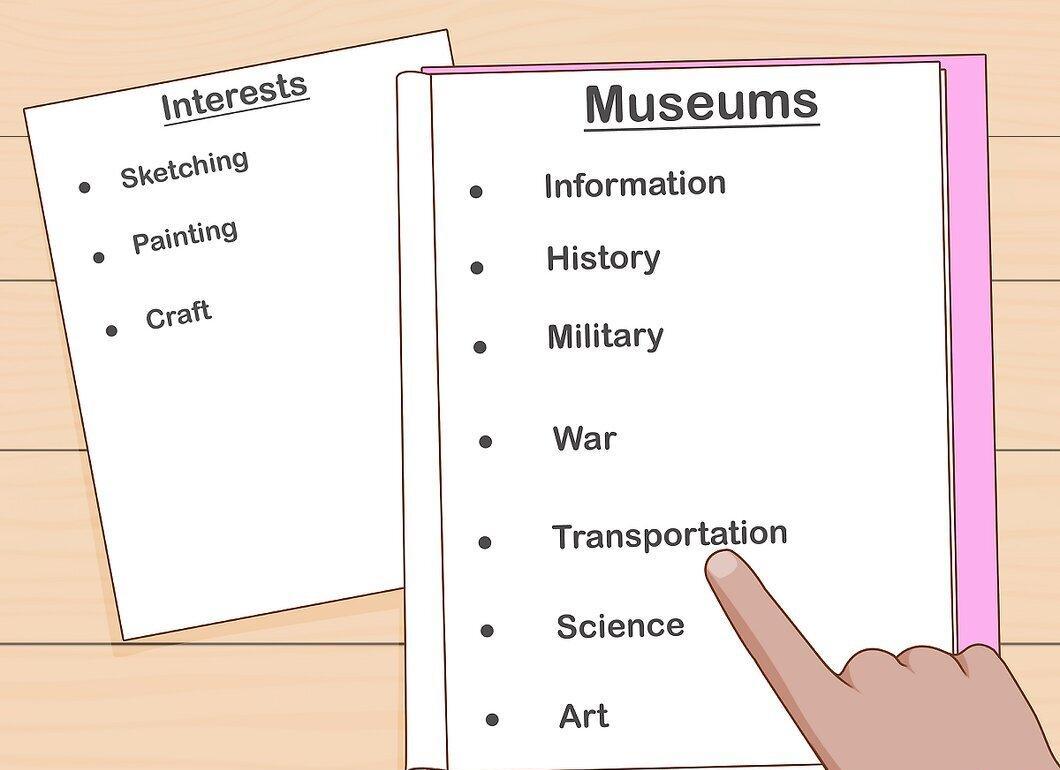
Select a museum that aligns with your interests. There are art museums, history museums, science museums, war museums, transportation museums, and many others. Make a list of interesting topics or items that you enjoyed during your studies. Then find a themed museum in your city or a nearby location—this way, you will look forward to your visit.
- For example, if you love to draw, visit an art museum. Interested in different airplanes? Check out an air force museum.
- If you're going on a trip with family or friends who have varied interests, find a compromise. Choose a large museum with different thematic sections. In big cities, you can find museums featuring exhibits on science, wildlife, history, and cultures from around the globe.[1] X Source
Step 2. Visit the museum's website.
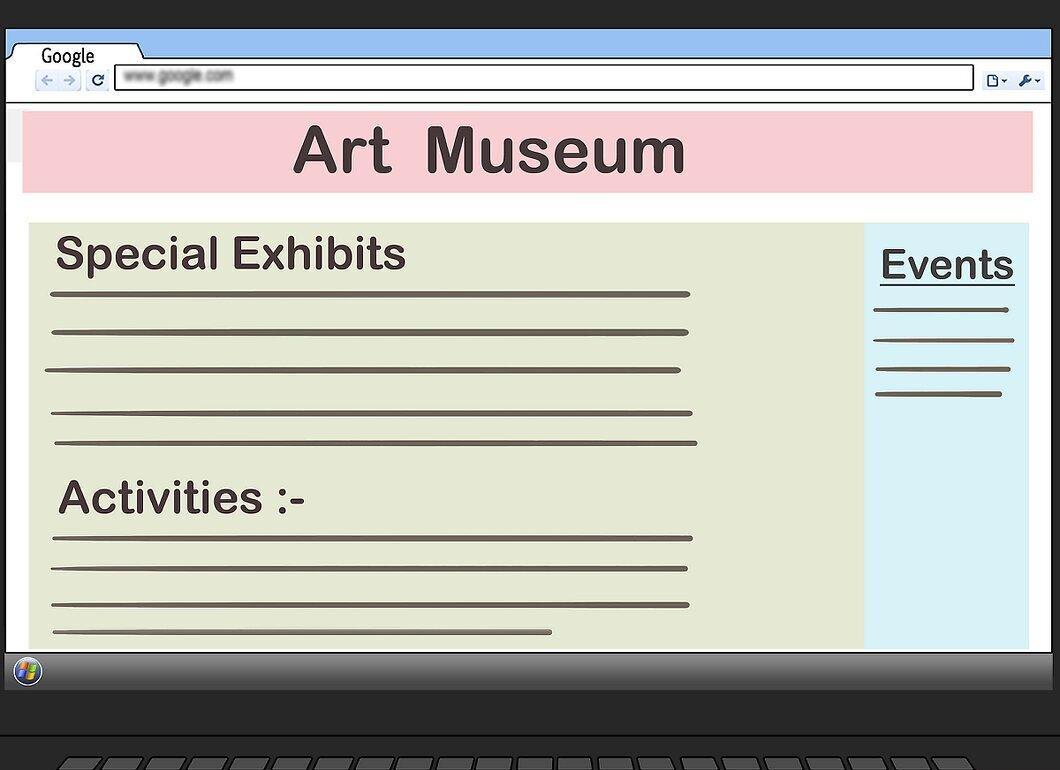
Go to the museum's website. Many museums now have online platforms that allow for a virtual tour of the venue. Choose the appropriate museum and learn about the exhibits and events (exhibitions, tours, lectures) scheduled for your visit day.
Step 3. Find out the museum's operating hours.
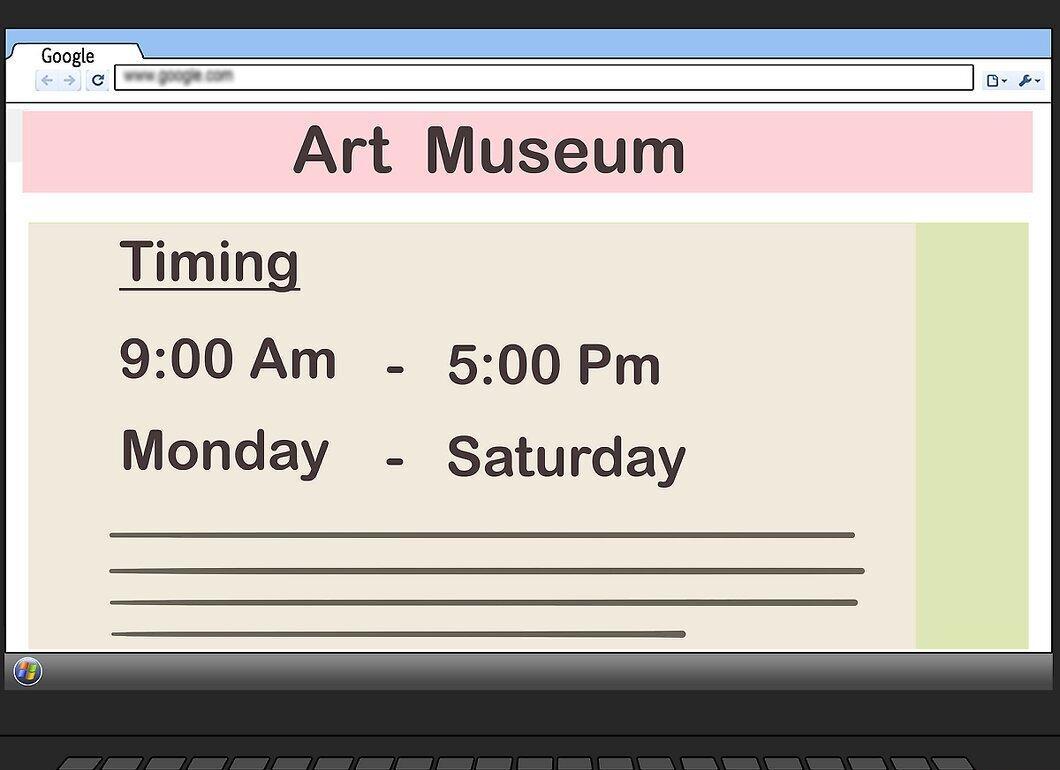
Check the museum's operating hours. Make sure to verify the museum's opening times. Typically, there are fewer visitors at the very beginning and end of the day, but if you arrive just before closing, you might have to rush and risk missing interesting exhibits.
- Also, check the hours during holidays and weekends.
Step 4. Learn about the ticket prices.
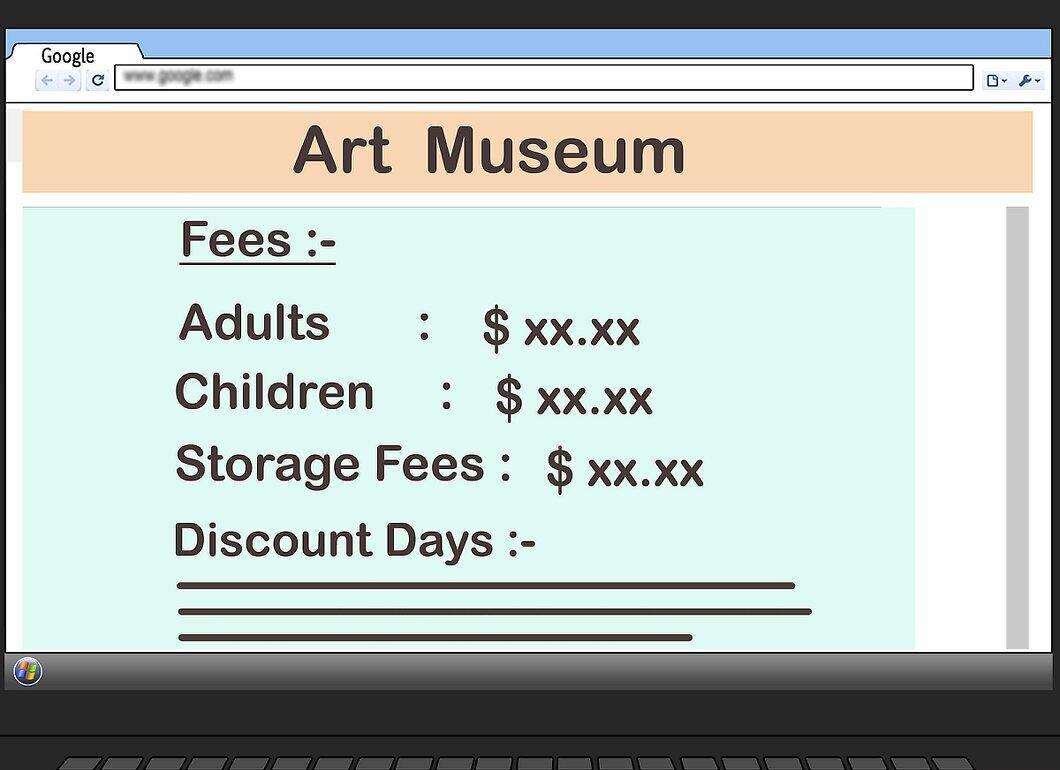
Find out the ticket prices. The museum's website usually lists the price for adult and children's tickets, so calculate the total for your group. If the museum does not accept card payments, it should be mentioned on the website, so read all notes carefully and remember to bring cash.
- Look for information about discounts or free admission days. Some museums offer free days or discounts on certain days of the week to attract more visitors. Choose such a day if you want to save money.[4] X Source
- Consider storage fees. Some museums have paid coat checks or storage for personal items. If you have a large bag, you will likely need to check it. Find out the exact rules (this usually applies to backpacks and larger bags) so you can bring a smaller bag and avoid the storage service.[5] X Source
Step 5. Choose the right transportation.
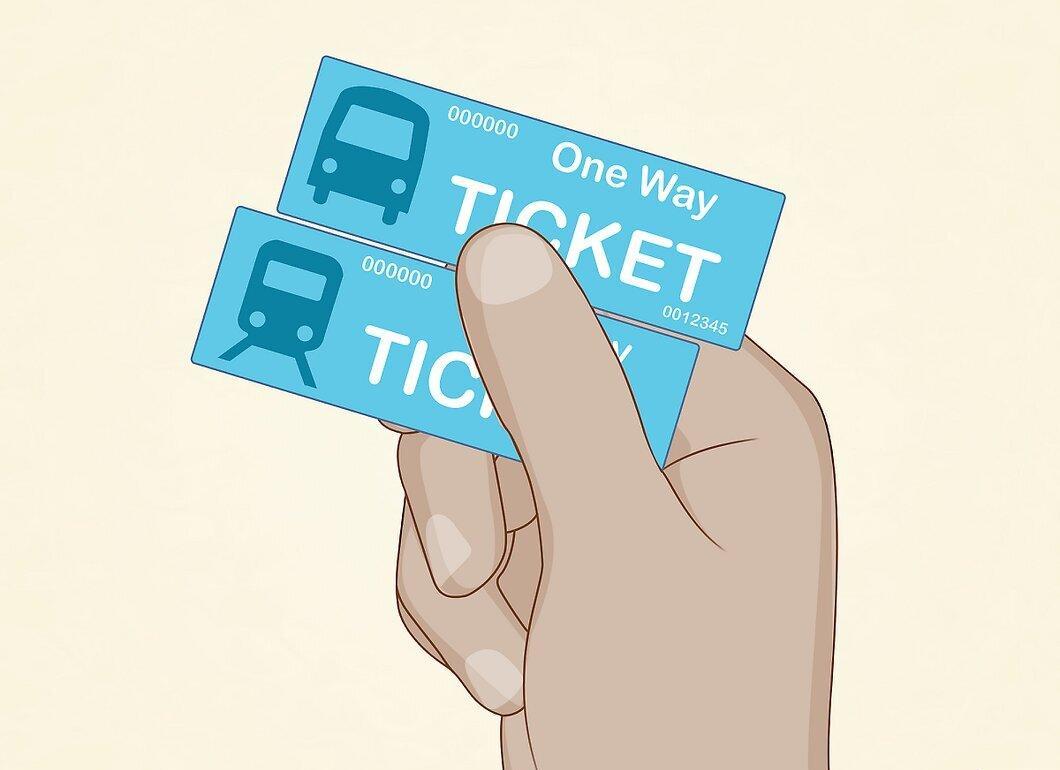
Select appropriate transportation. In large cities, traveling to the museum often comes with high parking fees. It's better to use public transportation like buses or trains. Also, plan your route to minimize walking, as you will be doing a lot of walking inside the museum.
Create a Visit Plan
Step 1. Make a list of must-see exhibits.
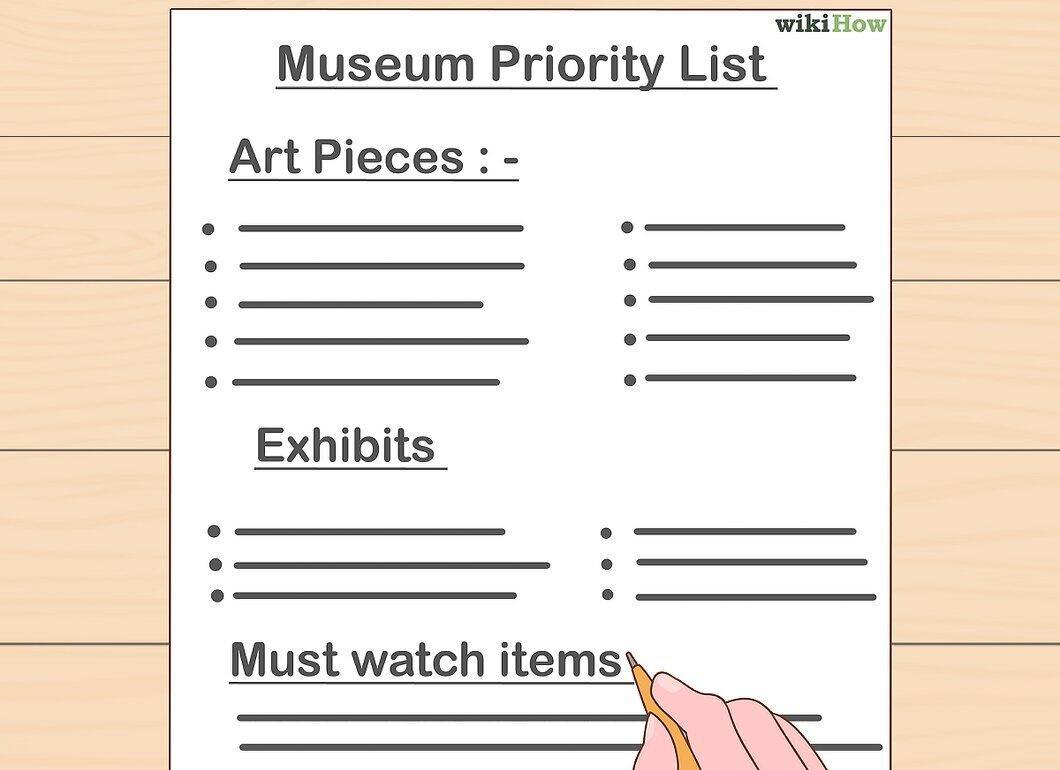
Create a list of must-see exhibits. Don’t try to see everything at once, especially in a large museum, or you will quickly tire out—both physically and mentally. Make a list of the priority exhibits you want to see.
- For instance, if you're visiting the Louvre in Paris, do you absolutely want to see the Mona Lisa? If so, list that painting first, then add other important exhibits. You can also list desired items that are not mandatory.
- The museum's website typically has information on new and popular exhibits. You can also ask friends or relatives who have previously visited that museum for recommendations.
- Choose 1–2 interesting exhibitions or about 20 paintings, sculptures, and other works of art to focus on.[8] X Source
Step 2. Limit your time in the museum to two hours.
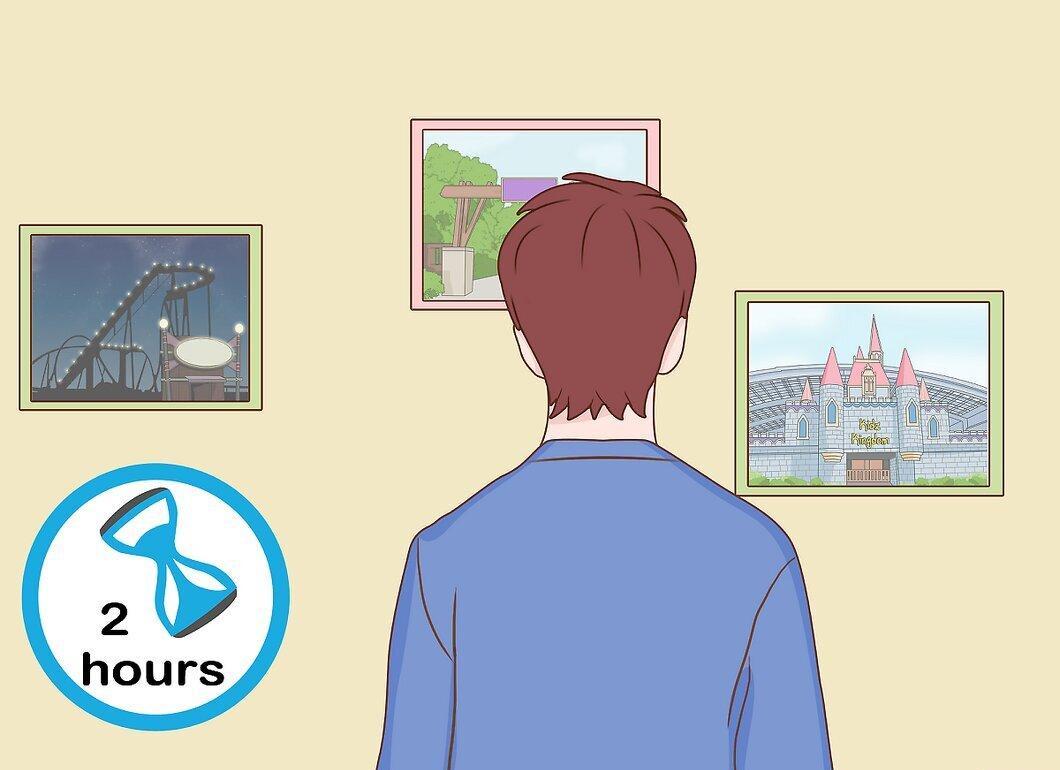
Stay in the museum for no more than two hours. Otherwise, you risk getting tired and forgetting everything you enjoyed. If you have kids with you, you may need to shorten the visit even more. Visit museums on discount or free admission days to avoid spending too much on short visits.
Step 3. Arrive well-fed and dressed comfortably.
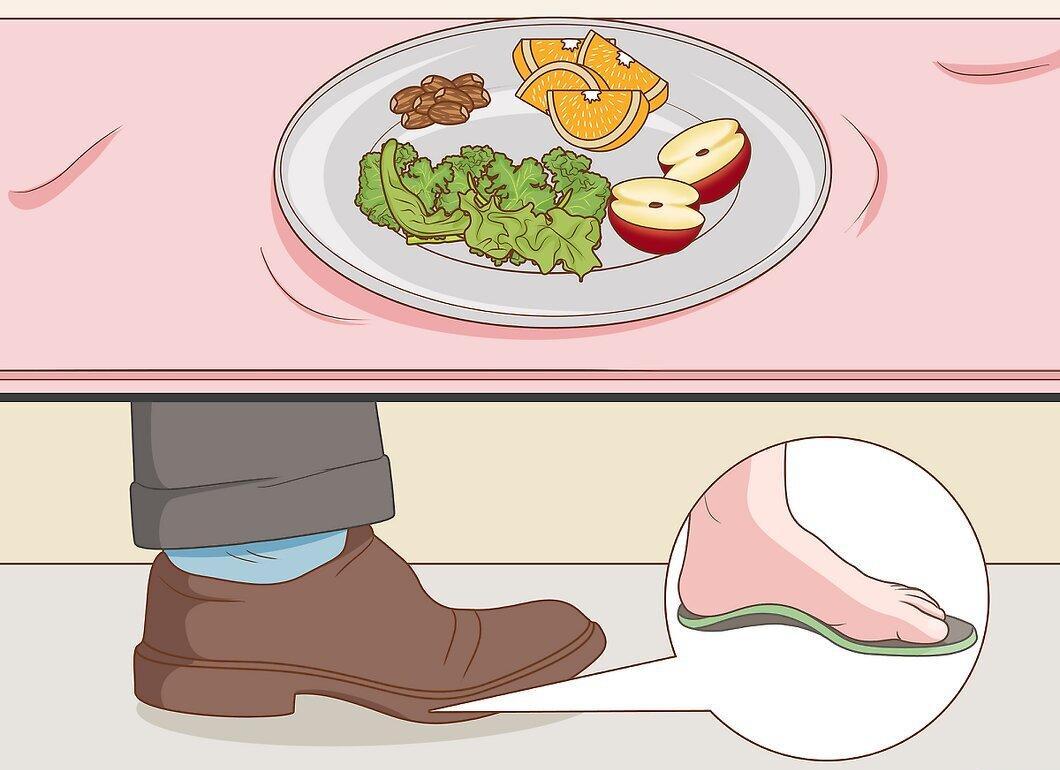
Come with a full stomach and in comfortable clothing. Before visiting the museum, have a meal so that hunger doesn’t distract you. Choose comfortable clothing, especially shoes with cushioned insoles or arch support, as you will spend most of your time on your feet.
Explore the Museum
Step 1. Read the information about the exhibits.
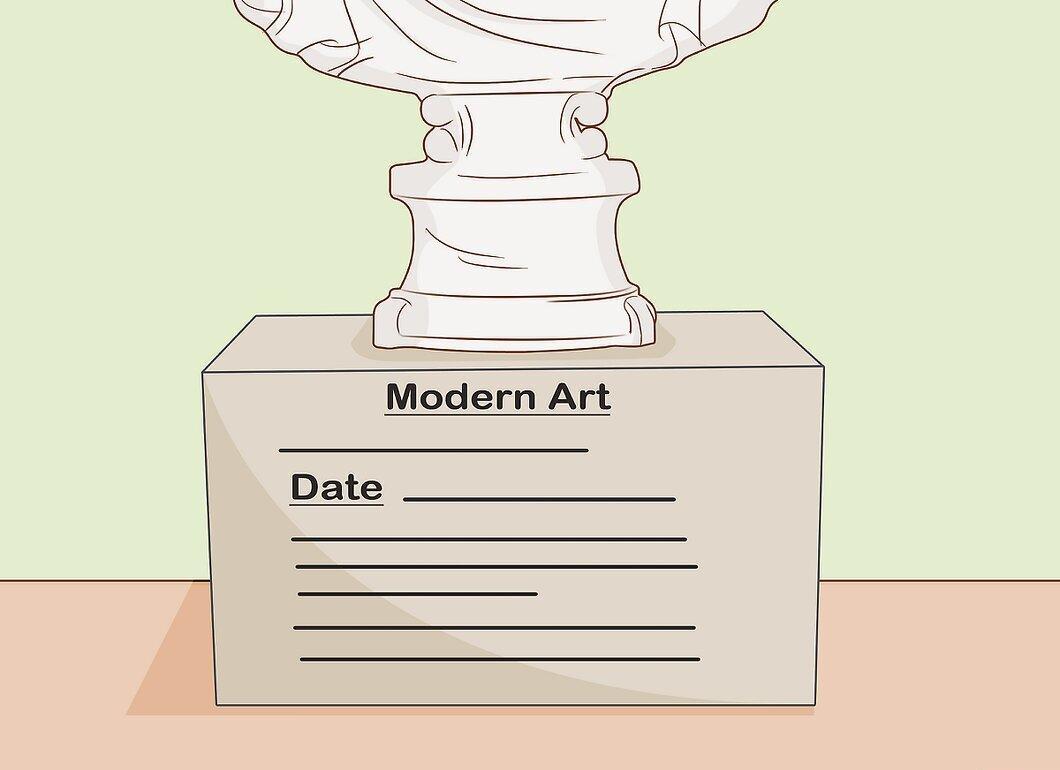
Read the information about the exhibits. Almost every museum has posters or plaques with important information about each exhibit. You likely won't have time (or desire) to read every plaque. Focus on the information for the exhibits you choose, and if time allows, pay attention to other notable items.
Step 2. Listen to the audio guide.
Listen to the audio guide. When purchasing tickets, inquire about audio guides. Many museums offer electronic devices with audio for a small fee. An audio guide can provide you with a more detailed understanding of the exhibits without having to read the information on each plaque.
Step 3. Join a group tour.
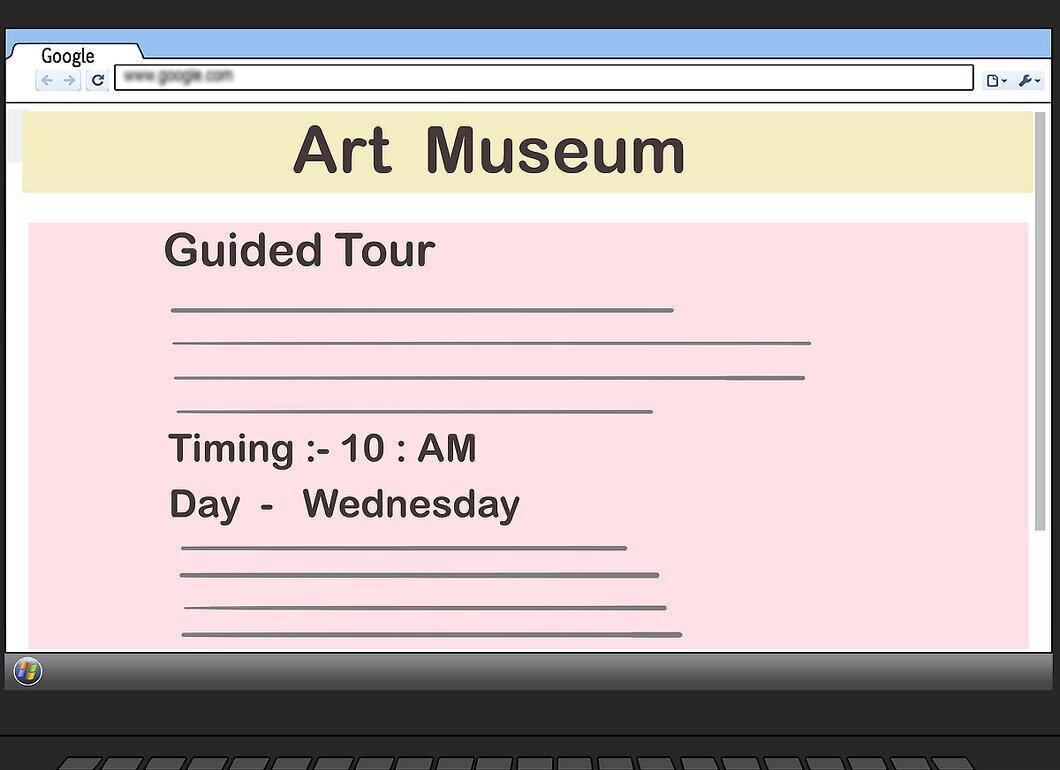
Participate in a group tour. Some museums offer free tours that start at scheduled times. Generally, you need to arrive at a meeting point and join the group, but sometimes you need to register or pay separately for this service. Check the relevant information on the museum's website or at the ticket office.
Step 4. Discuss favorite exhibits with your companions.

Talk about your favorite exhibits with your companions. Engage in conversations with friends and family who joined you. Find out which painting or fossil they liked the most. Share any new information that surprised you. This is a good way to converse with your companions and better understand the exhibition.
Step 5. Take frequent breaks.

Make frequent breaks. If there are chairs or benches in the museum, don't hesitate to sit down at the first signs of fatigue. Is there a cafe in the museum? Order drinks and chat with your friends before continuing your exploration.
Prepare Kids for the Visit
Step 1. Choose a museum with kid-friendly activities.
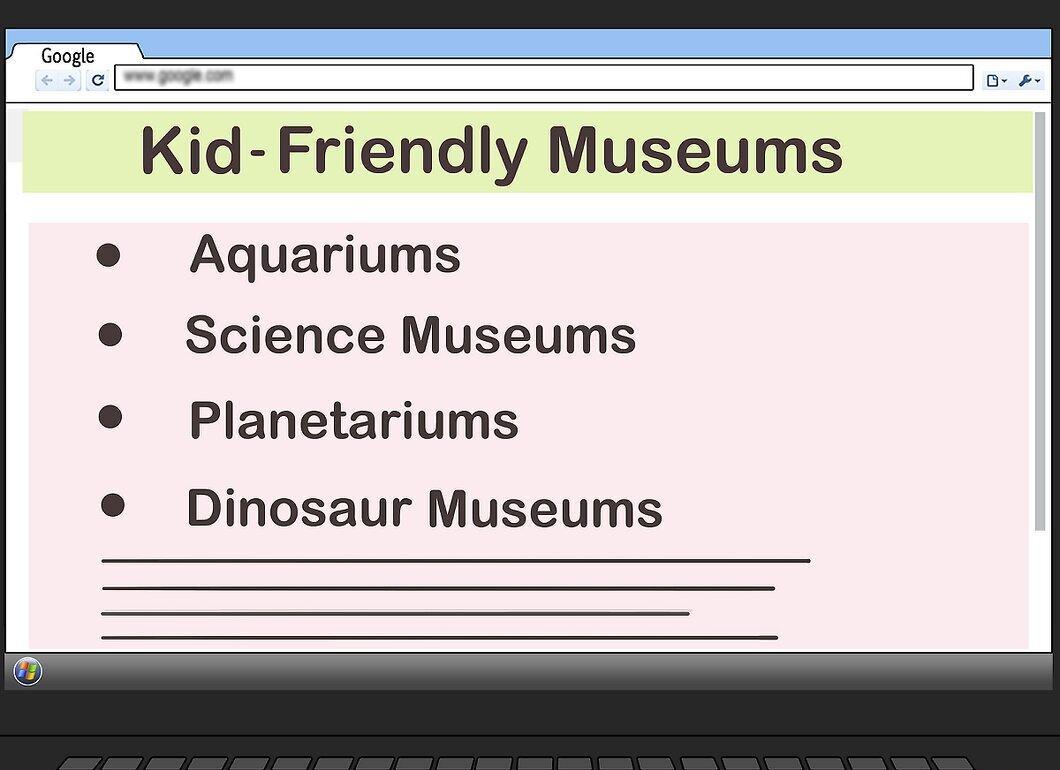
Select a museum with entertainment for children. Many museums have special sections for kids, but small, specialized museums may not offer additional activities. Opt for a museum designed for children, an aquarium, a natural history museum, or a planetarium. It's best to avoid war museums or military technology exhibits if your child is not old enough to grasp complex information yet.
Step 2. Explain behavior rules in advance.
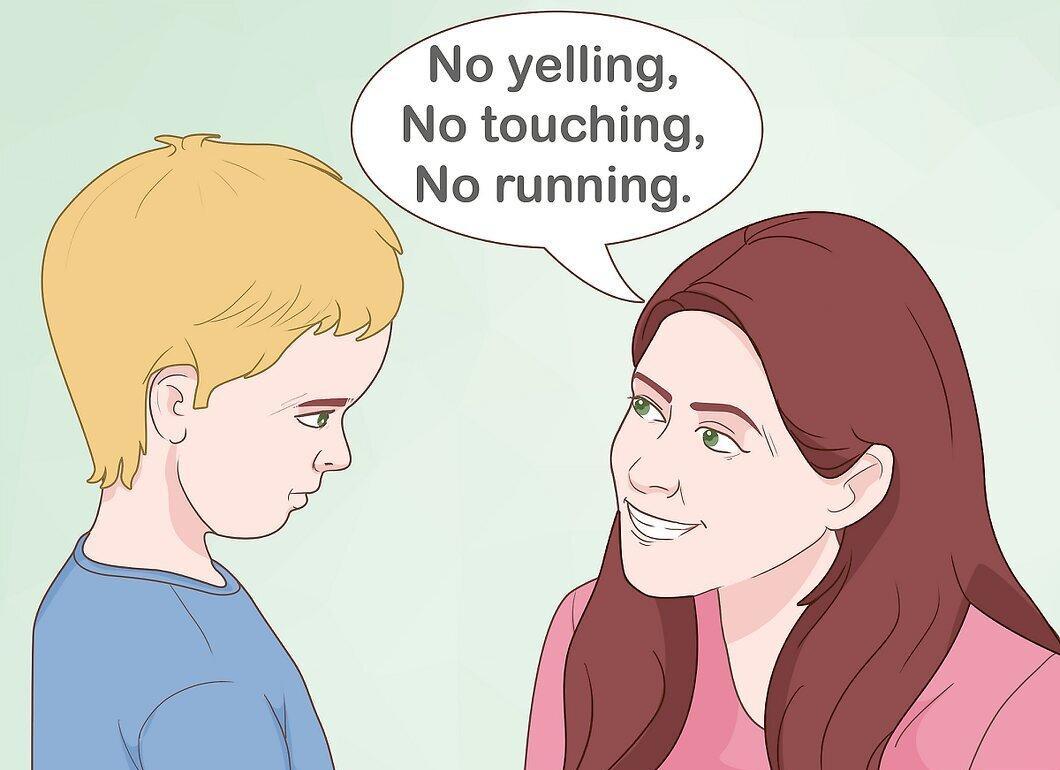
Discuss behavior rules with kids in advance. Explain the basic rules: no shouting, touching exhibits, or running in the aisles. If a child wants to touch something, explain that if every one of a million visitors touched a painting, it wouldn't survive. Show them interactive exhibits that they can touch, including shows at the aquarium or dolphinarium.
Step 3. Show kids images of items you’ll see.
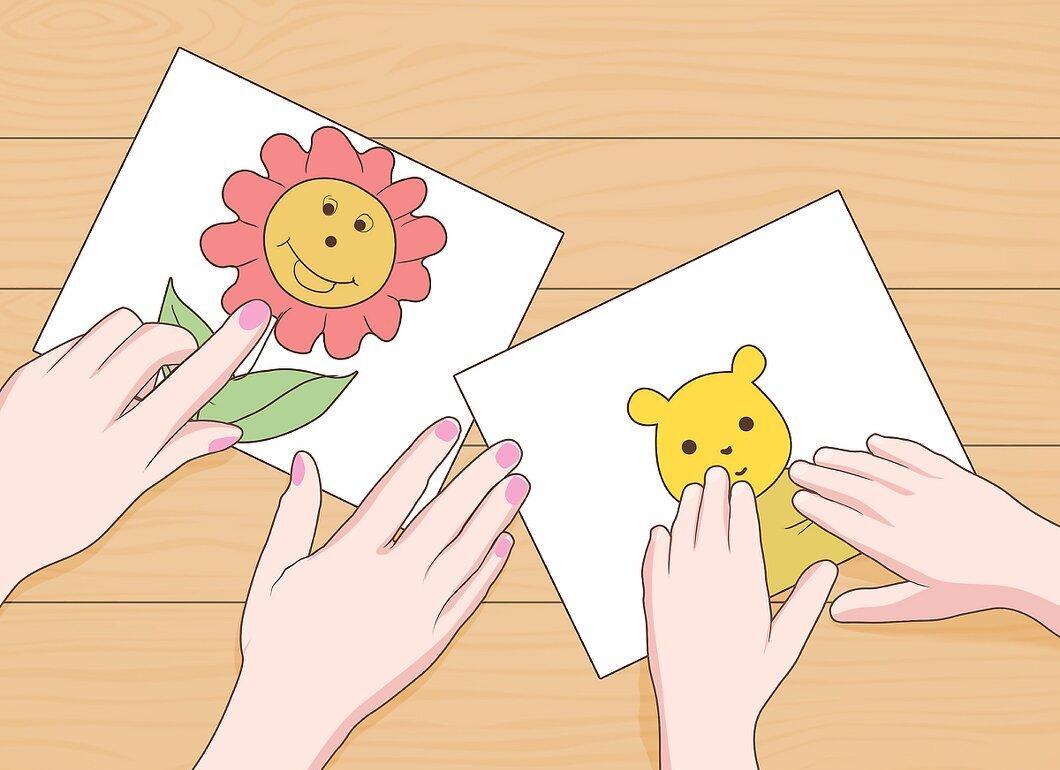
Show kids images of the items you’ll see. Find images of fossils or sculptures that will be displayed in the museum online. You can also create a special list or even a treasure map to encourage kids to find these items.
Step 4. Bring a drawing pad.
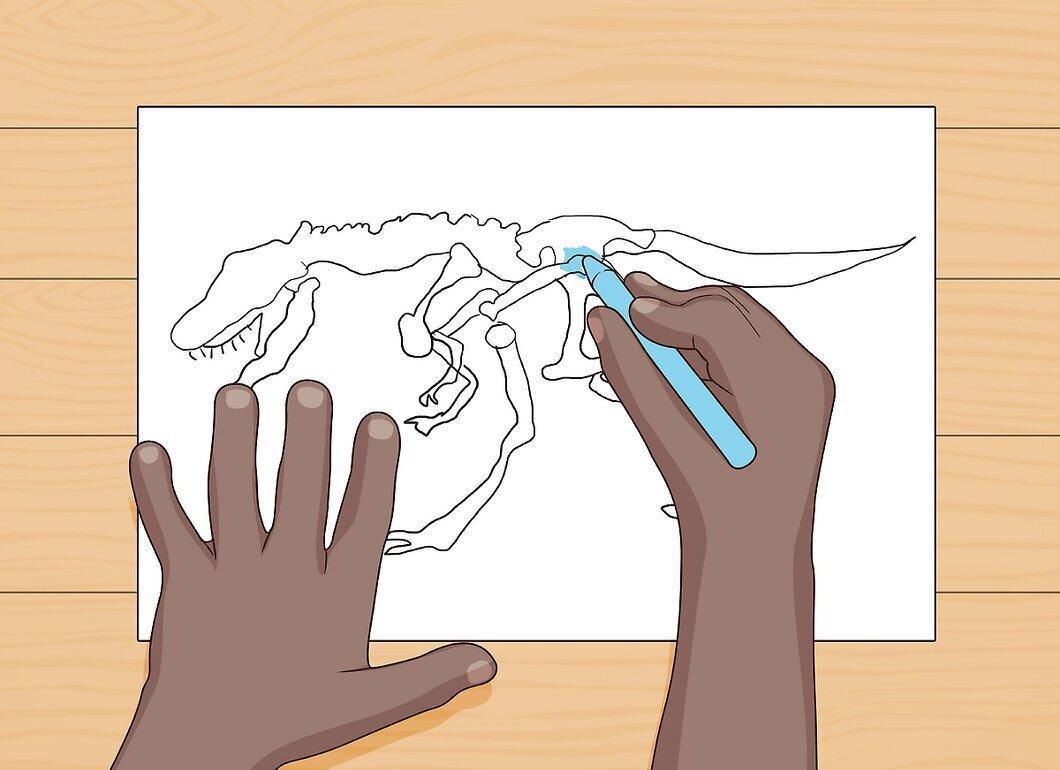
Take a drawing pad with you. Encourage your child to draw everything they see. At an art museum, you can hold a competition for the best reproduction of famous paintings. You can also ask the child to draw or note their feelings about the exhibits they saw.
Step 5. Pay special attention to interactive exhibitions.
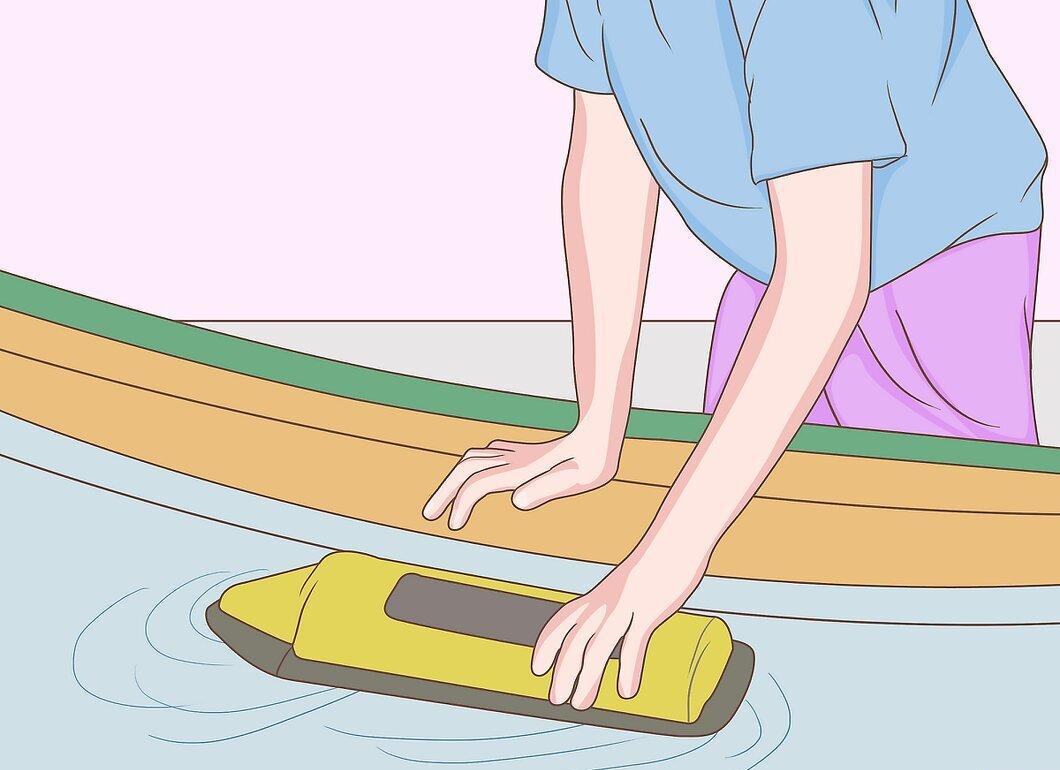
Focus on interactive exhibitions. You can try to engage your child with paintings or ancient weapons, but children generally prefer exhibits where they can participate. Spend ample time in areas where the child can touch exhibits, get closer, or look inside. This will serve as compensation for the restriction on touching other exhibits.
Step 6. Bring some snacks.

Pack some snacks. Eating is generally not allowed in exhibition halls at most museums, but if a child gets hungry, they won't be able to focus on anything else. Bring a granola bar, fruits, or other snacks and feed your child in the corridor or lobby of the museum to avoid breaking the rules.
- Try to visit museums with kid-friendly activities where bringing drinks or food is allowed. This information can usually be found on the museum's website.[18] X Source
- If budget allows, visit the museum's cafeteria and feed the kids there.
Step 7. Leave the museum if your child is tired.
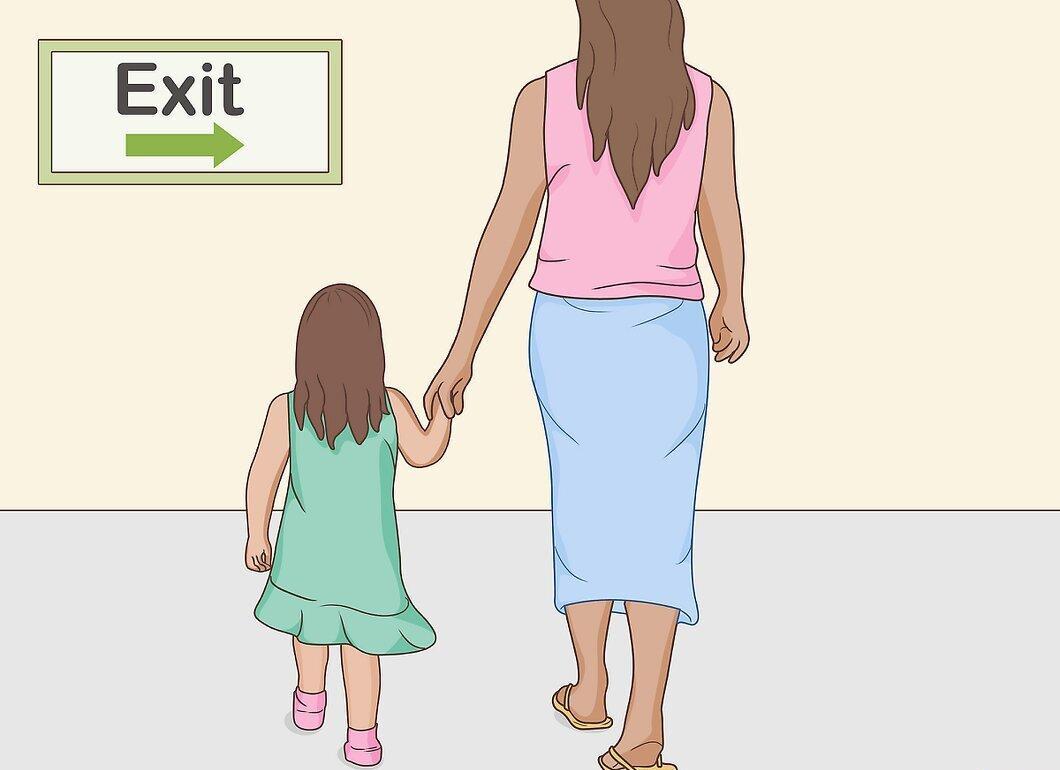
Exit the museum if your child is tired. Parents and guardians should recognize when a child is fatigued. Even if you want to stay longer, it’s best to end the visit. If you lose track of time, the child may throw a tantrum, ruining the experience. As children grow older, they become accustomed to these outings, so view such situations as training.