Wolf spiders are not like traditional spiders. They don't spin webs or catch their prey with them. Instead, they stalk and hunt their prey much like a wolf. Although wolf spiders closely resemble tarantulas, they are generally smaller and belong to a completely different family. In the scientific community, these spiders are known as "Lycosidae," which translates to "wolf" from Greek.
How to Recognize a Wolf Spider
Step 1. Observe the spider's physical features.
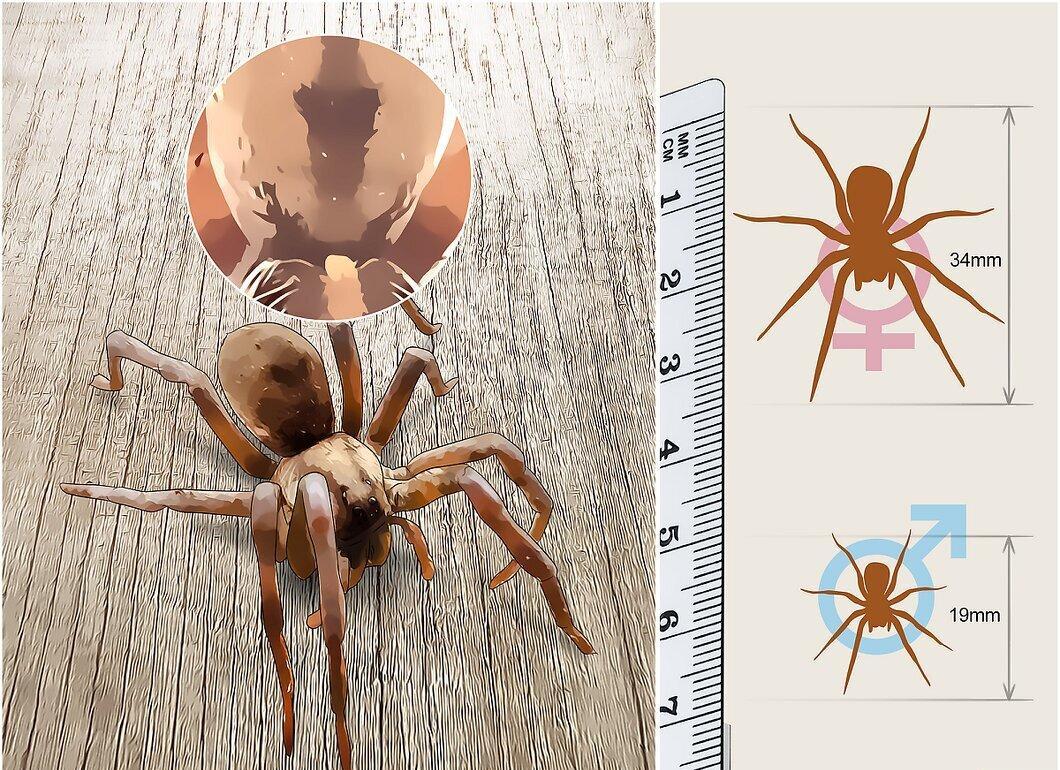
Pay attention to the spider's physical features. Here are some key characteristics: they have a hairy body, their coloration ranges from brown to gray with various markings and stripes, females can grow up to 34 mm, while males reach up to 19 mm in length.
Step 2. Take note of the eye arrangement.
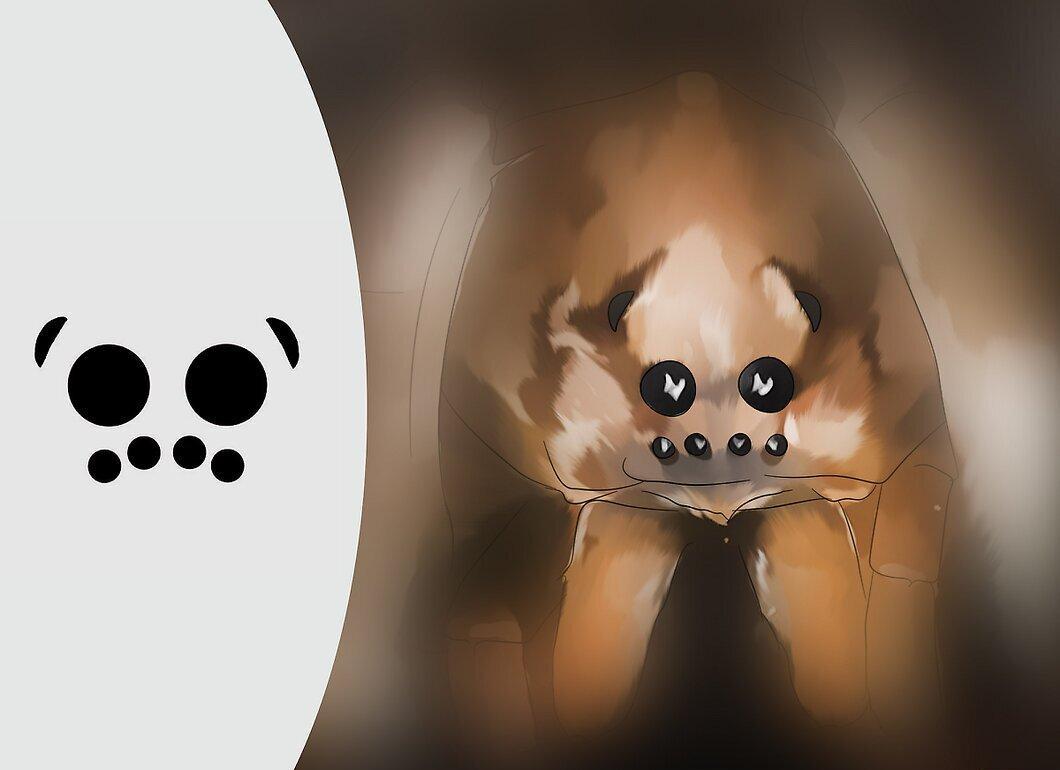
Observe the arrangement of the eyes. Their eyes are arranged in three rows: four tiny eyes in the first row, two large ones in the second, and two medium-sized eyes in the third. The two central eyes will be significantly larger than the other six.
Step 3. Check if the spider has three claws at the tips of its front legs.
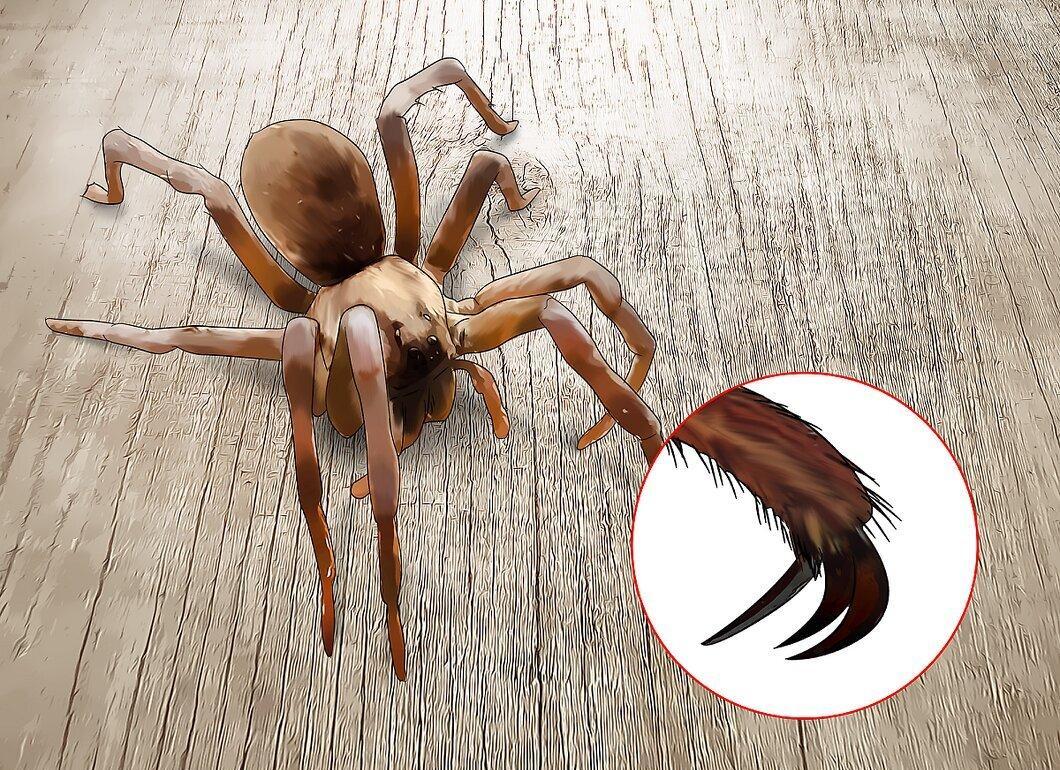
Look to see if the spider has three claws at the tips of its front legs. The tips are the last segment of the spider's legs. Wolf spiders have three claws at the tips of their front legs.
Step 4. Don't confuse the wolf spider with the recluse spider.
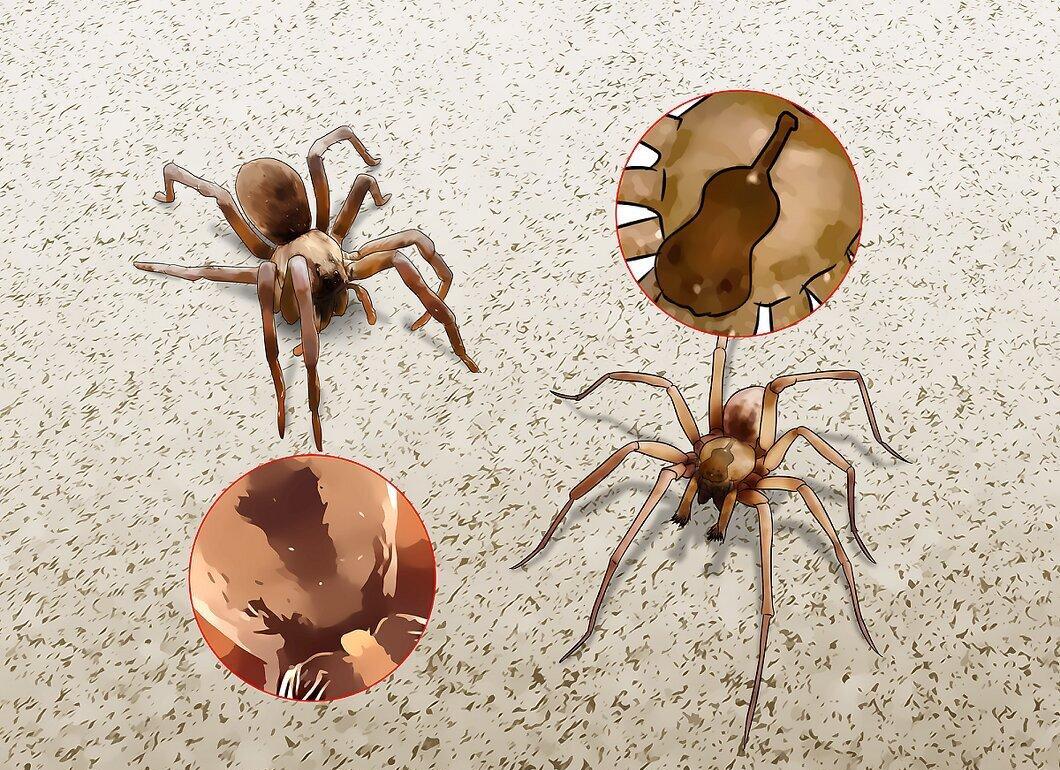
Do not confuse the wolf spider with the recluse spider. While wolf spiders have a similar brownish-gray color, they lack the violin-shaped marking on their back that recluse spiders have. Additionally, wolf spiders have significantly shorter legs compared to recluse spiders or any web-building spiders.
Step 5. Examine the hairy abdomen.
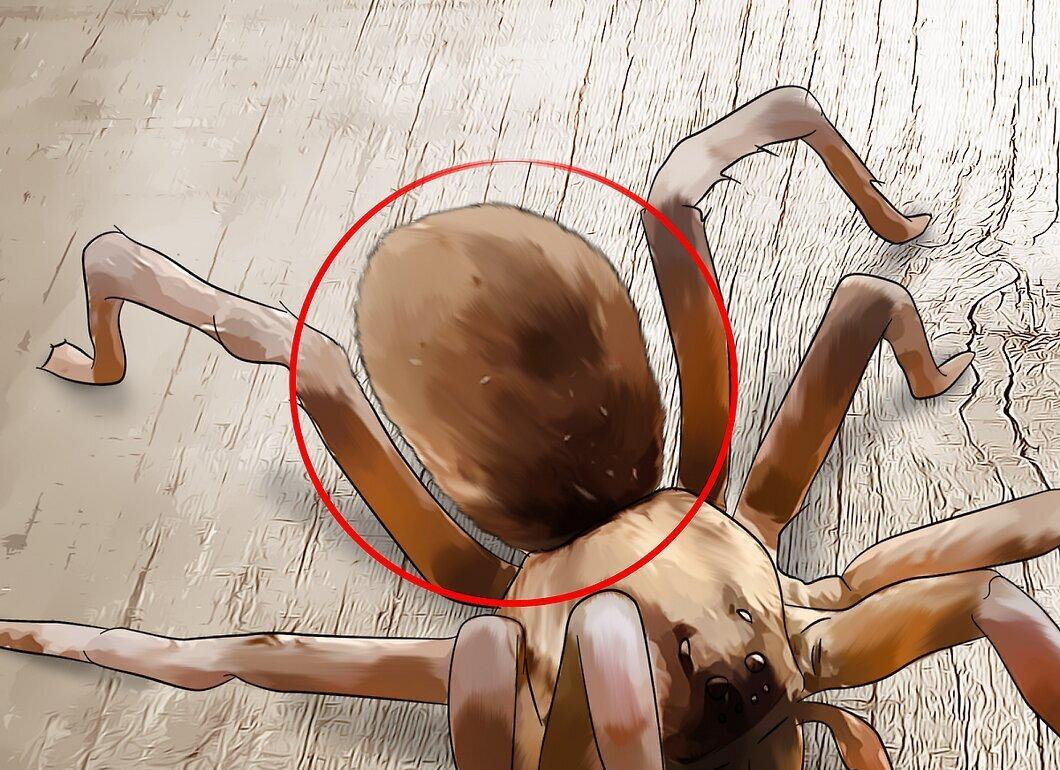
Look at the hairy abdomen. This feature can lead to confusion with tarantulas, but most wolf spiders are much smaller than tarantulas.
Wolf Spider Habitat
Step 1. Check if the spider scurries into a burrow.
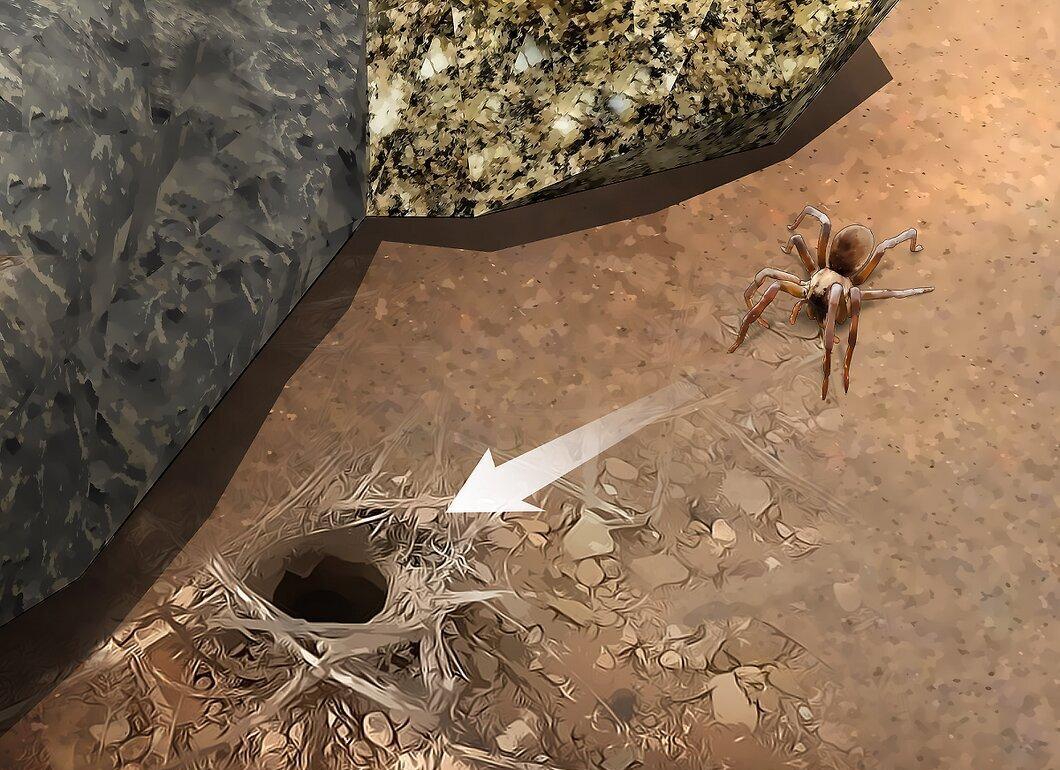
Observe if the spider scurries into a burrow. Inspect doors and windows of your home and around other buildings on your property. If you see a spider running into a burrow instead of towards a web, it is likely a wolf spider.
Step 2. Watch how the wolf spider hunts its prey.
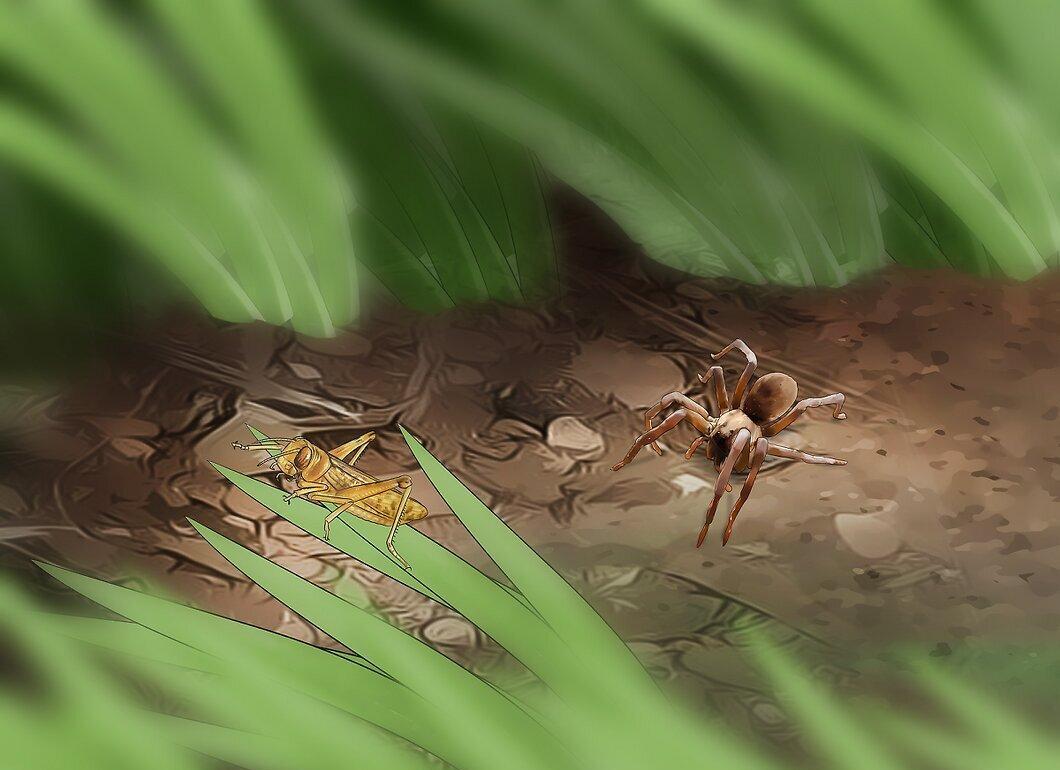
Notice how the wolf spider hunts its prey. Web-spinning spiders are rarely found on the ground. Wolf spiders, however, feel right at home on the ground and seldom climb up high structures.
Step 3. Look for a white sac attached to the back of a spider's abdomen in early spring or summer.
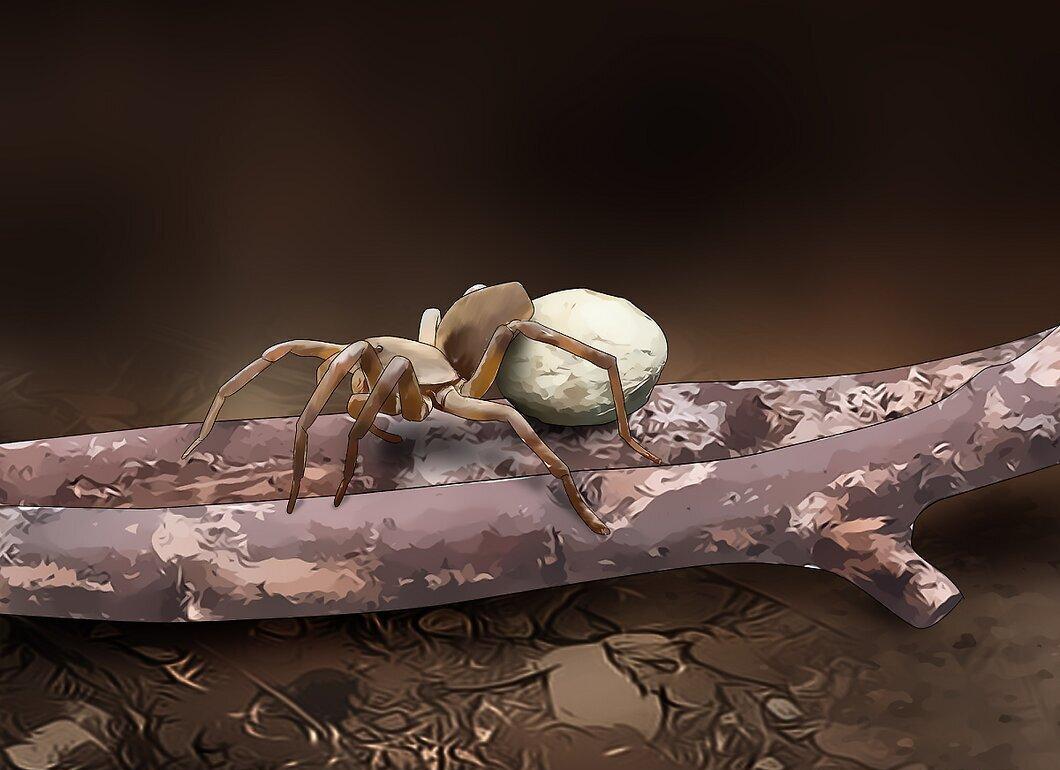
Find a spider in early spring or summer and look for a white sac attached to the back of its abdomen. Female wolf spiders carry their eggs in this sac.
Step 4. Check for spiderlings on the back of a female.
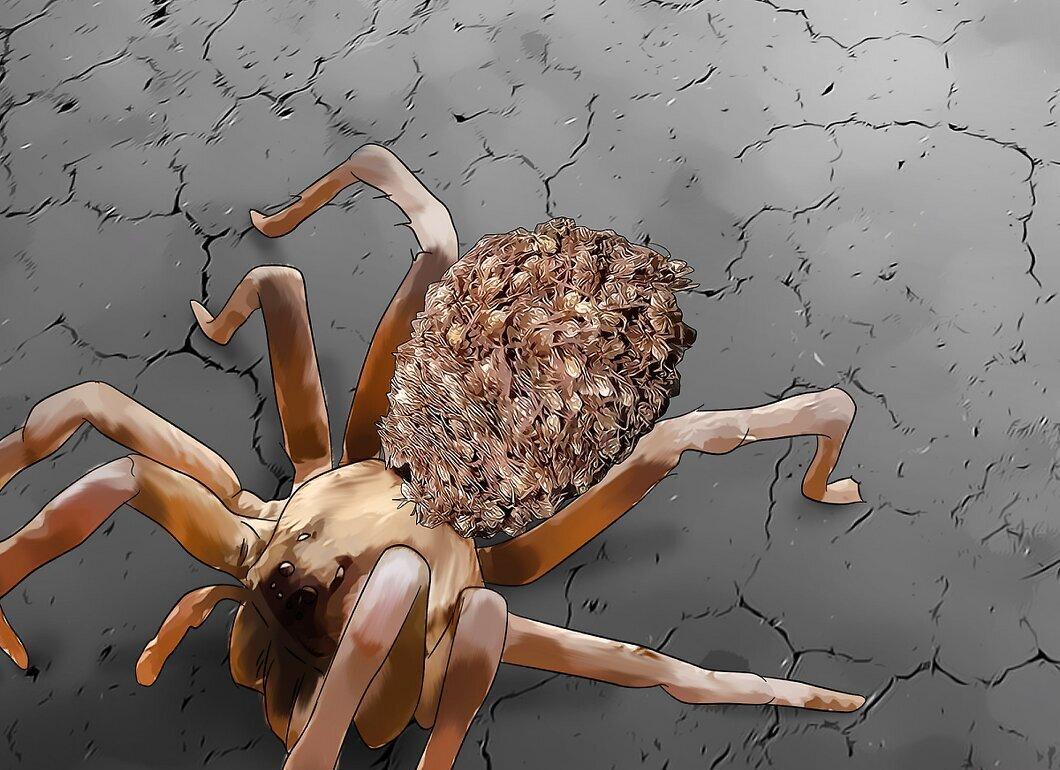
Look for spiderlings on the back of a female. This is characteristic of wolf spiders.
Step 5. Keep in mind that wolf spiders can hunt both day and night.
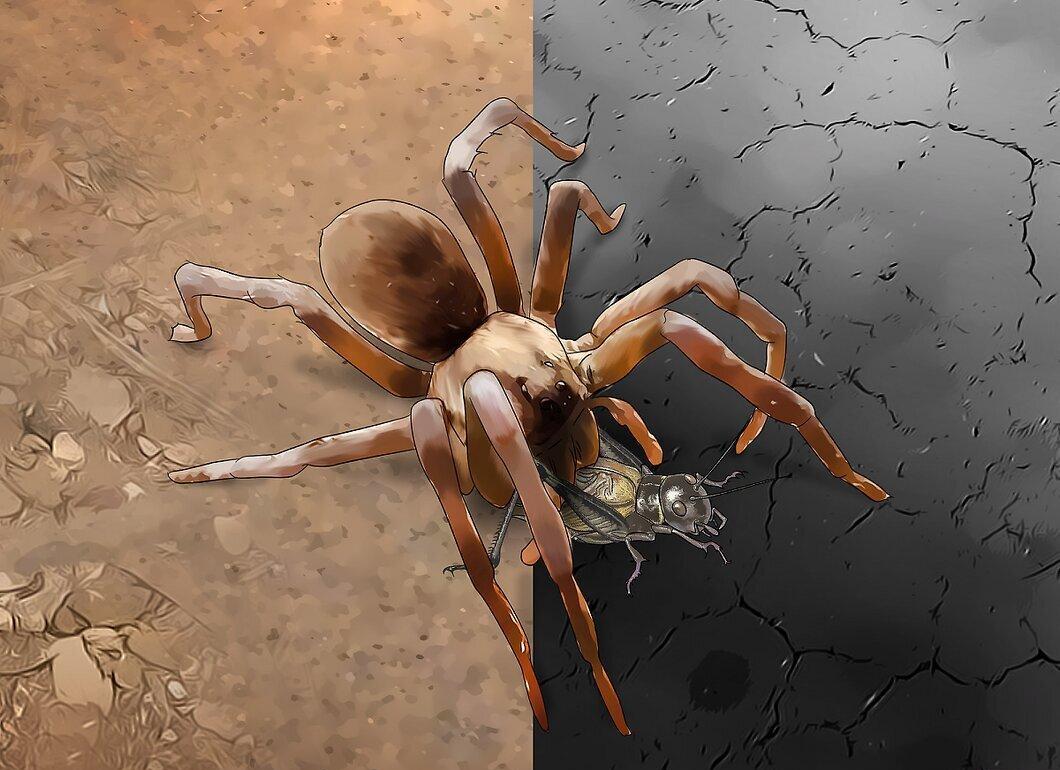
Remember that wolf spiders can hunt both during the day and at night. Most of their prey (crickets, caterpillars, and other insects) can be found at all times. If you have a lot of these insects on your property, a wolf spider may be nearby.
Step 6. Note the spider's running speed.

Take note of the spider's running speed. Wolf spiders are extraordinarily fast. They are very difficult to catch because they move quickly.