Pull-ups are arguably the best exercise for strengthening your upper body, but they can be incredibly challenging if you're just starting out. Fortunately, with a little determination and dedication, you can improve your performance and increase the number of pull-ups you can do, even if you're currently starting from zero.
Perfect Your Technique
Step 1. Warm up for 5-10 minutes.
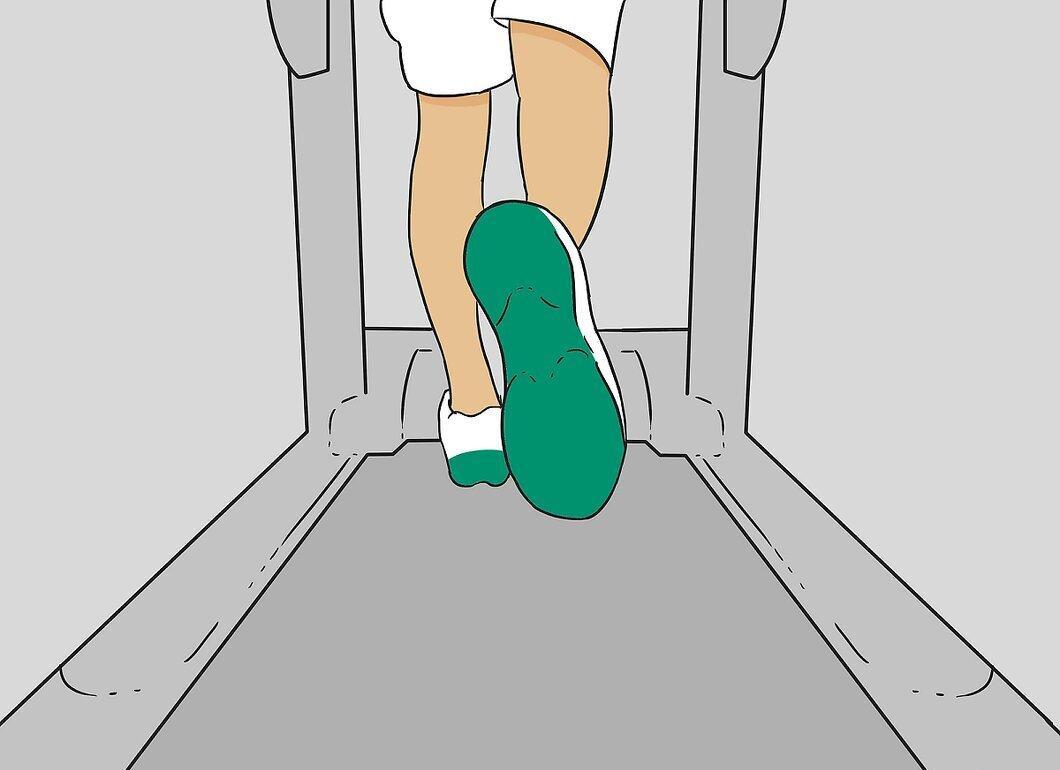
Start by warming up for 5-10 minutes. Warming up will boost your circulation and help prevent injuries. To warm up, do some cardio exercise, like a brisk walk or light jog (if you have a pull-up bar at home, a treadmill works well; otherwise, you can march or jog in place). Also, spend some time on dynamic stretching, such as arm circles or swings.
Step 2. Roll your shoulders back and arch your back.
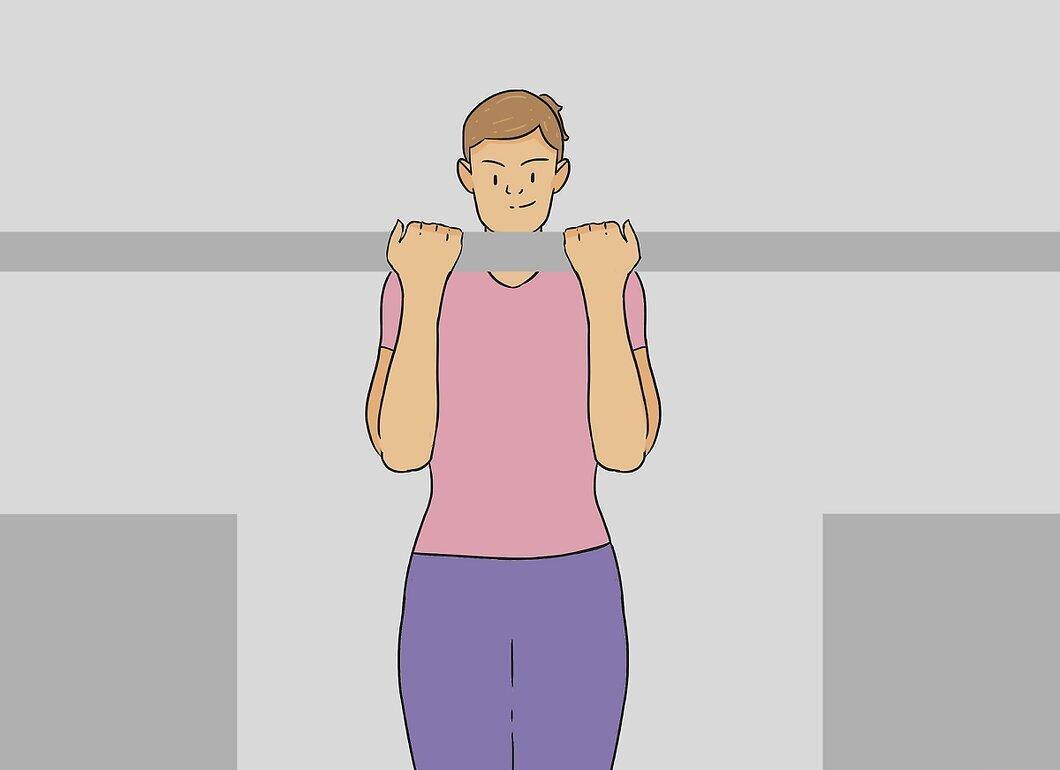
Roll your shoulders back and arch your back. If you're struggling with pull-ups, there may be a natural tendency to "curl up" during the exercise, putting extra strain on your neck and back muscles, complicating the workout. To avoid this, roll your shoulders back and ensure your spine remains arched.
Step 3. Engage your back muscles, not just your arms.
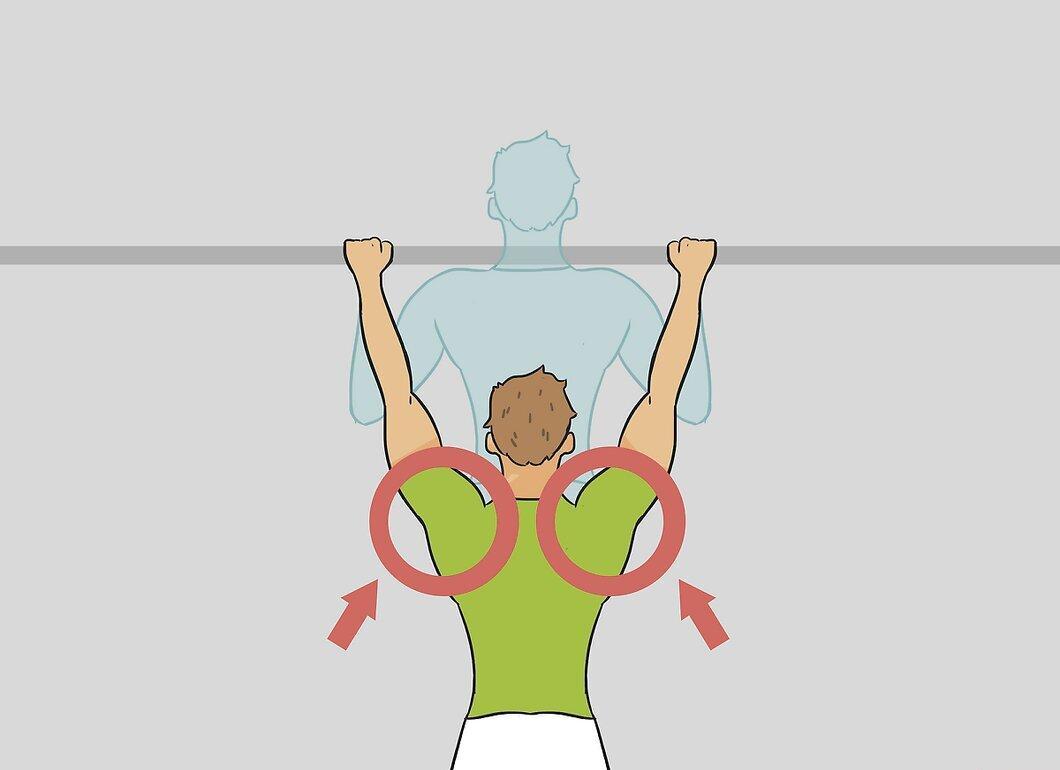
Engage your back muscles, not just your arms. It may seem that pull-ups mainly depend on arm strength, but your back muscles are just as important, if not more so. To make the workout easier and more effective, focus on using your back and lat muscles to help pull yourself up.
- In particular, aim to engage your latissimus dorsi and rear deltoid muscles.
Step 4. Cross your legs while performing the exercise.
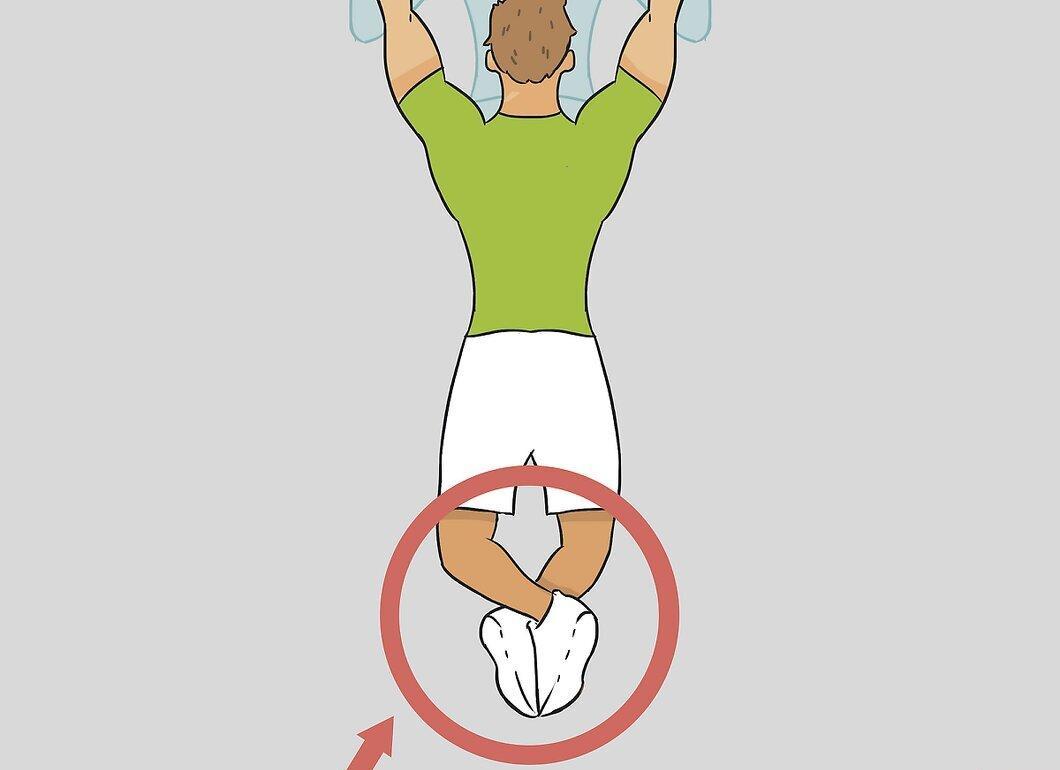
Cross your legs while performing the exercise. When pulling up, try crossing your legs at the ankles. While this may seem unnecessary, it helps reduce pressure on your arms, making it easier to maintain the correct position during the exercise.
- You can either bend your knees or keep your legs straight while crossing them. Neither option will affect your overall performance, so choose what feels more comfortable for you.
Step 5. If you're struggling, use assistance from a partner, machine, or object.
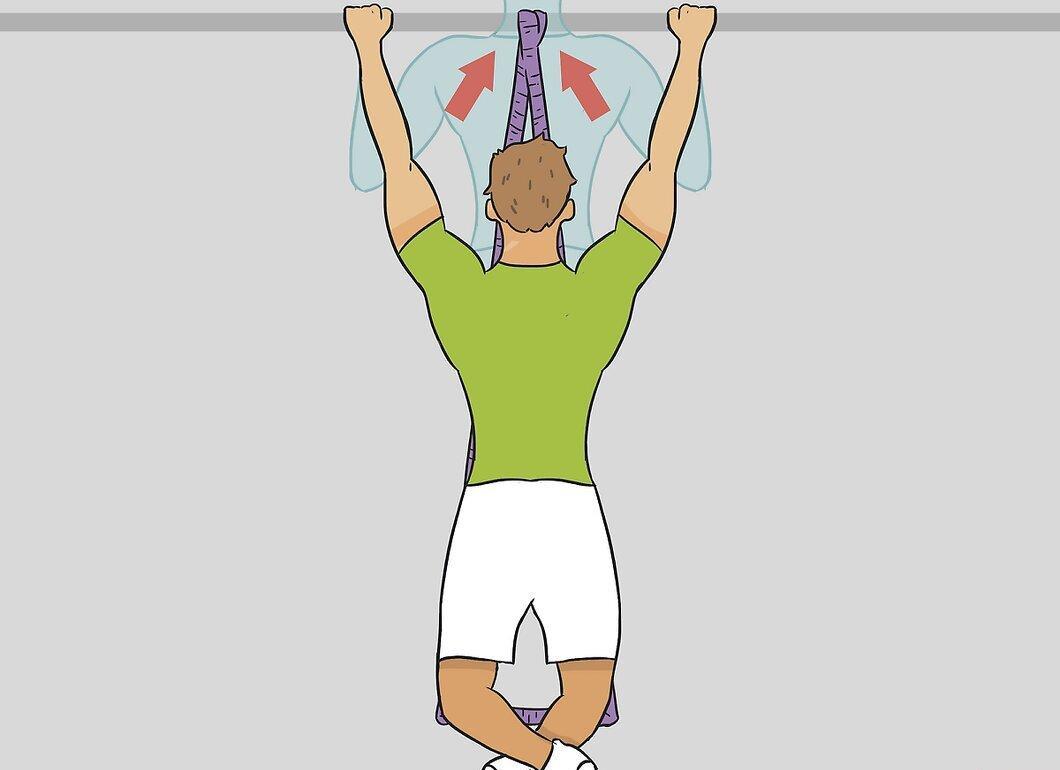
If you're struggling, use assistance from a partner, machine, or object. This way, you can perform the same basic movements as regular pull-ups, but with a little extra help to make the process easier. Since this closely mimics real pull-ups, it’s a great way to get in shape before attempting them independently. You can try the following options:
- Use a pull-up assist machine;
- Loop a resistance band around the bar and place your feet or knees in the loop to help lift part of your weight during pull-ups;
- Stand on a stool with one foot;
- Ask a partner to hold your feet or legs during your workout.
Challenge Yourself
Step 1. Vary the types of pull-ups you perform.
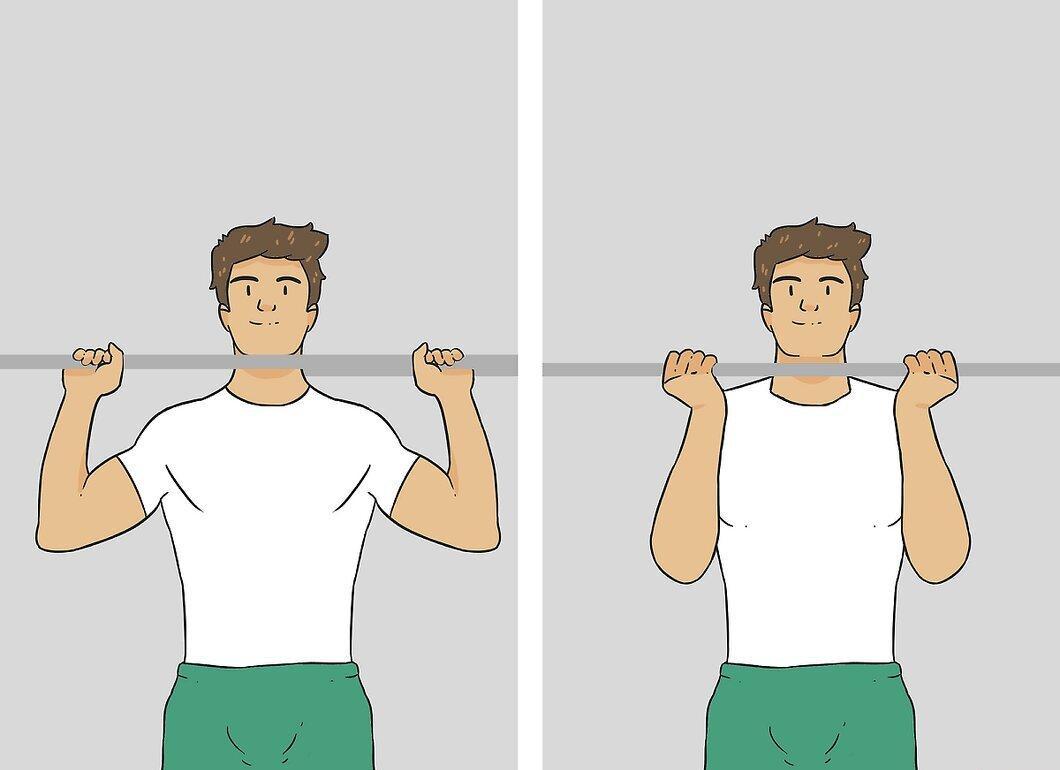
Vary the types of pull-ups you perform. Even standard up-and-down pull-ups have several variations that you can switch between as you please. Different styles engage different muscles, so some pull-ups will be easier for you than others. Here are some styles you can incorporate into your workouts:
- Standard style. Grip the bar with your palms facing away and your hands shoulder-width apart. Then, slowly and steadily pull your chest closer to the bar.
- Neutral grip. Grab two parallel bars 12-20 inches apart with your palms facing each other. Pull yourself up until your chest is as close to the bars as possible.
- Chin-up style. Grip the bar from underneath with your hands shoulder-width apart. Then, slowly flex your biceps to raise your chin closer to the bar.
Step 2. Add negative pull-ups to your routine.
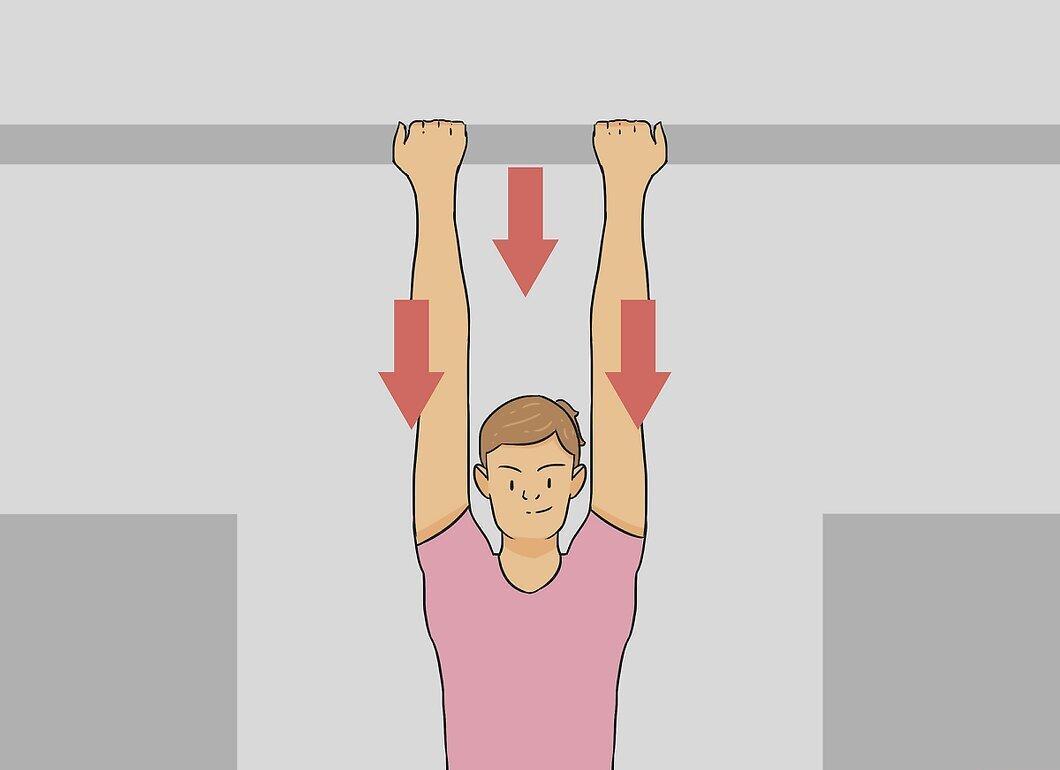
Add negative pull-ups to your routine. Negative pull-ups are essentially the second half of a standard pull-up. Start from the following position: your chin is above the bar and your chest is as close to it as possible. Then, lower yourself as slowly as you can. This exercise is less intense than full pull-ups, so try using it as a warm-up to prepare for your actual workout.
- Always start from the "top" position.
Step 3. Aim to do one more pull-up each workout.
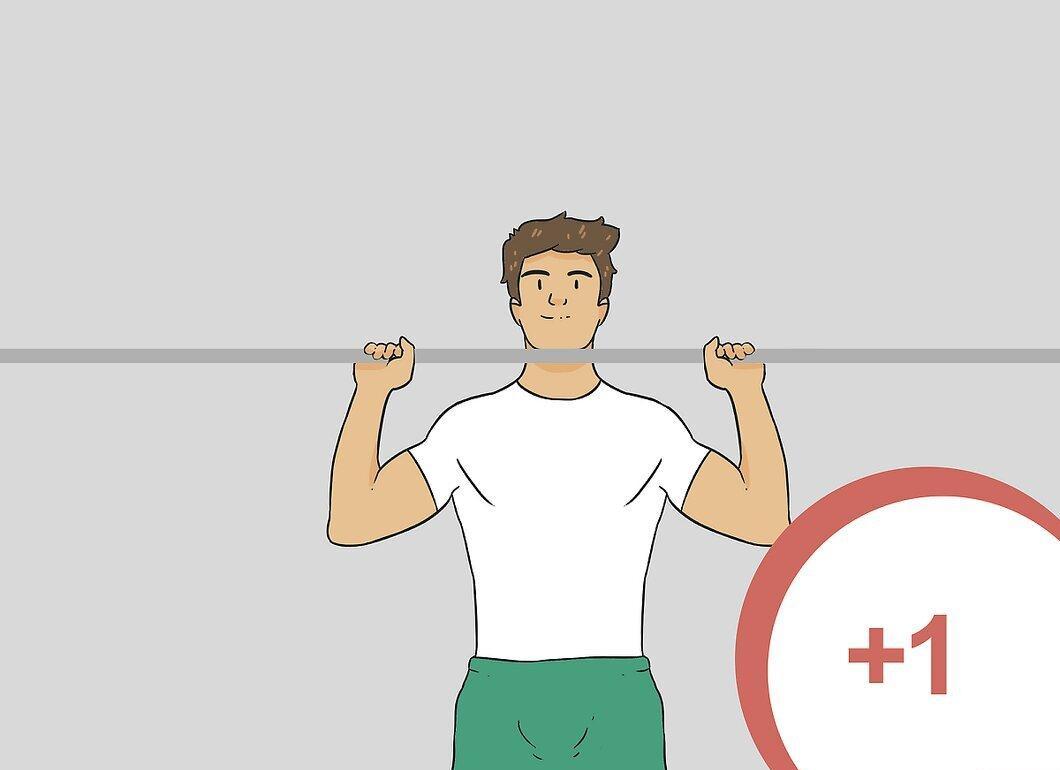
Aim to do one more pull-up each workout. Each time you start a new workout, remember how many pull-ups you did last time and strive to do at least one more this time. While this might seem impossible when you feel tired and worn out, challenge yourself and keep trying until you literally can no longer hold onto the bar.
- In addition to your individual workout goal, consider setting a long-term pull-up goal as extra motivation.
- You don’t have to measure your success in full pull-ups! When you can’t pull yourself up to the bar, aim to pull yourself half or a quarter of the way up each time.
Step 4. Perform pull-ups 2–3 times a week.
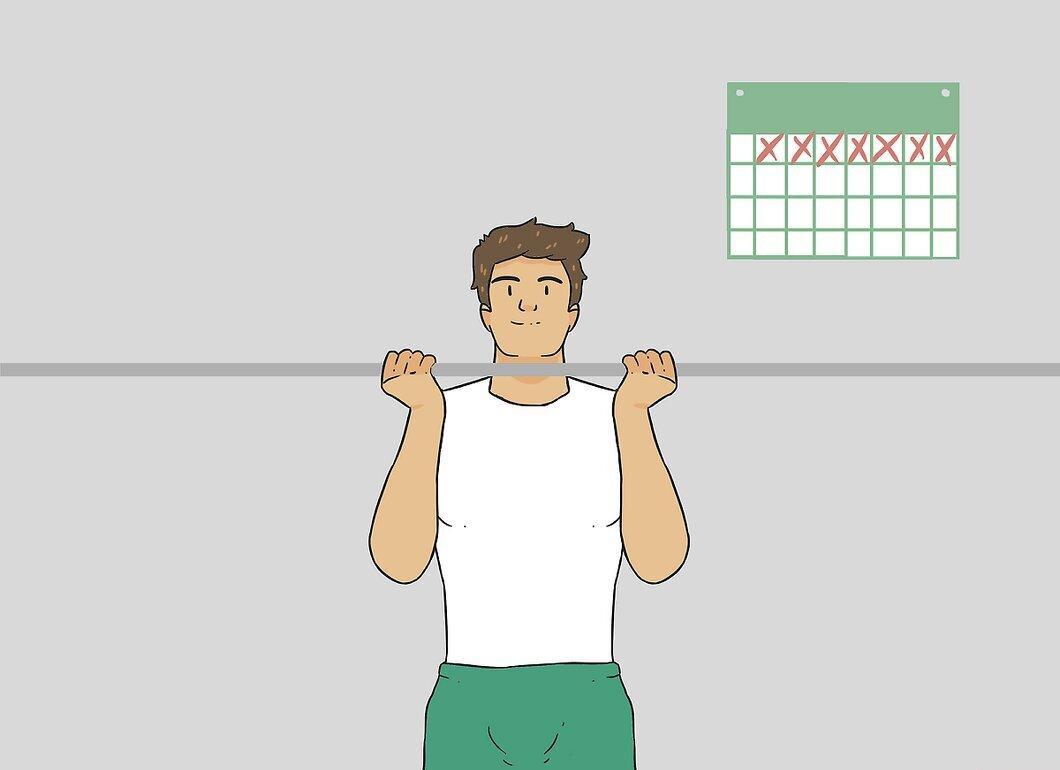
Perform pull-ups 2–3 times a week. While improving your form or changing your technique can make the process easier, dedication is the only sure way to achieve your pull-up goals. The more you train, the stronger you’ll become, and the more repetitions you’ll be able to do. For a balanced yet focused routine, aim for 3–4 sets of pull-ups 2–3 times a week.
- Be sure to take at least one day off between workouts to allow your arm and back muscles time to rest and recover. You can use this time to work on your core or lower body muscles if desired.
Build Strength and Stay Energized
Step 1. Do exercises to strengthen your back and arms.
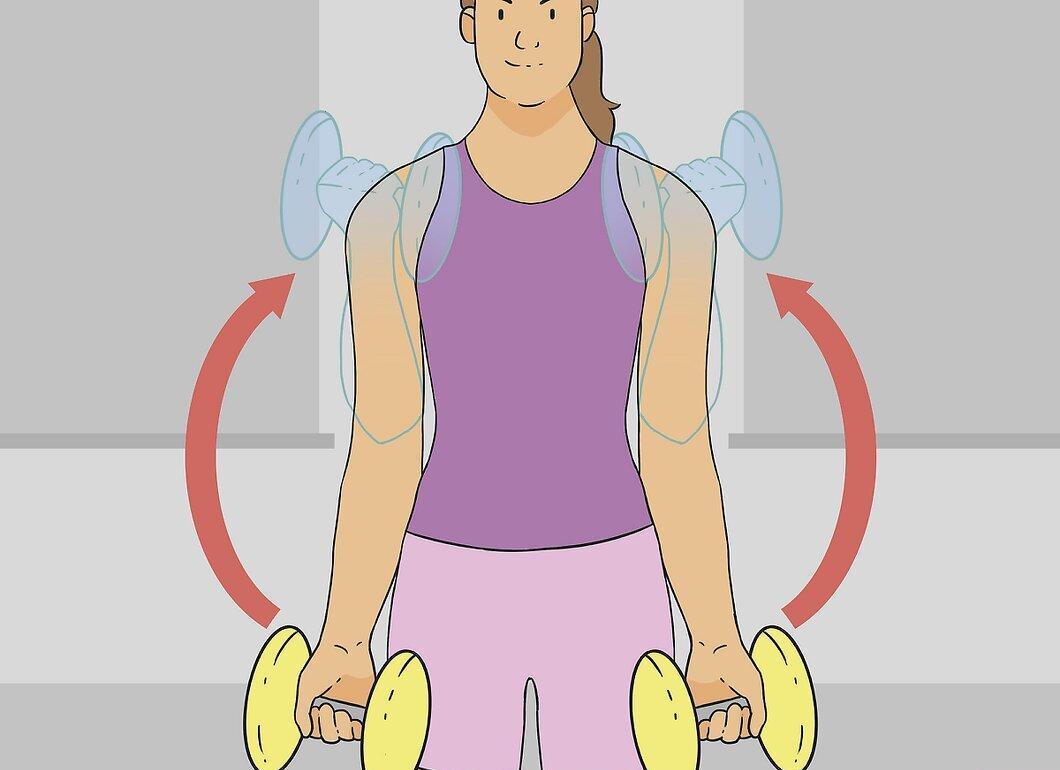
Do exercises to strengthen your back and arms. Pull-ups engage many muscles in your upper body, so working on each one individually can significantly ease the main workout. Before doing standard pull-ups, try some of the following exercises:
- Lat pulldowns. Sit at a lat pull-down machine, spread your hands shoulder-width apart, grip the bar, and slowly pull it down towards your collarbone. Keep your shoulders back and your torso slightly arched. This exercise strengthens your upper back and lat muscles.
- Bicep curls. Hold a dumbbell in each hand, then flex your biceps to move the weight up and down.
- Seated rows. Sit in front of a rowing machine with weights and pull the handles towards your waist in a slow, steady motion. This exercise strengthens your back and lat muscles.
- Dumbbell flies lying face down. Lie on a bench face down with dumbbells in each hand, then lift the dumbbells out to the side and lower them back down. This exercise is great for strengthening your deltoid muscles.
Step 2. Eat lean and nutritious foods.
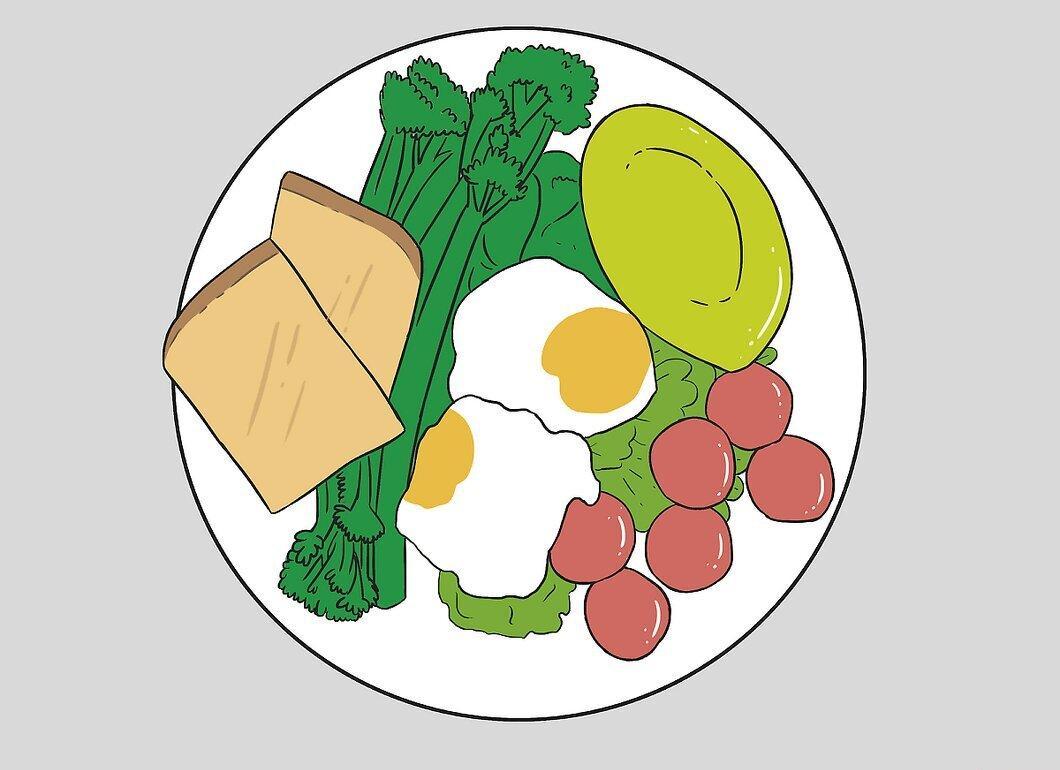
Eat lean and nutritious foods. To build large, strong muscles for pull-ups, aim for a balanced diet that includes lean proteins, nutritious carbohydrates, and healthy fats. While this dietary change may seem daunting at first, you can enrich your eating habits with truly delicious and nutritious foods. Here are some examples:
- Proteins: chicken breast, lean beef and pork tenderloin, lentils, beans, milk, eggs, and fish;
- Good carbohydrates: whole grains, bread, pasta, quinoa, barley, and bulgur;
- Healthy fats: nuts, avocados, olives, tofu, and soy products.
Step 3. Do aerobic exercises and consume fewer calories if you're overweight.
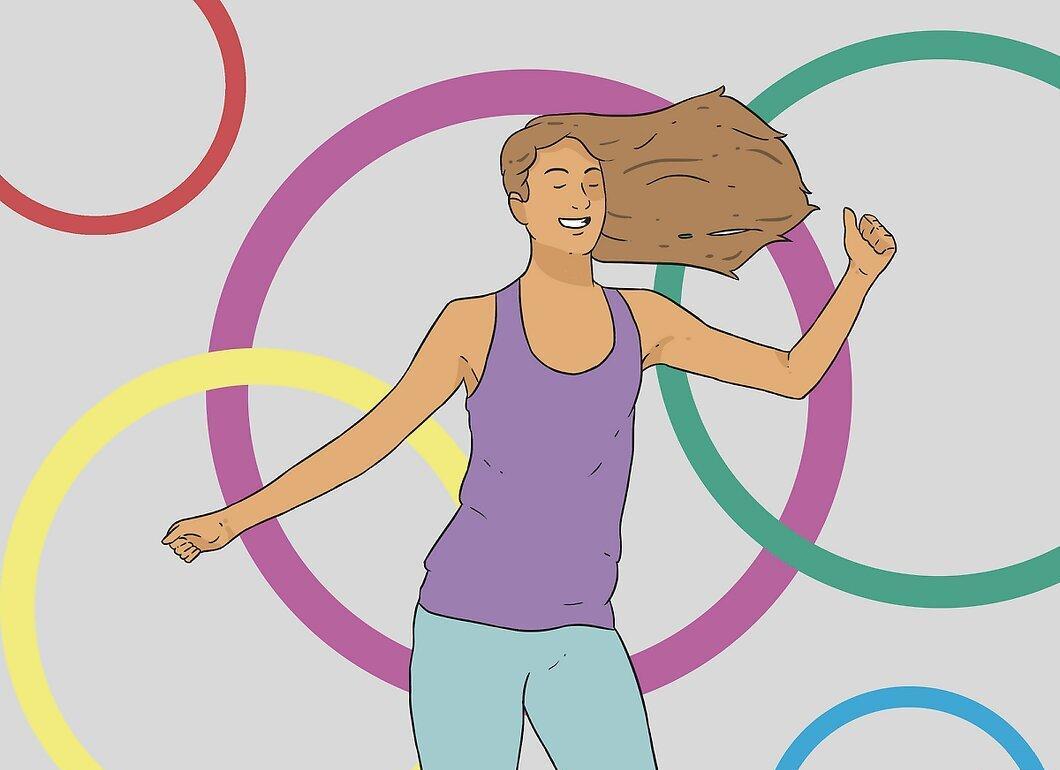
Do aerobic exercises and consume fewer calories if you're overweight. Pull-ups are a bodyweight exercise, so the heavier a person is, the harder it is to perform them. If a significant portion of your weight comes from fat, it will be nearly impossible to pull up, even if you are very strong. To address this, try to monitor your calorie intake, encouraging yourself to eat less and perform fat-burning aerobic exercises like running, dancing, and swimming.
Step 4. Ensure you get adequate sleep at night before and after each workout.
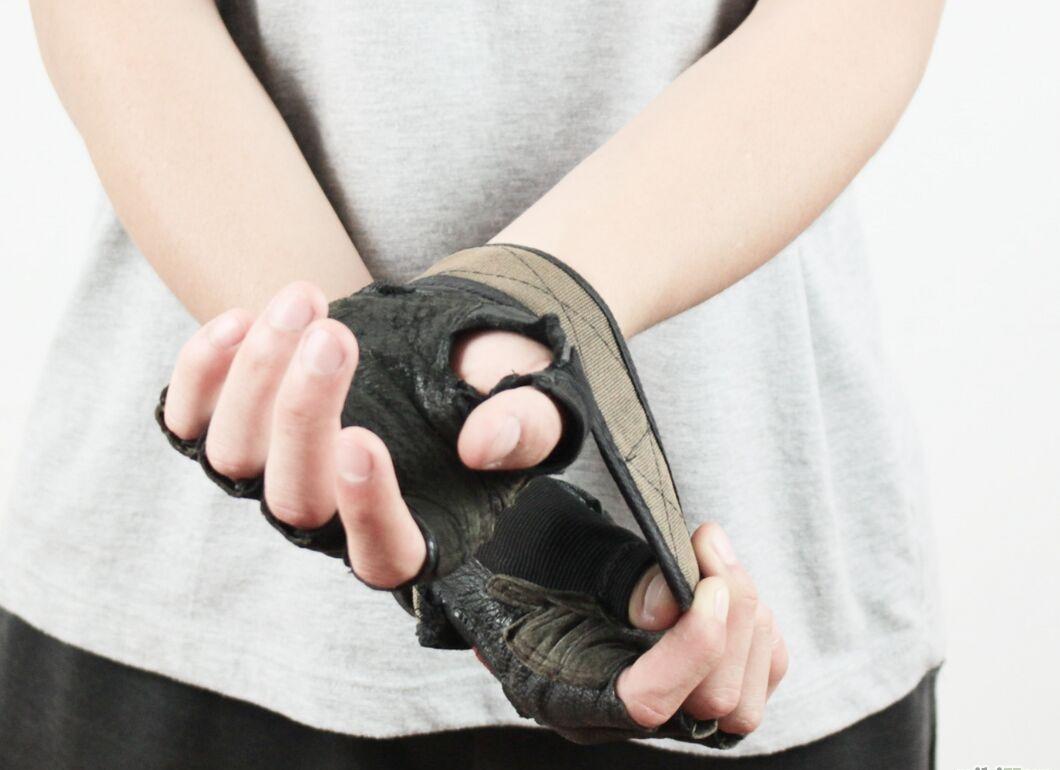
Ensure you get adequate sleep at night before and after each workout. If you don’t get enough rest, it will be difficult to build the strength needed to perform a lot of pull-ups. Your body needs rest both before and after intense workouts, so aim to sleep 7-9 hours each night.
- If you train right before bed, you may have difficulty falling asleep, so try to work out at least three hours before bedtime.