If you pay attention to your wastewater system, you can avoid problems. Use these tips to ensure your septic system runs smoothly.
Understanding How a Septic System Works
Step 1. Learn how a septic system functions.

- Inside the septic tank, solid waste settles at the bottom while lighter sludge rises to the surface. Excess liquid exits the system through the drain field. Bacteria break down solids, which are periodically pumped out.
Water Conservation
Step 1. Reduce water usage.
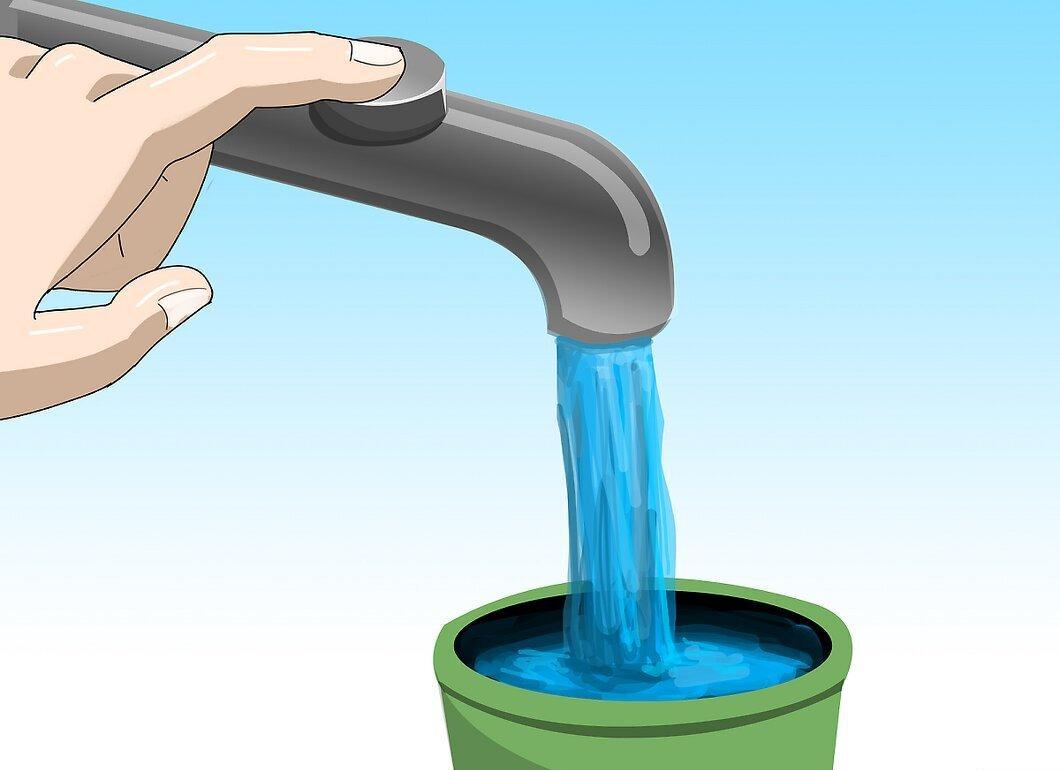
- A septic system can only handle a certain amount of water at once. It needs time to separate solids from liquids before draining the liquid into the leach field.
- Check toilets and faucets for leaks.
- Consider installing low-flow or high-efficiency toilets.
- Follow washing machine loading instructions. Washing a small load with settings for large loads increases water usage.
- Split laundry into smaller loads to give the septic system time to recover.
Protecting Your Septic System
Step 1. Avoid overloading your septic system.
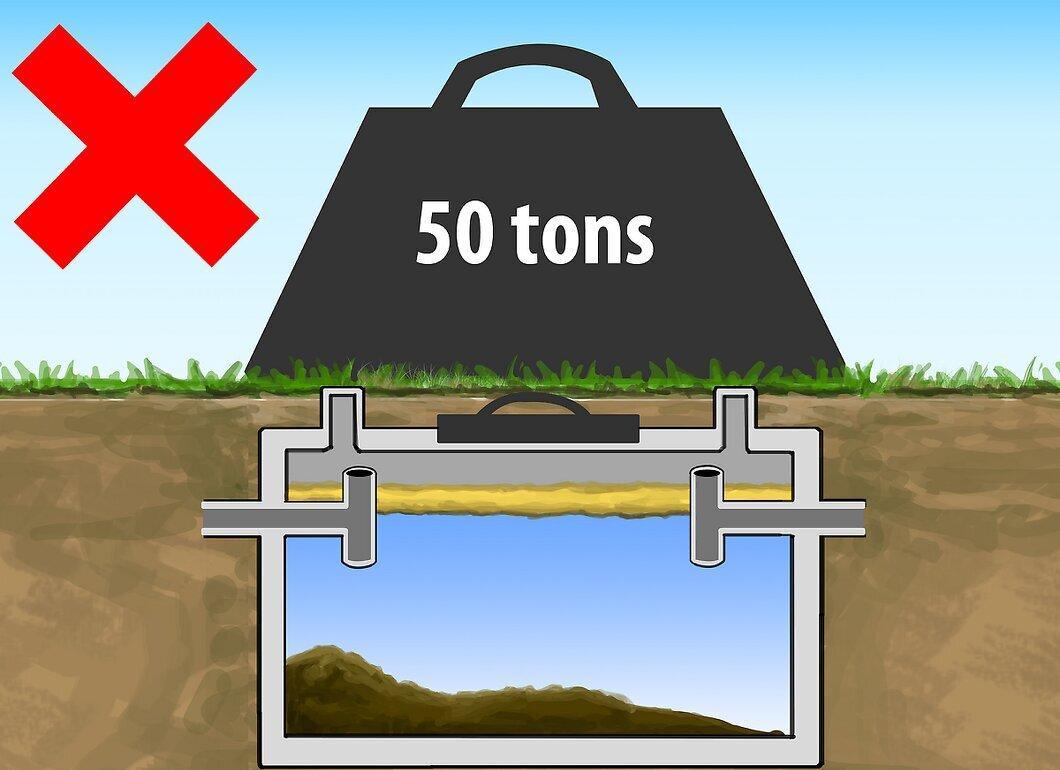
- Do not place heavy objects above the septic tank or drain field, such as sheds, cars, concrete, or above-ground pools, as this can damage the septic tank and pipes, affecting performance.
Step 2. Do not flush hazardous chemicals or non-biodegradable items.
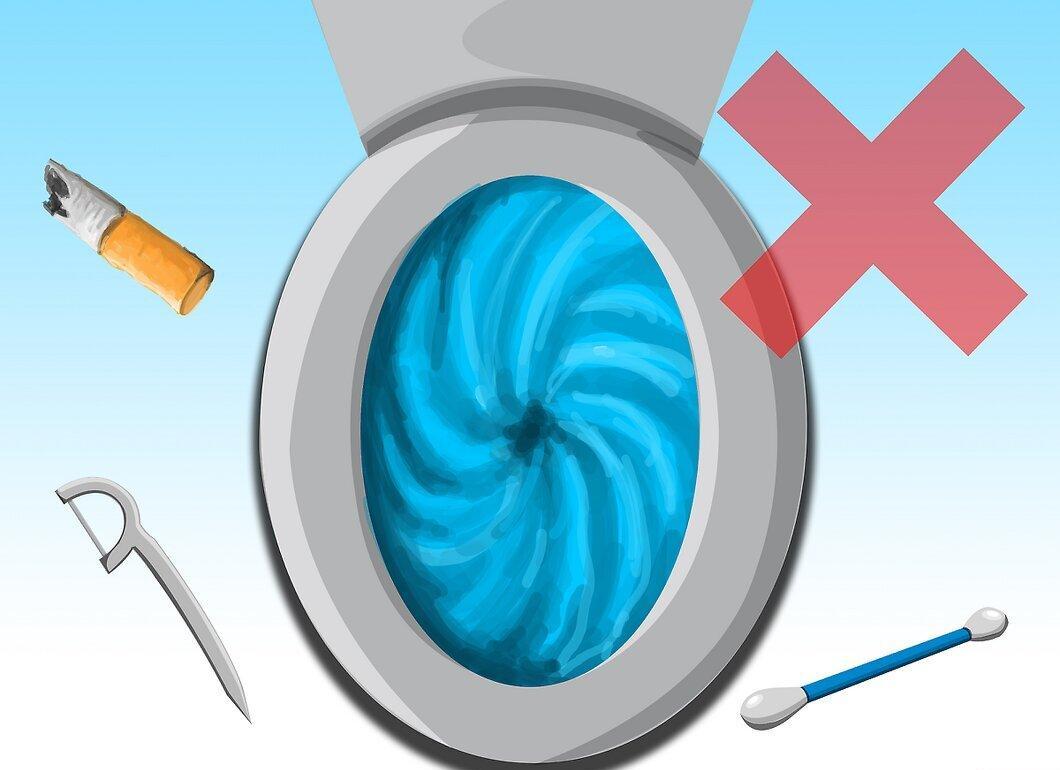
- Avoid flushing substances that can clog the septic tank and drain field, and steer clear of chemicals that kill beneficial bacteria that break down solids.
- Refrain from disposing of the following items:
- Dental floss
- Hygiene products
- Diapers
- Cigarette butts
- Cat litter
- Paper towels
- Cotton swabs
- Coffee grounds
- Condoms
- Household chemicals
- Gasoline
- Grease (not lard and oils)
- Paint
- Bleach
Step 3. Do not install garbage disposals.
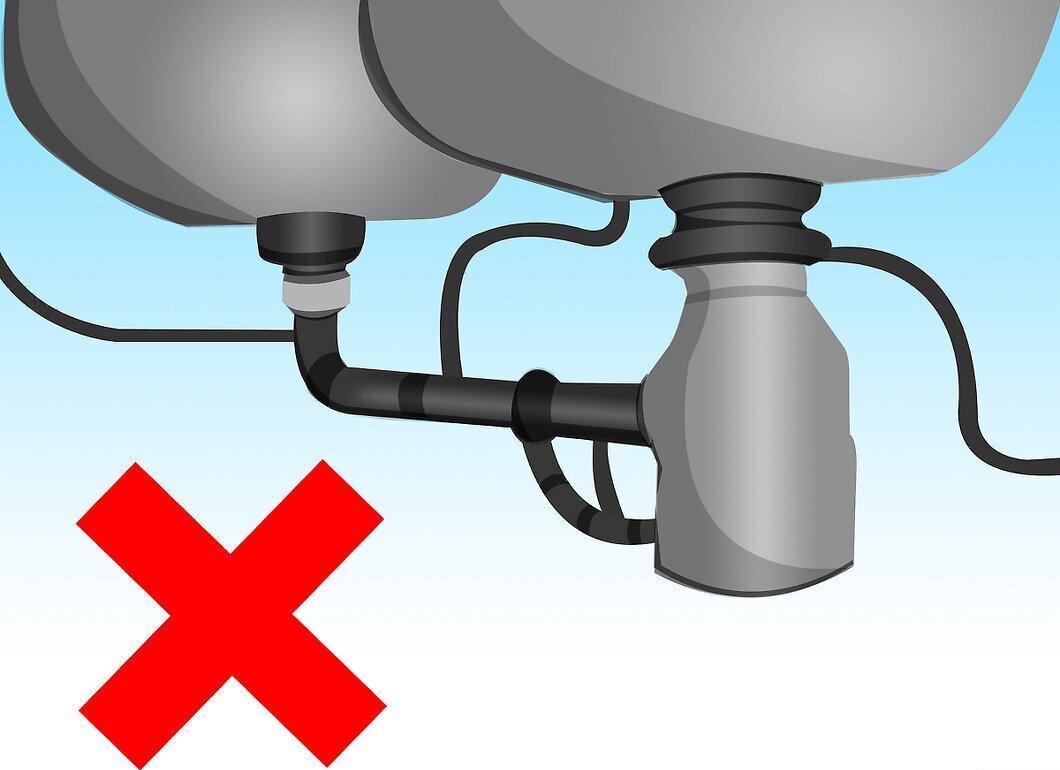
- If you already have a septic system, refrain from installing a garbage disposal. If one is already in place, use it sparingly, as it can contaminate the drain field and lead to increased water usage.
- If you have a disposal, make sure to pump the septic tank once a year.
Step 4. Add a liter of spoiled milk to the toilet every few months.
This simple step helps increase beneficial bacteria in the septic system!
Step 5. Use only septic-safe products:
- Use eco-friendly soap.
- Use standard and septic-safe toilet paper.
- Every few months, flush a septic system cleaner down the toilet.
Step 6. Ensure regular maintenance of your septic system.
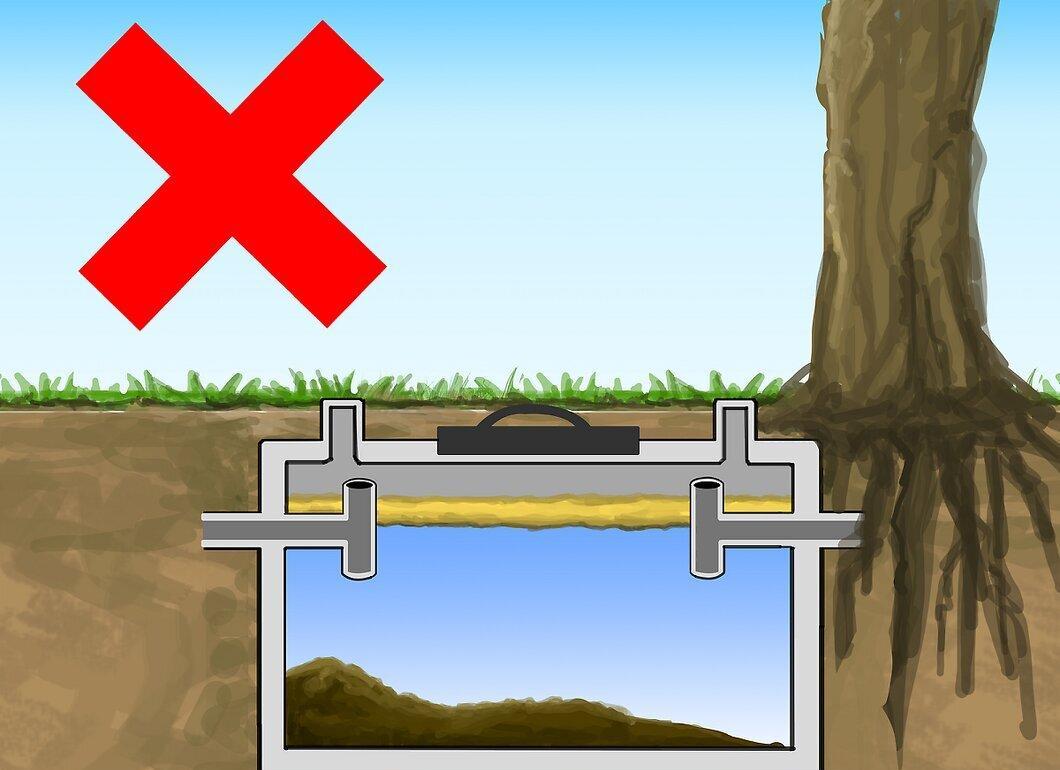
- Trim large trees and bushes near the septic tank or drain field. Their roots can damage pipes. Be cautious with plants that have aggressive roots, such as willows.
- If the drain field is near an area where rainwater collects from the roof, install gutters to prevent flooding.
Septic Maintenance
Step 1. Clean the pump regularly.
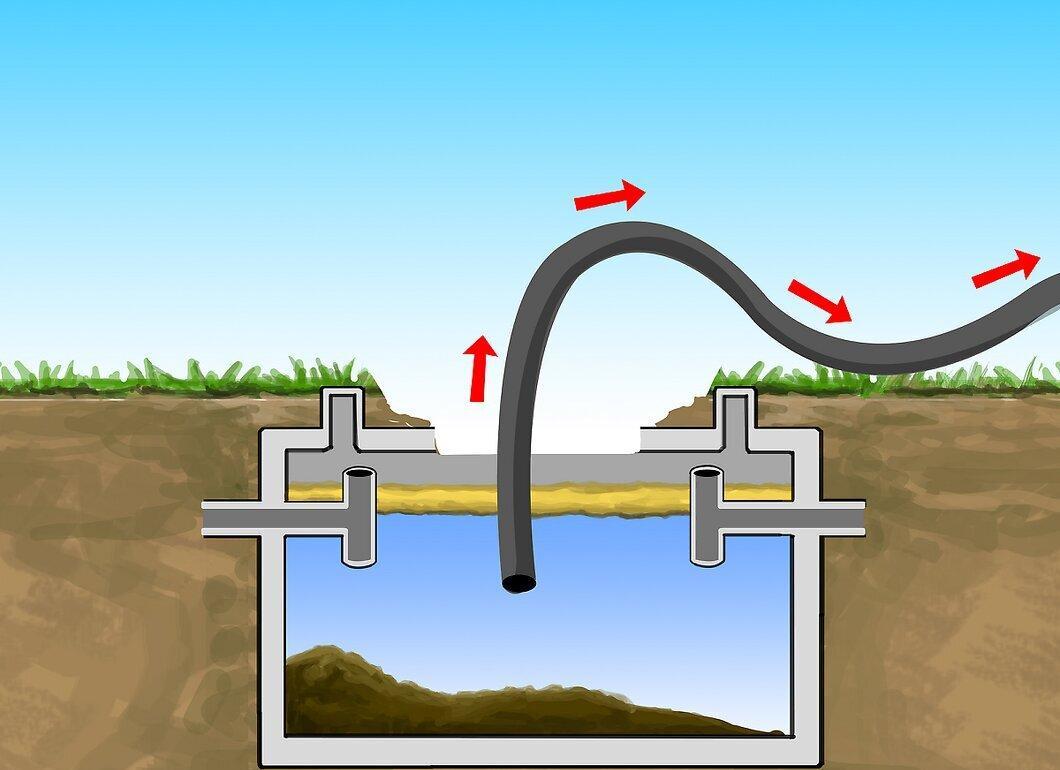
- Cleaning the septic system costs between 7,000 to 10,000 rubles, and if digging is required to locate it, the price can significantly increase.
- The frequency of cleaning depends on the size of the septic tank and the number of family members, but it's usually necessary every 1-5 years.
- Using a garbage disposal increases the cleaning frequency.
- For example, if you have a 3,700-liter septic tank and a family of 4 without a disposal, it should be cleaned every 2-3 years. A family of 2 can wait 4-5 years.
- When cleaning, ensure the septic tank is in good condition.
Step 2. Reduce gray water usage.
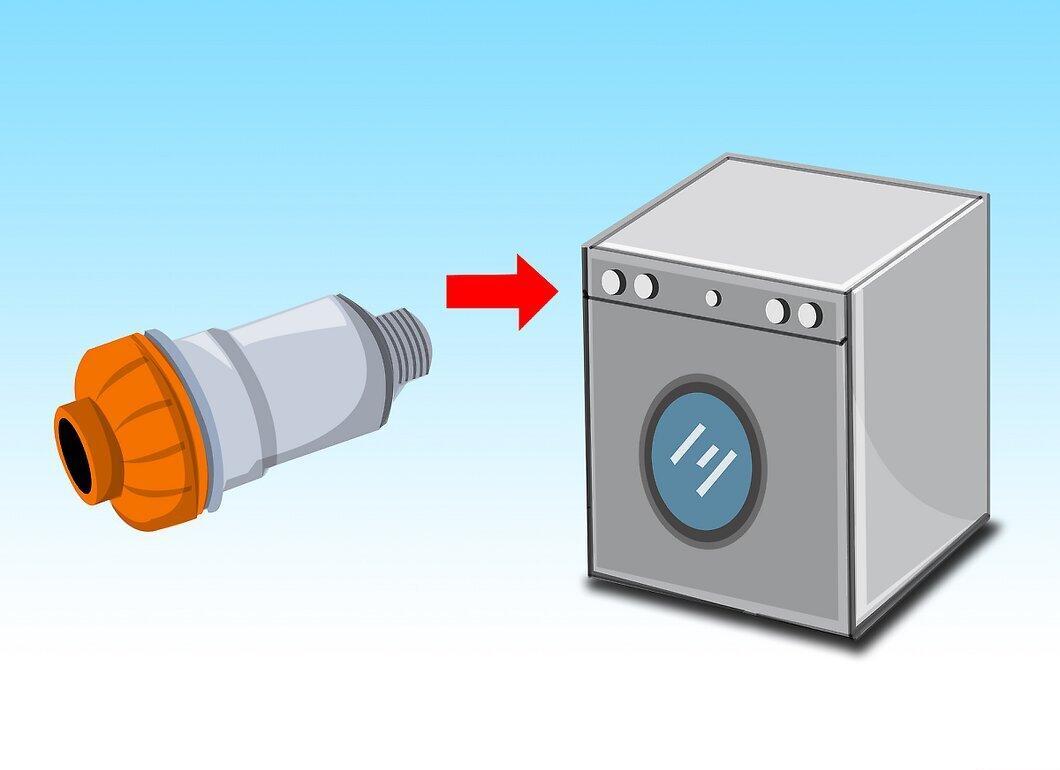
After reducing the amount of gray water used in laundry, install a high-tech water filtration system to protect your septic tank from non-biodegradable fibers.