Wood pellets are a versatile fuel source that can be used not only for heating but also as bedding for pets or for cooking on a grill. These pellets provide high heat output, allowing indoor temperatures to rise significantly faster. While most pellets are produced in large factories, some homeowners and small businesses can process organic waste into pellets themselves. The process involves shredding the raw materials into small pieces and pressing them into compact pellets.
Part 1
Step 1. Prepare and Shred the Wood Materials.
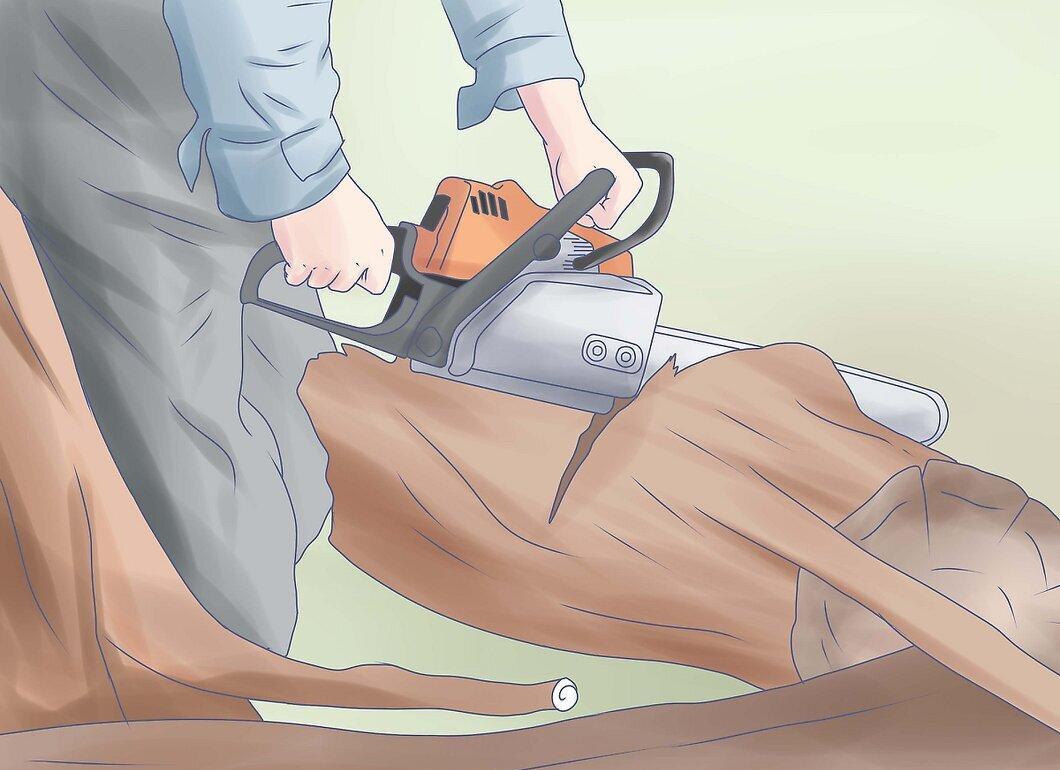
Gather the wood that you plan to process. Shred it into pieces no larger than 1 inch in diameter. Use a hammer mill to further reduce the particle size, but do not turn it into dust.
Step 2. Dry the Material Using Heat.
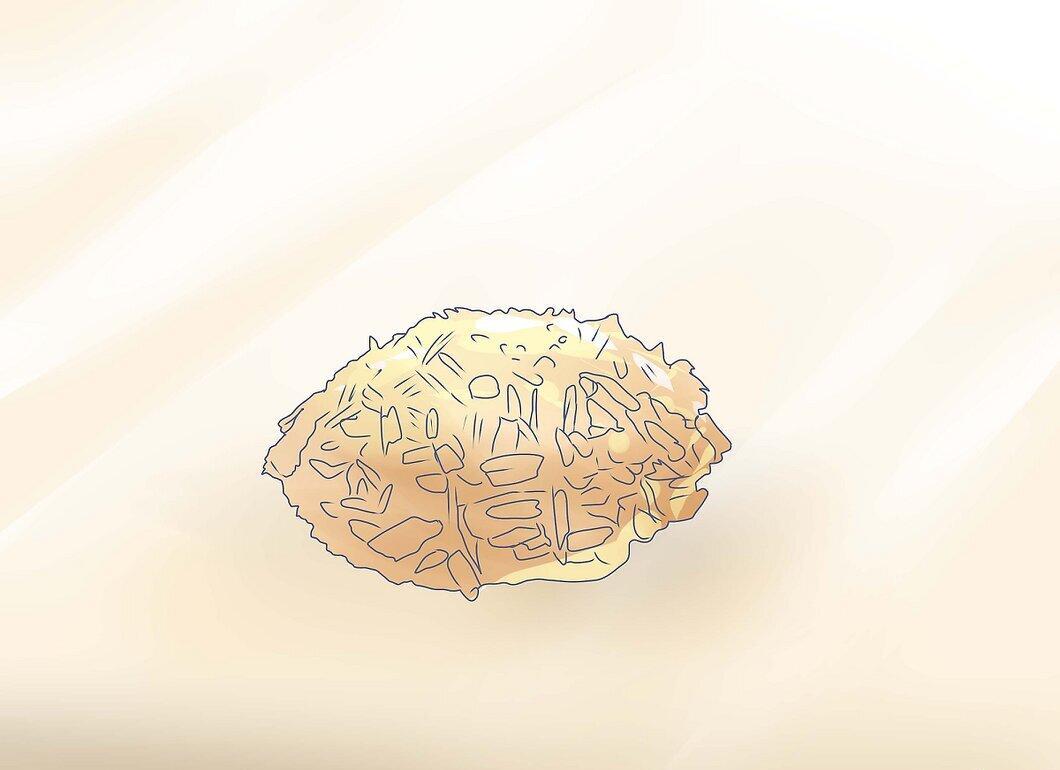
Dry the wood particles until the moisture content is reduced to 10-20%. You can leave the material in the sun for natural drying or use a specialized drying oven for this purpose.
Step 3. Mix the Wood Material in a Concrete Mixer.
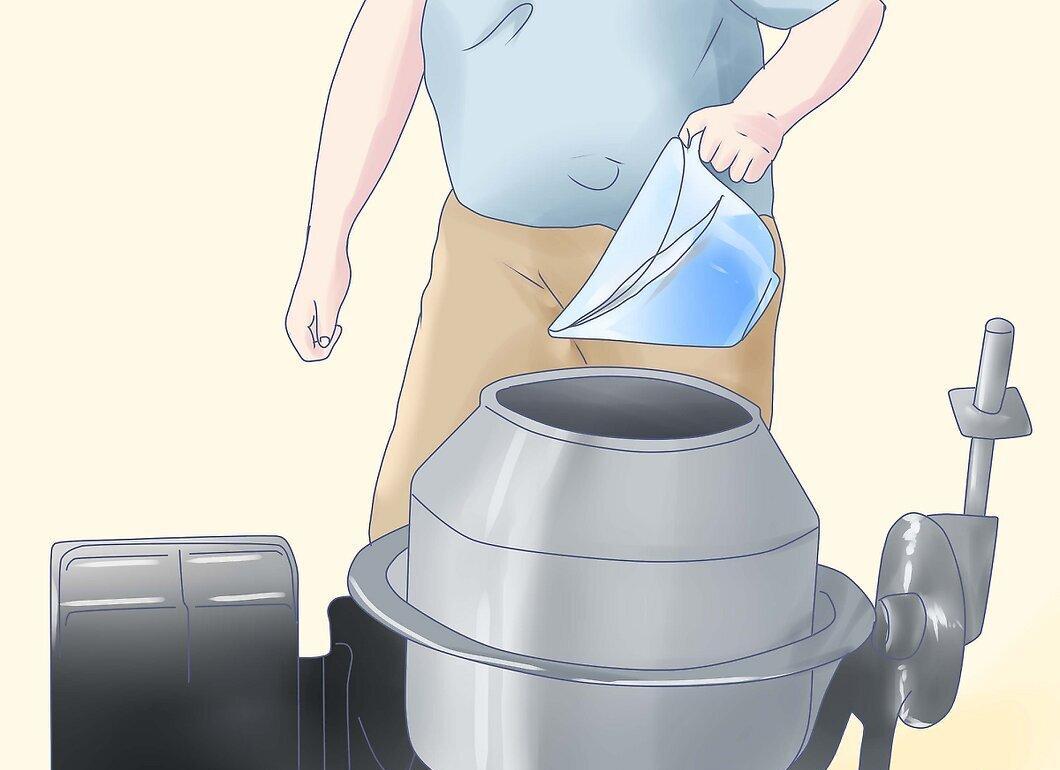
Load the prepared wood particles into a concrete mixer. This will help achieve uniformity in size, density, and moisture. Make sure the mixer is running.
Step 4. Make Pellets Using a Pellet Mill or Small Press.
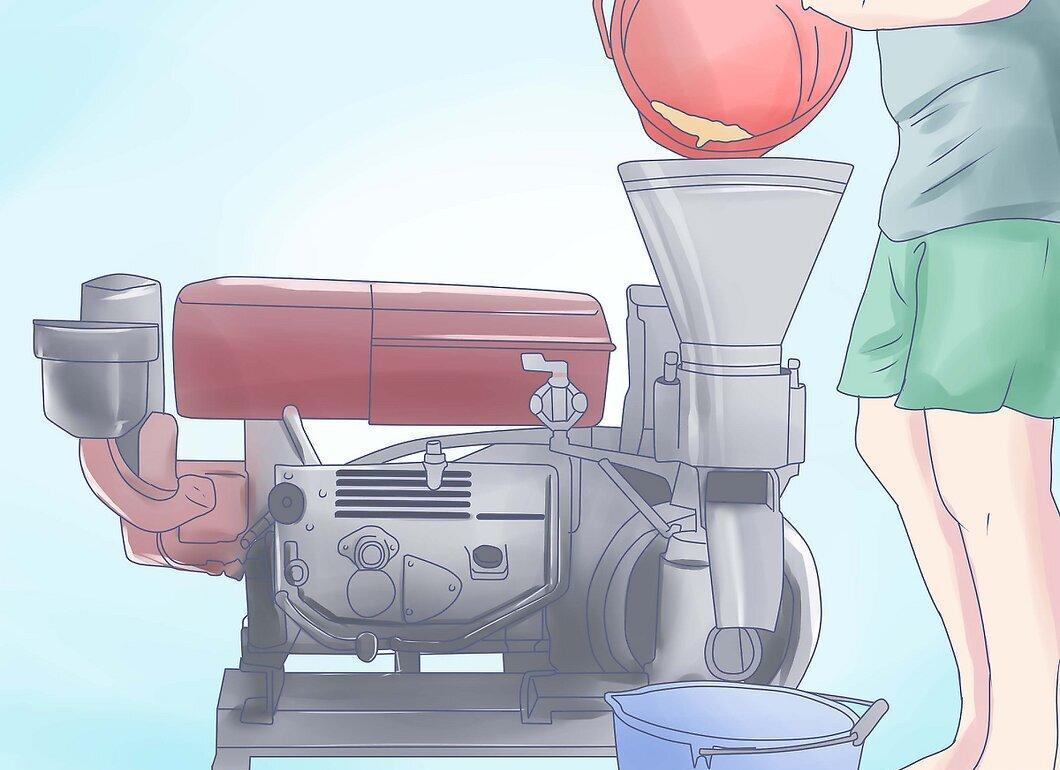
Use a pellet mill or a small press to create the pellets. The pressing molds can be flat or round and contain holes through which the raw material is pushed under pressure, forming pellets.
Step 5. Separate Misformed Pellets.
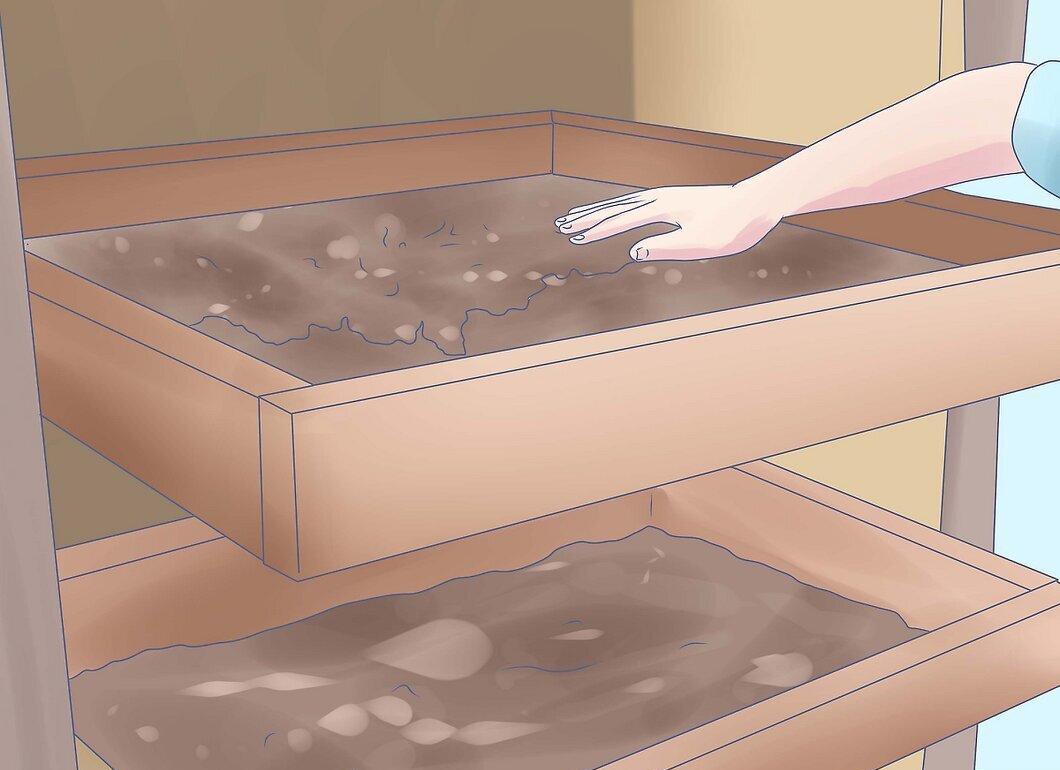
Remove pellets that do not meet the standards. Some may crack or break during production. Use a sieve to separate unsuitable pellets.
Step 6. Cool the Pellets to the Proper Temperature.
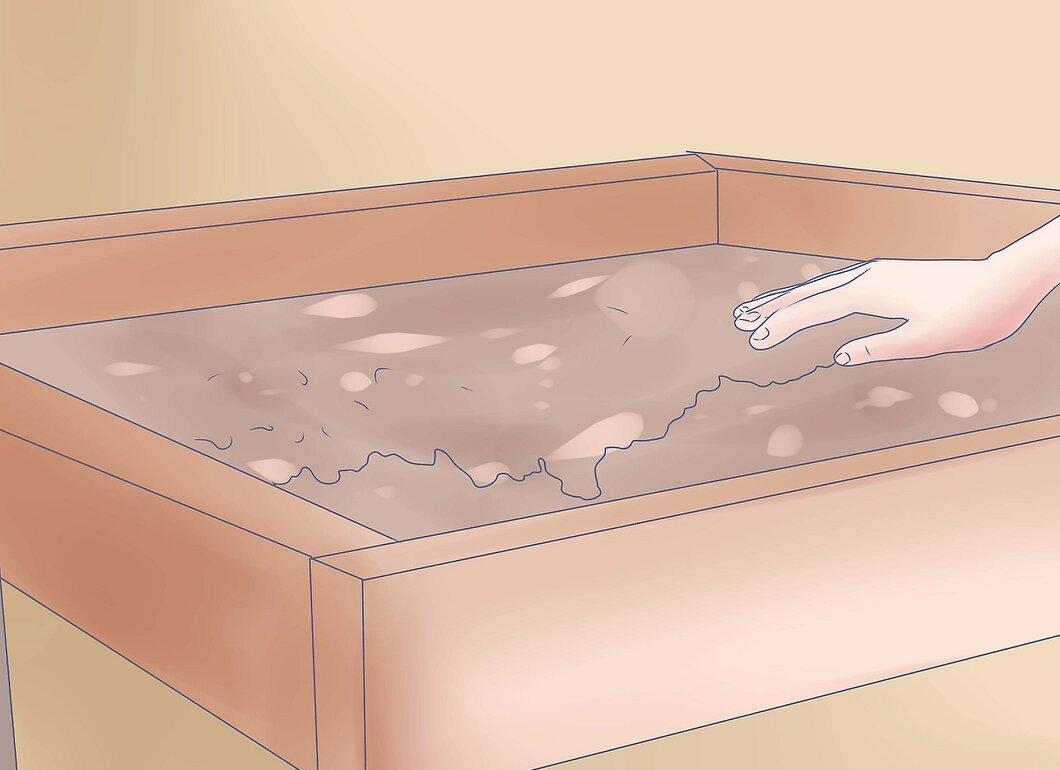
After pressing, the pellets will be hot and moist. Spread them out evenly to allow them to cool and dry.
Step 7. Package and Store the Pellets.
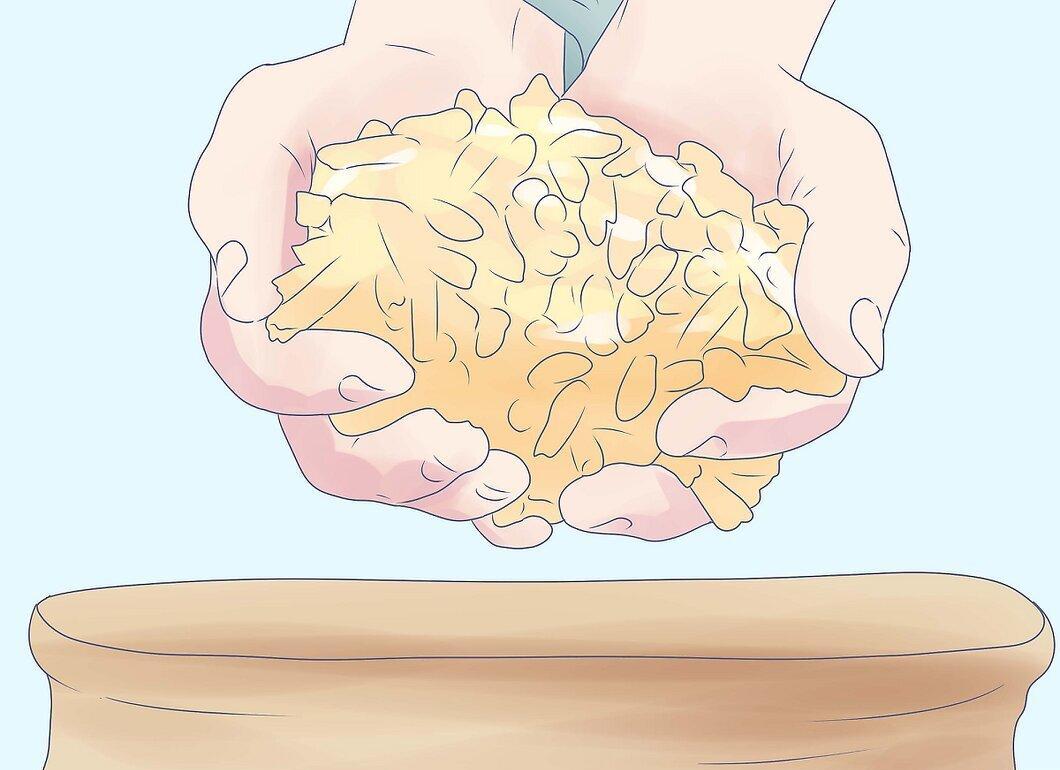
Package the finished pellets in small plastic bags for easy transport. Ensure that the bags are sealed tightly. Store the pellets in a dry place to prevent moisture absorption.