
Many people think of meditation as an exclusive practice of Eastern religions or esoteric schools, but it holds an important place in Christianity as well. One of the most effective methods of Christian meditation is meditating on God's Word. Unlike other forms of meditation that aim for a "blank" mind, this form requires you to deeply immerse yourself in and reflect on God's truths.
Choose a Theme
Step 1: Define what Christian "meditation" is.
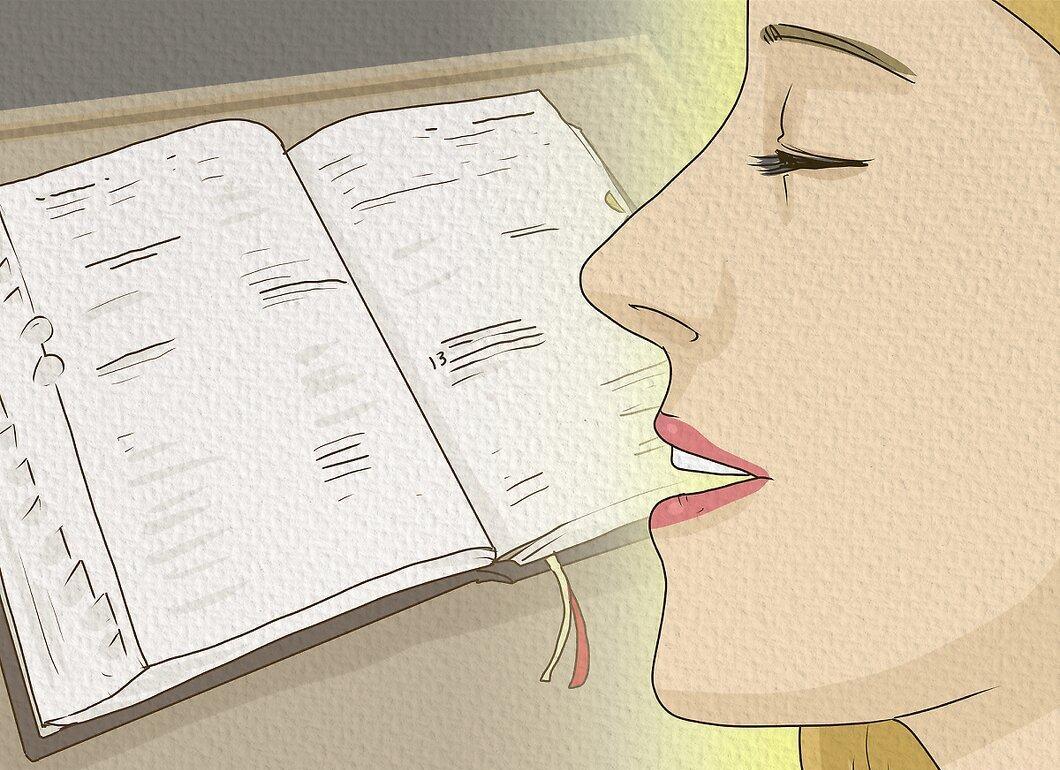
Define what Christian "meditation" is. In a worldly sense, meditation often involves emptying the mind and relaxing the body. Meditating on God's Word or any other form of Christian meditation requires you to focus and deeply reflect on God's truth.
- Consider the command God gave to Joshua in Joshua 1:8: "Keep this Book of the Law always on your lips; meditate on it day and night, so that you may be careful to do everything written in it. Then you will be prosperous and successful."
- Of course, in a narrow sense, this verse applies only to the first five books of the Bible, but it can also be applied to the entire Bible. Meditating on God's Word should be done frequently to enrich and deepen your understanding of it, allowing you to apply it to your life.
Step 2: You can meditate on individual verses or chapters.

You can meditate on individual verses or entire chapters. This is perhaps the most common way to meditate on the Bible. Choose a verse or several verses from God's Word to meditate on. You will need to dedicate enough time to analyze and study the meaning of that verse.
- There are no strict guidelines here, but if you don't know where to start, it might be good to begin with the New Testament, especially the Gospels (Matthew, Mark, Luke, and John). However, there are also many wonderful verses in the Old Testament books, such as Psalms or Proverbs, that are worth meditating on.
Step 3: You can meditate on a specific theme.

You can meditate on a specific theme. Another way is to explore verses from throughout the Bible on a particular topic. In this case, you will meditate not on a single specific passage but will select several texts that address a particular theme and deeply reflect on what these verses tell you.
- For example, you might choose the theme of forgiveness. Using a thematic Bible or concordance, you can find various verses about forgiveness. Then, read them several times. Consider each verse in context and compare it with others.
Step 4: Meditate on the meaning of one important word.

Meditate on the meaning of one important word. You can meditate on a broad theme, but from all or multiple verses, select what will help you understand the meaning of one significant word more deeply.
- For instance, you might choose the word "Lord." Look at verses that contain the word "Lord" and its derivatives. Examine their meaning in context. To delve deeper and understand the meanings of words, you can use external sources like dictionaries to compare the meanings in religious and worldly contexts.
Step 5: Study an entire book of the Bible.

Study an entire book of the Bible. In this case, you will focus not on a short passage but on an entire book of the Bible. This will require more time. You will need to read the entire book, not just a short excerpt. Study and analyze the meaning of this book, considering it as a whole and in its individual parts, little by little each time.
- If this seems too daunting, try starting with a shorter book, such as Esther. To better understand the book, you can use various Bible guides or atlases, but this is not necessary.
Focus on God
Step 1: Find a quiet place.

Find a quiet place. For meditating on God's Word, as with any worldly meditation, you need to detach from the noise and hustle for a while to concentrate on the task at hand.
- In today's world, multitasking is highly valued. However, in such an environment, you will never be able to fully devote yourself to one task, as you will constantly be balancing various assignments. Therefore, when meditating on God's Word, it's advisable to eliminate anything that might distract you. This will make it easier to focus on God's Word.
- Try to set aside at least 15-30 minutes for meditation. Let your family know that you need some time for yourself, and retreat to a quiet place where you won’t be disturbed. Get comfortable, but be careful not to fall asleep.
Step 2: Calm your heart.

Calm your heart. For this kind of meditation, you need not just external silence but also internal silence; you need to quiet all doubts, fears, and distracting thoughts.
- If at first, your thoughts wander back to everyday problems, don’t beat yourself up over it. Just make sure not to let your thoughts roam everywhere. Once you notice that you've distracted yourself with your problems or fears, pause and consciously redirect your attention to God. In such moments, prayer can be helpful, dedicating your time and focus back to God.
Step 3: Read the Bible.

Read the Bible. Open the Bible and read the verse or verses you plan to meditate on. Take enough time to grasp the core meaning of the words, then mark the verse for further contemplation. You will need to refer back to it throughout your meditation.
- After reading the passage, read it again. This time, speak each word aloud. Intentionally emphasize different parts of the text with your voice. Be attentive to any revelations that may enlighten you as you read. This exercise during meditation can be repeated as many times as necessary or desired.
- You may also refer to other sources to deepen your understanding of the text. Explore the cultural context. Read verses that are similar in sound or theme. If you want to deepen your comprehension of the text, you can utilize other resources. Look at parallel passages, verses that are similar in sound or theme. If you encounter unfamiliar words, check their meanings in a dictionary or reference guide.
Step 4: Pray while reading the Bible.
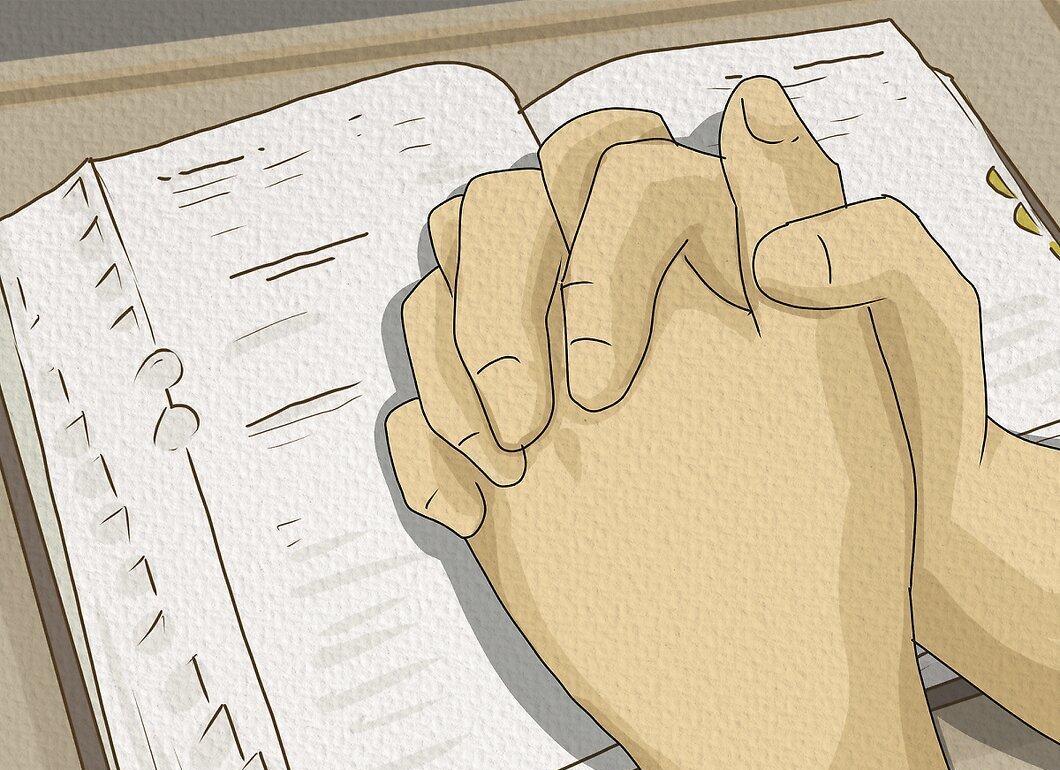
Pray while reading the Bible. For several minutes, pray to God to guide you during your meditation. Ask God to open your heart to the truth and wisdom contained in His Word.
- The Bible is not just words printed on paper. Never forget that the text you are reading comes directly from God. If you ask the Holy Spirit to help you understand the text you are meditating on more deeply and fully, it’s akin to asking the author of a book how to better understand the story he has written.
How to Meditate on the Word
Step 1: Take notes.

Take notes. Read the text again, but this time, try to jot down notes about its content. You can underline or highlight texts, make margin notes, or it makes sense to keep a meditation journal for God's Word where you will make more detailed entries.
- If you highlight certain expressions, it can draw your attention to the main thoughts when you read those verses next time. If you write notes on each verse, it will be easier for you to ponder its meaning. By summarizing the key thoughts and recording your reactions to them, you will be able to immerse yourself more fully in the verse before you.
Step 2: Think aloud.

Think aloud. Yes, of course, there should be silence around you and in your heart. But don't be afraid to think aloud. Speaking the passage aloud will help you process the information and deeply absorb the truths it contains.
- You may think aloud in the form of prayer, but you can also simply reflect aloud to better contemplate some complex ideas.
- The Bible is often referred to as the "living Word" of God. The term "living" implies that the text should be active, and you can and should engage with it. Don’t hesitate to express your questions aloud, praise God for His promises, or sincerely respond to what you have read and what has touched you.
Step 3: Memorize Bible verses.

Memorize Bible verses. This may not be suitable for meditating on a large number of verses or an entire book, but if you are reflecting on a small passage or a single verse, it would be beneficial to memorize it.
- To make memorizing Bible verses easier, you can use the standard blocks method. Repeat each word or short phrase 6 to 12 times. Add a new word or phrase to what you have already repeated and then repeat the entire expression again. Keep doing this until you work through the entire passage.
Step 4: Paraphrase the selected passage.

Paraphrase the selected passage. Write down the meaning of the passage in your own words. Try to be as detailed as possible, capturing as many meanings as you can find.
- Paraphrase the read passage and articulate it in your own words. However, be careful not to distort the meaning of God's Word. The idea is not to alter or twist the truth but to get closer to it when expressed in words that are clearer to you.
Step 5: Awaken an emotional response to the Word.

Awaken an emotional response to the Word. Reflect on the passage you’ve chosen. Try to pinpoint what this verse says about God's desires. Strive to make these desires your own so that you can feel at least a little of what God feels.
- If you can manage to feel even a bit of the emotions that God experiences, you will make the passage you have read a little more "real" for yourself. Do not view God's Word merely as text on paper. It has much greater significance and should always be regarded as such.
Step 6: Actively seek the blessings of meditation.

Actively seek the blessings of meditation. Just like worldly meditation, meditating on God's Word can give you a sense of renewal and peace. However, the blessings this practice can provide are much deeper and more profound than the feelings from ordinary meditation. During meditation, seek guidance, comfort, joy, encouragement, and wisdom that come from a deep understanding of divine truth.
- Psalm 1:1-3 says, "Blessed is the man who... delights in the law of the Lord, and in his law, he meditates day and night!"
- Meditating on God's Word will help you better understand what God desires from you and for you. This will provide guidance. When you read about God's promises and His great deeds, you will find comfort in difficult times, and your joy will be amplified. Understanding God's love and redemptive sacrifice will bring you encouragement. Ultimately, the deeper you understand God's Word through meditation, the more wisdom you will gain to navigate through life.
Step 7: Apply the words of the Bible to your own life.

Apply the words of the Bible to your own life. Once you grasp the profound meaning of the passage you are meditating on, it’s time to take action. Look at your own life and determine how the insights you’ve gained from God's Word can be applied to your behavior and future plans. Then, promptly make the necessary changes in your life.
- Remember the words of James 2:17: "... faith, if it does not have works, is dead in itself..."
- Our deeds express our faith and understanding of God's Word. Meditating on God's Word is intended to strengthen both faith and understanding, so actions should naturally result from effective meditation.
- At the same time, don’t think that after meditating for 30 minutes, you will effortlessly live according to God's Word for the rest of your life. Meditation requires discipline. This means you will need to continually and intentionally work on it to fully reap its benefits.