Are you stuck with a combination lock and don’t have the code to open it? There are several tricks that can help you tackle this issue. It’s essential to understand the type of lock you’re dealing with: basic, high-security, or special classification. The methods for bypassing will be easier for basic locks.
Bumping
Step 1. Use the "bumping" method to unlock the lock.
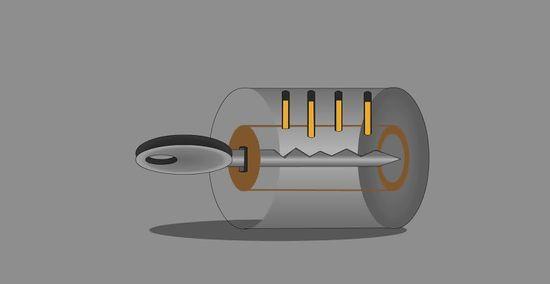
Step 2. Acquire or create a bump key.
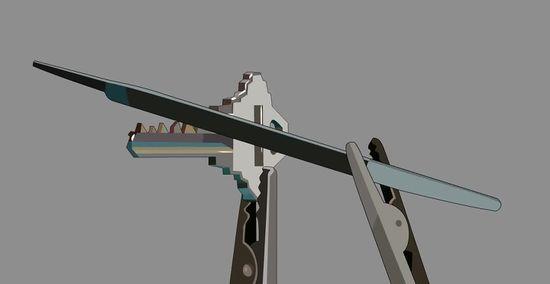
You can buy or have a locksmith create a bump key for you — it has the maximum depth of the cut secrets.
- However, be cautious: such a request may raise suspicions.
- You can also try to make a bump key yourself using a triangular file.
Step 3. Look for more detailed instructions on "bumping" on wikihow.
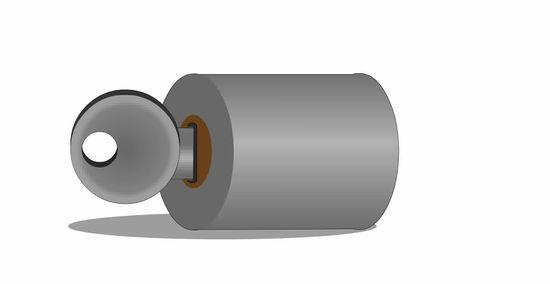
Step 4. Be aware: some locks are resistant to "bumping".
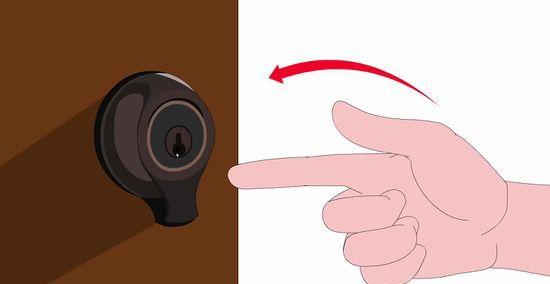
If your lock is one of those, you’re out of luck.
Breaking to Open
Step 1. Keep in mind that many methods may prove ineffective.
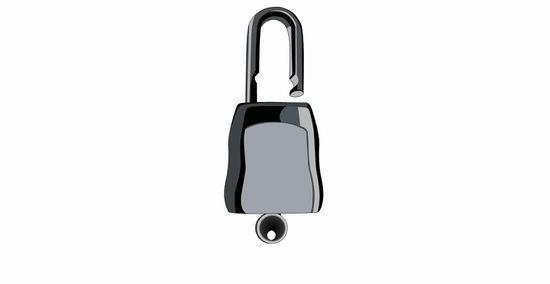
These techniques may only work on cheap locks or require serious tools.
Step 2. Try using a powerful hammer.
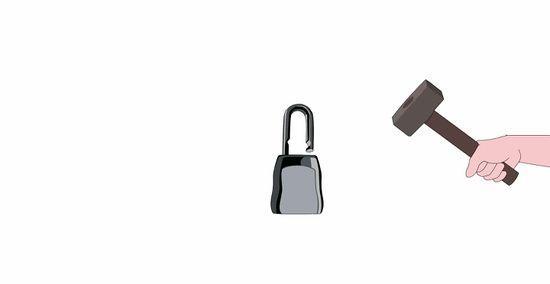
Sometimes a strong blow can break the lock, but this method isn’t always effective.
- If the lock is on a wooden door, you might break the door faster than the lock itself.
Step 3. Use an electric drill.
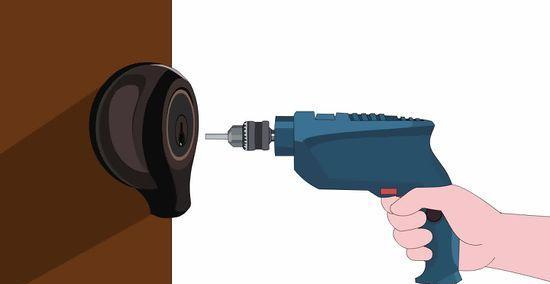
The drill should be directed at the center of the lock, where the mechanism is located. This method may not work and will damage the lock, making it unusable.
Step 4. Utilize an angle grinder.
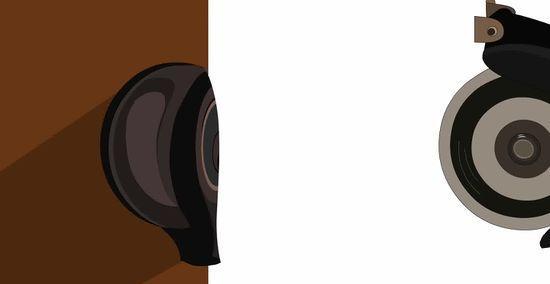
An angle grinder can easily handle the lock.
- The New York Fire Department uses angle grinders with aluminum oxide discs for effective lock bypassing.
- Don’t forget protective goggles and cut the lock body, not the shackle.
Step 5. Use bolt cutters.
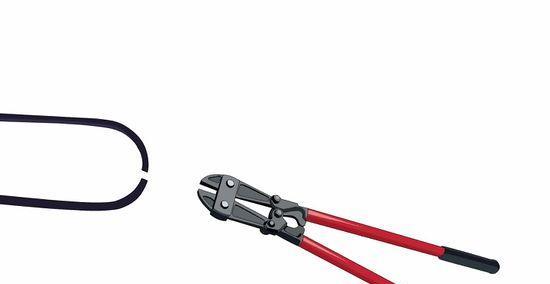
With bolt cutters, you can snip the shackle or cable (if the lock is on a cable).
- If the lock is attached to a cable, it’s better to cut the cable than the lock itself.
- Cutting through the lock may be difficult, as they are often made from hardened steel.
Step 6. Use adjustable pliers.
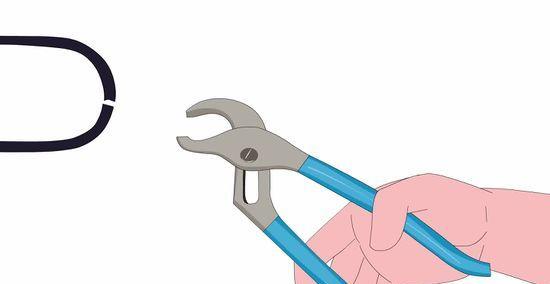
Pliers are only applicable if there is enough space to maneuver. For larger padlocks, use a car jack.
- These methods only work when there’s enough space.
Step 7. Do not use firearms.
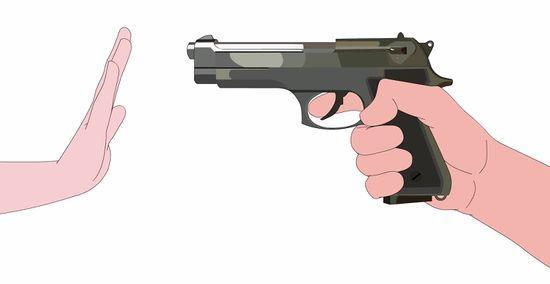
While a powerful rifle can open a lock, it’s extremely unsafe.
- Experiments with "MythBusters" showed that a handgun did not work, while a shotgun opened the lock, but it’s dangerous.
Making or Buying a Wedge
Step 1. Buy a wedge.
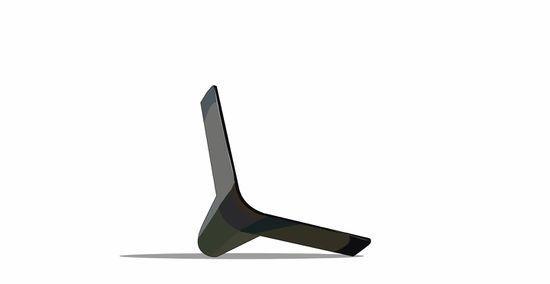
Wedges are available at locksmith stores or online.
Step 2. Make a wedge yourself from an aluminum can — it’s free.

- If you have the skills, try making a wedge yourself to preserve the lock’s integrity.
- This method may not work with high-quality locks, but 70% of wikihow users claim it is effective.
Cracking the Combination
Step 1. Use your math skills to crack a combination lock.
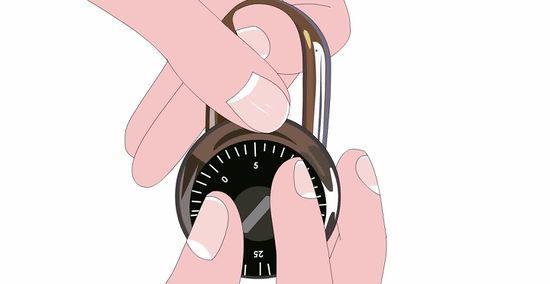
Success depends on your agility and experience. 55% of wikihow users managed to unlock the lock this way.
Finding the Key
Step 1. If the lock has a key, try to find it.
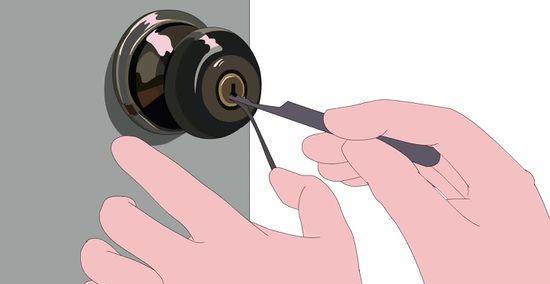
Finding the key requires practice, so take your time.
- You will need the right tools — a tension wrench and a pick.
- You can improvise with a standard socket wrench and a thin flat screwdriver.
Obtain the Code from the Lock Manufacturer
Step 1. Learn how to obtain the code from the well-known lock manufacturer “Master Lock.”

Download the “Lost Key Application” form from the manufacturer’s website and fill it out.
Step 2. Notarize the application.

- It’s better to fill out the application in the presence of a notary, bringing your passport for identity verification.
- Pay the notary’s fees, as Master Lock does not reimburse these costs.
Step 3. Make a photocopy of the lock’s serial number.
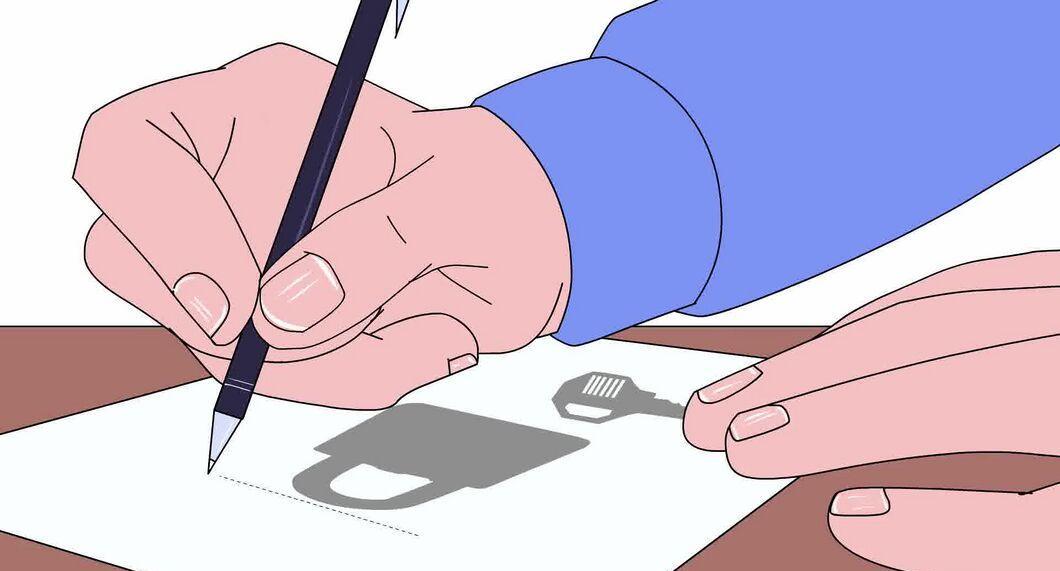
The photocopy should confirm that your lock is not associated with anything else. Write the serial number below the image of the lock.
Step 4. Send the notarized application and photocopy to the specified address.

- Master Lock Warehouse
- 1600 W. La Quinta Rd.
- Suite/WHSE #1
- Nogales, AZ 85621