How to Open and Work with DjVu Files: A Simple Guide
The DjVu format (pronounced as "déjà vu") is a method of storing documents, similar to PDF, that compresses images into one file without significant loss of quality. To view these files, you need to have special free software installed on your computer.
Installing the Software
Step 1. Understand how the program works.
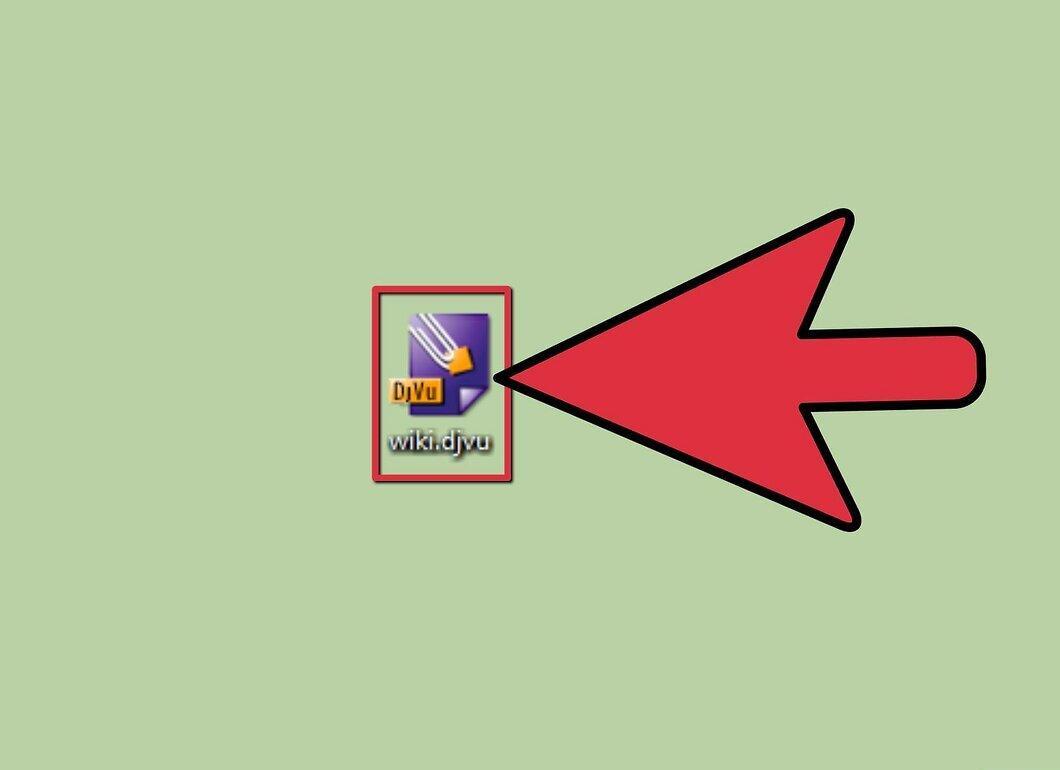
Familiarize yourself with the principles of operation. DjVu files require specific software to open. You can install a browser plugin that allows you to view files directly in the browser window or use a standalone program that comes with the plugin.
Step 2. Go to cuminas.jp/downloads/download/?pid=1 in your browser.
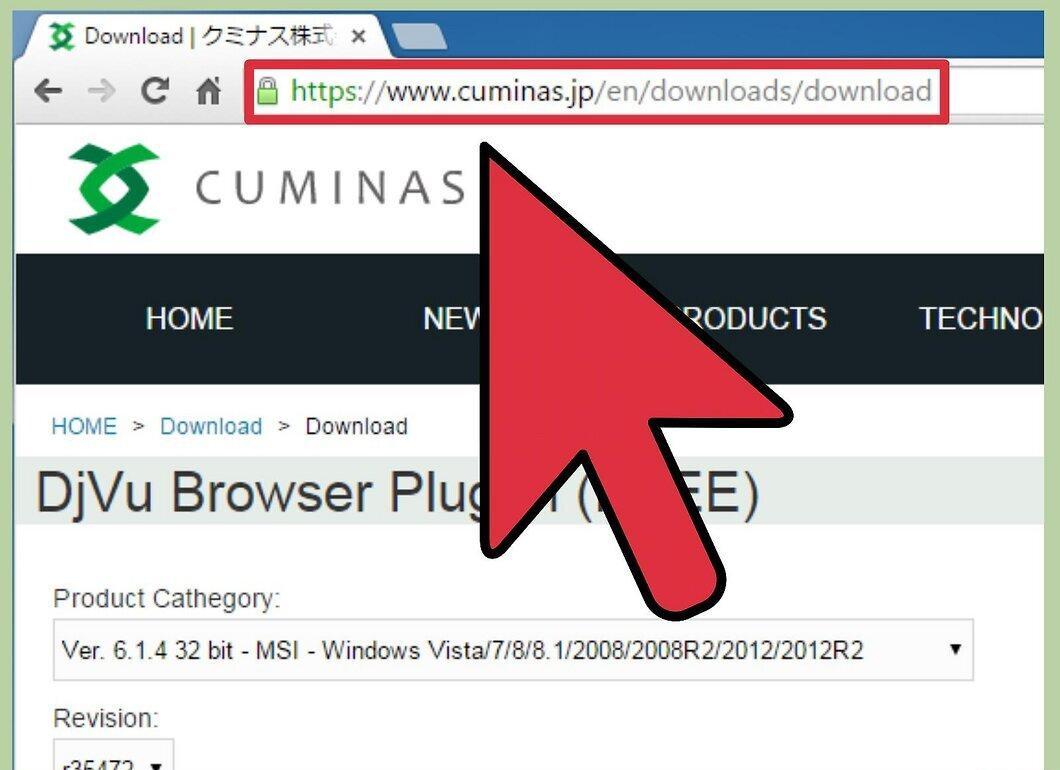
Visit cuminas.jp/downloads/download/?pid=1. Although the website is Japanese, instructions are available in English.
Step 3. Select your operating system from the menu at the top of the page.
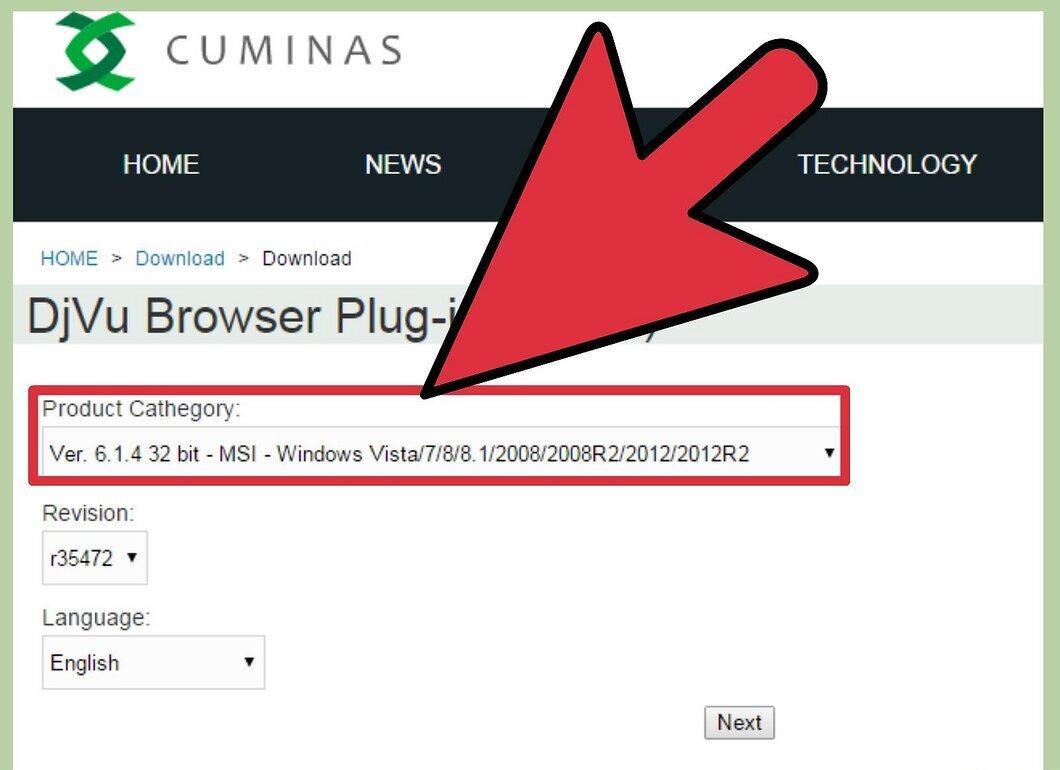
Specify your operating system in the menu at the top of the page. This will ensure that you download the compatible installation file (don't forget to check your system architecture).
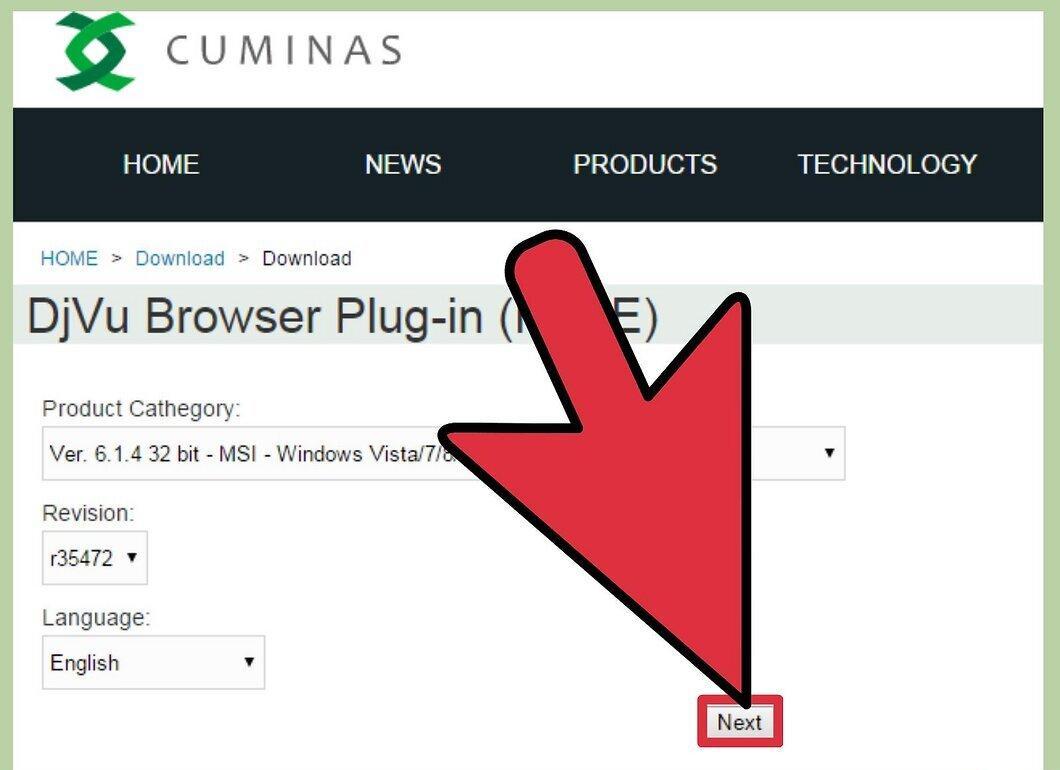
Step 4. Click the 次 へ button under the three dropdowns.
Step 5. Click the 同意 し て ダ ウ ン ロ ー ド button to agree to the terms.
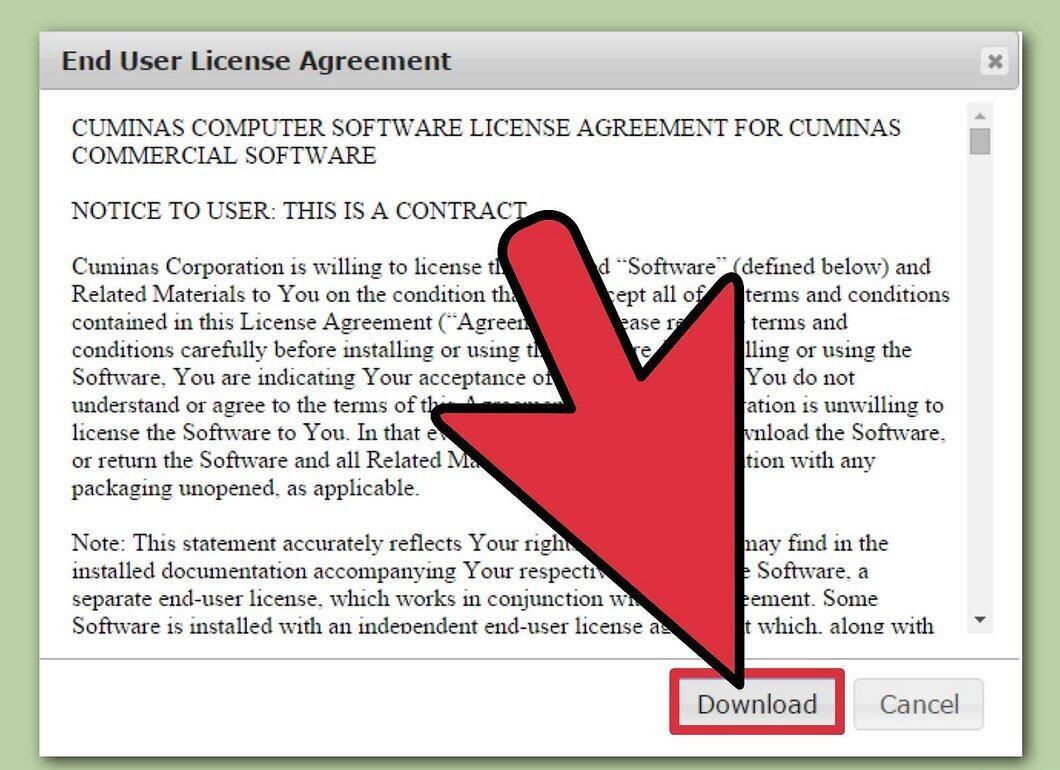
Click the 同意 し て ダ ウ ン ロ ー ド button to accept the agreement. After this, the installation file download will begin.
Step 6. Run the installer and follow the on-screen instructions.
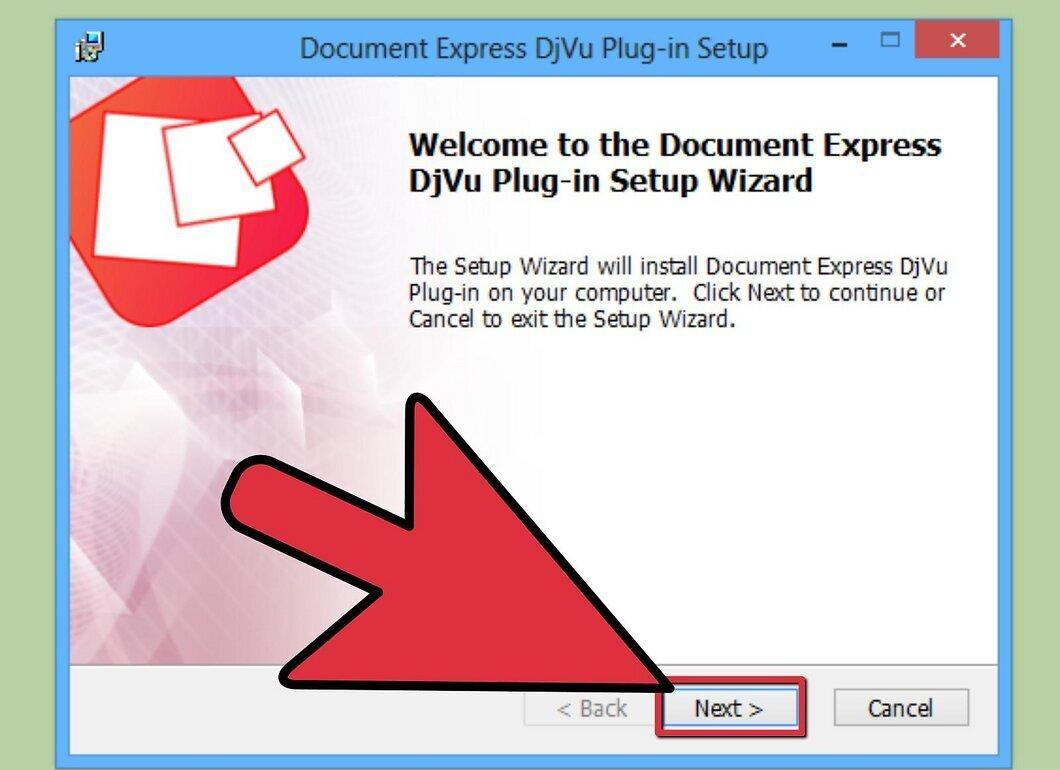
Launch the installation file and follow the on-screen prompts. Most users can leave the default settings, which helps prevent any malware installation.
Viewing a DjVu File
Step 1. Double-click on the DjVu file.
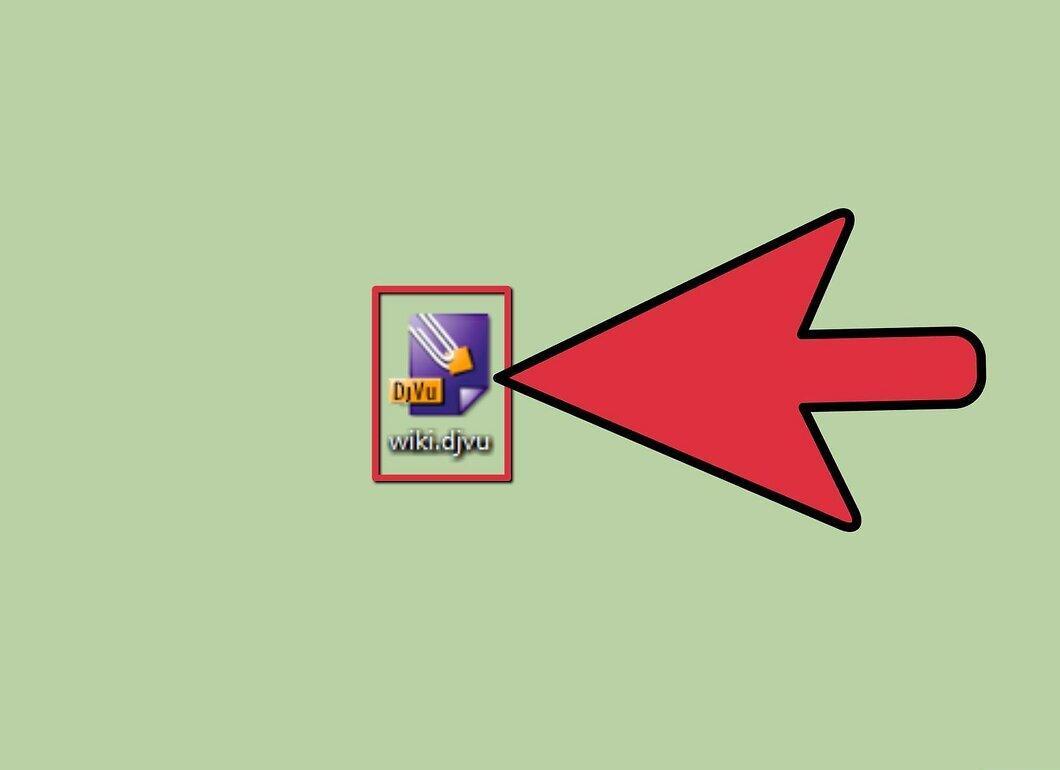
Double-click the DjVu file. It should automatically open in the installed program.
Step 2. Explore the document.
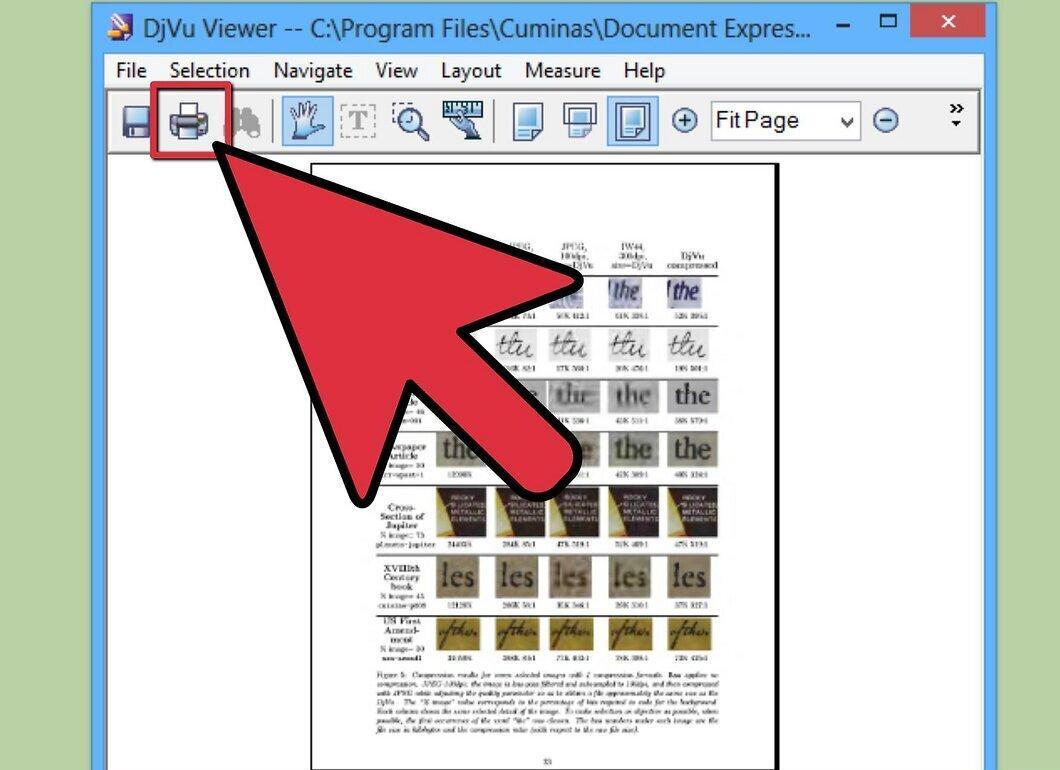
Look through the document. The installed program functions similarly to other file viewing applications. You can navigate through pages, zoom in and out, print, and more.
- Keep in mind that DjVu files cannot be edited using the program or plugin. If you're interested in editing, check the next section.
Step 3. Copy and paste sections of the document.
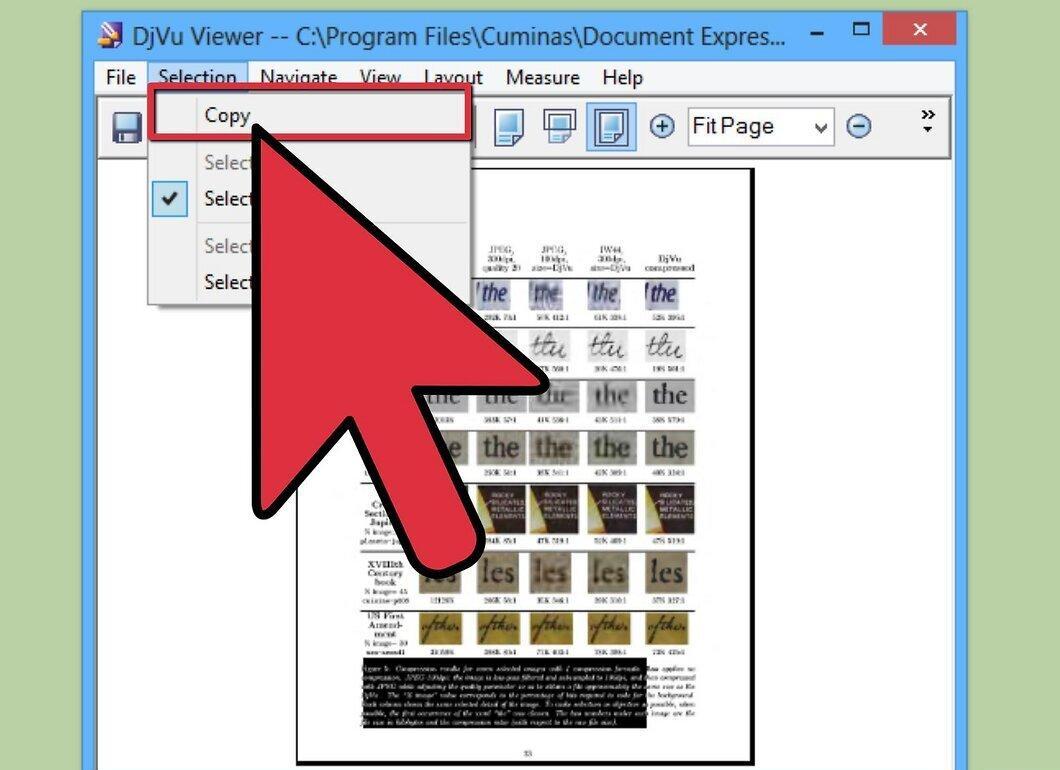
Copy and paste the necessary sections. Select “Selection” > “Select Region” and draw a box around the part of the document you need.
- After highlighting, copy the area by clicking “Select” > “Copy,” or using the shortcuts Ctrl+C (Windows) or ⌘ Cmd+C (Mac).
- Paste the copied text into any other document. The text will be inserted as a PNG image.
Step 4. Open the DjVu file in your browser.
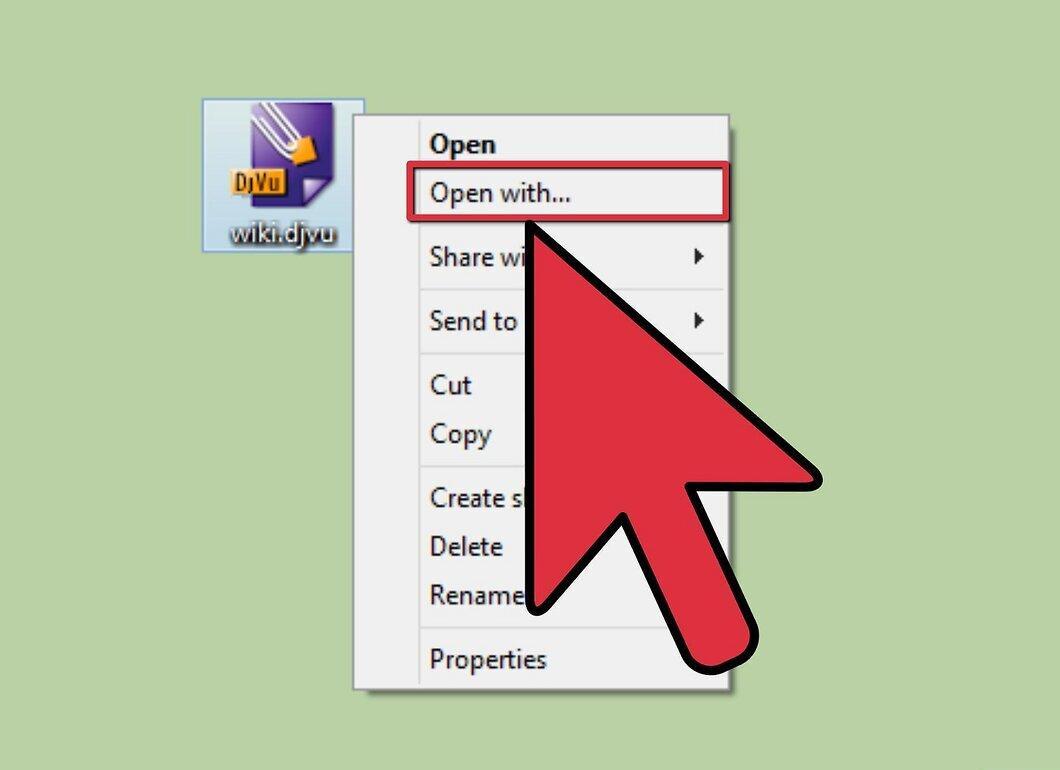
You can open the DjVu file in your browser. After installing the plugin, both the program and plugin will be available in all supported browsers except Google Chrome. The plugin has similar functionality to the program.
- Simply drag the DjVu file into the browser window. You may be prompted to enable the DjVu plugin. You can also right-click the file and select “Open with,” then choose the browser from the list of programs.
Creating and Editing DjVu Files
Step 1. Download DjVu Solo.
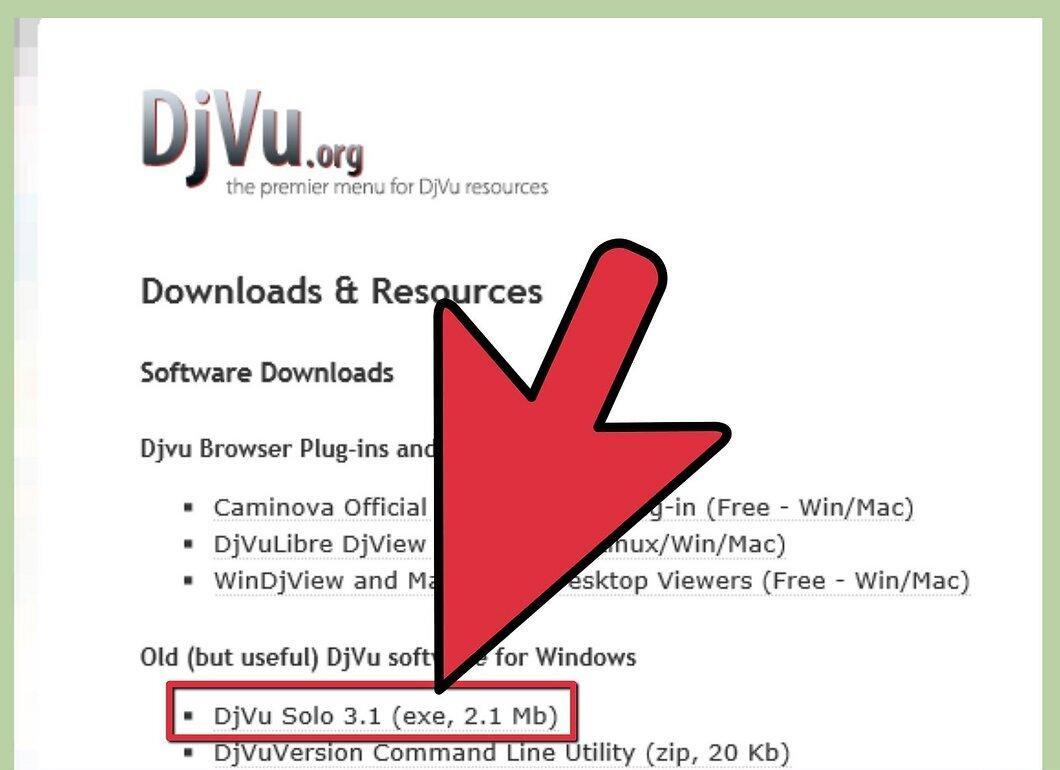
Download DjVu Solo. This free utility allows you to create DjVu files from images (such as scanned pages from books or documents).
- Find DjVu Solo on the website djvu.org/resources/ in the “Old (but useful)” section.
Step 2. Run the installation file.
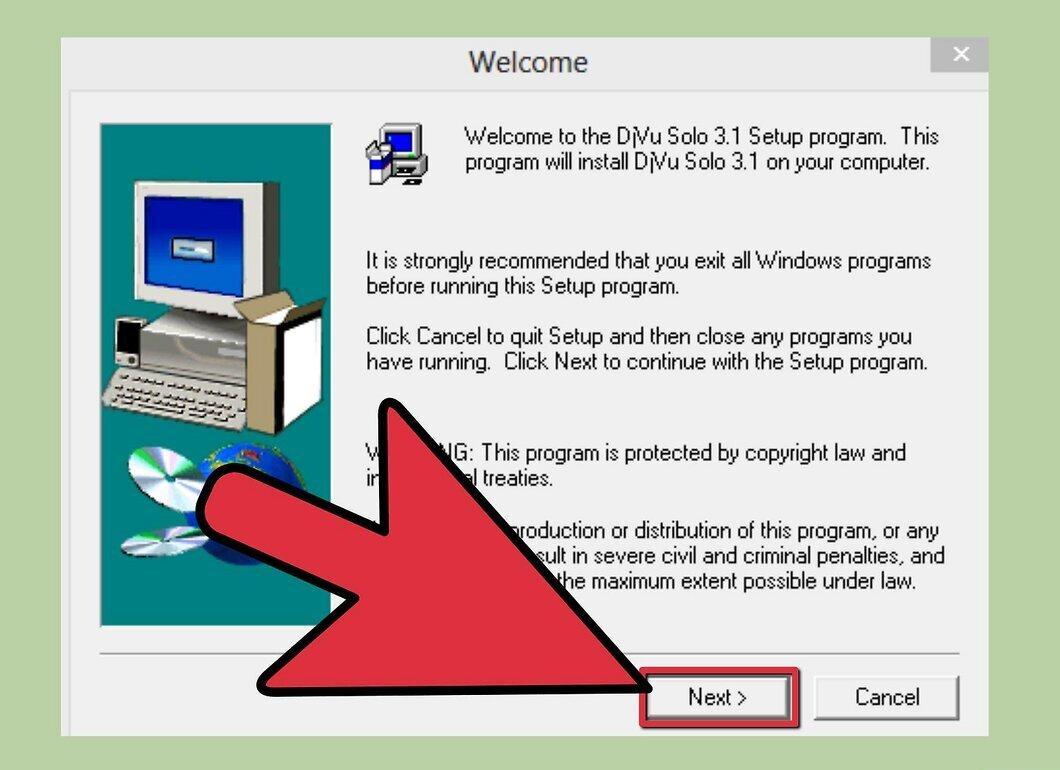
Run the downloaded installer. Most users can leave the default settings to prevent the installation of any malware.
Step 3. Open DjVu Solo.
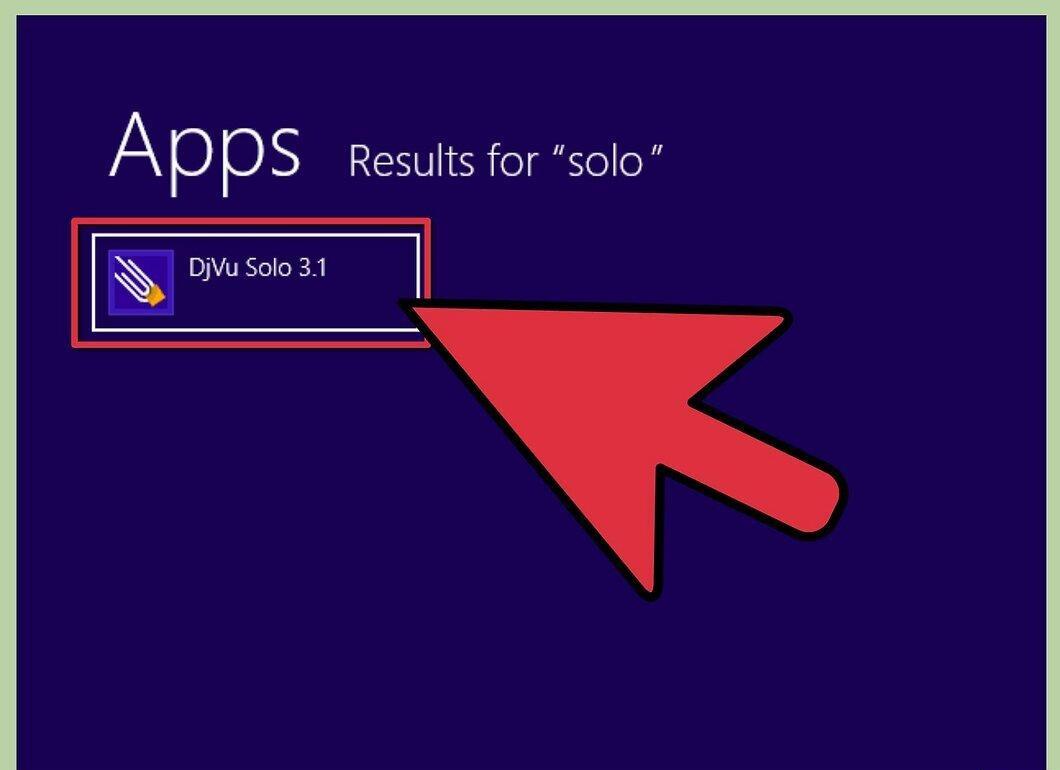
Launch DjVu Solo. The program should be in the Start menu; if it's not there, try searching for it on your computer.
Step 4. Add the first image.
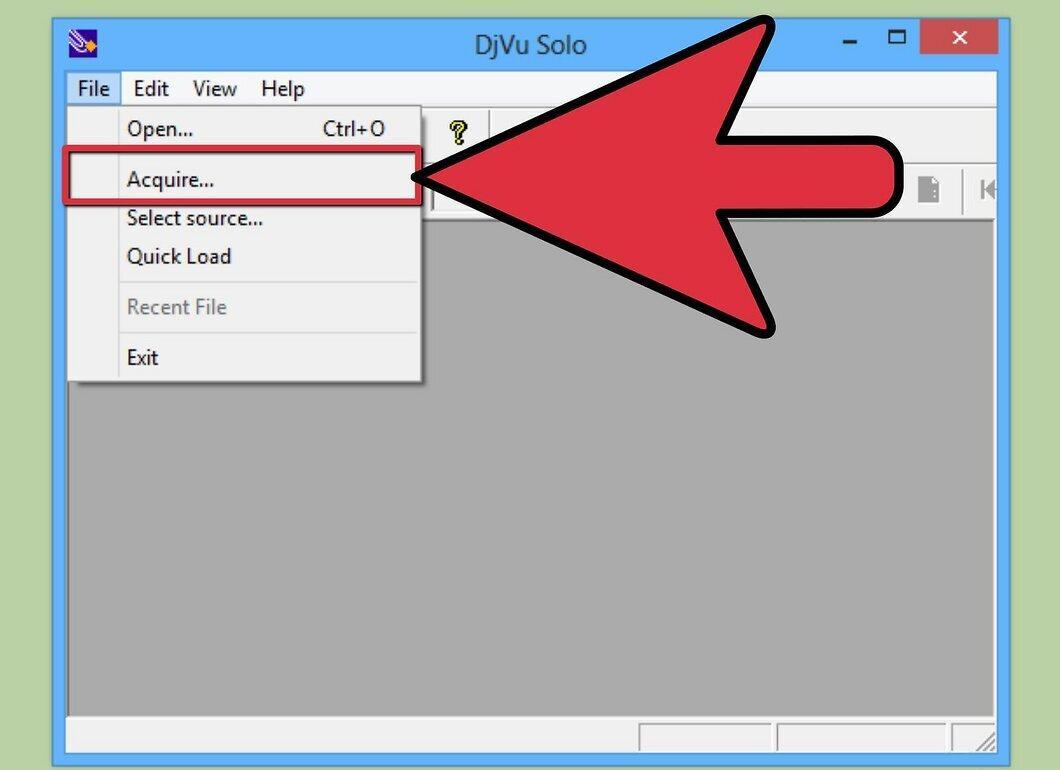
Drag the first image into the DjVu Solo window or click “Scan” to get an image from the scanner.
Step 5. Add the next image.
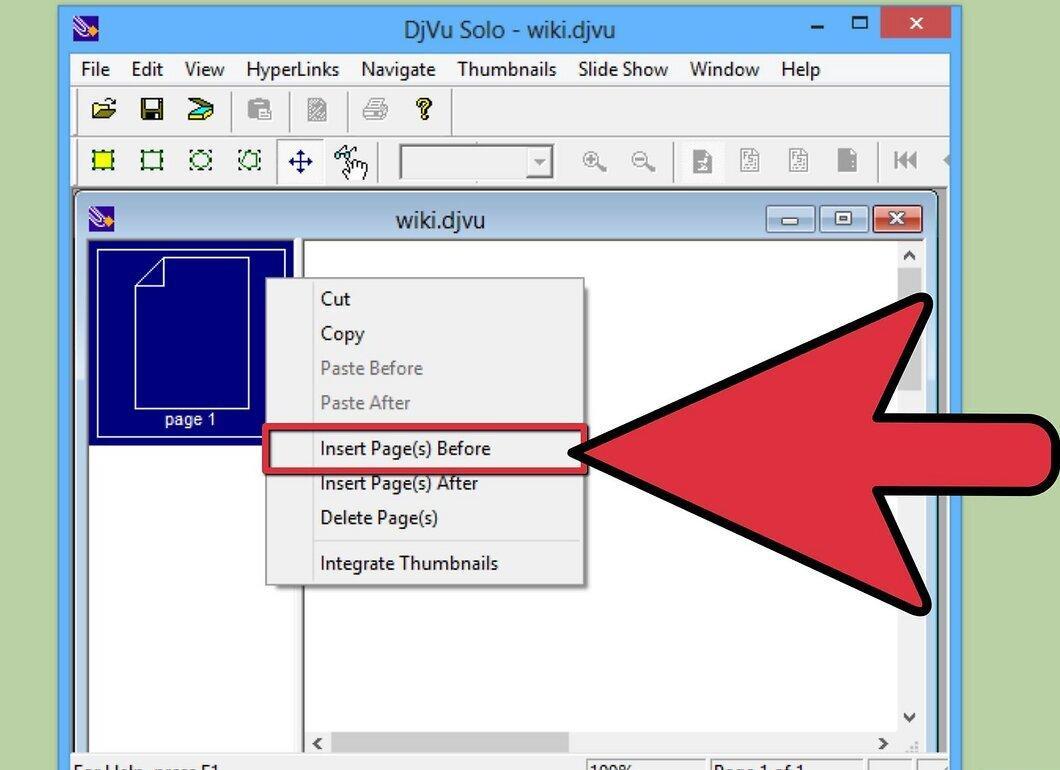
To add another image, right-click the thumbnail, select “Insert Page(s) After.” Open the file type menu and select “All Supported Image Files.” You can add multiple images at once.
Step 6. Change the order of pages.
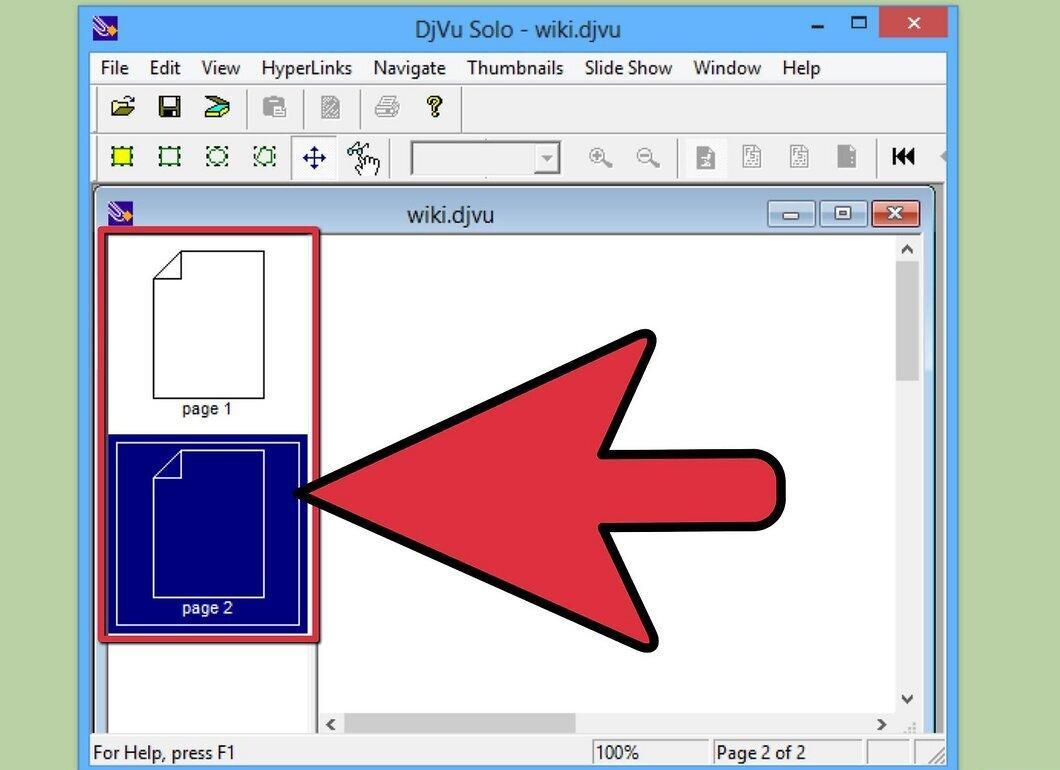
Rearrange the pages by dragging the thumbnails into the desired order.
Step 7. Create the DjVu file.
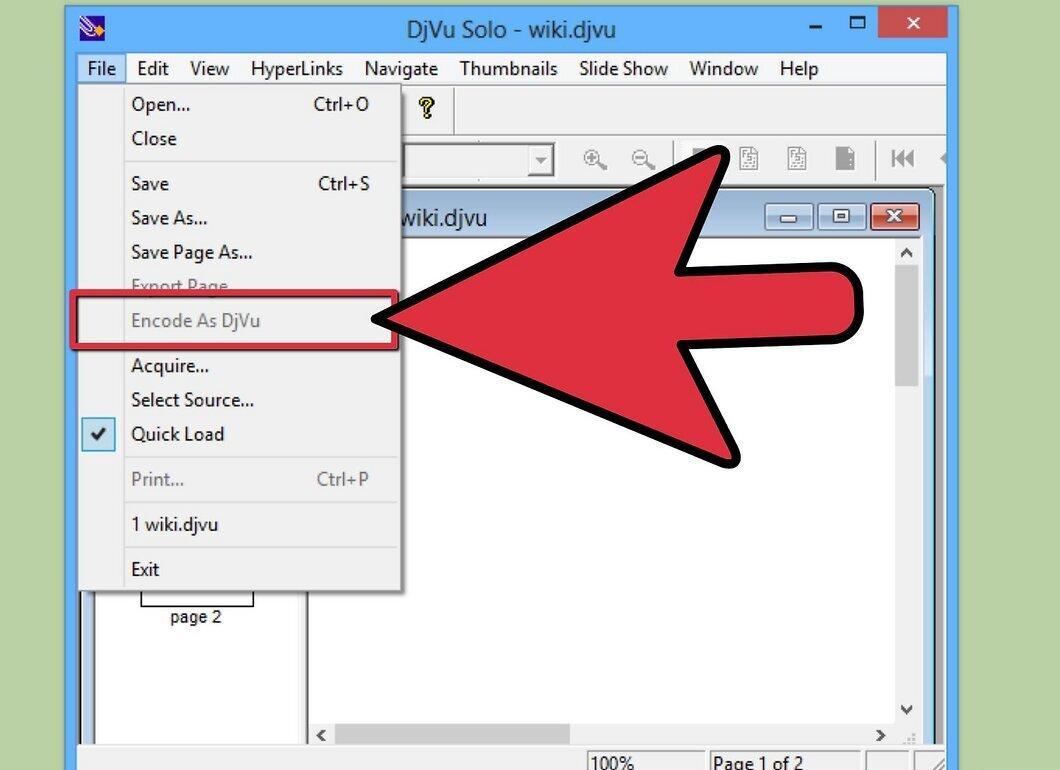
To create the DjVu file, select “File” > “Encode As DjVu.” Choose “Bundled” if you don't plan to place the DjVu file on web pages.
Step 8. Edit an existing DjVu file.
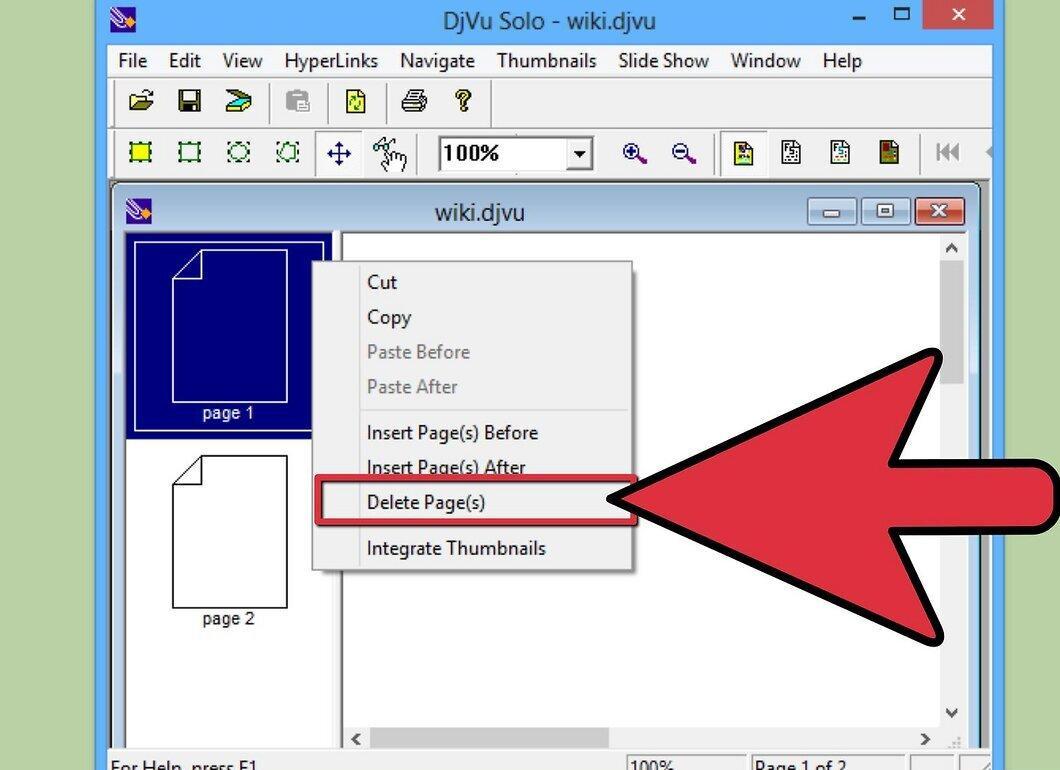
To modify an existing DjVu file, open it in DjVu Solo and make changes: delete or add pages:
- open the DjVu file in DjVu Solo;
- to delete a page, click the thumbnail of the page you want to remove and select “Delete;”
- to add a new page, right-click the thumbnail and select “Insert Page(s) After” or “Insert Page(s) Before.” Find the necessary images on your computer.
- To change the order of pages, simply drag the thumbnails.