Rigid packaging ensures safety during transport and protects against theft, but for consumers, it can be a real hassle. There's even a term called "packaging rage." Every year, thousands of people visit hospitals due to injuries sustained while trying to open such packaging. In this article, we will share methods to help you keep both your hands and nerves intact while opening plastic packaging.
Perforation Method
Step 1: Check the Back of the Packaging for Holes.
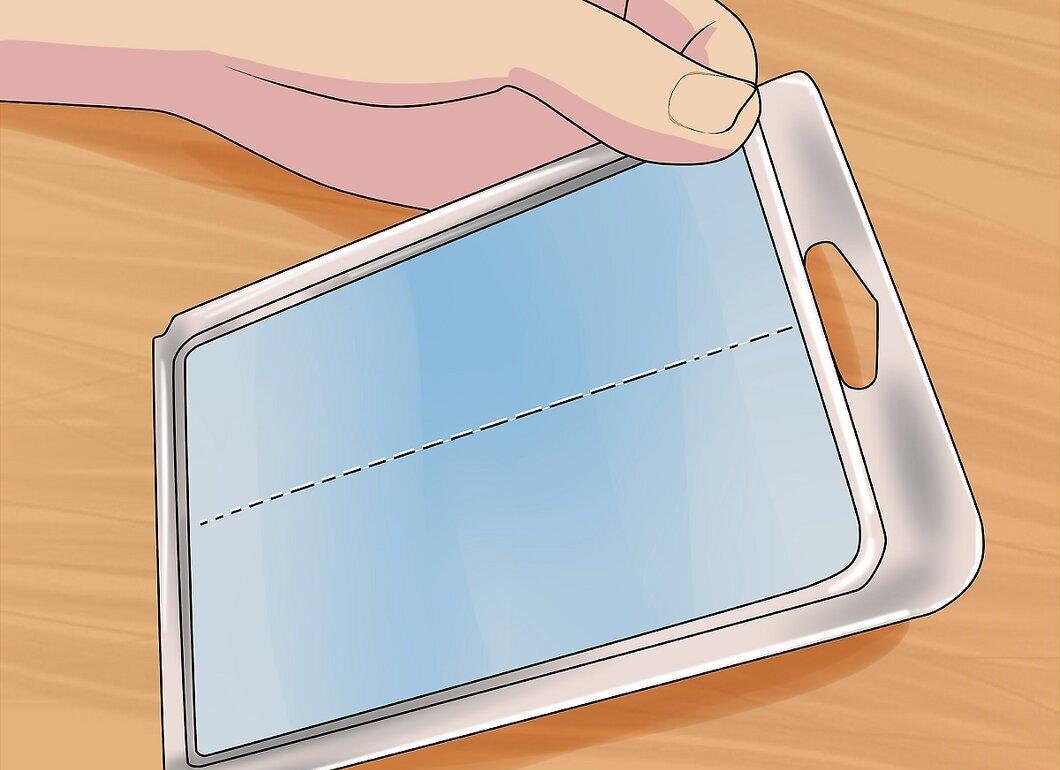
Take a look at the back of the packaging: sometimes manufacturers add perforations to make opening easier. Also, check the sides of the package – there may be tabs that help you separate it into two parts.
Using a Can Opener
Step 1: Find a Can Opener.
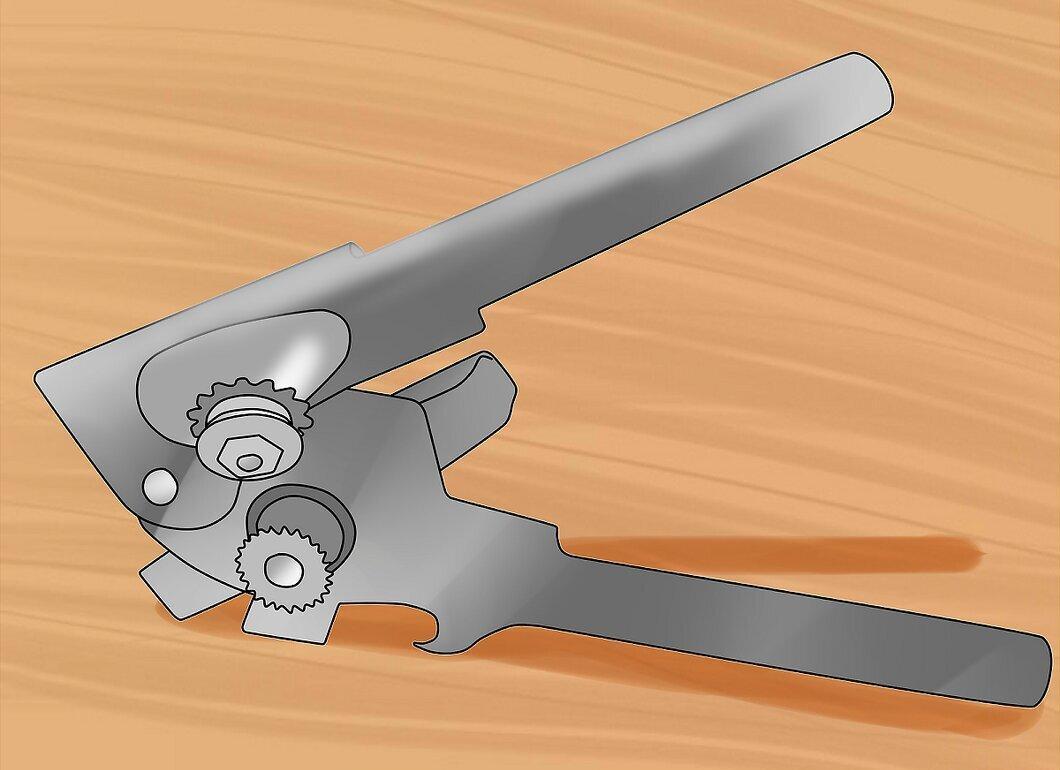
Step 2: Open the Packaging as If It Were a Can.
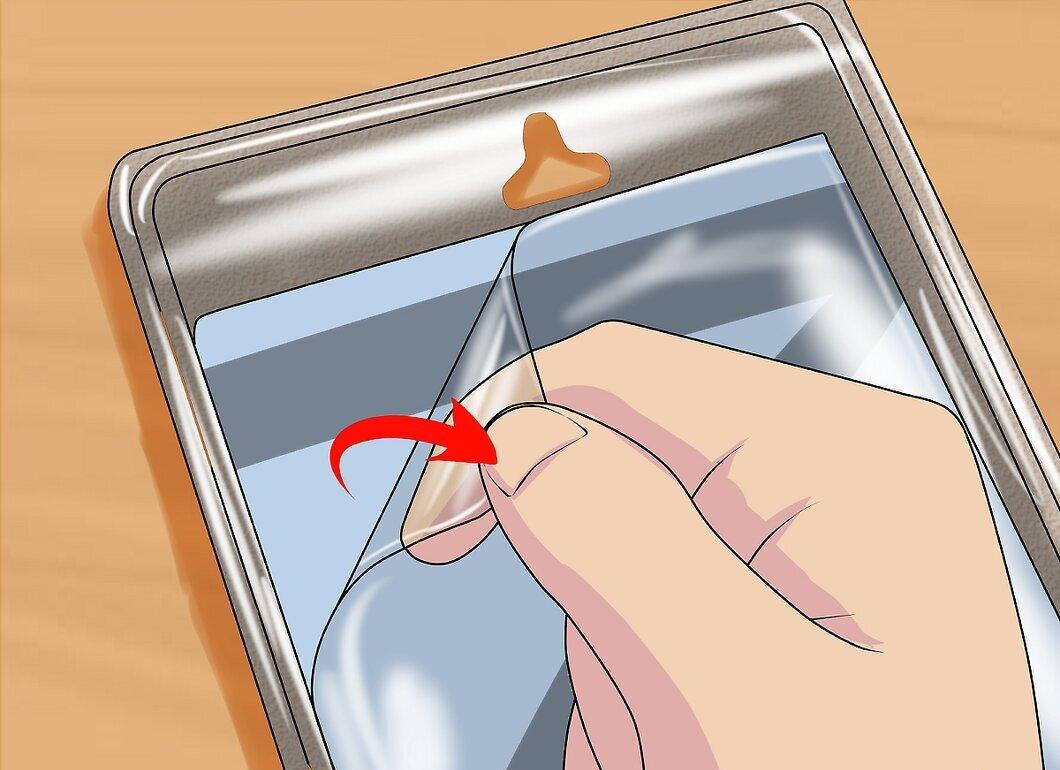
Use the can opener as you would to open a can. The sharp blades will easily cut through the plastic without harming your hands. Don’t try to cut corners; just open one side of the packaging.
Step 3: Insert a Regular Knife Between the Layers of Plastic and Carefully Cut the Packaging.
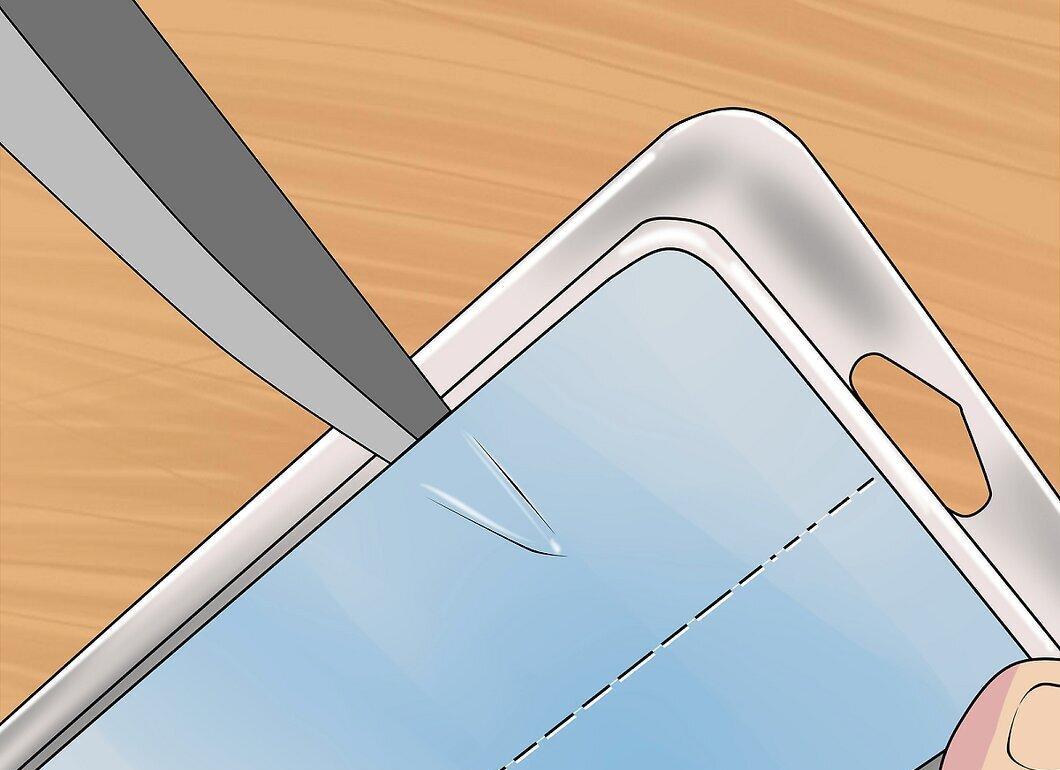
Place the knife between the two layers of plastic and make a cut. It's safer to direct the blade inward rather than piercing the packaging from the outside. If the knife is sharp, further cutting will be a breeze.
Using a Knife, Scissors, and Utility Knife
Step 1: Be Cautious When Using These Tools.
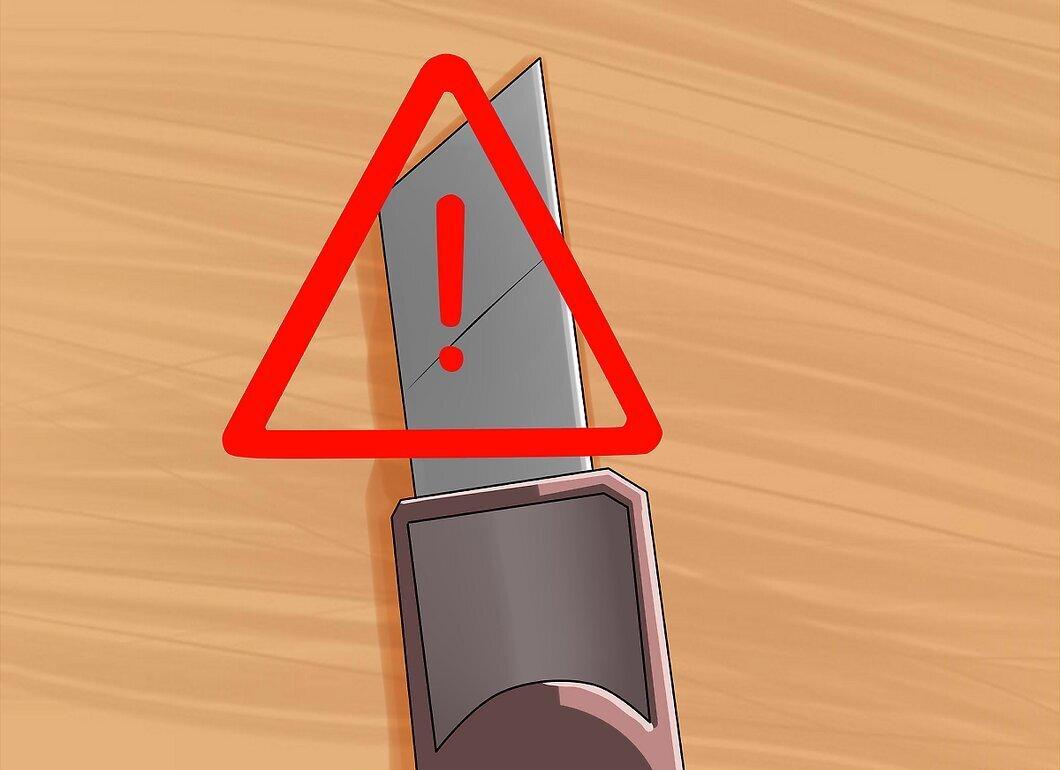
Remember the risks associated with these tools. As mentioned, people often get cuts.
Step 2: Carefully Trim the Edge of the Packaging with Scissors or a Utility Knife.
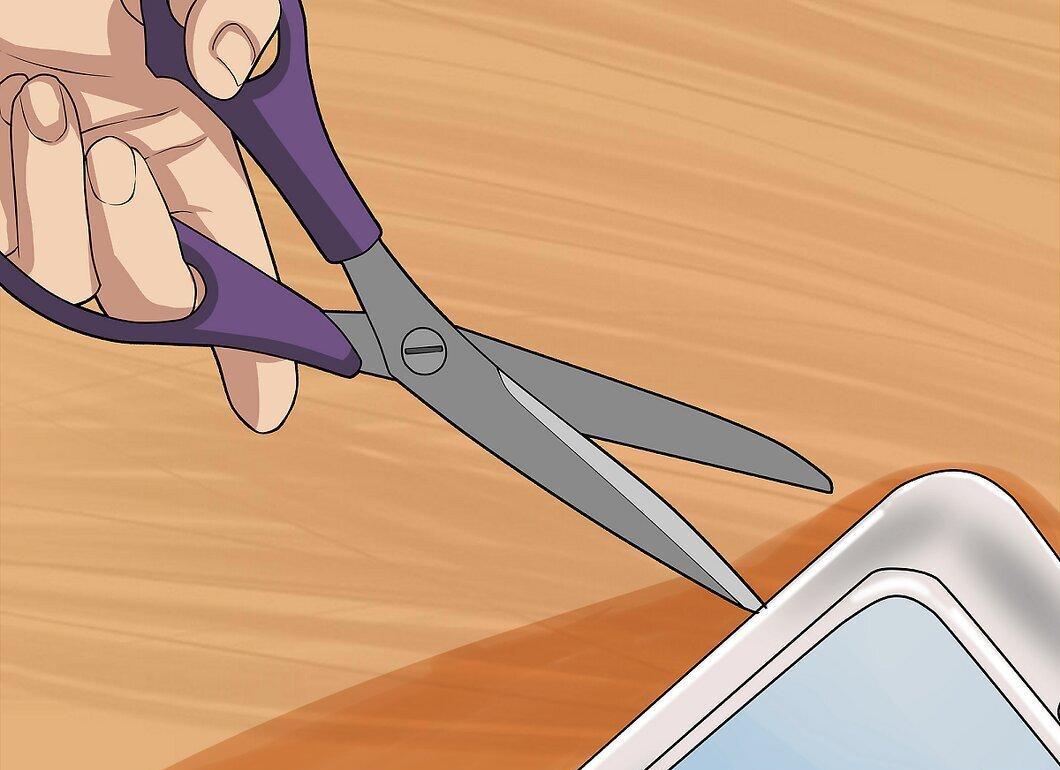
Trim the edge of the packaging until it opens. Avoid cutting through the center to prevent damaging any instructions. This is the trickiest direction. If you're right-handed, start on the right side; if left-handed, start on the left.
- If your scissors or knife aren’t sharp enough for easy cutting, it's best to avoid using them. This will help you prevent injuries. It might be worth looking for or purchasing a can opener instead.
Using Specialized Tools
Step 1: There are specialized tools for opening plastic packaging, but they aren't always effective.
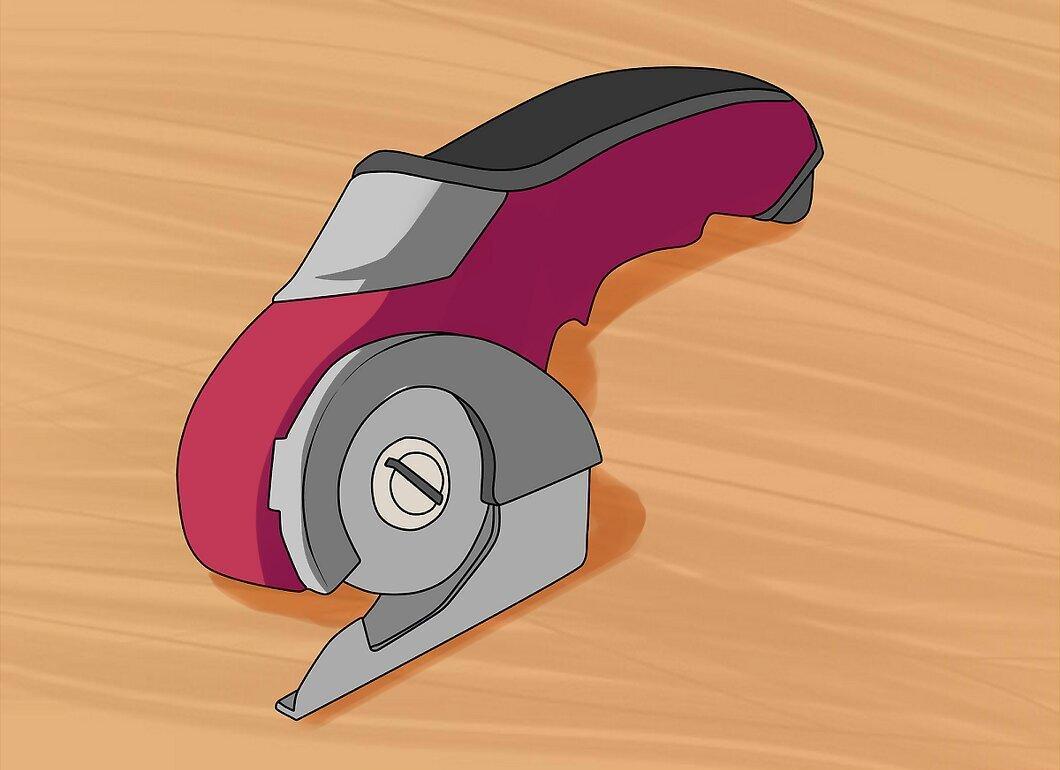
Use Metal Scissors
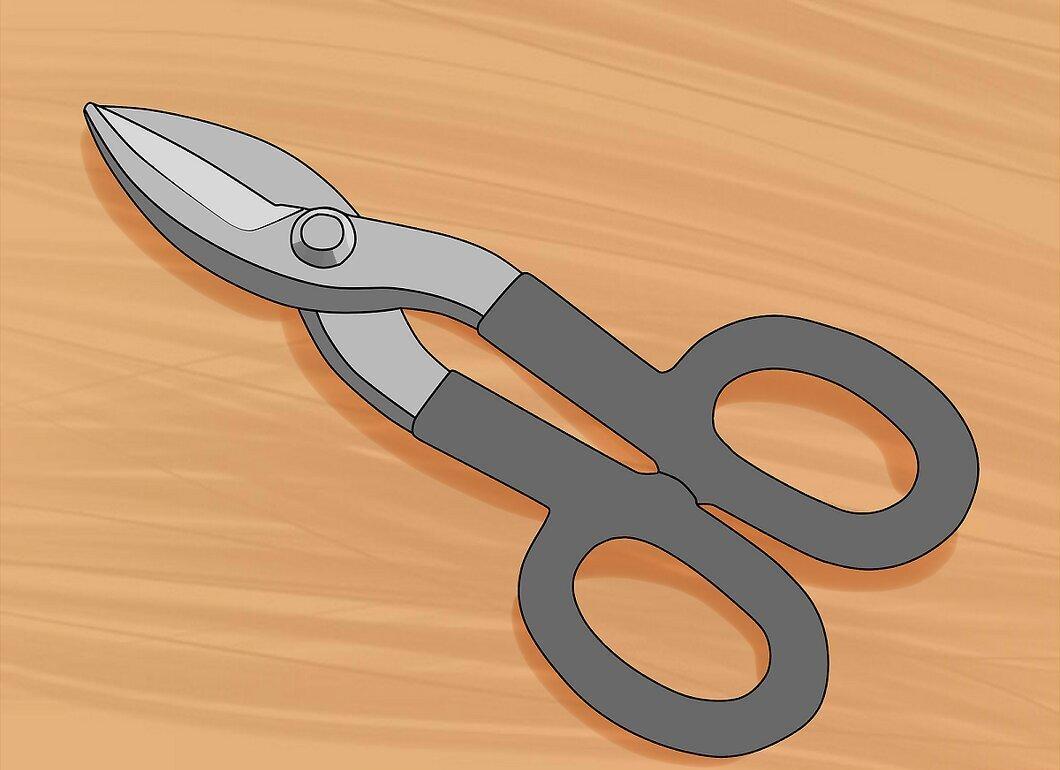
Step 1: Metal scissors are great for working with rigid plastic.