Are you passionate about books? Struggling to find space for all your volumes? If your friends joke that you’re a "bookworm" or a "bibliophile," that’s great! But when books start to pile up and get lost in the chaos, it’s time to get organized. To keep your book collection accessible and in perfect condition, check out these simple yet effective organization methods.
Alphabetical Sorting
Step 1. Decide how you want to organize your books.
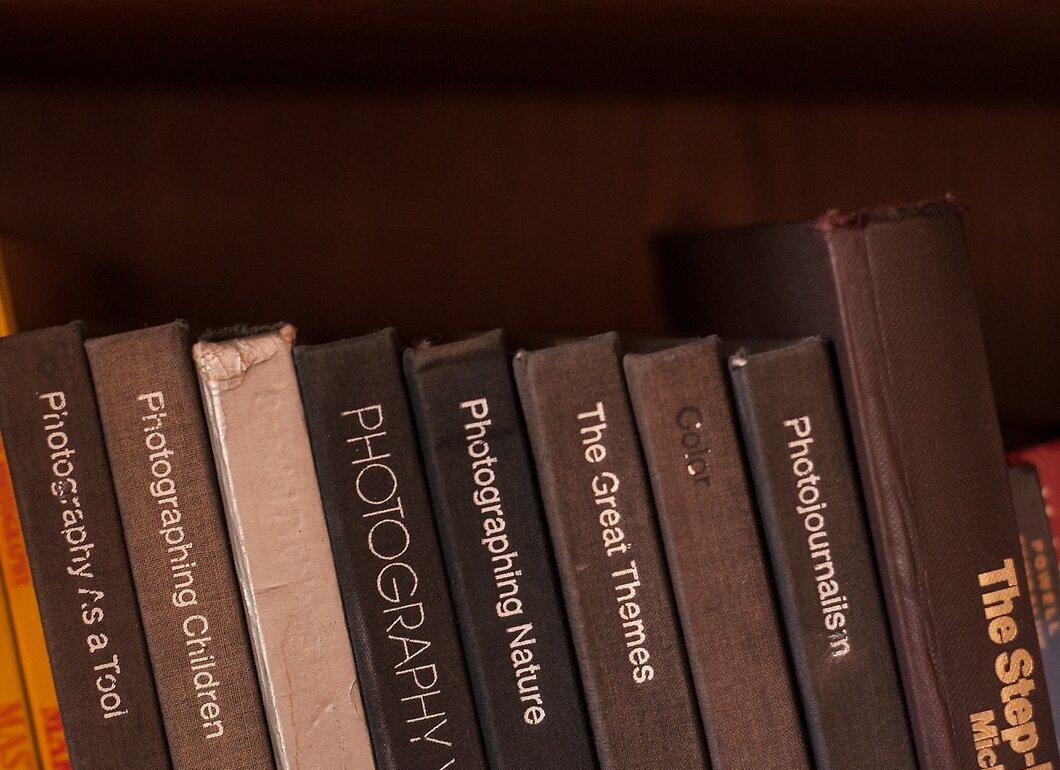
Determine how you will categorize your books. Would you find it easier to sort them by genres, colors, sizes, titles, or authors? There are various ways to organize books, and it’s essential to choose the method that works best for you. This will help you locate the books you need faster and activate your memory. The following sections present several tried-and-true methods, allowing you to select the one that suits you best.
Sorting by Size or Color
Step 1. Arrange your books alphabetically.
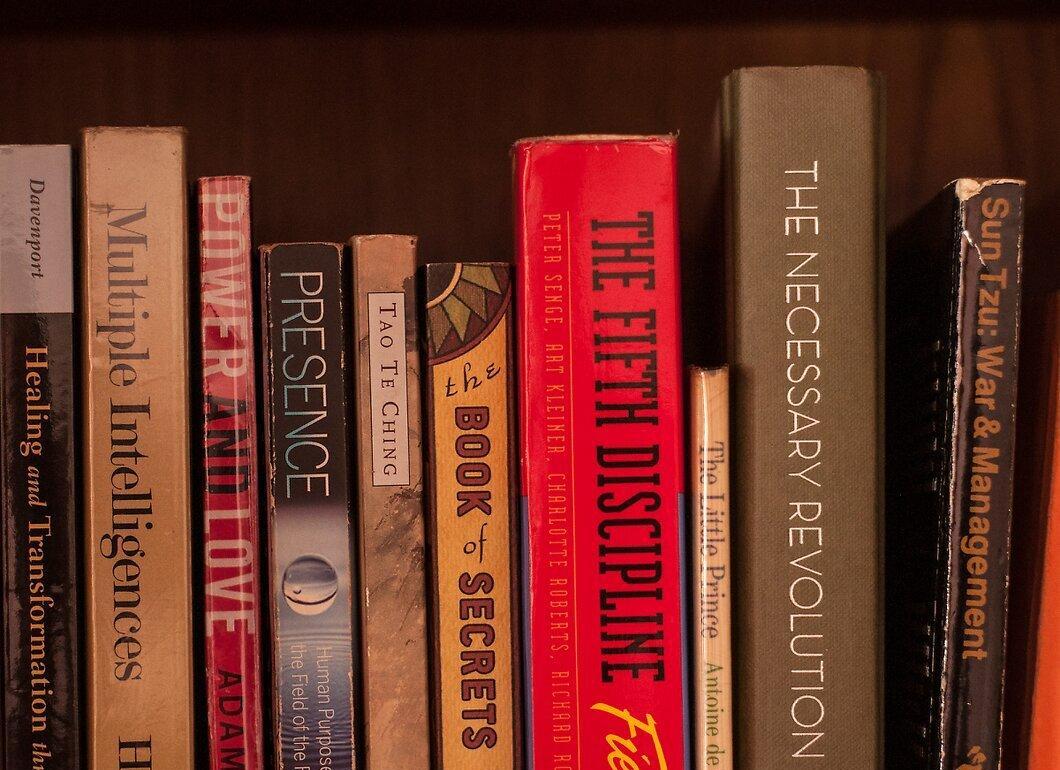
Organize your books on the shelves in alphabetical order—by authors' last names or titles. This method is perfect if you have a good memory for titles and author names. Placing books by the same author next to each other makes finding works from a series much easier.
- If you remember content but struggle with authors' names, try a different method.
- You can also separate fiction from non-fiction (read more about the content method below for additional tips).
Content Method
Step 1. Organize books by size.
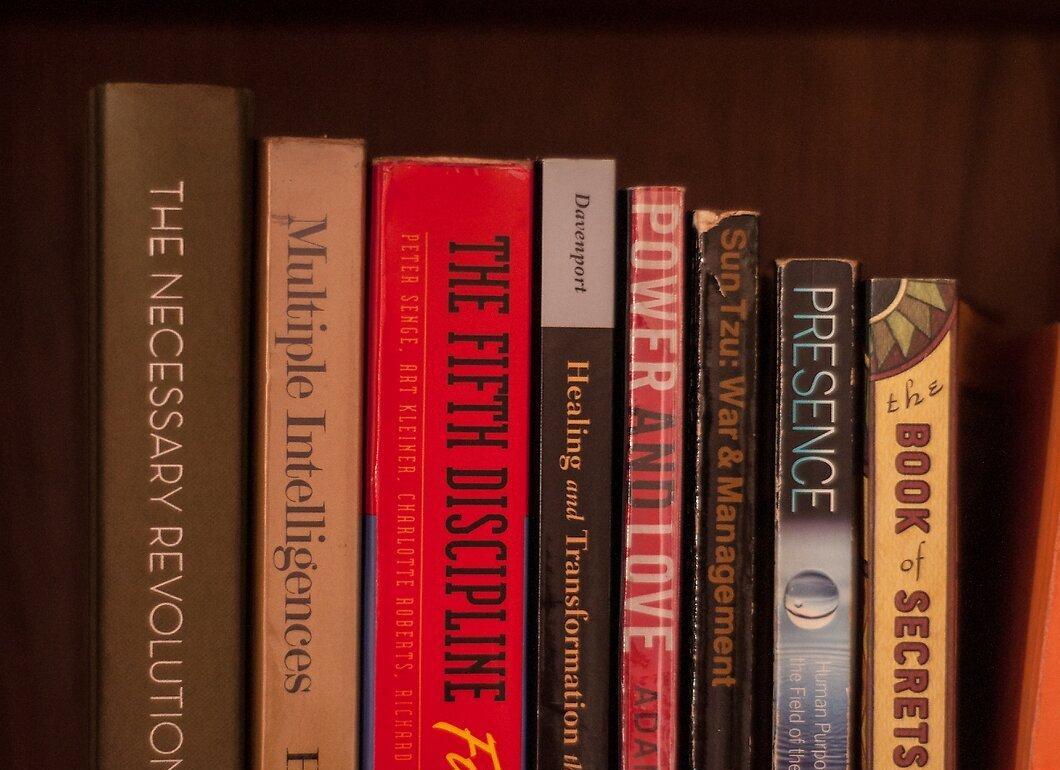
Sort books on shelves by size. Larger and heavier books should be placed on lower shelves, while lighter and smaller ones go on the top. This arrangement not only enhances the stability of your bookshelf but also makes it look neater and more appealing. If you remember books by their size or shape, this method will work well for you.
Step 2. Sort by color.
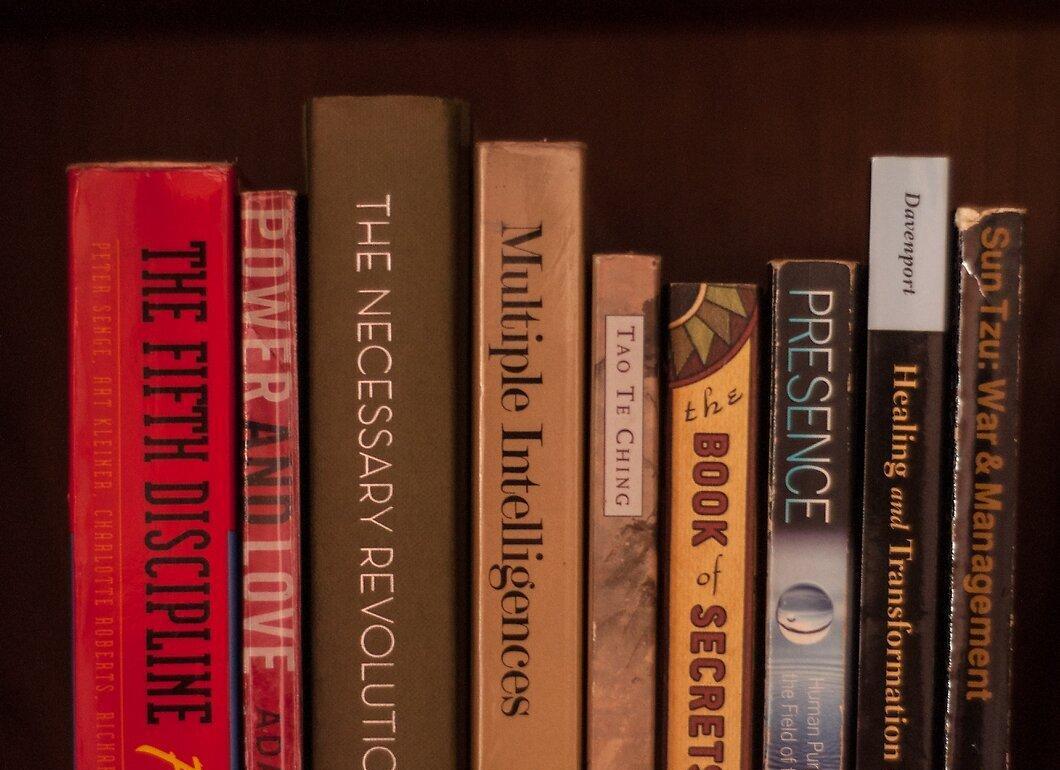
Arrange books by color. Many people find it easier to remember books by their cover color or image. If you enjoy organizing your space by colors, this can be not only a convenient way to find books but also a stylish decor element.
Organizing Your Desk
Step 1. Group books by theme.
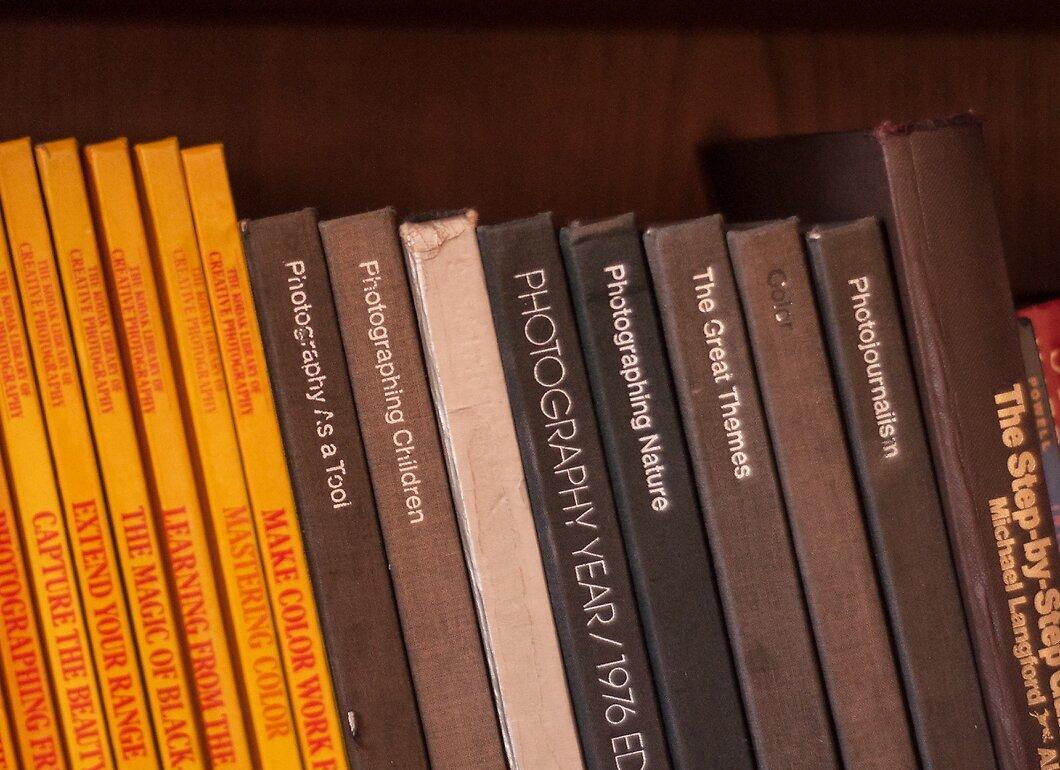
Divide your books into groups based on themes. This means that novels, academic texts, philosophical works, and biographies should be kept in separate areas.
- Consider separating fiction and non-fiction. This simple and quick solution will help you better organize your space. You could place fiction books on the top shelf and reference materials on the bottom or use different shelves in different rooms, such as cookbooks in the kitchen and romance novels in the bedroom.
Step 2. Designate shelf space for each theme.
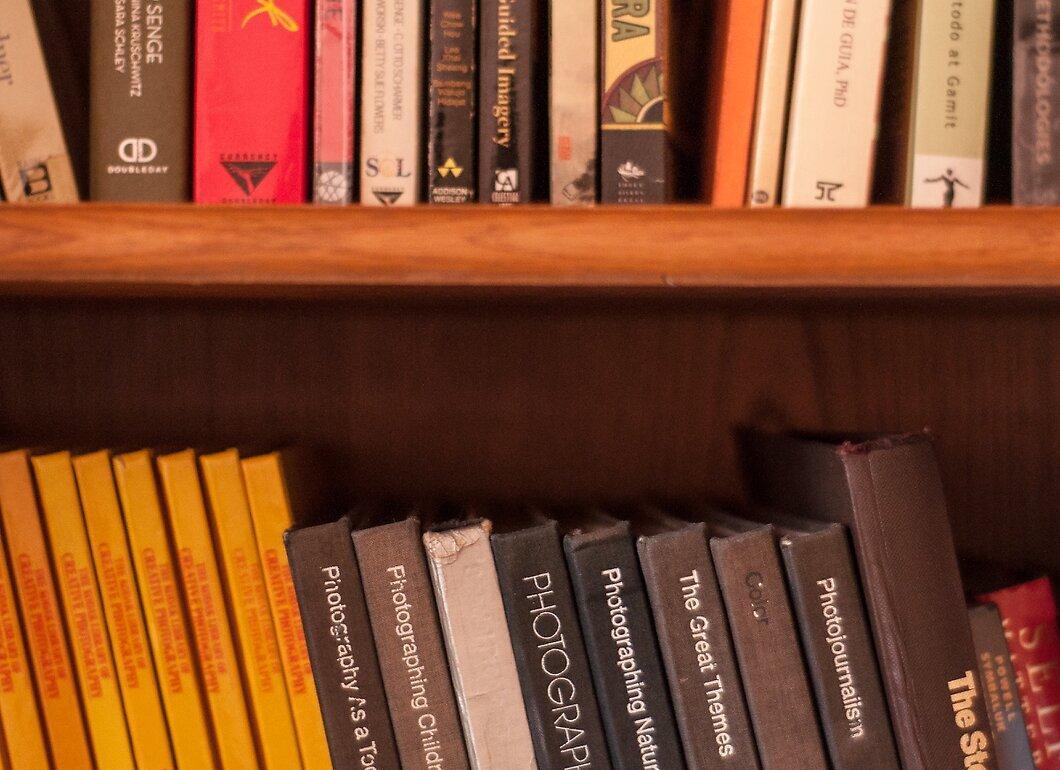
Allocate space on the shelves for each theme. It’s best to assume you’ll need more space than less, as your collection will grow, and you’ll always need somewhere to put new books!
Step 3. Place books and items by theme on the shelves.
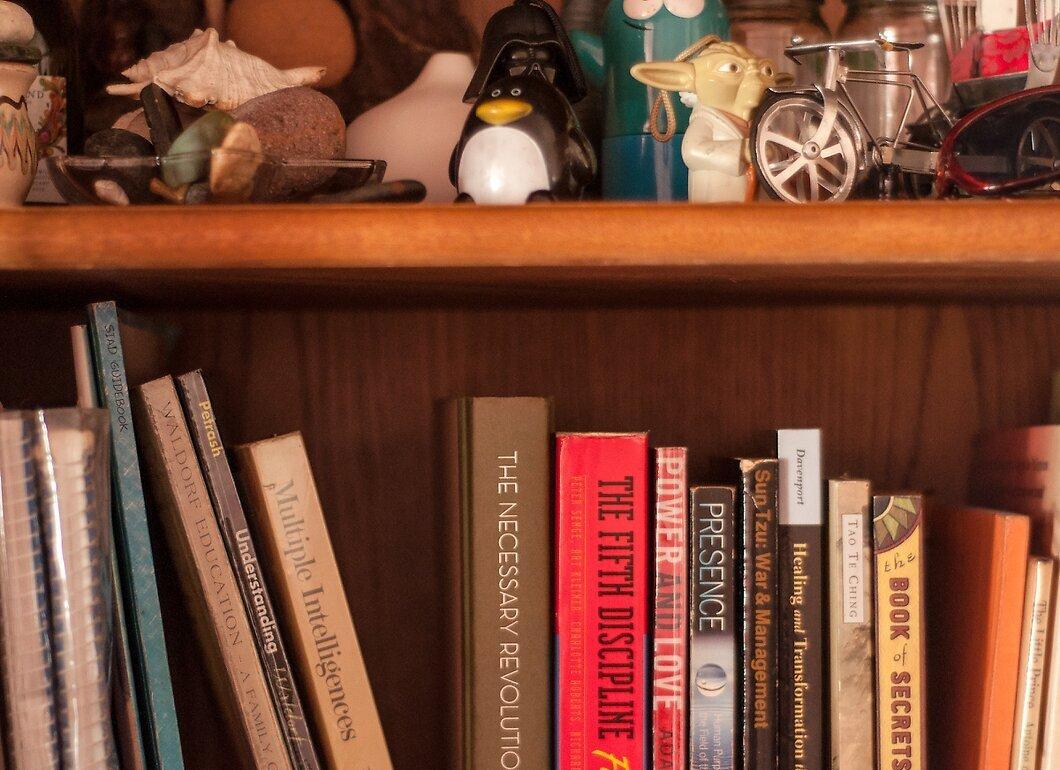
Arrange books on the shelves along with other items related to the same theme. You can also add figurines or photos that complement your reading nook.
Step 4. Create signs for each theme or genre.

Choose a method for labeling each theme or genre. This isn’t necessary if you easily remember where the books are located. However, if you need a reminder, here are some helpful ideas:
- Color-coded stickers: use permanent stickers from the book manufacturer or stick them on double-sided tape. Avoid using packing tape, as it yellows and cracks over time.
- Colorful ribbons: securely attached ribbons can serve as good markers.
- Writing symbols: use an indelible marker to write letters or symbols for each theme. For example: "F" for fiction, "M" for mysteries, "B" for biographies, and so on. If the books are of one color, try choosing white-covered books as markers to make them easier to find.
- This method can be particularly useful if you move frequently and want to maintain order in your book collection, even when everything is packed up.
Alternative Organization Methods
Step 1. Systematize books on your desk.
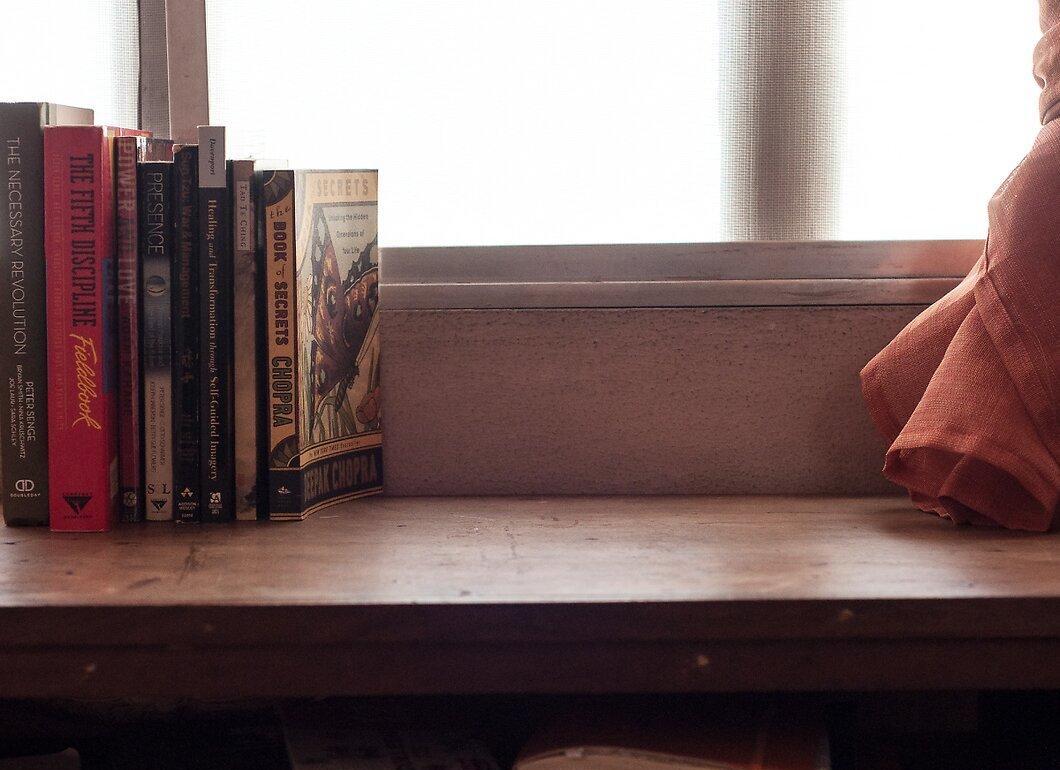
If your books are on your desk, organizing them will help make your work and study time more productive. Take a look at the books you currently have on your desk.
- Consider which books you need for your work. Typically, these are the ones that should be within reach, like reference books, manuals, and important task-related texts. Books that aren’t needed often can be put away.
Step 2. Allocate desk space for books.
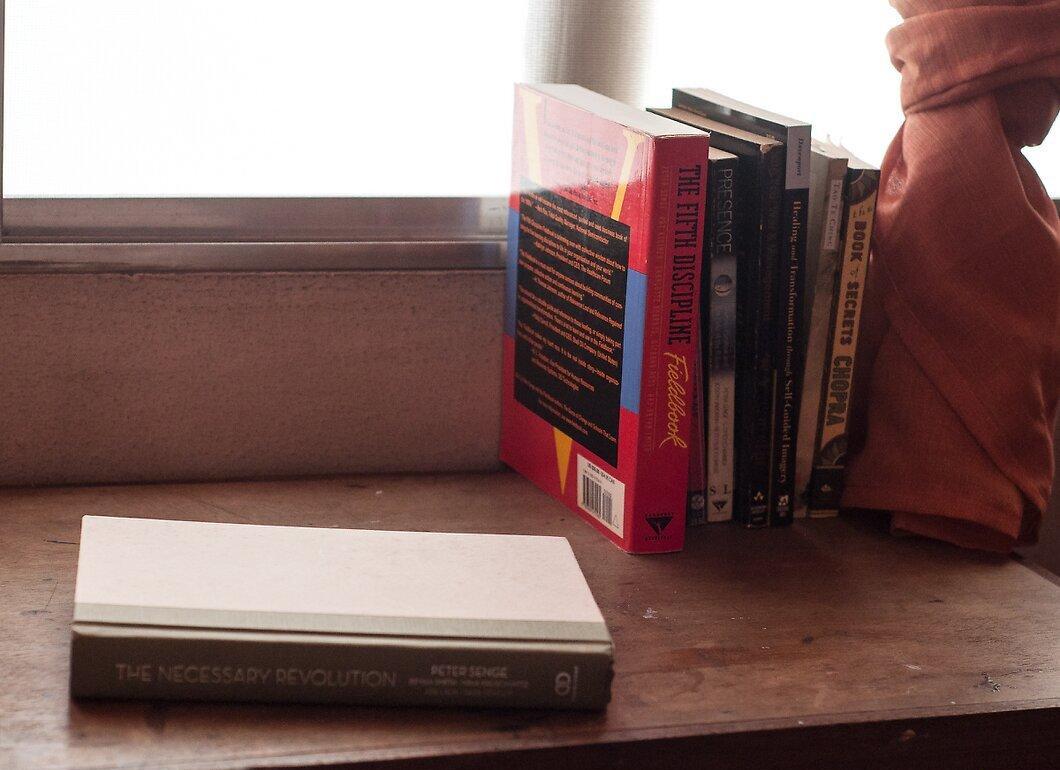
Limit the number of books on your desk. The desk is meant for work, and excess books can be distracting. Ensure there’s space for documents and open books you’re currently using.
- Think about where to store books nearby: small shelves, vertical book holders, or overhead bookcases.
Step 3. Arrange books by frequency of use.
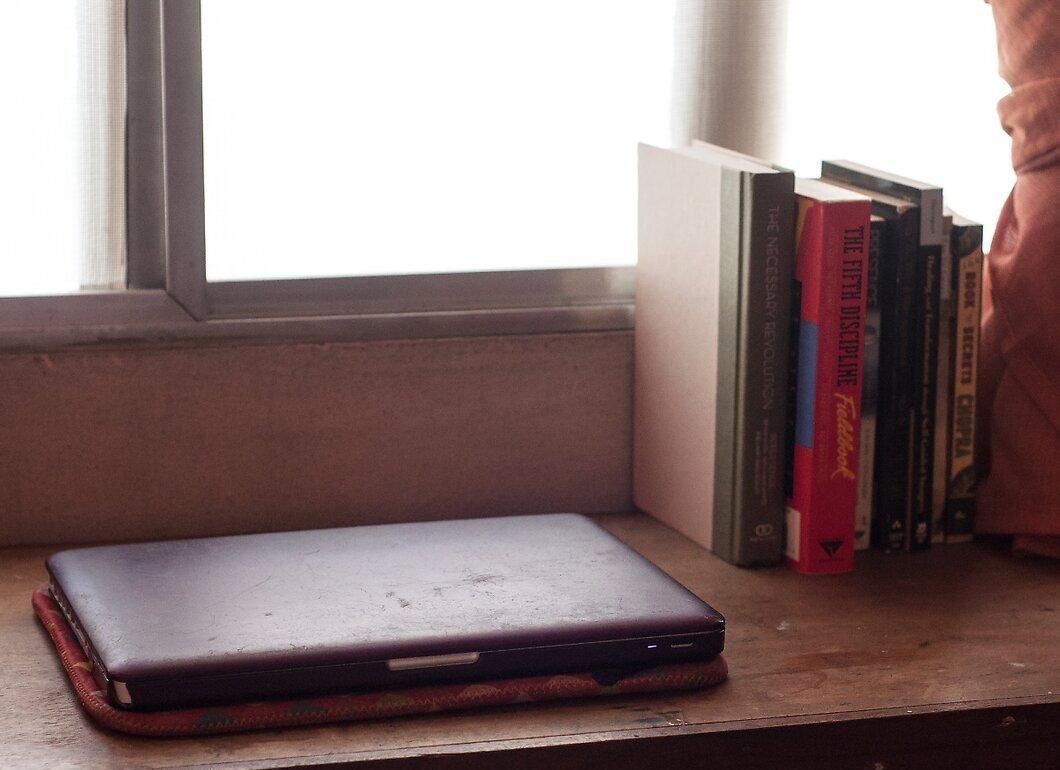
Organize books based on how often you use them. Keep the most frequently needed books closer to you, while those used less often can be placed a bit further away. Simplify the process for yourself!
- Get into the habit of always putting books back in their designated spots after use. Cluttered books can distract you from your work and create disorder.
Part 6
Step 1. Use sub-methods.
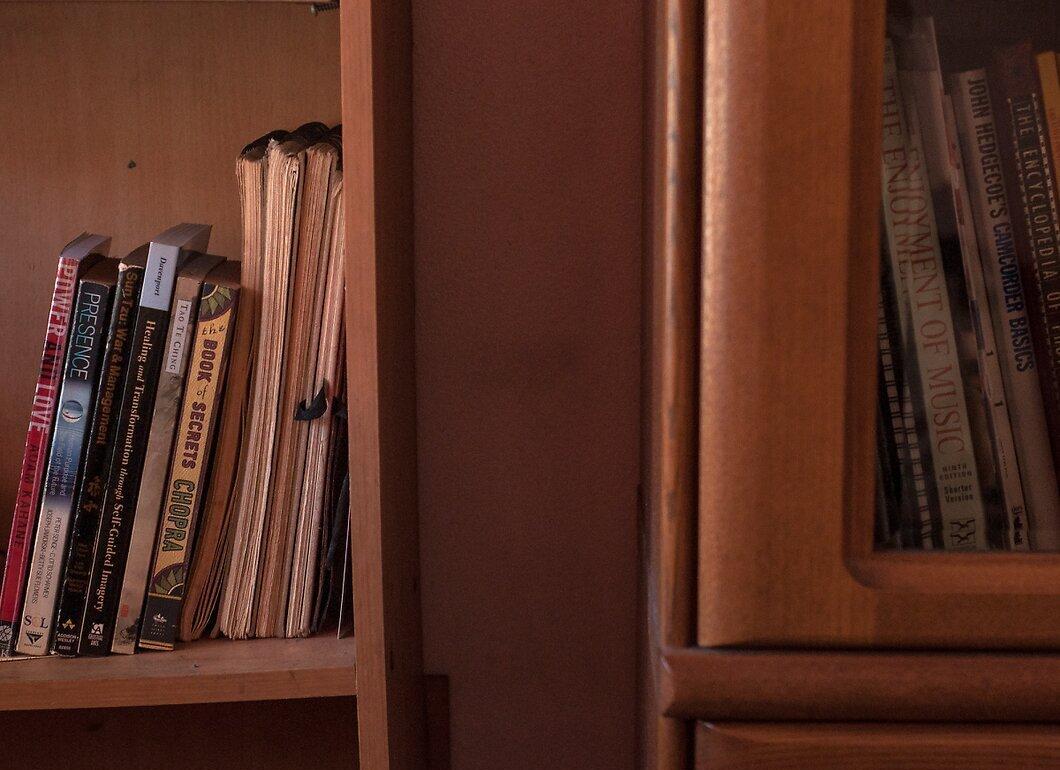
This method can be used as a sub-method. It works if you store books in various places (not just on different shelves of one cabinet but across different cabinets). It’s similar to organizing your desk but covers the entire room.
- Identify where you most often read.
- Distribute books based on how frequently you’ll be using them. If you plan to start reading a book, move it closer to your reading spot. If a book will be used rarely, set it aside farther away.
- Remember, this method can be combined with other organizational strategies.