Do you feel like a victim of superstitions? Do you cross the street when a black cat runs by? Or perhaps you avoid cracks in the pavement, fearing that your day will go awry? Did you break a mirror and now expect seven years of bad luck to befall you? If this sounds like you, it’s time to shed these phobias and realize that your destiny is in your hands.
Rethink Your Mindset
Step 1. Explore the roots of your superstitions.
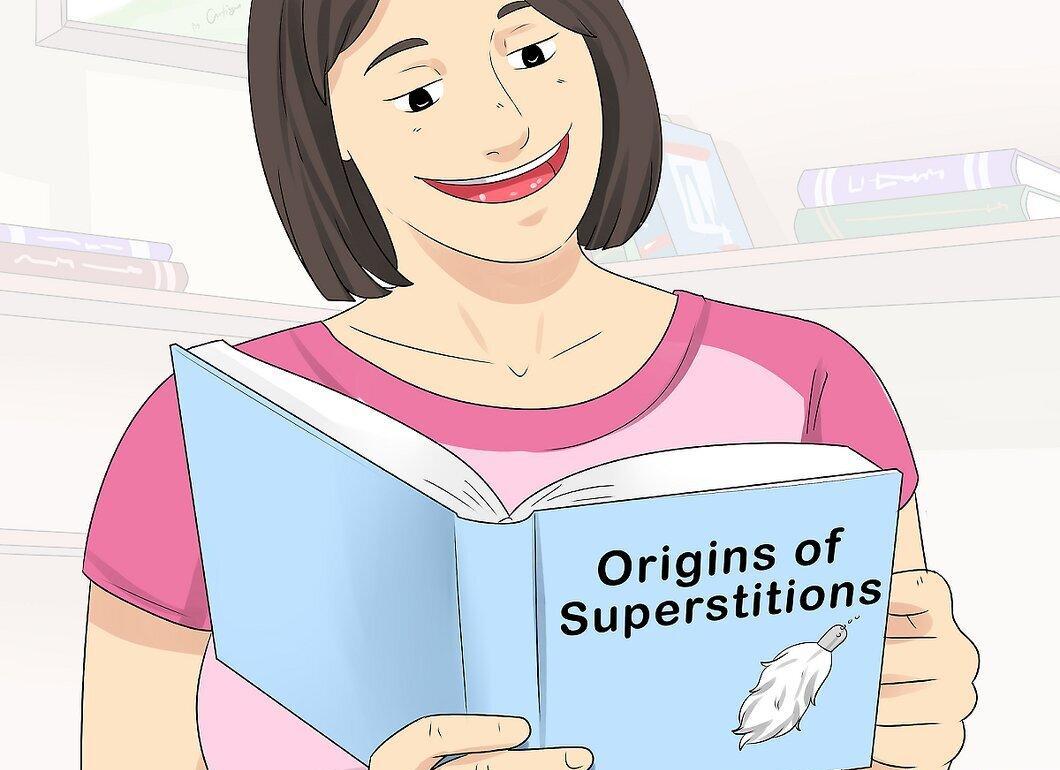
Start by reflecting on the origins of the superstitions you believe in. One way to tackle them is to understand their roots. For instance, did you know that the fear of bad luck from walking under a ladder is linked to practical safety concerns — tools could fall from above? Try debunking such myths, and you’ll see how absurd they are, as they lack any real foundation. Here are a few examples:
- In 18th century London, metal-spoked umbrellas became popular, which were dangerous to open indoors. Hence, the belief that opening an umbrella inside brings "bad luck" arose from a genuine concern for safety!
- The superstition about spilling salt dates back to Sumer in 3500 B.C., when salt was a valuable commodity, not a sign of misfortune.
- In some cultures, black cats were considered symbols of good luck. For example, ancient Egyptians believed that if a black cat crossed your path, it would bring happiness, unlike medieval superstitions that associated them with witches.
Step 2. Assess the lack of evidence.
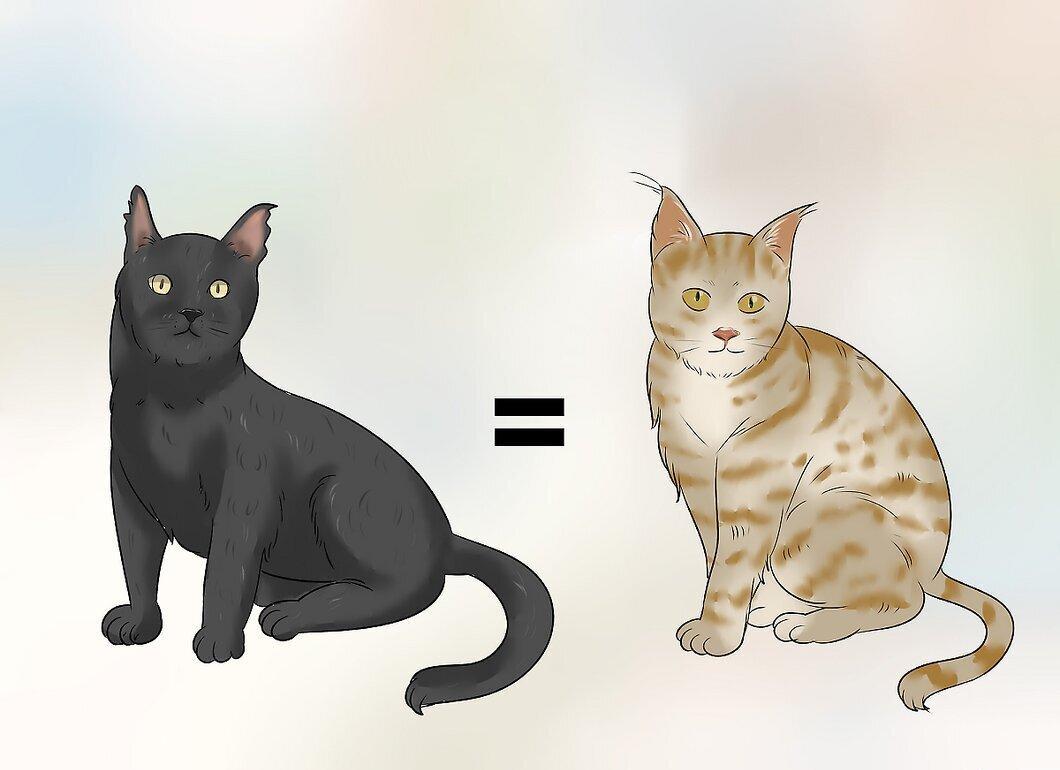
Understand that superstitions have no rational basis for influencing your life. Is there a real reason to consider the number 13 unlucky? Why do black cats cause more anxiety than others? Can a four-leaf clover truly bring luck? If a rabbit's foot is a symbol of luck, why doesn’t the rabbit have any? While it may seem impossible to think logically in the context of superstitions, developing critical thinking is essential to break free from obsession.
- Superstitions have existed for centuries, yet they provide no benefits and only mislead people.
Step 3. Identify which superstitions trouble you.
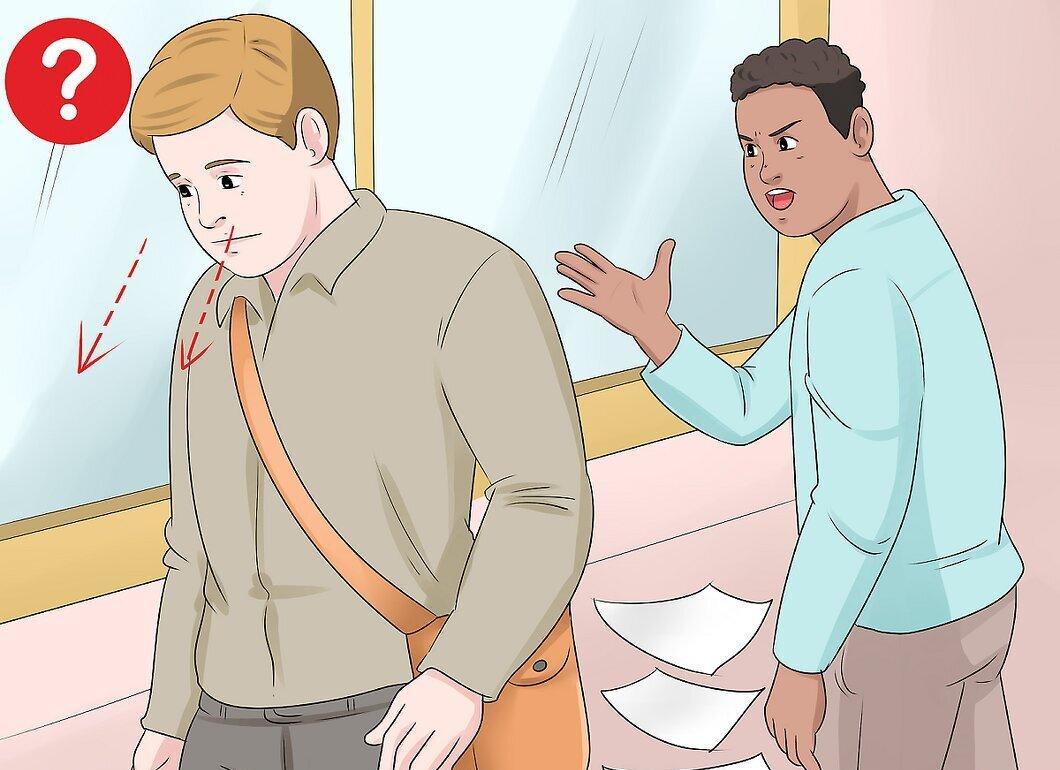
Pinpoint the superstitions that cause you constant anxiety. Do you find yourself constantly watching your step to avoid cracks, tripping over others on the street? Or do you need to change sides of the road if a black cat crosses your path? Start by focusing on the superstitions that cause you inconvenience. You might be spending an extra 10 minutes looking for a "lucky" route. Or you may go back home for your "lucky" earrings and end up late for a meeting. Consider whether your superstitions truly bring you luck or just create problems.
- Ask yourself: does your anxiety about superstitions provide you with any real benefit?
Step 4. Avoid superstitions in decision-making.
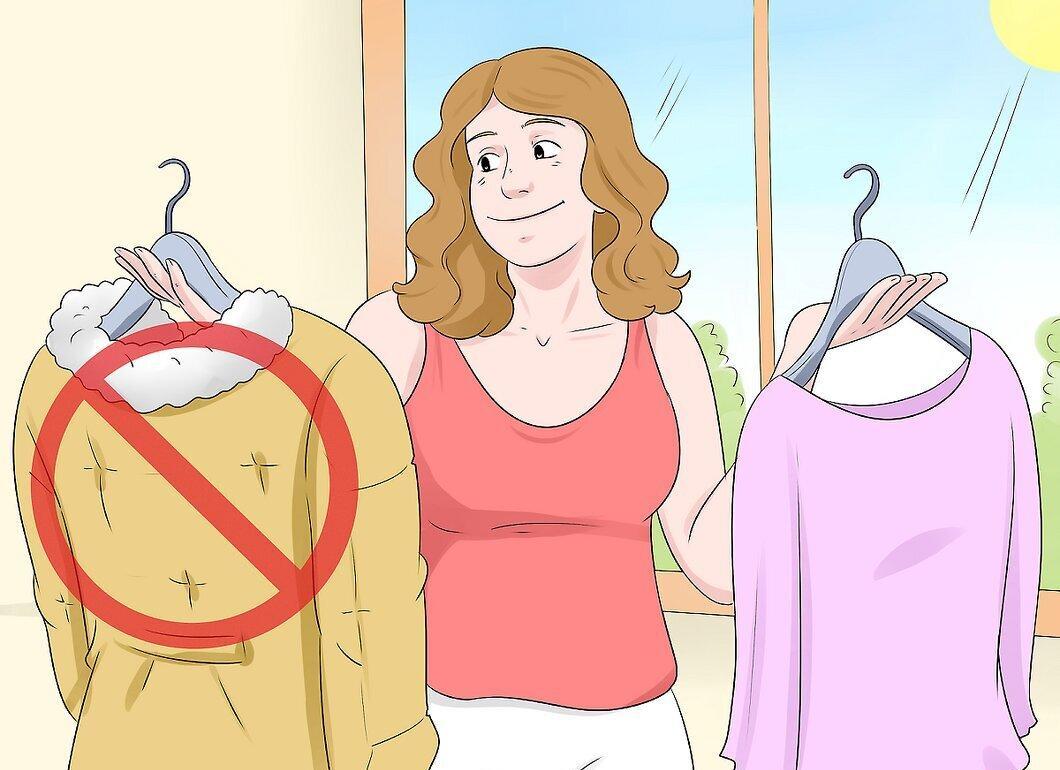
When making decisions, strive to avoid the influence of superstitions. Use common sense and logic rather than strange feelings or mystical signs. If your friend invites you to meet at a certain location, choose your route based on logic, not on searching for a "lucky" path. Dress appropriately for the weather instead of wearing your "lucky" coat when it’s freezing outside. Make choices based on reason, not superstition.
- Start small: if you spill salt, don’t throw it over your shoulder and see how it affects your day. Then gradually tackle more challenging superstitions, like ignoring a black cat or walking under a ladder.
Step 5. Accept that your luck is in your hands.

Understand that your luck is in your hands. You can’t control all events in life, but your attitude and decisions are what truly matter. Each of us faces setbacks sometimes, and while not all circumstances are under our control, your ability to view the world positively and take action to improve situations is more important than relying on superstitions and rituals.
- It’s easy to lean on superstitions because it allows you to avoid responsibility for your life. Accepting that your efforts determine your success or failure may make it difficult to move forward, and it can lead to fear or doubt.
Step 6. Expect the best, not the worst.

Try to hope for the best instead of anticipating negative scenarios. Another way to rid yourself of superstitions is to believe in positive outcomes and not dwell on the worst-case scenarios. If you expect everything to go poorly, chances are it will. But if you believe you’re in for a good day, the likelihood increases, and you won’t need superstitions to achieve a positive result.
- Many become superstitious because they believe their lives are full of misfortune, and to escape this, they feel compelled to follow rituals, such as not whistling indoors. If you are confident that there is much goodness and positivity around you, the need for superstitions will disappear.
Take Action
Step 1. Evidence against superstitions.
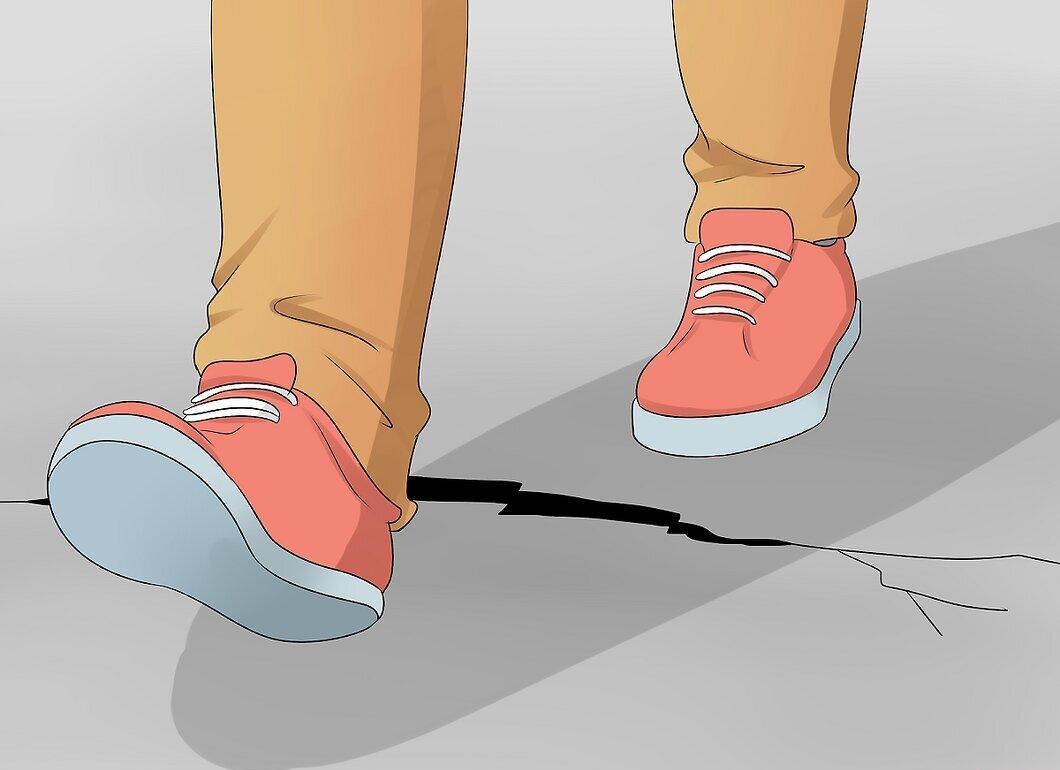
Give yourself the opportunity to see that superstitions have nothing to do with reality. Leave your rabbit's foot at home and observe how your day unfolds. Don’t fear stepping on a few cracks. Walk past a four-leaf clover. Incorporate the number 13 into your life (spend 13 rubles at a store, send 13 messages to friends, etc.). If it’s hard to do this all at once, try tackling just one superstition at a time and monitor your progress.
- If you have a black kitten, you’ll soon find that it only brings happiness, not misfortune, which will help dispel your superstitions.
Step 2. Gradually or suddenly eliminate superstitions.
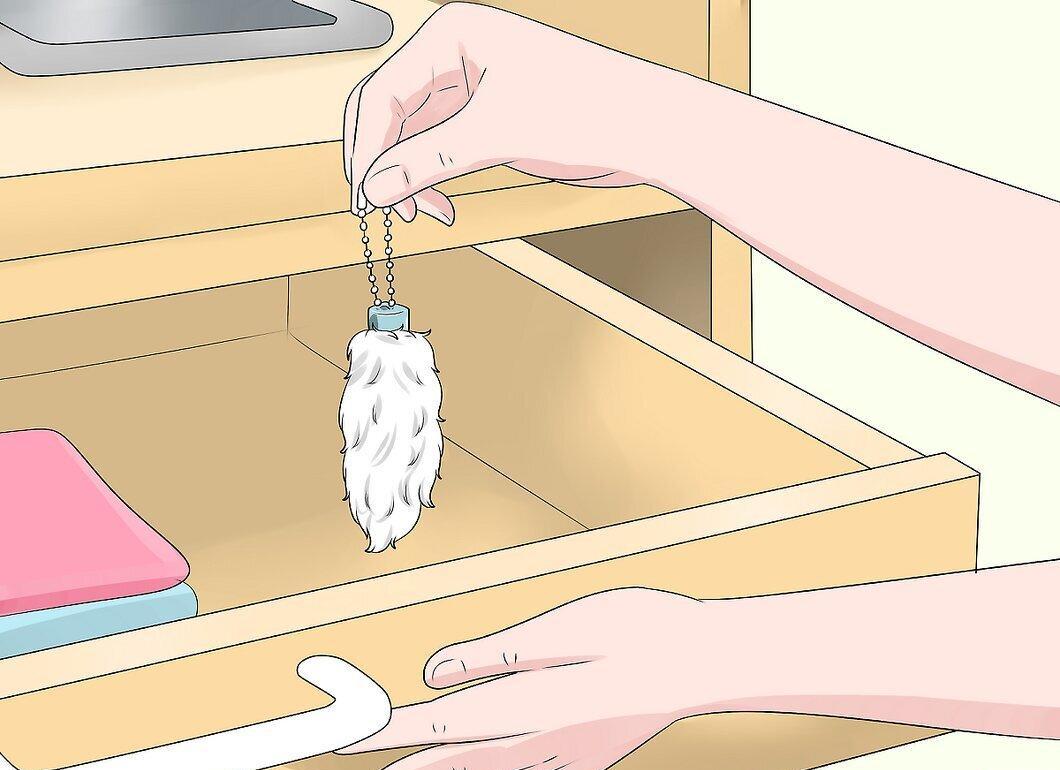
Decide whether it’s easier for you to eliminate superstitions gradually or all at once. You might find it challenging to let go of superstitions in one fell swoop, but it’s worth a try. Alternatively, you can phase them out to ease the process. For example, leave your rabbit's foot at home for a week, and later, go up to the 13th floor.
- Don’t stop once you’ve made progress; work on the most stubborn superstitions. This could take months, but in the end, you’ll succeed.
- Keep in mind that your mind may need time to adjust to the changes. You might eliminate superstitions but continue to believe in their power. Give yourself time.
Step 3. Stay positive.
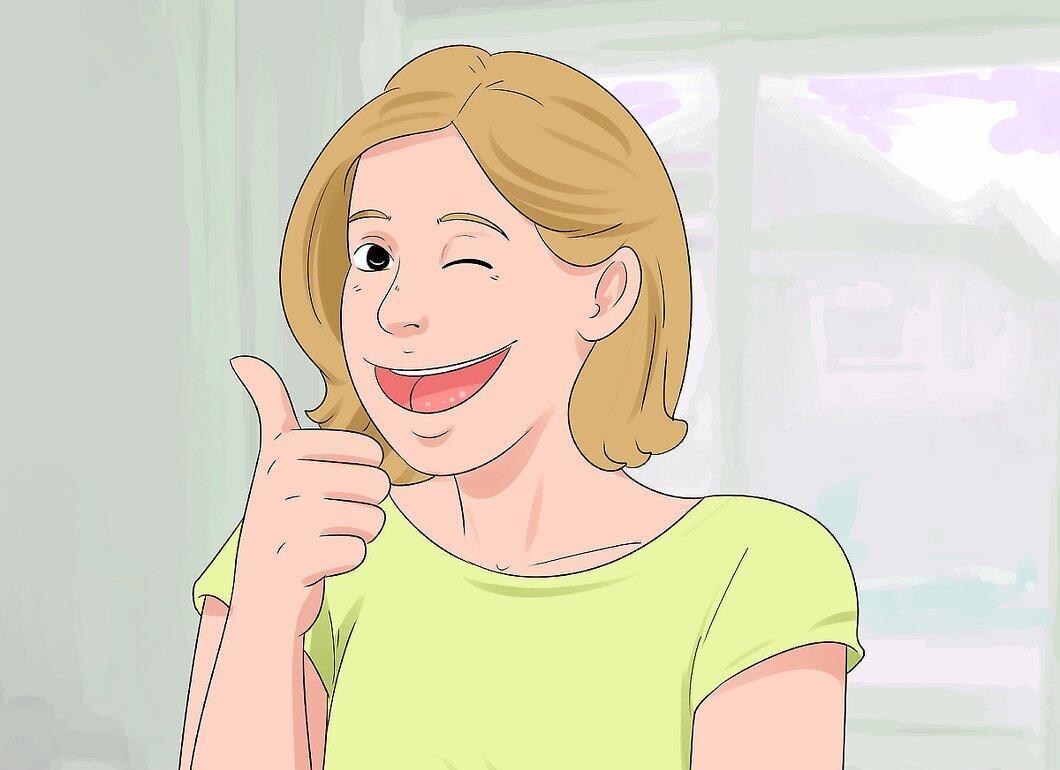
Maintain a positive outlook. One way to rid yourself of superstitions is to keep positive energy throughout the day. If you wear a smile and expect a bright future, you won’t need to follow strange rituals or superstitions. Remember, only you are responsible for whether something good happens or if you fall victim to absurd rituals.
- When interacting with others, discuss inspiring topics rather than complain.
- At the end of the day, write down five positive moments that happened to you.
- Cultivate the habit of thinking positively, and superstitions will start to lose their power over you.
Step 4. Ignore the urge to follow superstitions.
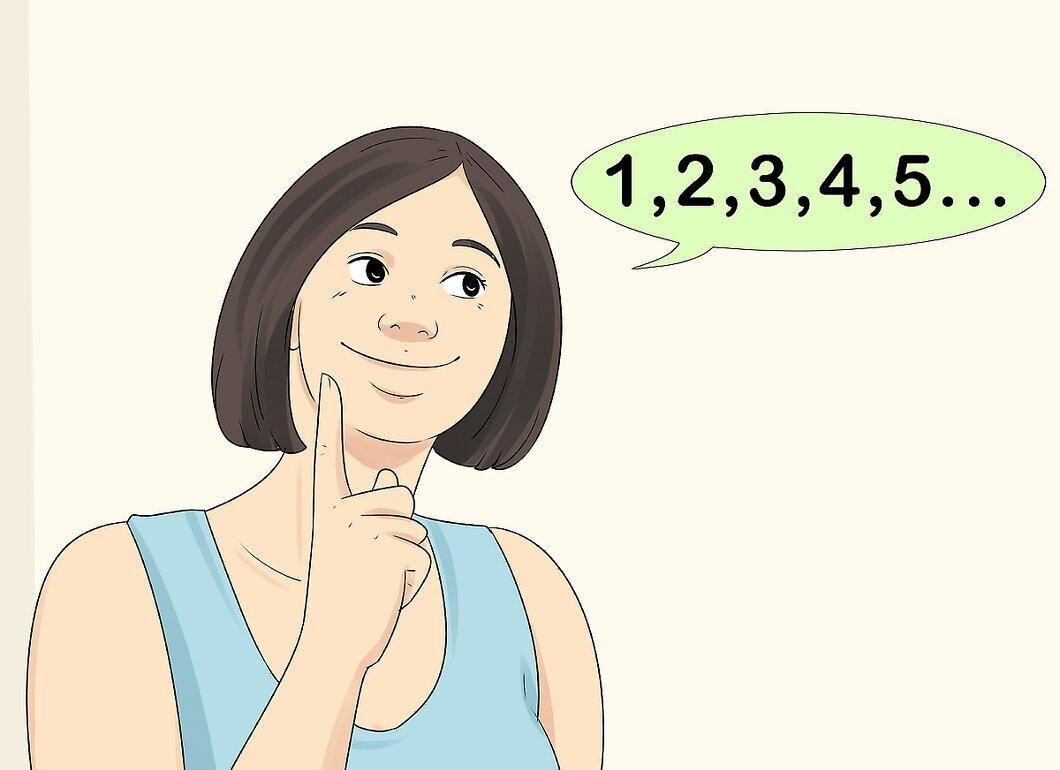
Learn to ignore your impulses to follow superstitions. When your favorite team is playing, you might feel the urge to cross your fingers or engage in a ritual to help them win. Just dismiss those thoughts and focus on something else. Notice that your habits do not affect the outcome. Talk to a neighbor to distract yourself from intrusive thoughts.
- If necessary, count to ten or a hundred in your head. Find something to occupy yourself until the urge passes.
Step 5. Understand that superstitions exist only because you believe in their power.
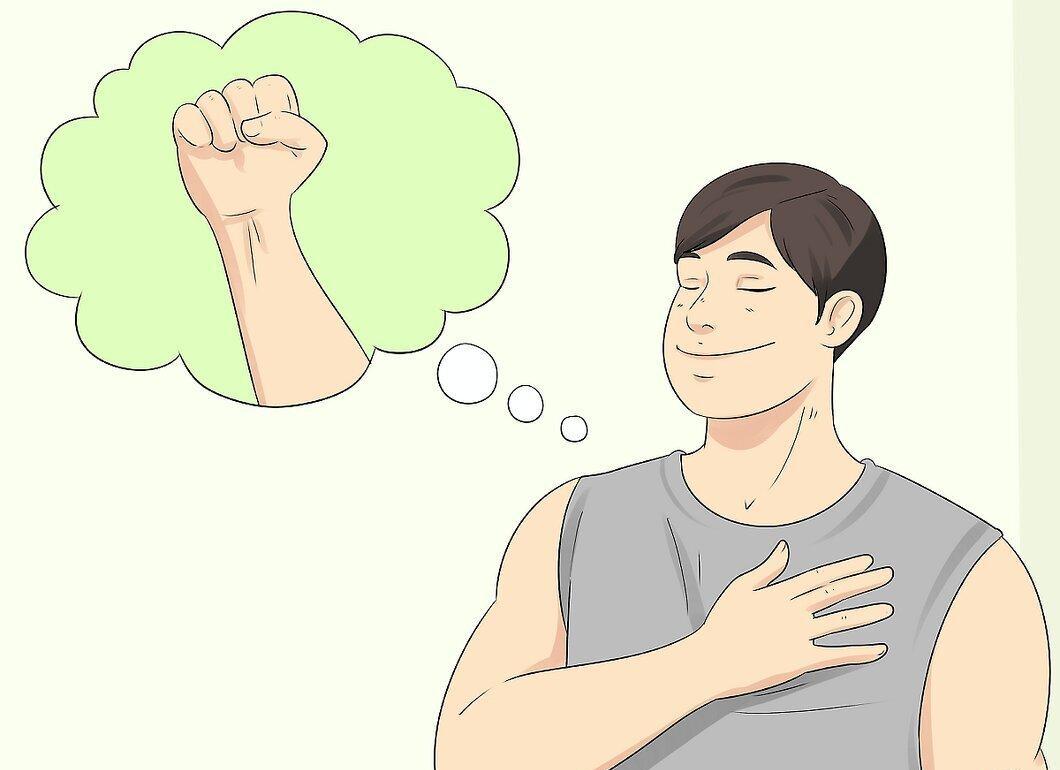
Realize that superstitions exist solely because you believe in them. Although research shows that some athletes, like Ray Allen, succeed due to their rituals, this is linked to their confidence, not the actual power of the rituals. They may believe they are in a lucky spot or wear lucky socks, but in reality, it is their belief in these things that helps them achieve high performance.
- This means that your rabbit's foot won’t make you smarter on a test, but it may give you confidence. You can set yourself up for success without any superstitions.
- The same goes for bad luck. If a black cat crosses your path and you think it’s a bad omen, you’re likely to have a bad day — your thoughts, not the cat, are to blame.
Reinforce Your Progress
Step 1. Surround yourself with non-superstitious people.
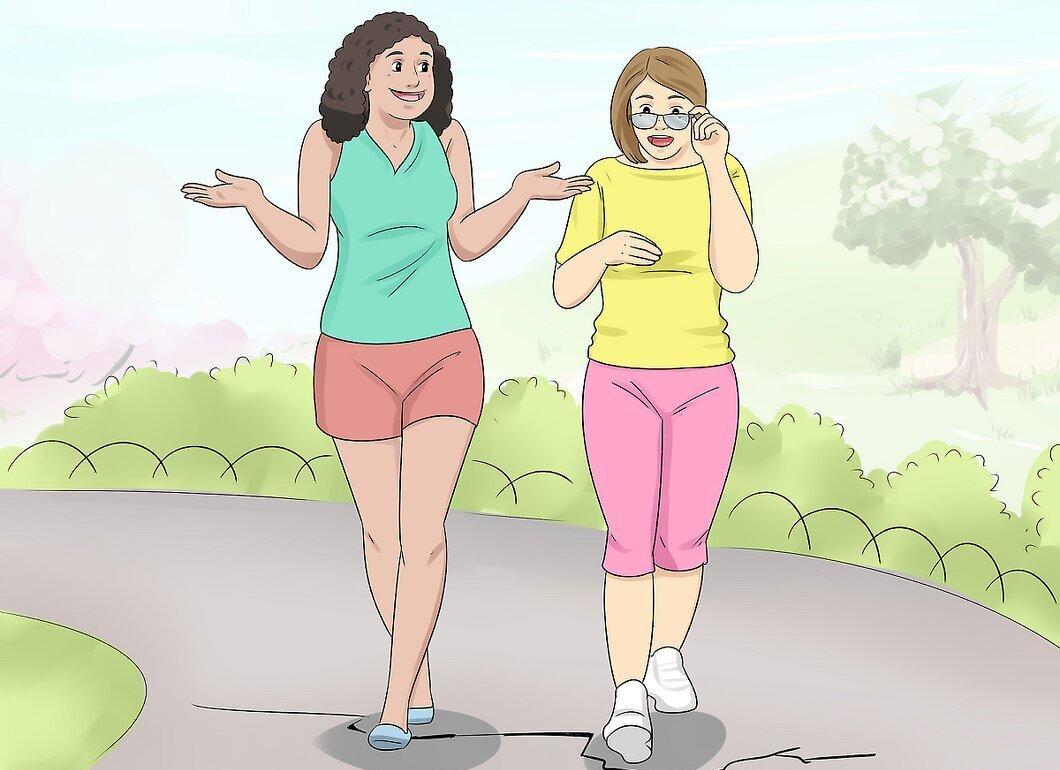
Spend time with those who don’t believe in superstitions. Watch games with friends who don’t wear lucky jerseys. Hang out with those who live on the 13th floor. Walk with people who don’t notice cracks on the road. Get used to the idea that some people live without superstitions, and this will help you understand that you can too.
- Ask them how they live without succumbing to superstitions. You may learn useful strategies to cope with them.
Step 2. If you want to keep a cultural superstition, recognize its symbolic nature.
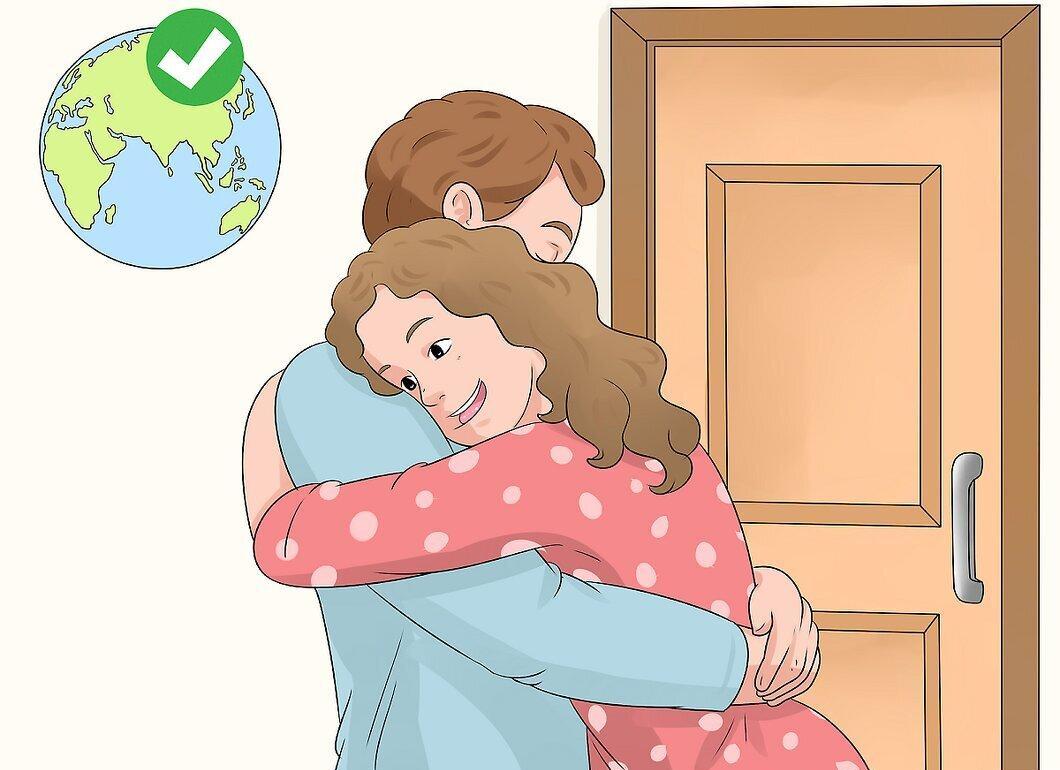
If you decide to keep some cultural superstitions, recognize that they are symbolic. Different cultures have rituals that are part of daily life. For example, in Russian culture, it’s believed that hugging in a doorway can lead to a fight, and if you step over someone lying down, they will stop growing. If you continue to follow these habits, understand that you do so because of cultural nuances, not due to real influence.
- If you perform rituals with others, discuss your desire to rid yourself of superstitions. They may not understand at first, but eventually, it will become clear to them.
Step 3. Seek help if your superstitions indicate OCD.
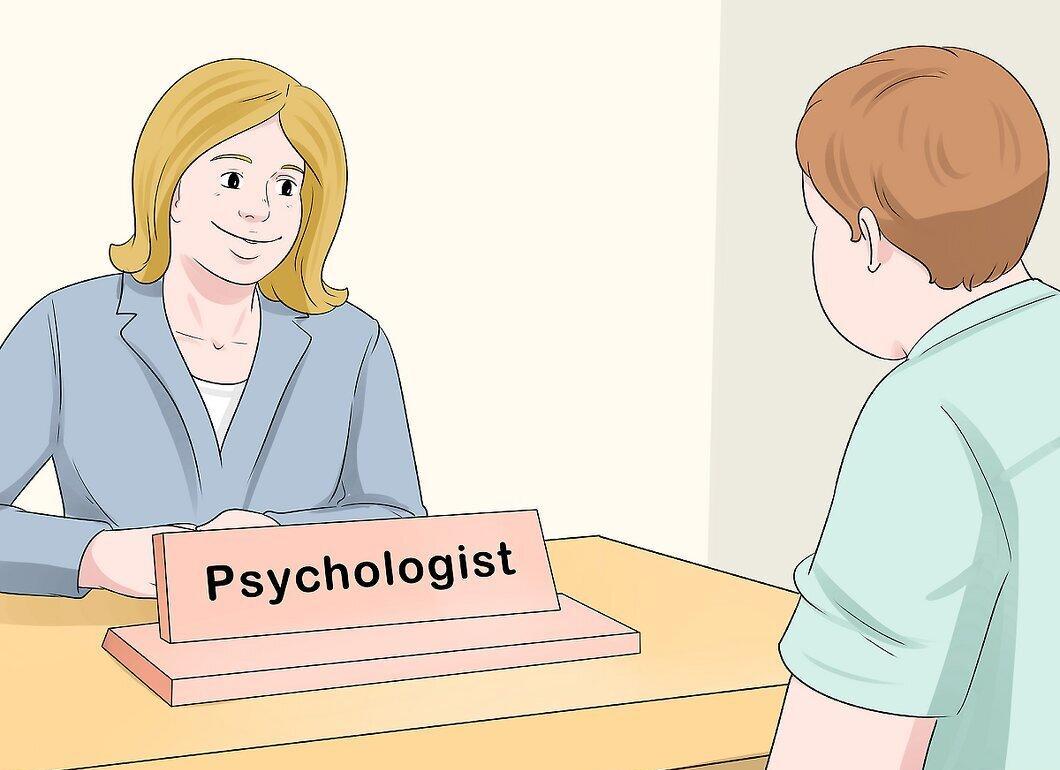
If your superstitions become a sign of obsessive-compulsive disorder, it's wise to seek help. If you feel that rituals control your life and you can’t go a day without performing specific actions, this is a red flag. If you experience panic when faced with the need to do something unpredictable, it’s best to consult a professional to discuss how to manage your anxieties.
- Don’t hesitate to acknowledge that you have a serious problem when rituals start to dominate your life. The sooner you seek help, the better.