Fear of paranormal phenomena, such as ghosts and telepathy, is something many people know all too well. But it’s crucial to remember that there are no real reasons for this fear. Even though it may feel justified, confronting it is necessary to free yourself from its grip. Learn techniques that will help you feel safe and question the existence of paranormal phenomena so that you can stop fearing ghosts and start enjoying life again.
Eliminate Your Phobias
Step 1. Get to Know Your Fears.
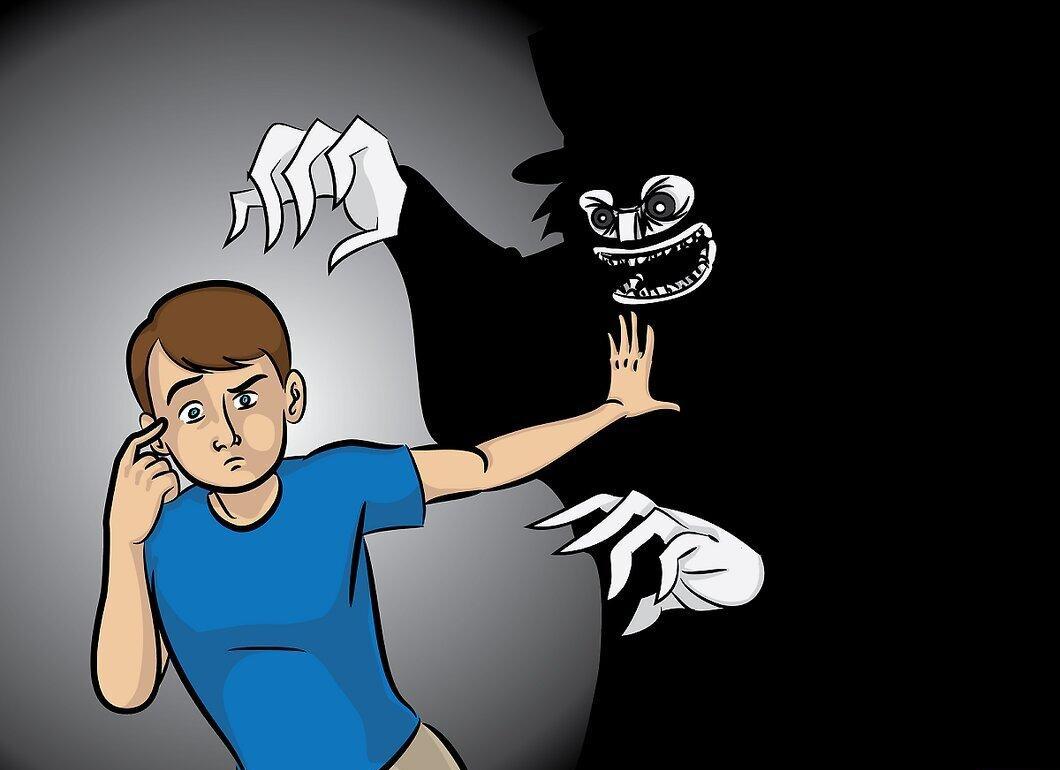
Don’t run away from your fears, especially if the thought of ghosts bothers you. Research shows that avoidance only heightens anxiety. Stand your ground and face your fear.
- Identify what exactly triggers your fear and why.
- Ask yourself: "What is the worst-case scenario if my fears turn out to be real?"
- It’s important to realize that the roots of your fear might run deeper, possibly related to fears of loneliness or death.
Step 2. Ask Yourself Rational Questions.
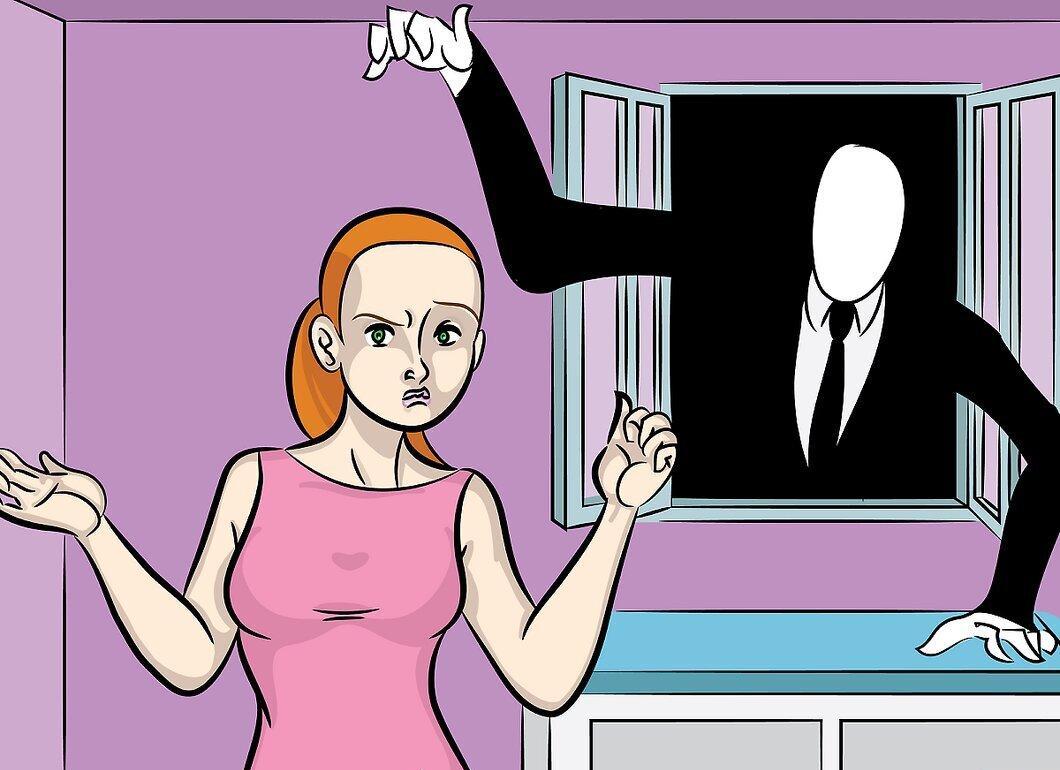
Fear is often irrational, so asking logical questions can help. If you don’t have answers, seek out information. Consider the following questions:
- What exactly do I fear when encountering a ghost? Will it scare me with a simple "boo!" or start opening cabinets?
- How real is the existence of ghosts?
- Can a ghost cause me harm, or does it just frighten?
- Are there other explanations for what’s happening besides ghosts?
Step 3. Use Humor to Combat Fear.
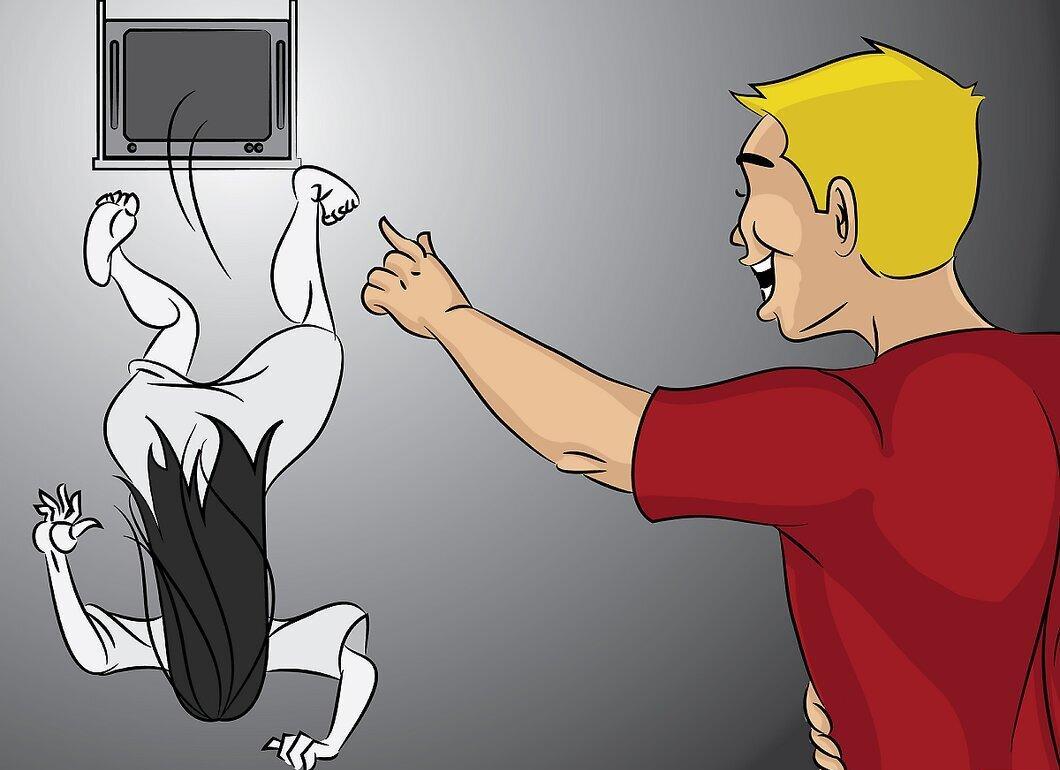
Humor can relieve tension and help manage fear. Use this method when you feel afraid of ghosts.
- Imagine a ghost as a comical, silly creature. The more absurd you make it, the less fear it will evoke.
- In moments of anxiety, think about how ridiculous your ghost images are. It’s hard to be scared when you picture it as a smiling fool.
Step 4. Question the Existence of Ghosts.
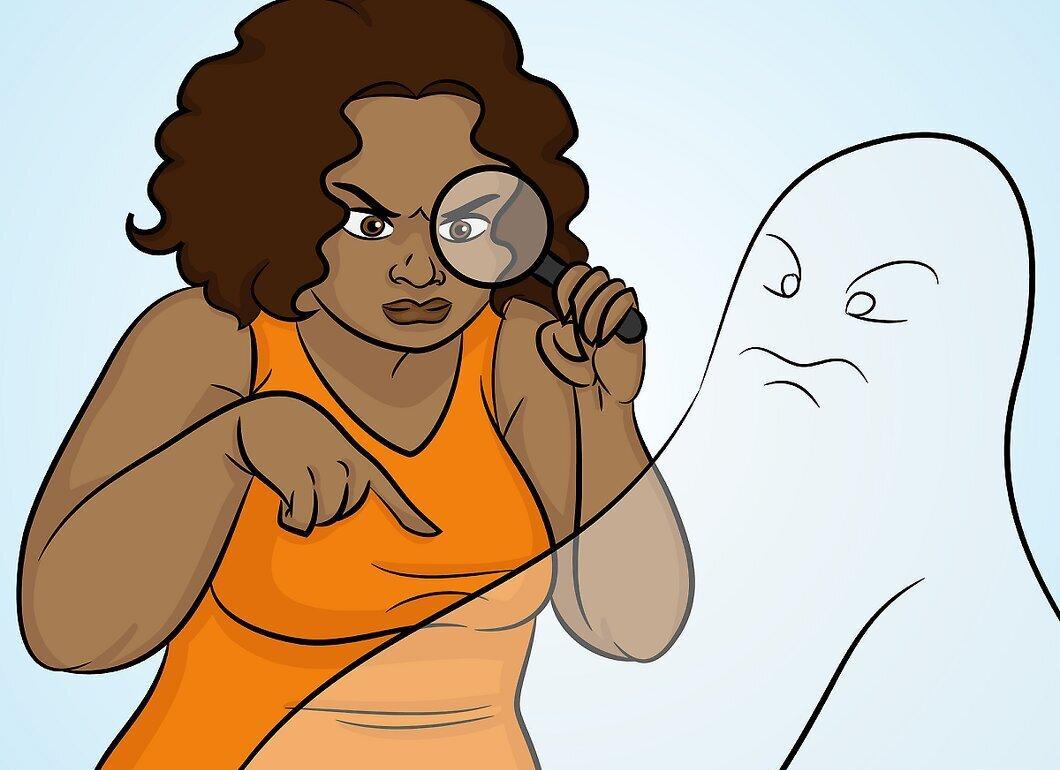
If you've managed to reduce your fear by imagining ghosts as harmless, try to doubt their existence even more. Reflect on why you believe in such things.
- Make sure your "evidence" exists only in your imagination.
- Ask yourself: "What can I provide as proof of the existence of ghosts?"
- Remember, throughout your life, you have never witnessed ghosts. If they haven’t haunted you, it’s reasonable to assume they won’t in the future.
- Understand that most of your "evidence" is based on assumptions rather than facts. Scientists do not recognize the existence of ghosts despite the popularity of ghost hunters.
Step 5. Seek Assistance from a Therapist.
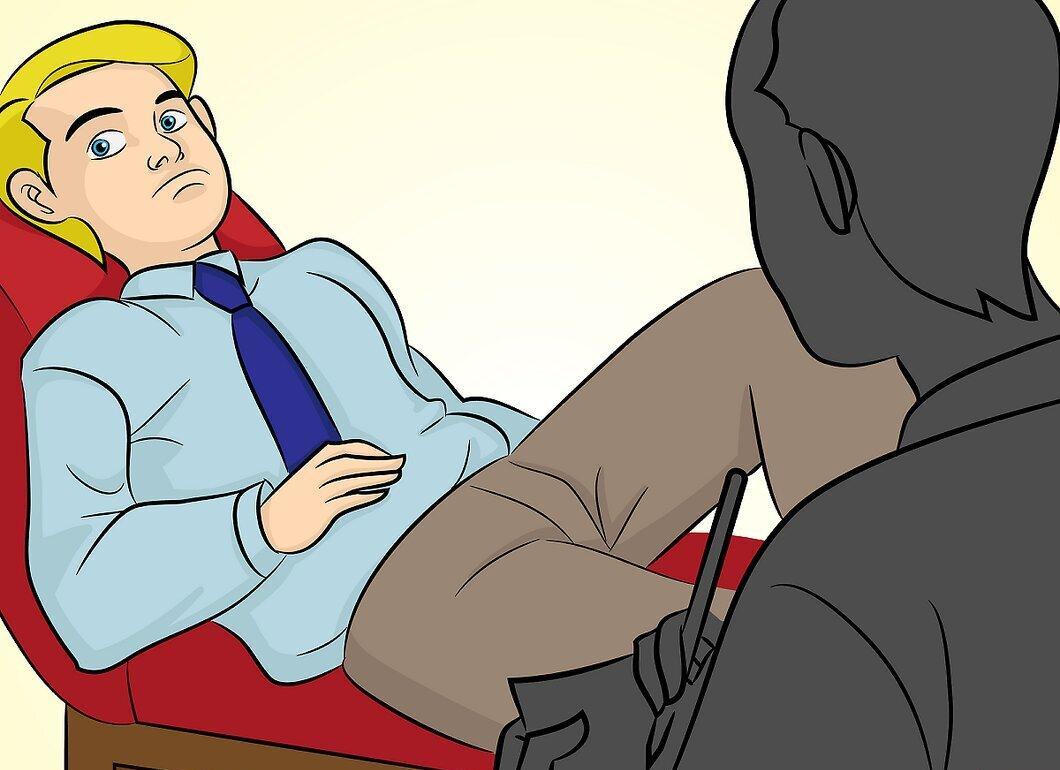
If your fear is so strong that you can’t cope alone, consider visiting a therapist.
- Therapy is often recommended when fears and anxiety intensify.
- The fear of the supernatural may stem from a traumatic experience. A therapist can help uncover the roots of your anxiety and address your concerns.
Feel Safe
Step 1. Assess Your Environment.
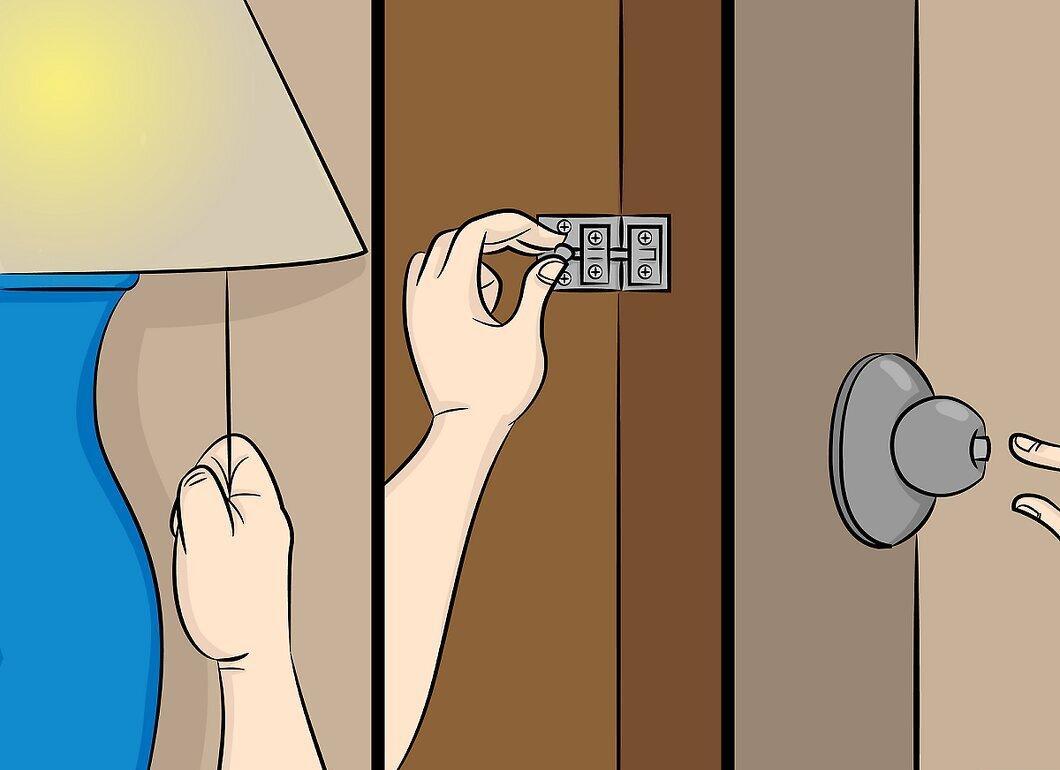
Fear of ghosts often arises from a sense of insecurity. For example, you might start to feel scared when walking alone at night and seeing a tree's shadow. Fear makes you alert, even when there’s nothing there. One way to combat this is to convince yourself that there are no ghosts around.
- Lock your doors to know that no one is in the house.
- Remove items that might scare you, such as tree branches rustling against the wall.
- Get rid of things hanging from the ceiling or in doorways. In the dark, they can be mistaken for ghosts.
- Use a nightlight instead of the main light before sleeping to avoid fears of "something supernatural."
Step 2. Avoid Horror Movies.
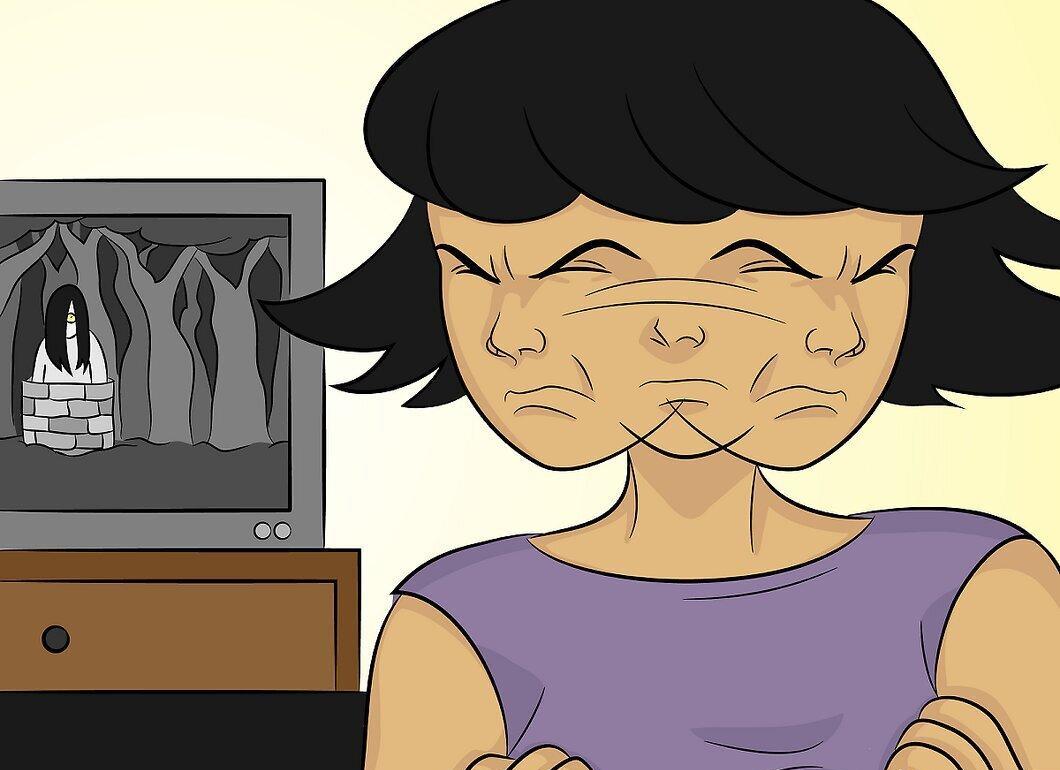
If you love horror movies but fear ghosts, it’s better to avoid watching them. Horror films only fuel your fears.
- If you can’t avoid scary movies, try not to watch them an hour before bed.
- Taking a break from frightening thoughts before sleeping will reduce the likelihood of insomnia.
- Try watching something positive or funny before bed to drift off with a good mood.
Step 3. Develop a Relaxation Ritual.
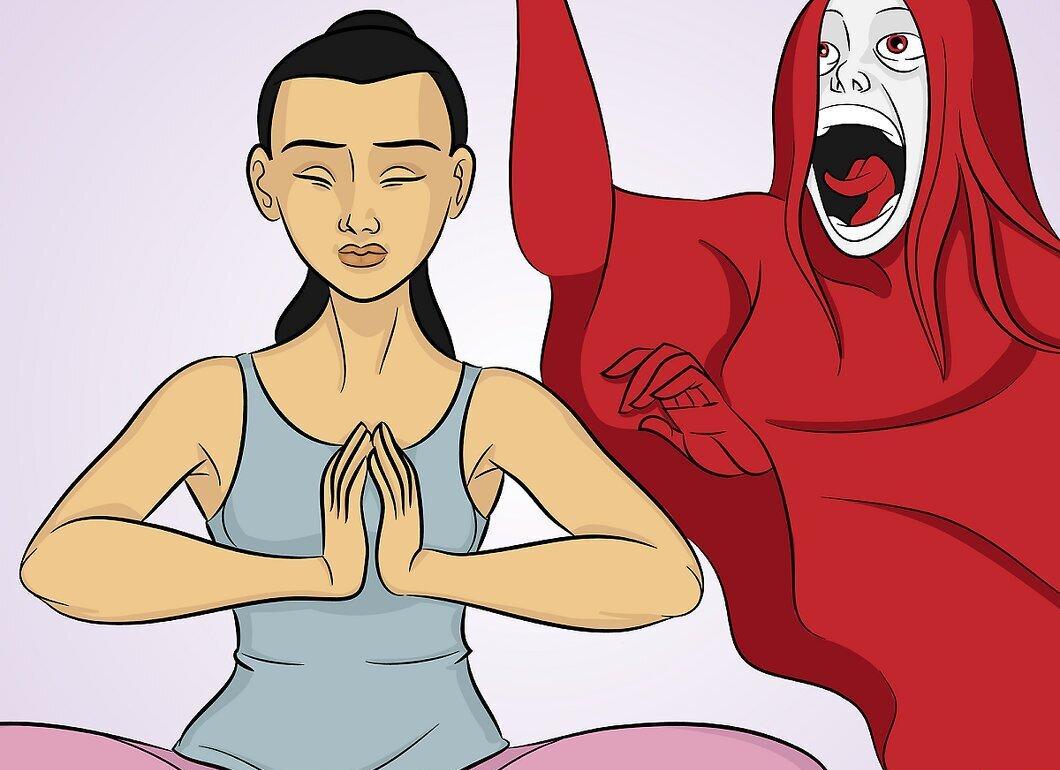
Fear of the paranormal is often related to anxiety. It’s beneficial to have a ritual that calms you and helps you relax.
- Create a nightly ritual, especially before bed.
- Set aside time to unwind and de-stress in a consistent manner (daily). This will create a sense of predictability and reduce anxiety.
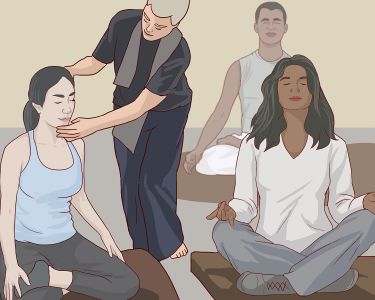
- Consider taking a warm bath, going for a walk, or practicing meditation.
Step 4. Build Self-Esteem.
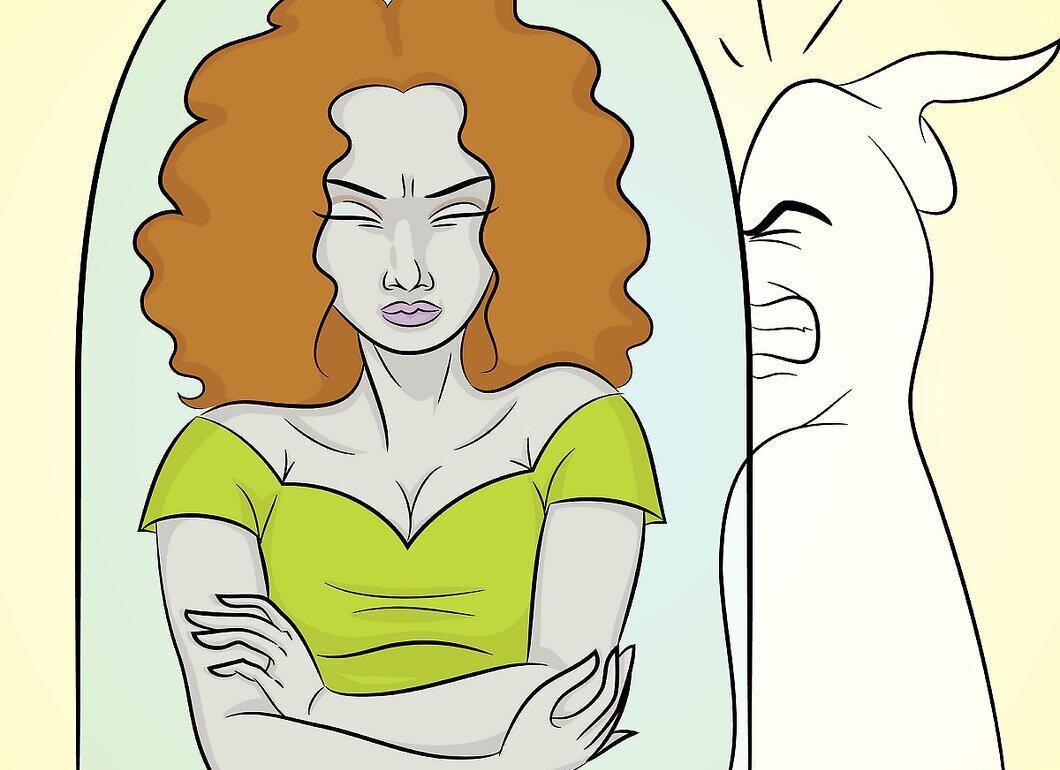
Confidence in your abilities helps combat anxiety. While it may seem unrelated to the fear of ghosts, studies show that boosting self-esteem assists in fighting anxiety.
- Acknowledge your achievements and strengths. This will bolster your confidence.
- Don’t deny yourself the joy of your accomplishments.
- Turn achievements into affirmations: if you’re good at something, consider yourself an expert.
- Remind yourself that you can handle any challenges, including fears.
Step 5. Ensure Your Safety.
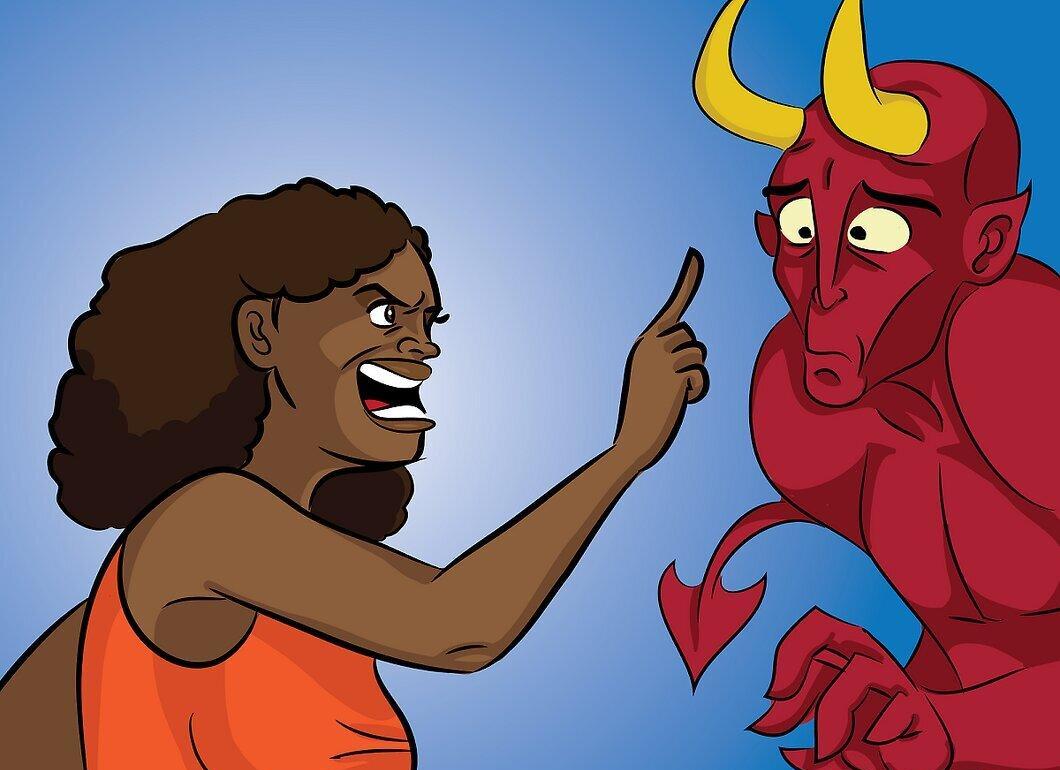
At the end of the day, remind yourself of your safety. Your fears may stem from a fear of loneliness or darkness. A sense of security can help you manage anxiety.
- Remind yourself that ghosts do not exist.
- Even if you assume they do exist, they cannot harm you since they have no physical body.
- Your fears may relate to deeper anxieties. By alleviating anxiety, you can overcome your fear of ghosts.
Question the Reality of Paranormal Phenomena
Step 1. Recognize the Power of Suggestion.
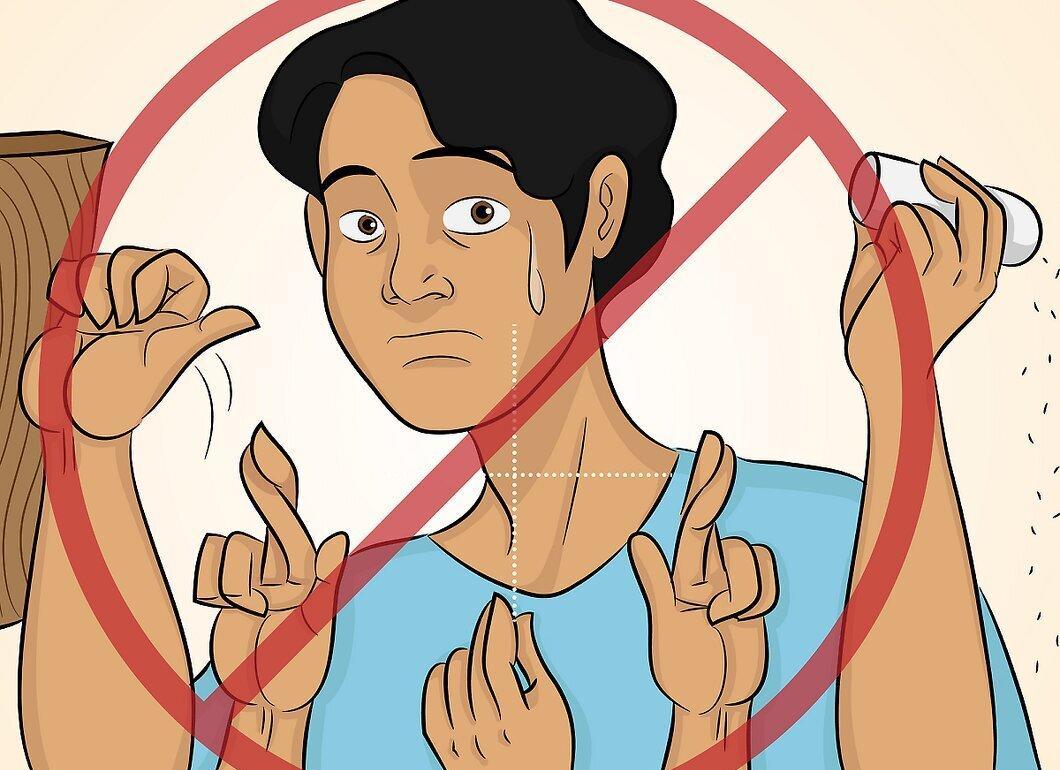
Studies show that even skeptics start to believe in paranormal powers when they investigate these phenomena. If you often think about the paranormal, you may begin to perceive ordinary things as unusual.
- Avoid superstitions and actions related to them.
- Wear a rubber band: if you feel tempted to believe in superstitions, snap it to bring yourself back to reality.
Step 2. Look for Logical Explanations.
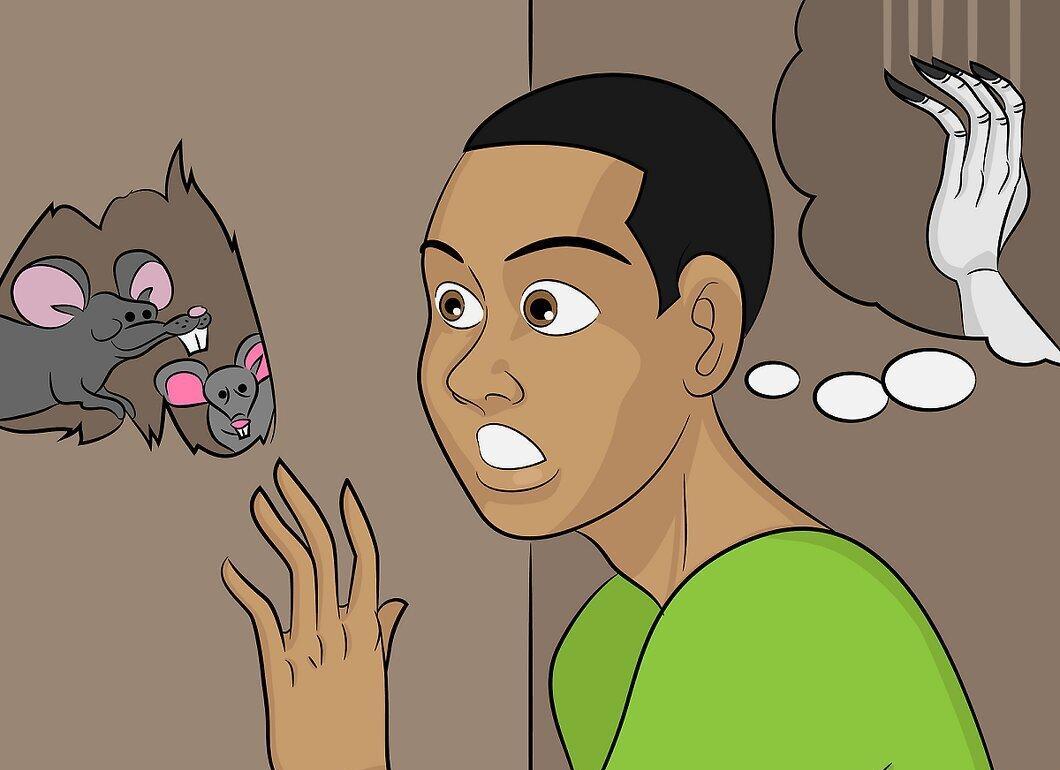
People who think they see ghosts are often in calm environments without stimuli. The brain registers repetitive patterns and disruptions, and if the cause is unclear, a belief in a ghost may emerge.
- There’s always a logical explanation for any event. If something is unclear, don’t rush to blame ghosts.
- If you’re afraid of a ghost, you might be alone at home and looking for changes in your usual surroundings.
- Other scientific explanations for paranormal phenomena can include atmospheric changes or stress states.
Step 3. Believe in Coincidences.
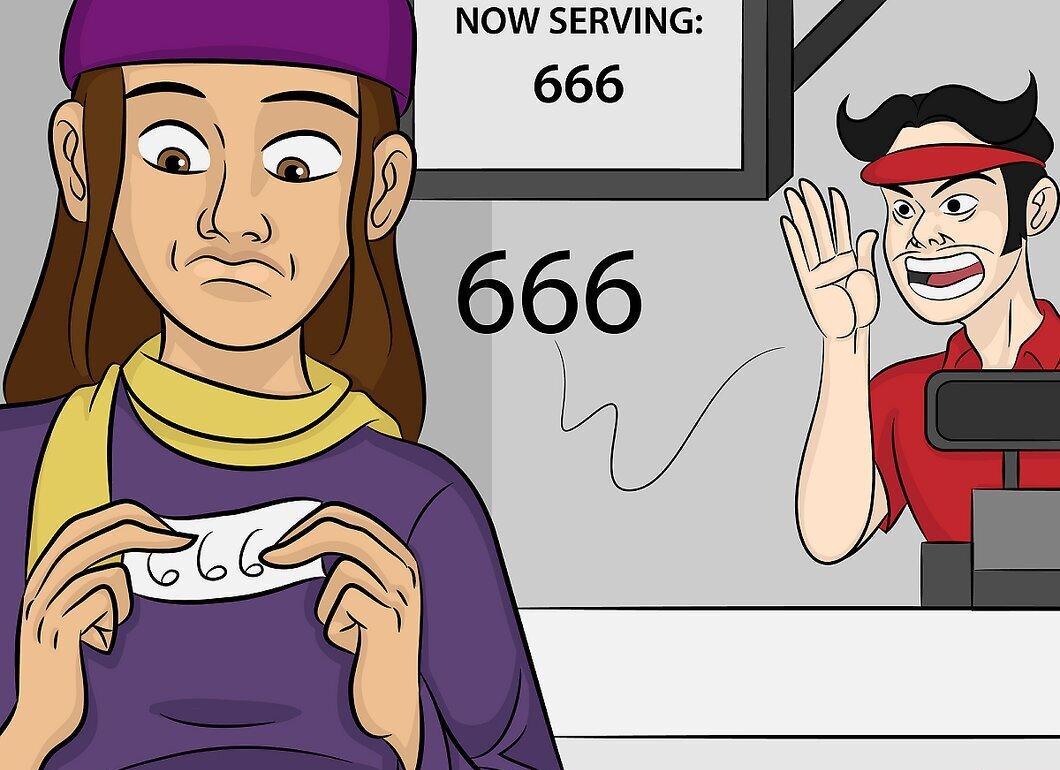
Intuitive feelings can arise in various situations. There are many coincidences in the world, but the absence of a logical explanation doesn’t mean it’s a paranormal phenomenon.
- There’s no such thing as fate or paranormal interventions. All events are determined by circumstances and your decisions, not by ghosts.
- Don’t rush to categorize people and events. After experiencing certain moments, you can realize how they occurred and understand that they are the result of your choices, not supernatural forces.