Chemical and biological weapons are some of the most devastating and unpredictable types of weaponry ever created by humankind. Biological weapons include any artificially developed agents capable of spreading viruses, bacteria, and toxins derived from living organisms, which can lead to serious diseases or even death. According to recent statistical data, in the event of a future terrorist attack, it is likely that biochemical weapons will be used. This is not surprising, as disease agents can even be synthesized at home using readily available materials. Given the nature of biological and chemical weapons, the most likely targets for their use will be nations where they can inflict significant damage, cause mass casualties, and economic consequences. However, this does not mean that there are no opportunities for salvation. With the right information and preparedness, one can effectively counter such attacks.
Important Facts for Your Safety:
Step 1. Don’t Rely on Existing Vaccines.
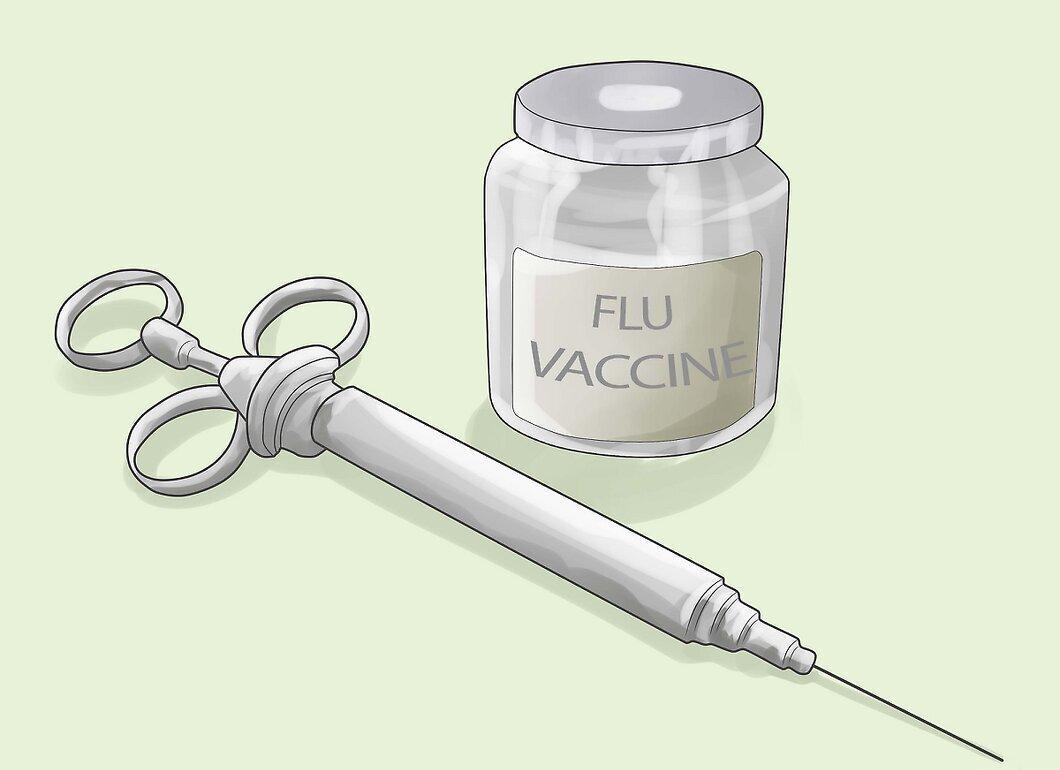
Do not depend on existing vaccines. For example, the flu vaccine used for the prevention and treatment of seasonal flu will not protect you from the consequences of a chemical or biological attack. New virus strains require the development of new vaccines, a process that can take months or even years, and mass production can take even longer.
Step 2. Stay Informed.
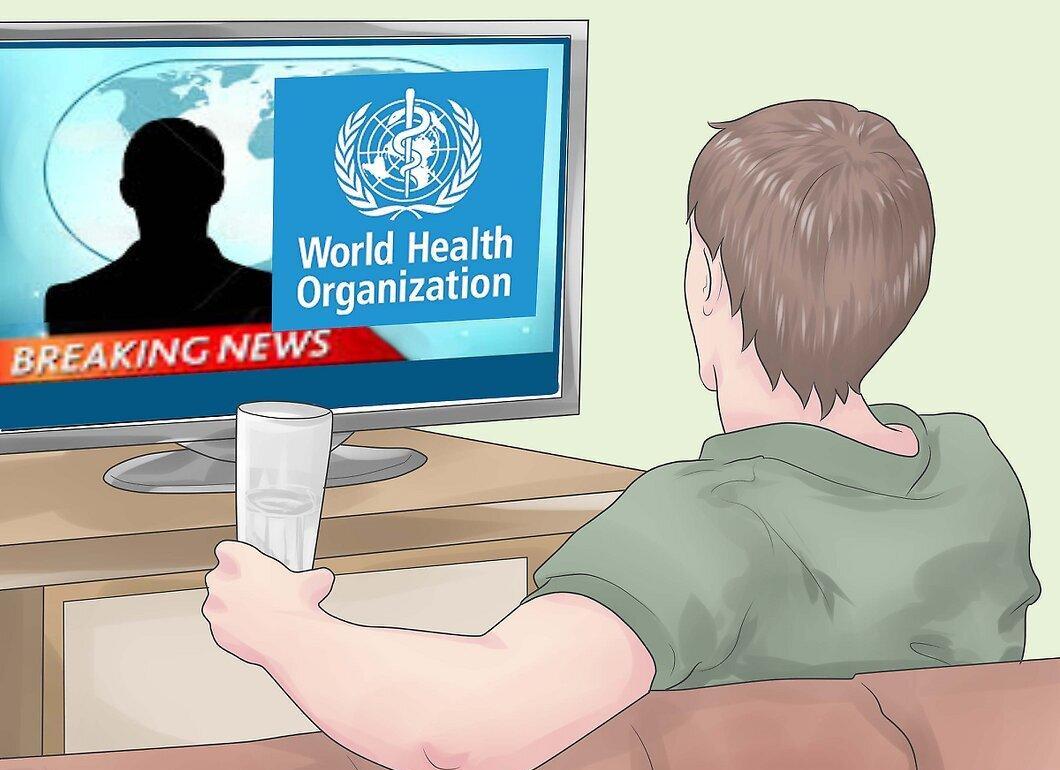
Keep up with the news. In the event of a pandemic outbreak, the World Health Organization (WHO), the Centers for Disease Control and Prevention (CDC), and other organizations provide timely data on the spread of the disease, new information about vaccines and treatments, and recommendations for preventing infection. WHO and CDC have developed special websites with useful information for the public. Media outlets such as newspapers, television, and radio also play a crucial role in informing the public about critical threats.
Step 3. Get Your Annual Flu Shot.
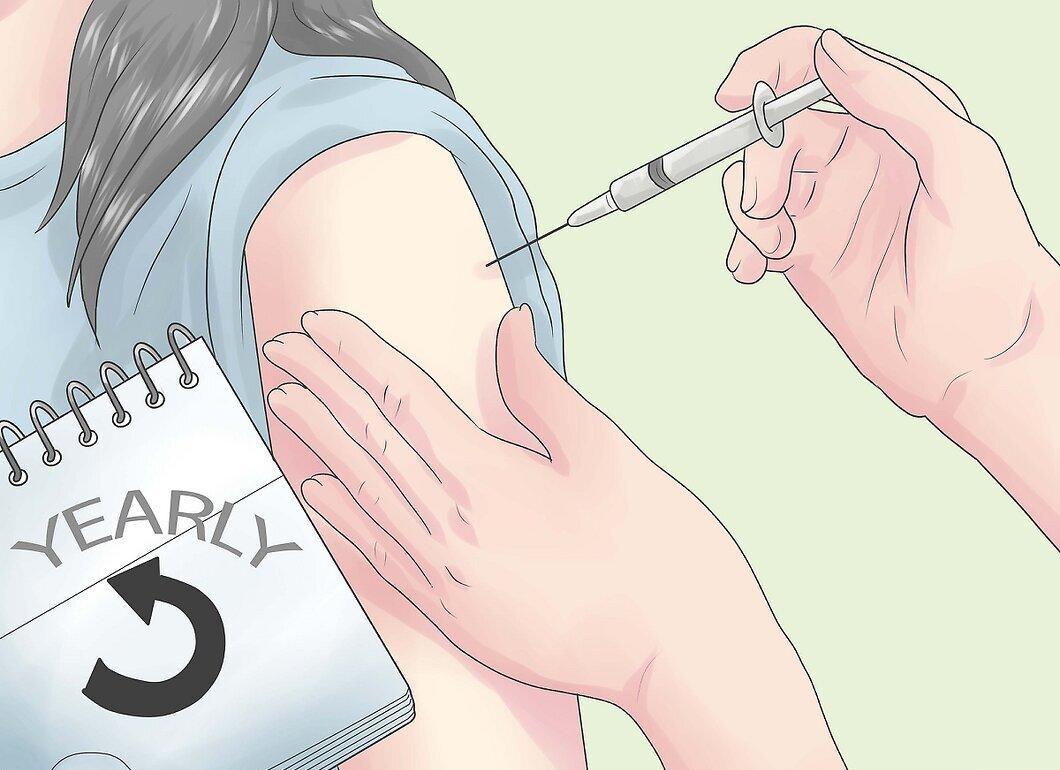
Get vaccinated against the flu regularly. Although the traditional vaccine will not protect you from all flu variants and new strains, it can help prevent illness by providing protection against some common strains. This, in turn, will help your body cope with the virus more easily, even if you do contract it.
Step 4. Get Vaccinated Against Pneumonia.
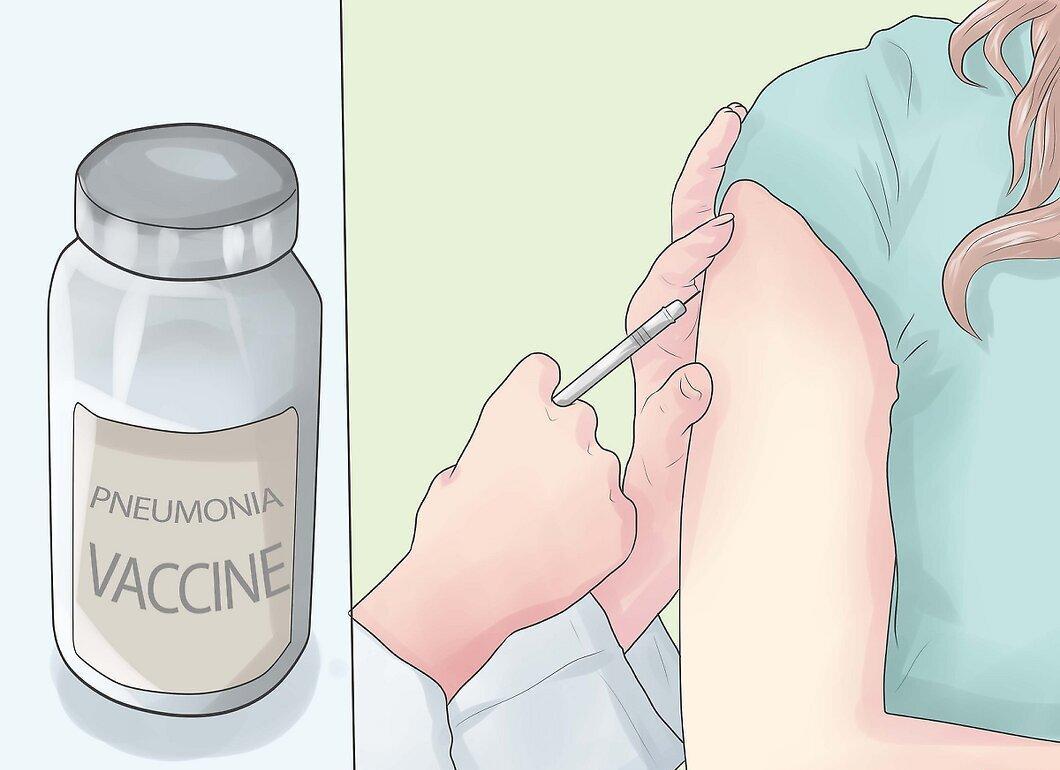
Don’t forget about the pneumonia vaccine. In previous pandemics, a significant number of people died from secondary infections such as pneumonia. Although the vaccine does not guarantee protection against all forms, it can increase your chances of survival. The vaccine is especially recommended for people over 65 and those with chronic conditions like diabetes or asthma.
Step 5. Use Antiviral Medications as Prescribed.
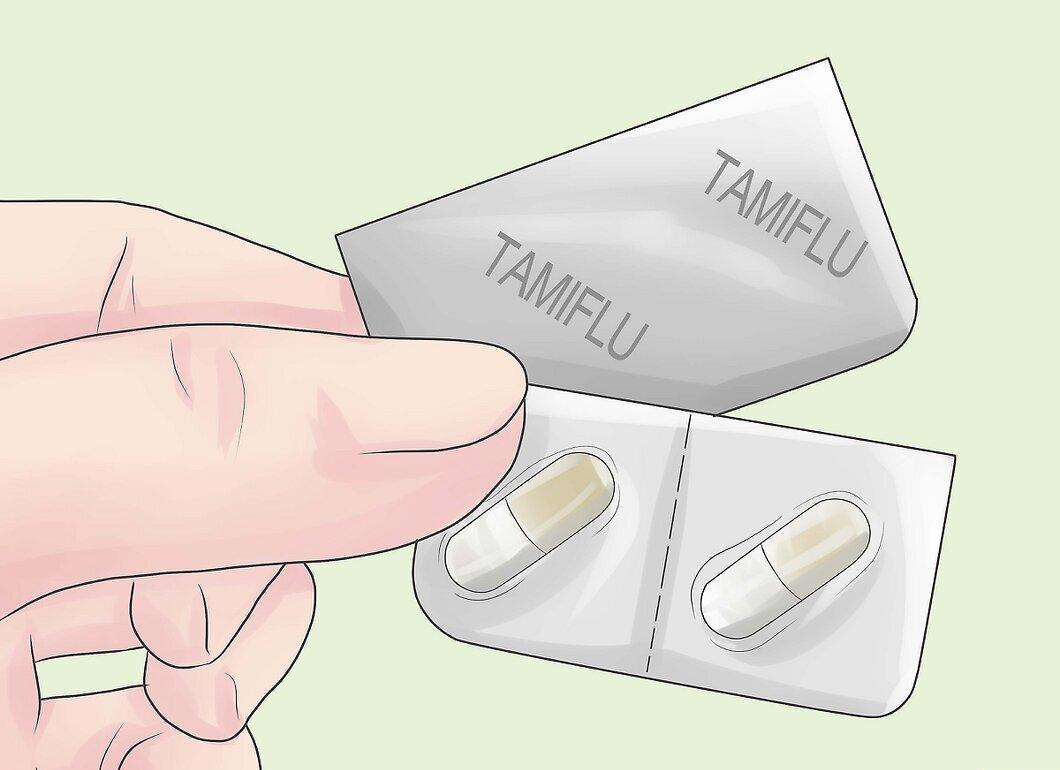
Use antiviral medications if recommended by doctors or government agencies. Tamiflu and Relenza have shown effectiveness in preventing and treating bird flu, but they are available only by prescription and must be taken before or immediately after infection. Additional testing is necessary to determine their effectiveness against various strains of bird flu, as they may become less effective over time.
Step 6. Wash Your Hands Frequently.
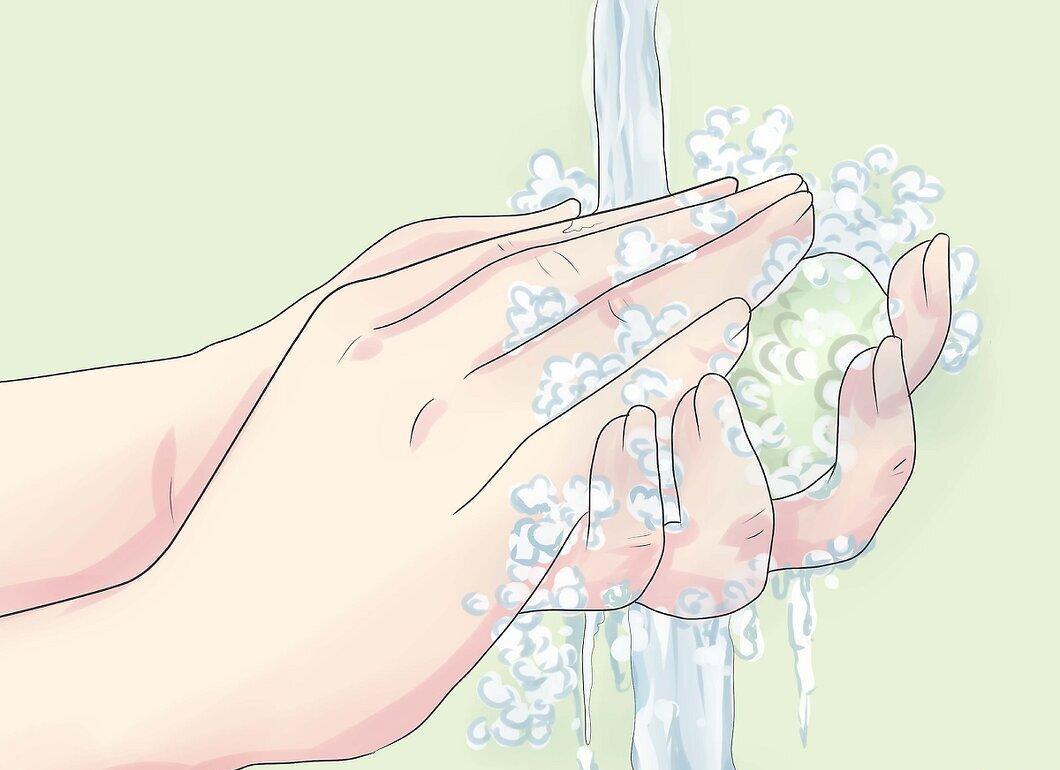
Wash your hands regularly. This is one of the most effective protective measures against bird flu and other infectious diseases. During a pandemic outbreak, try to wash your hands several times a day, using proper technique.
Step 7. Use Alcohol-Based Sanitizers.
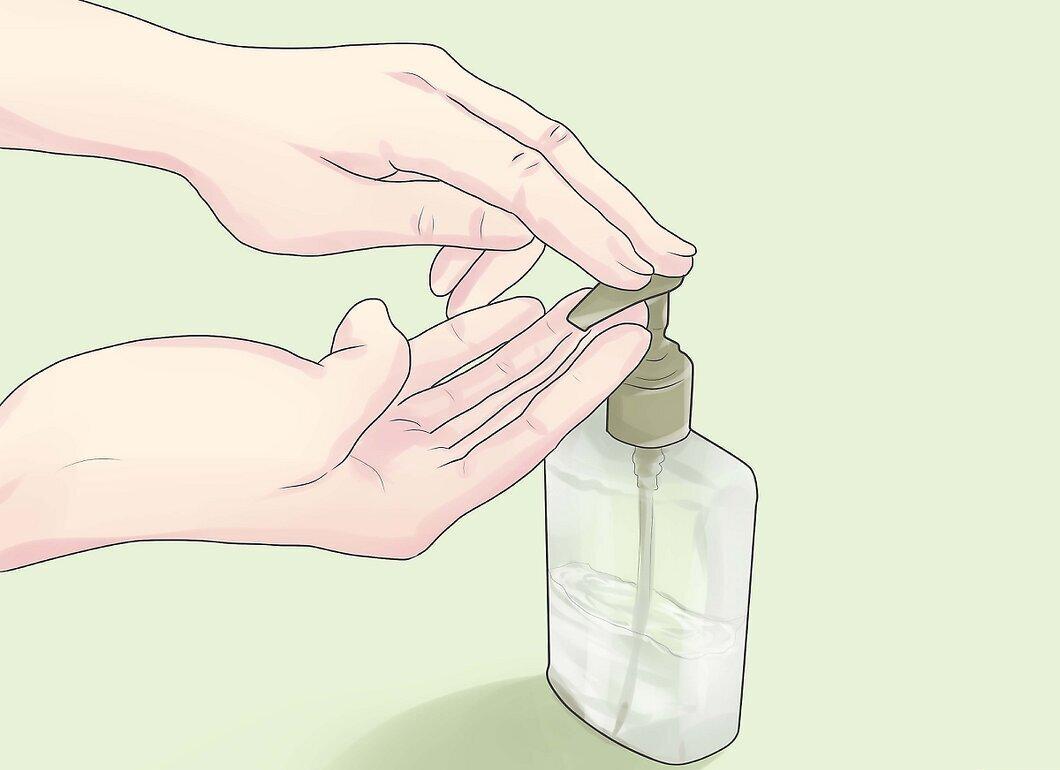
Keep alcohol-based sanitizers on hand. Washing your hands every time after contact with potentially contaminated objects can be difficult, so carrying alcohol-based hand sanitizers is a great solution. These products are convenient for quickly disinfecting hands, but remember that they do not replace traditional handwashing.
Step 8. Avoid Contact with Potential Sources of Infection.
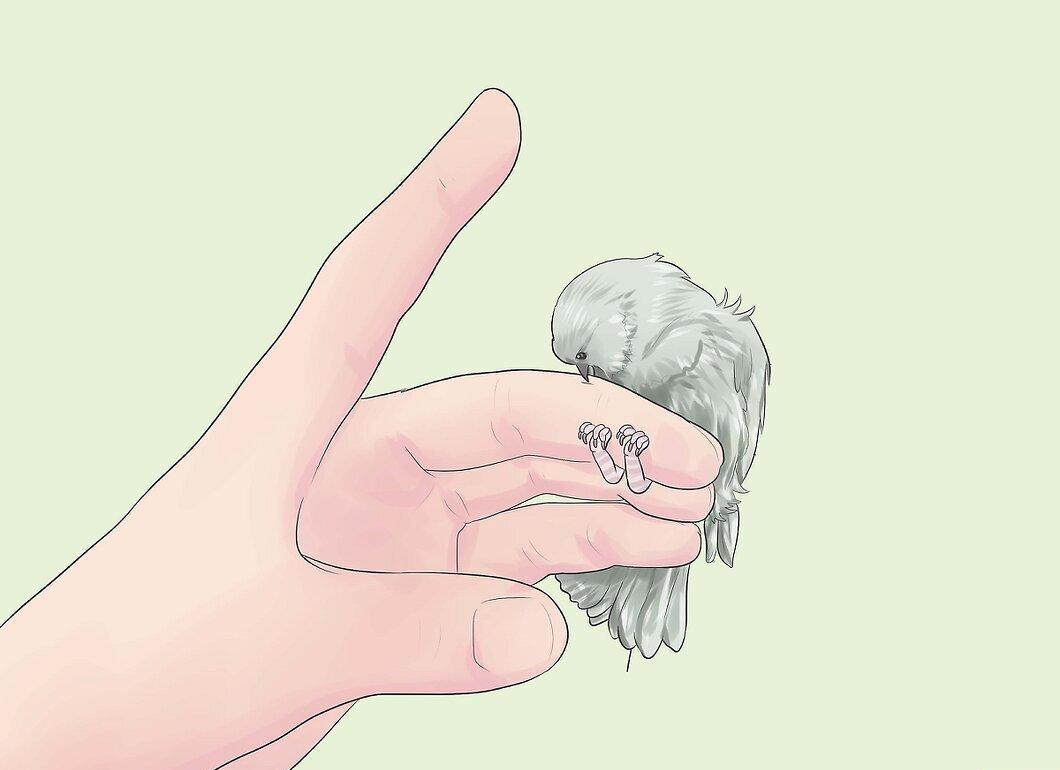
Try to avoid contact with sources of infection. Currently, the only documented way of contracting bird flu is through interaction with infected birds or their products. Even if the virus mutates, the risk of infection remains high. Do not touch items handled by infected individuals, and limit contact between pets and potential sources of infection. If your work involves dead or live infected organisms, use protective gear, including gloves and respirators. Cook food at a temperature of 75°C (165°F) throughout the process.
Step 9. Practice Social Distancing.

Maintain social distancing. This is one of the most effective ways to avoid infection — by not coming into contact with infected individuals. Unfortunately, it can be difficult to determine who is infected, as symptoms may appear later. Therefore, during pandemics, it is advisable to limit contact with people, especially in crowded places.
Step 10. Stay Home.

Do not leave your home. If you or someone close to you is ill, stay home, even if there is no pandemic. A person can be contagious before the first symptoms appear. Therefore, during a pandemic, it is better to avoid going to work where there is a high risk of contact with infected individuals.
Step 11. Consider Remote Work Options.

Try to arrange for remote work. Pandemics can last a long time, and outbreaks can drag on for weeks, so simple sick leave may not be sufficient for protection. Try to set up remote work, as many professions can be performed from home, and many employees are willing to consider this option during an outbreak.
Step 12. Keep Children Home.

Do not send children to school. Remember that children can easily catch infections in educational institutions. Avoid public transport, as it is an ideal environment for the spread of diseases due to the large number of people.
Step 13. Avoid Large Gatherings.
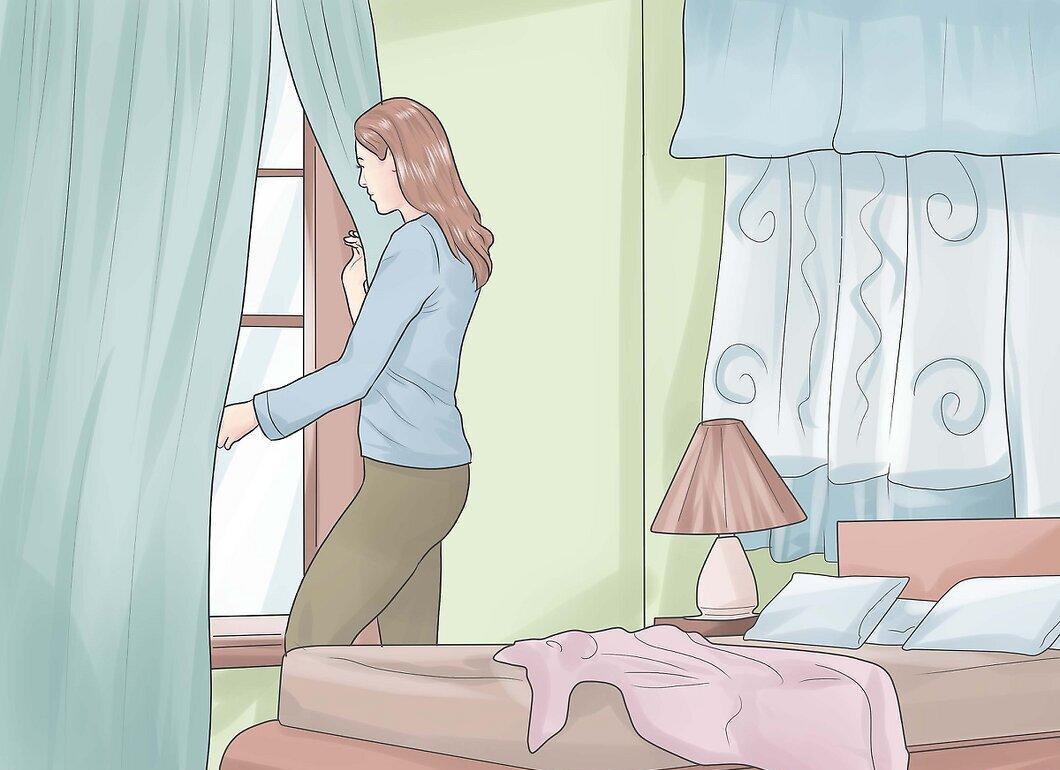
Avoid participating in mass events. During a pandemic, the government may cancel public events, but even if this does not happen, try not to attend such events, as they create a high risk of infection.
Step 14. Wear Respirators.
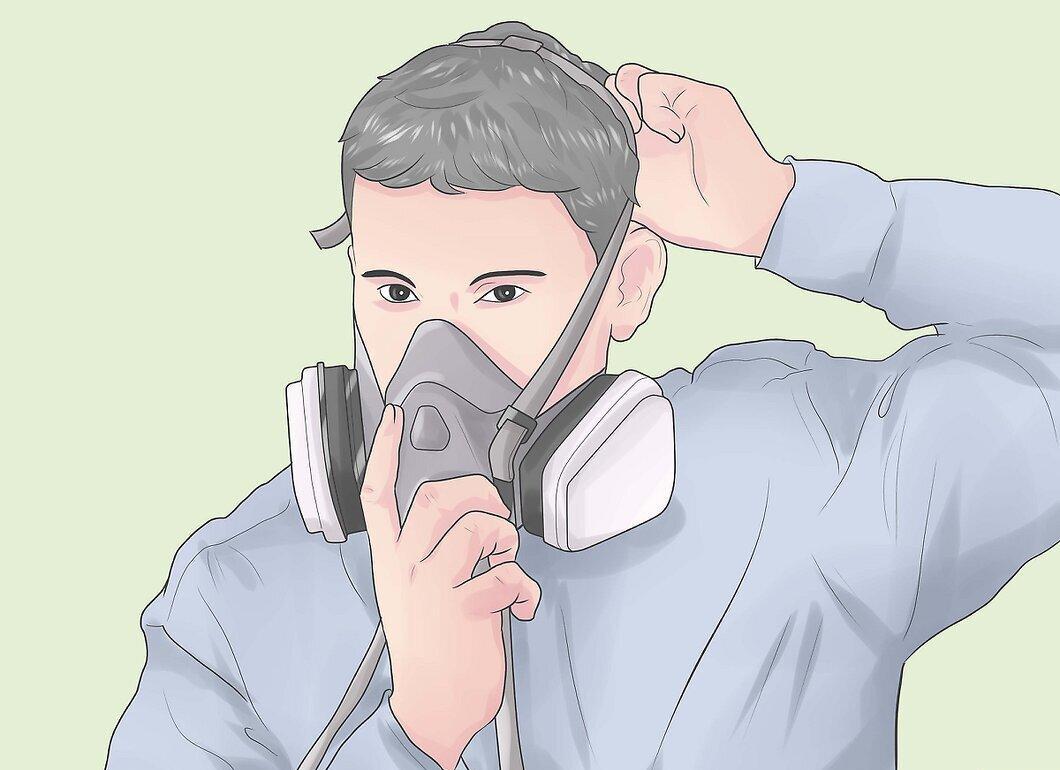
Use respirators. Viruses are often transmitted through the air, so it is important to protect yourself from inhaling infections during a pandemic. Unlike surgical masks, respirators provide protection against even the smallest particles entering the respiratory tract. Choose respirators labeled "NIOSH certified," "N95," "N99," or "N100," and ensure they are properly fitted for effective protection.
Step 15. Wear Medical Gloves.
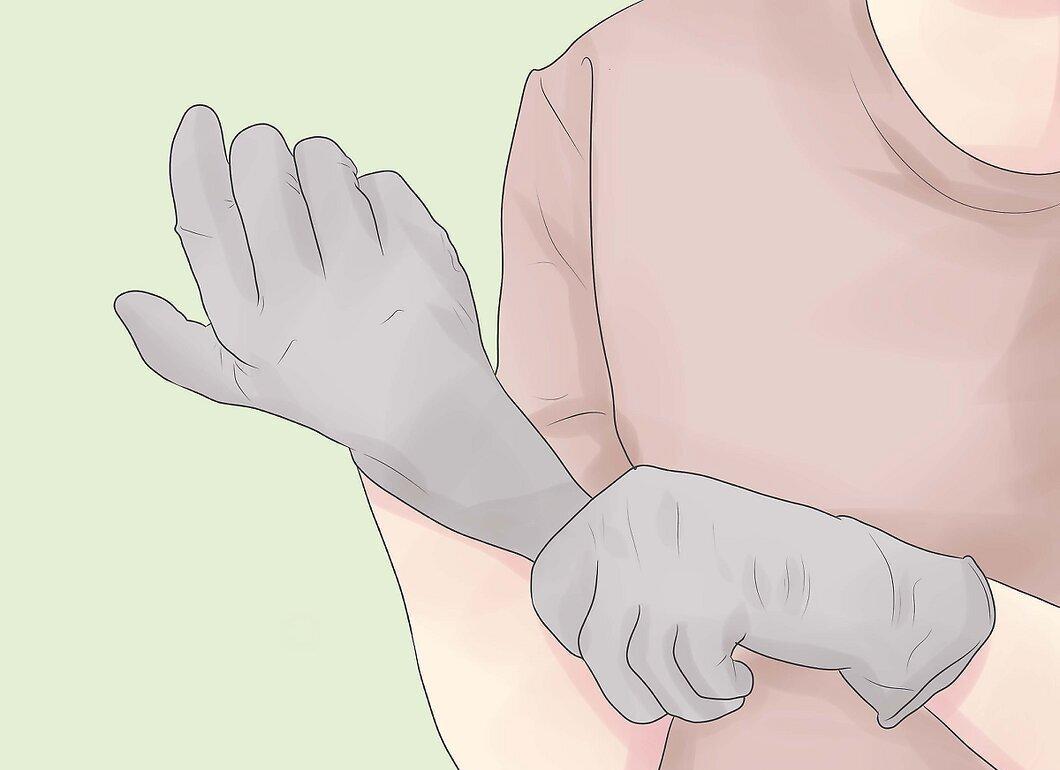
Use gloves. They protect your hands from bacteria that can enter the body through cuts or wounds. Latex, nitrile, or sturdy rubber gloves are suitable. If gloves tear, remove them immediately and wash your hands thoroughly.
Step 16. Protect Your Eyes.
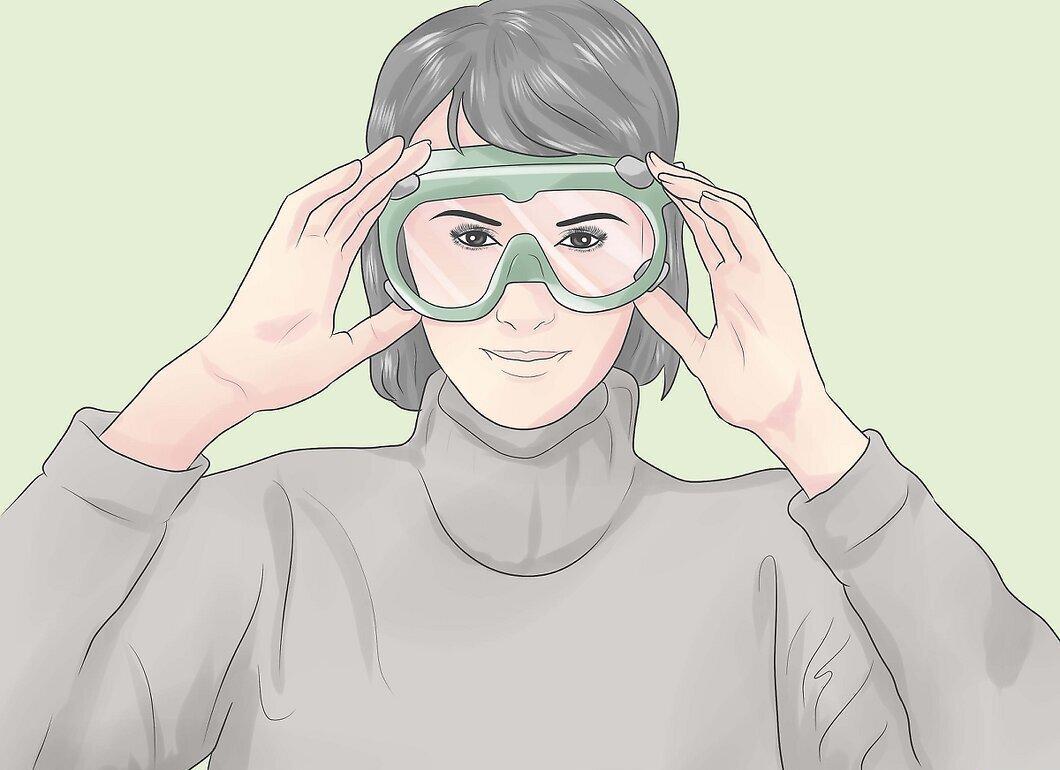
Don’t forget about eye protection. Some infections can be transmitted through contact with contaminated particles on the mucous membranes of the eyes or mouth. Wear protective goggles and try not to touch your face with your hands or items that may be contaminated.
Step 17. Dispose of Potentially Contaminated Items Properly.
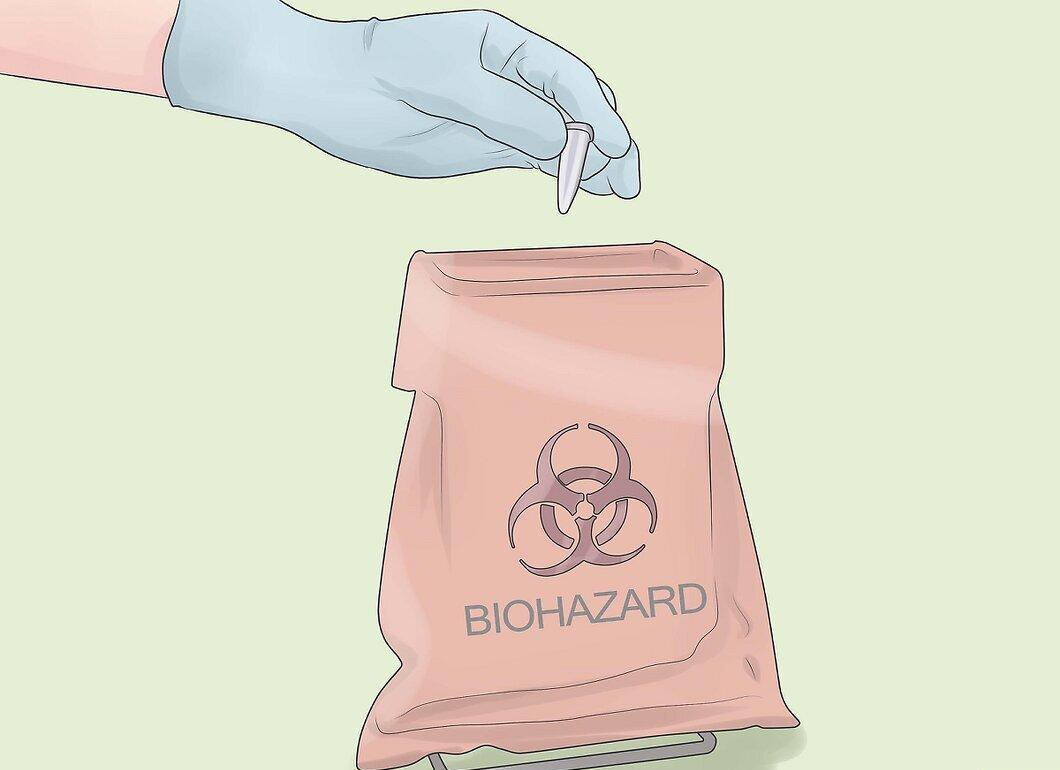
Handle potentially contaminated items carefully. Masks, gloves, and other hazardous materials must be disposed of according to established regulations. Place them in special containers for biologically hazardous waste or securely seal them in separate bags.
Step 18. Be Prepared for Service Disruptions.
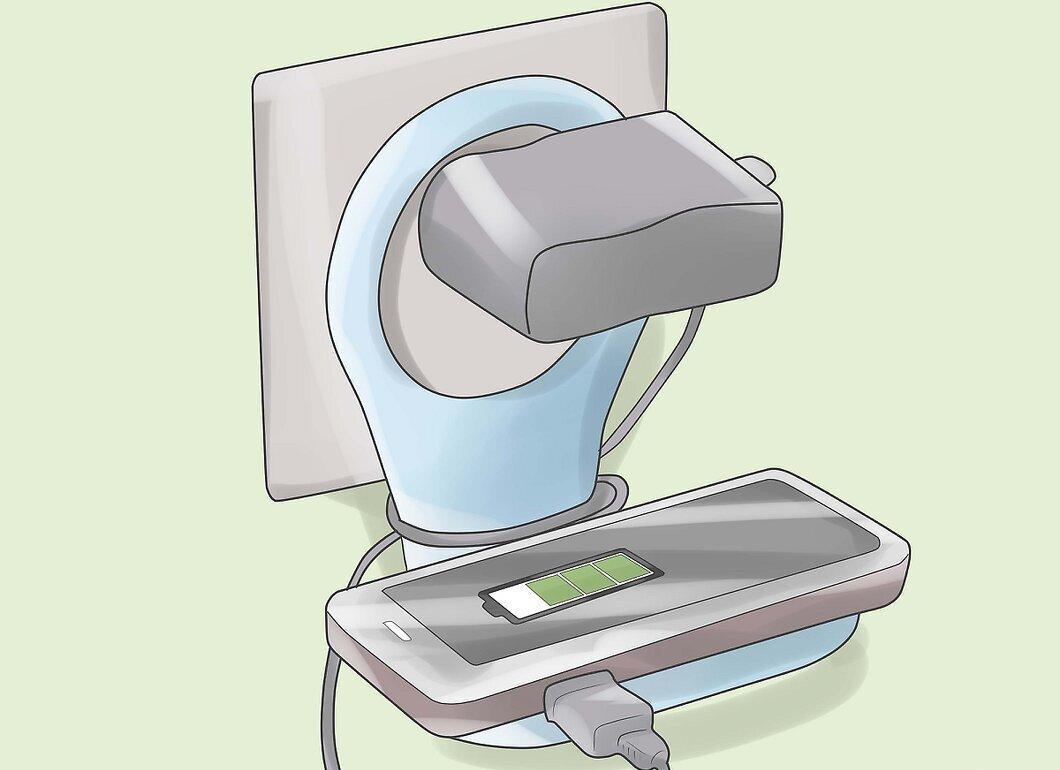
Expect that services may be disrupted during an epidemic. Essential services such as electricity, phone service, and transportation may be temporarily unavailable. Mass illnesses and staff shortages may lead to the closure of stores and hospitals.
Step 19. Keep a Small Amount of Cash.

Don’t forget to have some cash on hand. During a pandemic, banks may not operate, and ATMs may be shut down. Discuss an emergency plan with your family so everyone knows what to do if you cannot take care of them or if communication is disrupted.
Step 20. Stock Up on Essential Items.
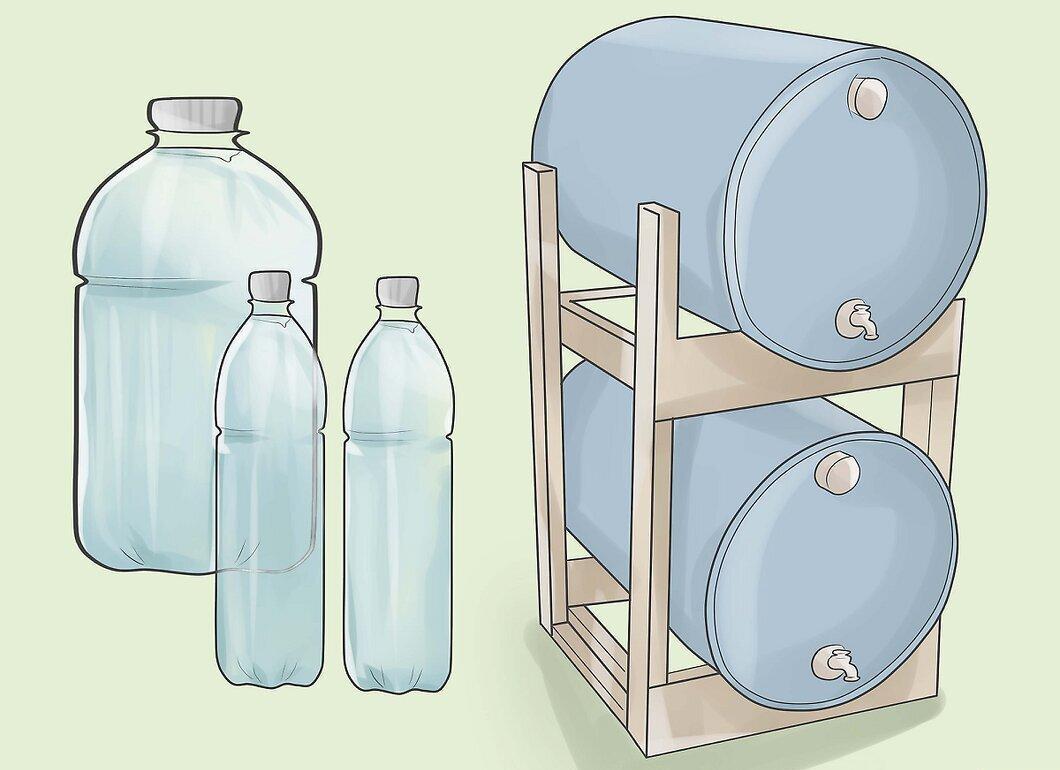
Prepare a stockpile of necessary goods. In most developed countries, shortages of products and services are usually short-lived, but it is better to be prepared. Store enough water — about 4.5 liters per person per day — to ensure a two-week supply for each family member.
Step 21. Maintain a Two-Week Food Supply.
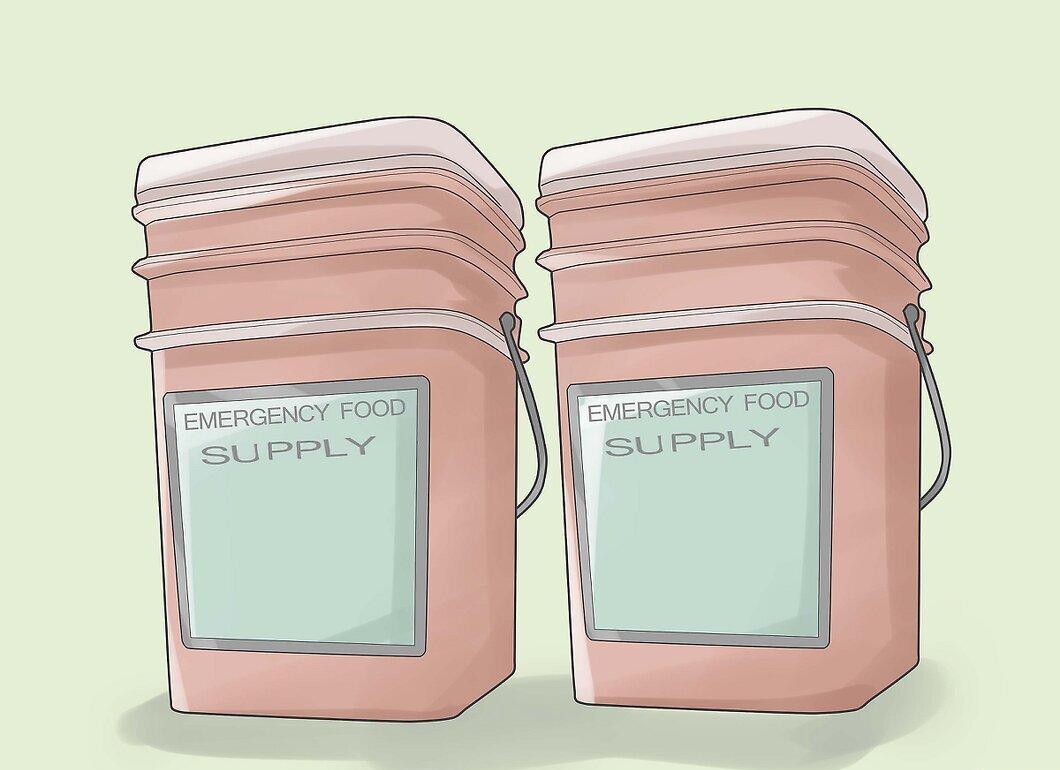
Keep food supplies for up to two weeks. Choose non-perishable items that do not require much water for preparation or can be consumed without cooking.
Step 22. Ensure You Have Necessary Medications.
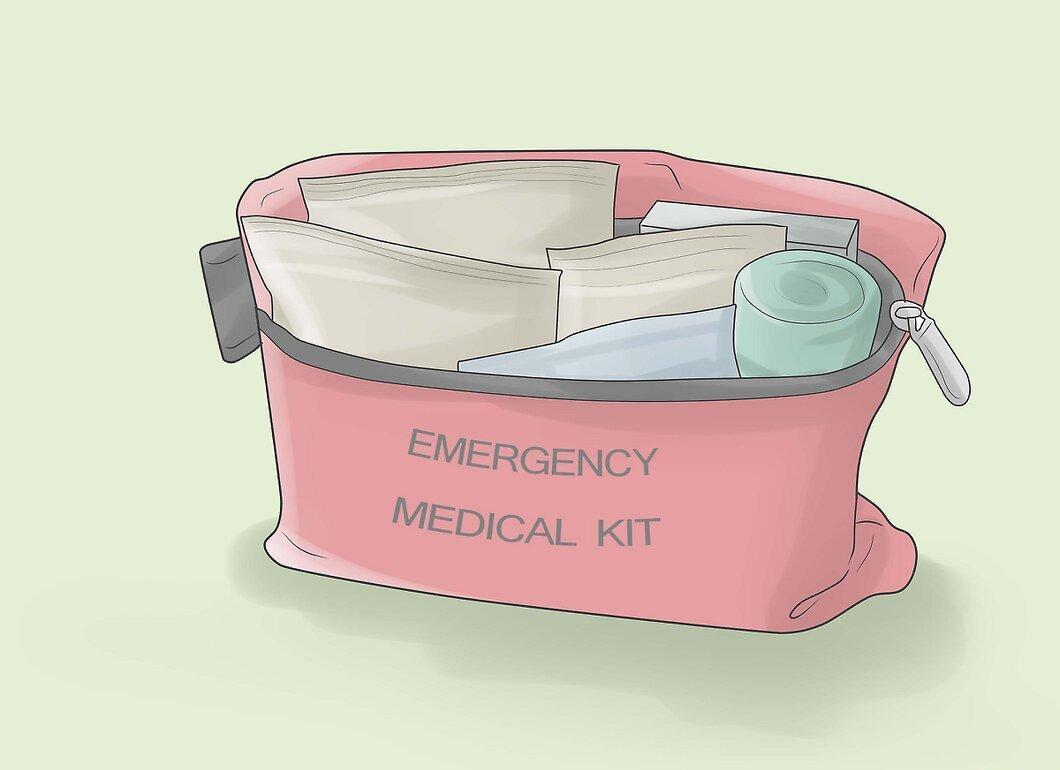
Step 23. See a Doctor at the First Signs of Illness.

Do not delay visiting a doctor at the first signs of illness. If the illness progresses, the effectiveness of antiviral medications may decrease. It is important to seek medical attention, especially if someone around you has become infected, even if you have no symptoms.