If you're planning to write a biography, a fictional novel, or a collection of poems, it's a significant undertaking. Jumping in without a clear plan can lead to obstacles that may dampen your enthusiasm. Even a little preliminary groundwork can greatly increase your chances of success. Prepare your materials and workspace, develop a clear strategy, and then get to work on your book.
Necessary Materials and Workspace
Step 1. Choose Your Writing Tools.

Choose your writing tools. There’s no right or wrong way to write a book. Some people feel that working on a computer distances them from their creativity, so they prefer to write by hand. Others, however, prefer computers for their ease of editing and the convenience of accessing information online. Choose the option that feels best for you, allowing you to work productively and effectively.
Step 2. Create an Organization System.
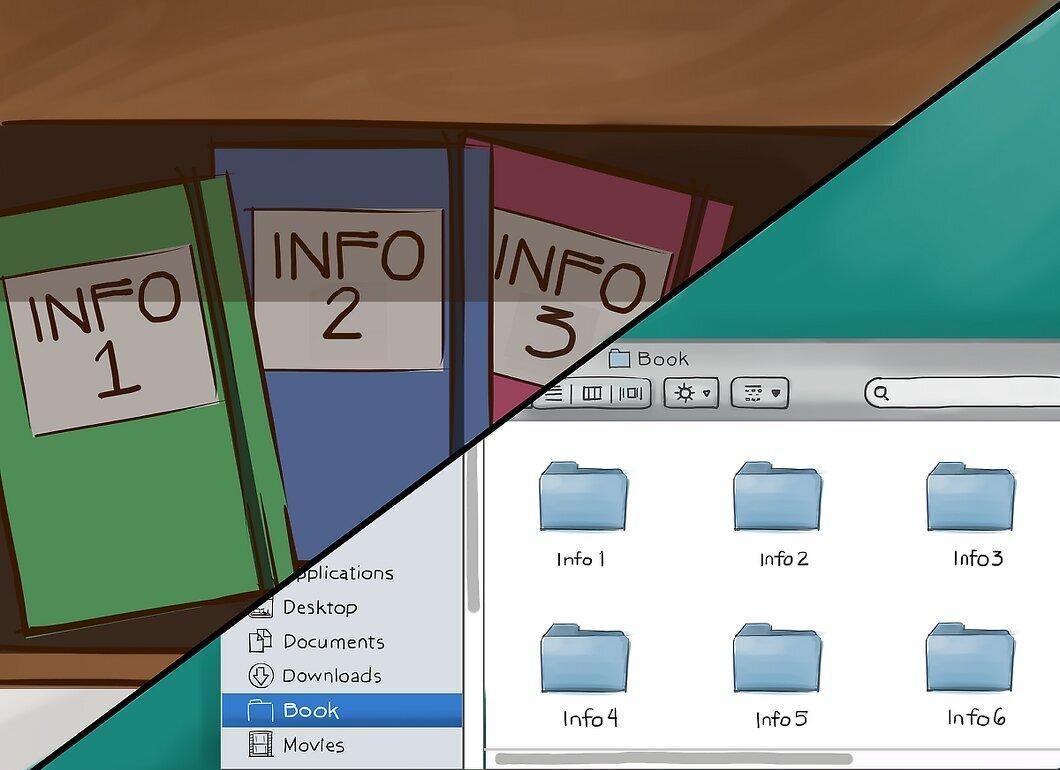
Establish an organization system. Whether you choose to work on a computer or with paper and pencil, you’ll need a system to organize your ideas. It’s better to create this system before your notes become too messy and you can’t understand what you meant. If working on a computer, create one folder for the entire book and then separate folders for different types of information. If using paper and pencil, designate a drawer in your desk for all materials related to your future book. Store notebooks or folders containing various kinds of information in it.
- It's no secret that research-heavy books require analyzing a lot of information. Your system should allow you to quickly and easily find the necessary details.
- If you're writing a novel, consider creating separate folders and files for character development information. For instance, if one of your characters is an EMT, you'll need to research this profession to ensure your character is realistic.
- You can use specialized software to help writers organize their available data and chapters.
Step 3. Choose a Dedicated Workspace.
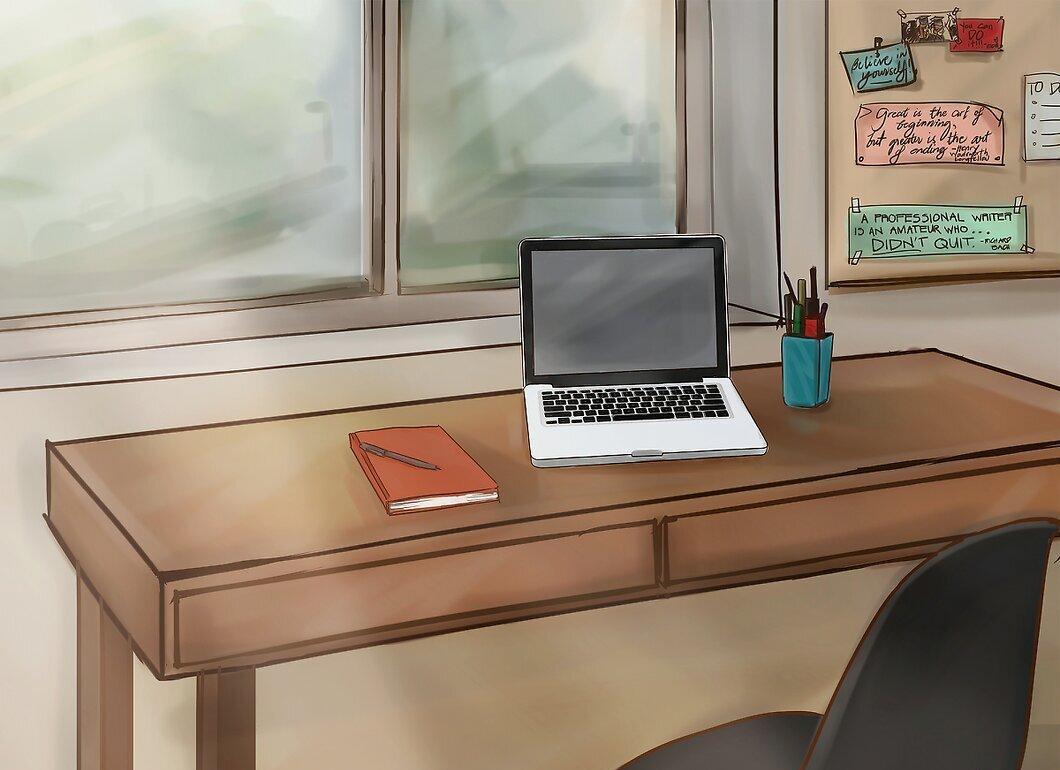
Pick a dedicated workspace. For many people, consistency is key to maintaining a schedule. For example, a significant portion of the globally renowned Harry Potter series was written by J.K. Rowling in the "Nicolas" café.
- If the environment and noise of public places distract you, it might be better to work at home.
- However, there are distractions at home too. If your bed or television keeps you from working, consider finding a suitable place outside your home.
- It’s important to find a comfortable, familiar place to work where you will enjoy coming every day.
Step 4. Choose an Inspiring Location.
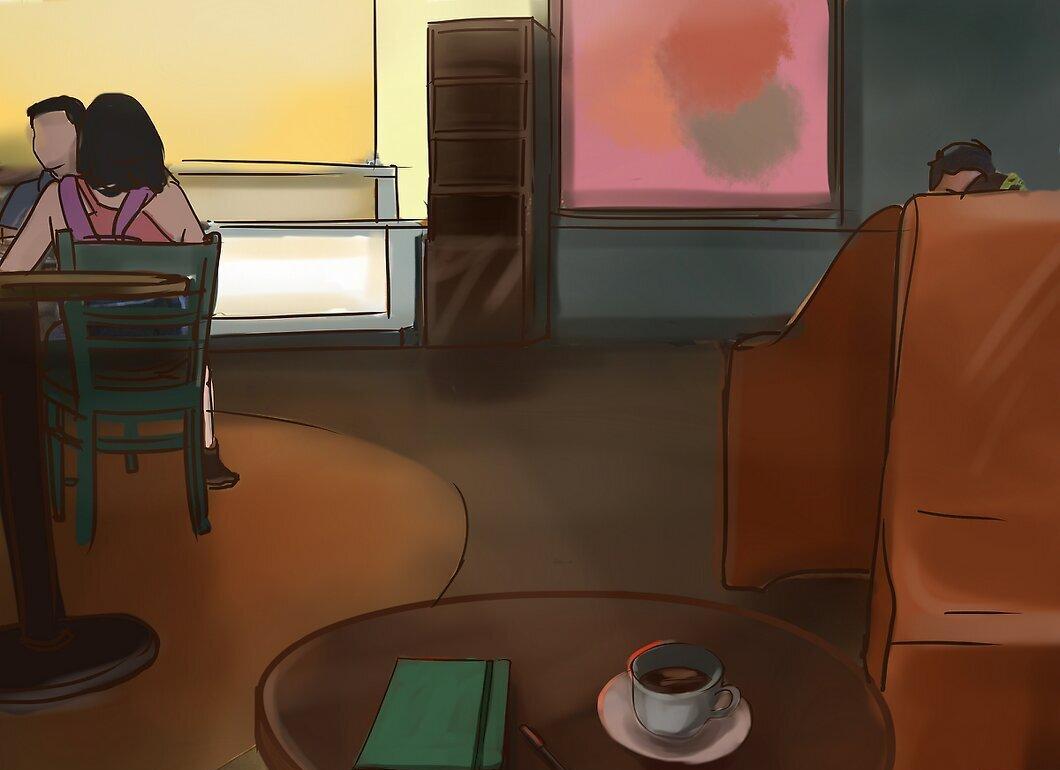
Select a place that inspires you. Every author has their sources of inspiration. What factors ignite your creative thinking? If it’s the tranquility of nature, try working on a picnic bench in your local park. If observing people stimulates your character creation, drop by your favorite café. If you're working from home, choose your favorite room in the apartment.
- Avoid working in places that are associated with stress or negativity. For example, working in the kitchen might constantly remind you of household chores.
Step 5. Make Your Workspace Comfortable.
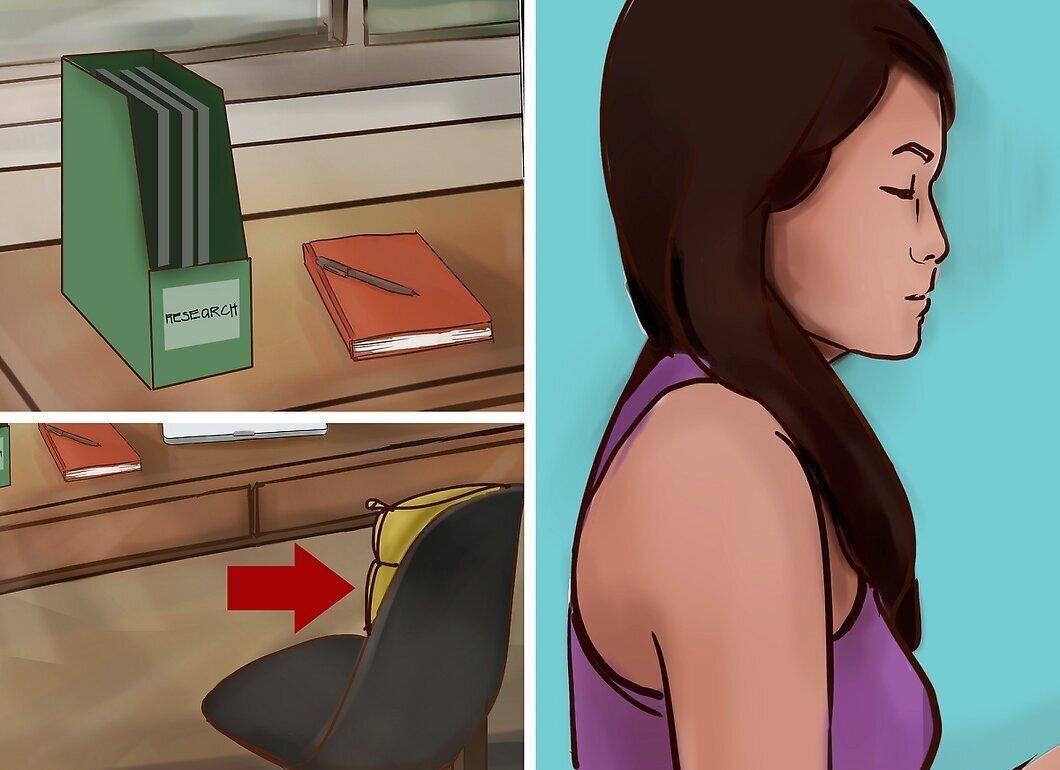
Ensure your workspace is as comfortable as possible. If your chair is creaky or uncomfortable, you won’t be able to concentrate on your work. Simplify your task by creating the most comfortable working conditions. Remember, it’s easier to control your working conditions at home.
- Maintain a comfortable temperature. If your home isn’t equipped with a temperature regulator, choose warm or light clothing to adapt to your environment.
- Select a comfortable chair. Use soft cushions to ensure you remain comfortable during long working sessions and to avoid back strain.
- Organize your materials so that they are easy to work with. Why dive into searching again when you’re deep into writing a chapter? At home, you can place a shelf next to you or arrange folders with documents. In public places, just have the necessary books on hand.
Step 6. Decorate Your Workspace.
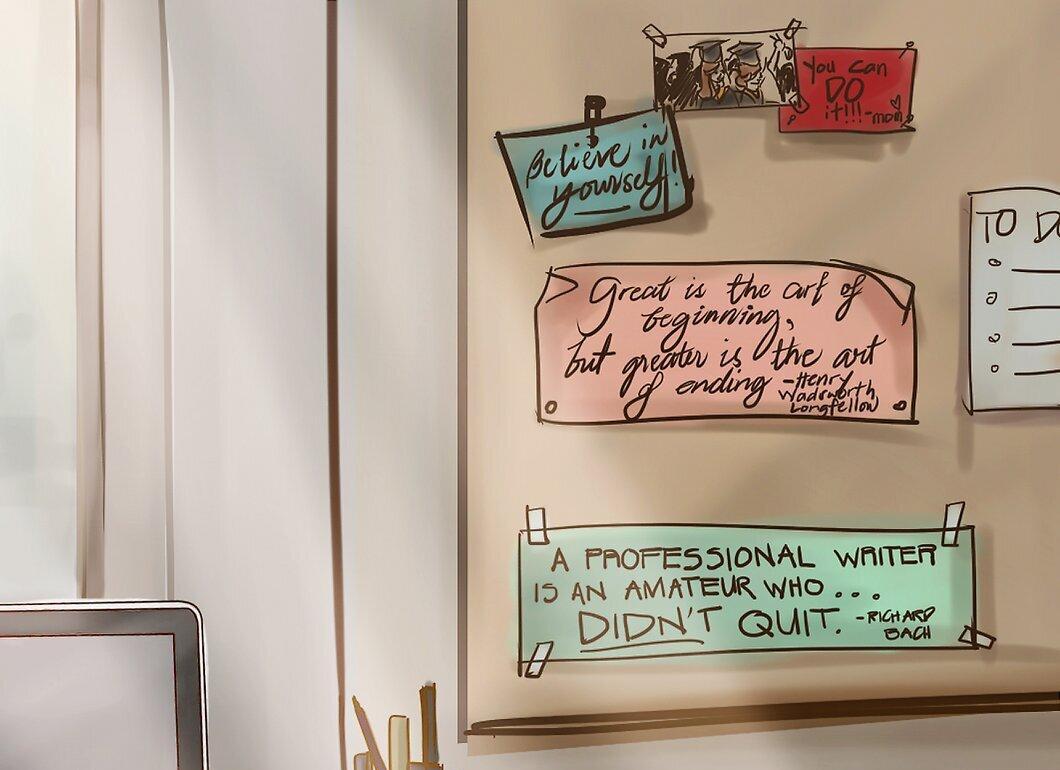
Personalize your workspace. The more your workspace reflects your personality, the more time you’ll want to dedicate to working. When writing a book, surround yourself with items that inspire you. How do you motivate yourself? If there’s a particular book that always sparks your desire to write, keep it close by for those creative slumps. You might place family photos or quotes from favorite authors on your desk. Surround yourself with your favorite colors or play your favorite music in the background. Your workspace should inspire you to work every day.
Work Routine
Step 1. Choose Your Optimal Working Time.
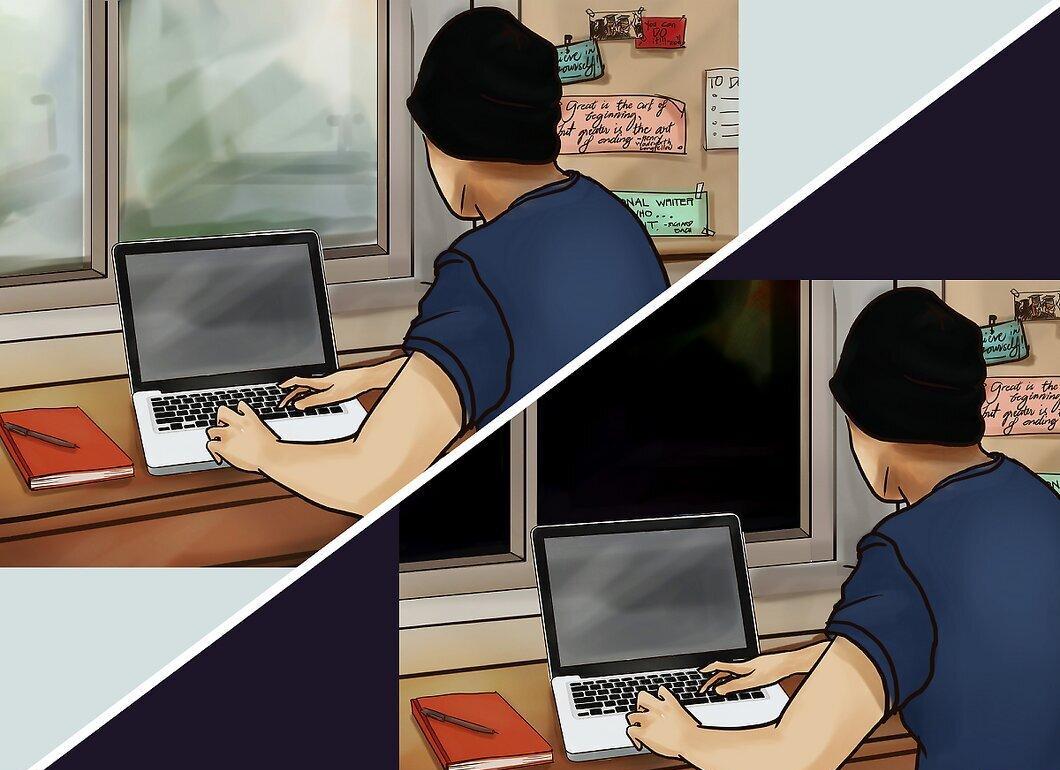
Select the best time for writing. Some people find it easiest to work in the morning when it’s quiet at home and their minds are still free from daily tasks. But if you’re not a morning person, you might find yourself dozing off at the table instead of working. Don’t deceive yourself; honestly determine when and how you work best.
Step 2. Don’t Forget Other Commitments.

Remember your other obligations. When developing your writing schedule, consider other tasks that might distract you. Do you have a flexible schedule at your main job? Are small children taking up a significant amount of your time? Do you need to pay constant attention to teenagers? You need to choose an optimal work mode: a strict or flexible schedule.
- If your working hours are fixed, outline strict time frames for working on your book.
- With a flexible schedule, you’ll need to dedicate every free minute to writing.
Step 3. Create a Writing Schedule.
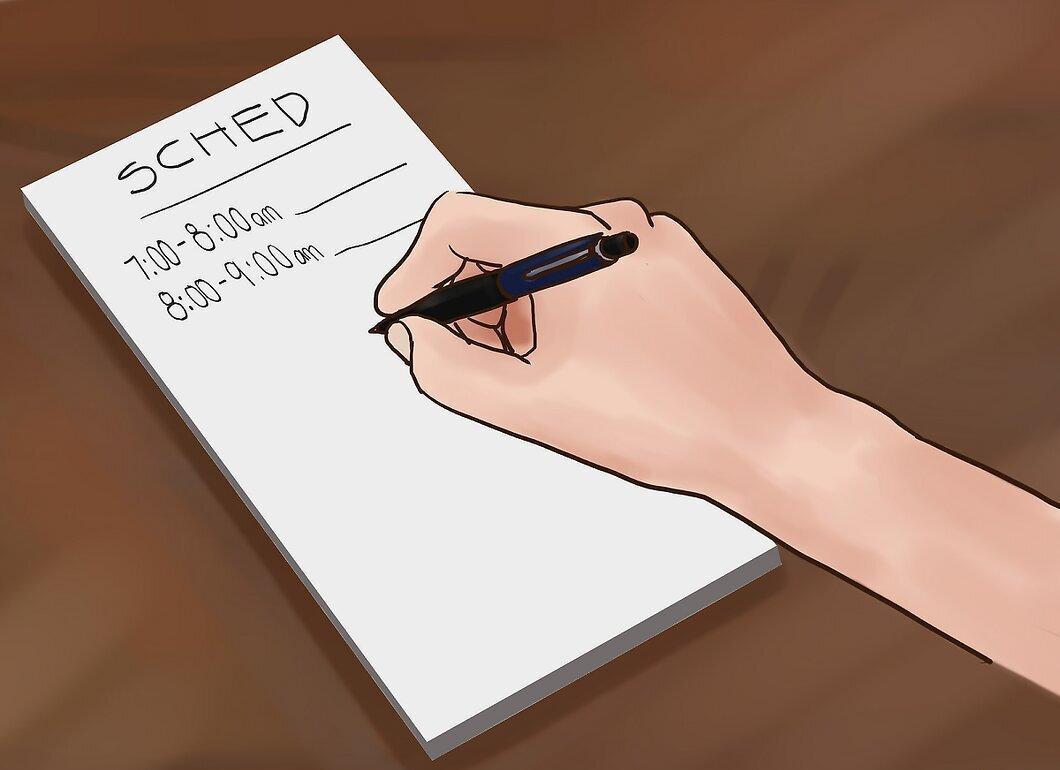
Develop a writing schedule. If the book becomes part of your daily life, achieving your goals and finishing your work on time will be easier. Determine how much of the next day you will spend on the book, and plan other tasks around that time. The type of schedule depends on your daily commitments (for example, a flexible schedule won’t allow for strict time frames). The main rule is to dedicate at least one hour of uninterrupted time to writing every day. The more time you have, the better! You don’t have to work continuously: you can spend one hour in the morning before work and another hour in the evening when the rest of the household has gone to bed.
Step 4. Promise Yourself to Stick to the Schedule.
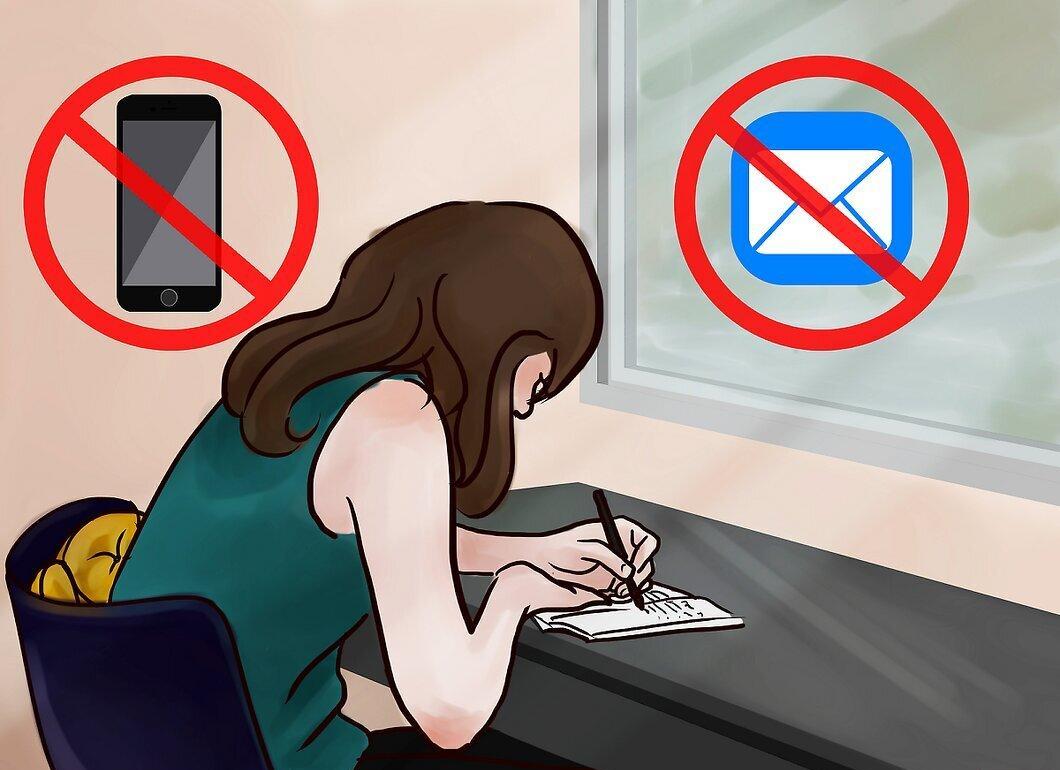
Commit to not breaking your established routine. When you sit down to work, nothing should distract your attention. Don’t answer calls or messages, and ask your spouse to watch the kids so you can maintain focus. You may need to discuss all conditions with your family members. Ask them to be understanding and not disturb you while you work on your book.
Step 5. Set a Deadline for Completing the Book.

Establish a deadline for finishing your book. This requires a delicate balance. You need to motivate yourself to work so laziness doesn’t take over, but the timelines should be reasonable. Don’t push yourself into unrealistic limits. You should analyze your schedule and realistically assess the time available. Here are some examples of norms and timelines when writing a book:
- Daily word count: aim to write 2000 words each day.
- Number of notebooks: the written volume for the month should fill one spiral notebook.
- Deadlines for writing each chapter.
- Timelines for gathering information.
Step 6. Get a Writing Partner.

Find a writing partner. This could be another writer currently working on their book. You can hold each other accountable for your goals and progress. It’s easy to slack off when you’re on your own. Having mutual responsibility will help combat laziness and obstacles to getting your work done on time.
- Meet regularly with your partner. Depending on your schedules, you might see each other every day or once a week. The key is to maintain consistency in your meetings.
- Share your schedule and goals/deadlines with your partner. They should understand when you’re on track and when you’re falling behind!
- During these meetings, you can work on your books side by side or review each other’s work. A second pair of eyes will always catch what might slip past the author!
Planning and Development
Step 1. Choose the Genre of Your Book.
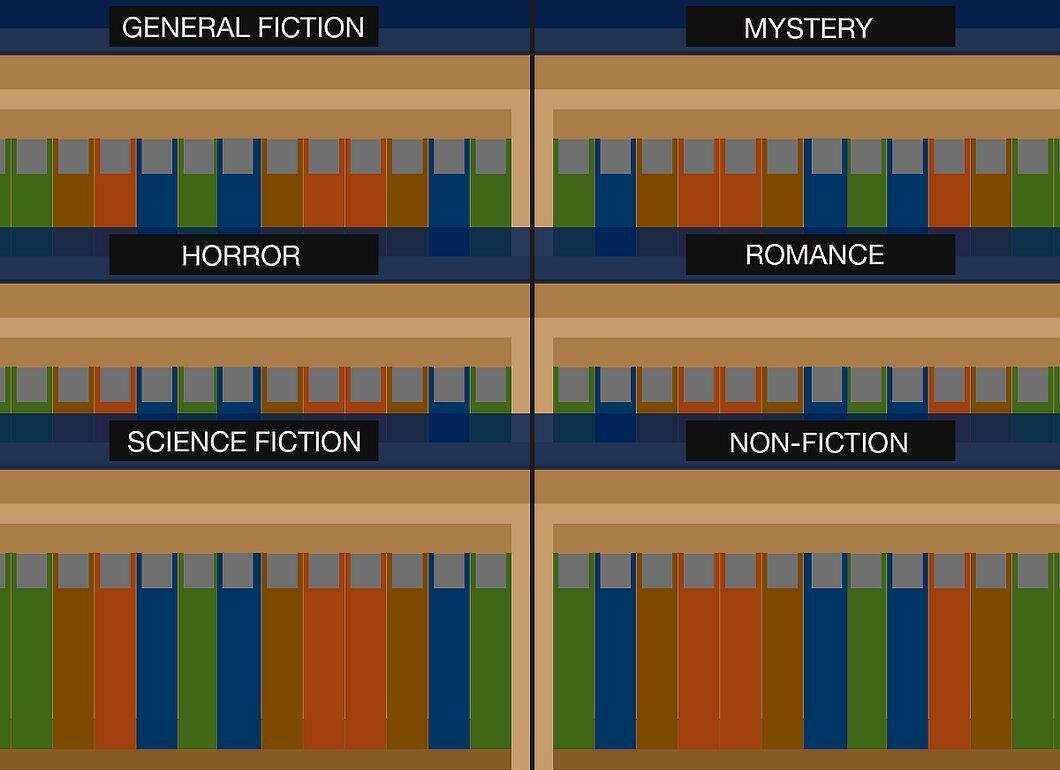
Select the genre of your book. To decide what book to write, think about the types of books you enjoy reading. Which sections of the bookstore or library draw your attention? Do you typically read romance novels on weekends, or do you delve into biographies of historical figures? Would you rather read a lengthy novel, or do you find joy in the concise narratives of short stories?
- Authors often excel in the genre that resonates with them.
- There is usually a direct correlation with your reading preferences. By choosing your favorite genre, one you know inside and out, you’ll be able to write a great book and enjoy the process!
Step 2. Define the Purpose of Your Book.

Clarify the purpose of your book. Once you’ve settled on a genre, think about what you want to convey to your readers. Consider what you value in your favorite books of that genre. This will help you define the purpose of your writing. For instance, a biography of George Washington will help readers better understand U.S. history. Detective novels captivate with tension, spark curiosity, and surprise readers. Fantasy novels allow readers to escape the real world and unleash their imagination.
- Try to articulate the desired impact on the reader in writing.
- Outline your goals before starting to work so they can serve as a guide if you veer off track during the writing process.
Step 3. Gather Necessary Information.

Collect the necessary information. If your task is to provide specific information to your readers, it’s clear that you’ll need to dedicate significant time to gathering and analyzing available data. However, don’t assume that romance novels or dramatic stories don’t require thorough preparation. If the events of the book occur in the past, you need to recreate a realistic picture of that era. If one of your characters is a police officer, you must accurately depict their profession. Collecting and analyzing information is the only way to present a believable story to your readers.
- Study manuals and textbooks to accurately describe the character's job and speech. Avoid misusing professional terminology!
- Research historical periods online and in specialized books.
- Consult with experts in the field you’re writing about.
Step 4. Create an Outline for Your Book.
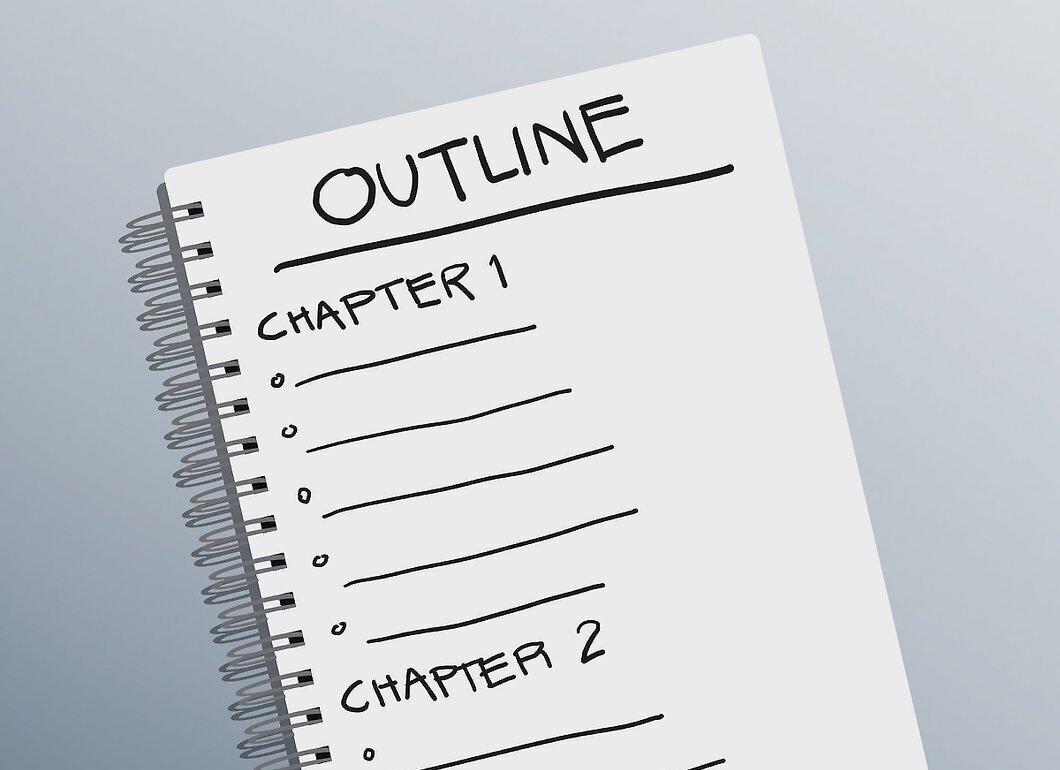
Draft an outline for your book. As you gather information, your vision of the book will begin to coalesce. Once you can grasp your preferred direction for the plot, confidently start drafting an outline for your future book.
- Each section of the book should be represented by an outline point.
- You can expand points with subpoints to add important details that need to be included in the section.
- As you work on the book, your outline may grow and change. Incorporate new information and eliminate unnecessary points, but always refer back to the outline to stay on track with your goals.
- When your information gathering is complete and your outline is ready, you can begin writing the book.