This wikiHow article will teach you how to ensure your headphones look great and sound amazing for years to come. Proper handling and avoiding extreme volume are key.
Preventing Physical Damage
Step 1: Pull the headphones out of the jack by the plug, not the cord.
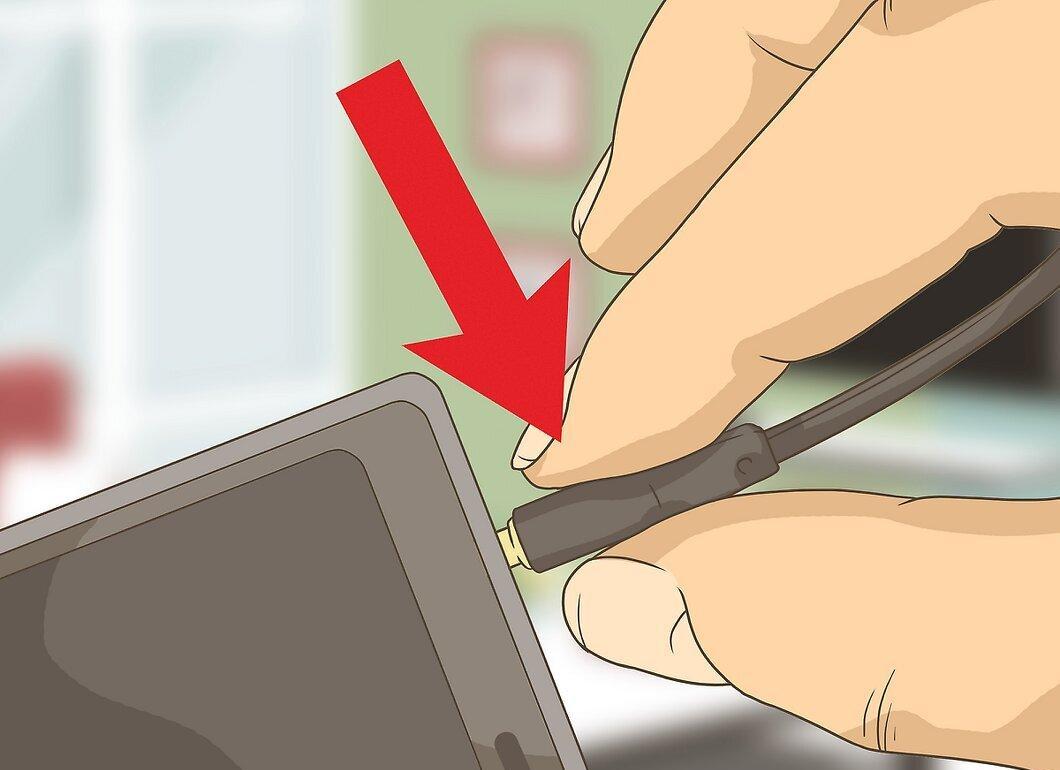
Always pull the headphones out of the jack by the plug, not the cord. If you need to disconnect the headphones from your audio device, grip the plug and remove it from the socket. Tugging on the cord can put unnecessary pressure on it, leading to damage.
Step 2: Remove the plug from the socket confidently, but gently.
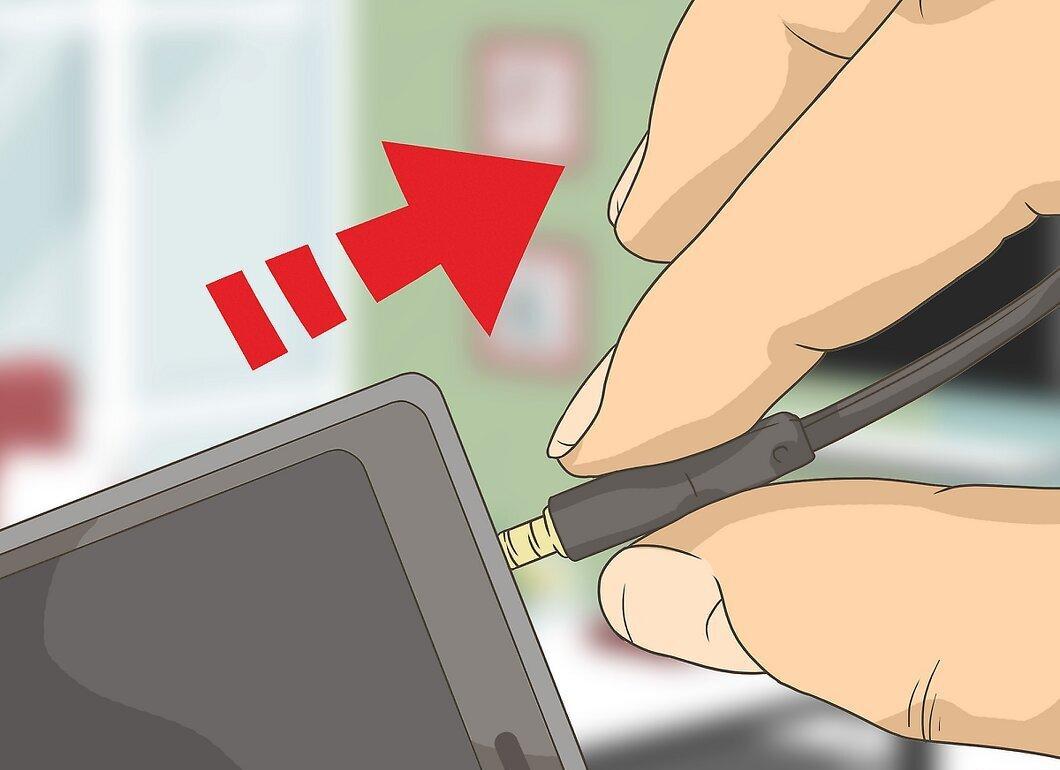
Remove the plug with confidence, but avoid yanking it out. Firmly grasp the plug and pull it out without tugging the cable, as this can eventually damage the connector.
Step 3: Don't drop your headphones on the floor.
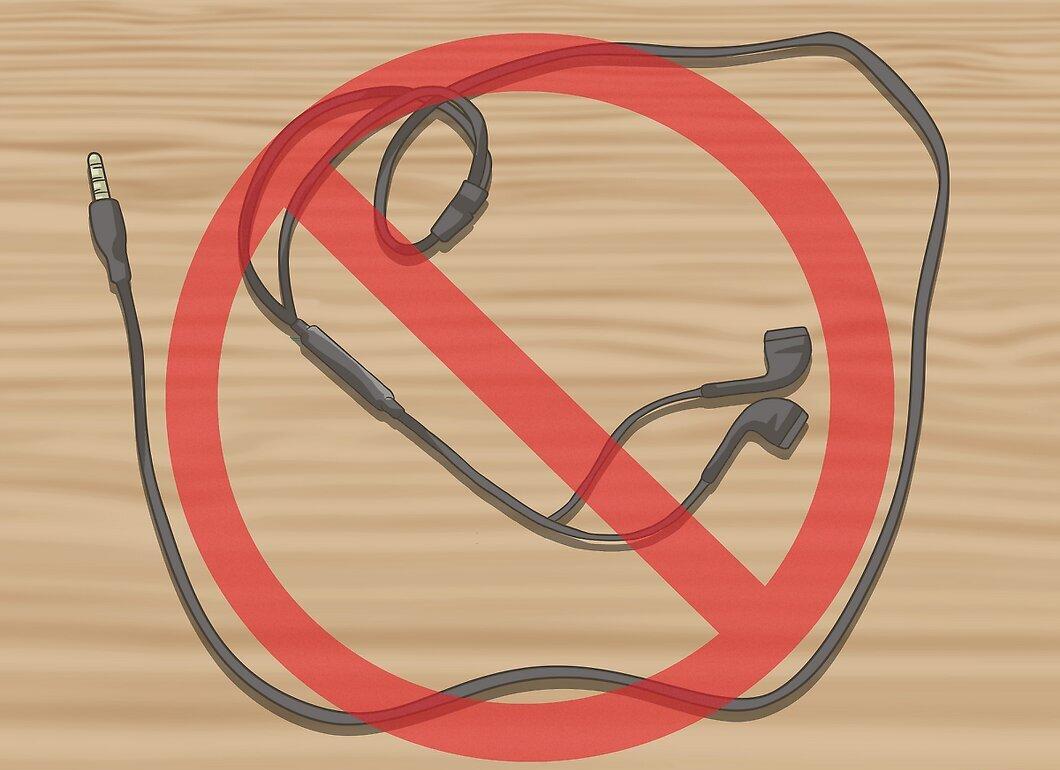
Avoid dropping your headphones on the floor. It's obvious that headphones on the floor can easily get damaged, and the likelihood of this happening is quite high. Always place them on a table or store them safely when not in use.
Step 4: Don't leave the headphones in your ears when not in use.
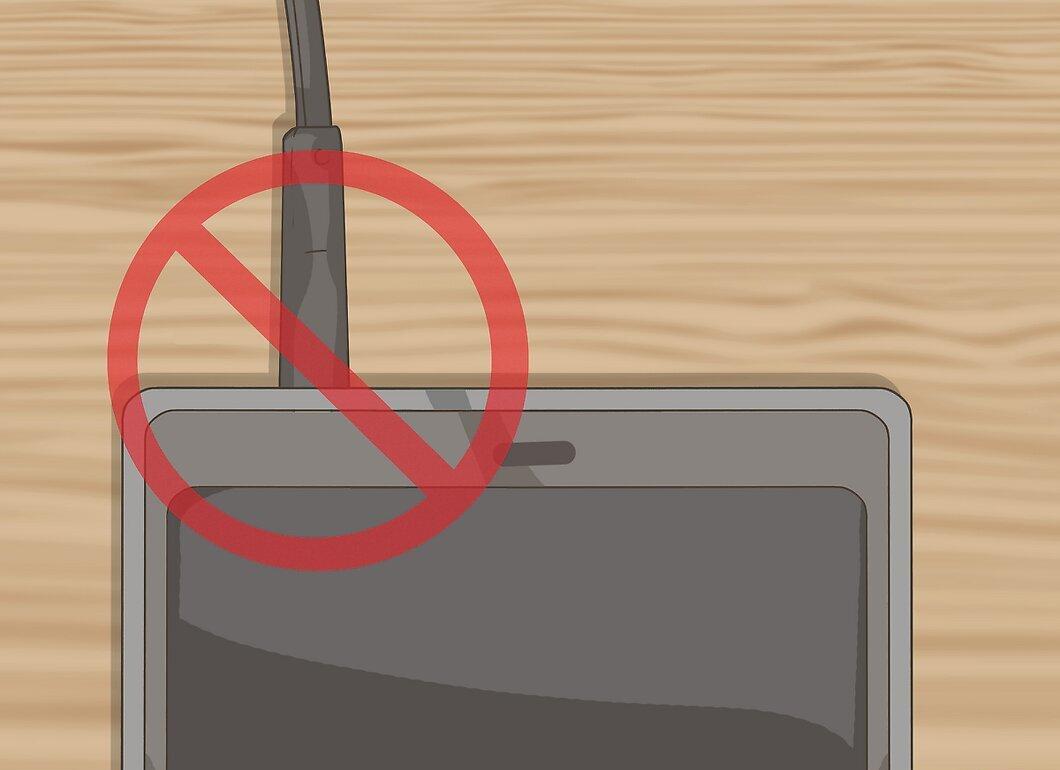
Don't leave your headphones in your ears when they're not in use. If you try to stand up or move and accidentally snag the cord on something, you might damage the headphones.
Step 5: Store the cable coiled when not in use.
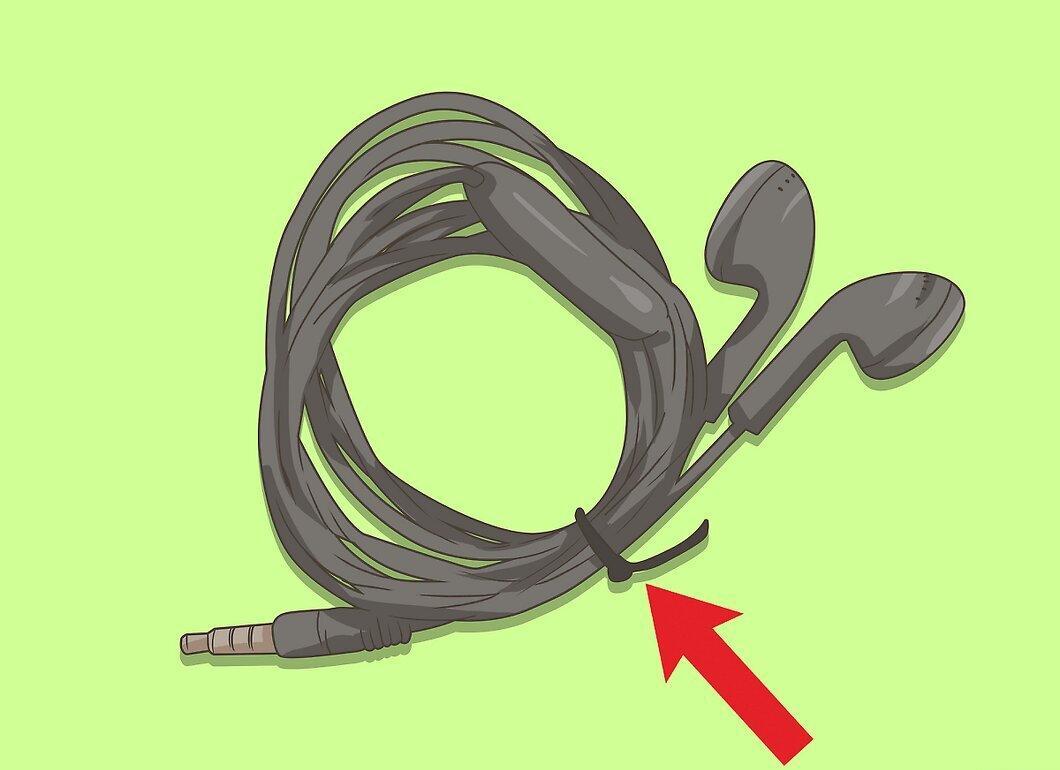
When not in use, keep the headphone cable coiled. This is especially important for portable headphones without braided cable. If the cable gets tangled or bent too sharply, it can compromise the wires inside. Avoid keeping them crumpled in your pocket.
- You can use a cable wrap or create notches on an old gift card to securely wind the cord around.
- Try not to pull on the headphone cable or put stress on it.
Step 6: Don't let the headphones dangle from the cord.
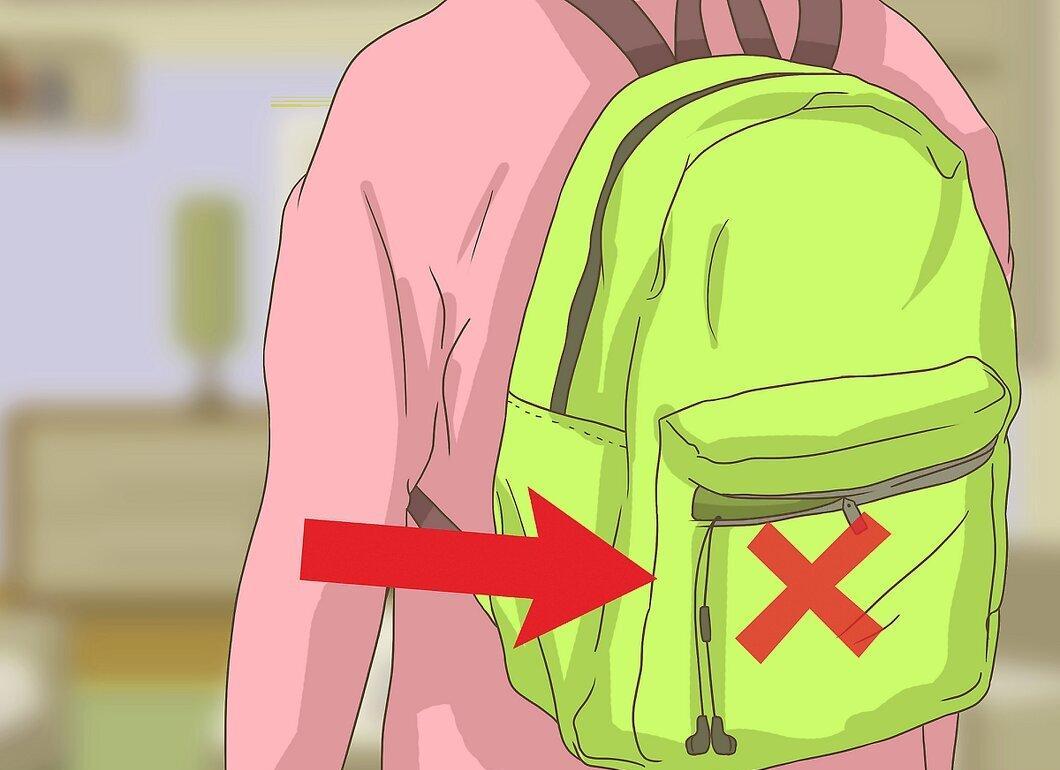
Prevent the headphones from dangling from the cord. Allowing gravity to act on the headphones puts extra stress on the cables and solder points. Ensure that the headphones aren't hanging off the edge of a table or out of your bag.
Step 7: Avoid contact with water.
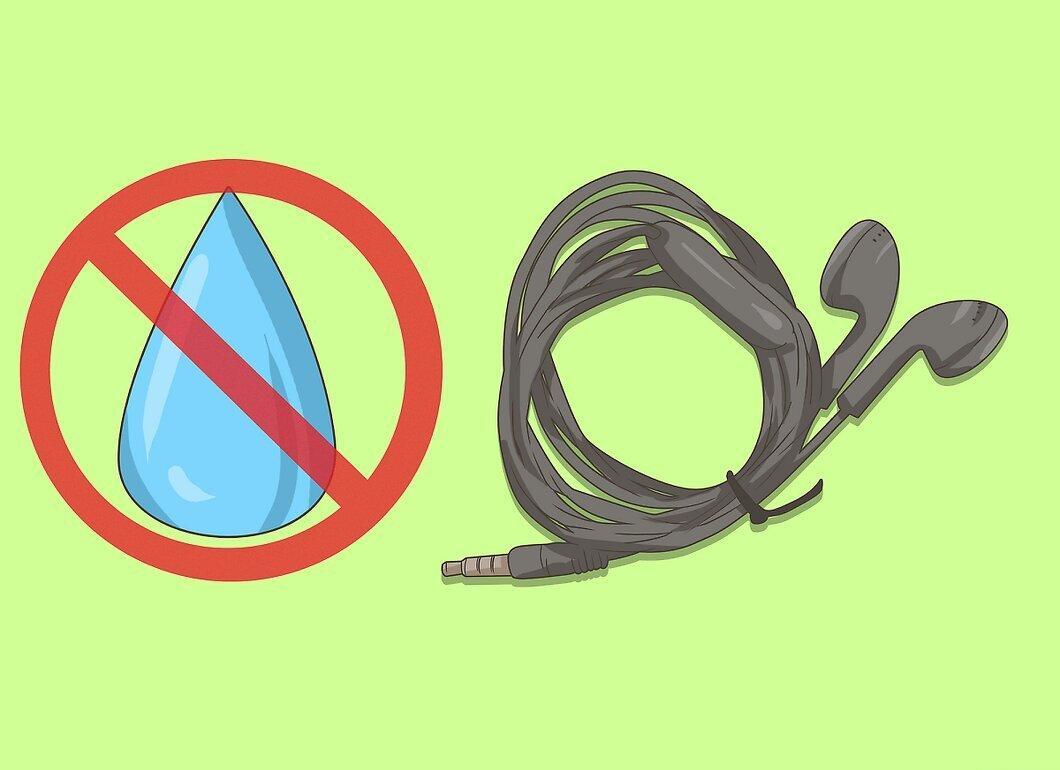
Avoid getting your headphones wet. Like any electronic device, headphones do not mix well with water. If they get wet, remove them immediately and dry them with rubbing alcohol, leaving them to air dry for several hours. This step can save your headphones from light water exposure.
Step 8: Don't sleep with your headphones on.
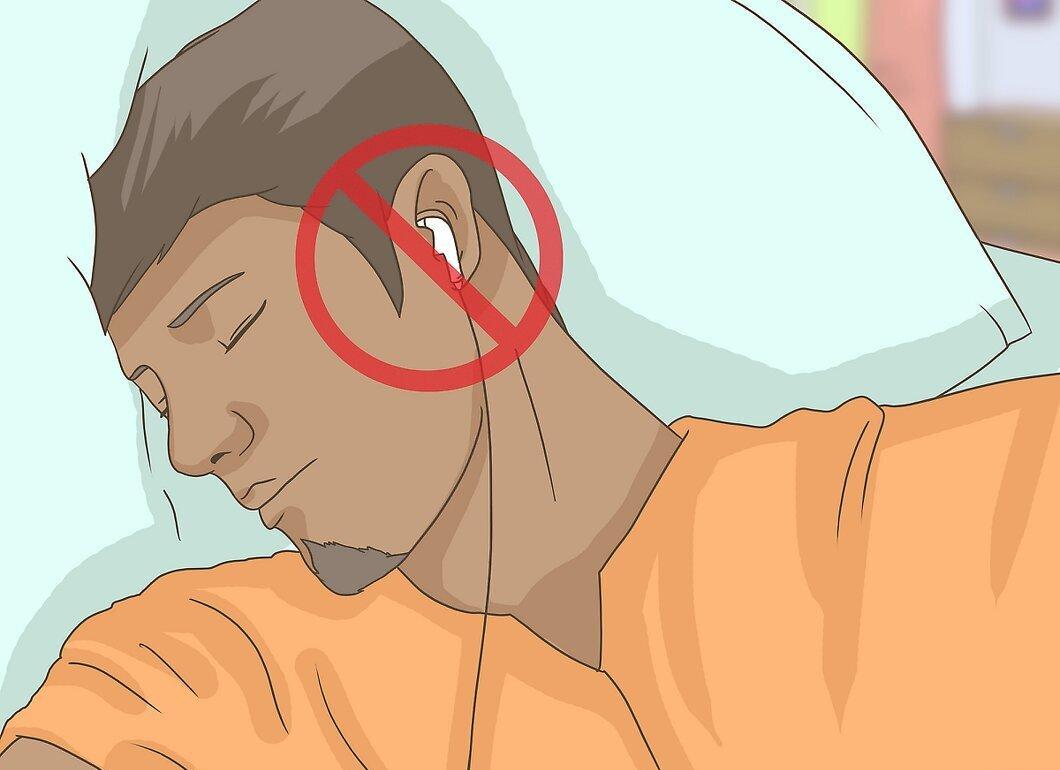
Avoid sleeping with your headphones on. Besides potentially harming your hearing, reckless movements while sleeping can bend or break the wires.
Step 9: Get a protective case or pouch for your headphones.
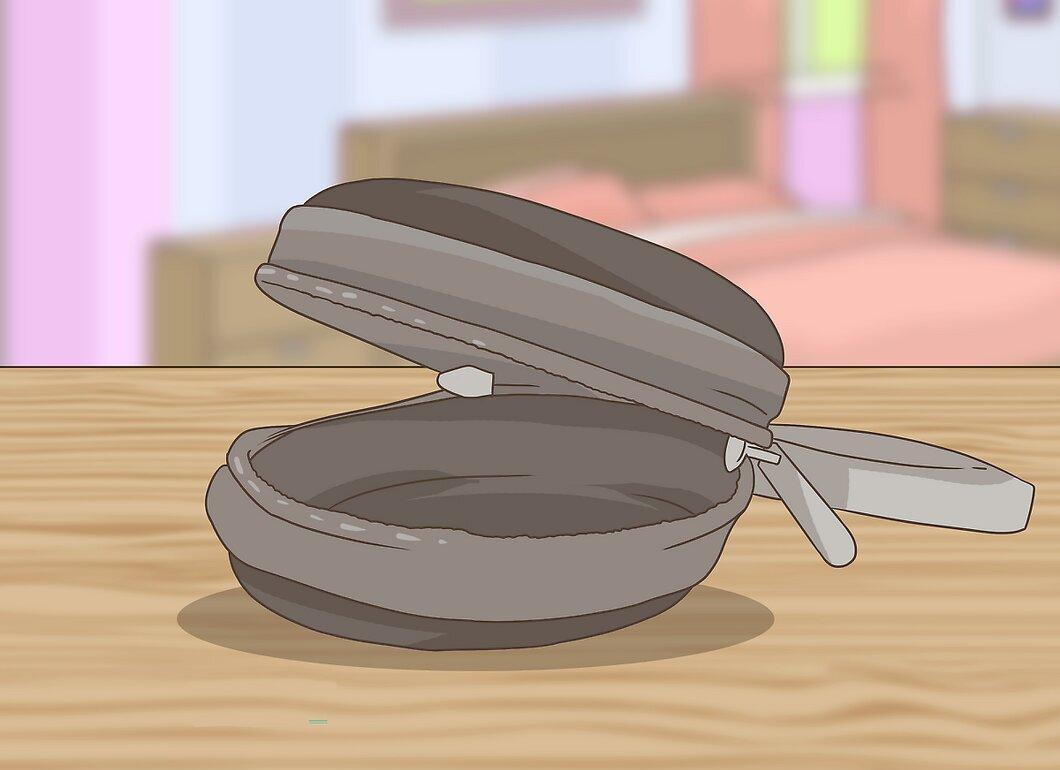
Consider getting a protective case or pouch for your headphones. If you frequently carry them around, think about investing in a case or soft pouch. You can find a case designed specifically for your brand and model of headphones, or buy a universal case that fits most headphones.
Step 10: Invest in higher-quality headphones from the start.
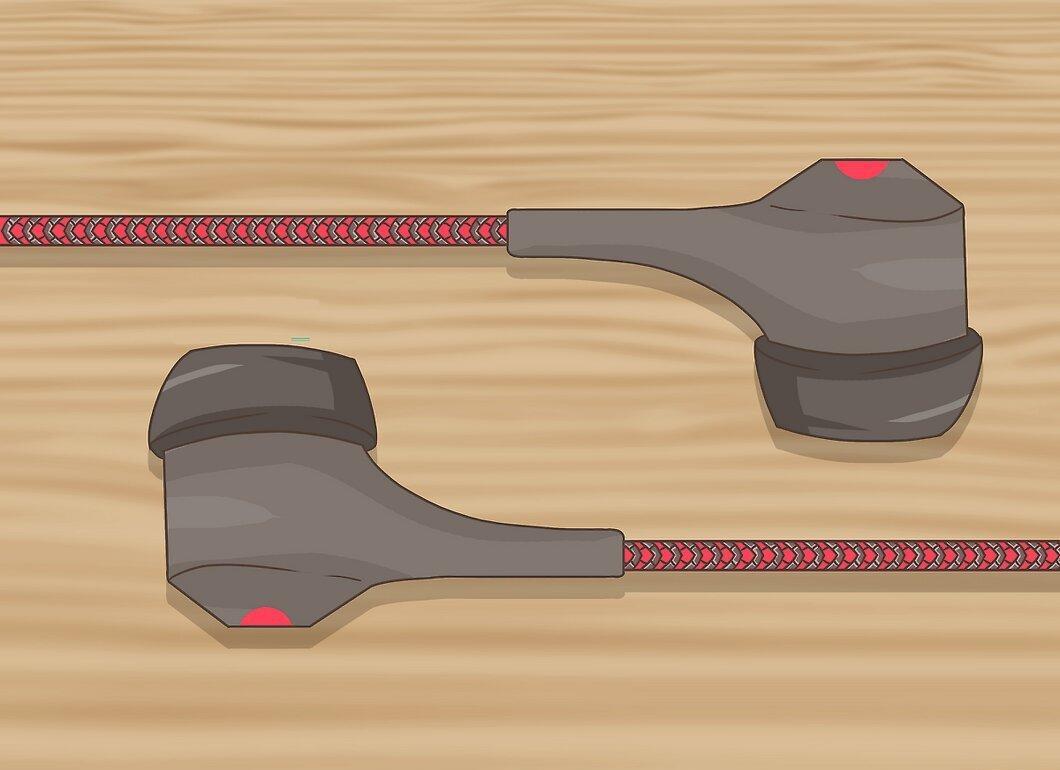
Invest in higher-quality headphones initially. Cheaper headphones often compromise on build quality. If your headphones are subjected to regular wear and tear, it's better to consider more expensive models that can withstand more abuse.
- A braided cable will help prevent tangling and knotting, extending the life of your headphones.
Preventing Damage from Improper Audio Equipment Use
Step 1: Lower the audio device's volume before plugging in the headphones.
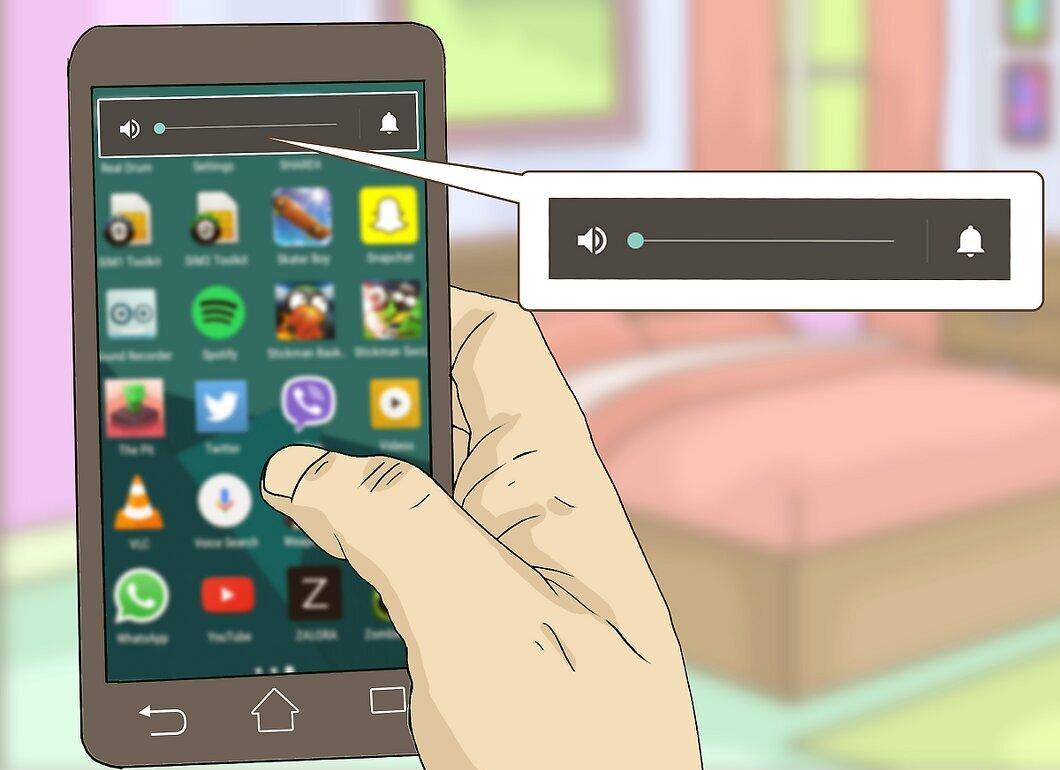
Always lower the volume of your audio device before connecting the headphones. Plugging headphones into a loud audio device can damage them. Turn down the volume before plugging in the headphones and don't put them on until they are connected.
- After plugging in the headphones, put them on and gradually increase the volume to a comfortable level.
Step 2: Don’t set the volume too high in the headphones.
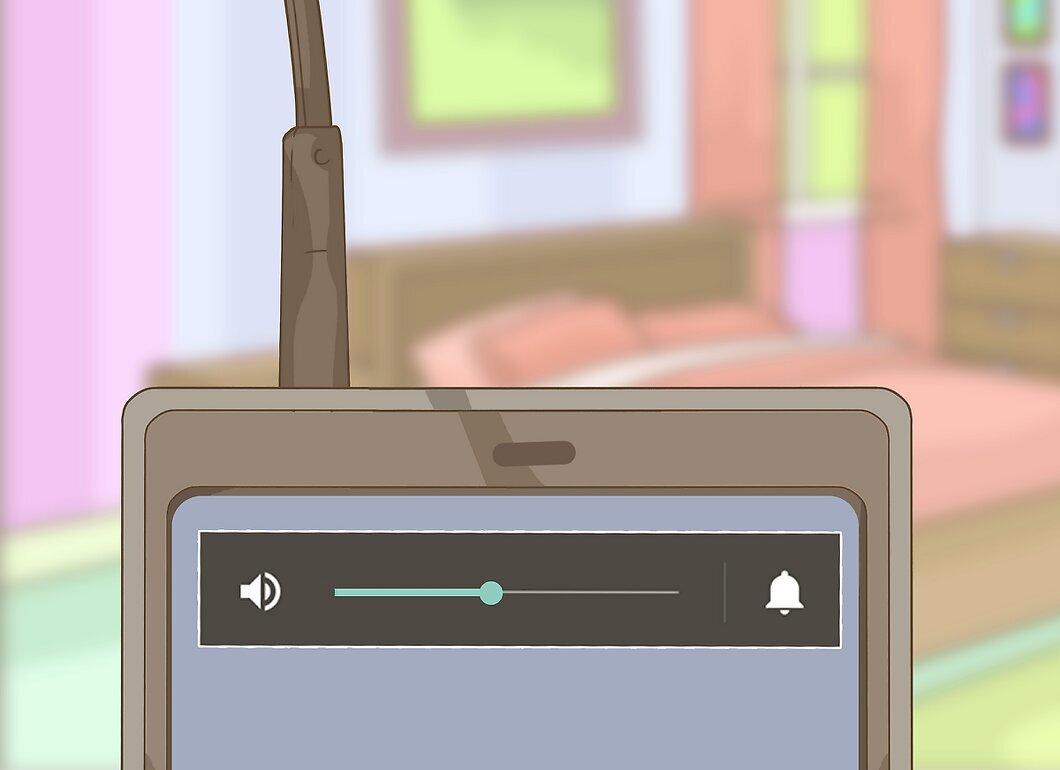
Avoid setting the volume too high while using the headphones. Excessive volume can not only harm your hearing but also damage the headphone drivers. This can cause sound distortion and rattling. If you notice any crackling, the volume is too high.
- Try not to set the audio to maximum volume, as this increases the risk of damaging the drivers. If you need to increase the volume but the audio device can't go higher, check the volume control on the headphones themselves.
Step 3: Lower the bass levels.
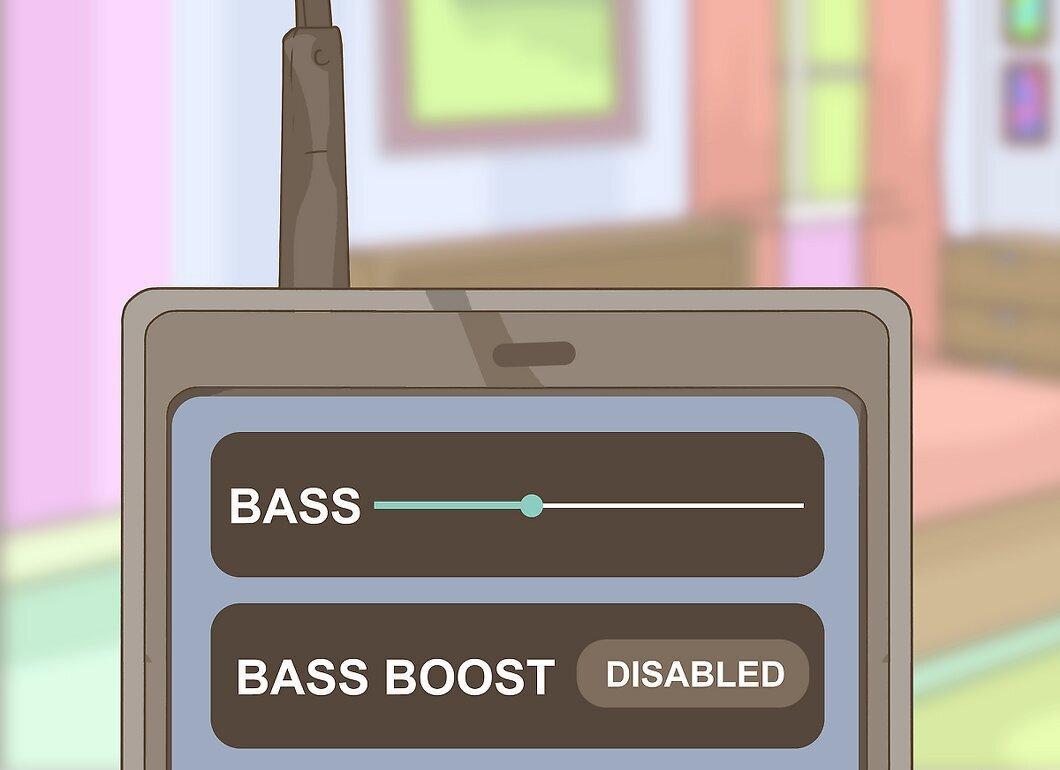
Reduce the bass levels. Most headphones don’t have sufficiently powerful drivers for heavy bass, and strong bass can quickly damage the speakers. Bass is a low-frequency sound that places significant strain on the drivers, which they’re not designed for. Use the audio device’s mixer to lower the bass and ensure the “Bass Boost” option is turned off.
Step 4: Use headphones that match the power of the audio equipment.
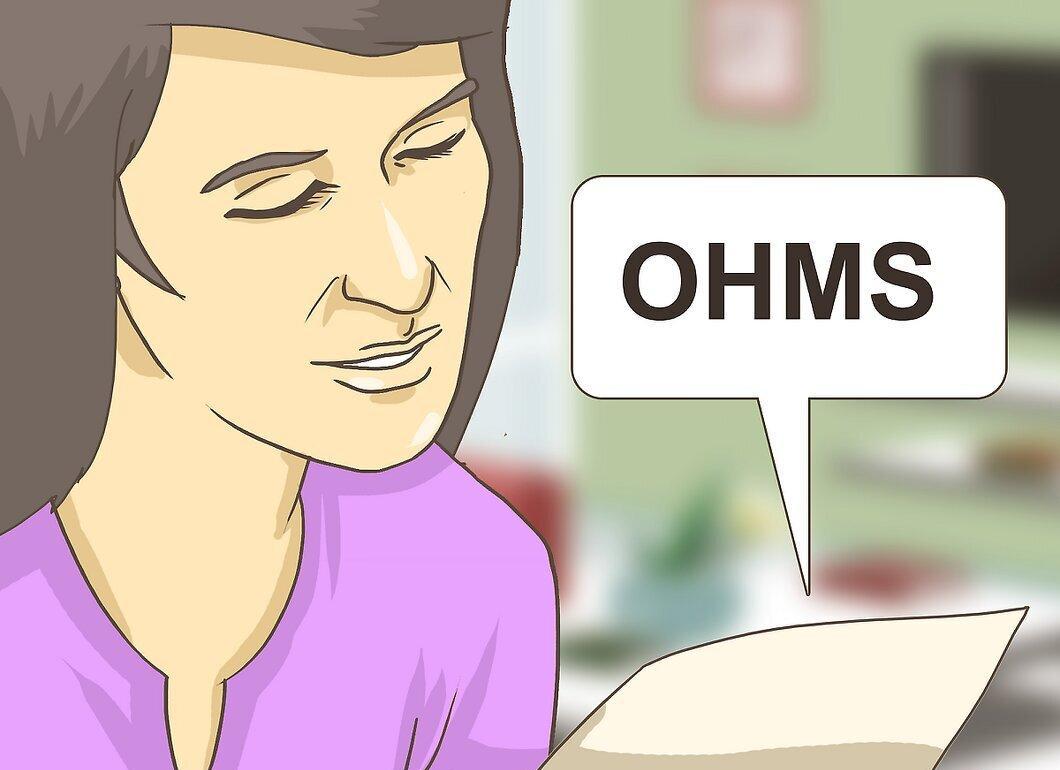
Use headphones that are compatible with the power of the audio equipment. This may not be an issue when using headphones with a phone or computer, but when connecting to professional audio equipment, ensure that the headphones can handle the output power. Using low-powered headphones with a powerful audio source can quickly damage them.
- Check the specifications of the headphones to find out their impedance in ohms and ascertain the impedance level of the audio output of the corresponding audio device.