
Are you surrounded by people making significant life decisions based on their horoscopes? While discussing astrology can be intriguing, some individuals take it too far, choosing careers, spouses, or moving to new places based on a paragraph they read in a daily newspaper. Arguments against the validity of astrological predictions can serve as a wake-up call for such individuals.
Part 1
Step 1. Pretend to have a different zodiac sign in the company of friends who know a lot about astrology.

Pretend to have a different zodiac sign among friends who are well-versed in astrology. See if they can recognize your true zodiac sign.
Step 2. Read a daily or weekly horoscope.
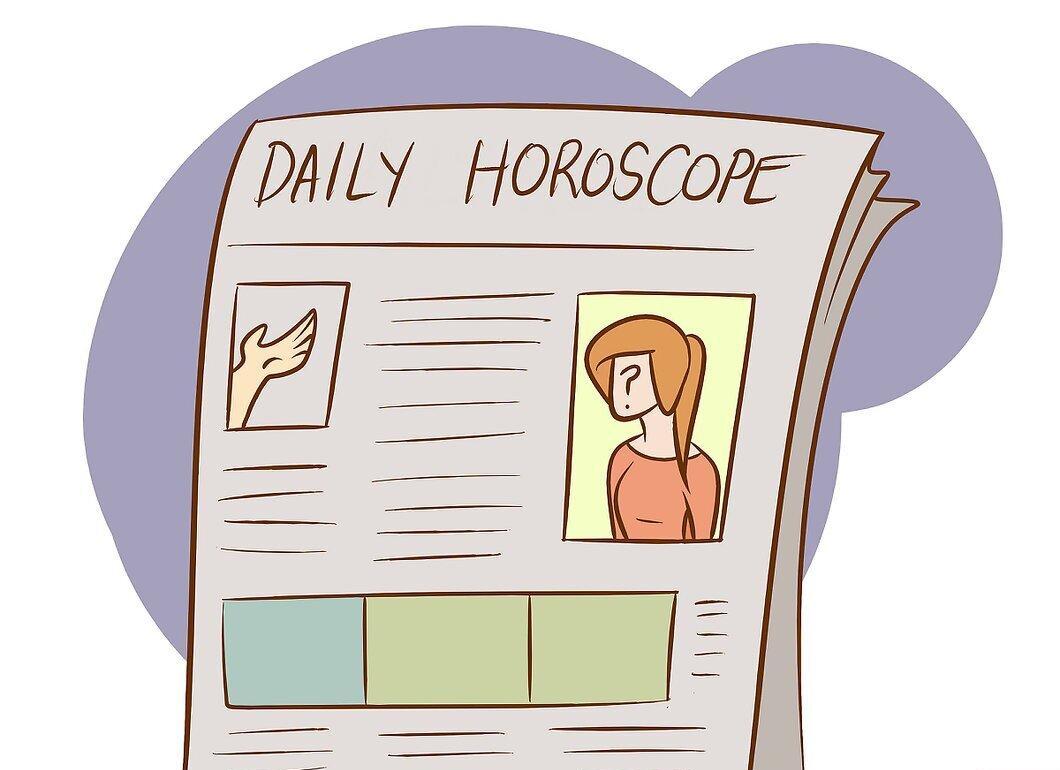
Read a daily or weekly horoscope. Compare other zodiac signs with yours. Note how often generalized statements might apply to your specific situation. Almost all daily horoscopes in magazines are poorly written or randomly generated.
Step 3. Take note of the generalizations made by those who practice or believe in astrology.
Pay attention to the generalizations made by those who practice or believe in astrology. People can interpret the same text in different ways, presenting it in a light that benefits them.
- Zodiac signs typically reflect generalizations about standard human behavior. Research the generalizations about zodiac signs and try to guess which sign your acquaintances were born under. Then compare their actual zodiac signs with your guesses. Did you get it right?
Step 4. Read about the Forer effect, named after psychologist Bertram R.
Learn about the Forer effect, named after psychologist Bertram R. Forer, who conducted research on the tendency of people to believe vaguely formulated personality profiles (which can apply to anyone), considering them accurate and specifically tailored personal traits.
Step 5. Learn more about zodiac astrology.

Familiarize yourself with zodiac astrology. The most popular form of traditional Western astrology is zodiac sign astrology or what you might find in horoscopes printed in many daily newspapers. If they were indeed truthful, such predictions would be invaluable... but historically this is not the case, as society would have utilized such predictions for personal gain.
Step 6. Analyze the following:
Analyze the following: a horoscope is an astrological prediction. This term is also used to describe the zodiacal chart after a child's birth. Zodiac signs are divided according to twelve zones in the sky; each one is named after the constellation that originally occupied that zone (Taurus, Leo, etc.). The visible positions of the Sun, Moon, and major planets all fall within the zodiac zones. Due to precession, the points of the equinoxes and solstices have shifted westward by more than 30 degrees over the last 2000 years. Thus, the zodiac constellations named in ancient times no longer correspond to the segments of the zodiac zones represented by the zodiac signs. In simple terms, if you were born at the same time and on the same day 2000 years ago, your zodiac sign would be
- In reality, there should be 13 zodiac signs, not 12. This is all due to precession, which has altered the constellations themselves based on which zodiac tables are constructed.
- The precession of the equinoxes is caused by the fact that the axes of Earth's rotation (which account for day and night) and the axis of Earth's orbit around the Sun (which determines the length of the year) are not parallel. They are tilted by 23.5 degrees off a straight line; this means that the Earth's rotation axes are tilted. This tilt is also responsible for the changing of the seasons—a fact known to Ptolemy and one that many people are still unaware of today. Ptolemy knew that the precession of Earth's rotation axes occurs slowly or moves along a
Step 7. Pay attention to the paradoxes.
Take note of the paradoxes. The situation with modern zodiac signs, as shown here, is further complicated when the reference points are the current constellations. For a more accurate determination of zodiac signs, it would be more appropriate to divide the ecliptic into thirty-degree segments, as Ptolemy did, but keep those segments focused on the star patterns. This would shift the time interval between constellations by approximately 30 days each and exclude the 13th sign Ophiuchus, but your zodiac sign in this case would still differ from your sign by traditional standards.
Step 8. Consider the similarities between astrology and racism.
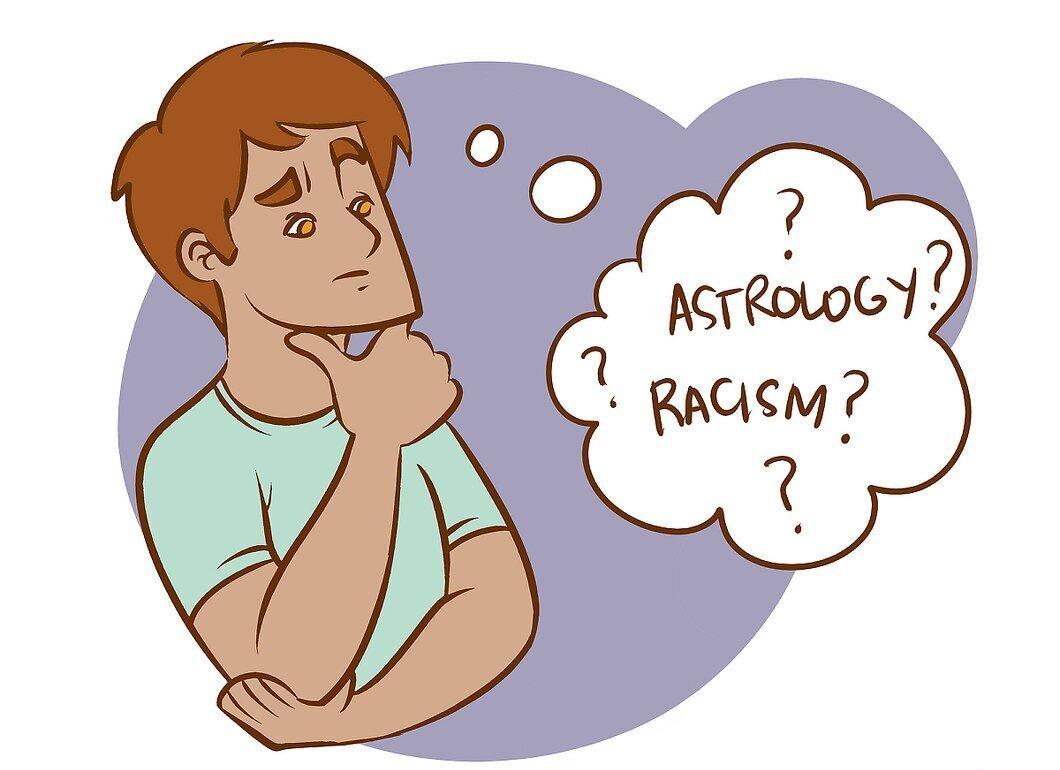
Reflect on the similarities between astrology and racism. Both phenomena operate on the principle that people's behavior depends on the circumstances of their birth, rather than tracing the dependency of behavior on who a person is. Although most astrological predictions are mere fabrications pointing to general positive traits of a person, if you believe in the introspection of a person simply because they were born in December, you may also fall for the foolish assumption that a person is lazy due to their skin color.
Step 9. Understand that phrenology, the study of the physical traits of the human skull, was only regarded as a science in the early last century when it was believed that any deviations in the human skull directly influenced personality development.
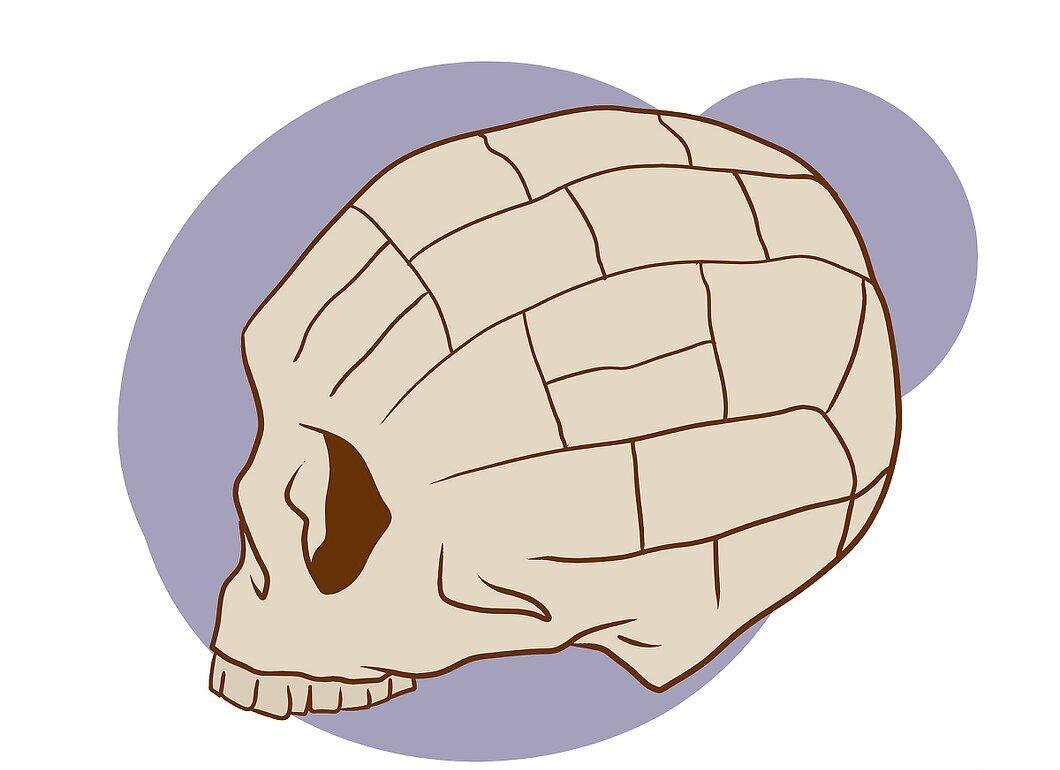
Understand that phrenology as a science (studying the physical qualities of the human skull) was only regarded as such in the early last century, when it was thought that any deviations in the human skull directly influenced personality development. At the same time, astrology cannot be labeled a science based on its inherent vague research methods.