Compacted soil significantly slows down the process of moisture reaching plant roots. It also reduces the space needed for healthy root growth, which can lead to stagnation. If you're not already grappling with poor drainage, excess moisture that can't absorb, and insufficient aeration, severe erosion might change your mind. Water that lands on the soil surface flows elsewhere because dense soil prevents it from seeping in. This article will help you address the problem of compacted soil in your garden.
Part 1
Step 1. Understand the Causes of Soil Compaction.
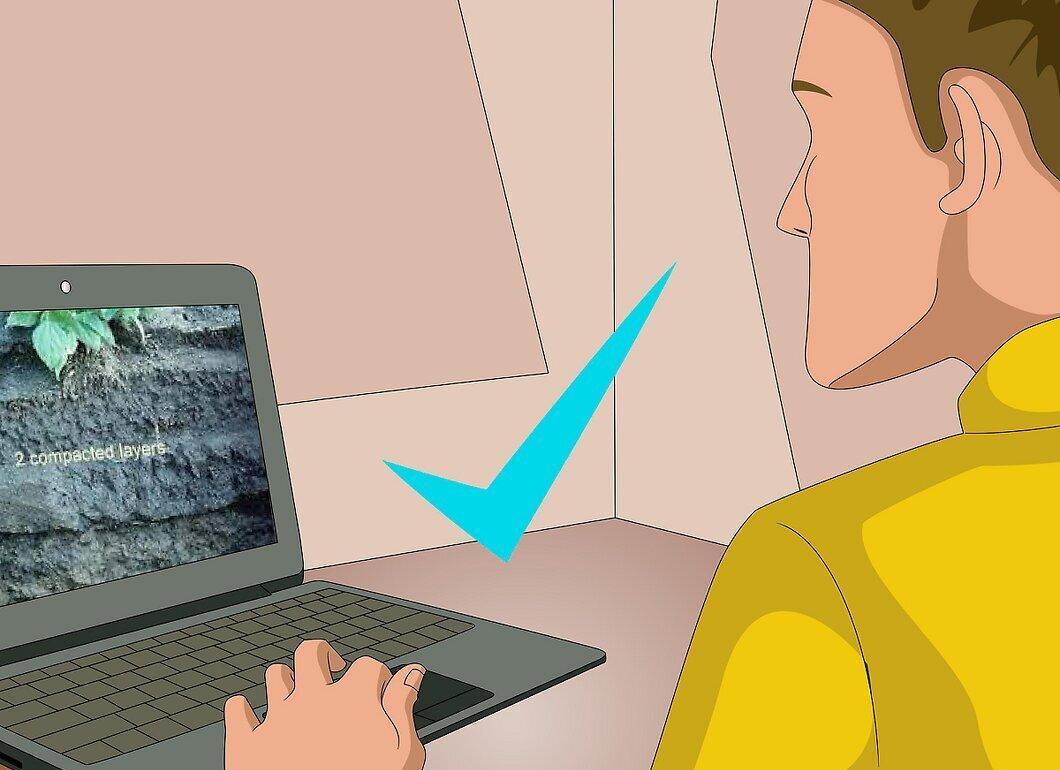
First, identify the causes of soil compaction. The primary factor is heavy traffic on the soil. This can be caused by constant movement of vehicles, people, livestock, or agricultural machinery. Improper agronomic practices, such as a lack of crop rotation or excessive fertilization, can also lead to compaction.
Step 2. Alter Traffic Routes.
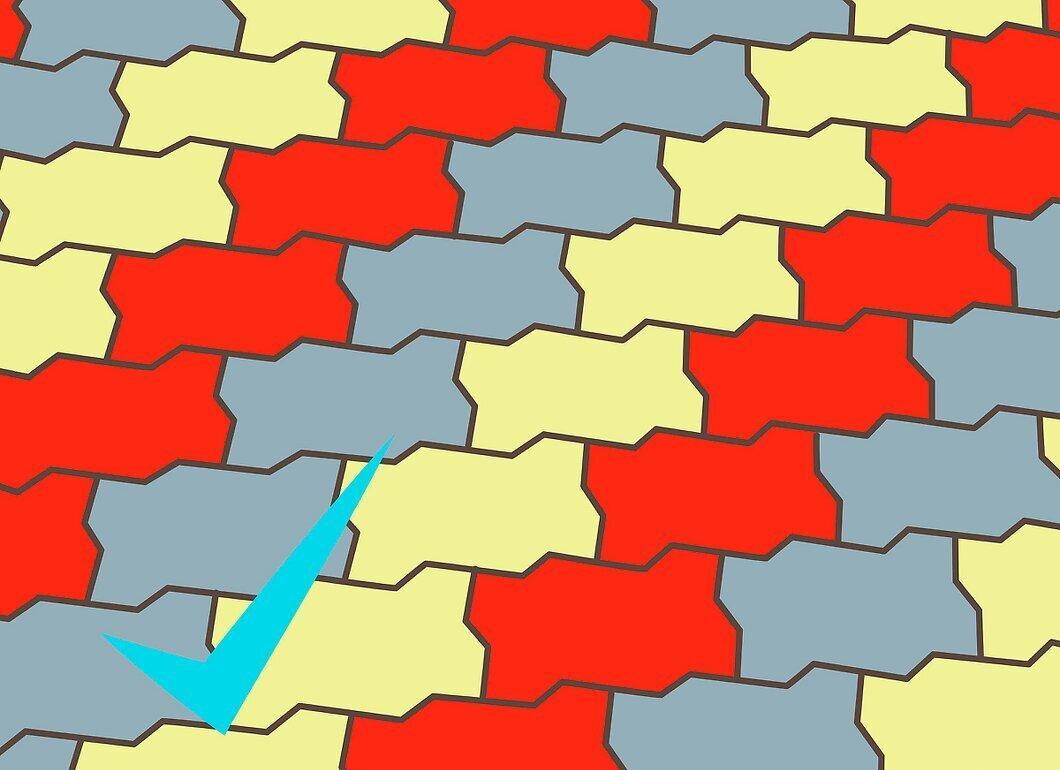
Redirect the movement of livestock, machinery, and people by choosing paths away from compacted areas. Provide alternative routes and mark off compacted zones with signs, barriers, or ropes. Give these areas time to recover. If you plan to reuse these spots, consider creating pathways or passages for livestock that minimize the area under pressure, and use stepping stones or wooden planks to limit traffic.
Step 3. Limit Cultivation.
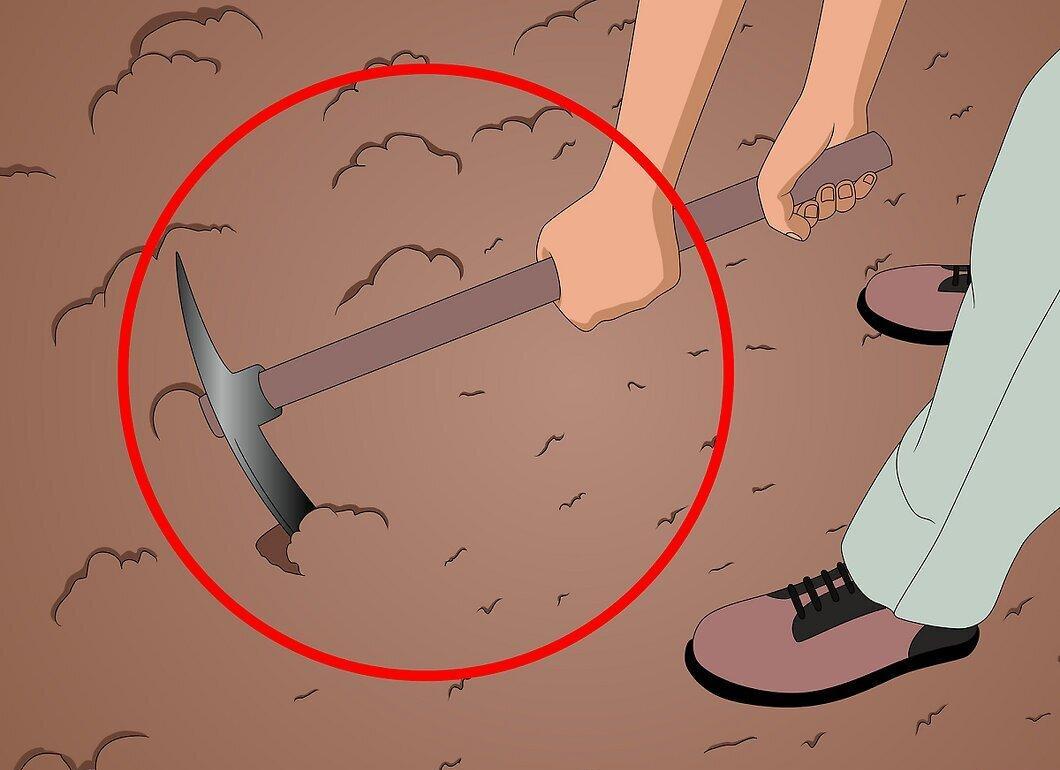
Reduce the amount of soil tillage. Avoid planting in compacted areas and let the soil rest for several seasons by using other plots during this time. Additionally, avoid working with overly wet soil, as this can quickly break down its structure and prevent recovery.
Step 4. Loosen Hard Layers.
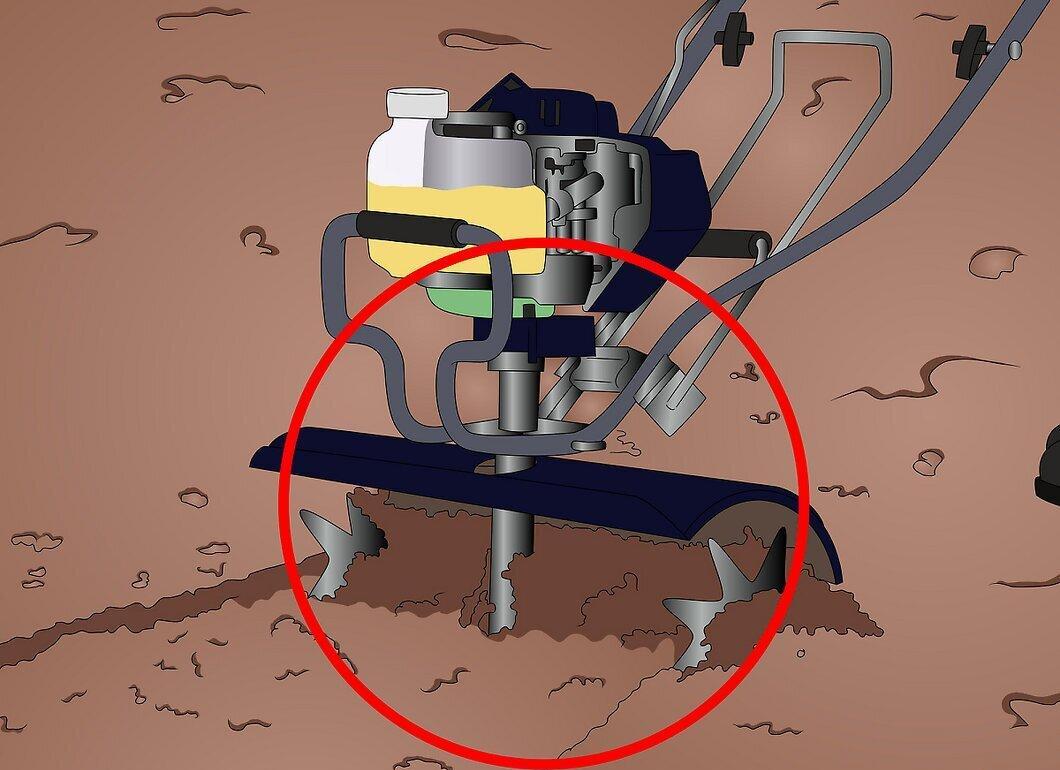
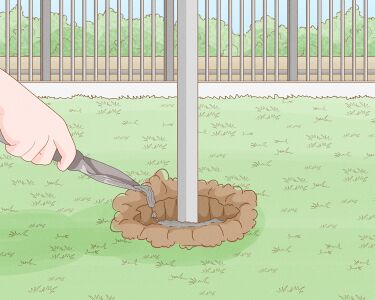
Break up hard layers of soil. You can manually loosen the upper hard layer with tools or machines. This is a labor-intensive process, but it will allow the soil to "breathe" again. Try using forks, shovels, or rotary tillers. You can also use plants with robust root systems, but be cautious that they don't become a problem themselves.
Step 5. Improve Soil Structure.
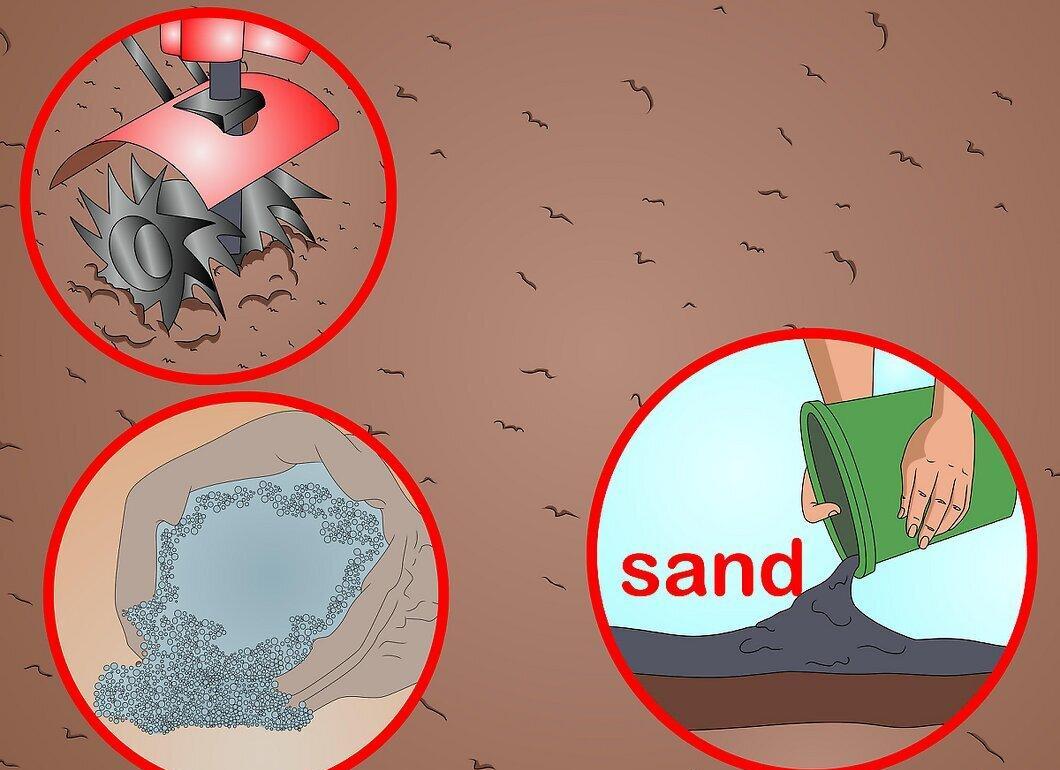
Enhance the soil. There are many commercial products available to assist you with this. It's best to consult with staff at your local nursery or gardening experts to choose the right amendment that suits your needs and site characteristics. The main goal of an amendment is to restore the connection between soil particles, which helps maintain its structure and prevent compaction.