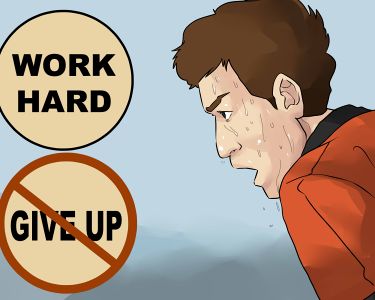
Want to boost your endurance and extend your runs? You can start taking the first steps right now! Begin by adding a few minutes to your daily training while pushing through fatigue. If you also want to increase your speed, try sprinting short distances and incorporating plyometrics. By alternating stretching and fast muscle contractions, athletes enhance their explosive power and strengthen their bodies. Read on for tips on how these methods can enhance your running performance.
Increasing Duration
Step 1. Check Your Fitness Level.

Before increasing your distance, ensure that your fitness level is adequate. Focus on perfecting the basics; while poor technique may be overlooked in shorter distances, it becomes critical as you increase your mileage.
- Find a comfortable stride length and swing your arms while moving.
- Keep your upper body relaxed, avoiding tension.
- Breathe in through your nose and out through your mouth.
- Ensure your shoes are designed for running and fit comfortably.
Step 2. Time Your Runs.

Before extending your running duration, find out how long you currently run. Grab a stopwatch to time your next run. You’ll be adding time gradually, but it's essential to know your starting point.
- Aim to run your maximum distance. Try to keep going even when fatigue sets in and your legs start to ache. Most people aren’t aware of their endurance limits, and pushing through discomfort is key to increasing distance. Be prepared to endure some discomfort if you want to run longer.
- Consider setting goals based on your initial time. For example, if you can run for 15 minutes, aim for a 30-minute run; if you start at 30 minutes, strive for a 1-hour run.
Step 3. Increase Running Duration by 5-10 Minutes Each Week.
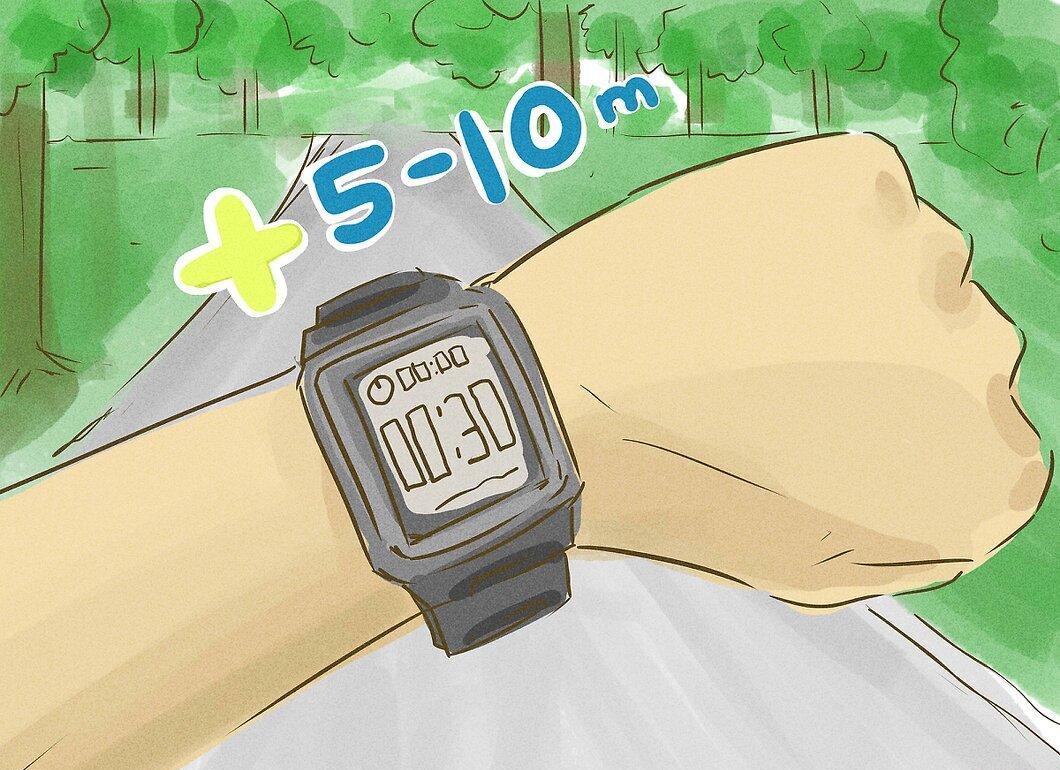
Gradually increase your running time each week by 5-10 minutes. Although this may seem small, it allows your body to build strength quickly (of course, much depends on your initial fitness level). It’s better to increase your running duration steadily and progressively than to impose a sudden heavy load. Rushing can strain your muscles, preventing effective development. Stick to your plan and increase your running time, even when you have to push through fatigue—this is how endurance grows.
- If your current run is under 30 minutes, start adding 5 minutes weekly until you reach the half-hour mark.
- If your initial time exceeds 30 minutes, you can add up to 10 minutes each week until you hit your target.
Step 4. Don’t Worry About Your Pace.

You can work on speed later; right now, focus on increasing your running duration. Find a comfortable pace that allows you to hold a conversation while running. Aim for a pace that you can maintain indefinitely. Trying to increase both duration and speed simultaneously may lead to burnout. If speed is also important, first increase your running duration to the desired level, run at that pace for a while, and only then work on speed.
Step 5. Fuel Your Body.

To endure long runs, you need to provide your body with essential nutrients and maintain hydration. What you eat and drink before a run affects its quality. You won't last long on a full stomach, but it's vital to give your body enough energy and fluids (this is crucial!).
- Your body needs fuel for running, but don’t load up on carbs right before a run. This can even hinder your performance. Unless you're running a marathon, a carb boost is typically unnecessary for completing a run successfully.
- About an hour before your workout, have a handful of almonds, a banana, or half a bagel with peanut butter. This will provide enough energy without weighing you down.
- Drink plain water. Avoid sports drinks for hydration—your body can perform effectively without added sugars. Plus, excess calories can lead to weight gain.
Step 6. Stick to a Training Plan.

Develop a plan for increasing your endurance and stick to it week after week. Missing several weeks of training can set you back, requiring you to catch up. But don't worry if a long break is due to life circumstances. The key is to return to training and build your results when the situation stabilizes. Like everything in life, fitness follows a wave pattern. There will be times of 'peak performance' and also 'not-so-great form'—that's just how it goes.
Step 7. Don’t Overdo It.

Avoid pushing too hard. Trying to jump ahead by an extra 10 minutes can backfire. Your body adapts and builds strength gradually, and a sudden increase in intensity can deplete your resources rather than enhance muscle mass and endurance. Thus, a gradual increase in workload is much more effective in the long run.
- Remember to schedule rest days. Don’t run every day; take 1-2 days off each week to allow damaged muscles to recover.
- On non-running days, you can still engage in other forms of exercise. Consider swimming, walking, or cycling.
Building Endurance
Step 1. Walk When Necessary.

Switch to walking if needed. As you work on your endurance, everyone may experience discomfort when increasing running duration. If you feel you can’t take another step, slow down and walk. Keep moving until you feel ready to run again, then switch back to running. Continue this pattern until your scheduled training time is up.
- The run/walk strategy is particularly effective for beginner runners. Aim to increase your running time while decreasing walking time each session, and one day you’ll run the entire distance.
Step 2. Practice Sprint Intervals.

Incorporate sprint intervals into your routine. Training with short bursts of intensity increases your body's maximum oxygen uptake. This measure, known as VO2 max, is a standard indicator of aerobic fitness. Running at a steady pace builds your endurance for the same slow pace. Consider adding 2-3 sessions per week using the following structure for about six weeks:
- Complete warm-up. Sprinting puts immense pressure on your muscles, and proper warm-up minimizes the risk of injury.
- 30-second sprint at 50% max effort. Rest for 2 minutes.
- 30-second sprint at 80% max effort. Rest for 2 minutes.
- 30-second sprint at 100% max effort. Rest for 2 minutes.
- Repeat from the start until you reach a total of 8 sprints (adjust based on your fitness level).
Step 3. Include Plyometrics.
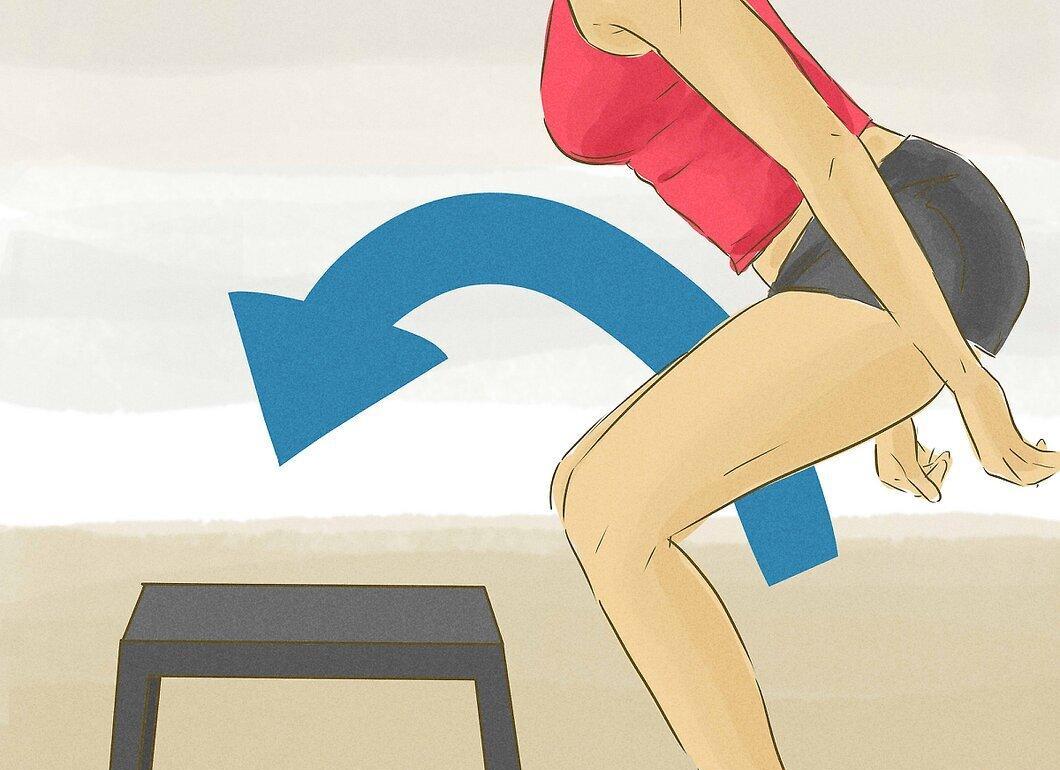
Incorporate plyometrics. Many athletes have improved their endurance through high-knee running drills, soldier-style marching, and other intense exercises. Plyometrics allow athletes to run longer and faster. This practice helps build core muscles and keep the entire body toned. You can follow an individualized program with a trainer at the gym, aiming for 2-3 sessions per week. If that’s not feasible, try the following alternative routine:
- Run 20 meters, taking the shortest and fastest strides possible. Repeat 6 times.
- Do each of the following exercises for up to 5 minutes: single-leg hops, jump rope, and high-knee jumps.
Step 4. Alternate Heavy Days with Light Workouts.

Alternate heavy days with lighter workouts. This strategy is used by marathoners to increase distance weekly. During the week, complete 2-3 intensive workouts with greater exertion. On Sundays, run your longest distance at a comfortable, conversational pace. Over time, you’ll find that these long runs feel more enjoyable than shorter, intense sessions, even though you’re covering more distance and running longer.
Step 5. Try Varying Pace Runs.

Experiment with runs at varying paces. This workout begins with 15 minutes at an easy pace, followed by 20 minutes at a faster yet comfortable pace (not a sprint), and then another 15 minutes running at a relaxed pace. Include 1-2 varying pace sessions in your plan, and you’ll raise your lactate threshold (the point at which you start to feel fatigue during a specific pace).
Step 6. Focus on Your Training or Something Else.

Focus on your training or distract yourself. Try listening to an MP3 player while running to take your mind off the fatigue. Alternatively, some prefer silence to clear their minds and concentrate solely on running. Ultimately, choose the approach that helps you 'forget' about fatigue while pushing through more kilometers and building endurance.