Electromagnetic fields can disrupt the functioning of hard drives, gaming consoles, CRT TVs, and computer monitors. Speakers also generate electromagnetic fields, so it's sometimes necessary to position them away from devices that could be affected. Here are some tips to help you create a barrier between the electromagnetic radiation from your speakers and surrounding components.
Adjusting Distance
Step 1: Check if your speakers are already shielded.
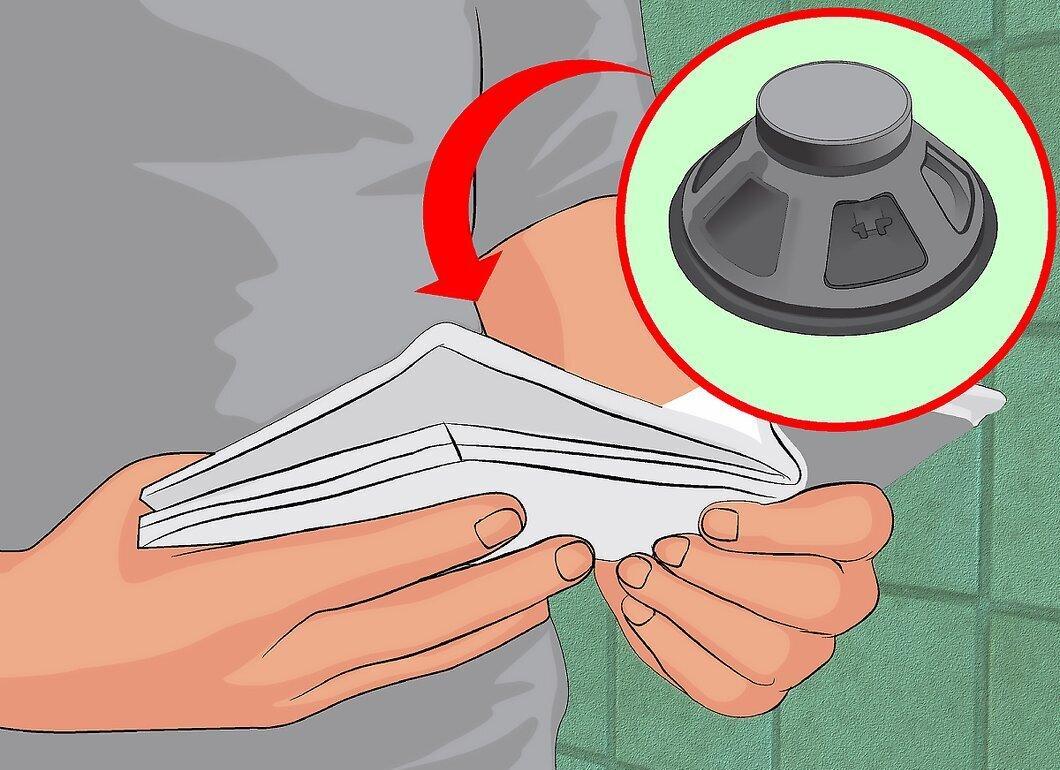
Check if your speakers are already shielded. Many new models, especially those designed for use with computers or home theaters, come with built-in shielding. Speakers with larger enclosures (like guitar amplifiers) typically have unshielded magnets.
- You can find information about your speakers in the user manual. There should be a label on the back of the speakers or subwoofer with small print. Sometimes, it indicates whether the device can create unacceptable interference.
- If you're unsure, consider using an electromagnetic field detector. This inexpensive tool can help you check for damage to any existing shielding.
- If you're curious, there's no need to shield the speaker wires.
Step 2: Position your speakers at least one meter away from sensitive equipment.
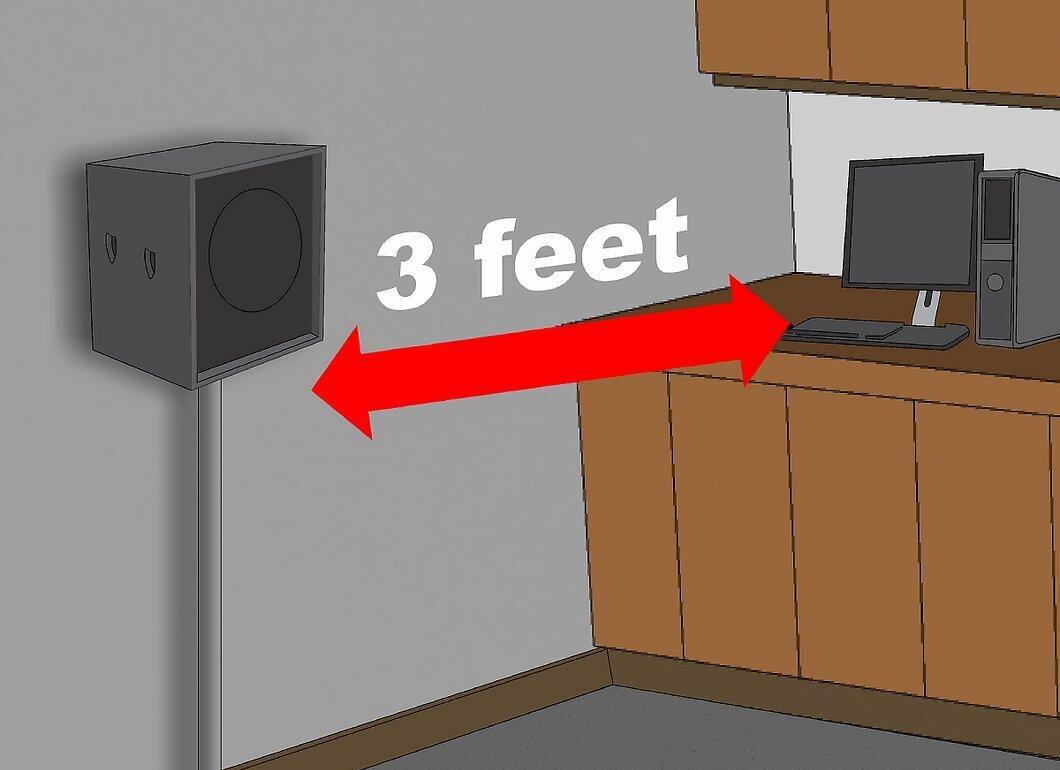
Position your speakers at least one meter away from sensitive equipment. Consider this a safe distance for electromagnetic interference.
- Remember that vibrations from high volume levels can damage sensitive components (like hard drives). Additionally, as the volume increases, so does the electromagnetic radiation. If you frequently crank up the volume, you may need to increase the distance.
Using Metal Shielding
Step 1: Open the back of the speaker enclosure and locate the magnet.
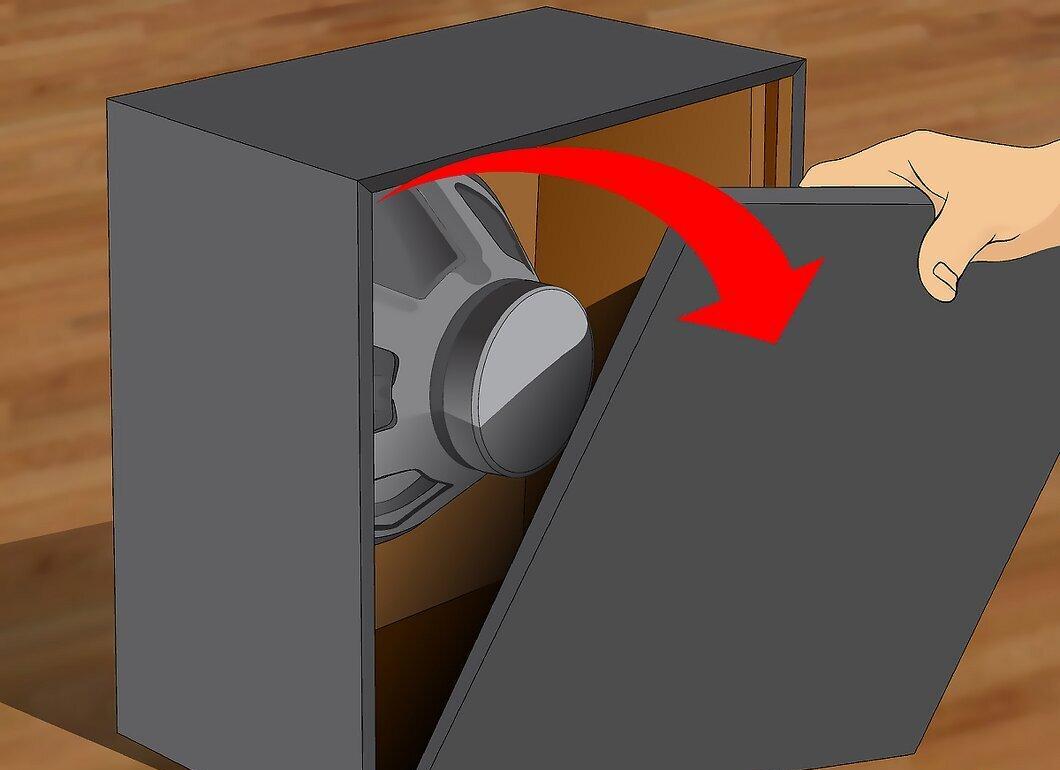
Open the back of the speaker enclosure and locate the magnet. It resembles a donut and is positioned directly at the back of the speaker.
Step 2: Measure the size and shape of the magnet.
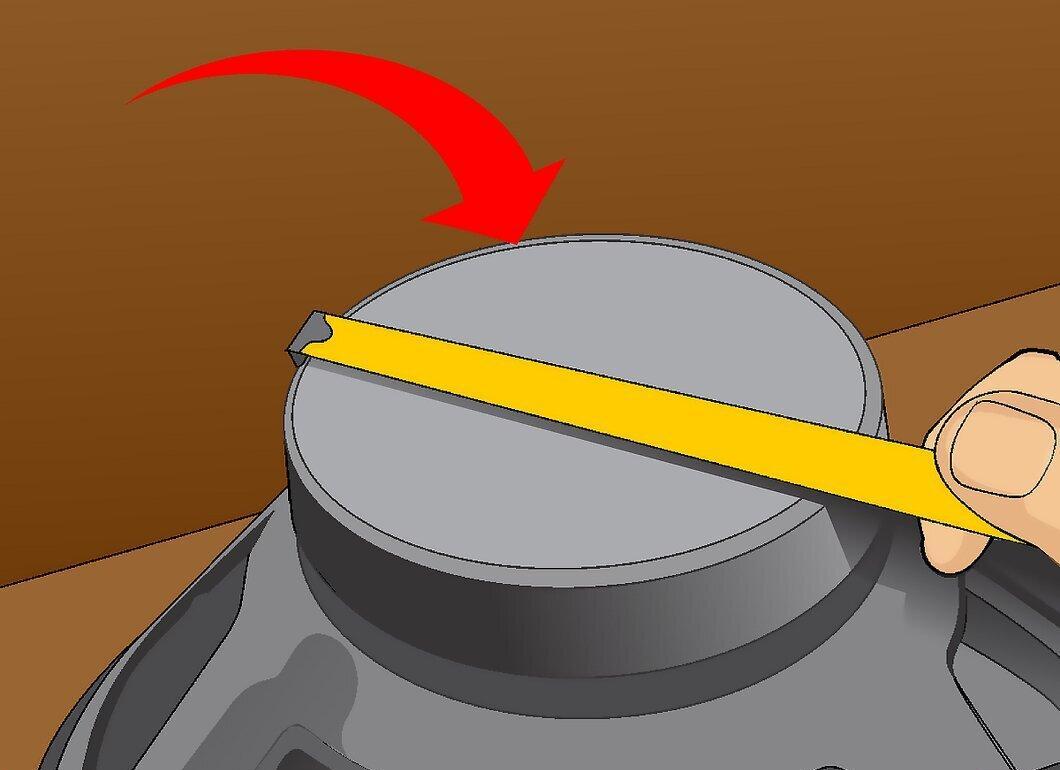
Measure the size and shape of the magnet. You'll need this information when choosing shielding material.
Step 3: Purchase shielding material.
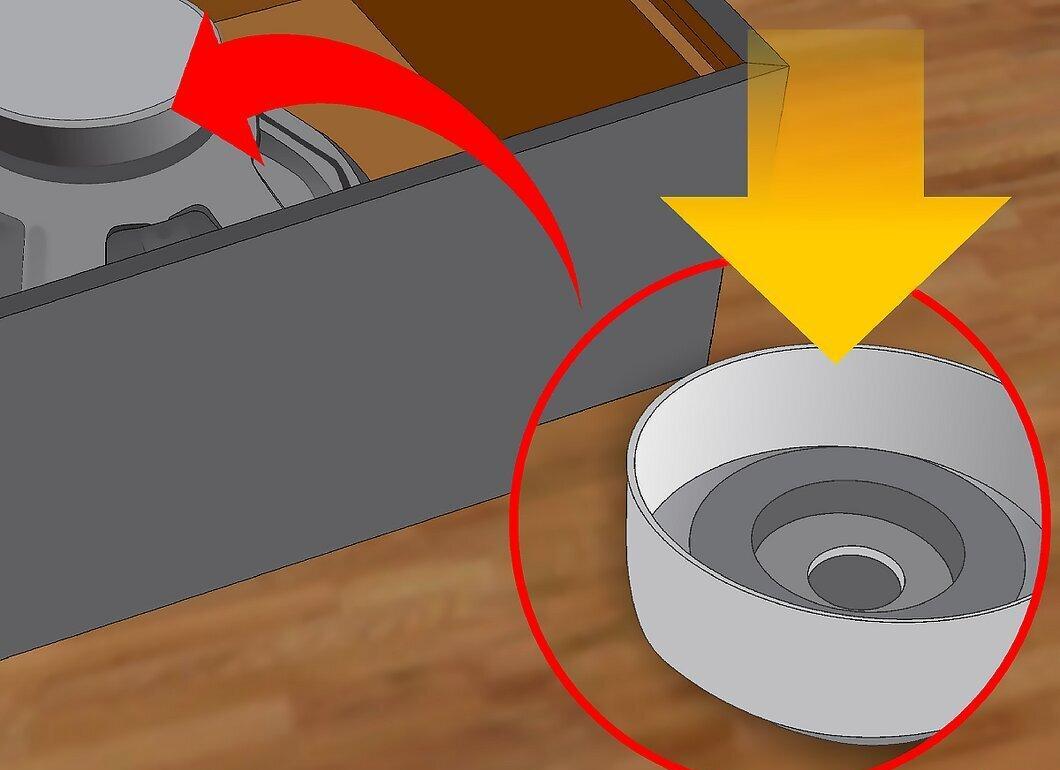
Purchase shielding material. This can be any magnetic metal large enough to cover the back of the magnet.
- First, look for readily available materials. Steel products, such as duct pipe caps or steel junction boxes, are good options and can usually be found at a hardware store.
- You can also purchase specialized products designed for shielding speaker magnets. These are thick enough to shield the magnet and can be cut to the desired shape with scissors.
Step 4: Secure the shielding in place.
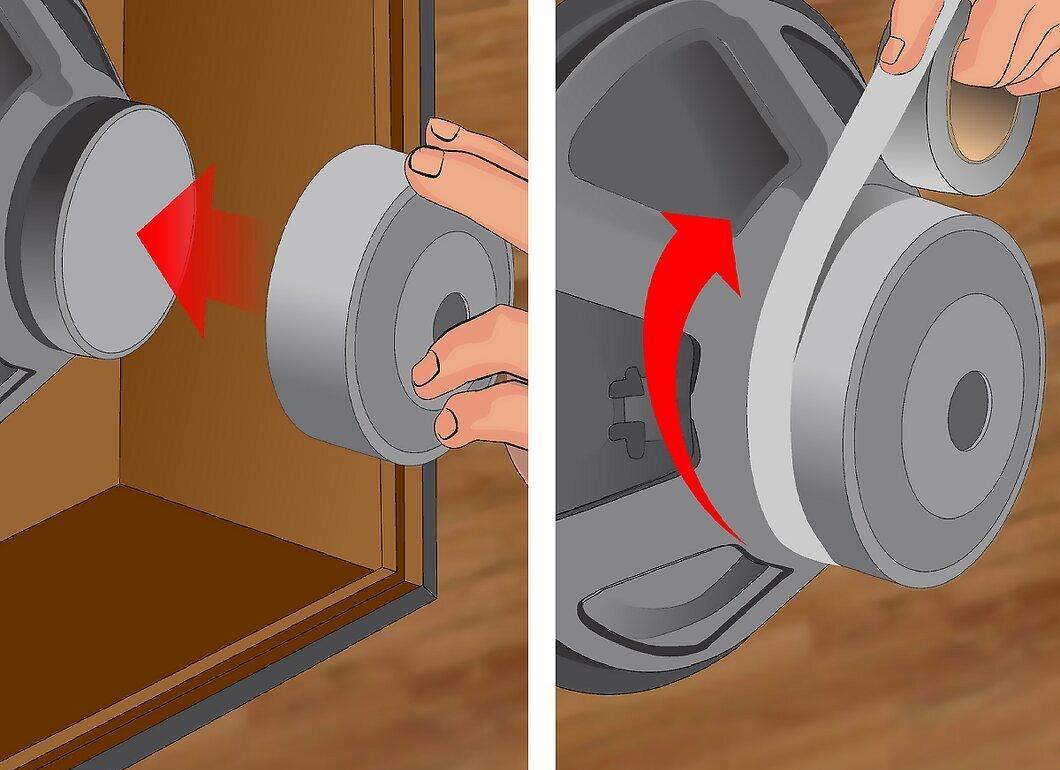
Secure the shielding in place. To attach the shielding to the speaker, use adhesive tape.