Living an active lifestyle is incredibly beneficial for your health, yet many people view physical activity as a boring obligation and routine. Change your perspective and choose an active lifestyle that suits you. To be active, all you need to do is find activities you enjoy, set achievable goals, and identify the right sources of motivation. Master this task, and an active lifestyle will be guaranteed.
First Steps
Step 1: Start Walking
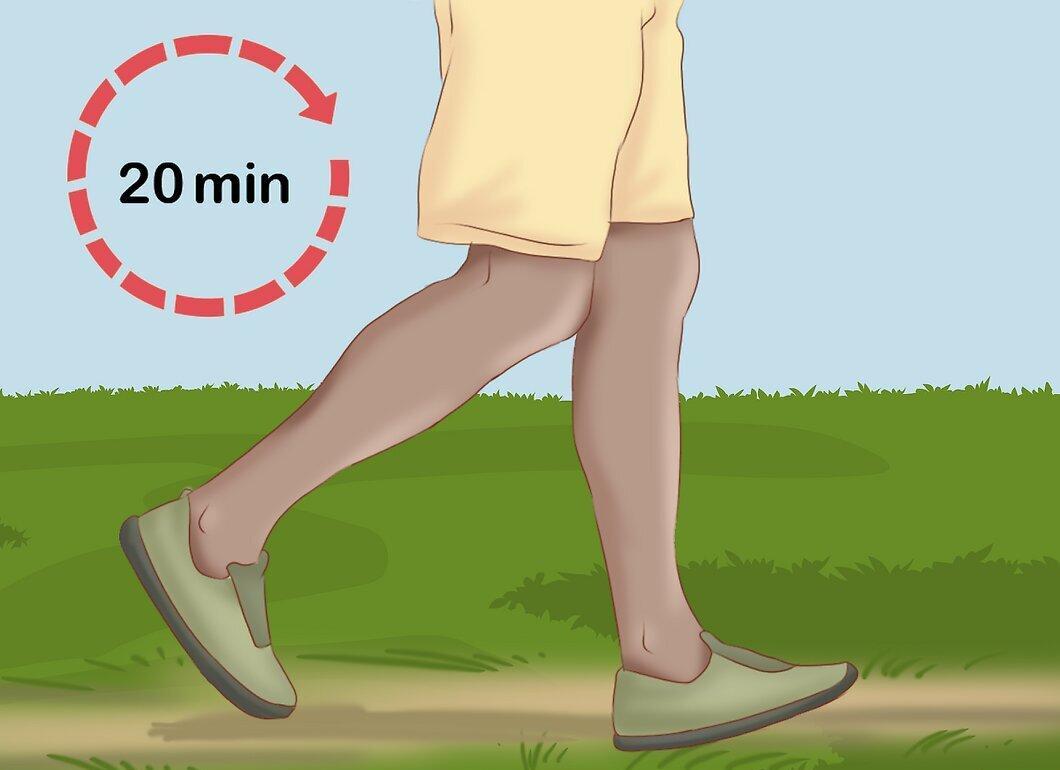
Start walking. An active lifestyle doesn't mean you need to immediately run a half-marathon or lift weights at the gym. Don’t be intimidated by gym equipment or jargon, spend money on expensive memberships, or tie yourself down with numerous commitments. Just start moving at your own pace and learn to enjoy it.
- Begin by walking for 15-20 minutes a day, about 2-3 kilometers in your neighborhood. Walk at a comfortable pace, but fast enough to work up a slight sweat. You should feel comfortable. Regular walks will prepare you for more intense workouts.[2] X Trusted Source Centers for Disease Control and Prevention
- Try to walk more when commuting to work or school. Take different routes for variety.
- If you find it boring, listen to music or audiobooks or chat on the phone. Keep your active lifestyle and occupy yourself with engaging activities.
Step 2: Work While Standing
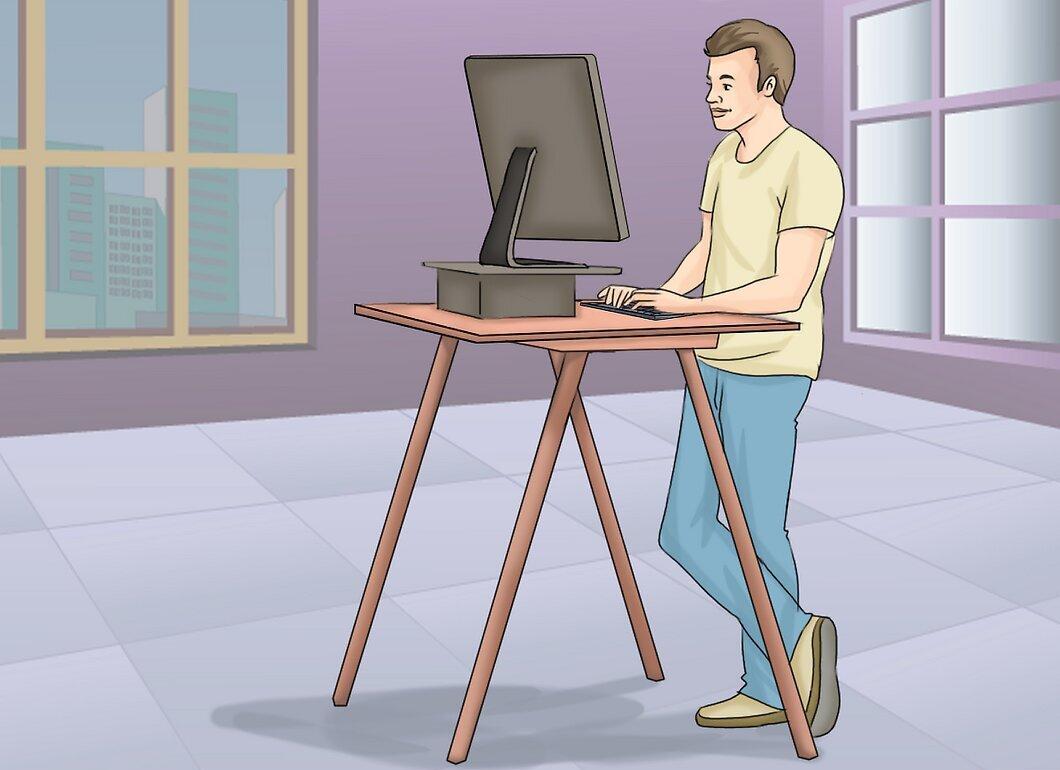
Work while standing. Recent studies show that prolonged sitting can worsen overall health and shorten lifespan. If you spend most of your day sitting, try using a standing desk or just get up more often. If sitting isn’t necessary, spend more time on your feet, and soon you’ll notice you have more energy at the end of the day and feel better overall.
- Some companies today provide standing desks or treadmill desks. If you have an old treadmill gathering dust in your basement and work from home, set up an improvised desk where you can work while walking at a comfortable pace.
Step 3: Exercise While Watching TV
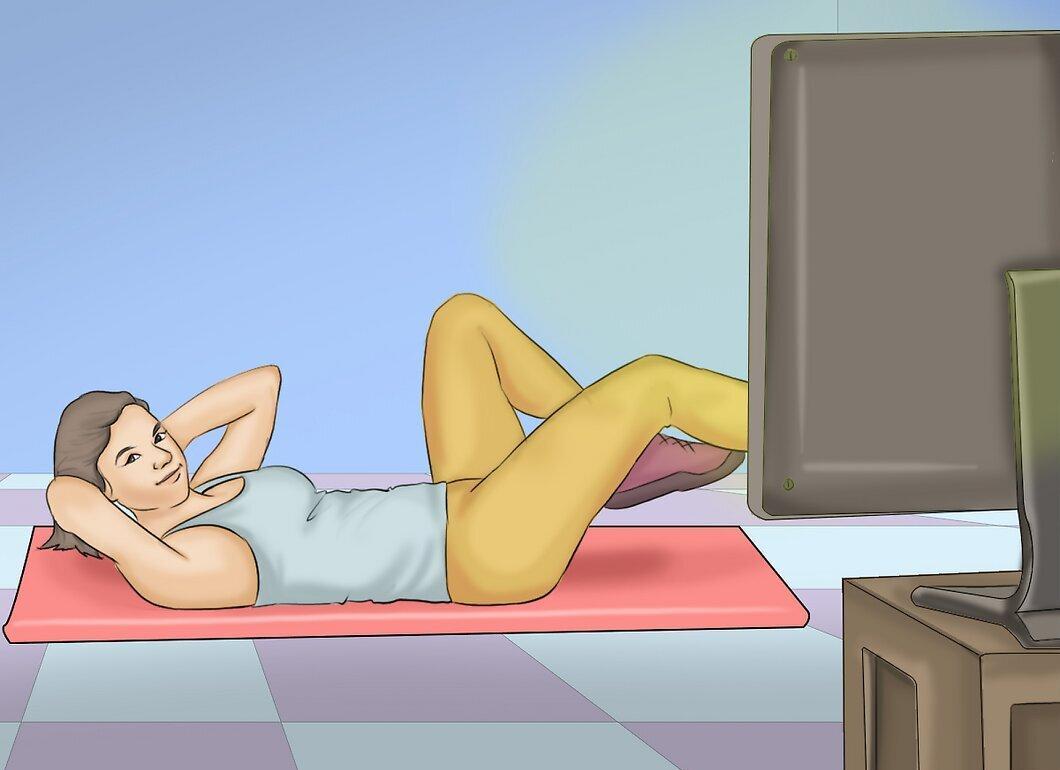
Exercise while watching TV. Many people love to relax in front of the TV in the evenings, making it hard for workouts to compete with such entertainment. The good news is that they don’t have to! Simple changes to your routine can turn your Game of Thrones binge-watching into a motivation to exercise:
- Get off the couch and stand while watching TV. Start doing squats and lunges, stretch, and lift your legs. Even alternating between sitting and standing counts as exercise.
- Set a goal to perform a certain number of push-ups or squats during commercial breaks.
- Bring a stationary bike or another piece of equipment into the room to use while watching TV.
Step 4: Start with Small Workouts
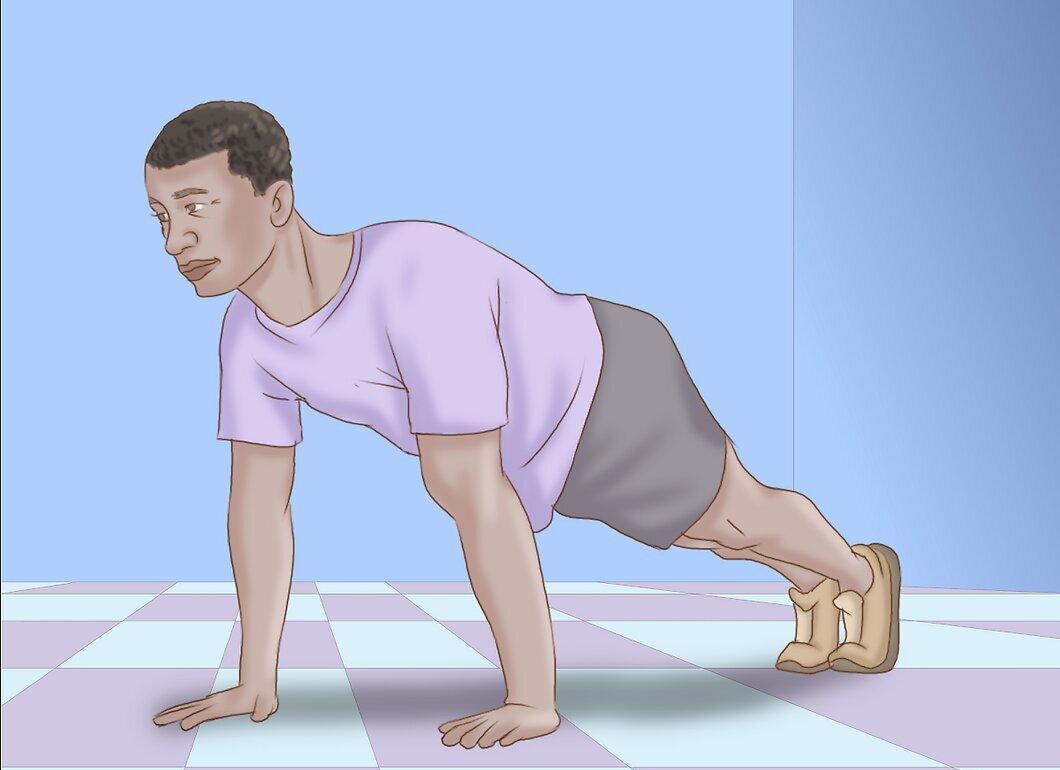
Start with small workouts. There’s no need to push yourself to the limit right away. Choose a manageable workout routine, whether it’s 30 minutes of walking in place or 20 push-ups. A realistic and comfortable approach that you can repeat several times will help develop good habits and build up your fitness for more intense exercises.
- Take short breaks between sets to stretch your muscles. Besides relaxing and warming up your muscles, stretching helps prevent soreness, which can deter many beginners from continuing. If you play basketball for the first time in years, you’ll likely be sore the next day, making you less eager to play again soon. Stretching can help ease delayed muscle soreness.[5] X Trusted Source American Heart Association
Step 5: Start with 20-Minute Sessions
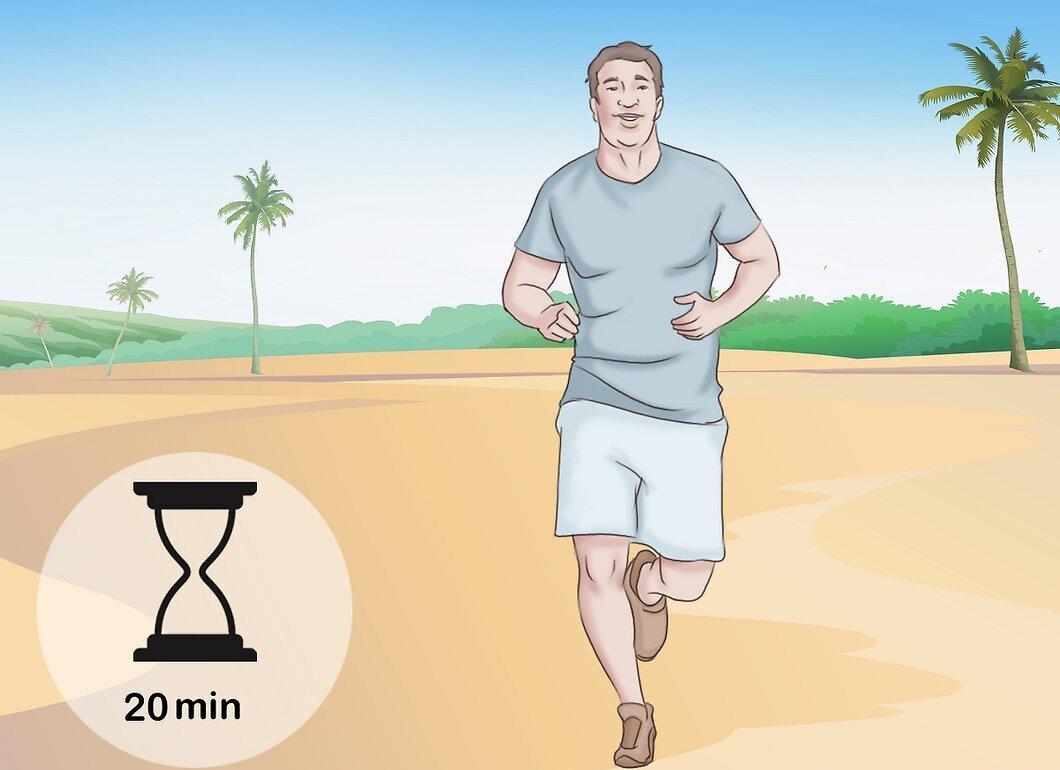
Start with 20-minute sessions. Don’t rush to overload yourself. A great way to begin living a more active lifestyle is to perform new exercises for no longer than 20 minutes a day. Overdoing it will not provide any benefits, and results from workouts will become noticeable over time.
Step 6: Stay Active Every Day
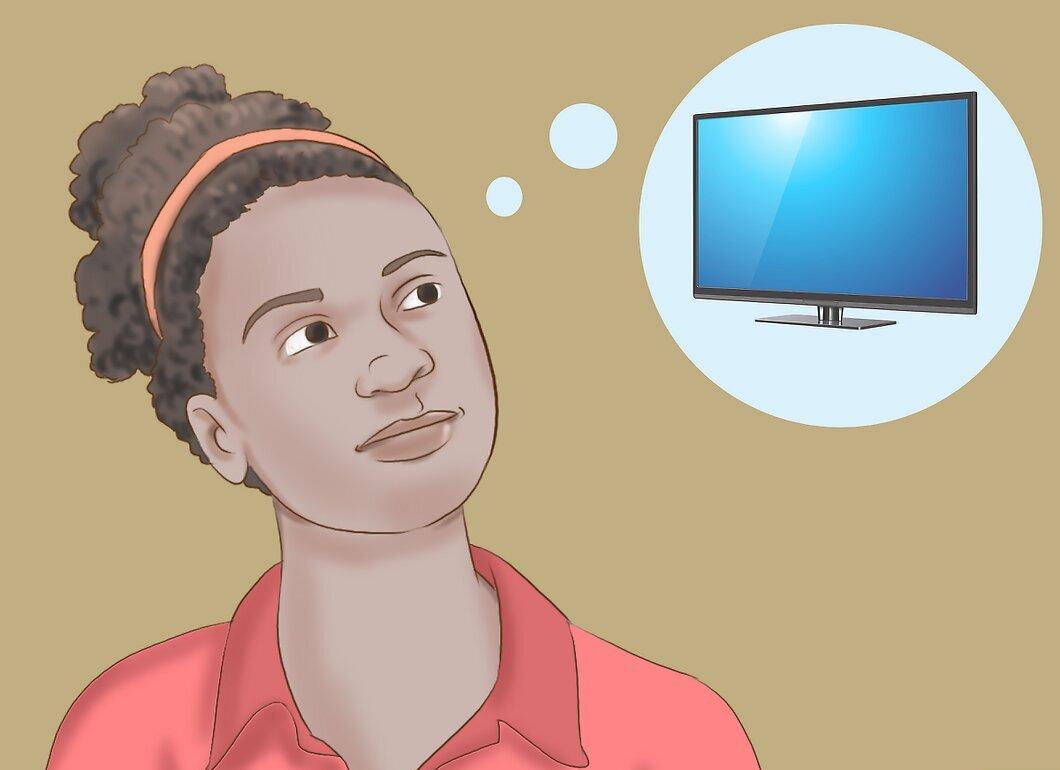
Stay active every day. Choose a convenient time or identify a period when you’re free or watching TV to replace passive activities with active ones or to supplement entertainment with physical activity.
- Lack of time is one of the most common excuses. If you find a couple of hours every evening to watch TV or browse the internet, then setting aside 20 minutes should be easy and will not deprive you of deserved rest at the end of the day, while allowing you to live a more active lifestyle.
Step 7: Notice the Benefits
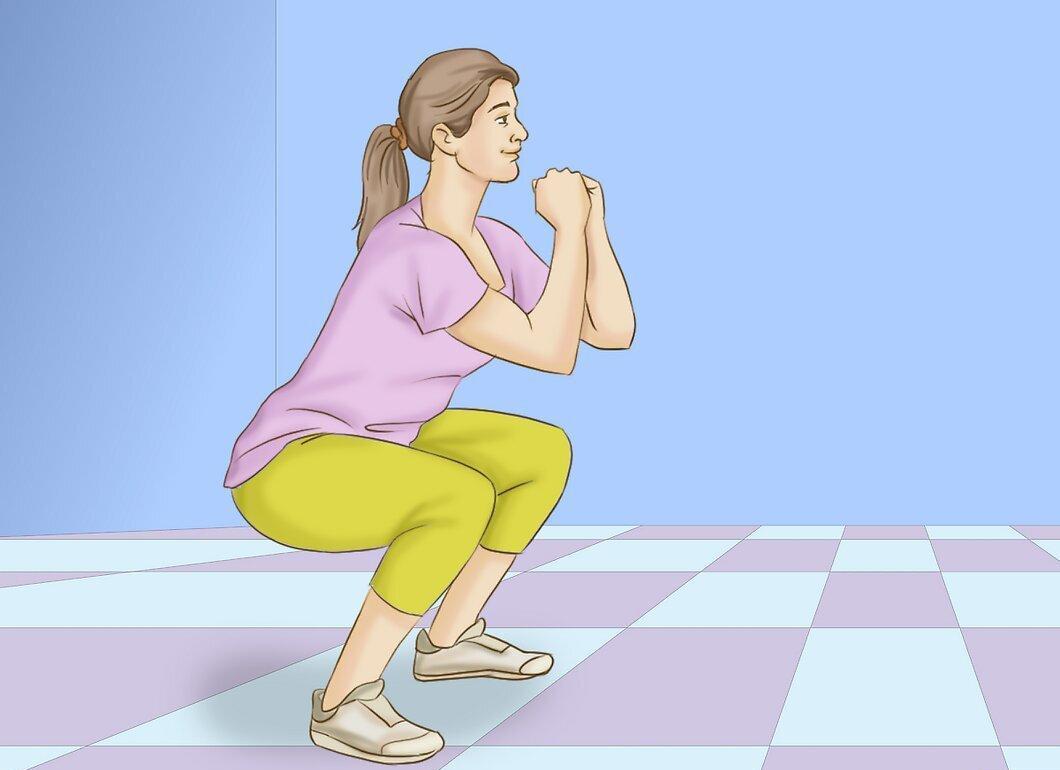
Notice the benefits. Start noticing the improvements that exercising brings you to solidify your new habit. Even in the short term, working out can enhance your mood and sleep quality. In the long term, an active lifestyle leads to increased endurance and overall vitality. Keep these benefits in mind. If exercising isn’t bringing you joy, change your schedule or the types of exercises until you find the right routine. Staying fit is a long-term project that takes time to find the right approach.
Finding Suitable Activities
Step 1: Join an Amateur Team
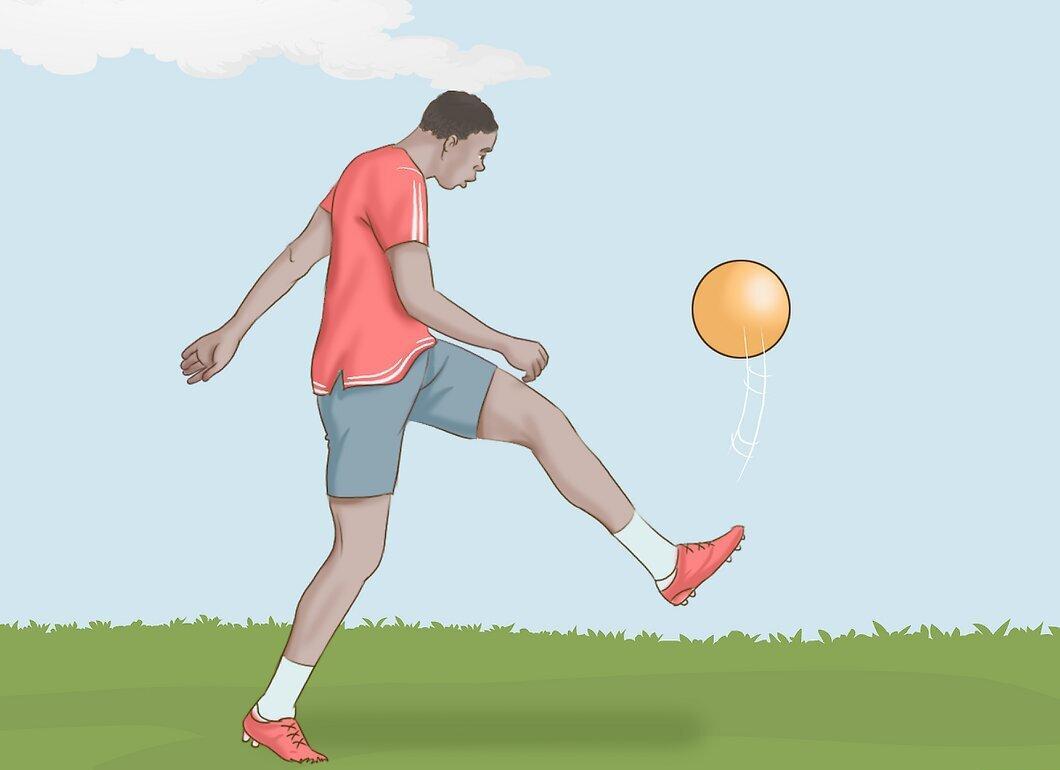
Join an amateur team. If you love games, consider putting down the gaming console and finding outdoor entertainment. You don’t need to be a professional to play in the park with friends or in an amateur league if you enjoy team sports. This will allow you to move more and have fun in a competitive atmosphere with like-minded individuals. If traditional sports aren’t your thing but you want to lead an active lifestyle:
- Traditional team sports: basketball;
- handball;
- soccer;
- volleyball;
- tennis;
- frisbee or disc golf;
- kickball;
- flag football;
- parkour;
- capture the flag;
- paintball.
Step 2: Hike in the Woods and Enjoy Nature
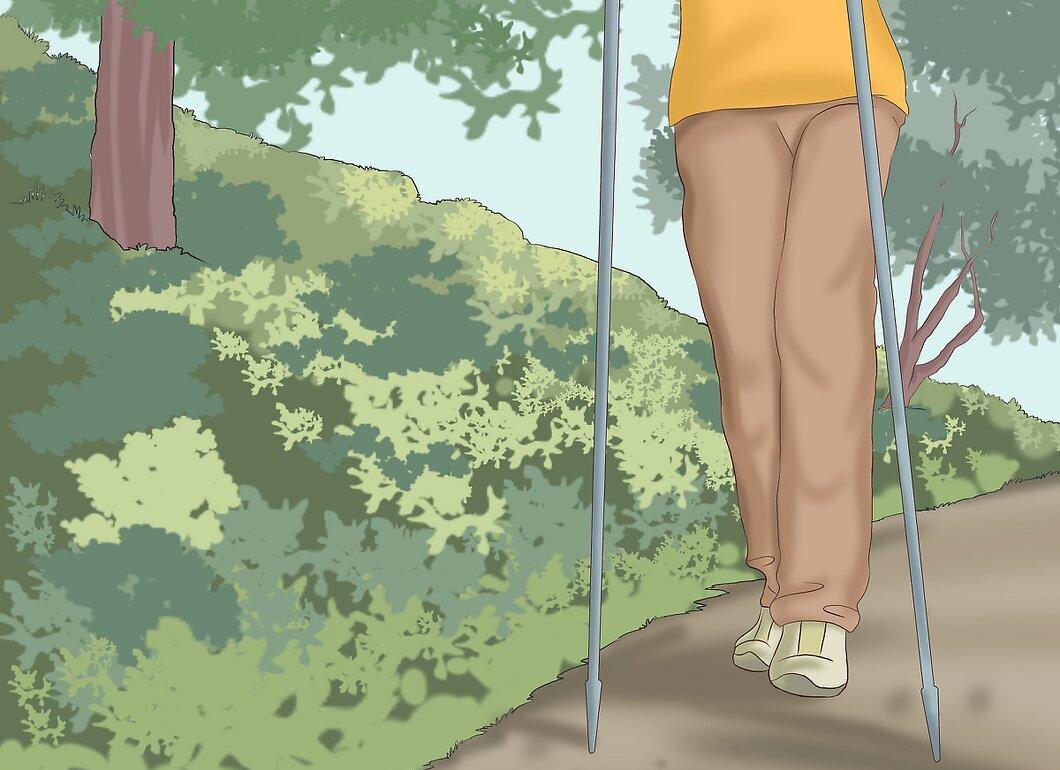
Hike in the woods and enjoy nature. If team sports aren’t for you and you prefer the sounds of nature, consider hiking. Reflect on your life in solitude and walk as long as you can. Explore interesting places in your area or visit nature reserves and national parks to enjoy the beauty of nature. Such walks are one of the most affordable and beneficial ways to lead an active lifestyle and appreciate the beauty of the world around you.
Step 3: Sign Up for Classes
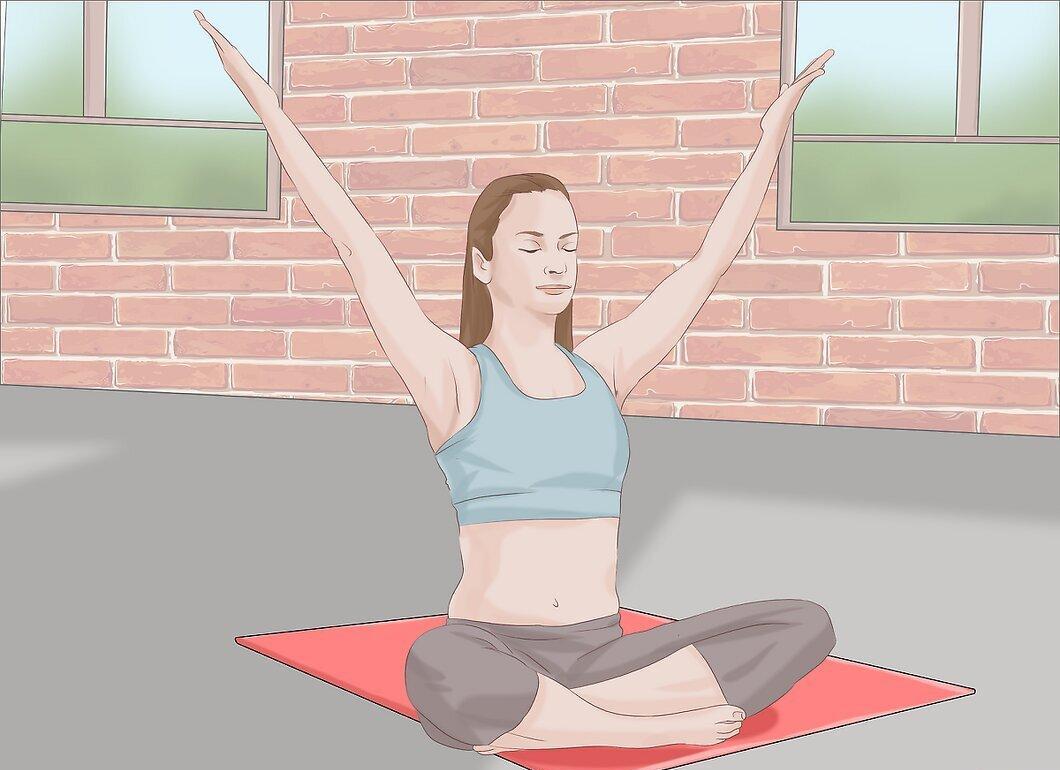
Sign up for classes. If you have trouble sticking to a routine or want to work under an instructor's supervision, enroll in regular aerobics classes that will get you moving in an organized setting. Meeting new people in a public space will motivate you and allow you not to worry about your appearance. After all, it’s just a group of strangers. The differences between classes aren’t too drastic, and the workouts aren’t too complex:
- Aerobics – energetic aerobic exercises;
- Zumba – fun and energetic dance aerobics set to music.
- Yoga – an ancient combination of complex poses and exercises that develop strength and flexibility.
- Pilates – a combination of core-strengthening exercises and aerobic workouts from yoga.
- If you decide to get a gym membership, take advantage of the pool and gym equipment to work out on top-notch machines away from home. It’s fun!
Step 4: Transition from Walking to Jogging
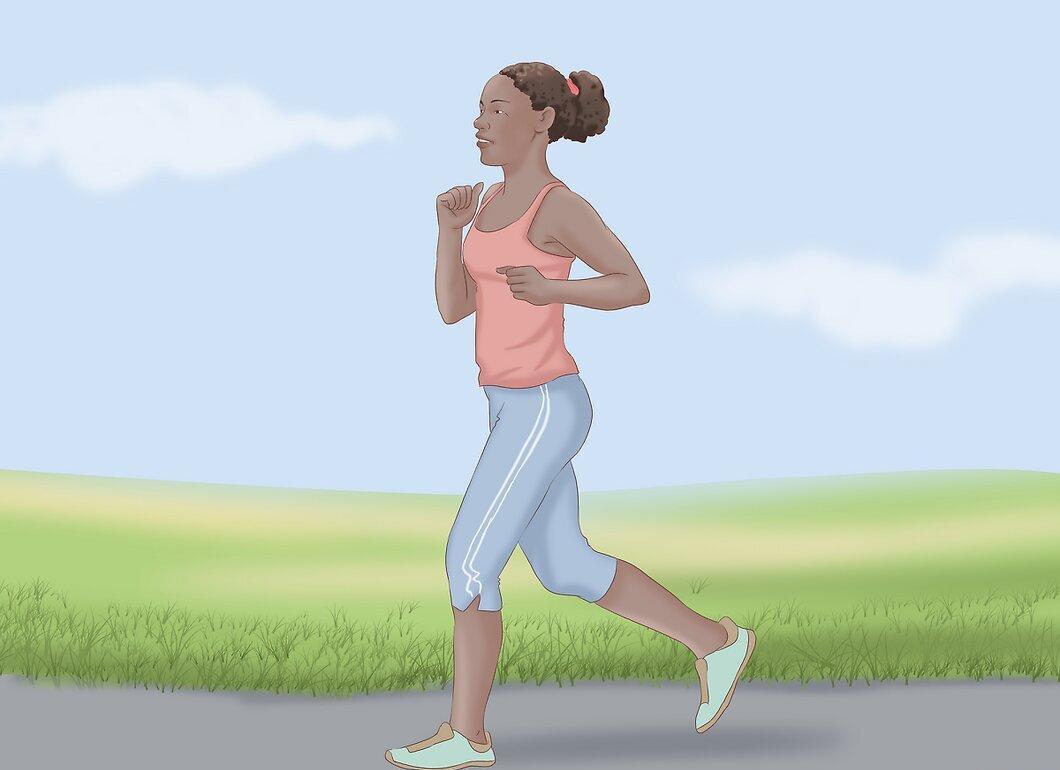
Transition from walking to jogging. If you enjoy walking regularly, invest in good running shoes and start jogging for more intensity. Take your time and gradually increase the intensity, while finding suitable routes. The more you run, the more enjoyment you will get. Soon, you might want to run five kilometers or prepare for a mini-marathon.
Step 5: Go Biking
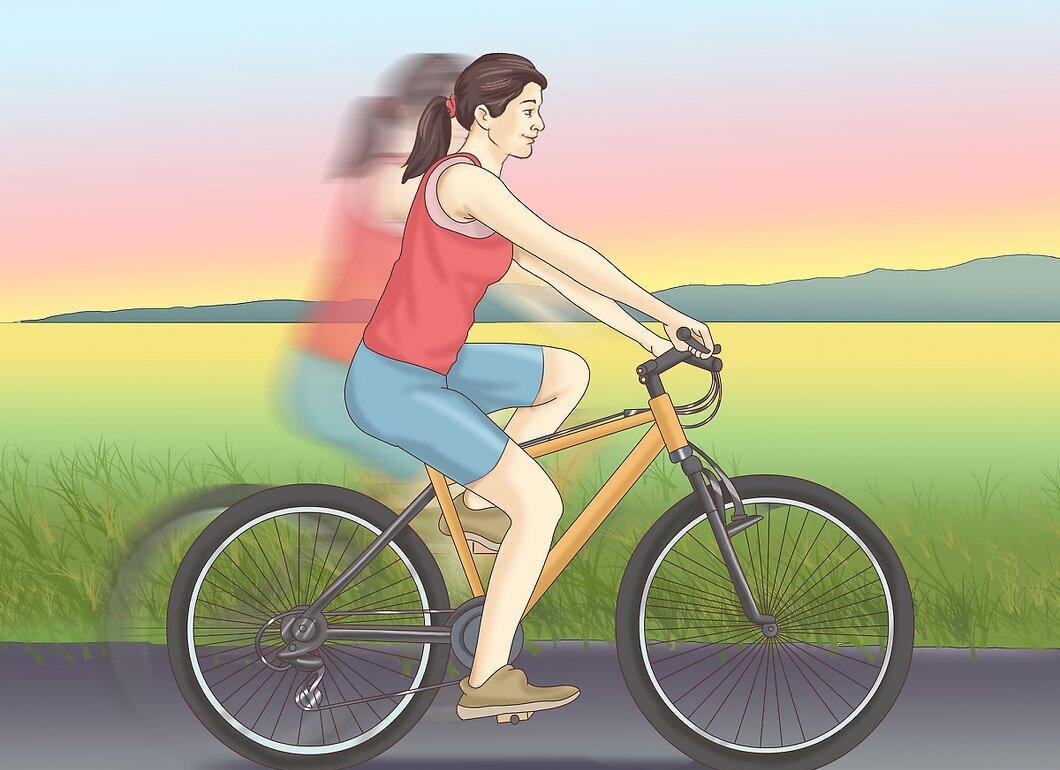
Go biking. More cities are developing bike paths, and drivers are increasingly respecting cyclists. Check out a local shop and buy a city or even a mountain bike to ride off-road if you live near unspoiled nature or the countryside.
Step 6: Go Dancing

Go dancing. Who said workouts have to be boring? Hit the club on a Friday night and burn calories to your favorite songs, or turn on your music and dance in your bedroom in your pajamas—no one is watching.
Motivation Techniques
Step 1: Find a Workout Partner
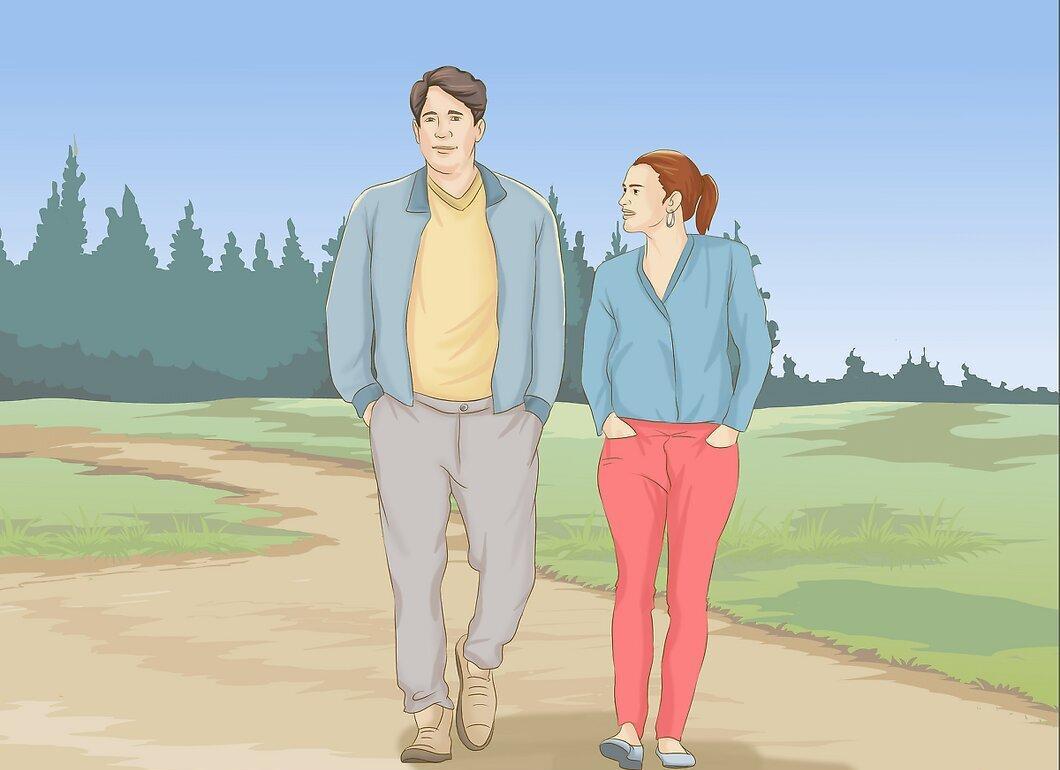
Find a workout partner. Even if you’re just trying to walk every day, having a partner greatly influences your attitude and sense of responsibility. If you’re not in the mood to step outside, it will be harder to cancel your walk since you’ve already made plans. Choose a regular time and stick to an unspoken rule to always meet at the agreed place. Eliminate your escape routes.
Step 2: Choose the Best Time
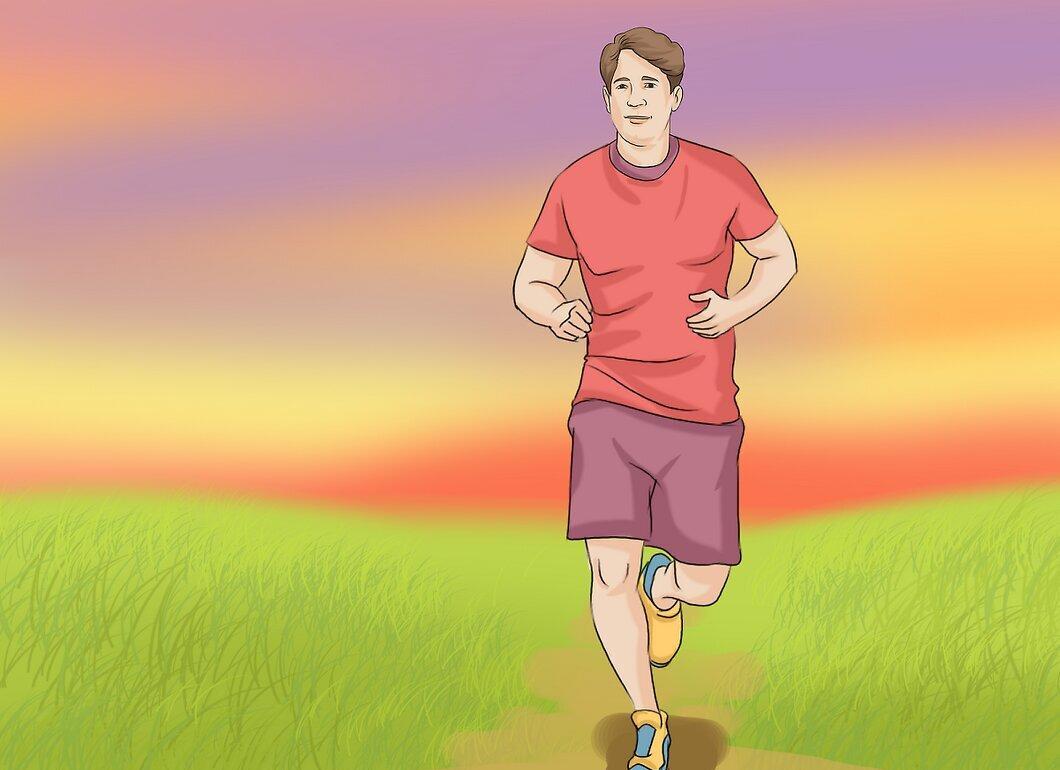
Choose the best time. Consistency and regularity are the best ways to incorporate workouts into your life without much hassle. If you have free time in the morning for active activities, wake up earlier and get to it. If you have no commitments after lunch, then exercise during that time. Start with 20 minutes a day and gradually increase the intensity when you’re ready.
Step 3: Get Through the First Three Days
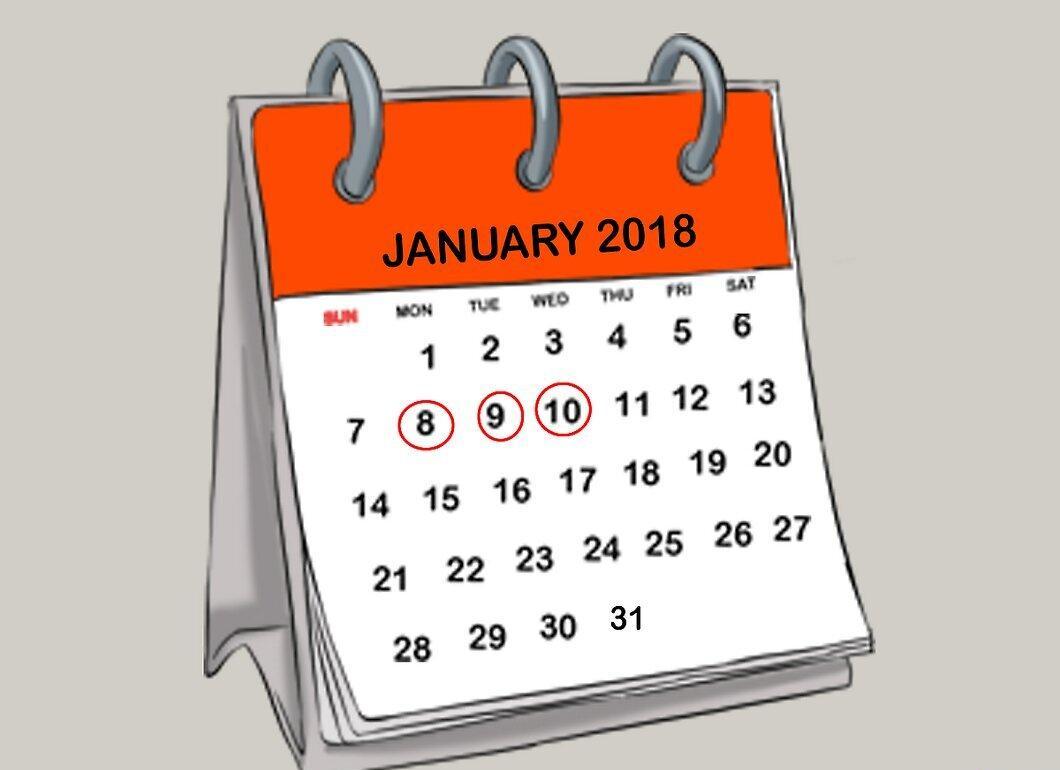
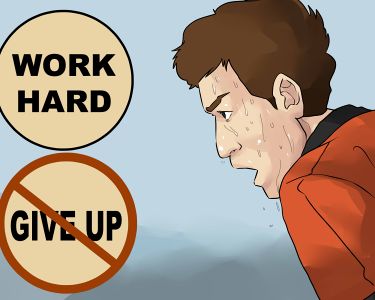
Get through the first three days. Sometimes, after starting to exercise, you may experience soreness, even if you warm up and don’t overexert yourself. The next day, you might not feel like doing anything. Don’t give up. Usually, the soreness lasts for three days, after which your muscles adapt to the new loads. It’s hard to say that soreness won’t happen again, but it’s crucial to get through the first three days to establish the habit.
Step 4: Create a Reward System
Create a reward system. Treat yourself for successfully completing exercises to maintain motivation. Choose a reward to look forward to. If an active lifestyle starts bringing you joy, why not buy yourself new workout clothes? Get those hiking boots you’ve been eyeing after successfully completing a long route. Visit a new restaurant after a workout and treat yourself to a delicious and healthy meal. Make it easier on yourself.